is fifth disease (slapped cheek) exposure safe during pregnancy?
Is fifth disease (slapped cheek) exposure safe during pregnancy? Safe in most cases, but avoid if rash appears in first trimester—learn risks and precautions
By Shubhra Mishra — a mom of two who turned her own confusion during pregnancy into BumpBites, a global mission to make food choices clear, safe, and stress-free for every expecting mother. 💛
Check whether any food is safe during pregnancy with the BumpBites Food Safety Checker.
Quick verdict: ⚠️ Fifth disease (slapped cheek syndrome) exposure during pregnancy requires careful consideration. While the virus itself rarely causes serious harm to most pregnant women, exposure in the first trimester may pose a higher risk of complications like miscarriage or fetal anemia. Most obstetricians recommend monitoring closely if exposed, especially if you have no immunity. Safer alternatives focus on avoiding close contact with infected individuals, and serology testing can provide clarity on your immune status.
You’re scrolling through baby photos on social media when you notice a neighbor’s child has that bright red, "slapped cheek" rash. Or maybe you’re at a playground and see a toddler with a fever and a faint, lacy rash on their arms. Suddenly, your mind races: *Is fifth disease contagious during pregnancy?* *Can I get slapped cheek disease while pregnant?* *What if I’ve already been exposed?* If you’re pregnant—or even just trying to conceive—these questions can feel terrifyingly urgent. Fifth disease, caused by parvovirus B19, might seem like a harmless childhood illness, but its effects during pregnancy aren’t always so simple. The good news? Most pregnant women who contract fifth disease don’t experience severe complications. The bad news? The risks aren’t zero, and the timing of exposure matters more than you might think.
This article breaks down everything you need to know about is fifth disease slapped cheek exposure safe during pregnancy, from trimester-by-trimester safety guidelines to preventive measures and safer alternatives. We’ll also address common myths, symptoms to watch for, when to contact your healthcare provider, and how to reduce your risk if you work in a school or daycare setting. If you’ve already been exposed or are worried about a recent encounter, take a deep breath—you’re not alone, and there are clear steps to take next.
Note: If you suspect you’ve been exposed to fifth disease or are experiencing symptoms, this article is informational only. Always consult your obstetrician for personalized advice, especially if you’re in your first trimester or have concerns about your immune status.
Trimester / Stage
Safety Verdict
Key Considerations
First Trimester
⚠️ Higher caution recommended
Risk of miscarriage or fetal anemia if exposed without immunity. Monitor closely with serology testing if unsure of immunity.
Second Trimester
⚠️ Lower risk but still requires monitoring
Fetal anemia possible; ultrasound surveillance may be advised if exposed.
Third Trimester
⚠️ Minimal risk but monitor for symptoms
Mostly safe, but watch for signs of infection in newborns after delivery.
Breastfeeding
✅ Generally safe
Parvovirus B19 is not transmitted through breast milk. Focus on hygiene and avoiding exposure.
Recognizing the early signs of fifth disease can help you take preventive action if exposed.
---
## What Is Fifth Disease (Slapped Cheek Syndrome)?
Fifth disease, also called erythema infectiosum, is a common viral illness caused by parvovirus B19. It’s named for its "fifth" position in a historical classification of childhood rashes, though it’s now known to be distinct from other childhood diseases like measles or chickenpox. The name "slapped cheek" comes from the telltale bright red rash that appears on the cheeks of infected children, often resembling a child who’s been "slapped" in the face. However, the rash isn’t painful and usually fades within a few days, only to return later as a lacy, reticular pattern on the arms, legs, and torso.
Most people—especially children—experience fifth disease as a mild, short-lived illness with few complications. Symptoms typically include a low-grade fever, fatigue, and a sore throat before the characteristic rash develops. But parvovirus B19 is more than just a childhood nuisance. It’s a teratogen—a virus that can cause harm to a developing fetus—especially during the critical first trimester of pregnancy when organs are forming. This is why is fifth disease slapped cheek exposure safe during pregnancy is a question that demands careful consideration.
Parvovirus B19 spreads through respiratory droplets (like coughing or sneezing) and direct contact with infected bodily fluids, such as saliva or nasal secretions. It’s most contagious during the early stages of illness, before the rash appears. Interestingly, some people—particularly adults—may not develop any symptoms at all but can still spread the virus. This is why exposure in shared spaces like schools, daycares, or playgrounds can be tricky to avoid.
### How Common Is Fifth Disease?
Parvovirus B19 is widespread, with studies suggesting that **up to 50% of adults** have been exposed to the virus by the age of 40. However, **1 in 5 pregnant women** may lack immunity, making them vulnerable to infection if exposed. This is particularly concerning for those who work in schools, daycares, or healthcare settings where parvovirus B19 is more likely to circulate. If you’re pregnant and frequently around children, you may be at higher risk of exposure.
---
## Is Fifth Disease Safe During Pregnancy?
The short answer is: **it depends**. Fifth disease itself is rarely dangerous to pregnant women, but the risks to the fetus—particularly in the first trimester—are real and warrant attention. According to the **American College of Obstetricians and Gynecologists (ACOG)**, parvovirus B19 infection during pregnancy can lead to complications such as:
- **Miscarriage** (if exposed in the first trimester and without immunity).
- **Fetal anemia** (low red blood cell count), which can cause growth restrictions or hydrops fetalis (severe swelling in the fetus).
- **Stillbirth** (extremely rare but possible in severe cases).
The **Centers for Disease Control and Prevention (CDC)** notes that most pregnant women who contract parvovirus B19 do not experience severe outcomes, but the risk is higher if you’re exposed early in pregnancy or lack immunity. Immunity to parvovirus B19 is common in adults due to past exposure, but if you’re unsure whether you’ve been infected before, your provider may recommend testing.
### How Common Is Fifth Disease During Pregnancy?
Fifth disease is more prevalent in children under 10, but adults can also catch it—especially if they haven’t been exposed before. Studies suggest that **1 in 5 pregnant women** may lack immunity to parvovirus B19, making them vulnerable to infection if exposed. This is why is fifth disease contagious during pregnancy is a question that requires proactive measures, particularly in environments where children are present.
### What Does the Evidence Say?
Research from the **UK’s National Health Service (NHS)** confirms that while fifth disease is not typically life-threatening for pregnant women, the fetus is at higher risk during the first 20 weeks of gestation. A study published in the Journal of Obstetrics and Gynaecology Research found that fetal anemia occurred in about **10–20% of cases** where parvovirus B19 was detected in the fetus, though most affected babies recovered with proper medical monitoring.
If you’ve been exposed and are concerned, your provider may recommend:
- **Serology testing** to check for immunity.
- **Ultrasound surveillance** to monitor fetal well-being.
- **Fetal blood sampling** (amniocentesis) in rare cases where complications are suspected.
### What If I’ve Already Been Exposed?
If you’ve already been exposed to parvovirus B19 and are pregnant, **don’t panic**. Many women who are exposed do not develop symptoms or complications. However, if you develop symptoms such as a rash, fever, or fatigue, contact your provider immediately. They may recommend additional testing or monitoring, even if you feel fine.
---
## Safety by Trimester
### Is Fifth Disease Safe in the First Trimester of Pregnancy?
⚠️ Exposure in the first trimester is the riskiest period. This is when the fetus’s organs are developing, and parvovirus B19 can interfere with red blood cell production, leading to anemia or other complications. According to ACOG, if you’re exposed in the first trimester and have no immunity, your provider may recommend:
- **Serology testing** to confirm exposure and immunity status.
- **Fetal ultrasound** every 2–4 weeks to monitor for signs of anemia or hydrops fetalis.
- **Close follow-up** if symptoms develop in you or the fetus.
If you’ve already been exposed and are unsure whether you’ve had parvovirus B19 before, contact your provider immediately. They may advise additional testing or monitoring, even if you feel fine.
#### What If I Work in a School or Daycare?
If you work in a school or daycare setting, your risk of exposure to parvovirus B19 is higher. In this case, your provider may recommend **serology testing at the start of your pregnancy** to check your immunity status. If you’re not immune, they may suggest **additional precautions**, such as wearing a mask when interacting with children or avoiding close contact with sick individuals.
### Can a Pregnant Woman Be Exposed to Fifth Disease During the Second Trimester?
⚠️ The risk decreases but isn’t eliminated. While the second trimester is generally safer than the first, parvovirus B19 can still cause fetal anemia or growth restrictions. The CDC recommends:
- **Monitoring for symptoms** (fatigue, rash, joint pain).
- **Ultrasound surveillance** if exposure is confirmed and you lack immunity.
- **Fetal blood sampling** in severe cases (rare).
Most pregnant women who are exposed in the second trimester do not experience complications, but it’s still important to stay vigilant.
#### What Are the Signs of Fetal Anemia?
Fetal anemia due to parvovirus B19 may not cause obvious symptoms in the mother, but your provider may detect it during an ultrasound. Signs of fetal anemia include:
- **Increased nuchal translucency** (a marker for fluid buildup in the fetus).
- **Hydrops fetalis** (severe swelling due to fluid buildup).
- **Growth restrictions** (slowed fetal growth).
If fetal anemia is suspected, your provider may recommend **fetal blood sampling** to confirm the diagnosis and guide treatment.
### What Are the Risks of Fifth Disease Exposure During Pregnancy in the Third Trimester?
⚠️ The risk is lowest in the third trimester, but newborns can be affected. Parvovirus B19 is less likely to cause severe complications in the later stages of pregnancy, but it’s worth noting that:
- **Newborns can develop hydrops fetalis** if exposed close to delivery.
- **Monitoring for symptoms** in the mother (e.g., rash, fever) is still advised.
- **Breastfeeding is generally safe**, as parvovirus B19 is not transmitted through milk.
If you’re exposed in the third trimester, your provider may recommend a final ultrasound to ensure the baby is healthy before delivery.
#### How Is Fifth Disease Diagnosed in Newborns?
If you develop fifth disease symptoms near your due date, your provider may recommend **additional monitoring for the newborn**. Symptoms in newborns can include:
- **Jaundice** (yellowing of the skin or eyes).
- **Swelling** (hydrops fetalis).
- **Respiratory distress**.
If complications are suspected, your provider may recommend **blood tests or ultrasound** to assess the newborn’s health.
### Is Fifth Disease Safe While Breastfeeding?
✅ Yes, breastfeeding is generally safe. Parvovirus B19 is not transmitted through breast milk, so there’s no need to stop breastfeeding if you’ve been exposed. However, you should still:
- **Practice good hygiene** (wash hands frequently, avoid sharing utensils).
- **Avoid close contact** with infected individuals.
- **Monitor for symptoms** in yourself and your baby.
---
## Safe Dosage / Amount / Brands
Fifth disease doesn’t have a "dosage" in the traditional sense, as it’s a viral infection—not a medication or supplement. However, if you’ve been exposed, there are no specific treatments to prevent infection. The focus is on **preventive measures** and **monitoring**:
- **No vaccine exists** for parvovirus B19, but **rubella vaccination** (if eligible) can protect against a similar but more severe viral threat. Learn more about preventive vaccines if you’re concerned about other infectious diseases.
- **No antiviral treatments** are approved for parvovirus B19, but **intravenous immunoglobulin (IVIG)** may be used in rare cases of severe fetal anemia.
- **Immunity testing** (serology) is the only way to confirm if you’re protected.
### Preventive Measures for High-Risk Environments
If you work in a school, daycare, or healthcare setting, you may want to take additional precautions:
- **Wear a well-fitted mask** when interacting with children or in crowded spaces.
- **Wash hands frequently** with soap and water, especially after being in public spaces.
- **Avoid close contact** with individuals who have symptoms of fifth disease (e.g., rash, fever).
- **Use disinfectant wipes** to clean surfaces frequently touched by others (doorknobs, toys, shared utensils).
- **Consider temporary leave** if you’re exposed and lack immunity, especially in the first trimester.
---
## ⚠️ Side Effects and Risks
### For Pregnant Women:
- **Mild symptoms** (fatigue, low-grade fever, sore throat) are common but usually resolve on their own.
- **Rash** (slapped cheek appearance, followed by a lacy rash on limbs) is the hallmark sign but not dangerous.
- **Joint pain** (similar to arthritis) may occur in adults.
### For the Fetus:
- **Fetal anemia** (most common complication, often detected via ultrasound).
- **Hydrops fetalis** (severe swelling due to fluid buildup, rare but serious).
- **Miscarriage or stillbirth** (extremely rare but possible if exposed in the first trimester without immunity).
### When to Seek Immediate Medical Attention:
- **Symptoms of severe fetal anemia** (detected via ultrasound).
- **Signs of hydrops fetalis** (excessive fluid in the fetus).
- **Newborn symptoms** after delivery (e.g., jaundice, swelling, or respiratory distress).
#### What If I Develop Symptoms After Exposure?
If you develop symptoms such as a rash, fever, or fatigue after being exposed to parvovirus B19, contact your provider immediately. They may recommend:
- **Serology testing** to confirm infection.
- **Ultrasound monitoring** to assess fetal health.
- **Additional follow-up** based on your symptoms and trimester.
---
## Are There Safer Alternatives to Avoid Fifth Disease During Pregnancy?
While you can’t control whether someone else is infected, you can take steps to **reduce your risk of exposure**. Here are some of the most effective safer alternatives:
- **Hand hygiene:** Wash your hands frequently with soap and water, especially after being in public spaces or around children.
- **Wearing a face mask:** If you’re in close proximity to someone with symptoms (e.g., a sick child at daycare), a well-fitted mask can help block respiratory droplets.
- **Avoiding close contact with infected children:** If you know someone is sick with fifth disease, limit direct interaction, especially if they’re coughing or sneezing.
- **Using disinfectant wipes:** Clean surfaces frequently touched by others (doorknobs, toys, shared utensils).
- **Maintaining distance:** Keep at least 6 feet away from individuals with symptoms, particularly in indoor settings.
- **Wearing gloves when caring for sick children:** If you must interact with an infected child (e.g., a sibling), wear disposable gloves to minimize exposure.
- **Social distancing:** Reduce time in crowded places like playgrounds or large gatherings where parvovirus B19 can spread.
- **Vaccination against rubella:** While not a substitute for parvovirus B19 prevention, ensuring immunity to rubella (another viral threat) can help protect your pregnancy from other infectious diseases. Learn more about protective vaccines.
### Additional Precautions for Pregnant Women in High-Risk Environments
If you work in a school or daycare, consider the following:
- **Temporary leave:** If you’re exposed and lack immunity, discuss with your employer the possibility of temporary leave to reduce risk.
- **Remote work:** If feasible, transition to remote work during the first trimester to minimize exposure.
- **Extra hygiene measures:** Carry hand sanitizer and use it before and after interactions with children.
---
## Related Items — Safety at a Glance
Here’s how fifth disease compares to other common viral infections during pregnancy:
| **Infection** | **Safety Verdict** | **Key Considerations** |
|------------------------|----------------------------------|----------------------------------------------------------------------------------------|
| **Rubella** | ❌ Best avoided | Causes severe birth defects if contracted in the first trimester; vaccination is recommended before pregnancy. Learn more about rubella risks. |
| **Measles** | ❌ Best avoided | High risk of miscarriage, preterm birth, and congenital defects; vaccination is critical. |
| **Chickenpox** | ⚠️ Safe with precautions | Varicella (chickenpox) can cause birth defects if exposed in the first trimester; acyclovir may be used if exposed. Read about chickenpox exposure. |
| **Varicella (Chickenpox)** | ⚠️ Safe with precautions | Similar to chickenpox; varicella-zoster immune globulin (VZIG) may be offered if exposed. |
| **Herpes Zoster (Shingles)** | ⚠️ Safe with monitoring | Rarely causes complications; acyclovir can reduce severity if taken early. |
| **Influenza** | ⚠️ Safe with precautions | Seasonal flu vaccine is recommended; antiviral meds (e.g., oseltamivir) may be used if exposed. |
| **COVID-19** | ⚠️ Safe with precautions | Higher risk of preterm birth and severe illness; vaccination is strongly advised. |
| **Parvovirus B19** | ⚠️ Safe with monitoring | Fetal anemia risk highest in first trimester; ultrasound surveillance may be needed. |
---
## Myth vs. Fact
### **Myth:** "Fifth disease is just a harmless childhood rash."
**Fact:** While fifth disease is usually mild in children, it can pose serious risks to a developing fetus—particularly in the first trimester. Parvovirus B19 is a teratogen and can cause fetal anemia or miscarriage if exposure occurs without immunity.
### **Myth:** "If I’ve had fifth disease before, I can’t get it again."
**Fact:** Parvovirus B19 infection typically provides lifelong immunity, but reinfection is possible—though rare—especially in immunocompromised individuals. Most people who’ve had fifth disease as a child are protected.
### **Myth:** "I don’t need to worry if I’m exposed in the second or third trimester."
**Fact:** While the risk decreases after the first trimester, parvovirus B19 can still cause complications like fetal anemia or hydrops fetalis. Monitoring is still recommended if exposed.
### **Myth:** "I can’t get fifth disease if I’m not around children."
**Fact:** Parvovirus B19 can affect people of all ages, including adults. If you work in a school, daycare, or healthcare setting, you’re at higher risk of exposure, even if you don’t have young children at home.
### **Myth:** "There’s nothing I can do to prevent fifth disease."
**Fact:** While you can’t control whether someone else is infected, you can take steps to reduce your risk, such as wearing a mask, practicing hand hygiene, and avoiding close contact with infected individuals.
---
## Key Takeaways
- **First-trimester exposure is the riskiest**—fetal anemia and miscarriage are possible if you lack immunity.
- **Serology testing is key**—if you’re unsure whether you’ve been exposed before, ask your provider for antibody testing.
- **Ultrasound monitoring may be advised** if exposed in the first or second trimester, especially if you develop symptoms.
- **Breastfeeding is safe**—parvovirus B19 is not transmitted through milk.
- **Preventive measures work**—hand hygiene, masks, and avoiding close contact with infected individuals can reduce your risk.
- **Most pregnant women recover uneventfully**—only a small percentage experience complications, but early detection is critical.
- **Vaccination for other viruses (like rubella) is still important**—protecting against multiple infectious diseases is a smart strategy.
- **If you work in a school or daycare, consider additional precautions**—such as wearing a mask or discussing temporary leave with your employer.
---
## Frequently Asked Questions
### What is slapped cheek disease?
Slapped cheek disease is another name for fifth disease, caused by parvovirus B19. It’s characterized by a bright red rash on the cheeks (hence the name) followed by a lacy rash on the arms and legs. While it looks striking, it’s usually harmless in children and adults—except during pregnancy, where the virus can affect the fetus.
### Can fifth disease be transmitted during pregnancy?
Yes, fifth disease can be transmitted during pregnancy through respiratory droplets or direct contact with infected bodily fluids. However, the risk of transmission depends on whether you’ve been exposed to parvovirus B19 before. If you lack immunity, you’re at higher risk of infection if exposed to an infected person.
### Is fifth disease contagious?
Yes, fifth disease is contagious, especially during the early stages of illness—before the rash appears. It spreads through coughing, sneezing, or direct contact with saliva or nasal secretions. This is why it’s so common in schools and daycare settings.
### How long does fifth disease last?
Most people recover from fifth disease within 7–10 days. The initial symptoms (fever, fatigue, sore throat) last about 1–2 weeks, followed by the characteristic rash, which may come and go for several weeks. However, the virus can remain in the bloodstream for up to 10 days before symptoms appear.
### What are the symptoms of slapped cheek disease?
The most common symptoms include:
- A bright red rash on the cheeks (slapped cheek appearance).
- A lacy, reticular rash on the arms, legs, and torso (appears 1–2 weeks after the initial rash).
- Low-grade fever.
- Fatigue or mild flu-like symptoms.
- Sore throat or headache.
### Can a pregnant woman develop fifth disease?
Yes, a pregnant woman can develop fifth disease if exposed to parvovirus B19 and lacks immunity. The risk is highest in the first trimester, but exposure at any stage requires monitoring. Symptoms in pregnant women are similar to those in non-pregnant adults but may include additional concerns for fetal health.
### What is the treatment for fifth disease?
There is no specific treatment for fifth disease—it’s a viral infection that resolves on its own. Supportive care (rest, fluids, and pain relievers like acetaminophen) is typically all that’s needed. If exposed during pregnancy, your provider may recommend serology testing and ultrasound monitoring to ensure the fetus is healthy.
### What should I do if I’ve already been exposed to fifth disease?
If you’ve been exposed and are pregnant, contact your provider immediately. They may recommend serology testing to check your immunity status and ultrasound monitoring to assess fetal health. Even if you feel fine, exposure in the first trimester warrants close follow-up.
### How can I reduce my risk of fifth disease if I work in a school or daycare?
To reduce your risk, consider the following:
- Wear a well-fitted mask when interacting with children or in crowded spaces.
- Wash your hands frequently with soap and water.
- Avoid close contact with individuals who have symptoms of fifth disease.
- Use disinfectant wipes to clean surfaces frequently touched by others.
- Discuss the possibility of temporary leave or remote work with your employer if you’re exposed and lack immunity.
### What are the signs that my baby may have been affected by fifth disease?
Signs of fetal complications due to parvovirus B19 may include:
- Increased nuchal translucency on ultrasound.
- Hydrops fetalis (severe swelling in the fetus).
- Slowed fetal growth.
- If your baby develops symptoms after birth, such as jaundice, swelling, or respiratory distress, contact your pediatrician immediately.
---
## When to Call Your Doctor
Contact your healthcare provider immediately if:
- You’ve been exposed to fifth disease and are in your **first trimester** (especially if you lack immunity).
- You develop **symptoms of parvovirus B19** (fever, rash, fatigue) during pregnancy.
- You notice **fetal abnormalities** on an ultrasound (e.g., signs of anemia or hydrops fetalis).
- You or your baby develop **severe symptoms** after exposure, such as:
- Extreme fatigue or shortness of breath.
- Swelling in the fetus (detected via ultrasound).
- Jaundice or respiratory distress in a newborn.
**Remember:** This article is for informational purposes only. If you suspect exposure or have symptoms, **consult your obstetrician** for personalized advice. Early detection and monitoring can make a significant difference in outcomes.
---
## References
1. **American College of Obstetricians and Gynecologists (ACOG):** [Guidelines on parvovirus B19 infection during pregnancy](https://www.acog.org).
2. **Centers for Disease Control and Prevention (CDC):** [Parvovirus B19 and pregnancy](https://www.cdc.gov).
3. **UK National Health Service (NHS):** [Fifth disease in pregnancy](https://www.nhs.uk).
4. **Journal of Obstetrics and Gynaecology Research:** [Fetal anemia due to parvovirus B19](https://onlinelibrary.wiley.com).
5. **World Health Organization (WHO):** [Viral infections in pregnancy](https://www.who.int).
6. **Mayo Clinic:** [Parvovirus B19 and pregnancy](https://www.mayoclinic.org).
7. **American Academy of Pediatrics (AAP):** [Infectious diseases in children](https://www.aap.org).
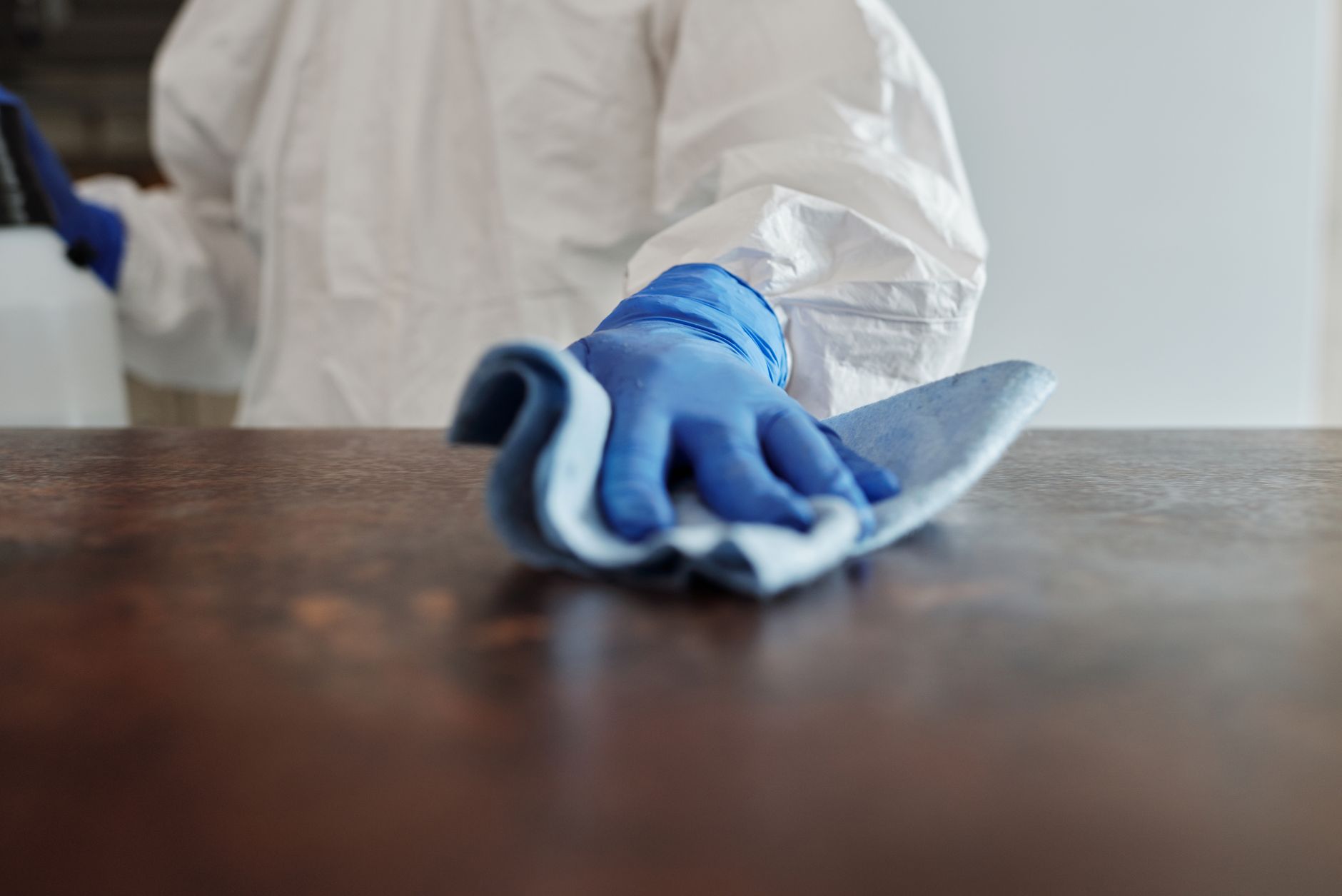
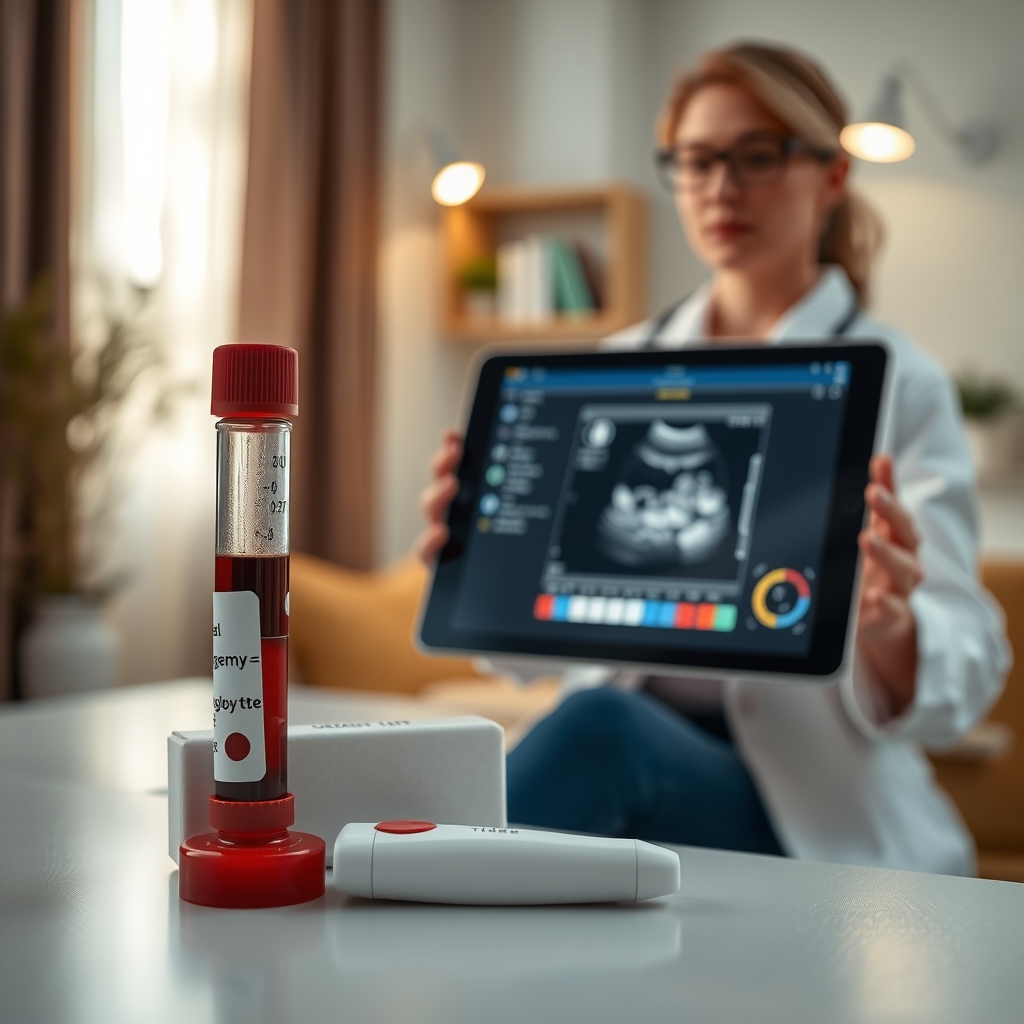
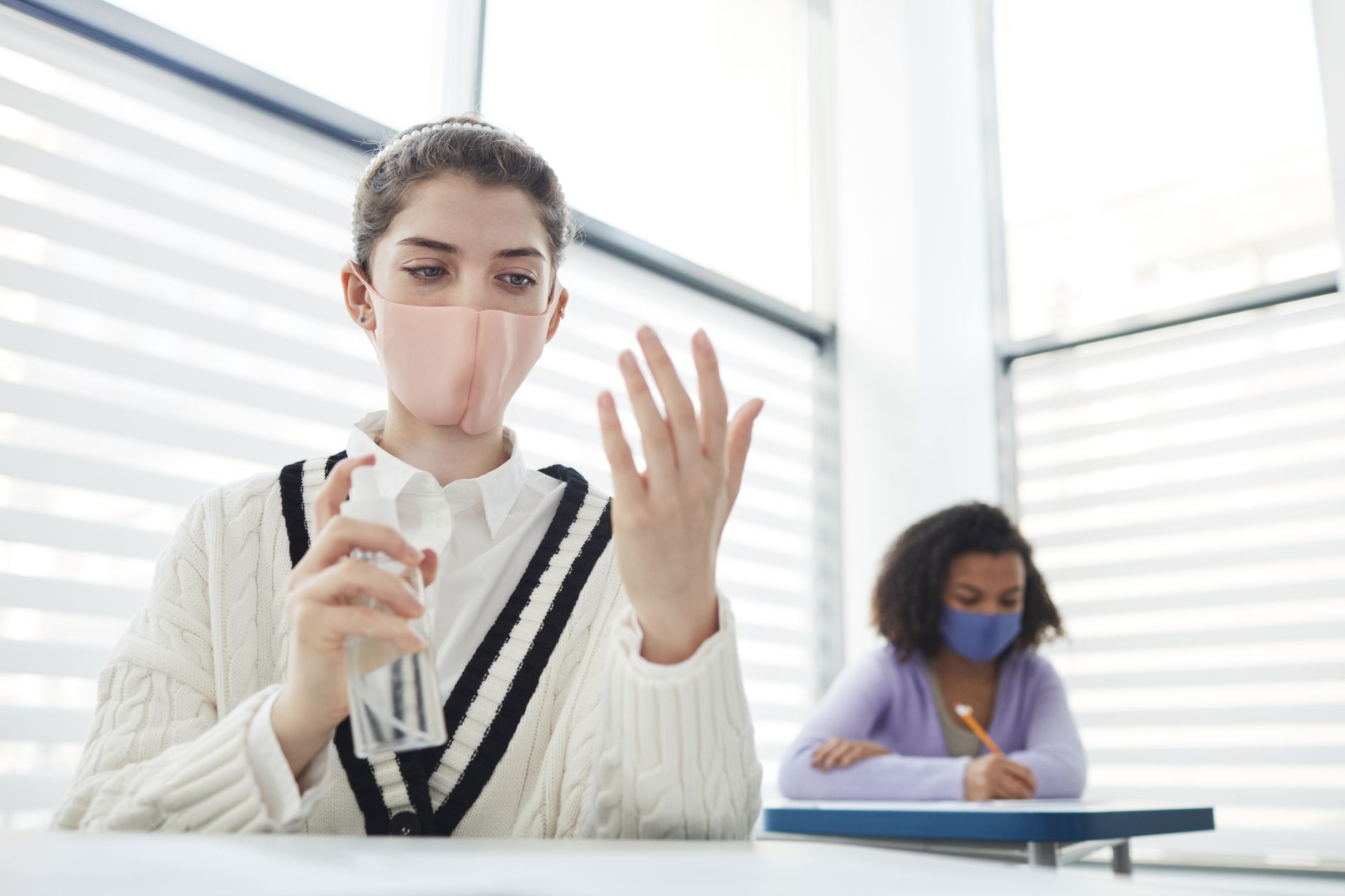
Preventive measures like masks, gloves, and social distancing can help reduce your risk of fifth disease exposure during pregnancy.Serology testing can confirm your immunity to parvovirus B19 and guide your provider’s recommendations.Pregnant teachers and caregivers can take extra precautions like hand sanitizing and wearing masks to reduce fifth disease exposure.
Not sure about the label on Is Fifth Disease Slapped Cheek Exposure Safe During Pregnancy products?
Snap the ingredients list and SafeFilter checks every ingredient for your stage — only 3 free scans this month, then you're locked until reset. Unlimited from $7/mo or $50/yr.
When Shubhra Mishra was expecting her first child in 2016, she was overwhelmed by conflicting food advice — one site said yes, another said never. By the time her second baby arrived in 2019, she realized millions of mothers face the same confusion.
That sparked a five-year journey through clinical nutrition papers, cultural diets, and expert conversations — all leading to BumpBites: a calm, compassionate space where science meets everyday motherhood.
Her long-term vision is to build a global community ensuring safe, supported, and free deliveriesfor every mother — because no woman should face pregnancy alone or uninformed. 🌿
🌍 Stand with mothers, shape safer guidance
Join a small circle of experts who review BumpBites articles so expecting parents everywhere can decide with confidence.