Safe in moderation. Facials are generally safe during pregnancy if chemical-free, but avoid strong acids or retinoids. Check dosage and trimester-specific risks.
By Shubhra Mishra — a mom of two who turned her own confusion during pregnancy into BumpBites, a global mission to make food choices clear, safe, and stress-free for every expecting mother. 💛
Check whether any food is safe during pregnancy with the BumpBites Food Safety Checker.
Quick verdict: ⚠️ Talk to your doctor first. A facial is generally considered low‑risk, but certain ingredients and procedures may not be safe for every stage of pregnancy, so it’s best to get a professional’s clearance before booking.
It’s 2 a.m., the bathroom light is on, and you’re scrolling through reviews trying to decide if that glowing facial you’ve been eyeing is safe now that you’re pregnant. You’re not alone—many expectant parents wonder whether a facial is facial safe for pregnancy and how often they can indulge without risking their baby.
In short, most gentle facials that avoid strong acids, retinoids, and high‑intensity devices are okay, but the safety can shift depending on the trimester, the products used, and any underlying health concerns. Below you’ll find a clear verdict, trimester‑by‑trimester guidance, safe ingredient lists, brand recommendations, and alternatives that keep your skin glowing while keeping your pregnancy safe.
We’ll walk through everything you need to know about facial safety during pregnancy, from recommended frequency to the safest brands, and we’ll give you a quick‑reference table so you can make confident decisions without endless Googling.
Creating a soothing home facial routine can be a safe alternative to salon treatments.
Stage
Verdict
Notes
First trimester
⚠️ Caution
Gentle, non‑chemical facials are okay; avoid strong acids, retinoids, and high‑intensity devices.
Second trimester
✅ Generally safe
Most standard facials are fine; still steer clear of chemical peels with >10% glycolic or salicylic acid.
Third trimester
✅ Generally safe
Maintain comfort; avoid prolonged lying flat if you have swelling or varicose veins.
Breastfeeding
✅ Generally safe
Topical ingredients are minimally absorbed; double‑check any post‑procedure creams for infant safety.
What is a facial?
A facial is a skin‑care treatment that typically includes cleansing, exfoliation, extraction, massage, and the application of masks or serums. In a salon or spa, a professional may use specialized tools—such as ultrasonic devices, LED lights, or gentle chemical peels—to enhance the experience. At home, most people perform a simplified version using over‑the‑counter cleansers, moisturizers, and occasional exfoliating acids.
The goal of a facial is to improve skin texture, boost circulation, and address concerns like dryness, acne, or dullness. Ingredients vary widely: some facials rely on natural extracts (e.g., chamomile, aloe), while others incorporate active compounds such as hyaluronic acid, vitamin C, or alpha‑hydroxy acids (AHAs). Understanding what’s in the product is crucial for pregnant users, because certain chemicals can cross the placenta or cause irritation that may be mistaken for pregnancy‑related skin changes.
Because pregnancy brings hormonal fluctuations that can make skin more sensitive, many expectant mothers turn to facials for a soothing self‑care ritual. Knowing whether a facial is facial safe for pregnancy depends on the specific ingredients and the method used, which we’ll unpack in the sections that follow.
Is a facial safe during pregnancy?
Current guidance from the American College of Obstetricians and Gynecologists (ACOG) and the United Kingdom’s National Health Service (NHS) indicates that gentle, non‑invasive facials are generally safe for pregnant women. The ACOG notes that “standard facial treatments that do not involve high‑strength chemical peels, retinoids, or laser devices are permissible” (ACOG, 2023). Similarly, the NHS advises that “light‑touch facials are fine, but avoid strong acids and any procedure that could cause skin injury” (NHS, 2022).
The primary concern with certain facial treatments is the potential for systemic absorption of active ingredients. Retinoids (vitamin A derivatives) and high‑concentration salicylic or glycolic acids have been linked to teratogenic effects in animal studies, which is why the FDA classifies oral retinoids as pregnancy‑category X and recommends caution with topical forms exceeding 0.1 % concentration. While topical exposure is lower than oral, the precautionary principle still applies.
Most over‑the‑counter facials that focus on hydration, mild exfoliation (≤5 % AHAs), and soothing botanicals pose minimal risk. However, it’s always wise to review product labels, ask the aesthetician about the exact ingredients, and confirm that any post‑treatment serums are pregnancy‑approved. If you have a history of skin sensitivity, eczema, or a high‑risk pregnancy, a brief discussion with your obstetric provider can add peace of mind.
Is getting a facial safe during the first trimester of pregnancy?
The first trimester is when organ development (organogenesis) occurs, making it the most sensitive window for potential teratogens. While a gentle, water‑based facial that uses only mild cleansers and moisturizers is unlikely to cause harm, the ACOG recommends limiting exposure to any strong chemical agents during this period.
Specifically, avoid facials that include:
High‑strength chemical peels (glycolic or salicylic acid >10 %).
Retinoid‑based serums or creams.
Intense LED light therapy that penetrates deep tissue.
If you’re craving a facial in the first trimester, opt for a “basic” or “hydrating” treatment that focuses on cleansing, gentle massage, and a soothing mask free of active acids. Many spas label these as “Pregnancy‑Friendly” or “Prenatal” facials. Always verify the ingredient list with the therapist before the session begins.
Can I have a facial in the second trimester without any risks?
The second trimester is often considered the safest period for most cosmetic procedures. Hormonal fluctuations have usually settled, and the risk of miscarriage drops significantly. According to the NHS, “most standard facials are acceptable in the second trimester, provided they do not involve strong acids or invasive devices.”
During this stage, you can safely enjoy a broader range of facial types, such as:
Hydrating facials with hyaluronic acid.
Light enzymatic exfoliation (e.g., fruit enzyme masks).
Gentle micro‑current or low‑level LED treatments that promote collagen without deep penetration.
Even though the second trimester is more permissive, keep an eye on any skin reactions—redness, itching, or swelling could indicate an ingredient intolerance. If you notice any of these, pause the treatment and discuss with your provider.
What is the recommended frequency and duration for facials during pregnancy?
Most dermatologists and obstetricians suggest limiting professional facials to once every four to six weeks. This cadence allows your skin to recover between sessions and reduces the chance of cumulative exposure to any potentially questionable ingredients.
Typical facial appointments last 45 – 60 minutes. For pregnant women, it’s advisable to keep the session under an hour, especially if you’re prone to swelling or orthostatic hypotension. If you’re doing an at‑home routine, a 10‑15 minute cleanse followed by a short (5‑minute) mask is sufficient.
For those with sensitive skin or a history of eczema, spacing facials further apart—perhaps every eight weeks—can be gentler. Always listen to your body; if you feel dizzy, overly warm, or notice any skin irritation, stop the treatment and rest.
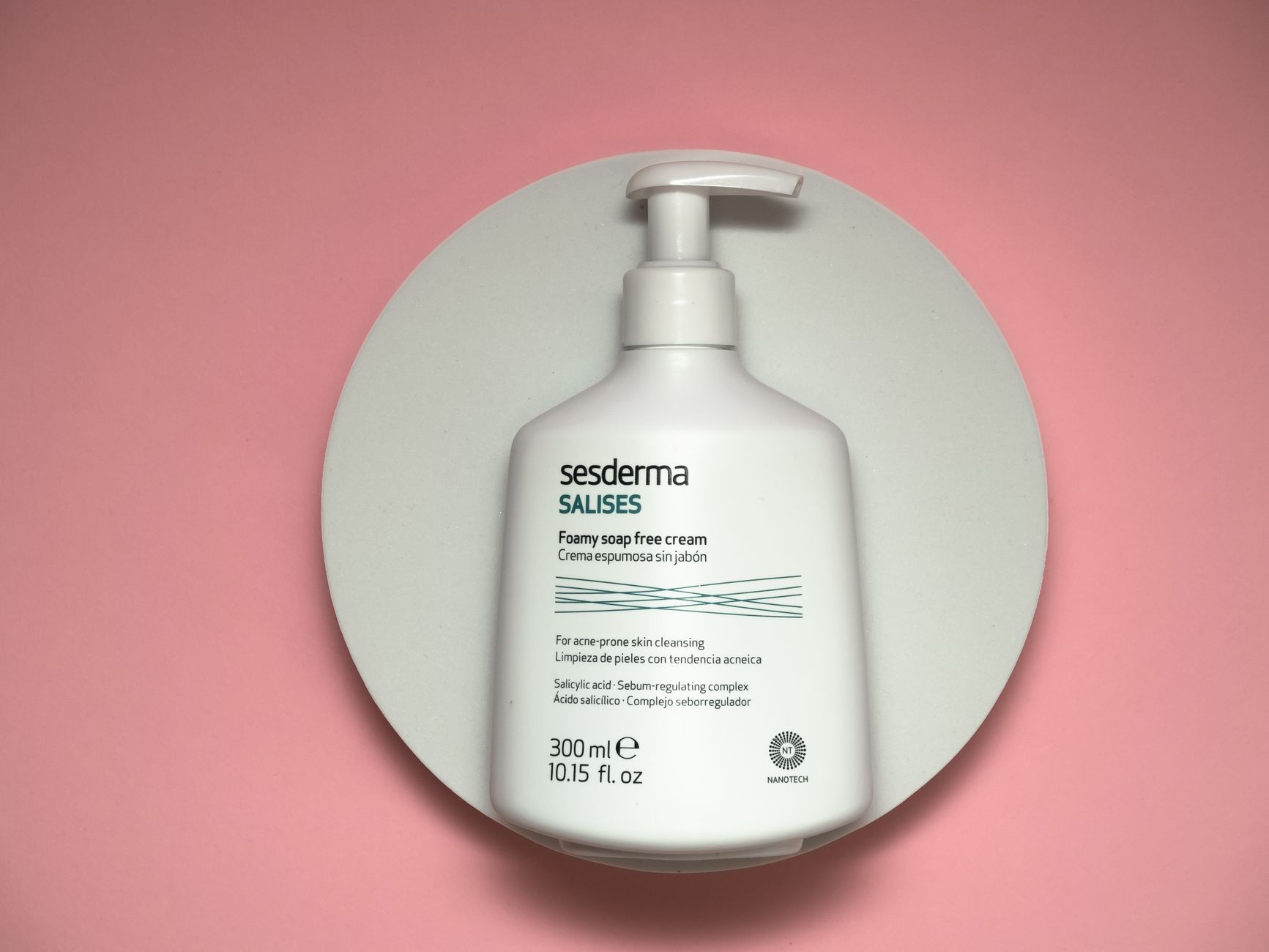
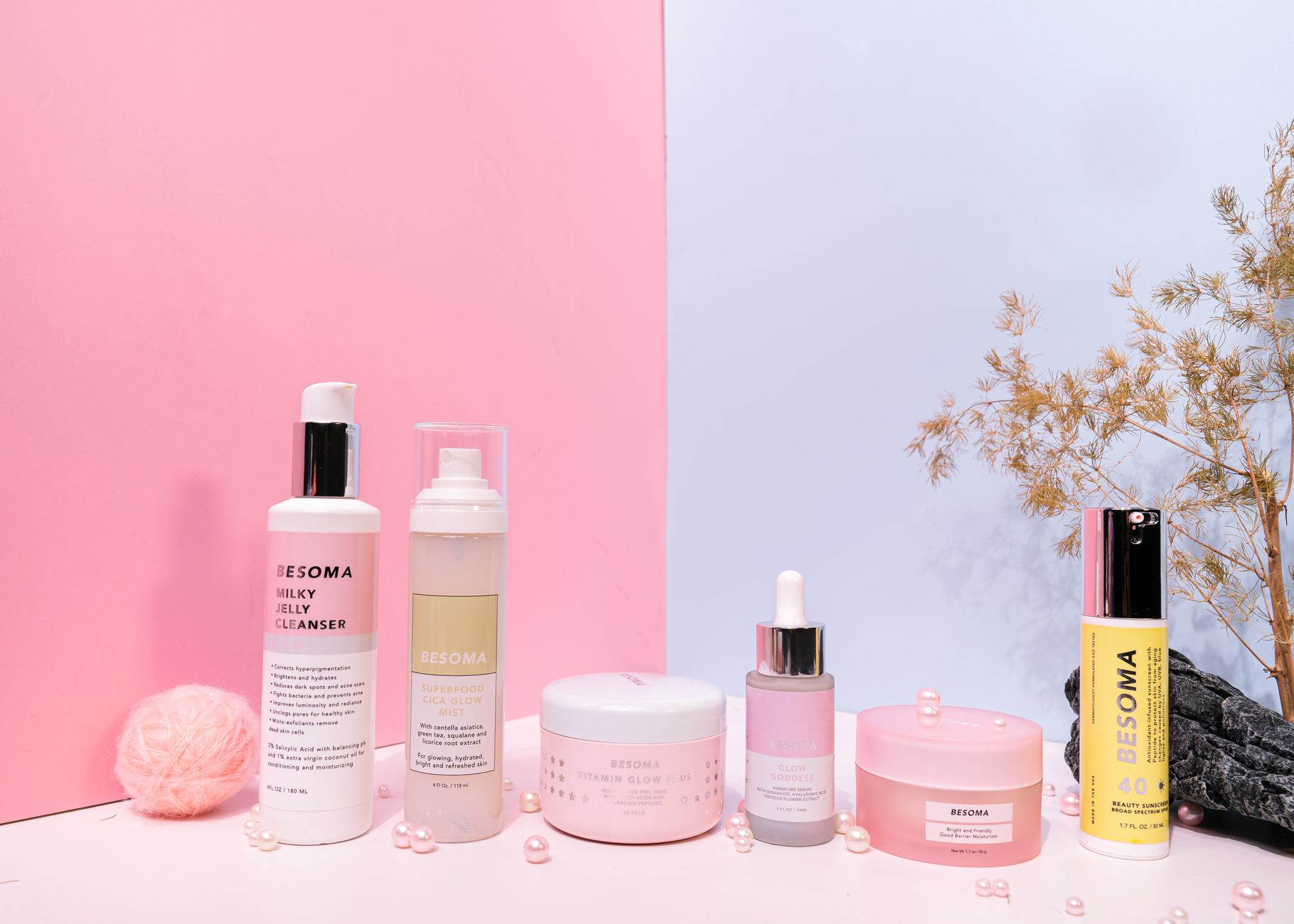
Choosing pregnancy‑safe skincare products helps you maintain a glow without the need for frequent spa visits.
Which facial brands are considered safe for pregnant women?
When selecting a facial product, look for brands that explicitly label their items as “pregnancy‑safe” or “suitable for sensitive skin.” The following brands have a track record of formulating gentle, fragrance‑free, and non‑comedogenic products that align with ACOG and NHS recommendations:
Cetaphil Gentle Skin Cleanser – a soap‑free, non‑irritating cleanser without added fragrance.
Burt’s Bees Sensitive Facial Cleanser – uses natural oat extract and is free of parabens and phthalates.
Neutrogena Hydro Boost Water Gel – contains hyaluronic acid for hydration without harsh acids.
The Ordinary Hyaluronic Acid 2% + B5 – a simple, water‑based serum that adds moisture without retinoids.
CeraVe Moisturizing Cream – fortified with ceramides and niacinamide, safe for daily use.
Aveeno Calm + Restore Oat Milk Moisturizer – oats soothe inflammation and the formula avoids known teratogens.
These products are widely available, affordable, and free of high‑strength acids, retinoids, or other ingredients that could raise concerns during pregnancy. Always check the most recent label, as formulations can change.
What are the potential risks of chemical peels in facials for pregnant moms?
Chemical peels use acids—such as glycolic, salicylic, or trichloroacetic acid (TCA)—to exfoliate the top layers of skin. While low‑strength peels (≤5 % glycolic acid) are generally well‑tolerated, higher concentrations increase the risk of systemic absorption.
Studies cited by the FDA indicate that salicylate exposure above 150 mg per day may affect fetal development, though topical use typically results in much lower levels. Nonetheless, the ACOG advises that “pregnant patients should avoid medium‑ to deep‑strength chemical peels” (ACOG, 2023). The primary risks include:
Skin irritation or burns that could become infected.
Potential systemic absorption of acids, especially with large surface area coverage.
Exacerbation of pregnancy‑related skin conditions like melasma.
If you’re eager for a brighter complexion, consider a gentle enzyme mask or a light, at‑home AHA product no stronger than 5 % glycolic acid, and always discuss with your provider first.
Are there safer alternative skin treatments for pregnant women?
Yes—there are several pregnancy‑friendly skin‑care options that can provide similar benefits to a facial without the need for a spa visit. Below are eight alternatives that are widely regarded as safe:
Cetaphil Gentle Skin Cleanser – cleanses without stripping natural oils.
Gentle facial massage with a silicone roller – improves circulation without chemicals.
Cold‑pressed rose water spray – offers a refreshing, anti‑inflammatory mist.
These alternatives are easy to incorporate into a daily routine and keep you feeling pampered while staying within the safety parameters outlined by obstetric guidelines.
How do common facial ingredients affect pregnancy conditions like morning sickness?
Many pregnant individuals experience heightened scent sensitivity (hyperosmia) and nausea, especially during the first trimester. Strong fragrances, essential oils, or mentholated ingredients in facial products can trigger or worsen morning sickness.
For example, citrus essential oils (lemon, orange) and peppermint are known to be potent triggers for some women. The CDC notes that “exposure to strong aromas can exacerbate nausea in early pregnancy.” Opt for fragrance‑free or lightly scented products—such as those from Cetaphil or CeraVe—to minimize this risk.
Additionally, ingredients like niacinamide have been shown to be safe and may even improve skin barrier function, which can help with the occasional dryness that some pregnant women experience.
Can I get a facial if I have a high‑risk pregnancy?
If you’re classified as high‑risk due to conditions such as preeclampsia, gestational diabetes, or severe hyperemesis gravidarum, it’s essential to consult your obstetrician before scheduling any facial. While most non‑invasive facials are low‑risk, certain positions (e.g., lying flat for extended periods) may exacerbate swelling or blood pressure concerns.
In high‑risk cases, a brief, seated facial that avoids heat, strong scents, and prolonged pressure is often permissible. However, each situation is unique, so a personalized recommendation from your care team is the safest route.
Safe dosage / amount / brands
Because a facial is a topical treatment rather than a medication, “dosage” refers to how often you receive the service and how much product you apply. Below is a practical guide:
Item
Suggested frequency
Typical amount per session
Notes
Gentle cleansing (e.g., Cetaphil)
Twice daily
Quarter‑size amount
Fragrance‑free, non‑comedogenic
Hydrating serum (e.g., The Ordinary Hyaluronic Acid)
Once daily
2–3 drops
Layer under moisturizer
Light mask (≤5 % AHA)
Every 4–6 weeks
Thin layer, 5‑minute leave‑on
Avoid if you have active breakouts
Professional facial (spa)
Every 4–6 weeks
45‑60 min session
Ask therapist to avoid strong acids
When selecting a brand, prioritize those that explicitly state “pregnancy‑safe” or “suitable for sensitive skin.” Avoid products that list “retinol,” “tretinoin,” “high‑strength glycolic acid,” or “salicylic acid >0.5 %” in the ingredient list. If you’re uncertain, a quick phone call to the manufacturer’s customer service can often confirm safety.
Side effects and risks
Most facials cause only temporary, mild skin reactions such as redness or a tingling sensation. However, pregnant women should be aware of the following potential side effects:
Skin irritation – Redness, itching, or a mild burn may occur if an acid or exfoliant is too strong. This is usually self‑limiting but should be reported if it persists.
Allergic reaction – Fragrance or essential‑oil ingredients can trigger hives or swelling. Discontinue use and seek medical advice if you notice airway difficulty or widespread rash.
Infection risk – Over‑exfoliation can compromise the skin barrier, making it more susceptible to bacterial infection. Keep the area clean and avoid picking at any flaking skin.
Systemic absorption concerns – High‑dose retinoids or strong chemical peels may theoretically allow active ingredients to enter the bloodstream. This is why ACOG advises avoiding them.
Most of these risks are minor and manageable with proper product selection and professional guidance. If you develop severe swelling, fever, or any sign of infection, contact your obstetrician promptly.
Safer alternatives
Cetaphil Gentle Skin Cleanser – A fragrance‑free cleanser that removes makeup without stripping the skin’s natural barrier.
Burt’s Bees Sensitive Facial Cleanser – Uses oat extract to soothe irritation, perfect for sensitive pregnancy skin.
Neutrogena Hydro Boost Water Gel – Hyaluronic acid delivers deep hydration without acids that could be problematic.
The Ordinary Hyaluronic Acid 2% + B5 – A simple serum that plumps skin and supports barrier function.
CeraVe Moisturizing Cream – Contains ceramides and niacinamide, both safe and beneficial during pregnancy.
Aveeno Calm + Restore Oat Milk Moisturizer – Calms redness and restores elasticity without harsh chemicals.
Related items — safety at a glance
Item
Verdict
One‑line note
Chemical peel
⚠️ Caution
Avoid medium to deep peels; low‑strength peels may be okay with provider approval.
Microdermabrasion
✅ Generally safe
Non‑abrasive, gentle devices are fine; steer clear of aggressive diamond tips.
LED light therapy
⚠️ Talk to your doctor first
Low‑level red light is usually safe, but blue light may affect acne medication.
Dermaplaning
✅ Generally safe
Provides gentle exfoliation; ensure sterilized tools to prevent infection.
Laser skin resurfacing
❌ Best avoided
High‑energy lasers can cause tissue damage and are not recommended.
Microneedling
⚠️ Caution
Risk of infection; only consider if performed by a qualified professional with sterile equipment.
Myth vs. fact
Myth: All facials are safe because they’re just skin‑care.
Fact: While many facials are low‑risk, certain ingredients (like retinoids or strong acids) and devices can pose risks, especially in the first trimester.
Myth: You have to stop all skin‑care routines during pregnancy.
Fact: Gentle cleansing, moisturizing, and low‑strength hydration serums are not only safe but can help manage pregnancy‑related skin changes.
Key takeaways
Most gentle, non‑chemical facials are facial safe for pregnancy when performed by a qualified therapist.
Avoid strong chemical peels, retinoids, and high‑intensity devices, especially in the first trimester.
Limit professional facials to once every 4–6 weeks and keep sessions under an hour.
Choose pregnancy‑approved brands like Cetaphil, Burt’s Bees, Neutrogena, The Ordinary, CeraVe, and Aveeno.
If you experience persistent redness, swelling, or any concerning symptoms, contact your obstetric provider.
Frequently asked questions
Are facials safe during pregnancy?
Yes, gentle facials that avoid strong acids, retinoids, and invasive devices are generally safe, but it’s best to confirm with your provider, especially in the first trimester.
What ingredients in facials should pregnant women avoid?
Avoid retinoids (vitamin A derivatives), high‑strength glycolic or salicylic acids (>10 %), and strong fragrances that can trigger nausea or allergic reactions.
How often can a pregnant woman get a facial?
Most experts recommend spacing professional facials to every 4–6 weeks, with each session lasting no longer than 60 minutes, to minimize any cumulative exposure.
Can I get a chemical peel while pregnant?
Only very low‑strength peels (≤5 % glycolic acid) may be considered safe with obstetric approval; medium‑ and deep‑strength peels should be avoided.
Do facials cause any harm to the baby?
When performed with pregnancy‑safe products and techniques, facials pose no known risk to the developing baby, but certain ingredients could theoretically cross the placenta if used in high concentrations.
What are the best skin care treatments for pregnant women?
Gentle cleansers, hyaluronic acid serums, and moisturizers from brands like Cetaphil, Burt’s Bees, Neutrogena, The Ordinary, CeraVe, and Aveeno are widely regarded as safe and effective.
When to call your doctor
If you notice any of the following after a facial, reach out to your obstetrician or midwife promptly:
Severe or spreading redness, swelling, or pain that doesn’t improve within 24 hours.
Fever, chills, or signs of infection (pus, open sores).
Sudden onset of headaches, vision changes, or swelling of the hands/feet that could indicate preeclampsia.
Persistent nausea or vomiting that worsens after exposure to scented products.
Any signs of an allergic reaction, such as hives, shortness of breath, or facial swelling.
These symptoms may be unrelated to the facial itself, but it’s always safest to discuss them with your care provider. Remember, this article provides general information and is not a substitute for personalized medical advice.
References
American College of Obstetricians and Gynecologists. “Non‑invasive cosmetic procedures during pregnancy.” ACOG Committee Opinion, 2023.
National Health Service (UK). “Skin care in pregnancy.” NHS website, updated 2022.
U.S. Food and Drug Administration (FDA). “Retinoids and pregnancy safety.” FDA Consumer Health Information, 2021.
Centers for Disease Control and Prevention (CDC). “Pregnancy and hyperemesis gravidarum.” CDC Guidelines, 2022.
World Health Organization (WHO). “Guidelines on safe use of cosmetics during pregnancy.” WHO Technical Report, 2020.
Mayo Clinic. “Pregnancy skin changes.” Mayo Clinic, accessed July 2026.
Not sure about the label on Is Facial Safe During Pregnancy products?
Snap the ingredients list and SafeFilter checks every ingredient for your stage — only 3 free scans this month, then you're locked until reset. Unlimited from $7/mo or $50/yr.
When Shubhra Mishra was expecting her first child in 2016, she was overwhelmed by conflicting food advice — one site said yes, another said never. By the time her second baby arrived in 2019, she realized millions of mothers face the same confusion.
That sparked a five-year journey through clinical nutrition papers, cultural diets, and expert conversations — all leading to BumpBites: a calm, compassionate space where science meets everyday motherhood.
Her long-term vision is to build a global community ensuring safe, supported, and free deliveriesfor every mother — because no woman should face pregnancy alone or uninformed. 🌿
🌍 Stand with mothers, shape safer guidance
Join a small circle of experts who review BumpBites articles so expecting parents everywhere can decide with confidence.