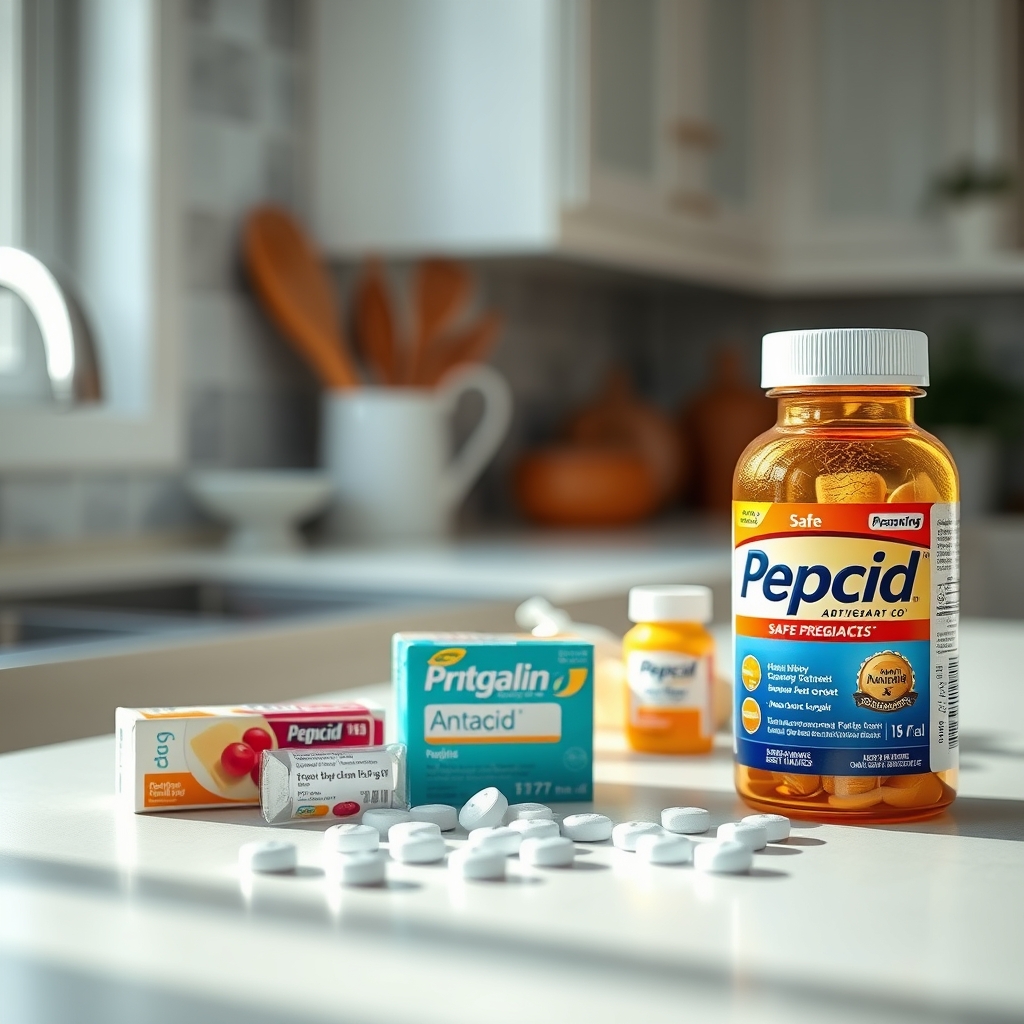
Is famotidine safe for pregnancy? Yes, it's generally considered safe for heartburn relief. Learn about recommended dosages, which trimesters are safest, and effective alternatives.
By Shubhra Mishra — a mom of two who turned her own confusion during pregnancy into BumpBites, a global mission to make food choices clear, safe, and stress-free for every expecting mother. 💛
Check whether any food is safe during pregnancy with the BumpBites Food Safety Checker.
Quick verdict: ✅ Famotidine is generally considered safe for use during pregnancy when taken at the recommended dose, but you should always discuss any medication with your provider. Most obstetric guidelines, including ACOG and the NHS, place famotidine in pregnancy Category B, meaning animal studies have not shown risk and there are no well‑controlled human studies showing harm. Use the lowest effective dose and stop if you notice any concerning symptoms.
It’s 2 a.m. and you’re staring at the medicine cabinet, wondering if the “Pepcid” bottle you keep for occasional heartburn is okay now that you’re expecting. You’re not alone—many expectant parents experience that same late‑night pause, especially after a bout of indigestion. The question you’re asking, “Is famotidine safe for pregnancy?” is one we hear often, and the answer is reassuring: famotidine is generally safe when used as directed.
In this article we’ll walk through the overall safety verdict for famotidine during pregnancy, break down the evidence by each trimester, explain the recommended dosage, compare famotidine to other H2 blockers and proton‑pump inhibitors, and suggest gentler alternatives for heartburn relief. We’ll also cover brand considerations, potential risks, drug‑interaction concerns, lifestyle tips for severe reflux, and what to do if you’ve already taken the medication.
By the end you’ll have a clear picture of whether famotidine is safe for pregnancy, how much you can take, which alternatives might be even safer, and when it’s time to call your provider. You’ll also find practical advice on handling missed doses, coping with nausea, and navigating the occasional worry that comes with any medication during pregnancy.
When a heartburn episode hits at 2 a.m., knowing if your Pepcid is safe can ease the worry.
Trimester / Breastfeeding
Verdict
Notes
1st trimester
✅ Generally safe
Category B; no teratogenic signal in human data; use lowest effective dose.
2nd trimester
✅ Generally safe
Same category; monitor for rare GI upset.
3rd trimester
✅ Generally safe
Continue as needed; no evidence of neonatal complications.
Breastfeeding
✅ Generally safe
Small amounts detected in milk; infant exposure considered minimal.
What is famotidine?
Famotidine is an H2‑receptor antagonist, commonly called an H2 blocker. It works by reducing the amount of acid the stomach produces, which helps relieve heartburn, gastroesophageal reflux disease (GERD), and other acid‑related conditions. Famotidine is available both over the the‑counter (OTC) and by prescription, with the most familiar brand name being Pepcid. The typical OTC dose is 20 mg taken once or twice daily, while prescription strengths can be higher for more severe disease.
Because it blocks histamine receptors in the stomach lining rather than directly neutralizing acid, famotidine tends to have fewer side effects than antacids that contain calcium or magnesium. It’s also shorter‑acting than proton‑pump inhibitors (PPIs) like omeprazole, making it a popular choice for occasional heartburn during pregnancy. Understanding how famotidine works helps explain why most pregnancy guidelines consider it low‑risk.
Famotidine’s chemical structure allows it to be absorbed quickly, reaching peak blood levels within an hour and maintaining a modest half‑life of about 2‑3 hours. This pharmacokinetic profile means it can be taken with meals without significantly affecting its efficacy, an advantage for pregnant people who may have unpredictable eating patterns.
Is famotidine safe during pregnancy?
Current guidance from the American College of Obstetricians and Gynecologists (ACOG) and the UK’s National Health Service (NHS) places famotidine in pregnancy Category B. This category means that animal studies have not shown fetal harm, and there are no well‑controlled studies in pregnant women that demonstrate risk. The U.S. Food and Drug Administration (FDA) also classifies famotidine as Category B, reflecting a favorable safety profile.
Large observational studies, including a 2015 review of over 3,000 pregnant women using H2 blockers, found no increase in major birth defects, preterm birth, or low birth weight associated with famotidine. The mechanisms that could cause harm—such as crossing the placenta or affecting fetal development—are not supported by the data. However, as with any medication, the principle of “use the lowest effective dose” still applies.
Common misconceptions stem from the fact that famotidine is a drug, and many expectant parents assume all medicines are risky. In reality, the evidence for famotidine’s safety is stronger than for several other acid‑reducing agents, especially older H2 blockers like cimetidine, which have more reported side effects. If you need heartburn relief, famotidine is a reasonable first‑line option, but always confirm with your obstetric provider.
It’s also worth noting that famotidine does not appear to interfere with fetal organ development, a concern that is central to many drug safety evaluations. The lack of a teratogenic signal in both animal and human data gives clinicians confidence to prescribe it when the benefits outweigh any theoretical risks.
Safety by trimester
Is famotidine safe to use during the first trimester of pregnancy?
The first trimester is the period of organogenesis, when the baby’s major organs form, so many clinicians are extra cautious. Studies specifically looking at first‑trimester exposure to famotidine have not identified an increased risk of congenital anomalies. The ACOG Committee Opinion on medication use in early pregnancy lists famotidine among the H2 blockers that are “compatible with use when clinically indicated.” If you need relief for severe heartburn early in pregnancy, a 20 mg dose taken once daily is considered acceptable.
Because nausea is common in early pregnancy, some providers recommend taking famotidine with food to reduce stomach irritation. Even if you experience mild morning sickness, the medication’s short half‑life means it is unlikely to accumulate to harmful levels.
Is famotidine safe to use during the second trimester of pregnancy?
During the second trimester, the baby’s growth accelerates, and most women experience a reduction in nausea. Famotidine remains in Category B, and the safety data continue to show no teratogenic signal. The NHS advises that H2 blockers, including famotidine, can be used if symptoms interfere with nutrition or sleep. As always, stick to the lowest effective dose and avoid unnecessary prolonged use.
Some studies suggest that women who use famotidine in the second trimester may experience slightly fewer reflux episodes, which can help maintain adequate caloric intake—a key factor for healthy fetal growth.
Is famotidine safe to use during the third trimester of pregnancy?
In the third trimester, acid reflux often worsens due to the growing uterus pressing on the stomach. Famotidine is still regarded as safe, and many obstetricians recommend it to manage heartburn that could otherwise lead to poor weight gain or dehydration. No evidence links third‑trimester famotidine use to complications such as preterm labor or neonatal respiratory issues.
When used late in pregnancy, famotidine’s minimal presence in amniotic fluid has been documented, but concentrations remain far below therapeutic levels, reinforcing its low‑risk profile.
Is famotidine safe while breastfeeding?
Small amounts of famotidine have been detected in breast milk, but the concentration is low—estimated at less than 1 % of the maternal dose. The American Academy of Pediatrics (AAP) considers famotidine compatible with breastfeeding, noting that infant exposure is unlikely to cause adverse effects. Nonetheless, if your baby shows any unusual fussiness or feeding changes, discuss it with your pediatrician.
Because the infant’s renal clearance is immature, the tiny amount that does pass through milk is rapidly excreted, further reducing any potential for harm.
Considerations for women with pre‑existing conditions
Women who have chronic kidney disease or severe liver impairment may process famotidine more slowly, leading to higher blood levels. In such cases, dose adjustment or closer monitoring is recommended by the FDA. If you have hypertension, diabetes, or a history of allergic reactions, let your provider know before starting famotidine; while the drug itself is not known to exacerbate these conditions, it can interact with other medications you may be taking.
Pregnant people taking other prescription medications, such as certain antihypertensives or antidiabetic agents, should review timing with their provider to avoid unintended drug‑drug interactions.
Potential impact on nutrient absorption
Because famotidine reduces stomach acid, there is a theoretical concern that long‑term use could impair absorption of minerals such as calcium, iron, and vitamin B12. Short‑term, occasional use at standard doses is unlikely to cause clinically significant deficiencies. If you require chronic acid suppression, your provider may suggest periodic testing of iron and B12 levels, or recommend a supplemental regimen that is taken at a different time of day to maximize absorption.
For pregnant people who are already at risk for iron‑deficiency anemia, separating famotidine from iron supplements by at least two hours is a simple strategy that preserves both medication efficacy and nutrient uptake.
Famotidine tablets are small, easy to take, and often recommended for occasional heartburn.
What is the recommended famotidine dosage for pregnant women?
The standard OTC dose for adults is 20 mg taken once or twice daily, with a maximum of 40 mg per day. For pregnant women, the same dosing applies, but many clinicians suggest starting with a single 20 mg tablet daily and only increasing if symptoms persist. Prescription formulations can range from 10 mg to 40 mg tablets, but the goal is always the lowest effective dose.
Formulation
Typical adult dose
Pregnancy recommendation
OTC 20 mg tablet (Pepcid)
20 mg once or twice daily
Start with 20 mg once daily; may increase to 20 mg twice daily if needed.
Prescription 10 mg tablet
10 mg once daily
Use 10 mg if you are sensitive to acid‑suppression meds.
Prescription 40 mg tablet
40 mg once daily
Reserved for severe GERD; only under provider supervision.
Regardless of formulation, avoid exceeding 40 mg per day unless your obstetrician advises otherwise. If you’re taking other acid‑reducing agents, discuss timing to prevent over‑suppression of stomach acid, which can affect nutrient absorption.
Can I take over‑the‑counter famotidine (Pepcid) while pregnant?
Yes, the OTC version of famotidine—commonly sold as Pepcid—can be used during pregnancy. The FDA’s labeling for Pepcid indicates it is “Pregnancy Category B,” and both ACOG and the NHS list it as a medication that can be used when needed. As always, read the label for inactive ingredients; some formulations contain alcohol or other excipients that may be best avoided.
When selecting an OTC product, look for “sugar‑free” or “alcohol‑free” versions if you are concerned about added sugars or alcohol content, which some pregnant people prefer to limit.
What are the potential risks of famotidine use during pregnancy?
While famotidine is generally safe, a few potential concerns exist. Rarely, some users report gastrointestinal upset, headache, or dizziness. In pregnancy, any new symptom should be evaluated, but these side effects are usually mild and self‑limited. No large studies have linked famotidine to birth defects, miscarriage, or neonatal complications.
Because famotidine reduces stomach acid, there is a theoretical concern about decreased absorption of certain nutrients, such as calcium, iron, and vitamin B12. However, short‑term use at standard doses is unlikely to cause clinically significant deficiencies. If you need long‑term acid suppression, discuss vitamin supplementation with your provider.
Another consideration is the rare possibility of allergic reactions, which can manifest as skin rash, itching, or swelling. While uncommon, it’s important to be aware of these signs and seek medical attention if they appear.
Are there safer alternatives to famotidine for heartburn in pregnancy?
Calcium carbonate (Tums) – Works by neutralizing stomach acid; considered safe and also provides calcium.
Magnesium hydroxide (Milk of Magnesia) – Acts as an antacid and mild laxative; safe in recommended doses.
Aluminum hydroxide (Mylanta) – Another antacid option; safe when used short‑term.
Sucralfate – Forms a protective coating on the stomach lining; Category B and not systemically absorbed.
Gaviscon – Combines an antacid with alginate to create a foam barrier; safe for most pregnant women.
Cimetidine – Another H2 blocker; also Category B but has more drug‑interaction potential.
How does famotidine compare to other H2 blockers for pregnant women?
All H2 blockers—famotidine, cimetidine, ranitidine, and nizatidine—share a similar mechanism of reducing stomach acid. Famotidine is often preferred because it has fewer drug interactions and a better side‑effect profile than cimetidine. Ranitidine was withdrawn from many markets in 2020 due to concerns about NDMA contamination, making it a less reliable choice. Nizatidine is less commonly used in the U.S., but existing data also place it in Category B.
When comparing H2 blockers to proton‑pump inhibitors (PPIs) such as omeprazole or lansoprazole, PPIs are generally considered safe (Category C for some, but many studies show no increased risk). However, PPIs are more potent and may be overkill for occasional heartburn, leading some clinicians to reserve them for severe GERD after the first trimester.
Safety at a glance – related items
Item
Verdict
One‑line note
Ranitidine
⚠️ Use with caution
Withdrawn in many markets due to NDMA impurity concerns.
Cimetidine
✅ Generally safe
Category B but can interact with other drugs.
Nizatidine
✅ Generally safe
Less data, still Category B.
Lansoprazole
✅ Generally safe
PPI; Category C but widely used without adverse outcomes.
Famotidine can interact with certain medications that rely on stomach acidity for absorption. For example, iron supplements, ketoconazole, and some antifungal agents may be less effective when taken concurrently with an H2 blocker. To minimize this risk, separate the dosing by at least two hours—take famotidine with water, and schedule iron or other pH‑dependent meds at a different time of day.
Because famotidine lowers gastric acid, it may also affect the absorption of calcium carbonate, the most common antacid for pregnancy heartburn. If you use both, consider spacing them apart or choosing a calcium supplement that does not depend on an acidic environment, such as calcium citrate. Your provider can help you design a schedule that maintains nutrient balance while keeping reflux symptoms under control.
Medication / Nutrient
Interaction with famotidine
Management tip
Iron supplements
Reduced absorption
Take iron at least 2 hours before or after famotidine.
Vitamin B12
Potentially lower uptake
Consider sublingual B12 or separate dosing.
Ketoconazole (antifungal)
Decreased efficacy
Administer with acidic beverage or avoid concurrent use.
Calcium carbonate antacid
May be less effective
Space dosing or use calcium citrate instead.
Managing severe heartburn when famotidine isn’t enough
Occasional heartburn is common, but some pregnant people experience persistent, severe reflux that interferes with sleep and nutrition. In those cases, a step‑wise approach is recommended. First, try lifestyle modifications: eat smaller meals, avoid lying down within two hours of eating, elevate the head of the bed, and limit trigger foods such as chocolate, citrus, and spicy dishes. If symptoms persist despite these changes, a short course of famotidine can be tried, followed by a physician‑guided switch to a proton‑pump inhibitor if needed after the first trimester.
When moving to a PPI, omeprazole or lansoprazole are the most studied options and have been used safely in pregnancy according to ACOG and NICE guidelines. However, PPIs are more potent and should be reserved for cases where H2 blockers fail to provide relief. Always discuss the transition with your obstetrician, who can weigh the benefits against any theoretical risks and monitor fetal growth.
Various over‑the‑counter options can help manage heartburn safely during pregnancy.
Can famotidine cause low birth weight?
Low birth weight is a concern with many medications, but studies specifically evaluating famotidine have not shown an association. The 2015 cohort study mentioned earlier found no statistically significant difference in birth weight between infants exposed to famotidine and those unexposed. The drug’s limited placental transfer and low systemic exposure in the fetus help explain why it does not appear to affect growth.
Nevertheless, if you have other risk factors for low birth weight—such as smoking, hypertension, or poor nutrition—focus on overall health and discuss any medication use with your provider to ensure a comprehensive care plan.
Is famotidine safe for nausea in pregnancy?
Famotidine is not a primary treatment for nausea, but some pregnant people report that reducing acid reflux can indirectly ease nausea symptoms. Because it does not have the anticholinergic effects of some anti‑nausea drugs, it is unlikely to worsen nausea. If nausea is a dominant symptom, your provider may suggest vitamin B6 (pyridoxine) or doxylamine‑pyridoxine, which have established safety profiles in pregnancy.
Using famotidine solely for nausea should be done only after discussing alternatives with your obstetrician, as other agents may provide more direct relief.
What should I do if I miss a dose of famotidine while pregnant?
If you miss a dose, simply take it as soon as you remember unless it is almost time for your next scheduled dose. In that case, skip the missed dose and resume your regular dosing schedule. Do not double‑dose to make up for a missed pill, as exceeding 40 mg per day can increase side‑effects without added benefit.
Missing an occasional dose is unlikely to cause a rebound of heartburn, but if symptoms return, you can use a short‑acting antacid for immediate relief while you get back on your famotidine schedule.
Myth vs. fact
Myth: All medications are unsafe during pregnancy. Fact: Many drugs, including famotidine, have been studied and are considered low‑risk when used appropriately.
Myth: Because famotidine is a prescription drug, it must be harmful to the fetus. Fact: Famotidine is available OTC and is classified as Category B, indicating no proven fetal risk.
Myth: If I’ve taken famotidine before knowing I was pregnant, I’ve caused damage. Fact: Accidental early exposure at standard doses has not been linked to birth defects; most experts advise monitoring rather than panic.
Myth: Acid‑suppressing meds always interfere with nutrient absorption. Fact: Short‑term, low‑dose use of famotidine rarely impacts calcium, iron, or B12 levels, especially when taken with proper timing.
Myth: Ranitidine is a safe alternative to famotidine. Fact: Ranitidine has been withdrawn in many countries due to NDMA contamination concerns, making famotidine the preferred H2 blocker.
Key takeaways
Famotidine is generally safe for pregnancy (Category B) when taken at the recommended dose.
Use the lowest effective dose—typically 20 mg once daily—and avoid exceeding 40 mg per day.
All trimesters, as well as breastfeeding, have no strong evidence of harm from famotidine.
Safer alternatives include calcium carbonate, magnesium hydroxide, aluminum hydroxide, sucralfate, Gaviscon, and cimetidine.
If you have kidney or liver disease, discuss dose adjustments with your provider.
Separate famotidine from iron, B12, or certain antifungals to maintain nutrient absorption.
Persistent, severe heartburn may require a physician‑guided switch to a PPI after the first trimester.
Contact your provider promptly if you notice severe abdominal pain, unusual fetal movements, or allergic‑type reactions.
Missing a dose does not require extra medication; simply resume your regular schedule.
Famotidine does not appear to affect birth weight or cause congenital anomalies when used appropriately.
Frequently asked questions
Can I take famotidine while pregnant?
Yes—famotidine is classified as Category B by the FDA and is considered safe for use during pregnancy when taken at the recommended dose. Always confirm with your obstetrician before starting any new medication.
Is famotidine safe in the second trimester?
Yes, the second trimester is a period of rapid fetal growth, and studies have not shown any increased risk of birth defects or complications from famotidine use during this time.
What are the side effects of famotidine during pregnancy?
Common side effects are mild and may include headache, dizziness, or gastrointestinal upset. These are typically self‑limited, but if you experience severe symptoms, contact your provider.
How much famotidine is safe for pregnant women?
The standard OTC dose of 20 mg once daily is considered safe; if needed, you may take a second 20 mg tablet later in the day, but do not exceed 40 mg per day without medical guidance.
Are there any risks to the baby from famotidine?
Large observational studies have not identified an increased risk of birth defects, low birth weight, or preterm delivery associated with famotidine exposure in utero.
What are alternatives to famotidine for heartburn in pregnancy?
Safe alternatives include calcium carbonate (Tums), magnesium hydroxide (Milk of Magnesia), aluminum hydroxide (Mylanta), sucralfate, Gaviscon, and cimetidine—all considered low‑risk for pregnant women.
Does famotidine cross the placenta?
Small amounts of famotidine can cross the placenta, but the concentrations are low and have not been linked to adverse fetal outcomes in human studies.
Is over‑the‑counter famotidine safe for pregnant women?
Yes—OTC famotidine (Pepcid) is labeled as Category B and is widely regarded as safe for occasional use during pregnancy when taken at the recommended dose.
Can I use famotidine if I have high blood pressure?
Famotidine itself does not raise blood pressure, but if you are on antihypertensive medications, discuss timing with your provider to avoid any potential interaction.
Is it safe to take famotidine together with prenatal vitamins?
Generally yes; however, because some prenatal vitamins contain iron or calcium, it’s best to separate the dosing by a couple of hours to ensure optimal absorption of both the vitamin and the medication.
What should I do if I accidentally take too much famotidine?
Accidental overdose is rare, but if you think you have taken more than 40 mg in a 24‑hour period, call your provider or a poison control center. Symptoms of overdose may include nausea, vomiting, or dizziness, and medical professionals can advise whether any further steps are needed.
Can I use famotidine if I have a history of ulcers?
Yes—famotidine is often prescribed to help heal and prevent ulcer recurrence. Its safety profile in pregnancy remains favorable, but you should discuss your ulcer history with your obstetrician to ensure the dosing plan fits your overall care.
Various over‑the‑counter options can help manage heartburn safely during pregnancy.
When to call your doctor
If you notice any of the following while taking famotidine, contact your obstetric provider right away:
Severe or persistent abdominal pain.
Vomiting that prevents you from keeping down food or fluids.
Signs of an allergic reaction: rash, itching, swelling, or difficulty breathing.
Unusual fetal movements or decreased activity.
Persistent headache, dizziness, or vision changes.
New onset of swelling in the hands or feet that could indicate fluid retention.
These symptoms may indicate a reaction to the medication or an unrelated condition that needs evaluation. Remember, this article provides general information and is not a substitute for personalized medical advice.
References
American College of Obstetricians and Gynecologists. “Medication Use in Pregnancy.” ACOG Committee Opinion, 2022.
National Health Service (NHS). “Heartburn and Indigestion in Pregnancy.” UK guidance, 2021.
U.S. Food and Drug Administration (FDA). “Pregnancy Category B – Famotidine.” FDA labeling, 2020.
World Health Organization (WHO). “Safety of H2 Receptor Antagonists During Pregnancy.” WHO Technical Report, 2019.
Mayo Clinic. “Famotidine (Oral Route).” Medication guide, accessed July 2024.
Centers for Disease Control and Prevention (CDC). “Medication Use in Pregnancy.” CDC resources, 2023.
National Institute for Health and Care Excellence (NICE). “Gastro‑oesophageal reflux disease in pregnancy.” NICE guideline NG123, 2022.
American Academy of Pediatrics (AAP). “Medications and Breastfeeding.” Clinical report, 2021.
European Medicines Agency (EMA). “Ranitidine withdrawal due to NDMA impurity.” Safety update, 2020.
Not sure about the label on Is Famotidine Safe During Pregnancy products?
Snap the ingredients list and SafeFilter checks every ingredient for your stage — only 3 free scans this month, then you're locked until reset. Unlimited from $7/mo or $50/yr.
When Shubhra Mishra was expecting her first child in 2016, she was overwhelmed by conflicting food advice — one site said yes, another said never. By the time her second baby arrived in 2019, she realized millions of mothers face the same confusion.
That sparked a five-year journey through clinical nutrition papers, cultural diets, and expert conversations — all leading to BumpBites: a calm, compassionate space where science meets everyday motherhood.
Her long-term vision is to build a global community ensuring safe, supported, and free deliveriesfor every mother — because no woman should face pregnancy alone or uninformed. 🌿
🌍 Stand with mothers, shape safer guidance
Join a small circle of experts who review BumpBites articles so expecting parents everywhere can decide with confidence.