Is grapefruit safe for pregnancy? Generally yes, but conditionally. Learn about safe dosages, trimester considerations, and crucial drug interactions to ensure a healthy pregnancy. Always consult your doctor.
By Shubhra Mishra — a mom of two who turned her own confusion during pregnancy into BumpBites, a global mission to make food choices clear, safe, and stress-free for every expecting mother. 💛
Check whether any food is safe during pregnancy with the BumpBites Food Safety Checker.
Quick verdict: ⚠️ Safe with limits / Talk to your doctor first. Grapefruit itself is nutritious and generally safe to eat during pregnancy, but its interaction with certain medications can be dangerous for you and your baby. Always check with your healthcare provider about potential drug interactions before consuming grapefruit or grapefruit juice.
That late-night Google search, the sudden panic after enjoying a refreshing glass of grapefruit juice – we've all been there during pregnancy. It's natural to question every bite and sip when you're growing a tiny human. When it comes to whether grapefruit is safe for pregnancy, the answer isn't a simple yes or no. It's a bit more nuanced, primarily due to its unique interaction with certain medications.
At BumpBites, we understand your concerns. While grapefruit offers a wealth of vitamins and hydration, it also contains compounds that can interfere with how your body processes various drugs, including some commonly prescribed during pregnancy. In this comprehensive guide, we'll break down everything you need to know about consuming grapefruit during pregnancy, from trimester-specific advice and safe amounts to potential risks and essential medication interactions. We'll also explore safer alternatives and when it's crucial to reach out to your doctor.
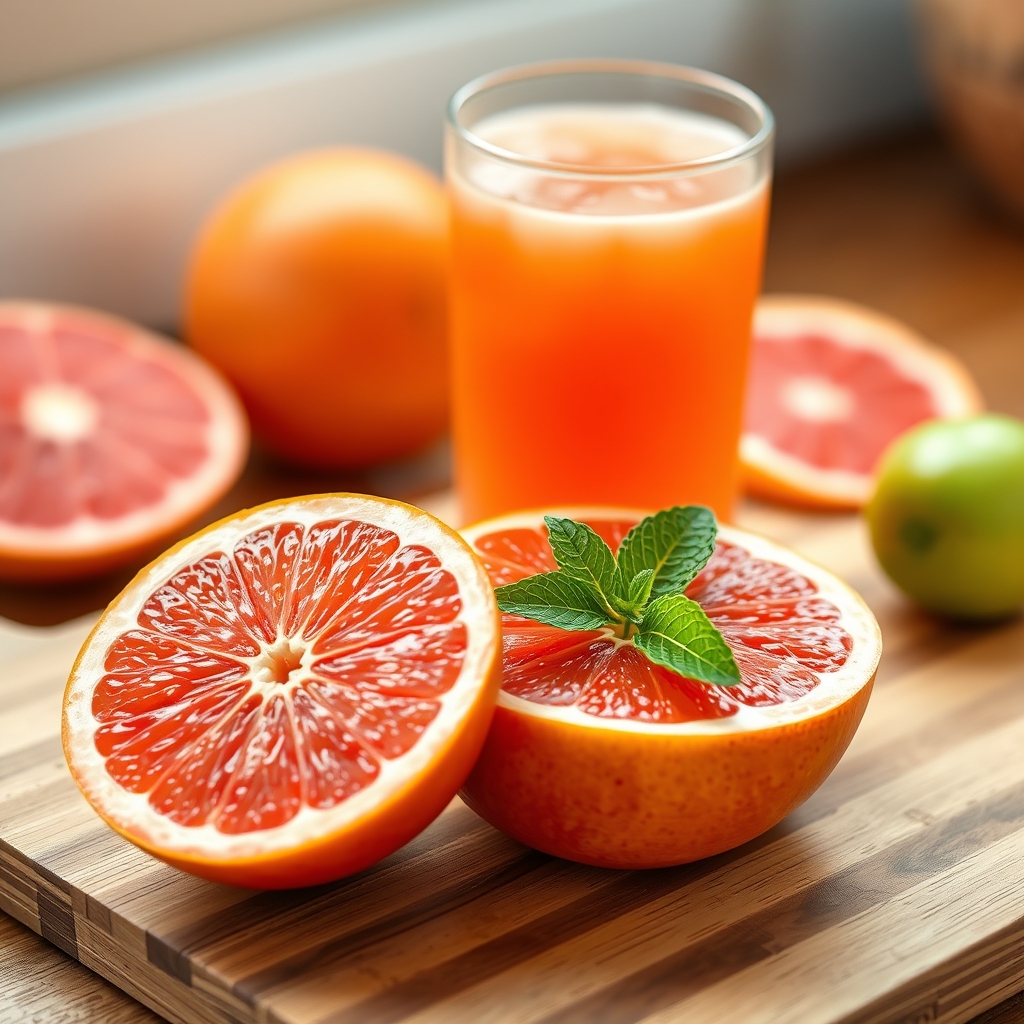
Grapefruit is packed with nutrients, but its interaction with medications requires careful consideration during pregnancy.
Grapefruit Safety Snapshot During Pregnancy
Here's a quick overview of grapefruit consumption during each stage of pregnancy and while breastfeeding:
Stage
Verdict
Notes
First Trimester
⚠️ Safe with limits
Generally safe if not on interacting medications. Rich in Vitamin C, folate, and antioxidants. May help with nausea for some.
Second Trimester
⚠️ Safe with limits
Continue to monitor medication interactions. Good for hydration and nutrient intake. May contribute to heartburn for some.
Third Trimester
⚠️ Safe with limits
Same precautions regarding medication interactions. High water content can help with swelling. Heartburn risk might increase.
Breastfeeding
⚠️ Safe with limits
Generally safe for mom and baby. Medication interactions remain the primary concern for the mother. Rarely, acidic foods can cause mild fussiness in some babies.
What is Grapefruit?
G
rapefruit (Citrus paradisi) is a subtropical citrus tree known for its tart to semi-sweet, somewhat bitter fruit. It's a hybrid fruit, believed to have originated in Barbados as a cross between a pomelo and a sweet orange. Depending on the variety, its flesh can range from white, pink, to ruby red, with ruby red being the most common and often sweetest variety found in stores.
Nutritionally, grapefruit is a powerhouse. It's an excellent source of vitamin C, an essential antioxidant that supports immune function and collagen production. It also provides a good amount of vitamin A (especially the pink and red varieties due to their beta-carotene content), folate (crucial for fetal development), potassium, and dietary fiber. With its high water content, grapefruit is also incredibly hydrating. Many people enjoy grapefruit for its refreshing taste, whether eaten fresh, juiced, or added to salads.
Is Grapefruit Safe During Pregnancy?
Generally speaking, grapefruit itself is considered safe for pregnancy and can be a healthy addition to your diet, provided you are not taking certain medications. The primary concern with grapefruit isn't the fruit's inherent properties as a food, but rather its well-documented ability to interact with a wide range of prescription and over-the-counter medications. This is due to compounds called furanocoumarins, particularly bergamottin and dihydroxybergamottin, which are found in grapefruit and grapefruit juice.
These compounds inhibit an enzyme in your small intestine called cytochrome P450 3A4 (CYP3A4). This enzyme is responsible for metabolizing many drugs, meaning it breaks them down so your body can eliminate them. When CYP3A4 is inhibited, drugs aren't broken down as quickly, leading to higher levels of the medication in your bloodstream. This can intensify the drug's effects, potentially causing severe side effects or toxicity. The U.S. Food and Drug Administration (FDA) and the American College of Obstetricians and Gynecologists (ACOG) consistently advise pregnant individuals to discuss all medications, supplements, and dietary choices with their healthcare provider.
For pregnant individuals not on any interacting medications, consuming grapefruit can be beneficial. It's rich in vitamin C, which boosts immunity and aids in iron absorption, and folate, which is vital for preventing neural tube defects in the baby. Its high water content can also help with hydration and alleviate common pregnancy discomforts like constipation. However, if you are taking any medications, even seemingly harmless ones, it's crucial to consult your doctor or pharmacist to confirm that grapefruit is safe for pregnancy for you.
Is grapefruit safe to eat during early pregnancy?
During the first trimester, your baby is undergoing rapid development, with all major organs forming. This period is often the most sensitive to external factors. If you are not taking any medications that interact with grapefruit, then consuming grapefruit in the first trimester is generally considered safe for pregnancy. In fact, its rich vitamin C content can support your immune system, which is naturally a bit suppressed during pregnancy, and folate is crucial for early neural tube development.
Some pregnant people even find the tartness of grapefruit refreshing and helpful in combating morning sickness or a metallic taste in their mouth. However, listen to your body; if the acidity causes or worsens heartburn, it's best to reduce or avoid it. The most critical factor remains checking for medication interactions, as many medications might be started early in pregnancy.
Can you eat grapefruit in the third trimester?
As you approach the final stretch of pregnancy, consuming grapefruit continues to follow the same guidelines: it's safe as long as you're not on interacting medications. In the third trimester, grapefruit's high water content can be particularly beneficial for hydration and may help reduce swelling (edema), a common complaint in late pregnancy. Its fiber content can also aid in preventing constipation, another frequent issue.
However, as your uterus grows and puts more pressure on your stomach, heartburn can become more prevalent. The acidity of grapefruit might exacerbate this for some individuals. If you experience increased heartburn after eating grapefruit, it's wise to limit your intake or switch to less acidic fruits. Always double-check any new medications with your doctor or pharmacist for potential grapefruit interactions, as medication needs can change throughout pregnancy.
Grapefruit safety while breastfeeding
When you're breastfeeding, the general consensus is that grapefruit is safe for both you and your baby, assuming you are not taking any medications that interact with it. The compounds responsible for drug interactions are primarily metabolized by the mother's body and are not typically transferred to breast milk in significant amounts that would pose a risk to the baby.
Nutrients from grapefruit, such as vitamin C, can pass into breast milk and provide benefits to your baby. However, some mothers find that highly acidic foods can occasionally lead to fussiness or diaper rash in their babies. This is not common, and most babies tolerate their mother's diet without issue. If you notice any unusual symptoms in your baby after consuming grapefruit, you might consider temporarily removing it from your diet to see if symptoms improve. As always, the main concern remains medication interactions for the breastfeeding parent.
Always discuss your dietary choices, especially grapefruit, with your healthcare provider to ensure it's safe for your specific situation.
How much grapefruit is safe for pregnant women?
If you've confirmed with your healthcare provider that grapefruit is safe for pregnancy given your medication regimen, then consuming it in moderation is generally recommended. There isn't a strict "dosage" for grapefruit, as it's a food, but reasonable consumption would be:
Whole grapefruit: Half to one whole medium grapefruit a few times a week.
Grapefruit juice: One glass (around 8 ounces or 240 ml) a few times a week.
The key is moderation and listening to your body. Overconsumption of any acidic food can lead to digestive discomfort, especially during pregnancy when heartburn and indigestion are common. While there are no specific upper limits for grapefruit itself, remember that variety in your diet is important to ensure you're getting a broad spectrum of nutrients. Always prioritize nutrient-dense foods and stay hydrated.
What are the potential risks of grapefruit during pregnancy?
The primary and most significant risk associated with grapefruit during pregnancy, and indeed for anyone, stems from its interaction with medications. However, there are a few other minor considerations:
Medication Interactions: As discussed, grapefruit contains furanocoumarins that inhibit the CYP3A4 enzyme, leading to increased drug levels in your bloodstream. This can cause various adverse effects depending on the medication. Common classes of drugs affected include certain statins (cholesterol-lowering drugs), calcium channel blockers (for blood pressure), some immunosuppressants, anti-anxiety medications, antihistamines, and even some pain medications. Always review your entire medication list, including over-the-counter drugs and supplements, with your doctor or pharmacist.
Heartburn and Acid Reflux: Grapefruit is highly acidic. For many pregnant individuals, especially in the later trimesters, heartburn and acid reflux are common due to hormonal changes and the growing uterus pressing on the stomach. Consuming acidic foods like grapefruit can exacerbate these symptoms.
Tooth Enamel Erosion: The acidity of grapefruit, like other citrus fruits, can temporarily soften tooth enamel. While not a direct pregnancy risk, it's good practice to rinse your mouth with water after eating acidic fruits and wait at least 30 minutes before brushing to protect your teeth.
Allergic Reactions: Though rare, some individuals may have an allergic reaction to grapefruit, similar to other fruits. Symptoms could include itching, swelling, or hives. If you experience any of these, discontinue use and consult your doctor.
Grapefruit and medication interactions during pregnancy
This is arguably the most critical aspect of whether grapefruit is safe for pregnancy. The interaction is not a mild one; it can be medically significant and potentially dangerous. The furanocoumarins in grapefruit permanently bind to the CYP3A4 enzyme, rendering it inactive. This means that even a small amount of grapefruit or grapefruit juice can have a lasting effect, as your body needs to produce new enzymes, which can take up to three days. This is why simply separating your medication intake from your grapefruit consumption by a few hours isn't enough to prevent the interaction.
Common medications that can interact with grapefruit and might be prescribed during or around pregnancy include:
Blood pressure medications: Some calcium channel blockers (e.g., nifedipine, amlodipine) which might be used for conditions like preeclampsia or preterm labor.
Cholesterol-lowering drugs: Statins (e.g., simvastatin, atorvastatin) which might be taken by some individuals with pre-existing conditions.
Anti-anxiety medications: Certain benzodiazepines (e.g., midazolam, triazolam).
Immunosuppressants: Medications like cyclosporine, tacrolimus, which may be taken by transplant recipients.
Antihistamines: Fexofenadine (though some interactions are for absorption reduction, not increased levels).
Pain medications: Certain opioids, though less commonly cited as a major interaction.
Thyroid medications: While not a direct CYP3A4 interaction, some studies suggest grapefruit *may* affect the absorption of levothyroxine, though more research is needed. It's best to discuss this with your doctor if you're on thyroid medication.
This is not an exhaustive list. It is imperative to consult your prescribing doctor or a pharmacist about all medications you are taking, or plan to take, and ask specifically about grapefruit interactions. They can advise you on whether grapefruit is safe for pregnancy in your unique situation.
Is store-bought grapefruit juice safe for pregnancy?
Yes, store-bought grapefruit juice is generally safe for pregnancy *if* it is pasteurized. Pasteurization is a heating process that kills harmful bacteria like E. coli, Salmonella, and Listeria, which can cause serious illness, particularly in pregnant individuals. Most commercially sold juices in the US and UK are pasteurized. You can usually find this information on the label.
However, the pasteurization process does not remove the furanocoumarins that cause drug interactions. Therefore, all the warnings about medication interactions apply equally to pasteurized grapefruit juice as they do to whole, fresh grapefruit. Unpasteurized or "fresh-squeezed" juice from farmers' markets or some specialty stores should be avoided during pregnancy due to the risk of bacterial contamination, regardless of medication interactions.
Grapefruit and gestational diabetes: Is there a link?
For pregnant individuals managing gestational diabetes, grapefruit can be a beneficial fruit choice. It has a relatively low glycemic index (GI) compared to many other fruits, meaning it causes a slower, more gradual rise in blood sugar levels. This is due to its fiber content and natural sugars. Its high water content and fiber can also help you feel full, which can be helpful for weight management and blood sugar control.
While grapefruit itself does not treat or cure gestational diabetes, incorporating it into a balanced diet, alongside other low-GI fruits, vegetables, and whole grains, can support healthy blood sugar management. However, always monitor your blood sugar levels and discuss your dietary choices with your doctor or a registered dietitian, especially when managing gestational diabetes. And, of course, the primary concern about medication interactions still applies, as some medications for diabetes or related conditions could potentially interact with grapefruit.
Is grapefruit seed extract safe for pregnant women?
Grapefruit seed extract (GSE) is often marketed as a natural antimicrobial, antioxidant, and immune booster. However, its safety during pregnancy is not well-established. Most studies on GSE's antimicrobial properties have been conducted in vitro (in a lab) or on animals, and there's limited, reliable human research, especially concerning pregnant populations.
Furthermore, some commercial GSE products have been found to be adulterated with synthetic disinfectants or preservatives, which could pose unknown risks during pregnancy. Given the lack of robust safety data and the potential for contamination or interactions, most obstetricians and health organizations like the NHS and ACOG recommend avoiding grapefruit seed extract during pregnancy and breastfeeding. It's always best to err on the side of caution and choose well-researched, pregnancy-safe alternatives for immune support or other health concerns.
Safer alternatives to grapefruit for pregnant women
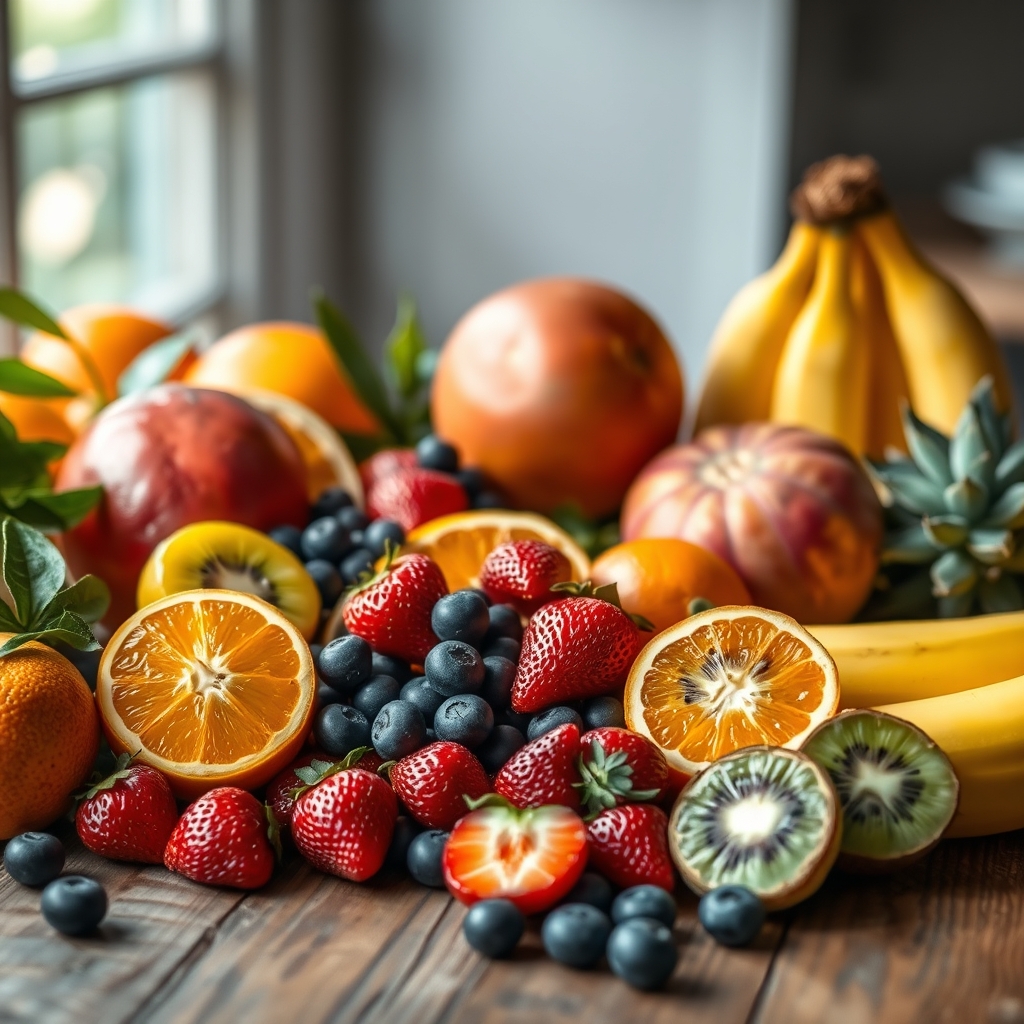
If you need to avoid grapefruit due to medication interactions or simply prefer other options, the good news is that there are many delicious and nutritious pregnancy-safe fruits to enjoy. Here are some excellent alternatives:
Oranges: A classic citrus choice, packed with vitamin C and folate, without the medication interaction concerns of grapefruit.
Apples: High in fiber, providing a satisfying crunch and helping with digestion, generally very well-tolerated.
Blueberries: Bursting with antioxidants, vitamins, and fiber, excellent for brain health and blood sugar regulation.
Bananas: An easy-to-digest source of potassium, which can help with leg cramps, and vitamin B6, which may ease nausea.
Pears: Rich in fiber and gentle on the stomach, providing vitamins C and K.
Cantaloupe: Hydrating and sweet, a great source of vitamins A and C, and potassium.
Watermelon: Exceptionally hydrating, helpful for combating swelling and providing lycopene and vitamins A and C.
Kiwi: A small but mighty fruit, high in vitamin C, vitamin K, and fiber, which aids digestion.
Strawberries: Sweet and juicy, packed with vitamin C, manganese, and antioxidants, versatile for many dishes.
Related items — safety at a glance
Understanding which other fruits are safe or have similar considerations can be helpful. Here's a quick look at some related items:
Item
Verdict
Notes
Oranges
✅ Generally safe
Excellent source of Vitamin C and folate, no known medication interactions.
Lemons
✅ Generally safe
High in Vitamin C, often used for flavor or in water; generally safe.
Limes
✅ Generally safe
Similar to lemons, high in Vitamin C, generally safe.
Pineapple
✅ Generally safe
Good source of Vitamin C and manganese; myths about inducing labor are unfounded in typical consumption amounts.
Pomegranate
✅ Generally safe
Rich in antioxidants, Vitamin C, and K; consume in moderation, as very high amounts of juice might interact with some medications (less common than grapefruit).
Tangerines
✅ Generally safe
Similar to oranges, great source of Vitamin C, generally safe.
Cranberry
✅ Generally safe
Good for urinary tract health (UTIs); juice should be pasteurized and sugar-free where possible.
Starfruit
⚠️ Talk to your doctor first
Contains oxalic acid; should be avoided if you have kidney issues, which can be exacerbated by pregnancy. It also has some potential for drug interactions, similar to grapefruit, though less common.
Myth vs. fact
Let's clear up some common misconceptions about grapefruit and pregnancy:
Myth: Grapefruit can cause miscarriage.
Fact: There is no scientific evidence or medical guidance to suggest that consuming grapefruit or grapefruit juice, in normal dietary amounts, can cause miscarriage. The primary concern with grapefruit is its interaction with certain medications, not an inherent risk to pregnancy viability.
Myth: Grapefruit can cure morning sickness.
Fact: While some pregnant individuals find the tart, refreshing taste or scent of grapefruit can temporarily alleviate feelings of nausea associated with morning sickness, it is not a "cure." There's no scientific backing that grapefruit specifically treats or eliminates morning sickness, though its hydration and vitamin C content are beneficial.
Myth: All citrus fruits have the same medication interactions as grapefruit.
Fact: This is false. While other citrus fruits like oranges, lemons, and tangerines are healthy and safe for pregnancy, they do not contain the same levels or types of furanocoumarins that cause significant drug interactions like grapefruit does. Pummelo (pomelo) can have similar, though usually weaker, interactions, but other common citrus fruits are generally safe in this regard.
Key takeaways
Grapefruit itself is nutritious and generally safe for pregnancy if you are not taking interacting medications.
The main concern is the strong interaction between grapefruit and a wide range of prescription and some over-the-counter medications.
Always discuss your medication list with your doctor or pharmacist before consuming grapefruit or grapefruit juice.
Grapefruit provides beneficial vitamins (C, A, folate) and hydration, which can be helpful during pregnancy.
Listen to your body; if grapefruit causes heartburn or discomfort, opt for other pregnancy-safe fruits.
Pasteurized grapefruit juice is safe from a bacterial standpoint, but still carries the same drug interaction risks.
Explore a variety of delicious and nutritious fruits to keep your pregnancy diet rich and diverse.
Frequently asked questions
Can pregnant women eat grapefruit?
Yes, pregnant women can generally eat grapefruit, provided they are not taking any medications that interact with it. Grapefruit is rich in vitamin C, folate, and antioxidants, offering nutritional benefits. However, its compounds can significantly alter how your body processes many drugs, so consulting your doctor or pharmacist about potential interactions is crucial before consumption.
Is grapefruit juice safe during pregnancy?
Pasteurized grapefruit juice is safe during pregnancy regarding bacterial contamination. However, just like whole grapefruit, the juice contains compounds that interact with medications. Therefore, all warnings about drug interactions apply equally to grapefruit juice. If you are on any medication, confirm with your healthcare provider that grapefruit juice is safe for you.
What fruits should pregnant women avoid?
There are very few fruits that pregnant women need to strictly avoid. The main concerns are unwashed fruits (risk of toxoplasmosis) and unpasteurized juices (risk of Listeria or E. coli). While starfruit should be avoided if you have kidney issues, and grapefruit requires caution due to drug interactions, most common fruits are safe and encouraged as part of a healthy pregnancy diet.
Can grapefruit cause miscarriage?
No, there is no scientific evidence to suggest that consuming grapefruit or grapefruit juice in normal dietary amounts can cause miscarriage. This is a common myth. The primary concern with grapefruit during pregnancy is its potential to interact dangerously with certain medications, not its ability to directly harm the pregnancy or cause miscarriage.
Does grapefruit interact with prenatal vitamins?
Generally, grapefruit does not significantly interact with standard prenatal vitamins. Prenatal vitamins typically contain essential vitamins like folate, iron, and vitamin D. While some studies have explored potential minor interactions with certain nutrient absorptions, these are usually not considered clinically significant or dangerous in the way grapefruit interacts with prescription medications. However, if you have specific concerns, always confirm with your doctor or pharmacist.
Is it safe to eat grapefruit while breastfeeding?
Yes, it is generally safe to eat grapefruit while breastfeeding, assuming you are not taking any interacting medications. The compounds that cause drug interactions are mostly metabolized by the mother's body and are not typically transferred to breast milk in amounts that would affect the baby. Grapefruit's nutrients can also pass into breast milk. Monitor your baby for any unusual fussiness, though this is rare with acidic foods.
What are the benefits of grapefruit during pregnancy?
When safe to consume (i.e., no medication interactions), grapefruit offers several benefits during pregnancy. It's an excellent source of vitamin C, boosting immunity and aiding iron absorption. It also provides folate, crucial for fetal neural tube development, and vitamin A. Its high water content helps with hydration and can alleviate constipation, while its fiber contributes to digestive health and blood sugar management.
When to call your doctor
While grapefruit itself is generally safe, it's always best to err on the side of caution during pregnancy. You should call your doctor or healthcare provider immediately if:
You have consumed grapefruit or grapefruit juice and are currently taking any prescription medications, and you haven't yet discussed this interaction with your doctor.
You experience any unusual or severe side effects after consuming grapefruit, especially if you are on medication (e.g., dizziness, extreme fatigue, irregular heartbeat, sudden changes in blood pressure, or other symptoms mentioned in your medication's side effects).
You experience severe or persistent heartburn, acid reflux, or other digestive distress after eating grapefruit.
You notice any signs of an allergic reaction, such as hives, swelling, difficulty breathing, or a rash.
This information is for educational purposes only and is not a substitute for professional medical advice, diagnosis, or treatment. Always seek the advice of your physician or other qualified health provider with any questions you may have regarding a medical condition.
Not sure about the label on Is Grapefruit Safe During Pregnancy products?
Snap the ingredients list and SafeFilter checks every ingredient for your stage — only 3 free scans this month, then you're locked until reset. Unlimited from $7/mo or $50/yr.
When Shubhra Mishra was expecting her first child in 2016, she was overwhelmed by conflicting food advice — one site said yes, another said never. By the time her second baby arrived in 2019, she realized millions of mothers face the same confusion.
That sparked a five-year journey through clinical nutrition papers, cultural diets, and expert conversations — all leading to BumpBites: a calm, compassionate space where science meets everyday motherhood.
Her long-term vision is to build a global community ensuring safe, supported, and free deliveriesfor every mother — because no woman should face pregnancy alone or uninformed. 🌿
🌍 Stand with mothers, shape safer guidance
Join a small circle of experts who review BumpBites articles so expecting parents everywhere can decide with confidence.