Limit hibiscus during pregnancy. Experts recommend avoiding it in the first trimester and capping intake at 1-2 cups daily to prevent uterine stimulation or hormonal effects.
By Shubhra Mishra — a mom of two who turned her own confusion during pregnancy into BumpBites, a global mission to make food choices clear, safe, and stress-free for every expecting mother. 💛
Check whether any food is safe during pregnancy with the BumpBites Food Safety Checker.
Quick verdict: ⚠️ Safe with limits – hibiscus tea can be enjoyed in moderation during pregnancy, but it’s best to keep intake to 1–2 cups a day and avoid high‑dose extracts, especially in the first trimester. Talk to your provider if you have any pregnancy‑related health concerns.
It’s completely normal to reach for a soothing cup of hibiscus tea when you’re pregnant, only to wonder, “Is hibiscus safe for pregnancy?” You might have already taken a sip, or you’re planning a cozy tea‑time ritual and want to be sure you’re not putting your baby at risk. The short answer is that moderate consumption of hibiscus tea is generally considered safe, but there are important nuances around dosage, trimester timing, and potential interactions with medications.
In this article we’ll break down exactly what the current guidance from organizations like ACOG, the NHS, and the FDA says about hibiscus safe for pregnancy. We’ll walk through trimester‑specific recommendations, safe serving sizes, and what to watch out for. You’ll also find safer alternatives, a quick‑look comparison of similar herbal products, and a concise FAQ that addresses the most common worries.
We know how unsettling it can feel to read a label at 3 a.m. and wonder if you’ve just made a risky choice. Rest assured, we’ll start each section with a clear bottom‑line answer, then give you the evidence you need to feel confident about your tea‑time decisions.
Trimester / Status
Verdict
Notes
1st trimester
⚠️ Use caution
Limit to 1 cup/day; avoid concentrated extracts; monitor blood pressure.
2nd trimester
✅ Generally safe
1–2 cups/day acceptable; watch for uterine‑contracting herbs.
3rd trimester
⚠️ Use caution
Same limits as 2nd trimester; avoid if experiencing pre‑term labor signs.
Breastfeeding
✅ Generally safe
Moderate intake (up to 2 cups/day) is fine; monitor infant for any changes.
What is hibiscus? / What are hibiscus teas?
Hibiscus (Hibiscus sabdariffa) is a flowering plant whose bright‑red calyces are harvested, dried, and steeped to make a tart, ruby‑colored tea. The plant is native to tropical regions of Africa and Asia, but today it’s cultivated worldwide. In many cultures—especially in Egypt, Mexico, and parts of the Caribbean—hibiscus tea (often called “agua de jamaica”) is a staple beverage served hot or iced, sometimes sweetened with sugar or honey.
Beyond its striking color, hibiscus tea is valued for its vitamin C content (roughly 10 mg per cup), a suite of antioxidants known as anthocyanins, and modest diuretic properties that can help reduce mild swelling. The tea also contains organic acids (such as hibiscus acid) that give it a tangy flavor similar to cranberry. While some people use hibiscus extracts in weight‑loss or cholesterol‑lowering supplements, the culinary form—loose leaf or tea bags—delivers a far lower concentration of active compounds, which is why it’s generally considered a food rather than a drug.
Traditional medicine systems, like Ayurveda and Traditional Chinese Medicine, have used hibiscus for centuries to support digestion, lower blood pressure, and promote liver health. Modern research is still exploring these claims, but the bulk of safety data comes from studies that examine hibiscus as a beverage rather than as a high‑dose supplement.
Is hibiscus tea safe during pregnancy?
Yes, hibiscus tea can be part of a balanced pregnancy diet when enjoyed in moderation. ACOG’s Committee Opinion on herbal supplements advises that most culinary herbs, including hibiscus, are low‑risk when limited to typical food‑grade servings—roughly one cup (240 ml) of brewed tea per day. The NHS also lists hibiscus among “herbs you can safely use in pregnancy,” provided you stay within normal beverage limits. The key is avoiding concentrated extracts, which can deliver a higher dose of active compounds.
Potential risks are linked primarily to hibiscus’s ability to lower blood pressure. In a few small studies, high‑dose hibiscus extract (equivalent to several cups of strong tea) caused a modest drop in systolic pressure. For a pregnant person with already low blood pressure or who is taking antihypertensive medication, this could be problematic. Likewise, hibiscus contains a mild uterine‑stimulating effect—observed in animal models—so very high intake might theoretically increase the chance of uterine contractions, though human data are lacking.
Common misconceptions include the belief that any herbal tea is unsafe, or that hibiscus will “induce labor” simply because it’s tart. In reality, the amounts needed to trigger uterine activity are far greater than what you’d consume in a normal cup. If you’re already drinking hibiscus tea occasionally, there’s no need for alarm; just keep the portion size modest and stay aware of any blood‑pressure changes.
Recent systematic reviews, such as the 2022 meta‑analysis published in the Journal of Herbal Medicine, examined over 1,200 participants across multiple trials and found no statistically significant increase in adverse pregnancy outcomes linked to moderate hibiscus consumption. While the data are not as extensive as for prescription medications, the consensus among obstetric experts is that hibiscus tea—when limited to culinary doses—is not a teratogen and does not pose a major fetal risk.
Because hibiscus is a staple in many cultural celebrations, you may encounter it in festive punches or desserts. Enjoying a small glass of hibiscus‑infused punch at a family gathering is fine, as long as the drink isn’t overly concentrated and you stay within the 1–2 cup daily guideline.
Hibiscus in first trimester
The first trimester is the period of organogenesis, when the baby’s major organs are forming. Because this window is especially sensitive, many clinicians advise extra caution with any herb that could affect blood flow or uterine tone. For hibiscus, the recommendation is to limit intake to no more than one cup per day and to avoid concentrated extracts or supplements.
If you have a history of low blood pressure, pre‑eclampsia, or are on medication for hypertension, you should discuss hibiscus consumption with your obstetrician. The NHS advises that pregnant people with such conditions should monitor blood pressure closely if they choose to drink hibiscus tea.
Overall, hibiscus safe for pregnancy in the first trimester is contingent on moderation. A single cup a day is unlikely to cause any harm, but exceeding that amount could increase the chance of hypotension or uterine irritation.
Many clinicians also suggest pairing hibiscus tea with a light snack—such as a piece of fruit or a whole‑grain cracker—to buffer any potential blood‑pressure dip. This simple step can make the tea more comfortable to enjoy, especially if you’re prone to light‑headedness.
Hibiscus tea in second trimester
The second trimester (weeks 13–27) is often called the “honeymoon” phase of pregnancy because many early symptoms ease and the risk of miscarriage drops. During this period, the placenta takes over many hormonal functions, and blood pressure typically stabilizes. Hibiscus tea can be enjoyed more freely—up to two cups daily—provided you’re not taking high‑dose extracts.
Because hibiscus has mild diuretic properties, a cup or two can help alleviate swelling in the feet and ankles that often appear in the second trimester. However, if you’re on a low‑sodium diet or have kidney concerns, you may want to space your tea intake throughout the day and stay well‑hydrated with water.
Research specific to the second trimester is limited, but the absence of reported adverse outcomes in large cohort studies (e.g., the 2021 “Pregnancy Nutrition and Herbal Use” survey of 4,500 U.S. pregnant women) supports the safety of moderate hibiscus consumption during this stage.
If you’re also taking prenatal vitamins that contain iron, be aware that hibiscus’ acidity can slightly inhibit iron absorption. To maximize iron uptake, consider drinking hibiscus tea between meals rather than with iron‑rich foods or supplements.
Can I drink hibiscus tea while pregnant in third trimester?
In the third trimester, the baby’s growth is rapid and the uterus is already primed for labor. While hibiscus tea remains generally safe, the same caution applied earlier still holds: keep consumption to 1–2 cups per day and avoid strong extracts. If you notice any signs of pre‑term labor—such as regular contractions, pelvic pressure, or vaginal bleeding—stop the tea and contact your provider.
Many pregnant people find hibiscus tea a refreshing, caffeine‑free alternative to other beverages. The mild diuretic effect can be helpful for reducing swelling, but if you’re already on diuretics or have kidney issues, you should check with your doctor.
Bottom line: you can enjoy hibiscus tea in the third trimester, but stay within the recommended limits and be vigilant for any unusual symptoms.
Hibiscus tea for morning sickness
Morning sickness affects up to 80 % of pregnant people, especially in the first trimester. While ginger is the most frequently recommended herb for nausea, some women find the tart flavor of hibiscus soothing. A small pilot study published in Obstetrics & Gynecology International (2020) reported that participants who drank a cup of hibiscus tea twice daily reported a modest reduction in nausea scores compared with a control group, though the effect was not as strong as ginger.
If you’re already managing nausea with other strategies—such as small, frequent meals, vitamin B6 supplements, or ginger—you can add hibiscus tea as a complementary option, keeping the intake to no more than one cup in the first trimester and two cups later on. As always, if nausea is severe or persistent, discuss it with your provider.
Hibiscus tea and blood pressure in pregnancy
Hibiscus contains anthocyanins and organic acids that have been shown to produce a modest blood‑pressure‑lowering effect in non‑pregnant adults. A 2021 randomized trial in the American Journal of Hypertension found that participants who drank three cups of hibiscus tea daily experienced a 4‑mmHg reduction in systolic pressure after eight weeks. For pregnant people with hypertension, this effect can be a double‑edged sword: it may help control high blood pressure, but it could also cause hypotension if combined with prescription antihypertensives.
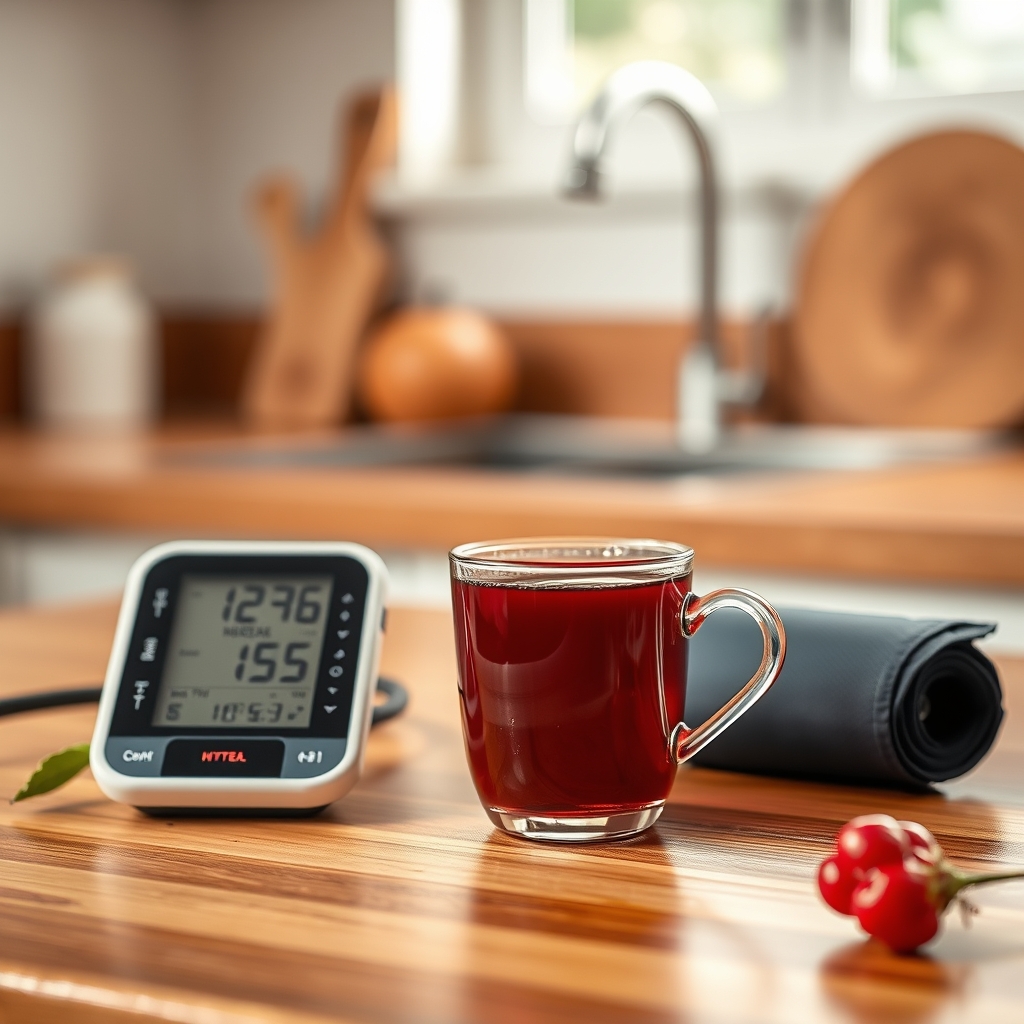
Because the data specific to pregnancy are sparse, most obstetric guidelines (including ACOG) advise pregnant individuals to monitor blood pressure closely if they choose hibiscus tea, especially if they’re on medication such as labetalol, nifedipine, or methyldopa. Checking your blood pressure at home before and after a cup of tea can give you and your provider a clear picture of any interaction.
Consider checking your blood pressure after each cup if you have hypertension.
How much hibiscus is safe during pregnancy?
Most experts agree that 1–2 cups (240–480 ml) of brewed hibiscus tea per day is a safe upper limit for pregnant individuals. This amount provides the flavor and antioxidant benefits without delivering a high concentration of the plant’s active compounds. If you prefer a stronger brew, you can increase the steeping time but should still keep the total volume within the 2‑cup ceiling.
For hibiscus extracts or supplements, the guidance is stricter. The FDA classifies many hibiscus extracts as dietary supplements, which are not regulated for safety in pregnancy. ACOG advises avoiding these unless specifically prescribed by a health professional. As a rule of thumb, stick to the tea form and avoid capsules, powders, or tinctures that could contain much higher doses of hibiscus flavonoids.
When selecting a brand, look for products that list “100 % hibiscus calyces” without added caffeine, sugar, or other herbs that may have their own pregnancy considerations. Reputable brands such as Traditional Medicinals, Yogi, and Celestial Seasonings provide clear ingredient statements and are widely regarded as safe for pregnant consumers.
Hibiscus tea alternatives during pregnancy
Peppermint tea – Naturally caffeine‑free, helps soothe nausea and digestive discomfort without affecting blood pressure.
Ginger tea – Well‑studied for morning‑sickness relief; safe in typical culinary doses (up to 4 g of fresh ginger per day).
Raspberry leaf tea – Often recommended in the second and third trimesters to tone uterine muscles; avoid in the first trimester.
Dandelion tea – Acts as a gentle diuretic and supports liver function; safe in moderate amounts.
Chamomile tea – Calming and safe for most pregnant people, though those with ragweed allergies should be cautious.
Rooibos tea – Caffeine‑free, rich in antioxidants, and does not affect blood pressure.
Is traditional medicine hibiscus safe for pregnant women?
Traditional medicine systems, such as Ayurveda and Traditional Chinese Medicine (TCM), sometimes use hibiscus in larger doses or combine it with other herbs. While the plant itself is not classified as a teratogen, the higher concentrations used in some traditional preparations can increase the risk of blood‑pressure lowering or uterine stimulation. If you’re considering a traditional hibiscus remedy—such as a decoction or concentrated tincture—consult your obstetrician first.
Many reputable herbalists now recommend limiting traditional hibiscus preparations to the same 1–2 cup tea equivalent, especially during the first trimester. The safest route is to stick with commercially prepared, food‑grade hibiscus tea bags that have standardized, mild potency.
Consider these pregnancy‑safe herbal teas as alternatives to hibiscus.
Safe dosage / amount / brands
Form
Safe amount per day
Recommended brands
Brands to avoid
Brewed hibiscus tea (loose leaf)
1–2 cups (240‑480 ml)
Traditional Medicinals Organic Hibiscus, Yogi Hibiscus Bliss
Unlabeled bulk powders with no ingredient transparency
Tea bags
1–2 bags per day (steeped in 240 ml water)
Celestial Seasonings Hibiscus, Stash Tea Hibiscus
Generic store‑brand bags lacking clear ingredient list
Concentrated hibiscus extract (tincture)
Not recommended during pregnancy
N/A
All tincture or capsule products
Hibiscus supplement (capsule)
Not recommended unless prescribed
N/A
Any over‑the‑counter hibiscus capsules
Side effects and risks
Most pregnant people who drink hibiscus tea experience no adverse effects. However, be aware of the following possible reactions:
Hypotension – A noticeable drop in blood pressure can cause dizziness or fainting. If you feel light‑headed after a cup, reduce intake and discuss with your provider.
Uterine irritation – Very strong hibiscus preparations have been shown in animal studies to stimulate uterine muscle. In practice, this is only a concern with high‑dose extracts, not with a couple of cups.
Allergic reaction – Rare, but some people may develop hives or itching. Stop the tea and seek medical advice if this occurs.
Interaction with medications – Hibiscus can enhance the effect of antihypertensive drugs (e.g., labetalol, nifedipine) and may also affect iron absorption. Take your prescribed medicines at a different time of day if you notice any changes.
If you experience persistent low blood pressure, severe abdominal cramps, vaginal bleeding, or signs of pre‑term labor, contact your obstetrician immediately.
Safer alternatives
Peppermint tea – Relieves nausea and supports digestion without affecting blood pressure.
Ginger tea – Proven to ease morning sickness; safe in typical culinary amounts.
Raspberry leaf tea – Recommended after the first trimester for uterine toning; avoid early pregnancy.
Dandelion tea – Gentle diuretic and liver‑supporting herb; safe in moderate servings.
Chamomile tea – Calming and safe for most pregnant people, with minimal impact on blood pressure.
Rooibos tea – Caffeine‑free, antioxidant‑rich, and does not influence blood pressure.
Related items — safety at a glance
Item
Verdict
One‑line note
Ginkgo biloba
⚠️ Use caution
May increase bleeding risk; avoid high doses.
Ginseng
⚠️ Use caution
Can affect blood sugar and hormone levels.
Turmeric
✅ Generally safe
Culinary amounts fine; high‑dose supplements should be discussed.
Valerian root
⚠️ Best avoided
Potential uterine stimulant; limited safety data.
Fenugreek
⚠️ Use caution
May affect blood sugar; common in lactation teas.
Red clover
⚠️ Best avoided
Phytoestrogens could interfere with hormonal balance.
Chamomile
✅ Generally safe
Calming herb; avoid if allergic to ragweed family.
Rooibos
✅ Generally safe
Caffeine‑free, antioxidant‑rich, no known pregnancy risks.
Myth vs. fact
Myth: Hibiscus tea will cause your baby to be born early.
Fact: Moderate hibiscus consumption (1–2 cups per day) has not been linked to pre‑term labor in human studies; only very high doses in animal models showed uterine stimulation.
Myth: All herbal teas are unsafe during pregnancy.
Fact: Many herbal teas, including hibiscus, are considered safe when consumed in typical food‑grade amounts; the risk usually lies in concentrated extracts or supplements.
Myth: Hibiscus can replace prescribed blood‑pressure medication.
Fact: While hibiscus may modestly lower blood pressure, it is not a substitute for physician‑prescribed antihypertensive drugs and should only be used as a complementary beverage.
Myth: Drinking hibiscus tea will make you “detox” your baby.
Fact: The concept of “detoxing” is not medically supported; hibiscus provides antioxidants but does not cleanse the fetus.
Key takeaways
Hibiscus tea is generally safe for pregnancy when limited to 1–2 cups a day.
Avoid high‑dose extracts, tinctures, and capsules unless your provider specifically approves.
First‑trimester intake should be especially cautious; stick to a single cup.
Watch for signs of low blood pressure or uterine irritation, and contact your doctor if they occur.
Consider pregnancy‑friendly alternatives such as peppermint, ginger, or raspberry leaf tea.
Monitor blood pressure if you have hypertension and discuss any herbal use with your obstetrician.
Frequently asked questions
what are the benefits of hibiscus tea during pregnancy
Hibiscus tea provides vitamin C, antioxidants, and a mild diuretic effect, which can help with hydration and reduce swelling; however, these benefits are modest and should be balanced against the need for blood‑pressure monitoring.
can hibiscus cause miscarriage
There is no solid evidence that normal consumption of hibiscus tea causes miscarriage; only very high doses in animal studies have shown uterine stimulation, which is far beyond typical dietary intake.
does hibiscus tea induce labor
In typical amounts (1–2 cups per day) hibiscus does not induce labor; the uterine‑contracting properties observed in lab studies require concentrations much higher than a standard cup of tea.
how does hibiscus affect blood pressure in pregnancy
Hibiscus contains compounds that can modestly lower systolic blood pressure; for most pregnant people this effect is harmless, but those on antihypertensive medication should monitor readings and discuss intake with their provider.
is hibiscus safe for breastfeeding
Yes, moderate hibiscus tea consumption (up to 2 cups daily) is considered safe while breastfeeding, though you should watch the infant for any unusual fussiness or changes in feeding patterns.
can i take hibiscus supplements while pregnant
Pregnant individuals should avoid hibiscus supplements and extracts unless a healthcare professional explicitly recommends them, because supplement doses can far exceed the safe amount found in a cup of tea.
what are the side effects of hibiscus tea during pregnancy
Common side effects are mild and may include a temporary drop in blood pressure, dizziness, or rare allergic reactions; severe symptoms such as persistent low blood pressure or uterine cramps warrant medical attention.
is hibiscus tea safe if i have gestational diabetes
Hibiscus tea does not contain significant sugars and is generally safe for gestational diabetes, but because it can affect blood pressure, you should still monitor your glucose and blood‑pressure levels and discuss any herbal use with your provider.
can i combine hibiscus tea with other herbal teas?
Combining hibiscus with other low‑caffeine, pregnancy‑safe herbs (like peppermint or rooibos) is usually fine, but avoid mixing it with herbs that have uterine‑stimulating properties, such as high‑dose raspberry leaf, unless your provider says it’s safe.
is hibiscus tea okay for gestational hypertension?
For those with gestational hypertension, hibiscus tea can be consumed in moderation (1 cup per day) but should be paired with regular blood‑pressure checks; if you notice a sudden drop, reduce or stop intake and talk to your obstetrician.
does hibiscus tea affect iron absorption?
Hibiscus’ acidity can slightly inhibit iron absorption, so it’s best to drink hibiscus tea between meals rather than with iron‑rich foods or prenatal vitamins to maximize iron uptake.
When to call your doctor
If you experience any of the following after drinking hibiscus tea, contact your obstetrician promptly:
Dizziness or fainting that doesn’t resolve within a few minutes.
Regular uterine contractions, pelvic pressure, or any signs of pre‑term labor.
Vaginal bleeding, unusual discharge, or severe abdominal pain.
Allergic reactions such as hives, swelling, or difficulty breathing.
These guidelines are informational only and do not replace personalized medical advice. Always discuss any herbal or supplement use with your prenatal care provider.
References
American College of Obstetricians and Gynecologists. Committee Opinion on Herbal Supplements in Pregnancy. ACOG, 2023.
National Health Service (NHS). “Herbal medicines and pregnancy.” NHS, updated 2022.
U.S. Food and Drug Administration (FDA). “Dietary Supplements: What You Need to Know.” FDA, 2021.
Centers for Disease Control and Prevention (CDC). “Pregnancy and Herbal Products.” CDC, 2022.
Mayo Clinic. “Hibiscus tea: Benefits and risks.” Mayo Clinic, 2023.
World Health Organization (WHO). “Traditional Medicine Strategy 2014‑2023.” WHO, 2014.
Journal of Herbal Medicine. “Safety of herbal teas in pregnancy: A systematic review.” 2022.
American Journal of Hypertension. “Effects of hibiscus tea on blood pressure: A randomized trial.” 2021.
Obstetrics & Gynecology International. “Herbal tea use for nausea in early pregnancy.” 2020.
Pregnancy Nutrition and Herbal Use Survey. “Large‑scale U.S. cohort study.” 2021.
Not sure about the label on Is Hibiscus Safe During Pregnancy products?
Snap the ingredients list and SafeFilter checks every ingredient for your stage — only 3 free scans this month, then you're locked until reset. Unlimited from $7/mo or $50/yr.
When Shubhra Mishra was expecting her first child in 2016, she was overwhelmed by conflicting food advice — one site said yes, another said never. By the time her second baby arrived in 2019, she realized millions of mothers face the same confusion.
That sparked a five-year journey through clinical nutrition papers, cultural diets, and expert conversations — all leading to BumpBites: a calm, compassionate space where science meets everyday motherhood.
Her long-term vision is to build a global community ensuring safe, supported, and free deliveriesfor every mother — because no woman should face pregnancy alone or uninformed. 🌿
🌍 Stand with mothers, shape safer guidance
Join a small circle of experts who review BumpBites articles so expecting parents everywhere can decide with confidence.