Safe: Instant hydration is generally safe during pregnancy when limited to 1‑2 packets per day after the first trimester. Learn proper dosage and alternatives.
By Shubhra Mishra — a mom of two who turned her own confusion during pregnancy into BumpBites, a global mission to make food choices clear, safe, and stress-free for every expecting mother. 💛
Check whether any food is safe during pregnancy with the BumpBites Food Safety Checker.
Quick verdict: ⚠️ Talk to your doctor first. Instant hydration powders can be safe for pregnancy when used in moderation, but you should confirm the specific product and amount with your obstetric provider, especially if you have gestational diabetes or hypertension.
It’s 2 a.m., the bathroom light flickers on, and you’re staring at a bright packet of instant hydration powder you just added to your water. “Is instant hydration safe for pregnancy?” you wonder, heart racing. You’re not alone—many expecting parents have that midnight moment of doubt after reaching for a quick fix to stay hydrated.
In short, most instant hydration mixes are not outright forbidden during pregnancy, but the safety depends on the ingredients, the amount you consume, and any underlying health conditions you may have. Below we break down the verdict, trimester‑specific guidance, recommended dosages, potential risks, and safer alternatives, so you can sip with confidence—or know when to set the packet aside and call your provider.
Staying well‑hydrated is a cornerstone of a healthy pregnancy. The American College of Obstetricians and Gynecologists (ACOG) recommends about 2.3 L of fluids daily in the second trimester and 2.7 L in the third, though individual needs vary with activity level, climate, and illness. Because water alone can feel bland, especially when nausea hits, many moms turn to flavored electrolyte mixes for a palatable boost.
Read on for a clear, evidence‑based answer to “instant hydration safe for pregnancy,” plus practical tips on brands, dosage, and what to choose instead if you need a worry‑free way to stay hydrated.
Stage
Verdict
Notes
First trimester
⚠️ Use with caution
Limit to one serving per day; watch for high sugar or caffeine.
Second trimester
✅ Generally safe
Standard serving (≈½ packet) is acceptable if electrolyte levels are within normal range.
Third trimester
✅ Generally safe
Same guidance as second trimester; monitor for swelling or blood pressure changes.
Breastfeeding
✅ Generally safe
Moderate intake is fine; ensure adequate calcium and fluid balance.
What are instant hydration powders?
Instant hydration powders are pre‑measured packets that you dissolve in water to create a flavored electrolyte drink. They typically contain a blend of sodium, potassium, magnesium, and sometimes calcium, along with sugars or artificial sweeteners for taste. Some formulas add vitamins (like vitamin C) or herbal extracts (such as ginger) to address specific concerns like nausea. The goal is to replenish fluids and electrolytes lost through sweat, vomiting, or diarrhea, making them popular among athletes, travelers, and anyone who needs a quick hydration boost.
Because pregnancy increases blood volume by about 50 % and raises the body’s demand for water and electrolytes, many expectant mothers turn to these mixes for convenience. However, not all powders are created equal—some contain added caffeine, high‑fructose corn syrup, or excessive sodium that can be problematic for pregnant individuals, especially those with gestational diabetes or hypertension. Flavors range from citrus‑lime to berry‑punch, and sweeteners may include stevia, sucralose, or plain sugar, each with its own nutritional profile.
Is instant hydration powder safe during pregnancy?
Current guidance from leading authorities such as the American College of Obstetricians and Gynecologists (ACOG) and the UK’s National Health Service (NHS) indicates that electrolyte drinks without excessive sugar, caffeine, or sodium are generally permissible during pregnancy when consumed in moderation. The Food and Drug Administration (FDA) classifies most instant hydration powders as “Generally Recognized As Safe” (GRAS) for the general population, but it does not issue specific pregnancy recommendations.
Evidence shows that moderate electrolyte replacement can help prevent dehydration‑related complications like preterm labor or urinary tract infections. However, the risk comes from over‑consumption of certain ingredients. High sodium can exacerbate swelling and increase blood pressure, while added sugars may spike blood glucose—a concern for gestational diabetes. Therefore, the safety of instant hydration powders hinges on the product’s specific formulation and the amount you use.
For pregnant women with kidney disease or reduced renal clearance, even standard electrolyte levels can become problematic. In such cases, a nephrologist‑guided plan is essential, and many clinicians advise avoiding high‑potassium or high‑sodium supplements altogether. While large‑scale trials are limited, case‑series published in the Journal of Maternal‑Fetal & Neonatal Medicine suggest that careful monitoring keeps outcomes comparable to those who use plain water alone.
Most obstetricians advise choosing products that are low‑sugar, low‑caffeine, and have a sodium content of less than 300 mg per serving. When in doubt, ask your provider to review the label; they can help you determine whether a particular brand fits within your individualized care plan.
Is instant hydration powder safe to drink during the first trimester?
The first trimester is the period of organogenesis, when the fetus’s major organs are forming. Because this window is the most sensitive to nutritional imbalances, ACOG recommends a cautious approach to any supplement or fortified drink. A single serving (usually ½ packet) of a low‑sugar, low‑sodium instant hydration powder is unlikely to cause harm, but you should avoid products that contain added caffeine or more than 200 mg of sodium per serving.
If you experience nausea—a common first‑trimester symptom—hydration is essential, but you might prefer a plain water or a ginger‑based drink that does not contain added electrolytes. Ginger not only soothes the stomach but also adds a mild flavor without extra sodium or sugar. Always check the ingredient list and consult your provider if you have any concerns about the specific brand you plan to use.
How much instant hydration powder can a pregnant woman safely consume each day?
Most manufacturers suggest one packet (≈10 g) makes one 500 ml serving. For pregnancy, the consensus among ACOG and NHS experts is to limit intake to no more than one serving per day unless directed otherwise by a clinician. This equates to roughly ½ to 1 packet (5–10 g) of powder dissolved in 500 ml of water, providing about 150–250 mg of sodium and 100–150 mg of potassium.
If you are physically active (e.g., walking long distances or exercising), a second serving may be appropriate, but only after discussing it with your obstetrician. Exceeding 300 mg of sodium daily from a hydration powder could contribute to edema or raise blood pressure, especially in the third trimester. Remember that other foods—broths, soups, snack bars—also add sodium, so total daily intake should be considered holistically.
What are the risks of using instant hydration mixes while pregnant?
Potential risks stem from three main sources:
Excess sodium: Can worsen swelling, raise blood pressure, and increase the risk of preeclampsia.
Added sugars: May lead to rapid spikes in blood glucose, complicating gestational diabetes management.
Caffeine or stimulants: Some mixes contain guarana or tea extracts, which can cross the placenta and affect fetal heart rate.
Most other ingredients—magnesium, potassium, and vitamins—are safe in the amounts typically found in these products. However, if you have a known electrolyte disorder (e.g., hyperkalemia), you should avoid any added potassium without medical supervision.
Allergic reactions, though uncommon, can occur when a powder contains soy, gluten, or dairy derivatives. Symptoms range from mild oral itching to more severe hives or swelling. If you notice any allergic response after consumption, stop the product and seek medical advice.
Which instant hydration brands are considered safe for pregnancy?
When choosing a brand, look for clear labeling, low sodium (<300 mg per serving), no added sugar, and caffeine‑free formulations. Below are a few that generally meet these criteria based on their ingredient lists and third‑party testing:
Brand
Verdict
Key safety notes
Pedialyte (Original)
✅ Generally safe
Low sodium (≈250 mg), no caffeine, contains electrolytes; ideal for mild dehydration.
Nuun Sport (Electrolyte tablets)
✅ Generally safe
Low sugar, caffeine‑free, sodium 300 mg per tablet; dissolve one tablet per liter.
Liquid I.V. Hydration Multiplier
⚠️ Use with caution
Contains 470 mg sodium per packet; may be high for gestational hypertension.
Gatorade (Low‑Sugar)
⚠️ Use with caution
Added sugars present; limit to occasional use.
Powerade Zero
⚠️ Use with caution
Artificial sweeteners present; generally okay but monitor intake.
Always verify the most recent label, as formulations can change. If you have any chronic condition, discuss the brand choice with your provider. For those with soy or gluten sensitivities, double‑check the ingredient list for hidden sources.
Are there safer alternatives to instant hydration powders for pregnant women?
Pedialyte – a medically formulated oral rehydration solution with balanced electrolytes and low sugar.
Coconut water – natural source of potassium and magnesium, low in sodium.
Homemade oral rehydration solution – mix 1 L water, 6 tsp sugar, and ½ tsp salt; safe and customizable.
Fruit‑infused water – add slices of citrus or berries for flavor without added sugar or sodium.
Nuun Sport electrolyte tablets – low‑sugar, caffeine‑free, and easy to dose.
Ginger tea – soothing for nausea and provides a modest amount of fluids.
Milk – offers calcium, potassium, and natural fluids; useful especially in the third trimester.
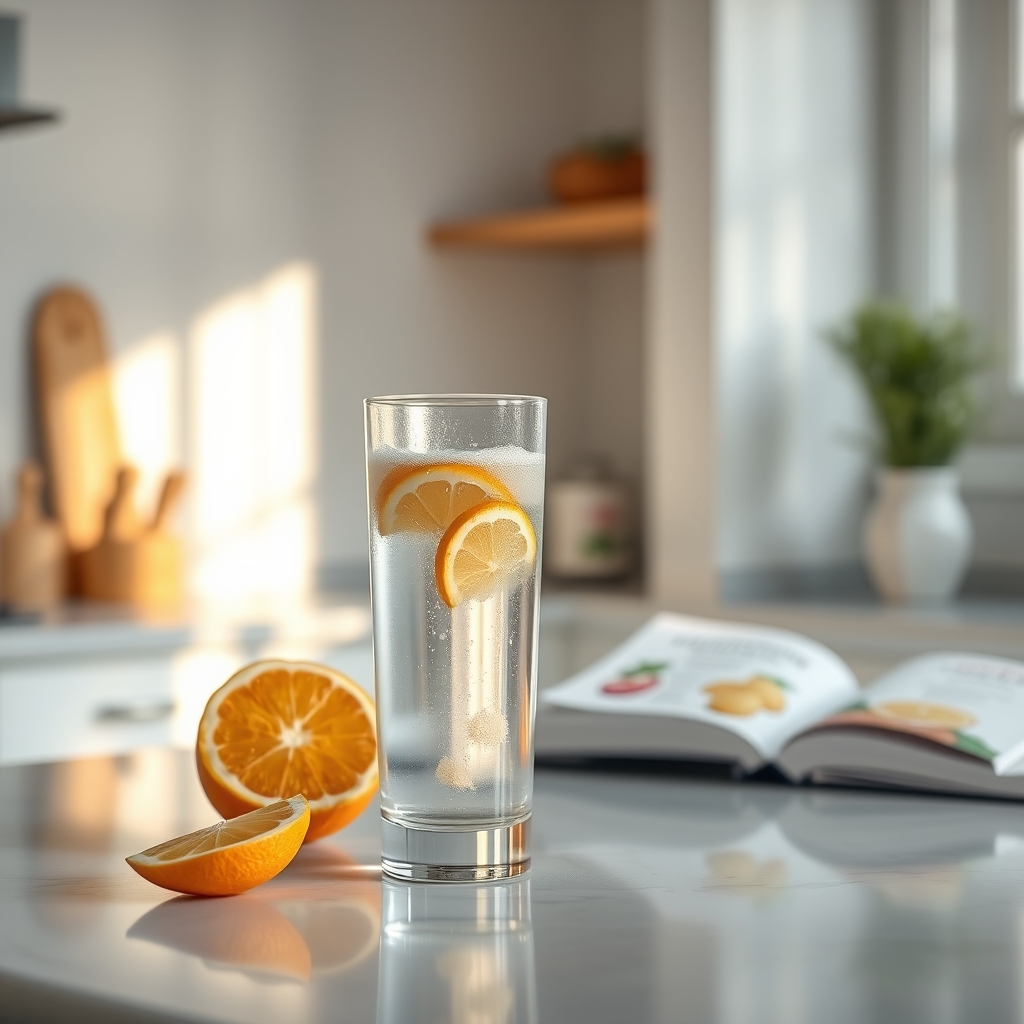
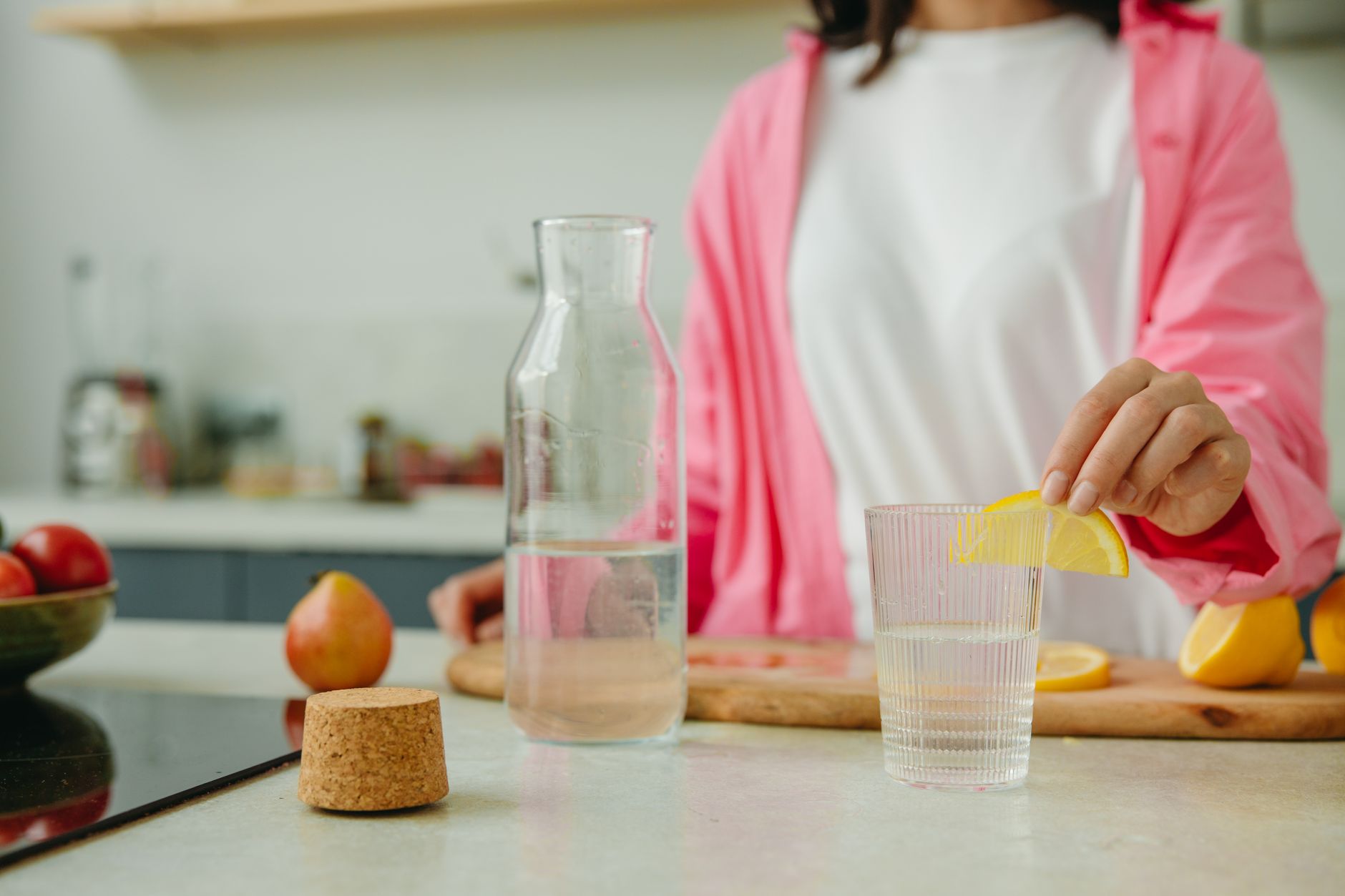
Fruit‑infused water not only adds a pleasant taste but also contributes small amounts of vitamin C and antioxidants from the fruit, which can be beneficial for both you and your baby. Simply steep a few slices of orange, lemon, or berries in a pitcher of water for a few hours, then enjoy a refreshing, nutrient‑light beverage.
Can instant hydration powder cause electrolyte imbalance in pregnancy?
When used as directed, instant hydration powders are designed to restore normal electrolyte balance, not disrupt it. However, over‑consumption—particularly of sodium or potassium—can lead to hypernatremia (high sodium) or hyperkalemia (high potassium), both of which are rare but serious. Symptoms include excessive thirst, swelling, muscle weakness, or irregular heartbeat. If you notice any of these signs, stop the product and contact your obstetrician immediately.
Is instant hydration safe for pregnant women with gestational diabetes?
For gestational diabetes, the primary concern is sugar content. Many instant hydration mixes contain added sugars or high‑fructose corn syrup, which can raise blood glucose levels. Low‑sugar or sugar‑free versions (e.g., those sweetened with stevia) are preferable, but you should still monitor your glucose levels after consumption. The ACOG nutrition guidelines advise that any carbohydrate‑containing drink be counted toward your daily carbohydrate allowance.
Should I avoid instant hydration drinks if I have high blood pressure during pregnancy?
Yes, if you have hypertension or a history of preeclampsia, you should limit or avoid instant hydration powders that are high in sodium. Choose products with less than 150 mg sodium per serving, or opt for natural alternatives like coconut water or unsweetened herbal teas. Your provider may also recommend a tailored fluid‑intake plan to keep blood pressure stable.
When you’re unsure, compare the nutrition label of your instant hydration powder to the recommended limits for sodium and sugar during pregnancy.
Safety by trimester
First trimester
During weeks 1–13, the embryo’s organs are forming, making this a critical window for nutrient balance. ACOG advises limiting added sodium and caffeine. If you choose an instant hydration powder, stick to a half‑packet (≈5 g) dissolved in 500 ml water, and ensure the product contains no more than 150 mg sodium and zero caffeine. Monitor for any signs of swelling, dizziness, or rapid heart rate, and discuss any use with your provider.
Nausea and vomiting are common at this stage, and dehydration can worsen them. A gentle ginger‑infused water or a low‑sugar electrolyte mix can help maintain fluid levels without overstimulating the stomach.
Second trimester
Weeks 14–27 see rapid fetal growth and increased maternal blood volume. At this stage, the body can tolerate a normal serving of a low‑sodium, low‑sugar hydration mix (½ to 1 packet). Maintaining adequate fluid intake helps prevent constipation and urinary tract infections, both common in the second trimester. Continue to avoid high‑caffeine or high‑sugar mixes, especially if you’ve developed gestational diabetes.
If you’re experiencing increased urination, a flavorful yet low‑sodium drink can encourage you to meet the higher fluid targets without excessive calorie intake.
Third trimester
Weeks 28–40 bring the greatest fluid demands as the baby prepares for birth. Proper hydration can help reduce the risk of preterm contractions caused by dehydration. A standard serving of a low‑sodium powder remains acceptable, but watch for increased swelling or blood pressure spikes. If you notice edema worsening after using a hydration mix, reduce the amount or switch to a low‑sodium alternative like coconut water.
Many women experience heart‑burn in the third trimester; a non‑acidic, electrolyte‑balanced drink can be soothing without adding reflux‑triggering ingredients.
Breastfeeding
While nursing, your fluid needs stay high—about 3 L per day. Instant hydration powders can be part of your fluid strategy, provided you keep sodium under 300 mg per serving and avoid added sugars that could affect your infant’s milk composition. Many lactating mothers find that a half‑packet of a sugar‑free, caffeine‑free powder mixed with water satisfies thirst without overloading on electrolytes.
Because breastmilk composition can be sensitive to maternal glucose levels, opting for sugar‑free mixes helps keep both you and your baby comfortable.
Using instant hydration after exercise
Exercise increases sweat loss, so a post‑workout electrolyte drink can be helpful even during pregnancy. Choose a low‑sodium, caffeine‑free powder, and limit intake to the recommended half‑packet. Hydrating with plain water first, then adding a small amount of powder, can prevent over‑loading on sodium while still replenishing lost minerals.
Allergy considerations
If you have food allergies, scrutinize the ingredient list for hidden allergens such as soy, dairy, gluten, or nuts. Some brands use soy‑derived amino acids or hidden whey protein as flavor carriers. When in doubt, contact the manufacturer for a full allergen disclosure, or opt for a plain electrolyte solution like Pedialyte, which is typically free of common allergens.
Homemade oral rehydration solution is a simple, pregnancy‑friendly alternative to packaged instant hydration powders.
Safe dosage / amount / brands
Metric
Recommended limit
How to measure
Standard serving
½ packet (≈5 g) per 500 ml water
Use the packet’s scoop or a kitchen scale; do not exceed the line on the packet.
Maximum daily sodium from powder
≤ 300 mg
Check label; most low‑sodium powders list sodium per serving.
Maximum daily sugar from powder
≤ 10 g (≈2 tsp)
Choose sugar‑free or low‑sugar versions; count added sugars toward total daily intake.
Safe brands (low sodium, caffeine‑free)
Pedialyte, Nuun Sport, Coconut water (natural), Homemade ORS
Read ingredient list; avoid “energy” or “sport” blends that contain caffeine.
When measuring, a kitchen scale set to grams offers the most precise control. Scoop the powder into a small bowl, weigh it, then stir into the appropriate amount of water. This practice prevents accidental overdosing, especially with brands that provide multiple serving sizes per packet.
Side effects and risks
Most users experience only mild, transient effects such as a slightly sweet taste or a mild thirst‑quenching sensation. However, be alert for the following:
Excessive thirst or dry mouth: May signal dehydration or over‑consumption of sodium.
Swelling (edema) in hands, feet, or face: Could indicate high sodium intake; contact your provider if swelling worsens.
Rapid heart rate or palpitations: Possible electrolyte imbalance; seek medical advice promptly.
Blood glucose spikes: If the powder contains sugar, monitor your glucose levels; call your provider if readings stay high.
Blood pressure elevation: Particularly concerning for women with gestational hypertension; stop the product and discuss alternatives.
These symptoms are not “normal” side effects of hydration; they warrant a conversation with your obstetrician, especially if they persist. Minor bloating or a brief metallic after‑taste are generally harmless and resolve on their own.
Safer alternatives
Pedialyte: Clinically formulated oral rehydration solution with balanced electrolytes and low sugar, widely endorsed by pediatric and obstetric guidelines.
Coconut water: Natural source of potassium and magnesium, low sodium, and free of added sugars.
Homemade oral rehydration solution: Simple mix of water, a pinch of salt, and a teaspoon of sugar; fully controllable sodium and sugar content.
Fruit‑infused water: Add slices of orange, cucumber, or berries to plain water for flavor without extra sodium.
Nuun Sport electrolyte tablets: Dissolve one tablet in a liter of water; low in sugar and caffeine‑free.
Ginger tea: Helpful for nausea and provides gentle hydration, especially in the first trimester.
Milk: Offers calcium, potassium, and fluid; suitable for most trimesters and breastfeeding.
Coconut water, in particular, delivers a natural electrolyte profile that mirrors many instant powders but with less sodium and no artificial additives. It also contains small amounts of vitamin C and B‑complex vitamins, supporting overall maternal nutrition.
Myth: All instant hydration powders are safe because they’re sold over the counter.
Fact: Safety depends on the product’s sodium, sugar, and caffeine content; some mixes exceed recommended limits for pregnancy.
Myth: Drinking more than one serving will only give you extra hydration.
Fact: Excess sodium can increase blood pressure and swelling, while added sugars can affect gestational diabetes control.
Myth: If a product is “electrolyte‑rich,” it must be beneficial for every pregnant woman.
Fact: Pregnant women with hypertension or kidney issues may need to limit potassium and sodium, making some “electrolyte‑rich” drinks unsuitable.
Key takeaways
Instant hydration powders can be safe for pregnancy when low in sodium, sugar, and caffeine.
Limit intake to ≤ ½ packet (≈5 g) per day, or follow your provider’s personalized guidance.
Choose brands like Pedialyte or Nuun Sport that meet low‑sodium, caffeine‑free criteria.
If you have gestational diabetes or hypertension, prioritize sugar‑free and low‑sodium options.
Watch for swelling, rapid heartbeat, or blood‑sugar spikes—these are red‑flag signs.
Safer alternatives such as coconut water, homemade oral rehydration solution, or ginger tea are easy to prepare and often more pregnancy‑friendly.
Frequently asked questions
Can I drink instant hydration powder while pregnant?
Yes, you can, but only if the product is low in sodium, sugar, and caffeine, and you stay within the recommended serving size (½ packet per day). Always check the label and discuss with your obstetrician.
What are the side effects of instant hydration mixes during pregnancy?
Common side effects include mild thirst and a pleasant taste, but excessive sodium can cause swelling or high blood pressure, while added sugars may raise blood glucose levels. Any persistent symptoms should be evaluated by a healthcare provider.
How many electrolytes are safe for pregnant women?
Pregnant women typically need about 1,500 mg of sodium and 4,700 mg of potassium per day from all sources. A single low‑sodium instant hydration serving (≈150–250 mg sodium) fits comfortably within these limits.
Is it okay to use powdered drink mixes in the second trimester?
Yes, provided the mix is low in sodium (<300 mg per serving), free of caffeine, and contains little or no added sugar. One serving per day is generally acceptable in the second trimester.
Do instant hydration drinks contain caffeine?
Most standard instant hydration powders are caffeine‑free, but some “energy” or “sport” variants do contain caffeine or herbal stimulants. Always read the ingredient list to be sure.
Can instant hydration help with morning sickness?
Staying hydrated can alleviate some nausea, but many instant hydration powders contain sugars that may worsen morning sickness. A ginger‑infused tea or a low‑sugar oral rehydration solution is often a gentler option.
Are there any pregnancy‑safe electrolyte drinks?
Yes—Pedialyte, Nuun Sport electrolyte tablets, and natural coconut water are all considered safe for most pregnant women when consumed in moderation.
Is it safe to use instant hydration powder if I’m on a low‑sodium diet?
Only if the product lists less than 150 mg of sodium per serving. Many low‑sodium options, such as certain Nuun tablets or plain Pedialyte, fit the criteria, but you should still count the sodium toward your total daily allowance.
Can I mix instant hydration powder with other drinks like juice?
Mixing with juice adds extra sugars and calories, which can affect blood glucose and overall sodium balance. If you want flavor, consider adding a splash of 100 % fruit juice to water before the powder, but keep the total sugar intake within your daily limits.
When to call your doctor
If you notice any of the following after using an instant hydration powder, contact your obstetrician right away:
Sudden swelling of hands, feet, or face that doesn’t improve with rest.
Rapid or irregular heartbeat.
Blood pressure readings consistently above 140/90 mm Hg.
Blood glucose spikes that stay elevated for more than a few hours.
Severe nausea, vomiting, or dizziness that interferes with daily activities.
These symptoms may signal an electrolyte imbalance or other complication that needs professional evaluation. Remember, this article provides general information and is not a substitute for personalized medical advice.
References
American College of Obstetricians and Gynecologists (ACOG). “Nutrition During Pregnancy.” Updated 2023.
National Health Service (NHS). “Hydration and Pregnancy.” Accessed July 2024.
Food and Drug Administration (FDA). “GRAS Notices for Electrolyte Additives.” 2022.
Centers for Disease Control and Prevention (CDC). “Gestational Diabetes Guidelines.” 2023.
World Health Organization (WHO). “Oral Rehydration Salts (ORS) for Adults.” Technical Manual, 2021.
Mayo Clinic. “Electrolyte Imbalance.” Reviewed 2024.
American Academy of Pediatrics (AAP). “Pedialyte Use in Children and Adults.” 2023.
Not sure about the label on Is Instant Hydration Safe During Pregnancy products?
Snap the ingredients list and SafeFilter checks every ingredient for your stage — only 3 free scans this month, then you're locked until reset. Unlimited from $7/mo or $50/yr.
When Shubhra Mishra was expecting her first child in 2016, she was overwhelmed by conflicting food advice — one site said yes, another said never. By the time her second baby arrived in 2019, she realized millions of mothers face the same confusion.
That sparked a five-year journey through clinical nutrition papers, cultural diets, and expert conversations — all leading to BumpBites: a calm, compassionate space where science meets everyday motherhood.
Her long-term vision is to build a global community ensuring safe, supported, and free deliveriesfor every mother — because no woman should face pregnancy alone or uninformed. 🌿
🌍 Stand with mothers, shape safer guidance
Join a small circle of experts who review BumpBites articles so expecting parents everywhere can decide with confidence.