Is Eucerin Advanced Repair safe during pregnancy? Safe in 1st trimester—check active ingredients & patch test for sensitive skin. Learn alternatives & usage
By Shubhra Mishra — a mom of two who turned her own confusion during pregnancy into BumpBites, a global mission to make food choices clear, safe, and stress-free for every expecting mother. 💛
Check whether any food is safe during pregnancy with the BumpBites Food Safety Checker.
Quick verdict: ✅ Eucerin Advanced Repair is generally safe to use during pregnancy when applied topically as directed, as its ingredients are non-toxic and lack known teratogenic (birth-defect-causing) risks. The American College of Obstetricians and Gynecologists (ACOG) does not list its active components as harmful, but always patch-test first and avoid ingestion.
You’re scrolling through your skincare cabinet at 2 am, squinting at the label of your beloved Eucerin Advanced Repair cream, wondering if it’s safe to keep using while pregnant. Maybe you’ve heard conflicting advice about skincare ingredients, or you’re just paranoid after that one friend who swore off every product after her first trimester. Or perhaps you’ve already used it for weeks before realizing you’re expecting—and now you’re stuck between relief and panic. Is Eucerin Advanced Repair safe during pregnancy? The answer isn’t just “yes” or “no.” It’s about understanding the science behind its ingredients, how they interact with your body during pregnancy, and what your skin actually needs now.
Here’s the good news: Eucerin Advanced Repair is one of those rare pregnancy-safe skincare gems that’s been vetted by dermatologists and moms alike. But like all products, it’s not a one-size-fits-all solution. Your skin’s needs change during pregnancy—drier, oilier, or more sensitive than ever—and some ingredients that were fine before might now need a second look. We’ll break down every trimester, ingredient by ingredient, and even how to use it safely if you’re already relying on it. Plus, we’ll share safer alternatives if you’d like to explore other options.
This article covers everything you need to know, from the safety snapshot of each trimester to what to watch for if you have eczema or sensitive skin. Whether you’re curious before you start or already wondering if it’s too late, we’ve got you covered.
Stage
Safety Verdict
Notes
First Trimester
✅ Safe
Generally safe to use as directed, but avoid if you have a known sensitivity to any ingredients. Patch-test first.
Second Trimester
✅ Safe
No additional restrictions; continue using as needed for dry or irritated skin.
Third Trimester
✅ Safe
Safe to use, but increased skin sensitivity is common—monitor for irritation.
Breastfeeding
✅ Safe
Safe for topical use; avoid ingesting the product.
---
What is Eucerin Advanced Repair?
Eucerin Advanced Repair is a hydrating, repair-focused moisturizer designed to strengthen the skin barrier and restore moisture to dry, irritated, or compromised skin. It’s part of Eucerin’s Advanced Repair line, which is formulated with urea, glycerin, and ceramides—ingredients backed by dermatologists for their ability to repair the skin’s natural protective layer.
This particular cream is often recommended for people with eczema, psoriasis, or sensitive skin, as well as those dealing with dryness, flakiness, or itchiness. The brand is known for its fragrance-free and hypoallergenic formulations, which is a huge plus during pregnancy when skin can become more reactive. But what makes it stand out is its non-comedogenic (won’t clog pores) and non-greasy texture, making it suitable for all skin types—even oily or acne-prone skin.
Eucerin Advanced Repair comes in a variety of textures, including a cream, lotion, and ointment, allowing you to choose based on your skin’s needs. It’s widely available at drugstores, online retailers, and dermatology offices, and it’s often prescription-strength for severe dryness due to its higher urea content.
If you’re wondering how it compares to other pregnancy-safe skincare, you might also be curious about Sente Dermal Repair, another popular option for sensitive skin.
---
Is Eucerin Advanced Repair safe during pregnancy?
T
he short answer is yes, Eucerin Advanced Repair is generally safe to use during pregnancy when applied topically as directed. The American College of Obstetricians and Gynecologists (ACOG) and the UK’s National Health Service (NHS) do not list its active ingredients as teratogens (substances that can cause birth defects) or harmful to fetal development when used externally. However, safety isn’t just about the ingredients—it’s also about how your body reacts to them, especially during pregnancy when hormonal changes can make your skin more sensitive.
The key ingredients in Eucerin Advanced Repair are:
Urea (10% or 20%): A natural moisturizing factor that helps exfoliate and hydrate the skin. While urea is generally safe for topical use, high concentrations (like 40%) can be irritating. The amounts in this product are well within safe limits.
Glycerin: A humectant that draws moisture into the skin. It’s considered safe and is often used in pregnancy-safe products.
Ceramides: Lipids that help restore the skin barrier. They’re non-toxic and widely used in skincare.
Panthenol (Pro-Vitamin B5): Soothes and hydrates without any known risks during pregnancy.
The U.S. Food and Drug Administration (FDA) classifies topical urea and glycerin as generally recognized as safe (GRAS) for external use, and there’s no evidence linking these ingredients to adverse pregnancy outcomes when used as directed. That said, every person’s body reacts differently, and pregnancy can amplify skin sensitivities. If you’ve never used this product before, we recommend a patch test before applying it to larger areas.
One common misconception is that all skincare products are unsafe during pregnancy. While it’s true that some ingredients—like retinoids, salicylic acid, or certain essential oils—are best avoided, moisturizers with simple, well-tolerated ingredients like Eucerin Advanced Repair are generally low-risk. The ACOG advises pregnant women to stick to fragrance-free, hypoallergenic products to minimize irritation, and this cream fits that bill.
If you’re concerned about the safety of other skincare products, you might also want to check out our guide on advanced maternal age pregnancy risks, which touches on how hormonal changes can affect skin sensitivity.
---
Is Eucerin Advanced Repair safe during the first trimester?
The first trimester is the most critical window for fetal development, as organs and systems are forming. While Eucerin Advanced Repair is not expected to pose a risk, it’s still wise to be cautious with new products during this time. The good news is that topical application of this cream is unlikely to harm your baby, as the ingredients are absorbed minimally through the skin and don’t enter the bloodstream in significant amounts.
The ACOG and NHS both emphasize that topical skincare products are generally safe during pregnancy unless they contain ingredients known to be harmful, like retinoids or high-dose salicylic acid. Since Eucerin Advanced Repair contains only urea, glycerin, ceramides, and panthenol, it’s considered low-risk. However, if you’re prone to allergies or skin reactions, patch-testing is a must—especially if you’re introducing a new product during this sensitive phase.
If you’ve already used Eucerin Advanced Repair before realizing you’re pregnant, there’s no need to panic. A single application or even regular use during the first trimester is unlikely to cause harm. But if you develop redness, itching, or a rash after using it, discontinue use and consult your healthcare provider.
---
Is Eucerin Advanced Repair safe during the second trimester?
By the second trimester, your body has adjusted to pregnancy, and your skin may be less reactive than in the first trimester. Eucerin Advanced Repair remains safe to use as needed during this phase, as there’s no evidence linking its ingredients to pregnancy complications. In fact, many women find their skin drier or more sensitive during pregnancy, making a hydrating cream like this one even more beneficial.
The second trimester is also when skin conditions like eczema or psoriasis can flare up due to hormonal changes. If you’re dealing with these issues, Eucerin Advanced Repair can be a great option—just be sure to moisturize regularly and avoid overusing it on broken or irritated skin. If you notice increased irritation or redness, switch to a gentler formula or consult your dermatologist.
If you’re curious about other pregnancy-safe options for eczema, you might also want to explore alternatives like Cetaphil or CeraVe, which are also dermatologist-recommended.
---
Is Eucerin Advanced Repair safe during the third trimester?
The third trimester is often when skin becomes even more sensitive due to hormonal shifts and increased blood flow. Eucerin Advanced Repair is still safe to use, but you may need to adjust your routine to accommodate your skin’s changing needs. Stretch marks, dry patches, and itchiness are common in this phase, and this cream can help soothe and hydrate affected areas.
However, if you develop severe dryness, cracking, or a rash, it’s possible that your skin is reacting to the product. In that case, discontinue use and try a fragrance-free, hypoallergenic alternative. If irritation persists, consult your healthcare provider to rule out other causes, such as pruritic urticarial papules and plaques of pregnancy (PUPPP), a condition that affects some pregnant women.
For those dealing with stretch marks, you might also want to check out our article on how to care for your skin during pregnancy, which includes tips for managing stretch marks safely.
---
Is Eucerin Advanced Repair safe while breastfeeding?
Breastfeeding mothers can continue using Eucerin Advanced Repair safely, as the ingredients are not absorbed into the bloodstream in significant amounts. The ACOG and NHS both confirm that topical skincare products are generally safe during breastfeeding unless they contain ingredients that could be harmful if ingested (like certain essential oils or high-dose retinoids). Since this cream is designed for external use only, it poses no risk to your baby.
That said, always avoid ingesting the product, as accidental ingestion could cause stomach upset. If you’re concerned about residue on your skin transferring to your baby, simply wash your hands thoroughly after applying the cream.
---
How much Eucerin Advanced Repair can I use while pregnant?
The amount of Eucerin Advanced Repair you can safely use during pregnancy depends on your skin’s needs, but there’s no strict limit to the quantity. The product is designed for regular, as-needed use, and dermatologists typically recommend applying it 1-2 times daily to dry or irritated areas. For severe dryness or eczema, you may need to use it more frequently—up to 3-4 times daily—but always follow your dermatologist’s advice if you have a skin condition.
If you’re using the 20% urea version, it’s slightly stronger than the 10% formula, so you may want to start with a smaller amount and monitor your skin’s reaction. The cream and lotion textures are best for daily use, while the ointment is ideal for very dry or cracked skin.
For best results, apply the cream to damp skin to lock in moisture, and avoid using it on open wounds or broken skin. If you’re unsure about how much to use, start conservatively and increase as needed.
---
Are there any side effects of using Eucerin Advanced Repair during pregnancy?
While Eucerin Advanced Repair is generally well-tolerated, some pregnant women may experience mild side effects, particularly if they have sensitive skin or allergies. The most common reactions include:
Redness or irritation: If your skin is more reactive during pregnancy, you might notice mild redness or a stinging sensation after applying the cream. This is usually temporary and resolves on its own.
Dryness or tightness: If you overuse the product or apply it to already dry skin, it can sometimes cause a temporary tightening sensation.
Allergic reaction: Rarely, some people may develop an allergic reaction to urea or other ingredients, leading to itching, swelling, or a rash. If this happens, stop using the product and consult your healthcare provider.
To minimize the risk of side effects:
Patch-test the product before applying it to larger areas of your body.
Avoid using it on broken or irritated skin.
Discontinue use if you notice any adverse reactions.
If you develop severe itching, swelling, or difficulty breathing, these could be signs of a serious allergic reaction, and you should seek medical attention immediately.
---
What are safer alternatives to Eucerin Advanced Repair for pregnant skin?
If you’re looking for alternatives to Eucerin Advanced Repair that are equally safe and effective during pregnancy, here are some top-rated options:
Cetaphil Moisturizing Cream – Fragrance-free, non-comedogenic, and gentle enough for sensitive skin.
CeraVe Moisturizing Cream – Contains ceramides and hyaluronic acid to restore the skin barrier.
Aveeno Daily Moisturizing Lotion – Oat-based and soothing, ideal for dry or itchy skin.
Neutrogena Hydro Boost Gel-Cream – Lightweight and hydrating, with hyaluronic acid to plump the skin.
La Roche-Posay Lipikar Balm AP+ – Designed for very dry or sensitive skin, including eczema-prone areas.
Burt’s Bees Intense Hydration Cream – Plant-based and free of synthetic fragrances or dyes.
First Aid Beauty Ultra Repair Cream – Rich in ceramides and squalane for deep hydration.
Aquaphor Healing Ointment – A heavy-duty option for cracked or very dry skin.
Vanicream Moisturizing Skin Cream – Fragrance-free and non-irritating, great for sensitive skin.
Burt’s Bees Sensitive Skin Cream – Gentle and hypoallergenic, with minimal ingredients.
Many of these alternatives are also breastfeeding-safe and can be used as needed. If you’re unsure which one to choose, consult your dermatologist or healthcare provider for personalized recommendations.
---
Which Eucerin brands are safe for pregnancy?
Eucerin offers a variety of products, and most of their fragrance-free, hypoallergenic, and non-comedogenic options are safe for pregnancy. Here’s a quick breakdown of their safer choices:
Eucerin Advanced Repair – As discussed, safe for topical use.
Eucerin UreaRepair 10%/20% – Safe for dry skin, but patch-test first.
Eucerin Daily Oil-Free Moisturizer – Lightweight and non-greasy, safe for oily skin.
Eucerin Aquaphor Healing Ointment – Safe for cracked or very dry skin.
Eucerin Redness Relief Cream – Safe for red or irritated skin, but avoid if you’re sensitive to panthenol.
Avoid Eucerin products that contain:
Retinoids (like tretinoin) – These are category X during pregnancy.
High-dose salicylic acid – Best avoided in pregnancy.
Fragrances or essential oils – These can irritate sensitive skin.
If you’re curious about other pregnancy-safe skincare brands, you might also want to explore Sente Dermal Repair, which is another popular choice for sensitive skin.
---
Does Eucerin Advanced Repair contain any ingredients that could harm a developing fetus?
No, Eucerin Advanced Repair does not contain any ingredients that are known to harm a developing fetus when used topically. The active and inactive ingredients in this product are:
Urea (10% or 20%) – Safe for topical use; not absorbed into the bloodstream in harmful amounts.
Glycerin – A humectant that draws moisture into the skin; safe and non-toxic.
Ceramides – Help restore the skin barrier; no known risks.
Panthenol (Pro-Vitamin B5) – Soothes and hydrates; safe for pregnancy.
Squalane – A lightweight emollient derived from olives; safe and non-irritating.
The FDA and ACOG do not list any of these ingredients as teratogenic or harmful to fetal development when applied topically. However, always avoid ingesting the product, as accidental ingestion could cause stomach upset.
Can I use Eucerin Advanced Repair if I have eczema during pregnancy?
Yes, Eucerin Advanced Repair is an excellent choice for managing eczema during pregnancy. Eczema often flares up during pregnancy due to hormonal changes, and this cream’s urea and ceramides help repair the skin barrier and reduce itching and dryness. Many dermatologists recommend urea-based creams for eczema because they gently exfoliate dead skin cells while hydrating.
To use it effectively for eczema:
Apply it to damp skin after bathing to lock in moisture.
Use it 2-3 times daily on affected areas.
Patch-test first to ensure no irritation.
Avoid using it on open wounds or bleeding skin.
If your eczema is severe or not improving, consult a dermatologist for additional treatment options. Other pregnancy-safe eczema creams include Cetaphil or CeraVe, which are also highly recommended.
---
Myth vs. Fact
Myth: All skincare products are unsafe during pregnancy.
Fact: Many skincare products, including moisturizers like Eucerin Advanced Repair, are safe for topical use during pregnancy. The key is to avoid ingredients like retinoids, high-dose salicylic acid, and essential oils, which can be harmful. Fragrance-free, hypoallergenic products are generally the safest choices.
Myth: Urea is harmful to pregnant women.
Fact: Urea is safe for topical use during pregnancy when used in the concentrations found in Eucerin Advanced Repair (10% or 20%). It’s a natural moisturizing factor that helps exfoliate and hydrate the skin without posing risks to fetal development.
Myth: You can’t use any skincare products in the first trimester.
Fact: While it’s wise to be cautious with new products in the first trimester, many topical skincare products—including Eucerin Advanced Repair—are safe to use as long as you patch-test and avoid ingestion. The first trimester is about organogenesis, so avoiding systemic absorption (like with oral medications) is more critical than topical application.
---
Key Takeaways
Eucerin Advanced Repair is generally safe to use during pregnancy when applied topically as directed, as its ingredients are non-toxic and lack known teratogenic risks.
Patch-test first, especially if you’re introducing a new product during pregnancy or have sensitive skin.
Use it as needed, typically 1-2 times daily, but adjust based on your skin’s response.
Avoid ingesting the product, as accidental ingestion could cause stomach upset.
If you develop redness, itching, or a rash, stop using it and consult your healthcare provider.
Safer alternatives include Cetaphil, CeraVe, and Aveeno if you prefer other pregnancy-safe moisturizers.
Eucerin Advanced Repair is a great option for eczema and dry skin during pregnancy, but always follow your dermatologist’s advice for severe conditions.
---
Frequently Asked Questions
Is Eucerin Advanced Repair safe for pregnancy?
Yes, Eucerin Advanced Repair is safe for pregnancy when used topically as directed. The ingredients—urea, glycerin, ceramides, and panthenol—are non-toxic and lack known teratogenic risks. Always patch-test first and avoid ingesting the product.
Can I use Eucerin Advanced Repair during pregnancy?
Absolutely! You can use it throughout all trimesters and while breastfeeding. It’s a great option for dry, sensitive, or eczema-prone skin. Just be mindful of your skin’s reaction and discontinue use if irritation occurs.
Are there any risks using Eucerin Advanced Repair while pregnant?
The risks are minimal, but some pregnant women may experience mild irritation or redness, especially if they have sensitive skin. If you notice any adverse reactions—like itching, swelling, or a rash—stop using it and consult your healthcare provider.
What ingredients are in Eucerin Advanced Repair?
The key ingredients include urea (10% or 20%), glycerin, ceramides, panthenol, and squalane. All of these are safe for topical use during pregnancy and are designed to repair and hydrate the skin.
Is Eucerin Advanced Repair safe for babies?
While Eucerin Advanced Repair is safe for topical use during pregnancy and breastfeeding, it’s not recommended for babies. Babies have more sensitive skin, and the higher urea concentration could be irritating. Always use baby-safe products like fragrance-free moisturizers for your little one.
Can I use Eucerin Advanced Repair if I have sensitive skin during pregnancy?
Yes, but with caution. While Eucerin Advanced Repair is hypoallergenic and fragrance-free, sensitive skin can still react to new products. Patch-test the product on a small area of skin before applying it more broadly, and discontinue use if irritation occurs.
Is Eucerin Advanced Repair safe for eczema during pregnancy?
Absolutely! Eucerin Advanced Repair is one of the best options for managing eczema during pregnancy. Its urea and ceramides help repair the skin barrier, reduce itching, and hydrate dry patches. Many dermatologists recommend it for eczema-prone skin.
---
Related Items: Safety at a Glance
Product
Safety Verdict
Notes
Aveeno Daily Moisturizing Lotion
✅ Safe
Oat-based and soothing; great for dry or itchy skin.
CeraVe Moisturizing Cream
✅ Safe
Contains ceramides and hyaluronic acid; ideal for barrier repair.
Neutrogena Hydro Boost Gel-Cream
✅ Safe
Lightweight and hydrating; perfect for oily or acne-prone skin.
La Roche-Posay Lipikar Balm AP+
✅ Safe
Designed for very dry or sensitive skin, including eczema.
Burt’s Bees Intense Hydration Cream
✅ Safe
Plant-based and free of synthetic fragrances; gentle on sensitive skin.
Eucerin Advanced Repair
✅ Safe
Urea and ceramides help repair dry or irritated skin.
Aquaphor Healing Ointment
✅ Safe
Heavy-duty option for cracked or very dry skin.
Vanicream Moisturizing Skin Cream
✅ Safe
Fragrance-free and non-irritating; great for sensitive skin.
Cetaphil Moisturizing Cream
✅ Safe
Non-comedogenic and gentle; ideal for all skin types.
First Aid Beauty Ultra Repair Cream
✅ Safe
Rich in ceramides and squalane for deep hydration.
---
When to Call Your Doctor
While Eucerin Advanced Repair is generally safe during pregnancy, contact your healthcare provider if you experience any of the following:
Severe redness, swelling, or itching after using the product.
A rash or hives that spreads or worsens.
Difficulty breathing or wheezing, which could indicate an allergic reaction.
Persistent dryness or cracking that doesn’t improve with moisturizing.
Signs of infection, such as pus, increasing pain, or fever.
If you’re unsure whether your symptoms are related to the product or another pregnancy-related condition, always reach out to your healthcare provider. They can provide personalized advice based on your medical history.
This article is for informational purposes only and does not constitute medical advice. Always consult your healthcare provider before starting or stopping any skincare product during pregnancy.
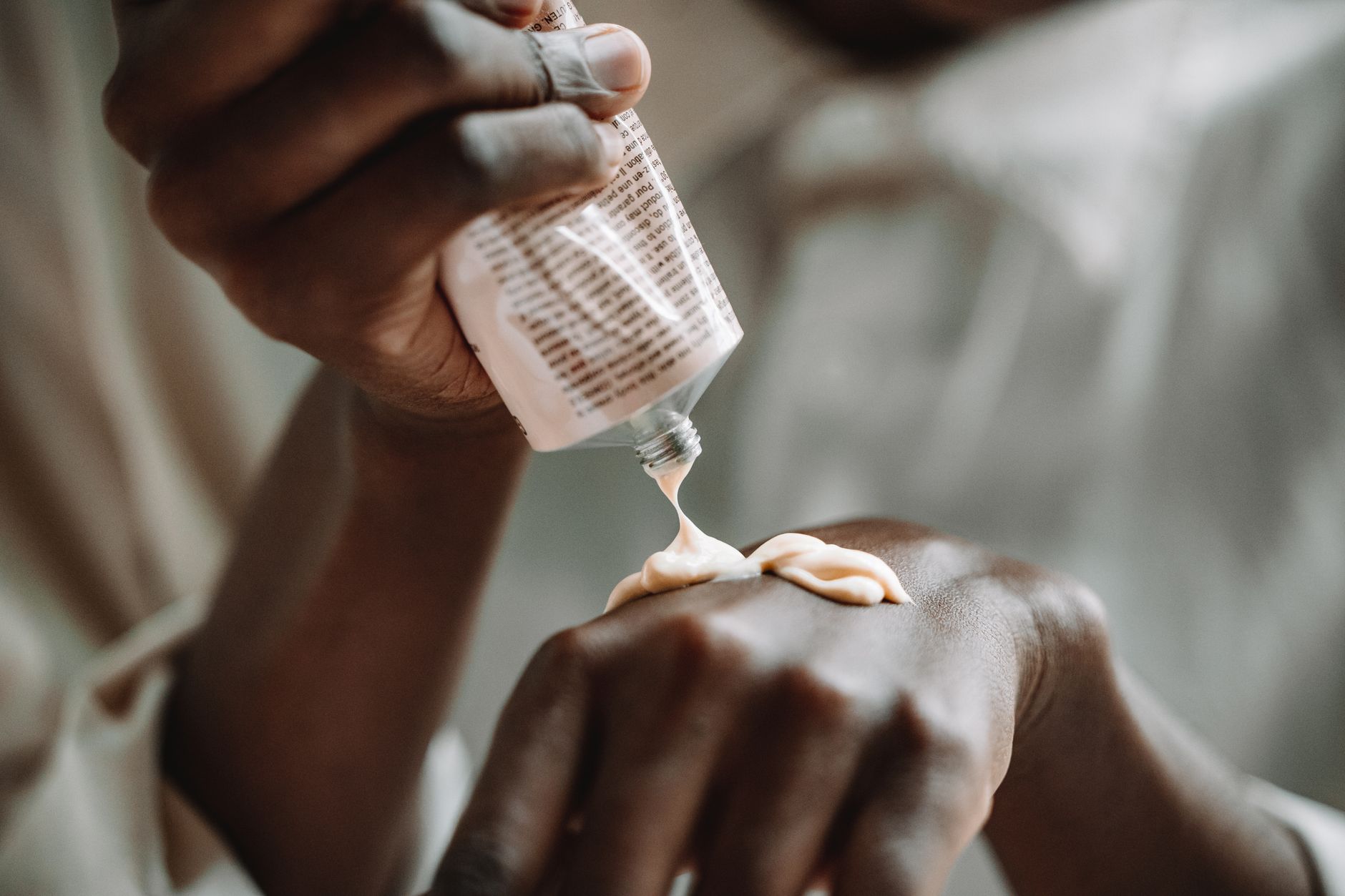
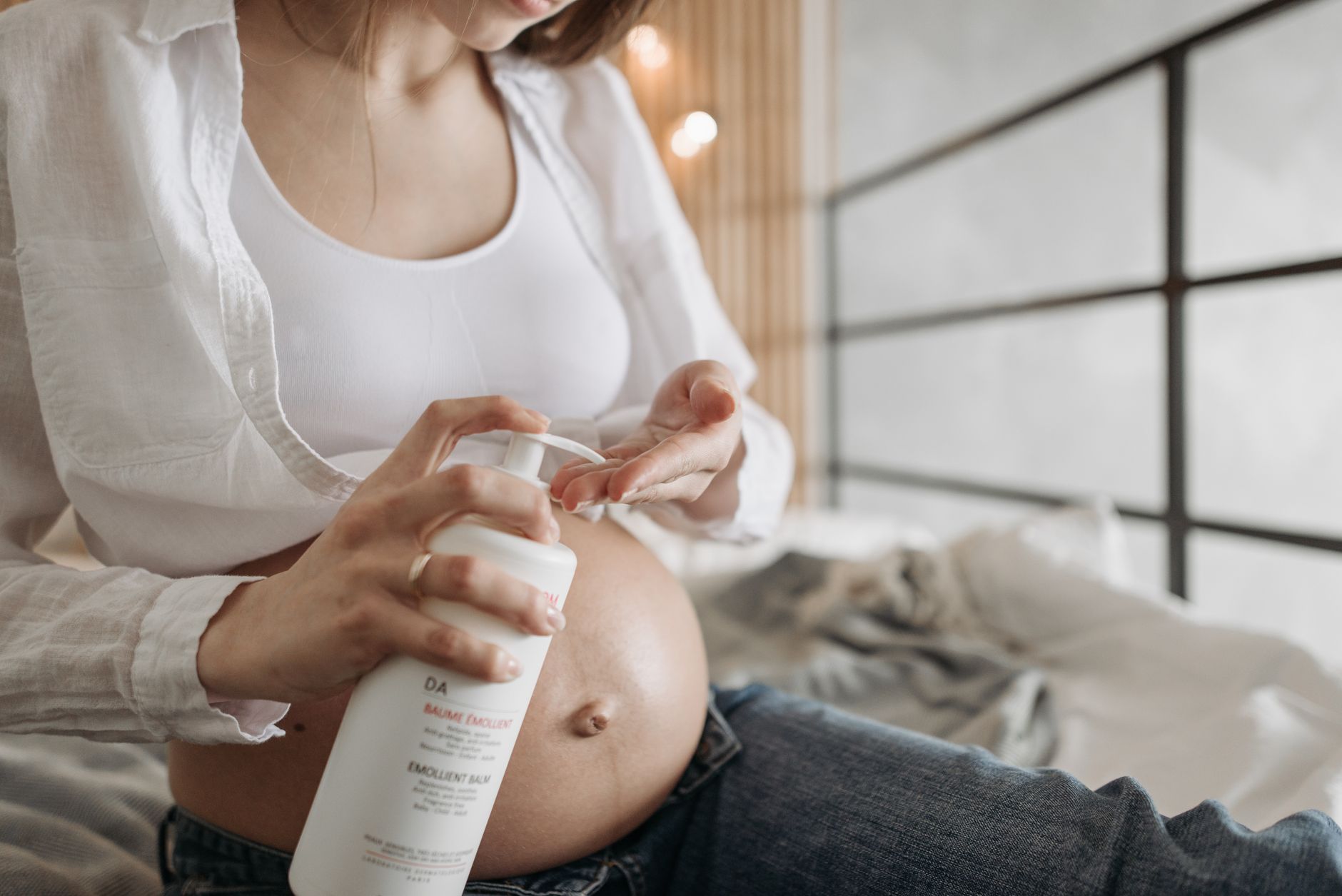
Applying Eucerin Advanced Repair to dry skin during pregnancy—patch-test first!Exploring safer alternatives to Eucerin Advanced Repair for pregnancy.Skincare during pregnancy: gentle, hydrating, and safe.
Not sure about the label on Is Eucerin Advanced Repair Safe During Pregnancy products?
Snap the ingredients list and SafeFilter checks every ingredient for your stage — only 3 free scans this month, then you're locked until reset. Unlimited from $7/mo or $50/yr.
When Shubhra Mishra was expecting her first child in 2016, she was overwhelmed by conflicting food advice — one site said yes, another said never. By the time her second baby arrived in 2019, she realized millions of mothers face the same confusion.
That sparked a five-year journey through clinical nutrition papers, cultural diets, and expert conversations — all leading to BumpBites: a calm, compassionate space where science meets everyday motherhood.
Her long-term vision is to build a global community ensuring safe, supported, and free deliveriesfor every mother — because no woman should face pregnancy alone or uninformed. 🌿
🌍 Stand with mothers, shape safer guidance
Join a small circle of experts who review BumpBites articles so expecting parents everywhere can decide with confidence.