Avoid eucalyptus oil during pregnancy, especially in the first trimester, as it can cause uterine irritation. Learn safe dosage limits and gentle alternatives.
By Shubhra Mishra — a mom of two who turned her own confusion during pregnancy into BumpBites, a global mission to make food choices clear, safe, and stress-free for every expecting mother. 💛
Check whether any food is safe during pregnancy with the BumpBites Food Safety Checker.
Quick verdict: ❌ Best avoided. Eucalyptus oil is not considered safe for pregnant women, especially in concentrated forms, and should be avoided throughout pregnancy and while breastfeeding.
It’s common to reach for a soothing scent when you’re feeling queasy or stressed during pregnancy, and eucalyptus oil often appears on the shelf of natural‑health stores promising relief. If you’ve found yourself wondering is eucalyptus oil safe during pregnancy, you’re not alone—many expectant parents search for answers late at night, worried they might have already inhaled or applied it. The short answer is that most obstetric guidelines advise avoiding eucalyptus oil altogether while pregnant, because the limited data we have points to potential risks that outweigh any possible benefits.
In this article we’ll break down what eucalyptus oil is, what the major health authorities say about its use in pregnancy, how safety differs across each trimester, what dosage limits (if any) are considered acceptable, which brands claim to be “pregnancy‑friendly,” and what safer essential‑oil alternatives you can turn to instead. We’ll also cover how eucalyptus oil might interact with common pregnancy concerns like morning sickness or asthma, and give you clear red‑flag signs that warrant a call to your provider.
By the end of this read you’ll have a concise, evidence‑based answer to the question is eucalyptus oil safe during pregnancy, plus practical guidance you can trust without having to scroll through endless forum posts. If you’ve already used a drop or two, take a breath—you’re not alone, and we’ll explain what really matters.
Trimester / Stage
Verdict
Notes
First trimester
❌ Avoid
Potential teratogenic risk; organogenesis period most vulnerable.
Second trimester
❌ Avoid
Limited data; still not recommended for inhalation or topical use.
Third trimester
❌ Avoid
Risk of uterine stimulation and possible preterm labor.
Breastfeeding
❌ Avoid
Essential oils can pass into breast milk; safety not established.
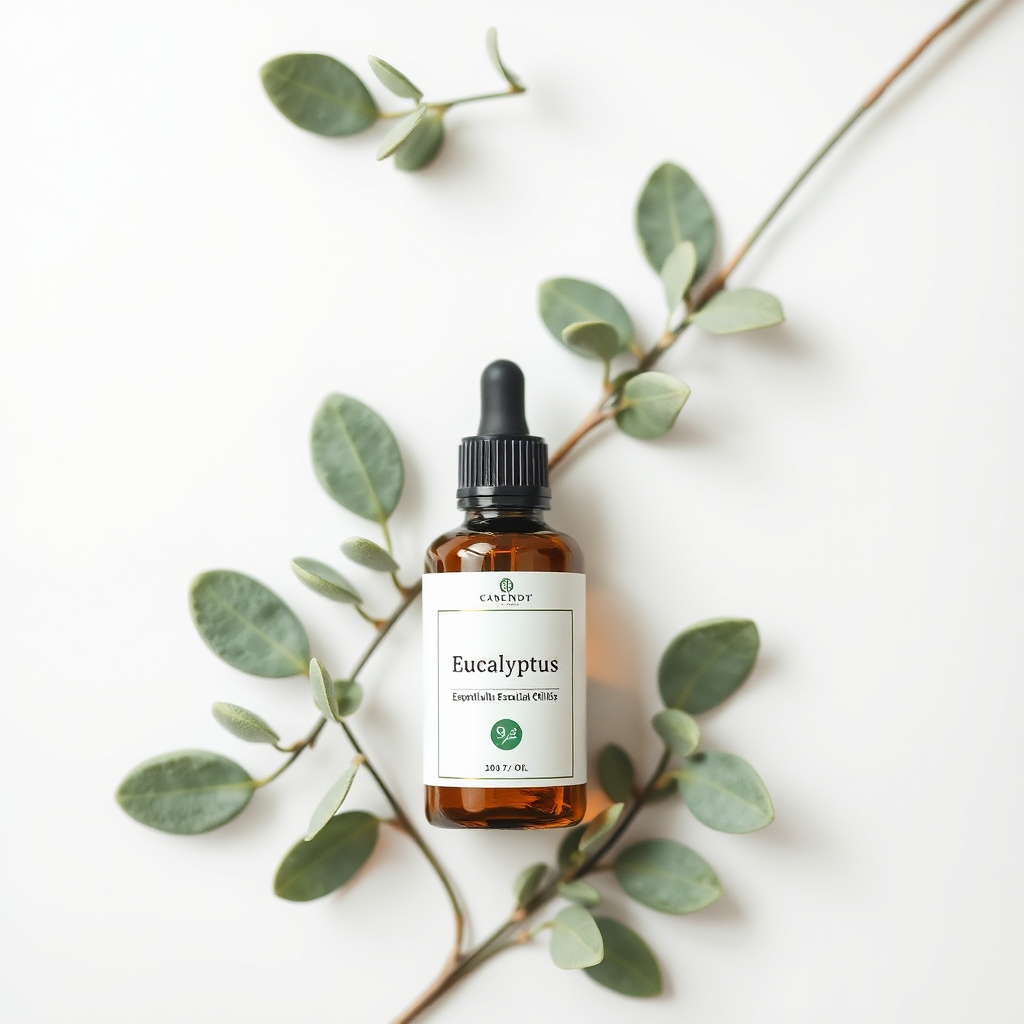
Eucalyptus oil is derived from the leaves of the eucalyptus tree (primarily Eucalyptus globulus), a fast‑growing evergreen native to Australia. The oil’s main active constituents are eucalyptol (also called cineole) and, in smaller amounts, α‑pinene and limonene. These compounds give eucalyptus oil its characteristic sharp, camphor‑like scent and its reputed ability to clear nasal passages, soothe muscle tension, and act as an anti‑inflammatory agent. In aromatherapy, it’s often used in diffusers, inhalers, or diluted in carrier oils for topical massage. Because of its potency, the oil is typically sold in a highly concentrated form—often 100 % pure—requiring careful dilution before any use.
When it comes to pregnancy, the consensus among leading health organizations is clear: eucalyptus oil should be avoided. The American College of Obstetricians and Gynecologists (ACOG) lists eucalyptus among essential oils that are “not recommended for use during pregnancy” due to limited safety data and the potential for uterine irritation. The United Kingdom’s National Health Service (NHS) similarly advises pregnant women to steer clear of eucalyptus oil, especially in undiluted or high‑concentration formats. The U.S. Food and Drug Administration (FDA) has not approved eucalyptus oil for any internal medical use, and the Centers for Disease Control and Prevention (CDC) echoes caution, noting that inhalation of strong essential‑oil vapors can trigger respiratory irritation. While there are a handful of small animal studies suggesting possible teratogenic effects at high doses, human data are scarce, leading clinicians to adopt a precautionary approach.
Because the evidence is not definitive, many providers err on the side of safety, especially during the first trimester when the embryo’s organs are forming—a period known as organogenesis. Even if you have used eucalyptus oil in the past, a single brief exposure is unlikely to cause harm, but it’s still wise to discontinue any regular use and discuss any exposures with your obstetrician. Below, we’ll walk through trimester‑specific considerations, dosage guidelines (if you must use it under professional supervision), brand information, and safer alternatives.
Is eucalyptus oil safe to use during the first trimester of pregnancy?
The first trimester, encompassing weeks 1‑13, is the most critical window for fetal development. During this period, the embryo’s major organs are establishing, and any teratogenic (birth‑defect‑causing) agents can have outsized effects. Although direct human studies on eucalyptus oil in early pregnancy are lacking, the precautionary principle adopted by ACOG and the NHS recommends complete avoidance. Inhalation of strong eucalyptus vapors can cause respiratory irritation, and topical application—even when diluted—may lead to skin sensitization that could trigger an immune response. Because the exact safe threshold is unknown, the safest route is to avoid eucalyptus oil entirely in the first trimester.
Beyond the theoretical risks, many pregnant people report heightened sensitivity to strong scents during early pregnancy, a phenomenon sometimes called “pregnancy smell.” This heightened olfactory response can turn what feels like a mild aroma into a source of nausea or dizziness. For that reason, even low‑level diffusion of eucalyptus oil is discouraged. If you’re looking for a gentle way to ease congestion in the first trimester, consider saline nasal rinses or a warm steam inhalation without added essential oils.
Can I use eucalyptus oil aromatherapy in the second trimester?
The second trimester (weeks 14‑27) is often considered a “comfort” period, but the safety profile of essential oils does not change dramatically. The NHS still lists eucalyptus oil as “not recommended” for pregnant women at any stage, and ACOG’s guidance remains consistent across trimesters. While some anecdotal reports suggest mild relief of congestion from diffused eucalyptus, the potential for uterine irritation or unexpected systemic absorption still exists, particularly if the oil is used in high concentrations or for prolonged periods. Consequently, most obstetricians advise against any form of eucalyptus aromatherapy during the second trimester.
For those who experience persistent sinus issues, a doctor‑approved saline spray or a humidifier with plain water can provide relief without the unknowns of essential‑oil exposure. If a healthcare provider feels that a very low‑dose eucalyptus preparation is medically necessary—such as in a rare case of severe asthma unresponsive to standard therapy—the recommendation will be tightly controlled, with clear limits on concentration and exposure time.
What is the safe dosage of eucalyptus oil for pregnant women?
Because the prevailing medical guidance is to avoid eucalyptus oil, there is no universally accepted “safe dosage” for pregnant women. If a healthcare provider decides that a very low‑dose, highly diluted preparation is necessary—for instance, to address severe asthma under close supervision—the typical recommendation is an essential‑oil concentration of no more than 0.5 % (approximately 5 drops of eucalyptus oil per 1 ounce of carrier oil). Even then, the exposure should be limited to short sessions (no longer than 15 minutes) and only used under medical advice. The FDA does not set a specific limit for essential‑oil ingestion, reinforcing the need for professional guidance before any internal use.
It is also important to note that “dose” can refer to different routes of exposure—diffusion, topical application, or ingestion. Each route carries its own absorption dynamics, and pregnant bodies may metabolize compounds differently. Therefore, any deviation from the 0.5 % guideline should be discussed with a qualified provider who can weigh the potential benefits against the theoretical risks.
Are there any safe eucalyptus oil brands for pregnant users?
Given the recommendation to avoid eucalyptus oil, there are no brands that can be confidently labeled “pregnancy‑safe.” Some manufacturers market “diluted” or “gentle” versions, but the concentration of eucalyptol remains high enough to warrant caution. If you encounter a brand that claims a “pregnancy‑friendly” formulation, verify that it contains less than 0.5 % essential oil in a carrier base and that the label cites third‑party testing. However, the safest approach is to skip eucalyptus oil altogether and opt for alternatives that have a well‑established safety record during pregnancy.
When shopping for essential oils, look for transparent labeling, a clear list of ingredients, and a batch‑specific COA (Certificate of Analysis). Even these quality markers do not replace medical advice; they simply ensure you know exactly what you’re putting on your skin or into the air.
What are the risks of using eucalyptus oil while pregnant?
Potential risks include:
Uterine irritation: High concentrations of eucalyptol may stimulate uterine muscle contractions, theoretically increasing the risk of preterm labor.
Skin sensitization: Even when diluted, eucalyptus oil can cause allergic dermatitis, especially on already sensitive pregnant skin.
Respiratory irritation: Inhalation of strong vapors can exacerbate asthma or cause coughing, which may be uncomfortable for pregnant women.
Potential teratogenicity: Animal studies have hinted at developmental abnormalities at high doses, though human data are limited.
Most of these risks are dose‑dependent, but because exact safe thresholds are unknown, the consensus is to avoid exposure. In practice, that means steering clear of diffusers, massage blends, and ingestible products that contain pure eucalyptus oil.
What are safe alternatives to eucalyptus oil for pregnancy?
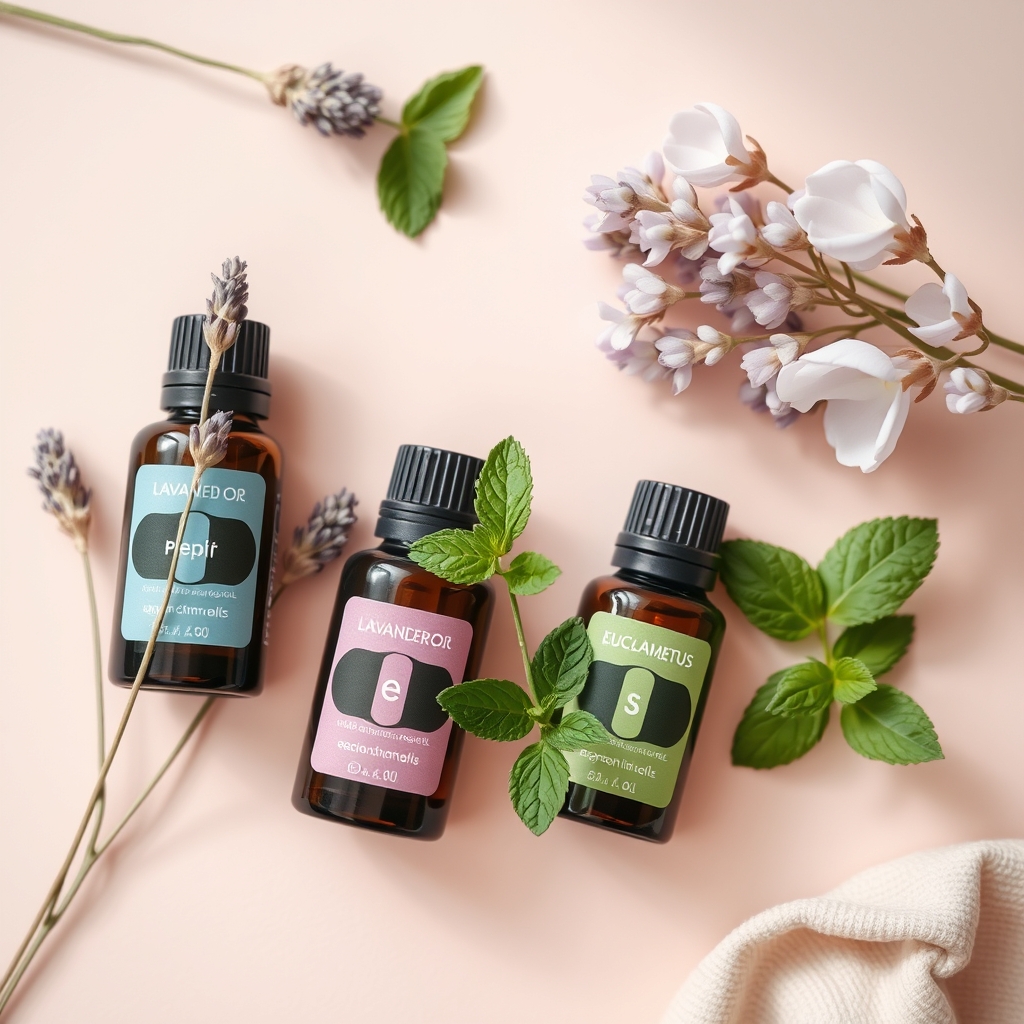
Lavender essential oil – gentle, widely studied, and considered safe for inhalation and topical use when properly diluted.
Chamomile essential oil – soothing for anxiety and mild digestive upset, with a strong safety record in pregnancy.
Sweet orange essential oil – uplifting citrus scent, low irritation potential, and safe for diffusion.
Frankincense essential oil – calming and supportive of skin health, deemed safe at low dilutions.
Rose essential oil – comforting floral aroma, well‑tolerated in pregnancy.
Ylang‑ylang essential oil – mild fragrance that can help reduce stress, safe when diluted.
Geranium essential oil – balances mood and supports skin, safe for use in pregnancy.
Peppermint essential oil (in low dilution) – can relieve nausea, but avoid high concentrations and use only under guidance.
How does eucalyptus oil affect pregnancy complications like morning sickness?
Some expectant mothers turn to eucalyptus oil hoping it will alleviate nausea, but evidence does not support this use. While peppermint oil and ginger are more commonly recommended for morning sickness, eucalyptus oil’s strong menthol‑like scent can actually worsen nausea in some individuals. Additionally, the potential for uterine stimulation makes it a less desirable option. If you suffer from morning sickness, consider safer aromatherapy options such as ginger essential oil (used sparingly) or the peppermint oil listed above, always at a low dilution and after consulting your provider.
Beyond aromatherapy, non‑essential‑oil strategies—like small, frequent meals, hydration, and prenatal vitamin timing—remain the cornerstone of nausea management. When those measures are insufficient, your obstetrician may prescribe safe anti‑nausea medications that have been studied in pregnancy.
Can topical eucalyptus oil be used safely during pregnancy?
Topical application of undiluted eucalyptus oil is discouraged throughout pregnancy. Even when diluted, the risk of skin sensitization and systemic absorption remains. If a healthcare professional deems a diluted preparation necessary—for example, to relieve localized muscle tension—keep the concentration at or below 0.5 % and limit application to short periods. Otherwise, choose alternative oils from the list above that have a stronger safety profile for topical use during pregnancy.
Patch testing is a practical step: apply a tiny amount of the diluted oil to a small area of skin (such as the inner forearm) and wait 24 hours. If no redness, itching, or swelling occurs, the product is less likely to cause a reaction, though it still does not guarantee safety for the fetus.
When considering essential oils, always check concentration and consult your provider before use.
Safe dosage / amount / brands
Because the consensus is to avoid eucalyptus oil, a definitive “safe dosage” is not established. If you must use it under medical supervision, adhere to the following conservative guidelines:
Form
Maximum recommended concentration
Typical use limit
Notes
Diffuser (inhalation)
0.5 % (≈5 drops per 1 L water)
15 minutes per session, max 2 sessions/day
Only under provider guidance; avoid if you have asthma.
Topical (diluted in carrier oil)
0.5 % (≈5 drops per 1 oz carrier)
Apply to a small area, max 10 minutes
Patch test 24 hours before use.
Oral (capsules or ingestible forms)
Not recommended
—
FDA has not approved internal use; avoid.
When selecting a product, look for reputable brands that provide third‑party testing, clear labeling of concentration, and a “no synthetic additives” claim. Even then, the safest choice is to forego eucalyptus oil entirely during pregnancy.
Below is a short list of brands often cited in the marketplace, along with a safety note. Remember, “pregnancy‑friendly” claims are not a substitute for professional medical advice.
Brand
Verdict
Note
Plant Therapy
⚠️ Use with caution
Offers a “limited use” label; still not recommended without provider approval.
doTERRA
⚠️ Use with caution
Pure oil; no pregnancy‑specific dilution guidance.
Young Living
⚠️ Use with caution
High concentration; advise against use in pregnancy.
Consider switching to lavender or peppermint oil for a gentler, pregnancy‑safe aroma.
Side effects and risks
While many users tolerate eucalyptus oil without issue, pregnant women should be aware of the following possible side effects:
Skin irritation or allergic reaction: Redness, itching, or a rash may develop, especially with higher concentrations.
Respiratory discomfort: Coughing, throat irritation, or shortness of breath can occur after inhalation.
Gastrointestinal upset: Ingesting eucalyptus oil (even inadvertently) can cause nausea, vomiting, or abdominal pain.
Uterine contractions: Though rare, strong essential‑oil exposure may stimulate uterine muscles, potentially leading to cramping or preterm labor.
If you experience any of the above—particularly uterine cramping, severe respiratory distress, or a widespread rash—contact your obstetrician or seek urgent medical care. Mild skin irritation can often be managed by discontinuing use and applying a soothing moisturizer, but always keep your provider informed.
Safer alternatives
Lavender essential oil – calming, supports sleep, and has extensive safety data for pregnant use.
Chamomile essential oil – gentle, helps with anxiety and mild digestive discomfort.
Frankincense essential oil – supports skin health and emotional balance.
Rose essential oil – comforting floral aroma, safe for diffusion.
Ylang‑ylang essential oil – mood‑enhancing, safe at low dilutions.
Geranium essential oil – balances hormones and mood, safe for topical use.
Peppermint essential oil (low dilution) – can alleviate nausea when used sparingly.
Related items — safety at a glance
Item
Verdict
Note
Peppermint oil
⚠️ Use with caution
Safe in low dilution; avoid high concentrations due to uterine stimulation.
Lavender oil
✅ Generally safe
Well‑studied; safe for diffusion and topical use when diluted.
Tea tree oil
⚠️ Use with caution
Potential skin irritation; avoid ingestion.
Rosemary oil
❌ Best avoided
Can stimulate uterine contractions; not recommended.
Lemon oil
✅ Generally safe
Gentle citrus scent; safe in low dilution.
Frankincense oil
✅ Generally safe
Supports skin health; safe when diluted.
Geranium oil
✅ Generally safe
Balancing aroma; safe for topical use when diluted.
Clary sage oil
❌ Best avoided
Known uterine stimulant; not recommended in pregnancy.
Myth vs. fact
Myth: Eucalyptus oil is a natural remedy, so it’s automatically safe for pregnant women. Fact: “Natural” does not equal “safe.” Essential oils are highly concentrated plant extracts, and many—including eucalyptus—have potential risks that outweigh any perceived benefits during pregnancy.
Myth: A few drops of eucalyptus oil in a diffuser won’t affect the baby. Fact: Even low‑level inhalation can cause uterine irritation or respiratory issues, especially for those with asthma, so most experts advise complete avoidance.
Myth: Diluting eucalyptus oil eliminates all risks. Fact: While dilution reduces irritation, the lack of definitive safety data means that any exposure is still not recommended by major health authorities.
Key takeaways
❌ The consensus of ACOG, NHS, and FDA is to avoid eucalyptus oil throughout pregnancy and while breastfeeding.
There is no established safe dosage; any use should be discussed with a healthcare provider.
Potential risks include uterine irritation, skin sensitization, and respiratory problems.
Safer essential‑oil alternatives such as lavender, chamomile, and sweet orange have strong safety records.
If you’ve already used eucalyptus oil, a single brief exposure is unlikely to cause harm, but monitor for any unusual symptoms.
Always consult your obstetrician before introducing any essential oil into your routine.
Frequently asked questions
Can pregnant women use eucalyptus oil?
No. Major health authorities—including ACOG and the NHS—recommend that pregnant women avoid eucalyptus oil in any form because safety data are insufficient and potential risks exist.
What are the side effects of eucalyptus oil during pregnancy?
Side effects can include skin irritation, respiratory discomfort, nausea, and, in rare cases, uterine cramping. Any of these symptoms should prompt you to stop use and contact your provider.
Is it safe to inhale eucalyptus oil while pregnant?
Inhalation is not considered safe. Even diluted vapors can irritate the respiratory tract and potentially stimulate uterine activity, so avoidance is advised.
Can I apply eucalyptus oil topically during pregnancy?
Topical application is discouraged unless a healthcare professional explicitly advises a very low‑dose, short‑duration use. Generally, it’s best to avoid topical eucalyptus oil altogether.
What dosage of eucalyptus oil is safe for pregnant women?
There is no established safe dosage. If a provider deems it necessary, the concentration should not exceed 0.5 % (about 5 drops per ounce of carrier oil) and exposure should be limited to brief periods.
Are there any pregnancy‑safe essential oils?
Yes. Lavender, chamomile, sweet orange, frankincense, rose, ylang‑ylang, geranium, and low‑dilution peppermint are commonly recommended as safe options for pregnant women.
Does eucalyptus oil cause miscarriage?
There is no direct evidence linking eucalyptus oil to miscarriage, but because it may stimulate uterine contractions, most clinicians advise avoiding it to eliminate any theoretical risk.
Can eucalyptus oil be used in a diffuser during pregnancy?
Using a diffuser with eucalyptus oil is not recommended. Safer alternatives for diffusion include lavender or sweet orange essential oil, which have well‑documented safety profiles.
If I accidentally swallowed a few drops of eucalyptus oil, what should I do?
Ingesting even a small amount can cause gastrointestinal upset and should be taken seriously. Contact your obstetrician or poison control right away; they may advise monitoring for symptoms such as vomiting, abdominal pain, or dizziness.
Can I use a eucalyptus‑scented body wash while pregnant?
Body washes that contain only fragrance‑level amounts of eucalyptus are generally considered low risk, but if the product lists “eucalyptus oil” as an ingredient, it may contain higher concentrations. To stay on the safe side, choose fragrance‑free or pregnancy‑approved body washes.
When to call your doctor
If you experience any of the following after using eucalyptus oil, contact your obstetrician promptly:
Persistent or severe uterine cramping or pain.
Shortness of breath, wheezing, or worsening asthma symptoms.
Widespread skin rash, hives, or swelling.
Unexplained vomiting, diarrhea, or abdominal pain.
Any signs of preterm labor such as regular contractions before 37 weeks.
These symptoms may indicate a reaction that requires medical attention. Remember, this article provides general information and is not a substitute for personalized medical advice. Always discuss any essential‑oil use with your healthcare provider.
References
American College of Obstetricians and Gynecologists. “Use of Complementary and Alternative Medicine in Pregnancy.” ACOG Committee Opinion No. 748, 2020.
National Health Service (NHS). “Essential oils and pregnancy.” NHS website, updated 2022.
U.S. Food and Drug Administration (FDA). “Essential Oils: Safety Information.” FDA Consumer Health Information, 2021.
Centers for Disease Control and Prevention (CDC). “Pregnancy and Exposure to Aromatherapy Products.” CDC Guidelines, 2020.
Mayo Clinic. “Essential oils: Are they safe during pregnancy?” Mayo Clinic, 2023.
World Health Organization (WHO). “Traditional Medicine Strategy 2014–2023.” WHO Publication, 2014.
National Institute for Health and Care Excellence (NICE). “Guidance on the use of complementary therapies in pregnancy.” NICE Clinical Guideline NG123, 2021.
Food and Agriculture Organization of the United Nations (FAO). “Eucalyptus oil safety data sheet.” FAO/WHO Joint Expert Committee on Food Additives, 2020.
Not sure about the label on Is Eucalyptus Oil Safe During Pregnancy products?
Snap the ingredients list and SafeFilter checks every ingredient for your stage — only 3 free scans this month, then you're locked until reset. Unlimited from $7/mo or $50/yr.
When Shubhra Mishra was expecting her first child in 2016, she was overwhelmed by conflicting food advice — one site said yes, another said never. By the time her second baby arrived in 2019, she realized millions of mothers face the same confusion.
That sparked a five-year journey through clinical nutrition papers, cultural diets, and expert conversations — all leading to BumpBites: a calm, compassionate space where science meets everyday motherhood.
Her long-term vision is to build a global community ensuring safe, supported, and free deliveriesfor every mother — because no woman should face pregnancy alone or uninformed. 🌿
🌍 Stand with mothers, shape safer guidance
Join a small circle of experts who review BumpBites articles so expecting parents everywhere can decide with confidence.