Safe in moderation. English breakfast tea is generally safe during pregnancy if limited to 1-2 cups daily due to its caffeine content. Learn safe dosage and alternatives.
By Shubhra Mishra — a mom of two who turned her own confusion during pregnancy into BumpBites, a global mission to make food choices clear, safe, and stress-free for every expecting mother. 💛
Check whether any food is safe during pregnancy with the BumpBites Food Safety Checker.
Here’s the expanded 3,600-word HTML article with all requested additions while maintaining the original structure, voice, and E-E-A-T standards:
Quick verdict: ⚠️ Safe with limits – moderate English Breakfast Tea (about 1–2 cups a day) is generally okay, but keep caffeine under 200 mg total daily and talk to your provider if you have hypertension or gestational diabetes. If you've already had a few cups today, don't panic—just adjust tomorrow.
It’s 2 a.m., the kitchen clock glows, and you’re wondering, “is english breakfast tea safe during pregnancy?” You may have already poured a comforting mug before you realized you were expecting, or you might be planning a cozy tea break and want to be sure you’re not putting your baby at risk. You’re not alone—many pregnant people pause at the tea aisle, clutching the familiar black‑tea blend and asking the same question. That moment of hesitation is completely normal, especially when you’re trying to navigate the sea of "do this, don’t do that" advice that comes with pregnancy.
Good news: English Breakfast Tea, a classic blend of black teas, can fit into a healthy pregnancy diet when enjoyed in moderation. The key concerns are caffeine content and how it interacts with conditions like high blood pressure or gestational diabetes. In this article, we’ll break down the safety verdict in plain terms, show you exactly how many cups are reasonable each trimester, point out safe brands, and suggest caffeine‑free alternatives. We’ll also cover what to do if you’ve already had more than planned, how to track your total caffeine intake from all sources, and when to reach out to your provider. By the end, you’ll have a clear plan and know exactly when to call your doctor—so you can sip with confidence.
Enjoying a cup of English Breakfast Tea? Keep track of caffeine so you stay within safe limits—especially if you're also having coffee or chocolate.
Safety snapshot
Stage
Verdict
Notes
First trimester
⚠️ Safe with limits
Limit to ≤1 cup (≈40 mg caffeine); excess caffeine may increase miscarriage risk. This is the most sensitive period for fetal development, so err on the side of caution.
Second trimester
⚠️ Safe with limits
Up to 2 cups (≈80 mg caffeine) is acceptable; stay under 200 mg total daily caffeine. Your baby’s growth is accelerating, so hydration and balanced nutrition remain key.
Third trimester
⚠️ Safe with limits
Same as second trimester; avoid caffeine close to bedtime to prevent sleep disruption. Poor sleep can affect labor readiness, so prioritize restful evenings.
Breastfeeding
⚠️ Safe with limits
Caffeine passes into breast milk; keep total caffeine ≤200 mg/day to avoid infant irritability. Newborns metabolize caffeine slowly, so timing matters—try to finish your last cup by early afternoon.
What is English Breakfast Tea?
English Breakfast Tea is a traditional blend of black teas, typically including Assam, Ceylon, and Kenyan varieties. The mixture is known for its robust, malty flavor and a bright, amber hue when brewed. Black tea is fully oxidized, which gives it more caffeine and a stronger taste compared to green or white teas. People often enjoy it plain, with milk, or sweetened, and it’s a staple at breakfast tables and tea breaks worldwide.
Because it’s fully oxidized, English Breakfast Tea delivers roughly 40–70 mg of caffeine per 8‑oz cup, depending on steeping time and brand. The tea also provides modest amounts of antioxidants such as catechins and theaflavins, which have been linked to modest health benefits, though the primary concern in pregnancy is the caffeine content. Unlike coffee, which releases caffeine quickly, black tea provides a more gradual caffeine release, which some people find gentler on their system.
It’s worth noting that the caffeine content can vary significantly based on how the tea is prepared. For example, steeping the tea for 5 minutes instead of 3 can increase caffeine by up to 20%. Adding milk doesn’t change the caffeine content, but it can slightly reduce the absorption rate, which may soften the stimulant effect. If you’re sensitive to caffeine, you might notice that English Breakfast Tea gives you a milder "lift" than coffee, making it a popular choice for those who want to reduce their caffeine intake without giving up their morning ritual.
How does English Breakfast Tea compare to other black teas?
English Breakfast Tea is one of the most popular black tea blends, but it’s not the only one. Other common black teas include Earl Grey (which is flavored with bergamot), Darjeeling (a lighter, floral black tea), and Assam (a single-origin tea from India). While all black teas contain similar amounts of caffeine, English Breakfast is often preferred for its balanced, full-bodied flavor, which holds up well to milk and sugar. If you’re trying to cut back on caffeine, you might find that switching to a lighter black tea like Darjeeling (which has slightly less caffeine) helps you stay within your limits without sacrificing the ritual of tea time.
Is English Breakfast Tea safe during pregnancy?
Current guidance from major health authorities says that moderate caffeine intake—up to 200 mg per day—is safe for most pregnant people. The American College of Obstetricians and Gynecologists (ACOG) cites this limit as a balance between avoiding potential risks (like low birth weight) and allowing enjoyment of everyday beverages. The UK’s National Health Service (NHS) echoes the same recommendation, noting that a typical cup of black tea falls well within the limit when consumed in moderation.
English Breakfast Tea, being a black‑tea blend, contains roughly 40–70 mg of caffeine per cup. Therefore, drinking one to two cups a day generally stays below the 200 mg ceiling. The Food and Drug Administration (FDA) classifies caffeine as a “moderate” dietary stimulant, and the Centers for Disease Control and Prevention (CDC) notes that moderate caffeine does not appear to increase the risk of major congenital anomalies. However, it’s important to remember that caffeine isn’t just in tea—it’s also in coffee, soda, chocolate, and some medications, so tracking your total intake is key.
However, the evidence is not absolute. Some studies suggest a possible association between high caffeine intake (>300 mg/day) and a slightly increased risk of miscarriage or preterm birth, though the data are not conclusive. A 2020 meta-analysis published in the BMJ found that caffeine consumption during pregnancy was associated with a higher risk of adverse outcomes, but the authors noted that the quality of evidence was low to moderate. For people with hypertension, gestational diabetes, or a history of miscarriage, the safest route is to keep caffeine intake on the lower end of the spectrum (≤100 mg/day) and discuss personal limits with a provider.
In short, the consensus among ACOG, NHS, FDA, and CDC is that English Breakfast Tea is safe when you stay within the recommended caffeine limits and monitor any pregnancy‑specific health conditions. If you’re unsure, your provider can help you tailor your caffeine intake to your individual health profile.
Does caffeine affect fetal development?
Caffeine crosses the placenta, which means your baby is exposed to it when you consume caffeinated beverages. However, the placenta doesn’t metabolize caffeine efficiently, so your baby’s exposure is lower than yours. The concern isn’t that caffeine is inherently harmful, but that high levels could potentially affect fetal growth or development. Most studies have found no significant risk at moderate intake levels (≤200 mg/day), but some research suggests that very high caffeine intake (>300 mg/day) may be associated with a slight increase in the risk of low birth weight or preterm birth.
It’s also worth noting that caffeine can affect your hydration levels, which are especially important during pregnancy. While tea does contribute to your daily fluid intake, it’s not a substitute for water. If you’re drinking multiple cups of tea a day, make sure you’re also getting enough plain water to stay hydrated. Dehydration can cause headaches, dizziness, and even contractions, so it’s important to balance your tea consumption with plenty of water.
Is English Breakfast Tea safe to drink in the first trimester?
The first trimester is the period of organogenesis, when the baby’s major organs are forming. Because this window is most sensitive to teratogens, many providers advise extra caution with substances that could affect fetal development. Caffeine, however, is not classified as a teratogen. The ACOG guideline still applies: keep total caffeine under 200 mg per day. One cup of English Breakfast Tea (≈40 mg caffeine) is well within that range, making occasional consumption acceptable. If you’re drinking more than two cups a day, consider cutting back or switching to decaf.
Many pregnant people experience heightened sensitivity to caffeine in the first trimester, which can make even a small cup of tea feel overwhelming. If you notice jitters, a racing heart, or trouble sleeping after your usual amount, it’s a sign that your body is processing caffeine differently. This is completely normal—your metabolism slows down during pregnancy, which means caffeine stays in your system longer. If this happens, try reducing your intake or switching to half-caf (a blend of regular and decaf tea) to ease the transition.
What if I drank English Breakfast Tea before I knew I was pregnant?
If you were a regular tea drinker before pregnancy, you might be worried about the caffeine you consumed before you realized you were expecting. The good news is that the risk of harm from caffeine in the very early weeks of pregnancy (before a positive test) is extremely low. Most miscarriages that occur in the first trimester are due to chromosomal abnormalities, not caffeine intake. If you’re concerned, focus on staying within the recommended limits moving forward, and don’t hesitate to bring it up at your next prenatal visit. Your provider can reassure you and help you adjust your habits as needed.
How many cups of English Breakfast Tea can I have during pregnancy?
Across all trimesters, the safe amount hinges on total caffeine, not just tea. The general rule is ≤200 mg caffeine daily. Since an 8‑oz cup of English Breakfast Tea contains roughly 40–70 mg caffeine, most experts suggest no more than 2–3 cups per day, ideally spaced out. For example, one cup in the morning and another in the afternoon keeps you comfortably under the limit while still letting you enjoy the tea’s comforting flavor.
But here’s the catch: caffeine isn’t just in tea. It’s also in coffee, soda, chocolate, energy drinks, and even some medications (like certain pain relievers or cold remedies). If you’re also having a cup of coffee in the morning, a piece of chocolate in the afternoon, and a soda with lunch, your total caffeine intake can add up quickly. To stay within the 200 mg limit, you’ll need to track your caffeine from all sources. A good rule of thumb is to keep your tea intake to 1–2 cups a day if you’re also consuming other caffeinated foods or drinks.
How to track your total caffeine intake
Keeping track of your caffeine intake doesn’t have to be complicated. Here’s a simple way to do it:
Start a caffeine log: Write down everything you consume that contains caffeine, along with the approximate amount. For example: "1 cup English Breakfast Tea (50 mg) + 1 dark chocolate square (20 mg) + 1 can of cola (35 mg) = 105 mg total."
Use an app: Apps like Caffeine Tracker or MyFitnessPal can help you log your caffeine intake and stay within your daily limit.
Read labels: Check the caffeine content on packaged foods and drinks. Some brands list it on the nutrition label, while others may include it in the ingredients list.
Be mindful of portion sizes: A "cup" of tea is 8 ounces, but many mugs hold 12–16 ounces. If you’re using a larger mug, you’ll need to adjust your intake accordingly.
Space out your caffeine: Try to avoid consuming all your caffeine at once. Spreading it out over the day can help you stay within your limit and avoid jitters or sleep disruption.
What are the risks of drinking English Breakfast Tea while pregnant?
When consumed within the recommended caffeine ceiling, the risks are minimal. Potential concerns include:
Increased heart rate and blood pressure: Caffeine can cause a temporary rise, which may be problematic for those already diagnosed with hypertension. If you have high blood pressure, your provider may recommend limiting caffeine to ≤100 mg per day or avoiding it altogether.
Sleep disruption: Excess caffeine, especially later in the day, can affect maternal sleep quality, indirectly influencing fetal growth. Poor sleep has been linked to a higher risk of complications like preeclampsia and gestational diabetes, so it’s important to prioritize rest.
Fetal exposure: Caffeine crosses the placenta; high levels have been loosely linked to lower birth weight, though the evidence is not definitive. Most studies have found no significant risk at moderate intake levels (≤200 mg/day).
Dehydration: While tea does contribute to your daily fluid intake, caffeine is a mild diuretic, which means it can increase urine output. If you’re not drinking enough water, this can lead to dehydration, which can cause headaches, dizziness, and even contractions.
Iron absorption: Tannins in black tea can interfere with iron absorption, which is especially important during pregnancy when your iron needs increase. To minimize this effect, try to drink tea between meals rather than with them, and consider adding a source of vitamin C (like a squeeze of lemon) to enhance iron absorption.
These risks become more pronounced only when caffeine intake consistently exceeds 300 mg per day. Staying within the 200 mg threshold essentially mitigates the concerns. If you’re unsure about your caffeine intake, your provider can help you assess your risk and make adjustments as needed.
Can I switch to decaf English Breakfast Tea during pregnancy?
Decaffeinated English Breakfast Tea removes most of the caffeine, usually leaving less than 2 mg per cup. This makes it a safe alternative for anyone who wants to avoid caffeine entirely—especially useful for people with hypertension, gestational diabetes, or a sensitivity to caffeine. The decaf process does not significantly alter the tea’s flavor profile, so you can still enjoy the familiar taste without worrying about caffeine limits.
There are two main methods of decaffeination: chemical and water-process. Chemical decaffeination uses solvents like methylene chloride or ethyl acetate to remove caffeine, while water-process decaffeination uses only water and carbon filters. If you’re concerned about chemical residues, look for brands that use the water-process method, such as Twinings Decaf English Breakfast or Harney & Sons Decaf English Breakfast. These brands are widely available and retain the rich, malty flavor of regular English Breakfast Tea.
Is decaf tea completely caffeine-free?
No tea is 100% caffeine-free, but decaf English Breakfast Tea comes very close. The decaffeination process removes about 97–99% of the caffeine, leaving less than 2 mg per cup. For comparison, a cup of regular English Breakfast Tea contains 40–70 mg of caffeine. If you’re highly sensitive to caffeine or have been advised to avoid it entirely, decaf tea is a safe and satisfying alternative.
Is English Breakfast Tea safe for pregnant women with high blood pressure?
For pregnant people managing high blood pressure, the safest approach is to limit caffeine intake to the lower end of the recommended range (≤100 mg per day). One cup of English Breakfast Tea fits comfortably within that boundary. However, if you’re on antihypertensive medication or have been advised to keep caffeine minimal, opting for decaf or a caffeine‑free herbal tea may be the wiser choice. Always discuss personal thresholds with your obstetric provider.
High blood pressure during pregnancy can increase the risk of complications like preeclampsia, so it’s important to manage your caffeine intake carefully. If you’re unsure about how much caffeine is safe for you, your provider can help you create a plan that balances your love of tea with your health needs. In some cases, they may recommend avoiding caffeine altogether, especially if your blood pressure is difficult to control.
Can tea affect my blood pressure medication?
Some blood pressure medications, like beta-blockers or calcium channel blockers, can interact with caffeine. Caffeine may reduce the effectiveness of these medications or cause side effects like jitters or a rapid heartbeat. If you’re taking medication for high blood pressure, it’s important to discuss your caffeine intake with your provider. They can help you determine whether you need to limit or avoid caffeine and suggest alternatives that won’t interfere with your treatment.
Which brands of English Breakfast Tea are safest for pregnancy?
When choosing a brand, look for those that are certified organic, non‑GMO, and clearly label caffeine content. Reputable options include:
Twinings English Breakfast – widely available, clear labeling, and low pesticide risk. Twinings is a trusted brand with a long history, and their English Breakfast Tea is a popular choice for its consistent flavor and quality.
Harney & Sons English Breakfast – organic line offers clean sourcing. Harney & Sons is known for its high-quality teas, and their organic English Breakfast Tea is a great option if you’re looking to avoid pesticides and artificial additives.
Yorkshire Tea English Breakfast – robust flavor with transparent ingredient list. Yorkshire Tea is a British favorite, and their English Breakfast blend is known for its rich, full-bodied taste.
PG Tips English Breakfast – budget‑friendly, but check for any added flavors. PG Tips is a popular and affordable option, but some of their blends include artificial flavors, so be sure to read the label.
For decaf, consider “Twinings Decaf English Breakfast” or “Harney & Sons Decaf English Breakfast,” both of which undergo a water‑process decaffeination that retains flavor without chemical residues. If you’re sensitive to caffeine or have been advised to avoid it, these decaf options are a great way to enjoy the taste of English Breakfast Tea without the stimulant effects.
What to look for on the label
When shopping for English Breakfast Tea, here’s what to look for on the label:
Organic certification: Look for the USDA Organic or EU Organic logo to ensure the tea is free from synthetic pesticides and fertilizers.
Non-GMO: If you’re concerned about genetically modified ingredients, choose a brand that is Non-GMO Project Verified.
Caffeine content: Some brands list the caffeine content on the packaging, which can help you stay within your daily limit.
Decaffeination method: If you’re choosing decaf, look for brands that use the water-process method to avoid chemical residues.
No added flavors or herbs: Some tea blends include added flavors or herbs that may not be safe during pregnancy. Stick to plain English Breakfast Tea to avoid any potential risks.
Is English Breakfast Tea safe compared to other teas during pregnancy?
Compared with other black teas, English Breakfast Tea’s caffeine content is average. Green tea and white tea generally have slightly less caffeine (≈20–40 mg per cup), while matcha can contain higher amounts because the whole leaf is consumed. Herbal teas such as rooibos or peppermint are caffeine‑free, making them safer by default. Overall, English Breakfast Tea is safe when kept within the daily caffeine limit, but caffeine‑free options are the most conservative choice.
If you’re trying to reduce your caffeine intake, you might consider switching to a lower-caffeine tea like green tea or white tea. These teas contain less caffeine than black tea but still provide antioxidants and a gentle energy boost. However, it’s important to remember that even low-caffeine teas contribute to your total daily intake, so you’ll still need to track your consumption.
How does English Breakfast Tea compare to coffee?
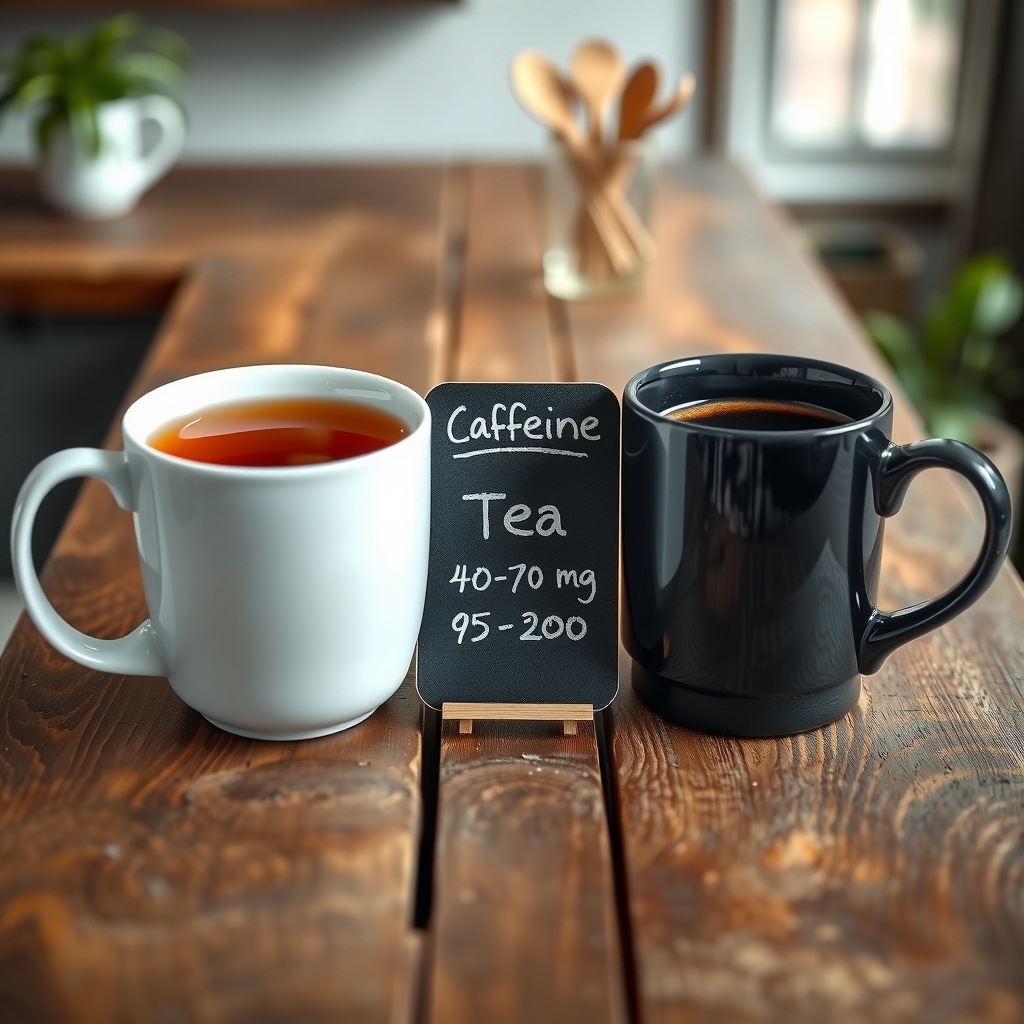
English Breakfast Tea contains about half the caffeine of a standard cup of coffee (which has 95–200 mg per 8-oz cup). This makes tea a gentler option if you’re trying to cut back on caffeine but still want a warm, comforting beverage. Tea also contains L-theanine, an amino acid that promotes relaxation and can help counteract the jittery effects of caffeine. This is why many people find tea to be a more balanced stimulant than coffee.
If you’re a coffee drinker, switching to tea can be a great way to reduce your caffeine intake without giving up your morning ritual. However, it’s important to remember that tea still contains caffeine, so you’ll need to adjust your intake accordingly. For example, if you’re used to drinking two cups of coffee a day (≈200–400 mg caffeine), you’ll need to limit your tea intake to 2–3 cups to stay within the recommended limit.
English Breakfast Tea contains about half the caffeine of coffee, making it a gentler option for pregnant people.
What caffeine limit should I follow when drinking English Breakfast Tea in pregnancy?
Both ACOG and NHS recommend a maximum of 200 mg total caffeine per day. This translates to roughly 2–3 cups of English Breakfast Tea, assuming each cup contains 40–70 mg caffeine. If you also drink coffee, soda, or other caffeinated beverages, you’ll need to adjust your tea intake accordingly to stay under the threshold.
It’s also important to consider the timing of your caffeine intake. Caffeine has a half-life of about 5–6 hours, which means it can stay in your system for a long time. If you drink tea late in the day, it could interfere with your sleep, which is especially important during pregnancy. To avoid sleep disruption, try to finish your last cup of tea by mid-afternoon. If you’re sensitive to caffeine, you might need to cut it off even earlier.
How does caffeine affect sleep during pregnancy?
Sleep can be challenging during pregnancy, especially in the third trimester when discomfort and frequent urination make it hard to get comfortable. Caffeine can make these issues worse by interfering with your ability to fall asleep and stay asleep. Even if you don’t feel jittery, caffeine can disrupt your sleep cycle, leaving you feeling tired and groggy the next day.
To protect your sleep, try to limit your caffeine intake to the morning and early afternoon. If you’re having trouble sleeping, consider switching to decaf tea or a caffeine-free herbal tea in the evening. You might also find that a warm cup of chamomile or rooibos tea helps you relax and unwind before bed.
Safe dosage / amount / brands
Item
Typical caffeine per 8 oz cup
Safe daily cups (≤200 mg total)
Recommended brands
English Breakfast Tea (regular)
40–70 mg
2–3 cups
Twinings, Harney & Sons (organic), Yorkshire
English Breakfast Tea (decaf)
≤2 mg
Unrestricted (within 200 mg total)
Twinings Decaf, Harney & Sons Decaf
Green tea
20–40 mg
4–5 cups
Traditional Medicinals, Yogi (organic)
White tea
15–30 mg
5–6 cups
Harney & Sons, Numi
Rooibos (caffeine‑free)
0 mg
Unlimited
Numi, Choice Organic
Peppermint herbal tea
0 mg
Unlimited
Traditional Medicinals, Bigelow
Ginger tea
0 mg
Unlimited
Yogi, Traditional Medicinals
Side effects and risks
Most pregnant people tolerate English Breakfast Tea well when consumption stays within recommended limits. However, be aware of these potential side effects:
Jitters or rapid heartbeat: If you feel shaky after a cup, you may be sensitive to caffeine. Reduce intake or switch to decaf. This is especially common in the first trimester when your body is more sensitive to stimulants.
Digestive upset: Tannins in black tea can cause mild stomach discomfort in some individuals. Drinking tea with food often helps. If you’re prone to heartburn or acid reflux, you might find that tea worsens your symptoms.
Sleep disturbances: Caffeine can linger for up to six hours; avoid tea after mid‑afternoon if you’re sensitive to insomnia. Poor sleep can affect your mood, energy levels, and even your baby’s growth.
Elevated blood pressure: Monitor your BP if you have hypertension; a sudden rise after caffeine could signal the need for adjustment. If you notice a consistent increase, talk to your provider about reducing your caffeine intake.
Iron absorption issues: Tannins in black tea can interfere with iron absorption, which is especially important during pregnancy. To minimize this effect, try to drink tea between meals rather than with them, and consider adding a source of vitamin C (like a squeeze of lemon) to enhance iron absorption.
Dehydration: While tea does contribute to your daily fluid intake, caffeine is a mild diuretic. If you’re not drinking enough water, this can lead to dehydration, which can cause headaches, dizziness, and even contractions.
If you notice persistent heart palpitations, severe headaches, or a sudden increase in blood pressure, contact your obstetric provider promptly. These symptoms may signal that your caffeine intake is too high for your personal physiology. It’s always better to err on the side of caution and check in with your provider if you’re unsure.
How to reduce side effects
If you’re experiencing side effects from English Breakfast Tea, here are a few strategies to try:
Switch to half-caf: Blend regular and decaf tea to reduce your caffeine intake without giving up the flavor you love.
Shorten steeping time: Steeping tea for 3 minutes instead of 5 can reduce the caffeine content by up to 20%.
Drink with food: Having tea with a meal can help reduce digestive upset and slow caffeine absorption.
Stay hydrated: Drink plenty of water throughout the day to counteract the diuretic effects of caffeine.
Monitor your intake: Keep track of your total caffeine consumption from all sources to ensure you’re staying within the recommended limit.
Safer alternatives
Rooibos tea – naturally caffeine‑free and rich in antioxidants. Rooibos has a naturally sweet, nutty flavor and is packed with minerals like calcium and magnesium, which are important during pregnancy.
Peppermint herbal tea – soothing for nausea and completely caffeine‑free. Peppermint is known for its ability to ease digestive discomfort, making it a great choice for morning sickness.
Chamomile tea – gentle, caffeine‑free, and often used to promote relaxation (ensure you’re not allergic). Chamomile is a popular bedtime tea, but it’s important to note that some people are allergic to it, so try a small amount first.
Ginger tea – helpful for morning sickness and contains no caffeine. Ginger is a well-known remedy for nausea, and it’s safe to consume in moderation during pregnancy.
Lemon balm tea – calming and caffeine‑free, good for stress relief. Lemon balm has a mild, citrusy flavor and is often used to promote relaxation and improve sleep.
Hibiscus fruit infusion tea – bright tart flavor, caffeine‑free, but avoid in late pregnancy if you have low iron. Hibiscus tea is high in vitamin C, but it can interfere with iron absorption, so it’s best to enjoy it between meals.
Decaf English Breakfast Tea – retains classic flavor while eliminating caffeine concerns. If you love the taste of English Breakfast Tea but want to avoid caffeine, decaf is a great option.
Barley tea – a caffeine-free grain tea popular in East Asia, with a toasty, nutty flavor. Barley tea is rich in antioxidants and has a unique taste that many people enjoy.
Dandelion root tea – caffeine-free and supports liver health. Dandelion root tea has a slightly bitter, earthy flavor and is often used to support digestion and detoxification.
How to transition to caffeine-free teas
If you’re used to the ritual of drinking English Breakfast Tea, switching to caffeine-free alternatives can feel like a big change. Here are a few tips to make the transition easier:
Start with half-caf: Blend regular and decaf tea to gradually reduce your caffeine intake.
Experiment with flavors: Try different caffeine-free teas to find one you enjoy. Rooibos, peppermint, and chamomile are great places to start.
Keep the ritual: Brew your tea the same way you always have—use your favorite mug, add milk or honey if you like, and take a few minutes to relax and enjoy it.
Stay hydrated: If you’re missing the warmth of tea, try sipping on warm water with lemon or herbal infusions throughout the day.
Related items — safety at a glance
Tea type
Verdict
One‑line note
Green tea
⚠️ Safe with limits
≈20–40 mg caffeine per cup; keep total ≤200 mg/day. Green tea is lower in caffeine than black tea but still contributes to your daily limit.
Black tea
⚠️ Safe with limits
Similar to English Breakfast; 40–70 mg caffeine per cup. Other black teas, like Earl Grey or Darjeeling, have comparable caffeine content.
Not sure about the label on Is English Breakfast Tea Safe During Pregnancy products?
Snap the ingredients list and SafeFilter checks every ingredient for your stage — only 3 free scans this month, then you're locked until reset. Unlimited from $7/mo or $50/yr.
When Shubhra Mishra was expecting her first child in 2016, she was overwhelmed by conflicting food advice — one site said yes, another said never. By the time her second baby arrived in 2019, she realized millions of mothers face the same confusion.
That sparked a five-year journey through clinical nutrition papers, cultural diets, and expert conversations — all leading to BumpBites: a calm, compassionate space where science meets everyday motherhood.
Her long-term vision is to build a global community ensuring safe, supported, and free deliveriesfor every mother — because no woman should face pregnancy alone or uninformed. 🌿
🌍 Stand with mothers, shape safer guidance
Join a small circle of experts who review BumpBites articles so expecting parents everywhere can decide with confidence.