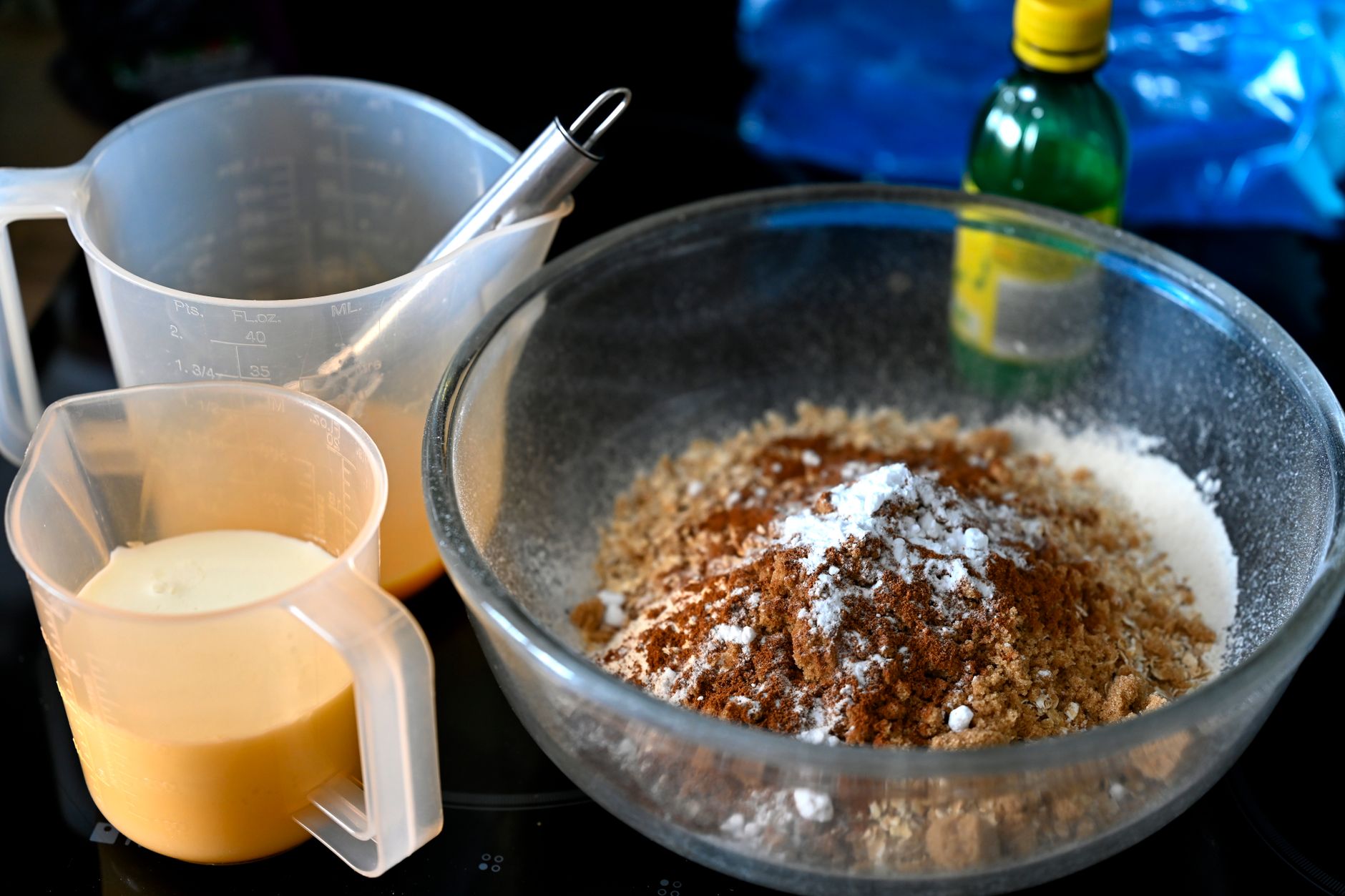
Limit: Eggnog homemade is safe during pregnancy only when you use pasteurized eggs and limit intake to one cup (≈240 ml) per day, especially in the second trimester.
By Shubhra Mishra — a mom of two who turned her own confusion during pregnancy into BumpBites, a global mission to make food choices clear, safe, and stress-free for every expecting mother. 💛
Check whether any food is safe during pregnancy with the BumpBites Food Safety Checker.
Quick verdict: ⚠️ Safe with limits – homemade eggnog can be enjoyed during pregnancy if you use pasteurized eggs, limit portions to about one cup per week, and avoid adding alcohol.
It’s 11 p.m., you’re scrolling through holiday recipes, and a sudden thought hits: “is eggnog homemade safe during pregnancy?” The idea of a creamy, spiced drink feels comforting, but the worry about raw eggs and possible alcohol can turn that comfort into anxiety. You’re not alone—many expectant parents wonder whether a festive favorite can fit into a healthy pregnancy plan.
In short, homemade eggnog can be part of a safe pregnancy diet when you follow a few key guidelines: use pasteurized eggs, keep the serving size modest, and skip the booze. Below, we break down everything you need to know—from trimester‑specific safety to recommended brands, portion limits, and even holiday‑friendly alternatives that keep the flavor without the risk.
We’ll cover the science behind raw‑egg concerns, give you a clear safety snapshot, explain how to make pregnancy‑friendly eggnog, and list safer drink options for those holiday cravings. By the end, you’ll have a calm, evidence‑based answer to the question, “is eggnog homemade safe during pregnancy?” and a plan for enjoying the season without unnecessary worry.
Trimester / Breastfeeding
Verdict
Notes
First trimester
⚠️ Safe with limits
Use pasteurized eggs; limit to ≤1 cup/week; avoid alcohol.
Second trimester
✅ Generally safe
Pasteurized eggs acceptable; same portion limits apply.
Third trimester
✅ Generally safe
Maintain portion size; watch for excess calories.
Breastfeeding
✅ Generally safe
Pasteurized eggs and no alcohol are still recommended.
When you make eggnog at home, using pasteurized eggs and limiting portions keeps the drink festive and pregnancy‑friendly.
What is homemade eggnog?
Eggnog is a traditional holiday beverage made by blending milk or cream, sugar, raw eggs, and spices such as nutmeg and cinnamon. Some recipes also call for a splash of alcohol—typically brandy, rum, or bourbon—to add warmth and depth. The raw egg component gives eggnog its characteristic silky texture and rich flavor, while the dairy provides calcium and protein. Because eggnog is often served chilled or at room temperature, it can be a refreshing treat during winter gatherings.
When prepared at home, the recipe is highly customizable. You can choose the type of milk (whole, skim, or plant‑based), adjust the sweetness, and decide whether to include alcohol. However, the presence of raw or undercooked eggs raises food‑safety concerns, especially for pregnant people whose immune systems are slightly suppressed. That’s why many commercial eggnog products are made with pasteurized eggs or are fully cooked, offering a ready‑made, low‑risk alternative.
Beyond the classic preparation, modern home cooks often experiment with flavor twists—adding vanilla bean, espresso, or even a pinch of cardamom. While these variations can enhance the drink, they do not change the core safety considerations around eggs and alcohol. Understanding the basic composition helps you make informed choices about which modifications are safe and which may introduce hidden risks.
Is homemade eggnog safe during pregnancy?
C
urrent guidance from major health authorities—including the American College of Obstetricians and Gynecologists (ACOG), the UK’s National Health Service (NHS), and the U.S. Food and Drug Administration (FDA)—states that pregnant people should avoid raw or undercooked eggs because of the risk of salmonella infection. 1 Salmonella can cause severe gastrointestinal illness, dehydration, and in rare cases, complications for the fetus.
When you use pasteurized eggs or fully cook the egg mixture to 160 °F (71 °C), the risk of bacterial contamination is essentially eliminated. The FDA confirms that commercially pasteurized egg products are safe for pregnant consumption. 2 Therefore, the safety of homemade eggnog hinges on two main factors: (1) the egg source (pasteurized vs. raw) and (2) the inclusion of alcohol, which is contraindicated during pregnancy due to its teratogenic potential.
Most studies on food‑borne illness in pregnancy focus on outbreaks linked to undercooked eggs in dishes like mayonnaise or hollandaise sauce. While specific data on eggnog are limited, the underlying microbiology is the same: raw eggs can harbor Salmonella Enteritidis. The CDC notes that pregnant individuals are at higher risk for severe outcomes from salmonella infection, reinforcing the recommendation to avoid raw eggs. 3
Beyond bacterial concerns, the high sugar and saturated‑fat content of traditional eggnog can exacerbate gestational diabetes or excessive weight gain if consumed in large quantities. ACOG advises pregnant people to monitor added sugars and saturated fats as part of a balanced prenatal diet. 4 By limiting portions and opting for lower‑fat dairy or fortified plant milks, you can enjoy the holiday flavor while staying within nutritional guidelines.
In summary, homemade eggnog can be safe for pregnant people if you (a) use pasteurized eggs or heat the mixture to a safe temperature, (b) keep portion sizes modest, and (c) exclude any alcoholic spirits. Following these steps aligns with ACOG’s advice to “avoid foods that carry a risk of listeria or salmonella” while still allowing you to savor seasonal traditions. 5
Safety by trimester
First trimester (weeks 1–13)
The first trimester is when organogenesis—the formation of the baby’s major organs—occurs, making it the period of highest vulnerability to teratogens and infections. Because the immune system is more suppressed, a salmonella infection could be more serious. Using pasteurized eggs eliminates bacterial risk, and limiting intake to no more than one cup per week minimizes exposure to excess calories and added sugars that can exacerbate nausea or gestational diabetes.
Second trimester (weeks 14–27)
During the second trimester, many pregnant people experience a reduction in early‑pregnancy symptoms, and the risk of food‑borne illness remains, though the immune changes are less pronounced. Pasteurized eggnog remains a safe choice, and the same portion guidelines apply. If you’re craving richer textures, you might consider adding a splash of vanilla extract for flavor without adding alcohol.
Third trimester (weeks 28–40)
In the third trimester, the primary concerns shift to managing weight gain and ensuring adequate nutrition for both mother and baby. Eggnog can be a source of calcium and protein, but it is also high in saturated fat and sugar. Sticking to the one‑cup‑per‑week guideline helps keep calorie intake balanced while still satisfying a holiday treat craving.
Breastfeeding
While the infant’s immune system is more robust after birth, the same food‑safety principles apply. Pasteurized eggs remain the safest choice, and avoiding alcohol is crucial because alcohol can pass into breast milk and affect the baby’s sleep and development. The quantity recommendation stays the same—no more than a cup per week—to keep both mother and baby healthy.
Eggnog and gestational diabetes risk
Gestational diabetes affects roughly 7 % of pregnancies in the United States. Because eggnog contains both sugar and simple carbohydrates, it can cause a rapid rise in blood glucose if consumed in large amounts. The American Diabetes Association recommends that pregnant people with gestational diabetes monitor carbohydrate intake and choose low‑glycemic‑index foods when possible. Opting for a reduced‑sugar recipe or using a sugar substitute like stevia can help keep blood sugar stable while still delivering holiday flavor.
Storing and reheating homemade eggnog safely
Even when you start with pasteurized eggs, proper storage is essential to prevent post‑production bacterial growth. Keep eggnog refrigerated at or below 40 °F (4 °C) and consume it within 3–4 days. If you need to reheat leftovers, bring the mixture to a gentle simmer (at least 165 °F/74 °C) before serving; this extra heat step adds a safety margin in case any contamination occurred during handling.
Choosing pasteurized eggs: where to find them
Pasteurized eggs are widely available in most U.S. grocery stores, usually in the same aisle as regular eggs or near the dairy section. Look for labels that say “pasteurized,” “heat‑treated,” or display the USDA “Pasteurized” seal. In the UK, brands such as “Cravendale” and “Kerrygold” offer pasteurized liquid egg products that can be used in recipes. If you cannot locate pasteurized whole eggs, you can substitute with liquid pasteurized egg whites or a commercial egg‑substitute that is labeled safe for pregnant consumers.
Warm vanilla soy milk offers a creamy, holiday‑flavored alternative without the raw‑egg risk.
Safe dosage / amount / brands
Because eggnog is calorie‑dense, the safest amount for pregnant people is no more than one cup (≈240 ml) per week. This limit provides the festive flavor while keeping added sugars, saturated fat, and sodium within recommended prenatal nutrition guidelines. If you’re making eggnog at home, use the following guidelines:
Component
Safe amount per serving
Notes
Pasteurized eggs
2 large eggs (or equivalent pasteurized egg product) per cup
Ensure eggs are labeled “pasteurized” or heat mixture to 160 °F.
Milk or dairy alternative
½ cup (120 ml) per cup of eggnog
Choose low‑fat or fortified plant milks for extra calcium.
Sugar
1–2 tablespoons per cup
Adjust to taste; consider natural sweeteners like maple syrup.
Spices (nutmeg, cinnamon)
¼ tsp each per cup
Excess nutmeg can cause mild intoxication; keep within limits.
Alcohol (optional)
0 ml (avoid during pregnancy)
Even small amounts can cross the placenta; safest to omit.
When buying pre‑made eggnog, look for products that explicitly state “pasteurized” on the label. Trusted brands include Organic Valley Pasteurized Eggnog and Trader Joe’s Pasteurized Eggnog. Avoid any product that lists “raw egg” or “unpasteurized” in the ingredients. For plant‑based versions, Silk Almond Milk Eggnog and So Delicious Coconut Milk Eggnog are both made with pasteurized bases and are free of dairy allergens.
If you prefer a lower‑fat option, many brands now offer “light” or “reduced‑sugar” eggnog varieties. These typically contain 20‑30 % fewer calories and less added sugar, making them a better fit for gestational‑diabetes‑friendly meal plans. Always check the nutrition facts panel for total carbohydrate and added‑sugar content, aiming for less than 15 g of added sugar per serving.
Side effects and risks
Even when prepared safely, eggnog can cause a few non‑serious side effects:
Digestive upset: The richness and dairy content may lead to mild nausea or bloating, especially if you’re already experiencing pregnancy‑related heartburn.
Excess calories: A typical cup of eggnog contains 250–350 kcal, which can contribute to unwanted weight gain if consumed frequently.
Blood‑sugar spikes: For those with gestational diabetes, the combination of sugar and simple carbs can raise blood glucose levels quickly.
More serious concerns arise when raw eggs are used:
Salmonella infection: Symptoms include fever, abdominal cramps, and diarrhea that can start 6–72 hours after consumption. If you develop these signs, contact your provider promptly.
Listeria risk (rare): While listeria is more commonly linked to unpasteurized dairy, any unpasteurized product can theoretically carry it. Symptoms are similar to salmonella but may be milder.
Alcohol in eggnog poses a clear teratogenic risk. Even small amounts can affect fetal brain development and increase the risk of miscarriage. If you’ve already consumed a drink with alcohol, don’t panic—most occasional low‑level exposure does not cause birth defects, but it’s best to discuss it with your obstetrician.
Safer alternatives to homemade eggnog for pregnant cravings
Organic Valley Pasteurized Eggnog – already pasteurized, no raw egg risk.
Silk Almond Milk Eggnog – dairy‑free, pasteurized, and lower in saturated fat.
Trader Joe’s Pasteurized Eggnog – budget‑friendly and widely available.
So Delicious Coconut Milk Eggnog – coconut‑based, rich flavor without raw eggs.
Warm vanilla soy milk – simple, calcium‑rich, and can be spiced with cinnamon.
Pregnancy‑safe chai latte – brewed spices give holiday warmth without dairy.
Hot chocolate made with pasteurized milk – a cozy, low‑risk treat.
Fruit smoothie with yogurt – provides protein and calcium without the raw‑egg concern.
Spiced oat milk latte – oat milk offers creaminess, and the spices mimic eggnog’s profile.
Myth: “A small sip of homemade eggnog with raw eggs is harmless during pregnancy.”
Fact: Even a single serving of raw‑egg eggnog can carry salmonella, which pregnant people are more vulnerable to; pasteurization removes that risk.
Myth: “If the eggnog tastes and looks fine, it’s safe.”
Fact: Salmonella infection often presents no visible signs in the egg; only proper pasteurization guarantees safety.
Myth: “A dash of rum won’t affect the baby.”
Fact: Any amount of alcohol can cross the placenta and affect fetal development; the safest choice is to omit alcohol entirely.
Myth: “Low‑fat or ‘light’ eggnog is automatically pregnancy‑safe.”
Fact: While reduced‑fat versions lower saturated‑fat intake, they can still contain raw eggs or added sugars; check the label for pasteurization and sugar content.
Key takeaways
Use pasteurized eggs or heat the egg mixture to 160 °F (71 °C) to avoid salmonella.
Limit homemade eggnog to ≤1 cup (≈240 ml) per week to manage calories and sugar.
Avoid adding any alcohol—it's unsafe for the developing baby.
Trusted commercial brands (Organic Valley, Trader Joe’s) are already pasteurized and safe.
If you experience fever, diarrhea, or severe stomach cramps after consuming eggnog, contact your provider promptly.
For gestational‑diabetes‑friendly options, choose reduced‑sugar or low‑fat recipes and monitor carbohydrate intake.
Frequently asked questions
Can pregnant women drink homemade eggnog?
Yes—if you use pasteurized eggs, keep portions to about one cup per week, and do not add alcohol, homemade eggnog is considered safe for pregnant people.
Is raw egg safe during pregnancy?
No—raw or undercooked eggs can harbor Salmonella, which poses a higher risk of severe illness for pregnant individuals.
Do I need to pasteurize eggs for eggnog in pregnancy?
Yes—pasteurizing eggs eliminates the salmonella risk, making the eggnog safe to consume during pregnancy.
What are the symptoms of salmonella from eggnog?
Typical symptoms include fever, abdominal cramps, diarrhea, and sometimes vomiting; they usually appear 6–72 hours after exposure.
Can I add rum to eggnog while pregnant?
Alcohol should be avoided entirely during pregnancy; even a small amount of rum can affect fetal development.
How to make pregnancy‑safe eggnog at home?
Use pasteurized eggs or heat the egg‑milk mixture to 160 °F, sweeten with moderate sugar, add nutmeg and cinnamon, and skip any alcohol.
Is store‑bought eggnog safer than homemade?
Store‑bought eggnog that is labeled “pasteurized” is generally safer because the eggs have already been heat‑treated, removing the salmonella risk.
What if I already drank eggnog with raw eggs before I knew I was pregnant?
Most occasional exposures do not cause harm, but monitor for fever, diarrhea, or stomach cramps and contact your provider if any symptoms develop.
When to call your doctor
If you develop any of the following after drinking eggnog, seek medical attention promptly: fever above 100.4 °F (38 °C), persistent diarrhea lasting more than 24 hours, severe abdominal pain, vomiting that prevents you from staying hydrated, or any signs of dehydration such as dizziness or reduced urine output. These could indicate a salmonella infection, which requires treatment.
Remember, this article provides general information and does not replace personalized medical advice. Always discuss your diet and any concerns with your obstetric provider.
References
American College of Obstetricians and Gynecologists (ACOG). “Food Safety for Pregnant Women.” 2023.
U.S. Food and Drug Administration (FDA). “Egg Safety.” 2022.
Centers for Disease Control and Prevention (CDC). “Salmonella and Pregnancy.” 2023.
National Health Service (NHS). “Foods to avoid during pregnancy.” 2022.
American Diabetes Association. “Gestational Diabetes Management.” 2023.
Not sure about the label on Is Eggnog Homemade Safe During Pregnancy products?
Snap the ingredients list and SafeFilter checks every ingredient for your stage — only 3 free scans this month, then you're locked until reset. Unlimited from $7/mo or $50/yr.
When Shubhra Mishra was expecting her first child in 2016, she was overwhelmed by conflicting food advice — one site said yes, another said never. By the time her second baby arrived in 2019, she realized millions of mothers face the same confusion.
That sparked a five-year journey through clinical nutrition papers, cultural diets, and expert conversations — all leading to BumpBites: a calm, compassionate space where science meets everyday motherhood.
Her long-term vision is to build a global community ensuring safe, supported, and free deliveriesfor every mother — because no woman should face pregnancy alone or uninformed. 🌿
🌍 Stand with mothers, shape safer guidance
Join a small circle of experts who review BumpBites articles so expecting parents everywhere can decide with confidence.