Limit eel unagi roll during pregnancy due to high mercury and raw fish risks. Experts recommend no more than 1-2 servings per month, especially in the first trimester.
By Shubhra Mishra — a mom of two who turned her own confusion during pregnancy into BumpBites, a global mission to make food choices clear, safe, and stress-free for every expecting mother. 💛
Check whether any food is safe during pregnancy with the BumpBites Food Safety Checker.
Quick verdict: ⚠️ Talk to your doctor first. Eel (unagi) in a sushi roll can be eaten in moderation if it’s fully cooked, but raw or undercooked eel, high mercury levels, and improper handling raise enough concern that you should get clearance from your prenatal provider before making it a regular part of your diet.
It’s 2 a.m., the kitchen light is on, and you’ve just opened the fridge to see a half‑finished unagi roll waiting for a midnight snack. “Is eel unagi roll safe during pregnancy?” you wonder, heart racing. You’re not alone—many expecting parents have that exact moment of panic, especially when a favorite sushi roll shows up on the dinner table.
In short, the answer to is eel unagi roll safe during pregnancy depends on a few key factors: whether the eel is fully cooked, how often you eat it, what trimester you’re in, and the quality of the restaurant’s food‑handling practices. Below we break down the science, the official guidance from bodies like ACOG, NHS, and the FDA, and practical tips so you can decide with confidence.
We’ll cover the nutritional benefits of eel, mercury concerns, raw‑vs‑cooked safety, trimester‑specific advice, portion limits, safer alternatives, and a quick‑look comparison of other sushi items. By the end of this article you’ll have a clear, evidence‑based plan and know exactly when to call your provider.
When craving sushi, look for fully cooked eel and a clean preparation environment.
Safety snapshot
Stage
Verdict
Notes
First trimester
⚠️ Caution
Prefer fully cooked eel; limit to ≤1 roll per week; avoid raw preparations.
Second trimester
⚠️ Caution
Same limits as first trimester; ensure restaurant follows strict hygiene.
Third trimester
⚠️ Caution
Maintain portion limits; be vigilant about food‑borne illness risk.
Breastfeeding
⚠️ Caution
Continue moderate intake; watch for mercury exposure that can pass into breast milk.
What is an eel unagi roll?
E
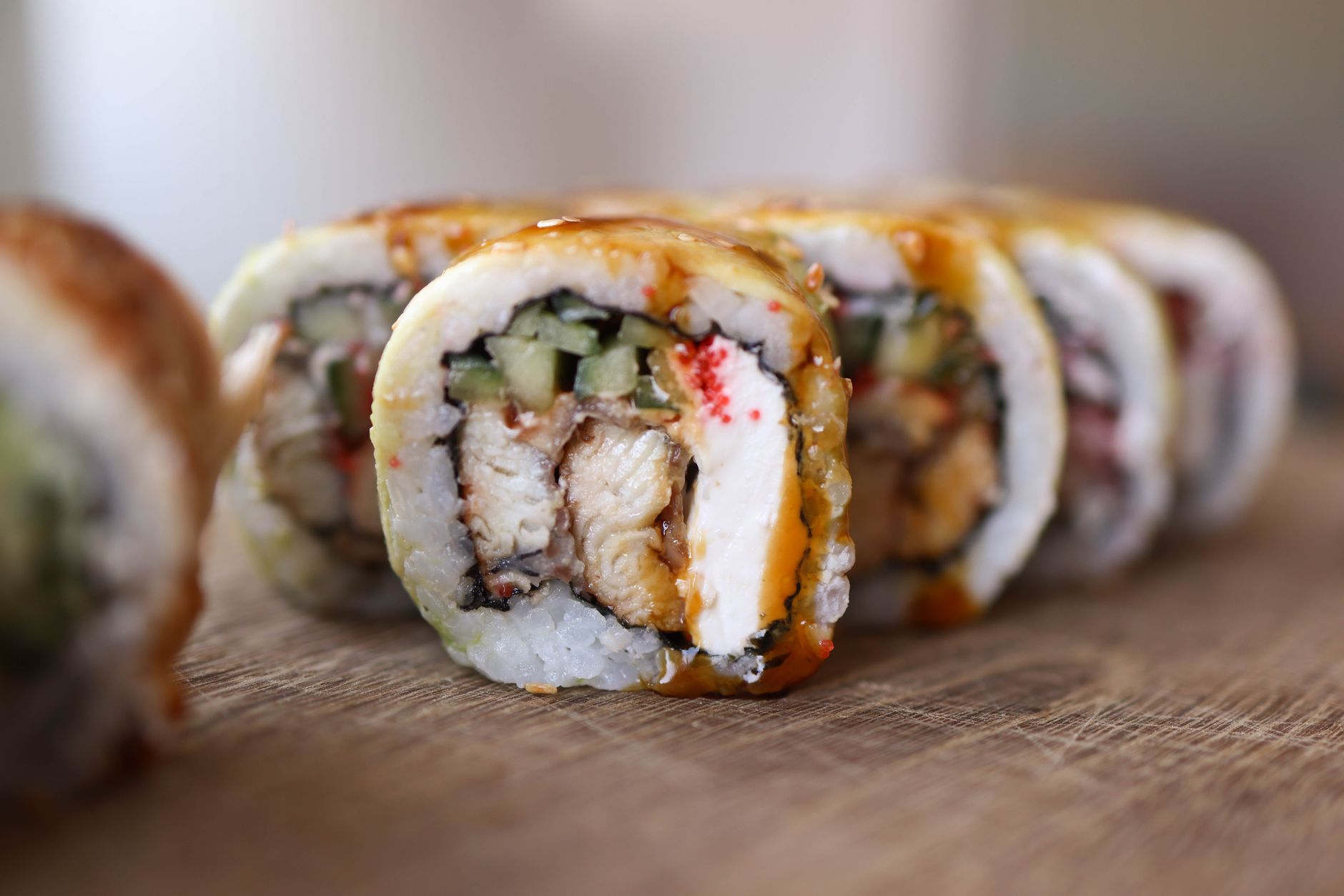
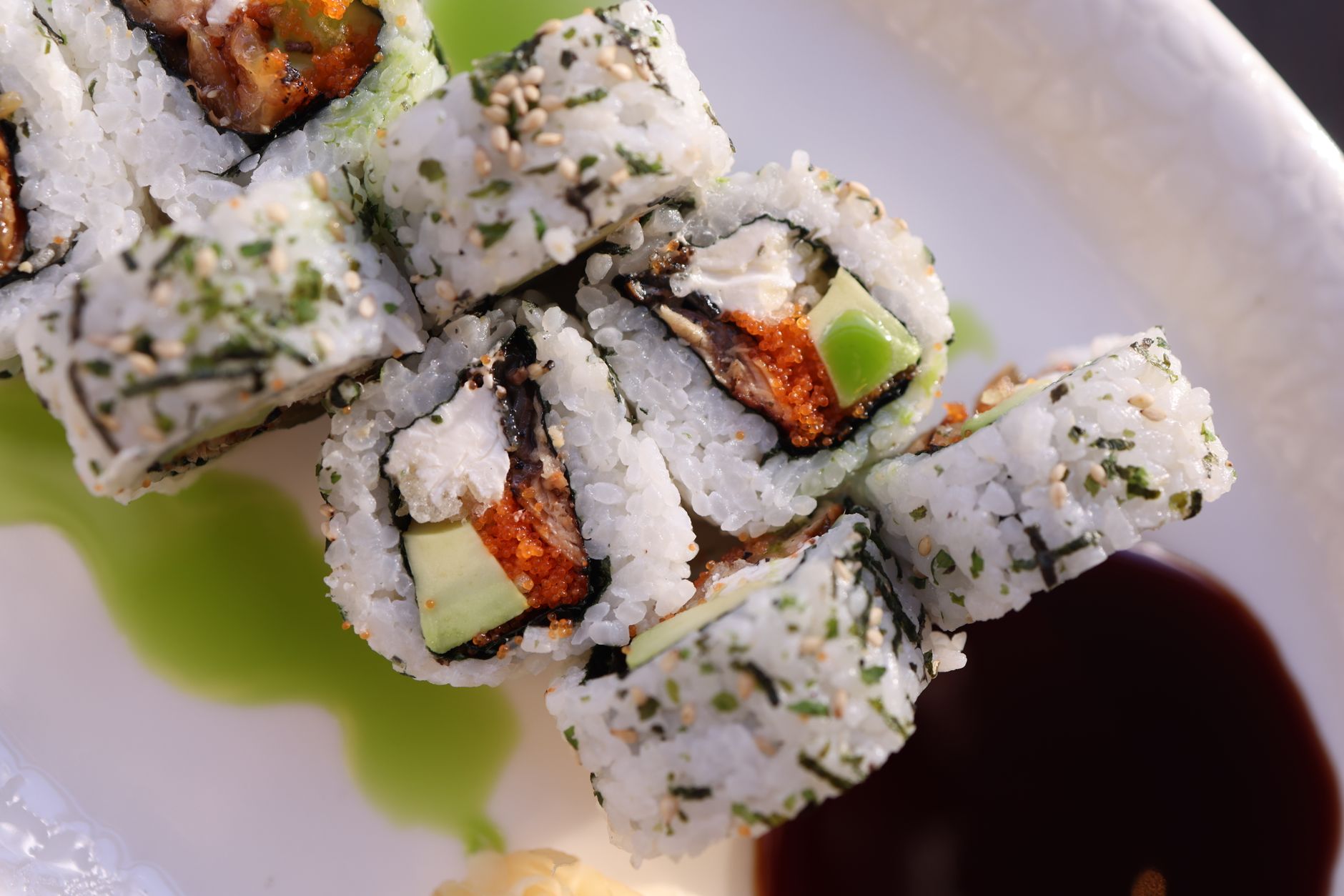
el unagi roll is a type of sushi that typically features a strip of grilled, sweet‑glazed eel (unagi) placed on a bed of vinegared rice, often wrapped in seaweed (nori) and topped with a drizzle of eel sauce (kabayaki). The eel is usually cooked over charcoal or broiled, which gives it a rich, slightly smoky flavor and a glossy, caramelized coating. In many sushi restaurants, the roll may also include cucumber, avocado, or sesame seeds for added texture.
Unagi is prized for its tender flesh and high protein content, as well as a suite of micronutrients—especially vitamin A, vitamin E, and omega‑3 fatty acids. Because the eel is cooked, the risk of parasites that can be present in raw fish is dramatically reduced, which is why many sushi chefs use it as a “safe” alternative to raw tuna or salmon. However, the cooking process does not eliminate all potential concerns for pregnant people, such as mercury content and the possibility of cross‑contamination during preparation.
Beyond its flavor, unagi is often served with a sweet soy‑based glaze that contains sugar and sodium, so it can be a calorie‑dense choice. Understanding both the culinary and nutritional aspects of the roll helps you weigh its place in a pregnancy‑friendly diet.
Is eel unagi roll safe during pregnancy?
Current guidance from the American College of Obstetricians and Gynecologists (ACOG) states that fully cooked seafood is generally permissible in pregnancy, provided it’s consumed in moderation and sourced from reputable establishments. The UK’s National Health Service (NHS) echoes this, noting that cooked eel is safe but should be limited due to mercury content. The U.S. Food and Drug Administration (FDA) classifies eel as a “moderate‑mercury fish,” recommending no more than 2‑3 servings (about 8‑12 ounces) per week for pregnant people.
Because unagi is almost always served cooked, the primary safety concern shifts from parasites to mercury exposure and food‑borne bacterial contamination. Studies have shown that eel can contain mercury levels ranging from 0.1 to 0.3 ppm, which is below the FDA’s 0.5 ppm threshold for “low mercury” fish but still warrants moderation, especially in the first trimester when organ development is most sensitive.
Another consideration is the preparation environment. Even if the eel itself is cooked, sushi bars often handle raw fish and other seafood on the same surfaces. The Centers for Disease Control and Prevention (CDC) warns that cross‑contamination can introduce Listeria or other pathogens that are especially risky for pregnant people. Therefore, choosing a sushi restaurant with strict hygiene protocols—separate cutting boards, frequent sanitization, and a reputation for safe handling—is essential.
In summary, a fully cooked eel unagi roll can be part of a balanced pregnancy diet when eaten sparingly, with attention to mercury intake and preparation safety. If you have any doubt about the source or cooking method, it’s safest to discuss it with your prenatal provider.
Is eel unagi roll safe during first trimester?
During the first trimester, organogenesis makes the fetus particularly vulnerable to teratogens, including high levels of mercury and bacterial toxins. While fully cooked eel is not a known teratogen, the CDC advises extra caution with any ready‑to‑eat seafood because of the heightened risk of listeriosis.
If you’re craving sushi in early pregnancy, opt for a roll where the eel is visibly grilled and the kitchen follows a “no‑raw‑fish” policy for pregnant customers. Keep the portion to one small roll (about 6‑8 inches) per week, and pair it with a side of steamed vegetables to balance sodium and sugar from the glaze.
Is eel unagi roll safe during second trimester
The second trimester is generally more forgiving, and many providers relax dietary restrictions as long as the food is properly cooked. Nevertheless, mercury accumulation continues, so the same weekly limit (2‑3 servings of moderate‑mercury fish) still applies. Maintaining the “fully cooked only” rule reduces the chance of bacterial contamination.
At this stage you might feel more comfortable enjoying sushi at social gatherings, but always ask the chef or server to confirm that the eel has been grilled and not lightly seared. If you’re unsure, a quick “Is the eel fully cooked?” can prevent a risky bite.
Is eel unagi roll safe during third trimester
In the third trimester, the fetus’s organ systems are largely formed, but the immune system is still developing, making food‑borne illnesses a concern. The same cautionary limits apply: one roll per week, fully cooked eel, and a reputable source.
Additionally, the body’s ability to process excess sodium and sugar diminishes, so the sweet eel sauce can contribute to swelling or gestational hypertension if over‑consumed. Pairing the roll with a fresh salad or cucumber slices can help mitigate these effects.
Can you eat eel unagi roll while pregnant and breastfeeding
Breastfeeding mothers should continue to follow the same mercury guidelines as during pregnancy because mercury can be excreted in breast milk. The FDA’s recommendation of 2‑3 servings of moderate‑mercury fish per week applies here as well. Because the eel is cooked, the main concern remains mercury; the risk of bacterial contamination is lower than with raw fish, but still present if the kitchen’s hygiene is lax.
Overall, a modest intake of fully cooked eel (no more than one roll per week) is considered safe while nursing, provided the source adheres to strict food‑handling standards.
Balancing a sushi platter with cooked and vegetable rolls can keep your intake moderate.
How much eel unagi roll can you eat when pregnant
The safe amount hinges on two factors: mercury exposure and overall calorie/sodium intake. The FDA’s guidance for moderate‑mercury fish translates to roughly 8‑12 ounces of eel per week. A typical unagi roll contains about 3‑4 ounces of eel, so eating one roll per week stays comfortably within the limit.
If you’re a sushi lover who enjoys multiple rolls in a single sitting, consider splitting the order with a partner or choosing a smaller roll (e.g., a “mini” unagi roll). Remember that the sweet eel sauce adds extra sugar—limit additional sauces to keep your daily added sugar under the American Heart Association’s recommended 6 teaspoons for pregnant women.
For those who prefer to stay on the safe side, a single unagi roll every two weeks is a conservative approach that eliminates any meaningful mercury buildup while still allowing you to enjoy the flavor.
Is eel unagi roll from sushi restaurants safe for pregnant women
Restaurant safety depends on the establishment’s commitment to food‑borne illness prevention. The CDC’s “Model Food Code” recommends that sushi bars serving pregnant customers should:
Use separate cutting boards for raw and cooked items.
Maintain refrigerator temperatures at or below 40 °F (4 °C).
Display a clear “Pregnant‑friendly” menu or label indicating which items are fully cooked.
Many high‑end sushi chains in the U.S. and U.K. have adopted these practices, but smaller take‑out spots may not. If the restaurant does not explicitly state that the eel is grilled and that they follow strict hygiene protocols, it’s best to either ask for confirmation or choose a home‑prepared roll where you control the cooking.
What are the risks of eating eel unagi roll during pregnancy with high mercury levels
Mercury is a neurotoxic metal that can cross the placenta and accumulate in the developing brain, potentially affecting cognitive development and motor skills after birth. While eel’s average mercury content is lower than that of shark, swordfish, or king mackerel, it still contributes to the total weekly mercury load.
Excessive mercury exposure in pregnancy has been linked in some cohort studies to lower birth weight and subtle neurodevelopmental delays. The ACOG advises pregnant people to keep total mercury intake below 0.5 ppm across all seafood consumed weekly. If you suspect you’re eating eel from a source with unusually high mercury (e.g., wild‑caught eel from polluted waters), limit intake or switch to lower‑mercury options like shrimp or tofu rolls.
Safe dosage / amount / brands
Because eel is typically served in restaurants rather than as a packaged product, brand considerations focus on the establishment’s reputation rather than a specific label. Look for sushi chains that publish their sourcing policies and have third‑party food‑safety certifications (e.g., NSF or ISO 22000).
Portion
Safe frequency
Notes
1 standard 6‑inch unagi roll (≈3‑4 oz eel)
≤ 1 roll / week
Meets FDA mercury limit; watch sodium from sauce.
2 standard rolls
Not recommended
Exceeds mercury and sodium recommendations.
Mini 4‑inch roll
≤ 2 mini rolls / week
Provides flavor while staying under mercury ceiling.
Side effects and risks
Most side effects from eating eel unagi roll are mild and relate to the sauce’s sugar and sodium content—think temporary bloating, mild heartburn, or a spike in blood pressure for those sensitive to sodium. However, more serious risks include:
Listeria or Salmonella infection: Can cause fever, chills, and gastrointestinal distress. Pregnant people with these symptoms should contact their provider immediately.
Mercury accumulation: Over time, high mercury can affect fetal neurodevelopment. Symptoms are not immediately apparent, which is why moderation is key.
Allergic reaction: Some individuals are allergic to fish or shellfish; an allergic response can range from hives to anaphylaxis.
If you experience fever, severe abdominal cramping, vomiting, or any signs of an allergic reaction after eating sushi, seek medical attention promptly.
Safer alternatives to eel unagi roll during pregnancy
Shrimp Tempura Roll – fully cooked shrimp eliminates raw‑fish risks and has lower mercury.
Cucumber Roll – a refreshing vegetable option with virtually no mercury or sodium.
Avocado Roll – provides healthy fats and fiber without any fish‑related concerns.
Crab Stick Roll – imitation crab is cooked and low in mercury, though watch for added sugars.
Tofu Roll – plant‑based protein, low in sodium, and safe across all trimesters.
Related items — safety at a glance
Item
Verdict
One‑line note
Sushi (various fillings)
⚠️ Caution
Raw fish poses parasite risk; choose cooked or vegetable fillings.
Tuna sashimi
❌ Avoid
High mercury; raw preparation increases infection risk.
Salmon sushi
⚠️ Caution
Cooked salmon is safe; raw salmon still carries parasite risk.
Crab sushi
✅ Generally safe
Imitation crab is cooked; real crab should be fully cooked.
Shrimp sushi
✅ Generally safe
Shrimp is always cooked in sushi rolls.
Tofu sushi
✅ Generally safe
Plant‑based, no mercury, low allergen risk.
Myth vs. fact
Myth: All sushi is unsafe during pregnancy because it’s raw.
Fact: Fully cooked sushi, like eel unagi roll, is permissible in moderation according to ACOG and NHS guidelines.
Myth: The sweet sauce on unagi “neutralizes” any mercury.
Fact: Sauce does not affect mercury content; you still need to limit intake based on the fish itself.
Myth: If a sushi restaurant says “fresh,” it’s automatically safe for pregnant people.
Fact: “Fresh” refers to taste, not to food‑safety protocols; always verify that the eel is fully cooked and that the kitchen follows strict hygiene.
Key takeaways
Fully cooked eel (unagi) is allowed in pregnancy, but keep it to ≤ 1 roll / week.
Watch mercury: eel is moderate‑mercury; stay within the FDA’s 2‑3 servings per week limit for all fish.
Choose reputable sushi restaurants that separate raw and cooked foods and maintain proper refrigeration.
If you’re unsure about preparation or source, discuss it with your prenatal provider before eating.
Consider safer alternatives like shrimp tempura, cucumber, avocado, crab stick, or tofu rolls.
Frequently asked questions
Can pregnant women eat sushi
Yes, but only the fully cooked varieties—such as eel unagi roll, shrimp tempura, or vegetable rolls—while avoiding raw fish that may contain parasites or high mercury.
Is it safe to eat raw fish during pregnancy
Generally no; raw fish carries a risk of listeria and parasites, which can cause serious illness for pregnant people and their babies.
What types of fish are safe to eat while pregnant
Low‑mercury, fully cooked fish such as salmon, shrimp, tilapia, and cod are safe; limit intake to 2‑3 servings per week and avoid high‑mercury species like shark, swordfish, and king mackerel.
Can I eat eel during pregnancy
Yes, if the eel is fully cooked (as in an unagi roll) and you keep consumption to no more than one roll per week to stay within mercury guidelines.
How to choose safe sushi during pregnancy
Look for rolls that are clearly labeled “cooked,” ask the chef about preparation methods, and choose establishments with strict food‑handling protocols.
What are the risks of food poisoning from sushi during pregnancy
Food poisoning can lead to severe gastrointestinal symptoms, fever, and potential complications for the fetus; Listeria and Salmonella are the primary concerns, especially from improperly handled or raw seafood.
Can I eat unagi while breastfeeding
Yes, you can enjoy cooked unagi while nursing, but continue to limit intake to ≤ 1 roll / week to avoid excess mercury that can pass into breast milk.
When to call your doctor
If you experience any of the following after eating eel unagi roll, contact your healthcare provider right away:
Fever ≥ 100.4 °F (38 °C) lasting more than 24 hours.
Severe abdominal pain, vomiting, or diarrhea that persists.
Signs of an allergic reaction (hives, swelling, difficulty breathing).
Unusual swelling or hypertension that could be linked to excess sodium.
These symptoms could indicate a food‑borne infection or an allergic response that needs medical evaluation. Remember, this article is for informational purposes only and does not replace personalized medical advice.
References
American College of Obstetricians and Gynecologists (ACOG). “Nutrition During Pregnancy.” 2023.
National Health Service (NHS). “Food safety for pregnant women.” Updated 2022.
U.S. Food and Drug Administration (FDA). “Advice about Eating Fish.” 2023.
Centers for Disease Control and Prevention (CDC). “Listeria and Pregnancy.” 2022.
World Health Organization (WHO). “Mercury in fish and health risks.” 2021.
U.S. Department of Agriculture (USDA). “Food Safety for Pregnant Women.” 2023.
Not sure about the label on Is Eel Unagi Roll Safe During Pregnancy products?
Snap the ingredients list and SafeFilter checks every ingredient for your stage — only 3 free scans this month, then you're locked until reset. Unlimited from $7/mo or $50/yr.
When Shubhra Mishra was expecting her first child in 2016, she was overwhelmed by conflicting food advice — one site said yes, another said never. By the time her second baby arrived in 2019, she realized millions of mothers face the same confusion.
That sparked a five-year journey through clinical nutrition papers, cultural diets, and expert conversations — all leading to BumpBites: a calm, compassionate space where science meets everyday motherhood.
Her long-term vision is to build a global community ensuring safe, supported, and free deliveriesfor every mother — because no woman should face pregnancy alone or uninformed. 🌿
🌍 Stand with mothers, shape safer guidance
Join a small circle of experts who review BumpBites articles so expecting parents everywhere can decide with confidence.