

Quick verdict: ❌ Best avoided. Dry cleaning with perc (perchloroethylene) is not considered safe during pregnancy. While wearing dry-cleaned clothes is unlikely to expose you to dangerous levels, the chemical itself is a known neurotoxin and potential carcinogen. The EPA and NHS recommend minimizing exposure, especially during the first trimester when fetal development is most vulnerable. If you must dry clean, opt for perc-free alternatives and air out clothes thoroughly before wearing.
Is Dry Cleaning with Perc Safe During Pregnancy?
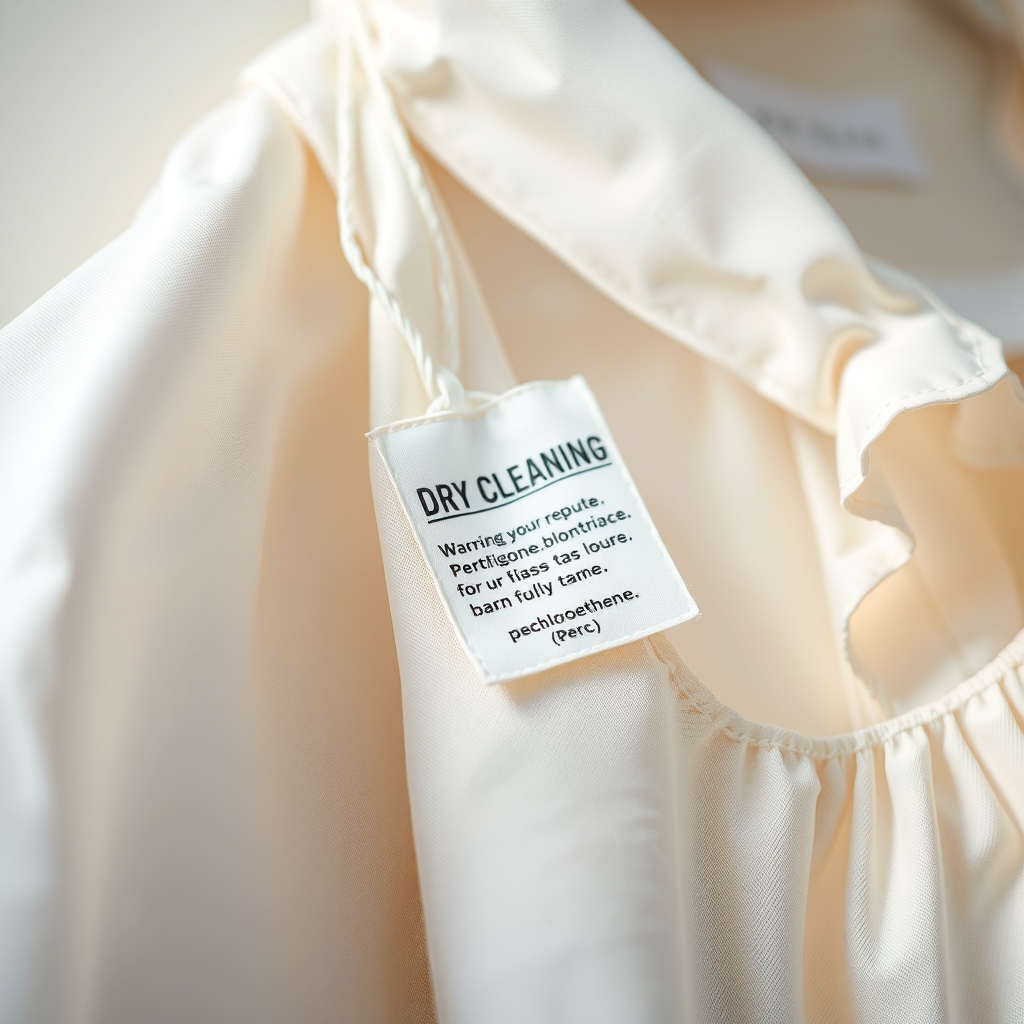
You’re standing in your closet, holding that freshly dry-cleaned blouse, and suddenly the label’s warning flashes in your mind: perchloroethylene (perc). You’ve heard whispers about chemicals and pregnancy, but now the worry feels real. Did you just expose your baby to something harmful? Take a deep breath—we’ll walk through what the science actually says, what risks (if any) you’ve taken, and what you can do to stay safe from here on out.
Perc is the most common solvent used in dry cleaning, but it’s also a chemical that’s been linked to health risks, including potential effects on pregnancy. The good news? The amount you’re exposed to from wearing dry-cleaned clothes is usually low. The bigger concern is repeated or high-level exposure—like working in a dry-cleaning facility or living above one. Still, when you’re pregnant, it’s natural to want to err on the side of caution. Below, we’ll break down what perc is, how it might affect you and your baby, and what safer alternatives you can use instead.
Safety Snapshot: Perc Exposure During Pregnancy
What Is Perc and How Are People Exposed to It?
Perchloroethylene, or perc, is a colorless liquid solvent used in about 70% of dry-cleaning facilities in the U.S. It’s highly effective at removing stains and odors from fabrics, which is why it’s been the industry standard for decades. But perc isn’t just used in dry cleaning—it’s also found in some spot removers, shoe polishes, and even automotive products.
Most people are exposed to perc in one of three ways:
- Wearing dry-cleaned clothes: Residual perc can linger on fabrics, especially if they’re worn soon after cleaning. However, the amount is usually low—studies suggest it’s not enough to cause harm from occasional wear.
- Inhaling fumes: This is the bigger concern. If you live near or work in a dry-cleaning facility, you might inhale perc fumes, which can build up in your body over time. The EPA classifies perc as a likely human carcinogen, and long-term exposure has been linked to liver and kidney damage, as well as neurological effects.
- Skin contact: Perc can be absorbed through the skin, though this is less common with dry-cleaned clothes. More likely, you’d come into contact with it through spills or handling concentrated products.
For pregnant women, the primary concern is inhalation. Perc crosses the placenta and can reach the developing fetus, where it may interfere with normal growth and development. That’s why health authorities like the NHS and ACOG recommend minimizing exposure during pregnancy.
Is It Safe to Wear Dry-Cleaned Clothes with Perc During Pregnancy?
The short answer? It’s unlikely to be harmful in small amounts, but it’s not risk-free. Here’s what the research says:
When you wear dry-cleaned clothes, the amount of perc that transfers to your skin or is released into the air is minimal. A 2011 study published in Environmental Health Perspectives found that wearing dry-cleaned clothes for a few hours exposed people to perc levels well below the EPA’s safety threshold. However, the study also noted that repeated exposure—like wearing dry-cleaned clothes daily—could add up over time.
The bigger risk comes from inhaling perc fumes, especially if you’re in an enclosed space with freshly dry-cleaned clothes. For example, if you bring home a large load of dry-cleaned items and store them in your closet, the fumes can concentrate in the air. This is why experts recommend airing out dry-cleaned clothes for at least 24–48 hours before wearing or storing them. Hanging them outside or in a well-ventilated area (like a garage or balcony) can help dissipate any residual perc.
If you’re still worried, here’s some reassurance: The CDC states that occasional exposure to perc from dry-cleaned clothes is unlikely to cause harm during pregnancy. However, if you’re regularly exposed to high levels—like working in a dry-cleaning facility—the risks increase. In those cases, it’s worth talking to your employer about reducing your exposure or switching to a perc-free cleaner.
Can Exposure to Perc in the First Trimester Cause Birth Defects?
The first trimester is the most critical period for fetal development. During these 12 weeks, your baby’s organs, brain, and nervous system are forming, and exposure to certain chemicals can interfere with this process. So, what does the science say about perc?
Animal studies have shown that high levels of perc exposure can cause birth defects, including neural tube defects (like spina bifida) and developmental delays. However, human studies are less conclusive. Some research suggests a possible link between perc exposure and an increased risk of miscarriage or low birth weight, but the evidence isn’t strong enough to prove causation. For example, a 2012 study in Occupational and Environmental Medicine found that women who worked in dry-cleaning facilities had a slightly higher risk of preterm birth, but the study couldn’t rule out other factors like stress or exposure to other chemicals.
Here’s the bottom line: While there’s no definitive proof that perc causes birth defects in humans, the potential risks—combined with the lack of clear safety thresholds—mean it’s best to avoid exposure during the first trimester whenever possible. If you’ve already worn dry-cleaned clothes or been around perc, try not to panic. The occasional exposure is unlikely to have caused harm, but it’s a good idea to switch to safer alternatives moving forward.
How Much Perc Exposure Is Dangerous During Pregnancy?
This is one of the trickiest questions to answer because there’s no clear “safe” level of perc exposure during pregnancy. The EPA has set a maximum contaminant level for perc in drinking water (5 parts per billion), but there’s no equivalent guideline for air exposure from dry cleaning. Here’s what we do know:
- Occasional wear of dry-cleaned clothes: The amount of perc you’re exposed to is likely too low to cause harm. A 2008 study in Journal of Exposure Science & Environmental Epidemiology found that wearing dry-cleaned clothes for a few hours exposed people to perc levels about 100 times lower than the OSHA workplace limit.
- Repeated exposure: If you wear dry-cleaned clothes daily or live near a dry-cleaning facility, your exposure could add up. The same study noted that people who wore dry-cleaned clothes every day had perc levels in their blood comparable to those who worked in dry-cleaning shops.
- High-level exposure: Working in a dry-cleaning facility or using perc-based products at home (like spot removers) can expose you to much higher levels. The CDC warns that high-level exposure can cause dizziness, headaches, and even liver or kidney damage—all of which are risks you want to avoid during pregnancy.
So, how can you minimize your exposure? If you must wear dry-cleaned clothes, follow these steps:
- Airing out: Hang dry-cleaned clothes outside or in a well-ventilated area for at least 24–48 hours before wearing or storing them. This allows most of the residual perc to dissipate.
- Storage: Store dry-cleaned clothes in a well-ventilated closet, not in a sealed garment bag. Avoid keeping them in your bedroom or other living spaces where you spend a lot of time.
- Alternatives: Opt for perc-free dry cleaning methods (more on those below) or hand-wash “dry-clean-only” items with a mild detergent.
What Are Safe Dry Cleaning Alternatives for Pregnant Women?
If you’re pregnant and want to avoid perc altogether, you’re in luck—there are several safer dry-cleaning alternatives available. Here’s a breakdown of the most common options, along with their pros and cons:
| Method | How It Works | Pregnancy Safety | Pros | Cons |
|---|---|---|---|---|
| Professional Wet Cleaning | Uses water and biodegradable detergents in computer-controlled machines to clean delicate fabrics. | ✅ Generally safe | No harsh chemicals, eco-friendly, effective for most fabrics. | Not all cleaners offer it; may not work for all “dry-clean-only” items. |
| Liquid Carbon Dioxide (CO2) Cleaning | Uses liquid CO2 as a solvent in a pressurized machine. The CO2 is recycled after use. | ✅ Generally safe | No toxic chemicals, gentle on fabrics, eco-friendly. | Expensive; not widely available. |
| GreenEarth Cleaning | Uses liquid silicone (sand-based) as a solvent, which breaks down into water, sand, and carbon dioxide. | ✅ Generally safe | Gentle on fabrics, no harsh fumes, widely available. | Some concerns about silicone buildup in the environment. |
| Hand Washing with Mild Detergent | Gently hand-wash “dry-clean-only” items with a mild detergent (like Woolite) and lay flat to dry. | ✅ Safe | No chemicals, cost-effective, easy to do at home. | Not suitable for all fabrics (e.g., silk, wool); risk of shrinking or damage. |
| Steam Cleaning | Uses steam to remove stains and odors from fabrics. Can be done at home with a garment steamer. | ✅ Safe | No chemicals, kills bacteria and allergens, easy to do at home. | Not effective for deep stains; may not work for all fabrics. |
| Home Dry Cleaning Kits (Perc-Free) | Kits like Dryel use a perc-free cleaning solution and a dryer bag to freshen clothes at home. | ✅ Safe | Convenient, no harsh chemicals, good for freshening clothes between cleanings. | Not as effective as professional cleaning; may not remove deep stains. |
| Spot Cleaning with Vinegar and Water | Mix equal parts white vinegar and water to spot-clean stains on fabrics. | ✅ Safe | No chemicals, cost-effective, easy to do at home. | Not effective for all stains; may leave a vinegar smell (which fades). |
If you’re unsure which method is best for your clothes, check the care label or ask your dry cleaner. Many cleaners now offer multiple options, so you can choose the one that aligns with your safety preferences. For example, Greener Cleaner and EcoClean are chains that specialize in perc-free cleaning methods.
Are There Perc-Free Dry Cleaning Brands for Pregnancy Safety?
Yes! Many dry cleaners now offer perc-free alternatives, and some brands specialize in eco-friendly cleaning. Here are a few to look for:
- GreenEarth Cleaning: One of the most widely available perc-free options, GreenEarth uses liquid silicone to clean clothes. It’s gentle on fabrics and doesn’t leave a chemical odor. You can find GreenEarth-affiliated cleaners in most major cities—check their website for a location near you.
- CO2 Cleaning: Some cleaners use liquid carbon dioxide to clean clothes. This method is chemical-free and eco-friendly, though it’s less common than GreenEarth. Brands like Hangers Cleaners offer CO2 cleaning in select locations.
- Wet Cleaning: Many local cleaners now offer professional wet cleaning, which uses water and biodegradable detergents. It’s a great option for delicate fabrics and is widely available. Ask your local cleaner if they offer wet cleaning—many do but don’t advertise it.
- Local Eco-Friendly Cleaners: Smaller, independent cleaners often use perc-free methods but may not have a big marketing budget. A quick Google search for “perc-free dry cleaners near me” or “eco-friendly dry cleaners” should turn up some options. You can also call ahead to ask what solvents they use.
If you’re not sure whether a cleaner uses perc, don’t be afraid to ask. Most cleaners are happy to share their methods, especially if you explain that you’re pregnant and want to avoid chemicals. You can also look for certifications like Green Seal or EPA Safer Choice, which indicate that a cleaner meets certain environmental and safety standards.
What Are the Risks of Perc Exposure During the Third Trimester?
By the third trimester, your baby’s organs are fully formed, but they’re still growing and maturing. While the risks of perc exposure are lower than in the first trimester, there are still a few concerns to keep in mind:
- Preterm labor: Some studies suggest that high-level exposure to perc may increase the risk of preterm labor. For example, a 2015 study in Environmental Health found that women who worked in dry-cleaning facilities had a higher risk of delivering before 37 weeks. However, the study couldn’t prove that perc was the direct cause, as other factors (like stress or exposure to other chemicals) may have played a role.
- Low birth weight: High-level exposure to perc has also been linked to low birth weight, which can increase the risk of health problems for your baby. A 2010 study in American Journal of Epidemiology found that women exposed to high levels of perc at work were more likely to have babies with lower birth weights. Again, the evidence isn’t conclusive, but it’s another reason to minimize exposure.
- Neurological effects: Perc is a known neurotoxin, and some research suggests that exposure during pregnancy may affect a baby’s brain development. Animal studies have shown that perc exposure can cause behavioral changes and learning difficulties in offspring. While human studies are limited, the EPA recommends minimizing exposure to neurotoxins during pregnancy as a precaution.
- Breastfeeding: If you plan to breastfeed, it’s worth noting that perc can pass into breast milk. While the amount is likely small, the CDC recommends minimizing exposure to chemicals like perc while breastfeeding to reduce any potential risks to your baby.
So, what can you do to protect yourself and your baby in the third trimester? The same precautions apply as in earlier trimesters: opt for perc-free cleaning methods, air out dry-cleaned clothes thoroughly, and avoid high-level exposure. If you’re concerned about past exposure, talk to your healthcare provider. They can help put your mind at ease or recommend any additional steps you might need to take.
Can Perc Exposure Cause Miscarriage or Preterm Labor?
This is one of the most common worries among pregnant women exposed to perc. Let’s break down what the research says:
- Miscarriage: There’s no strong evidence that perc exposure causes miscarriage. A 2018 review in Reproductive Toxicology found that while animal studies have shown a possible link, human studies are inconclusive. The ACOG states that occasional exposure to perc from dry-cleaned clothes is unlikely to increase the risk of miscarriage. However, if you work in a dry-cleaning facility or are regularly exposed to high levels of perc, it’s worth discussing with your provider.
- Preterm labor: Some studies suggest a possible link between high-level perc exposure and preterm labor, but the evidence isn’t definitive. For example, a 2015 study in Environmental Health found that women who worked in dry-cleaning facilities had a higher risk of delivering before 37 weeks, but the study couldn’t rule out other factors. The March of Dimes recommends minimizing exposure to chemicals like perc during pregnancy as a precaution.
If you’re worried about past exposure, try not to stress. Stress itself can affect your pregnancy, so it’s important to focus on what you can control. Moving forward, opt for perc-free cleaning methods and avoid high-level exposure. If you’re still concerned, talk to your healthcare provider. They can help assess your individual risk and provide personalized advice.
Is Professional Wet Cleaning a Safer Alternative to Perc Dry Cleaning?
Yes! Professional wet cleaning is one of the safest alternatives to perc dry cleaning, especially during pregnancy. Here’s why:
- No harsh chemicals: Wet cleaning uses water and biodegradable detergents to clean clothes, so there’s no risk of exposure to perc or other toxic solvents. The detergents used are typically mild and non-irritating, making them a great choice for sensitive skin.
- Effective for most fabrics: Wet cleaning is safe for most “dry-clean-only” items, including wool, silk, and delicate fabrics. The process is computer-controlled to ensure the right temperature, agitation, and drying time for each garment, so there’s less risk of shrinking or damage.
- Eco-friendly: Wet cleaning is better for the environment than perc dry cleaning. It doesn’t release toxic fumes into the air or contaminate water supplies, and the detergents used are biodegradable.
- Widely available: Many dry cleaners now offer wet cleaning, though it may not be advertised. Call ahead to ask if your local cleaner provides this service—many do but don’t promote it.
If you’re unsure whether wet cleaning is right for your clothes, check the care label or ask your cleaner. They can help you determine the best method for each garment. For example, heavily stained or embellished items may require special handling, but most everyday clothes can be safely wet-cleaned.
One thing to keep in mind: Wet cleaning may not be as effective as perc dry cleaning for certain types of stains, like oil-based stains. However, most cleaners can pre-treat stains before wet cleaning to ensure the best results. If you’re dealing with a tough stain, let your cleaner know so they can take extra care with your garment.
Side Effects and Risks of Perc Exposure During Pregnancy
While the occasional wear of dry-cleaned clothes is unlikely to cause harm, high-level or repeated exposure to perc can pose risks to both you and your baby. Here’s what to watch for:
For You
- Dizziness or headaches: Perc is a central nervous system depressant, and inhaling high levels can cause dizziness, headaches, or even nausea. If you experience these symptoms after bringing home dry-cleaned clothes, it could be a sign that the perc levels in your home are too high. Try airing out the clothes and increasing ventilation in your space.
- Skin irritation: Perc can irritate the skin, especially if you’re sensitive to chemicals. If you notice redness, itching, or a rash after wearing dry-cleaned clothes, it could be a reaction to residual perc. Wash the garment or switch to a perc-free cleaner.
- Liver or kidney damage: Long-term exposure to high levels of perc has been linked to liver and kidney damage. This is more of a concern for people who work in dry-cleaning facilities or live near one. If you’re concerned about your exposure, talk to your healthcare provider about monitoring your liver and kidney function.
For Your Baby
- Developmental delays: Perc is a known neurotoxin, and animal studies have shown that exposure during pregnancy can cause behavioral changes and learning difficulties in offspring. While human studies are limited, the EPA recommends minimizing exposure to neurotoxins during pregnancy as a precaution.
- Low birth weight: Some studies suggest that high-level exposure to perc may increase the risk of low birth weight, which can lead to health problems for your baby. If you’re concerned about past exposure, talk to your provider about monitoring your baby’s growth.
- Preterm labor: High-level exposure to perc has been linked to an increased risk of preterm labor, though the evidence isn’t definitive. If you’re at risk for preterm labor, it’s especially important to minimize your exposure to chemicals like perc.
If you experience any of these symptoms or are concerned about your exposure, don’t hesitate to reach out to your healthcare provider. They can help assess your risk and provide personalized advice. In the meantime, opt for perc-free cleaning methods and avoid high-level exposure whenever possible.
Safer Alternatives to Perc Dry Cleaning
If you’re pregnant and want to avoid perc altogether, you have plenty of safe alternatives to choose from. Here are some of the best options, along with tips for using them:
- Professional Wet Cleaning: This is one of the safest and most effective alternatives to perc dry cleaning. Wet cleaning uses water and biodegradable detergents to clean clothes, so there’s no risk of exposure to toxic chemicals. Many dry cleaners offer wet cleaning—just call ahead to ask. It’s a great option for most “dry-clean-only” items, including wool, silk, and delicate fabrics.
- Liquid Carbon Dioxide (CO2) Cleaning: CO2 cleaning uses liquid carbon dioxide as a solvent, which is non-toxic and eco-friendly. The process is gentle on fabrics and doesn’t leave a chemical odor. While it’s not as widely available as wet cleaning, you can find CO2 cleaners in many major cities. Check with your local cleaner to see if they offer this service.
- GreenEarth Cleaning: GreenEarth uses liquid silicone (a sand-based solvent) to clean clothes. It’s gentle on fabrics, doesn’t leave a chemical odor, and is widely available. You can find GreenEarth-affiliated cleaners in most major cities—check their website for a location near you.
- Hand Washing with Mild Detergent: For “dry-clean-only” items that aren’t heavily soiled, hand washing with a mild detergent (like Woolite) can be a safe and effective option. Fill a sink with cool water and a small amount of detergent, then gently agitate the garment. Rinse thoroughly and lay flat to dry. This method works well for items like silk blouses or wool sweaters, but avoid it for heavily embellished or structured garments.
- Steam Cleaning: Steam cleaning uses heat to remove stains and odors from fabrics. It’s chemical-free, kills bacteria and allergens, and can be done at home with a garment steamer. While it’s not as effective as professional cleaning for deep stains, it’s a great way to freshen up clothes between cleanings. Just be sure to follow the manufacturer’s instructions to avoid damaging delicate fabrics.
- Home Dry Cleaning Kits (Perc-Free): Kits like Dryel use a perc-free cleaning solution and a dryer bag to freshen clothes at home. They’re convenient, easy to use, and a good option for lightly soiled items. However, they’re not as effective as professional cleaning, so they’re best for freshening up clothes between cleanings rather than deep cleaning.
- Spot Cleaning with Vinegar and Water: For small stains, a mixture of equal parts white vinegar and water can be an effective and chemical-free solution. Dab the mixture onto the stain with a clean cloth, then blot dry. This method works well for light stains on fabrics like cotton or polyester, but avoid it for delicate fabrics like silk or wool.
If you’re unsure which method is best for your clothes, check the care label or ask your cleaner. Many cleaners now offer multiple options, so you can choose the one that aligns with your safety preferences. For example, if you’re dealing with a tough stain, wet cleaning or CO2 cleaning might be your best bet. For everyday items, hand washing or steam cleaning can be a great way to keep your clothes fresh without chemicals.
Related Items: Pregnancy Safety at a Glance
Perc isn’t the only chemical you might encounter during pregnancy. Here’s a quick look at how other common household and environmental exposures stack up in terms of safety:
| Item | Verdict | Notes |
|---|---|---|
| Mothballs (naphthalene) | ❌ Avoid | Naphthalene is a neurotoxin and potential carcinogen. Opt for cedar blocks or lavender sachets instead. |
| Paint fumes | ⚠️ Minimize exposure | Avoid oil-based paints and solvents. Use water-based paints and ensure good ventilation if painting. |
| Pesticides | ❌ Avoid | Linked to birth defects and developmental delays. Use natural pest control methods or hire a professional. |
| Solvents (e.g., turpentine, acetone) | ❌ Avoid | Can cause dizziness, headaches, and developmental issues. Opt for water-based or natural alternatives. |
| Formaldehyde | ⚠️ Minimize exposure | Found in some pressed-wood products and cosmetics. Choose low-VOC or formaldehyde-free products. |
| Lead exposure | ❌ Avoid | Can cause developmental delays and miscarriage. Avoid renovating older homes without testing for lead. |
| Mercury | ❌ Avoid | Found in some fish (like shark and swordfish) and old thermometers. Limit high-mercury fish and avoid handling broken thermometers. |
| BPA in plastics | ⚠️ Minimize exposure | Linked to hormonal disruptions. Choose BPA-free plastics and avoid heating food in plastic containers. |
| Phthalates in cosmetics | ⚠️ Minimize exposure | Found in some fragrances and nail polishes. Opt for phthalate-free or “fragrance-free” products. |
| Secondhand smoke | ❌ Avoid | Linked to low birth weight, preterm labor, and SIDS. Avoid smoky environments and ask others not to smoke around you. |
If you’re concerned about any of these exposures, talk to your healthcare provider. They can help you assess your risk and provide personalized advice. For more information on keeping your home safe during pregnancy, check out our guide on cleaning supplies safe for pregnancy.
Myth vs. Fact: Perc and Pregnancy
Myth: Wearing dry-cleaned clothes will definitely harm your baby.
Fact: The amount of perc you’re exposed to from wearing dry-cleaned clothes is usually too low to cause harm. The bigger concern is repeated or high-level exposure, like working in a dry-cleaning facility. If you’re worried about past exposure, talk to your healthcare provider

