

Quick verdict: ⚠️ Best avoided in its traditional form. Dragon roll typically contains raw fish (usually eel or tuna), which carries a small risk of parasites and bacteria that could harm your baby. However, if the fish is fully cooked, the roll can be safe in moderation. Always confirm how the roll is prepared and opt for cooked versions when possible.
You’re staring at the sushi menu, craving that crispy, sweet dragon roll you loved before pregnancy. But now, the question looms: is dragon roll safe during pregnancy? If you’ve already eaten one—or are just trying to decide—take a deep breath. The answer isn’t a simple yes or no, but we’ll walk you through exactly what you need to know.
Most dragon rolls contain raw fish, which is the main concern during pregnancy. The good news? There are ways to enjoy sushi safely while pregnant, including cooked versions of your favorite rolls. Below, we’ll break down the risks, trimester-specific guidance, how much is safe (if at all), and the best alternatives so you can make an informed choice without the panic.
| Trimester | Verdict | Notes |
|---|---|---|
| First trimester | ❌ Avoid (raw fish) | Highest risk for foodborne illness; organ development is most sensitive. |
| Second trimester | ⚠️ Safe if fully cooked | Raw fish still poses risks; opt for cooked eel or tuna. |
| Third trimester | ⚠️ Safe if fully cooked | Immune system is more vulnerable; avoid raw fish. |
| Breastfeeding | ✅ Generally safe (cooked) | Raw fish still carries parasite risk; cooked versions are fine. |
What is a dragon roll?
A dragon roll is a popular sushi roll that typically features eel (unagi) as its main protein, often paired with cucumber, avocado, and sometimes crab or shrimp. What makes it unique is its presentation: thin slices of avocado are arranged on top to resemble dragon scales, and the roll is usually drizzled with a sweet eel sauce (unagi sauce). Some versions also include raw tuna or salmon inside or on top.
The roll is usually served as a "tempura roll," meaning it’s lightly fried before being rolled, which gives it a crispy texture. The combination of sweet, savory, and crunchy makes it a favorite for many sushi lovers. However, the key detail for pregnancy safety is whether the fish—particularly the eel or tuna—is raw or cooked. Traditional dragon rolls often use raw eel or tuna, which is where the concern lies.
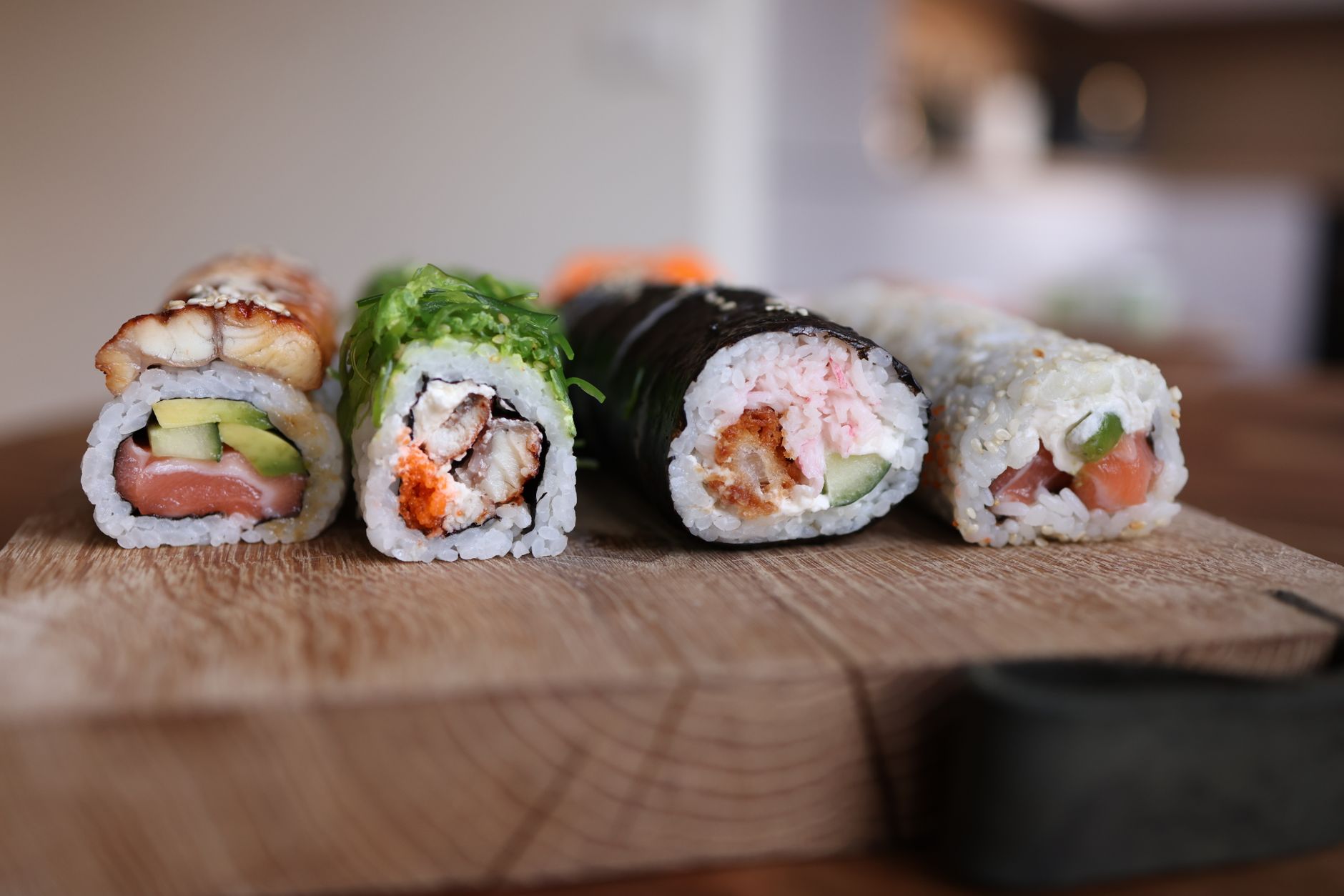
Is dragon roll safe during pregnancy?
However, not all dragon rolls are created equal. Some restaurants offer versions where the eel or tuna is fully cooked. Cooked eel (unagi) is a common ingredient in sushi and is generally considered safe during pregnancy when prepared properly. The key is to confirm with the restaurant that the fish is cooked through and not just lightly seared. If the roll contains raw tuna or salmon, it’s best to avoid it entirely.
Another factor to consider is mercury content. Some types of tuna, particularly bigeye and yellowfin, can contain higher levels of mercury, which may affect your baby’s developing nervous system. The FDA recommends limiting high-mercury fish (like tuna) to 4 ounces per week during pregnancy. If the dragon roll contains tuna, it’s best to opt for a version with cooked eel instead or choose a different roll altogether.
In summary: traditional dragon rolls with raw fish are not safe during pregnancy, but cooked versions can be enjoyed in moderation if you confirm the preparation method.
Is dragon roll safe to eat during the first trimester?
The first trimester is the most critical time for your baby’s development, as this is when their organs, brain, and spinal cord are forming. Because of this, food safety guidelines are especially strict during these early weeks. The ACOG and NHS both recommend avoiding raw or undercooked fish entirely during the first trimester due to the risk of foodborne illnesses like Listeria. Listeria can cross the placenta and may lead to miscarriage, stillbirth, or severe infections in newborns.
If you’re craving a dragon roll in your first trimester, the safest option is to choose a version where the fish is fully cooked. For example, some restaurants offer dragon rolls with cooked eel (unagi) instead of raw tuna. You can also ask for the eel to be cooked through rather than just lightly seared. Avoid any rolls that contain raw fish, including tuna or salmon, as the risks outweigh the benefits during this sensitive time.
If you’ve already eaten a dragon roll with raw fish in your first trimester, try not to panic. The risk of contracting Listeria or other foodborne illnesses is relatively low, but it’s still important to monitor for symptoms like fever, muscle aches, nausea, or diarrhea. If you experience any of these, contact your healthcare provider right away.
Can I have a dragon roll if I'm in my second trimester?
By the second trimester, your baby’s major organs have formed, and the risk of foodborne illness causing developmental issues is lower. However, the recommendation to avoid raw fish still stands, as the risk of Listeria and parasites remains throughout pregnancy. The NHS and FDA continue to advise pregnant women to steer clear of raw or undercooked seafood, including sushi and sashimi, during all trimesters.
That said, if you’re craving a dragon roll in your second trimester, you can enjoy a fully cooked version in moderation. Opt for rolls where the eel or tuna is cooked through, and avoid any raw toppings or fillings. For example, a dragon roll made with cooked eel, avocado, and cucumber is a safer choice than one with raw tuna. You can also ask the restaurant to prepare the roll with fully cooked ingredients to minimize risk.
Keep in mind that even in the second trimester, your immune system is slightly suppressed, making you more vulnerable to foodborne illnesses. If you choose to eat a cooked dragon roll, make sure it’s from a reputable restaurant with high food safety standards. Avoid buffet-style sushi or rolls from grocery store displays, as these may have a higher risk of contamination.
How many dragon rolls can a pregnant woman safely eat?
If you’re opting for a fully cooked dragon roll, the general guideline is to enjoy it in moderation. The FDA recommends that pregnant women limit their intake of low-mercury fish (like eel) to 8–12 ounces per week, which is roughly 2–3 servings. A typical dragon roll contains about 2–3 ounces of fish, so you could safely enjoy one roll per week if it’s your only seafood intake for that week.
However, if the roll contains tuna, you’ll need to be more cautious. The FDA advises limiting high-mercury fish (like bigeye tuna) to 4 ounces per week. If your dragon roll includes tuna, it’s best to avoid other high-mercury fish that week to stay within the recommended limits. When in doubt, opt for a roll with cooked eel instead of tuna to minimize mercury exposure.
Here’s a quick breakdown of safe portion sizes:
| Type of Dragon Roll | Safe Portion Size | Notes |
|---|---|---|
| Cooked eel (unagi) dragon roll | 1 roll per week (2–3 oz fish) | Can be part of your 8–12 oz weekly seafood limit. |
| Cooked tuna dragon roll | ½ roll per week (1–2 oz fish) | Limit to 4 oz of high-mercury fish per week. |
| Raw fish dragon roll | ❌ Avoid entirely | Not safe during pregnancy. |
If you’re unsure about the ingredients in your dragon roll, don’t hesitate to ask the restaurant staff. It’s always better to err on the side of caution when it comes to your baby’s health.

What are safe sushi roll alternatives for pregnant women?
If you’re missing sushi but want to play it safe during pregnancy, there are plenty of delicious alternatives that don’t involve raw fish. The key is to choose rolls made with fully cooked ingredients or vegetarian options. Here are some of the best pregnancy-safe sushi rolls to try:
- California roll (cooked): Made with imitation crab (which is cooked), avocado, and cucumber, this is one of the safest and most popular sushi rolls for pregnant women. Just confirm that the crab is imitation (surimi) and not raw.
- Vegetable tempura roll: A crispy, deep-fried roll filled with tempura-battered vegetables like sweet potato, zucchini, or mushrooms. It’s completely cooked and a great option if you’re avoiding seafood.
- Cooked shrimp roll: Shrimp is safe during pregnancy when fully cooked. Look for rolls with cooked shrimp, avocado, and cucumber for a refreshing and safe option.
- Avocado roll: A simple and creamy roll made with just avocado and rice. It’s rich in healthy fats and completely safe during pregnancy.
- Cucumber roll: A light and refreshing option made with cucumber and rice. It’s a great choice if you’re looking for something simple and safe.
- Philadelphia roll (cooked salmon): Some versions of this roll use smoked salmon, which is technically cooked. However, smoked salmon can still carry a small risk of Listeria, so it’s best to ask for a version with fully cooked salmon instead.
- Eel (unagi) roll: Eel is almost always cooked in sushi, making this a safe and flavorful option. Just confirm that the eel is fully cooked and not raw.
- Cooked tuna roll: If you’re craving tuna, opt for a roll where the tuna is fully cooked. This reduces the risk of parasites and mercury exposure.
When in doubt, don’t hesitate to ask your server for recommendations or modifications. Many sushi restaurants are happy to accommodate pregnant women by preparing rolls with fully cooked ingredients.
Is there a cooked dragon roll option that is safe during pregnancy?
Yes! Many sushi restaurants offer cooked versions of dragon rolls that are safe to enjoy during pregnancy. The key is to confirm that the fish—whether it’s eel, tuna, or another type—is fully cooked and not just lightly seared. Here’s how to order a pregnancy-safe dragon roll:
- Ask for cooked eel (unagi): Eel is almost always cooked in sushi, but it’s worth double-checking. Unagi is typically grilled and glazed with a sweet sauce, making it a safe and delicious option.
- Request fully cooked tuna: If the roll includes tuna, ask for it to be cooked through rather than served raw. Some restaurants may offer a "seared tuna" option, but this is not the same as fully cooked and should be avoided.
- Avoid raw toppings: Some dragon rolls include raw fish toppings like salmon or tuna. Ask for these to be omitted or replaced with cooked ingredients.
- Choose tempura-style: Dragon rolls are often tempura-fried, which means the entire roll is cooked. This adds an extra layer of safety, as the frying process kills bacteria and parasites.
If you’re unsure about the preparation, don’t hesitate to ask the restaurant staff. You can also look for rolls labeled as "cooked" or "pregnancy-safe" on the menu. Some sushi restaurants even offer a dedicated section for rolls that are safe for pregnant women.
Here’s an example of how to order a safe dragon roll at a restaurant:
"Hi, I’m pregnant and would like to order a dragon roll. Could you confirm that the eel is fully cooked and that there’s no raw fish in the roll? If possible, I’d prefer a version with cooked ingredients only."
Most restaurants will be happy to accommodate your request and may even suggest alternatives if they don’t offer a cooked dragon roll.
Does the brand SushiGo dragon roll contain raw fish and is it safe for pregnancy?
SushiGo is a popular pre-packaged sushi brand found in many grocery stores. Their dragon roll typically contains raw fish, including eel and sometimes tuna, which makes it unsafe for pregnant women. Pre-packaged sushi, in general, carries a higher risk of contamination because it’s not prepared fresh and may sit in display cases for extended periods. The FDA and ACOG both recommend avoiding pre-packaged sushi during pregnancy due to the increased risk of Listeria and other foodborne illnesses.
If you’re craving a dragon roll from SushiGo or any other pre-packaged brand, it’s best to opt for a cooked alternative instead. Look for rolls labeled as "cooked" or "vegetarian," such as a California roll (with imitation crab) or a vegetable tempura roll. You can also check the ingredient list on the packaging to confirm whether the roll contains raw fish.
If you’ve already eaten a SushiGo dragon roll and are worried, try not to panic. The risk of contracting Listeria from pre-packaged sushi is still relatively low, but it’s important to monitor for symptoms like fever, chills, muscle aches, or diarrhea. If you experience any of these, contact your healthcare provider right away.
What are the risks of eating dragon roll while pregnant?
Eating a traditional dragon roll during pregnancy carries a few key risks, primarily due to the raw fish it often contains. Here’s what you need to know:
- Listeria: Raw fish can carry Listeria monocytogenes, a bacteria that can cause listeriosis. While rare, listeriosis is particularly dangerous during pregnancy because it can cross the placenta and lead to miscarriage, stillbirth, or severe infections in newborns. Symptoms include fever, muscle aches, nausea, and diarrhea, and they can appear up to 2 months after exposure.
- Parasites: Raw fish may contain parasites like Anisakis, which can cause stomach pain, nausea, and vomiting. While these parasites are usually killed by cooking or freezing, they can still pose a risk if the fish isn’t handled properly.
- Mercury: Some types of fish, like tuna, can contain high levels of mercury, which may affect your baby’s developing nervous system. The FDA recommends limiting high-mercury fish to 4 ounces per week during pregnancy.
- Bacteria: Raw fish can also carry other harmful bacteria like Salmonella or Vibrio, which can cause food poisoning. While these infections are usually not life-threatening, they can be particularly unpleasant during pregnancy.
It’s important to note that these risks are primarily associated with raw or undercooked fish. If the dragon roll is made with fully cooked fish, the risks are significantly reduced. However, even cooked fish can carry a small risk of contamination if it’s not handled or stored properly, so it’s always best to choose rolls from reputable restaurants with high food safety standards.
Can I eat dragon roll if I have gestational diabetes?
If you have gestational diabetes, you’ll need to be extra mindful of the ingredients in your dragon roll, as some components can cause blood sugar spikes. Here’s what to consider:
- Rice: Sushi rice is typically seasoned with sugar and vinegar, which can cause a rapid rise in blood sugar. If you’re managing gestational diabetes, you may need to limit your portion size or ask for a roll with less rice.
- Eel sauce: The sweet eel sauce (unagi sauce) drizzled on dragon rolls is high in sugar and can cause blood sugar spikes. Ask for the sauce on the side or skip it entirely.
- Tempura batter: If the dragon roll is tempura-fried, the batter is made with refined flour, which can also raise blood sugar levels. Opt for a non-fried version if possible.
- Fish: The fish itself (whether cooked or raw) is low in carbohydrates and won’t affect your blood sugar. However, if the roll contains raw fish, it’s still best to avoid it due to the risks mentioned earlier.
If you’re craving a dragon roll and have gestational diabetes, here’s how to enjoy it more safely:
- Choose a fully cooked version of the roll to avoid raw fish risks.
- Ask for the roll to be made with less rice or a brown rice option if available.
- Skip the eel sauce or ask for it on the side to control your sugar intake.
- Opt for a non-fried version to avoid the refined flour in tempura batter.
- Pair your roll with a protein-rich or fiber-rich side, like edamame or a salad, to help stabilize your blood sugar.
As always, it’s a good idea to monitor your blood sugar levels after eating sushi to see how your body responds. If you notice a significant spike, you may need to adjust your portion size or choose a different roll next time.
Safer alternatives to dragon roll during pregnancy
If you’re craving the flavors of a dragon roll but want to play it safe during pregnancy, here are some delicious alternatives to try. Each of these options avoids raw fish while still delivering on taste and texture:
- California roll (cooked): Made with imitation crab (which is cooked), avocado, and cucumber, this is one of the safest and most popular sushi rolls for pregnant women. It’s mild, creamy, and satisfying—perfect for curbing sushi cravings.
- Vegetable tempura roll: A crispy, deep-fried roll filled with tempura-battered vegetables like sweet potato, zucchini, or mushrooms. It’s completely cooked and offers a satisfying crunch without the risks of raw fish.
- Cooked shrimp roll: Shrimp is safe during pregnancy when fully cooked. Look for rolls with cooked shrimp, avocado, and cucumber for a refreshing and protein-packed option.
- Avocado roll: A simple and creamy roll made with just avocado and rice. It’s rich in healthy fats, completely safe, and a great choice if you’re looking for something light and nutritious.
- Cucumber roll: A light and refreshing option made with cucumber and rice. It’s hydrating, low in calories, and a great way to enjoy sushi without any risks.
- Philadelphia roll (cooked salmon): Some versions of this roll use smoked salmon, which is technically cooked but may still carry a small risk of Listeria. Ask for a version with fully cooked salmon to minimize risk while enjoying the creamy, savory flavors.
- Eel (unagi) roll: Eel is almost always cooked in sushi, making this a safe and flavorful option. The sweet, smoky flavor of unagi pairs perfectly with avocado and cucumber, giving you a taste similar to a dragon roll.
- Cooked tuna roll: If you’re craving tuna, opt for a roll where the tuna is fully cooked. This reduces the risk of parasites and mercury exposure while still delivering the flavor you love.
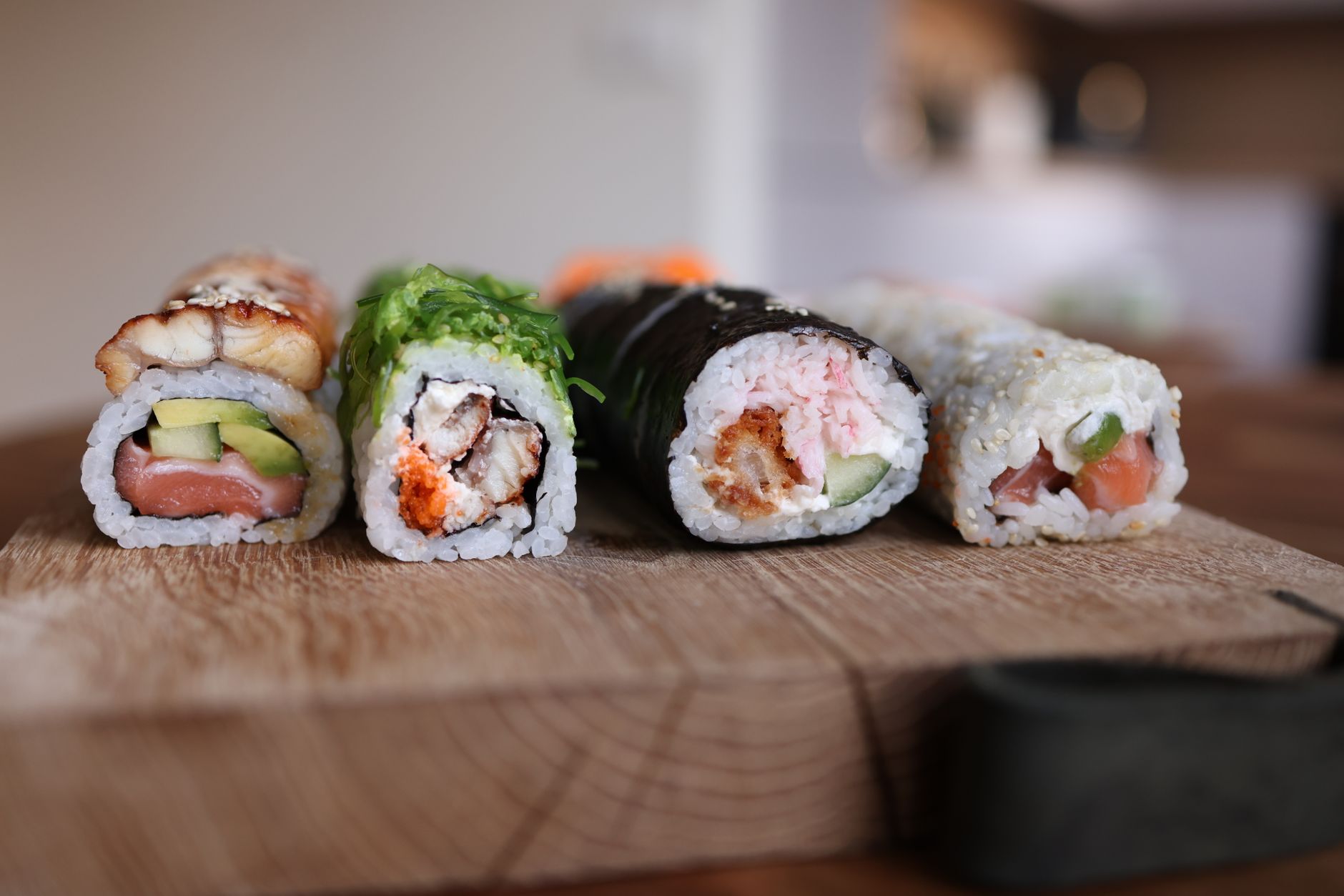
Related sushi rolls: safety at a glance
If you’re curious about the safety of other popular sushi rolls during pregnancy, here’s a quick comparison to help you make informed choices. Remember, the key is to avoid raw fish and opt for fully cooked or vegetarian options whenever possible.
| Sushi Roll | Verdict | Notes |
|---|---|---|
| California roll | ✅ Generally safe | Made with imitation crab (cooked), avocado, and cucumber. Confirm the crab is not raw. |
| Spicy tuna roll | ❌ Avoid | Contains raw tuna, which carries risks of parasites and mercury. |
| Rainbow roll | ❌ Avoid | Typically includes raw fish (tuna, salmon, etc.), which is unsafe during pregnancy. |
| Philadelphia roll | ⚠️ Safe if cooked | Some versions use smoked salmon (technically cooked but may carry Listeria risk). Ask for fully cooked salmon. |
| Eel roll | ✅ Generally safe | Eel is almost always cooked in sushi, making this a safe option. |
| Tempura roll | ✅ Generally safe | Made with tempura-fried vegetables or shrimp, which are fully cooked. |
| Salmon nigiri | ❌ Avoid | Salmon is typically served raw in nigiri, which is unsafe during pregnancy. |
| Sashimi | ❌ Avoid | Sashimi is raw fish served without rice, which carries the same risks as raw fish in sushi rolls. |
Myth vs. fact
Myth: All sushi is unsafe during pregnancy.
Fact: Not all sushi is off-limits! Rolls made with fully cooked ingredients (like California rolls, eel rolls, or vegetable tempura rolls) are generally safe to enjoy during pregnancy. The key is to avoid raw or undercooked fish, which carries a small risk of foodborne illness.
Myth: If I’ve eaten sushi before without getting sick, it’s safe to eat during pregnancy.
Fact: While your personal history with sushi may make you feel more comfortable, pregnancy changes your immune system. Your body is more vulnerable to foodborne illnesses like Listeria, which can harm your baby even if you don’t feel sick. It’s best to follow the guidelines from ACOG and FDA to minimize risk.
Myth: Freezing sushi kills all bacteria and parasites, making it safe to eat.
Fact: While freezing can kill some parasites, it doesn’t eliminate all bacteria, including Listeria. The FDA recommends avoiding raw or undercooked fish during pregnancy, even if it’s been frozen.
Key takeaways
- Traditional dragon rolls with raw fish are not safe during pregnancy due to the risk of Listeria, parasites, and mercury. However, cooked versions can be enjoyed in moderation.
- Always confirm how the dragon roll is prepared—ask for fully cooked eel or tuna and avoid raw toppings or fillings.
- Limit your intake to 1 cooked dragon roll per week (about 2–3 ounces of fish) to stay within the FDA’s recommended seafood guidelines.
- Opt for safer alternatives like California rolls, vegetable tempura rolls, or cooked shrimp rolls if you’re unsure about the preparation.
- Pre-packaged sushi (like SushiGo) carries a higher risk of contamination and should be avoided during pregnancy, especially if it contains raw fish.
- If you have gestational diabetes, be mindful of the rice, eel sauce, and tempura batter in dragon rolls, as these can cause blood sugar spikes.
- Monitor for symptoms of foodborne illness (fever, muscle aches, nausea, diarrhea) and contact your healthcare provider if you experience any of these after eating sushi.
Frequently asked questions
Can pregnant women eat sushi?
Yes, but with caution. Pregnant women can safely eat sushi that is made with fully cooked ingredients, such as California rolls (with imitation crab), vegetable rolls, or rolls with cooked eel or shrimp. The key is to avoid raw or undercooked fish, which carries a small risk of foodborne illnesses like Listeria. Always confirm how the sushi is prepared before eating.
Is raw fish safe during pregnancy?
No, raw fish is not considered safe during pregnancy. The ACOG and FDA recommend avoiding raw or undercooked fish due to the risk of Listeria, parasites, and mercury. These can harm your baby’s development and may lead to complications like miscarriage or preterm labor. Opt for fully cooked fish instead.
What sushi rolls are safe for pregnant women?
Safe sushi rolls for pregnant women include those made with fully cooked ingredients or vegetarian options. Some examples are California rolls (with imitation crab), vegetable tempura rolls, cooked shrimp rolls, avocado rolls, cucumber rolls, and eel (unagi) rolls. Always confirm that the fish is cooked through and avoid raw toppings or fillings.
How many sushi rolls can I eat while pregnant?
The number of sushi rolls you can safely eat during pregnancy depends on the ingredients. If you’re opting for cooked or vegetarian rolls, you can enjoy 1–2 rolls per week as part of your 8–12 ounces of low-mercury seafood. If the roll contains high-mercury fish like tuna, limit your intake to 4 ounces per week. Always prioritize fully cooked ingredients to minimize risk.
Does avocado in sushi affect pregnancy?
No, avocado in sushi is safe and even beneficial during pregnancy. Avocado is rich in healthy fats, folate, and fiber, which support your baby’s development and your overall health. It’s a great addition to pregnancy-safe sushi rolls like California rolls or avocado rolls.
Are there any sushi restaurants that offer pregnancy-safe options?
Yes! Many sushi restaurants offer pregnancy-safe options or are willing to modify rolls to make them safe. Look for restaurants that have a dedicated "cooked sushi" section on the menu or ask your server for recommendations. Some chains, like Kona Grill or RA Sushi, offer cooked sushi options that are safe for pregnant women. Always confirm how the roll is prepared before ordering.
Can I eat dragon roll if I'm pregnant and have a seafood allergy?
If you have a seafood allergy, it’s best to avoid dragon rolls entirely, even if the fish is cooked. Cross-contamination is a risk in sushi restaurants, and even small amounts of allergens can trigger a reaction. Opt for vegetarian rolls like avocado or cucumber rolls instead, and always inform your server about your allergy to ensure your food is prepared safely.
Is it okay to eat sushi with soy sauce during pregnancy?
Yes, it’s generally safe to eat sushi with soy sauce during pregnancy, as long as the sushi itself is made with fully cooked ingredients. However, soy sauce is high in sodium, which can contribute to swelling or high blood pressure in some pregnant women. If you’re watching your sodium intake, opt for low-sodium soy sauce or use it sparingly.
When to call your doctor
While the risk of foodborne illness from sushi is relatively low, it’s important to know the signs of potential complications. Contact your healthcare provider if you experience any of the following after eating sushi or any other food:
- Fever or chills
- Severe nausea or vomiting
- Diarrhea that lasts more than 24 hours
- Muscle aches or stiffness
- Headache or confusion
- Vaginal bleeding or cramping
- Decreased fetal movement (after 24 weeks)
These symptoms could indicate a foodborne illness like Listeria or another infection that requires medical attention. If you’re ever unsure, it’s always better to err on the side of caution and give your provider a call.
This article is for informational purposes only and is not a substitute for professional medical advice, diagnosis, or treatment. Always consult your healthcare provider with any questions or concerns about your pregnancy.
References
- American College of Obstetricians and Gynecologists (ACOG). (2021). Nutrition During Pregnancy. ACOG.
- U.S. Food and Drug Administration (FDA). (2022). Advice About Eating Fish: For Women Who Are or Might Become Pregnant, Breastfeeding Mothers, and Young Children. FDA.
- National Health Service (NHS). (2023). Foods to Avoid in Pregnancy. NHS.
- Centers for Disease Control and Prevention (CDC).

