Limit Doritos during pregnancy. While not toxic, high sodium and artificial additives may pose risks. Learn safe amounts, trimester concerns, and healthier alternatives.
By Shubhra Mishra — a mom of two who turned her own confusion during pregnancy into BumpBites, a global mission to make food choices clear, safe, and stress-free for every expecting mother. 💛
Check whether any food is safe during pregnancy with the BumpBites Food Safety Checker.
Quick verdict: ⚠️ Safe with limits – occasional Doritos are generally okay, but keep portions small and watch sodium, MSG, and artificial‑color intake.
It’s 2 a.m., the pantry light flickers, and you reach for that familiar orange‑crisp bag of Doritos. “Is Doritos safe during pregnancy?” you whisper to the empty kitchen, heart racing because you’ve already taken a bite. You’re not alone—many expecting parents wonder whether their favorite snack might pose a hidden risk to their growing baby.
In short, eating Doritos in moderation is usually fine, but the high sodium, added fats, and artificial colors mean you should limit how often you reach for the bag. Below we break down the safety picture trimester by trimester, outline a sensible serving size, compare Doritos to healthier chip options, and give you clear next steps so you can enjoy cravings without unnecessary worry.
We’ll answer the most common questions—like whether the Nacho Cheese flavor differs from the original, if artificial colors raise any red flags, and how Doritos might affect conditions such as hypertension or gestational diabetes. By the end, you’ll know exactly how many Doritos are okay, what safer alternatives exist, and when it’s time to call your provider.
Because nutrition labels can be confusing, we’ll also walk you through how to read the packaging, spot hidden sodium, and choose the best‑suited variety for pregnancy. If you’ve already indulged, take a deep breath—most of the guidance below will help you get back on track without panic.
Late‑night cravings happen; a mindful portion can keep you comfortable.
Stage of pregnancy
Verdict
Notes
First trimester
⚠️ Limit
High sodium & additives can aggravate nausea; keep to ≤1 serving/week.
Second trimester
⚠️ Limit
Moderate intake (≤1 serving/2 weeks) is acceptable if overall diet is balanced.
Third trimester
⚠️ Limit
Watch for excess calories and sodium, especially if blood pressure rises.
Breastfeeding
⚠️ Limit
Same guidelines as pregnancy; high‑salt foods can affect milk production.
What are Doritos?
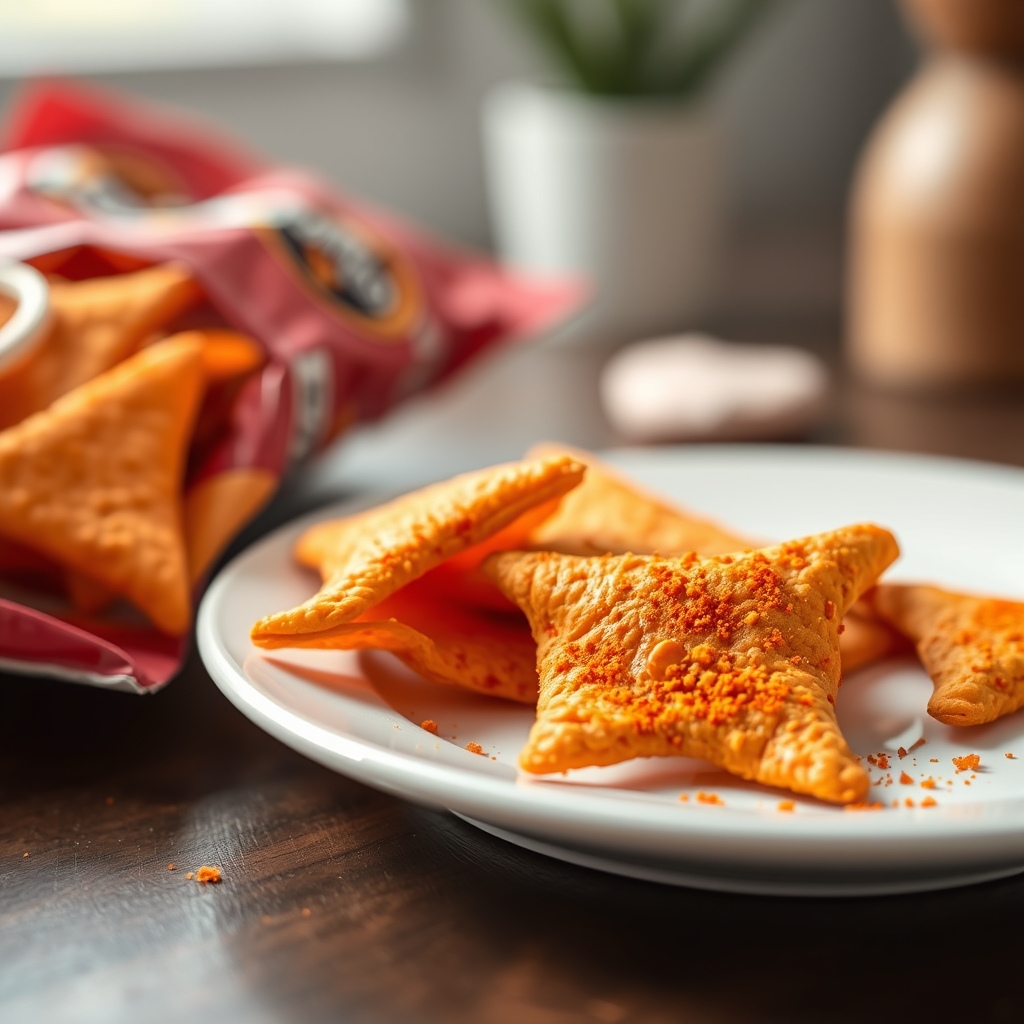
Doritos are a brand of flavored, baked corn tortilla chips made by Frito‑Lay. The classic “Nacho Cheese” and “Cool Ranch” varieties are coated with a blend of cheese powder, salt, monosodium glutamate (MSG), spices, and artificial colorants such as Yellow 5 and Red 40. The chips are typically baked, not fried, but they still contain added fats (often palm oil) and a fair amount of sodium—about 300 mg per 28‑gram serving. A standard bag (about 140 g) provides roughly 700 kcal, 10 g of fat, and 1,500 mg of sodium.
Consumers love Doritos for their crunch and bold flavor, which makes them a go‑to snack for cravings, road trips, and late‑night study sessions. While they’re convenient, the ingredient list includes several components that obstetric guidelines flag for pregnant people: high sodium, added fats, MSG, and artificial colors. Understanding how each of these interacts with pregnancy physiology helps you decide whether an occasional handful fits into a balanced prenatal diet.
From a nutritional standpoint, Doritos are low in fiber and micronutrients. They provide minimal iron, calcium, or folate—nutrients that are especially important during pregnancy. Because they are calorie‑dense, they can displace more nutrient‑rich foods if eaten frequently. This is why many dietitians recommend pairing Doritos with a source of protein or fiber, such as a handful of almonds or a side of carrot sticks, to temper blood‑sugar spikes and improve satiety.
When you scan the nutrition label, pay special attention to the “Sodium” line and any “Reduced Sodium” claims. Some limited‑edition flavors contain up to 400 mg of sodium per serving, so the “low‑sodium” badge isn’t universal across the brand. Knowing how to read these details empowers you to make an informed choice that aligns with your prenatal nutrition goals.
The iconic cheese coating gives Doritos their signature flavor.
Is Doritos safe during pregnancy?
Current guidance from the American College of Obstetricians and Gynecologists (ACOG) and the UK’s National Health Service (NHS) does not label Doritos as a “dangerous” food, but both organizations emphasize moderation with salty, processed snacks. The FDA does not list any of Doritos’ ingredients as teratogenic, meaning they are not known to cause birth defects. However, the high sodium content can exacerbate water retention and raise blood pressure, especially in the second and third trimesters when preeclampsia risk rises.
Monosodium glutamate (MSG) is a flavor enhancer that some people worry about, but the FDA has classified MSG as “generally recognized as safe” (GRAS). Studies have not shown MSG to be harmful in pregnancy when consumed at typical dietary levels. Artificial colors—Yellow 5 (Tartrazine) and Red 40 (Allura Red)—have been scrutinized for potential behavioral effects in children, yet evidence for fetal harm remains inconclusive. The CDC notes that excessive intake of artificial dyes is not recommended for pregnant women because of the theoretical risk of allergic reactions.
In practice, the main concerns with Doritos are nutritional: excess calories, saturated fats, and especially sodium. The NHS recommends that pregnant people keep daily sodium intake below 2,300 mg. A single serving of Doritos already provides about 300 mg, which can quickly add up if you snack on them frequently. Therefore, the safest approach is to treat Doritos as an occasional treat rather than a staple.
For those with pre‑existing conditions such as hypertension, gestational diabetes, or a history of preeclampsia, the American Heart Association and ACOG advise stricter sodium monitoring. In those cases, limiting Doritos to no more than once a month—or opting for a reduced‑sodium version—can help keep blood‑pressure and glucose levels within target ranges.
Beyond the individual ingredients, it’s helpful to view Doritos within the context of your overall diet. If the majority of your meals are rich in fruits, vegetables, lean proteins, and whole grains, an occasional bag of Doritos is unlikely to tip the balance. However, if other snack choices are also high‑sodium or high‑fat, you may need to be more vigilant about portion sizes.
Are Doritos safe to eat during the first trimester?
The first trimester is the period of organogenesis, when the fetus’s major organs form. While Doritos do not contain known teratogens, the high sodium and artificial colors can aggravate common first‑trimester symptoms such as nausea, vomiting, and food aversions. If you’re experiencing hyperemesis gravidarum, the salty crunch may worsen dehydration. A small portion (about 15 g) once a week is unlikely to cause harm, but listen to your body and prioritize hydration and nutrient‑dense foods.
Can I eat Doritos in the second trimester without any risk?
During the second trimester, many pregnant people feel more stable, but blood‑pressure monitoring becomes more important. The American Heart Association advises that excessive sodium can contribute to hypertension. If you have a normal blood‑pressure reading, an occasional serving (≈28 g) of Doritos is acceptable, provided the rest of your diet stays low‑salt. Women with a history of preeclampsia should be especially cautious and discuss snack choices with your provider.
How many Doritos can a pregnant woman have per day?
Nutrition experts typically recommend no more than one serving of salty processed snacks per week for pregnant women. Translating that to Doritos means roughly 1 ounce (28 g)—about 12‑15 chips—spread across the week. This amount delivers about 300 mg of sodium, 10 g of fat, and 140 kcal, fitting within a balanced diet that includes plenty of fruits, vegetables, lean proteins, and whole grains.
Do flavored Doritos with artificial colors pose a higher risk during pregnancy?
Flavors like “Cool Ranch” and “Nacho Cheese” contain artificial colorants (Yellow 5, Red 40) that some pregnant people prefer to avoid. While there is no conclusive evidence that these dyes cause fetal harm, the FDA advises limiting exposure to artificial colors during pregnancy as a precautionary measure. If you’re concerned, choose plain, uncolored varieties (e.g., “Doritos Simply Cheese” with reduced color additives) or limit consumption to a few times per month.
Is there a difference in safety between regular Doritos and Doritos Nacho Cheese for pregnant women?
Both regular (plain) Doritos and the Nacho Cheese version share the same base corn chip and similar sodium levels. The Nacho Cheese flavor, however, adds more cheese powder, which raises both fat and calorie content slightly. The safety profile regarding sodium, MSG, and artificial colors remains comparable, so the same moderation guidelines apply to both.
What are the potential health risks of eating Doritos while pregnant?
Key risks stem from excessive sodium, added fats, and artificial additives:
High sodium can increase blood pressure, contribute to edema, and raise the chance of preeclampsia.
Added fats (especially saturated fats) add extra calories, which may lead to excessive weight gain if not balanced.
Artificial colors may trigger allergic reactions or, theoretically, affect fetal development, though evidence is limited.
MSG is generally safe but can cause mild headache or flushing in sensitive individuals.
Overall, occasional consumption is unlikely to cause serious problems, but habitual high‑intake could exacerbate hypertension, gestational diabetes, or unwanted weight gain.
Are there healthier chip alternatives for pregnant women?
Choosing snacks that are lower in sodium, free of artificial colors, and higher in fiber can support a healthier pregnancy. Options such as baked sweet‑potato chips, plain popcorn, or roasted chickpeas provide crunch without the sodium overload. These alternatives also contribute beneficial nutrients—like potassium from sweet potatoes or plant protein from chickpeas—that help offset the occasional indulgence in Doritos.
Can Doritos contribute to pregnancy complications like hypertension or gestational diabetes?
While Doritos alone won’t cause hypertension or gestational diabetes, their high sodium and calorie density can aggravate underlying risk factors. If you already have elevated blood pressure or a family history of diabetes, limiting salty snacks—including Doritos—can help keep your glucose and blood‑pressure in a healthier range. Pairing any snack with a balanced meal (protein, fiber, and healthy fats) is a practical way to mitigate spikes.
Do Doritos affect hydration status during pregnancy?
High‑sodium foods like Doritos can increase your body’s demand for water, potentially leading to mild dehydration if you don’t compensate with extra fluids. Dehydration is especially concerning in the first trimester, when nausea already threatens fluid balance. The Mayo Clinic recommends drinking an additional 8‑10 oz of water for every 1,000 mg of sodium consumed, so a serving of Doritos (≈300 mg sodium) calls for roughly 2‑3 oz of extra water.
Can I make a pregnancy‑friendly version of Doritos at home?
Homemade baked tortilla chips allow you to control salt, fat, and color additives. By lightly brushing whole‑corn tortillas with olive oil, sprinkling a modest amount of sea salt, and baking them at 350 °F for 10‑12 minutes, you can achieve a crunchy snack that contains far less sodium—often under 100 mg per serving. Adding a dash of nutritional yeast can give a cheesy flavor without the artificial dyes.
Do reduced‑sodium Doritos exist and are they safer?
Some manufacturers have introduced “Reduced Sodium” versions of popular Doritos flavors, cutting the sodium per serving by roughly 30‑40 percent. While these options lower the sodium burden, they still contain added fats and artificial colors, so the same moderation principles apply. If you’re monitoring blood pressure closely, opting for the reduced‑sodium line can be a modest improvement, but pairing any Doritos serving with water and a fiber‑rich side remains the best strategy.
Consider swapping Doritos for lower‑sodium options like baked sweet potato chips or roasted chickpeas.
Safety by trimester
First trimester (weeks 1‑13)
Organogenesis makes this the most sensitive window for any teratogenic exposure, but Doritos contain no known teratogens. The primary concern is symptom aggravation: high sodium may worsen nausea, and artificial colors can occasionally trigger mild allergic reactions. If you’re experiencing severe morning sickness, it may be wise to avoid salty snacks altogether and opt for bland, low‑salt options like plain crackers or toast.
Second trimester (weeks 14‑27)
Blood‑pressure checks become routine during this period. The American College of Obstetricians and Gynecologists (ACOG) notes that excessive sodium intake can contribute to gestational hypertension. An occasional Doritos serving—provided your overall diet remains low‑salt—won’t usually pose a problem. However, if you have a history of preeclampsia, discuss snack frequency with your provider and consider reduced‑sodium versions.
Third trimester (weeks 28‑40)
Swelling, or edema, often increases as the uterus puts pressure on veins. High‑sodium foods can exacerbate this fluid retention. Additionally, many women develop heartburn in the third trimester; the fat and salt in Doritos can trigger reflux. If you notice worsening heartburn after snacking, try limiting Doritos to once a month and pair the chips with a glass of water or a piece of fruit.
Breastfeeding
While the infant’s exposure to sodium through breastmilk is minimal, a mother’s diet does influence milk composition indirectly. High‑salt diets can affect maternal hydration and may reduce milk supply in some individuals. Maintaining the same “≤1 ounce per week” guideline helps keep sodium intake modest while you continue to nourish both yourself and your baby.
Safe dosage / amount / brands
For most pregnant people, a safe serving of Doritos is about 1 ounce (28 g), which translates to roughly 12‑15 chips. This serving contains about 300 mg of sodium, 10 g of fat, and 140 kcal. The following guidelines can help you stay within a balanced diet:
Frequency: No more than 1 serving per week.
Portion control: Measure chips with a small kitchen scale or use the official “serving size” label on the bag.
Brand considerations: Choose the original “Doritos” or “Doritos Nacho Cheese” varieties that list lower sodium on the nutrition label; newer “Light” or “Reduced Sodium” versions (if available) are preferable.
Combine with fiber: Pair a small portion of Doritos with a fiber‑rich food like a handful of unsalted almonds or carrot sticks to moderate blood‑sugar spikes.
If you’re watching sodium closely, look for Doritos products that advertise “Reduced Sodium” or “No Artificial Colors.” Always read the nutrition facts panel—some limited‑edition flavors contain up to 400 mg of sodium per serving.
For those who prefer a more controlled snack, consider purchasing single‑serve bags (often 1‑oz) instead of bulk containers. This reduces the temptation to over‑eat and makes it easier to track weekly intake.
Consider swapping Doritos for lower‑sodium options like baked sweet potato chips or roasted chickpeas.
Side effects and risks
Most side effects from Doritos are mild and relate to its high sodium and fat content:
Water retention and swelling – Excess sodium can cause puffiness, especially in the hands and feet.
Blood‑pressure rise – If you already have hypertension, a salty snack may push readings higher.
Heartburn – The combination of salt and fat can trigger reflux, a common pregnancy complaint.
Allergic reactions – Rarely, artificial colors like Yellow 5 can cause hives or itching; seek medical attention if you notice a rash.
Gestational‑diabetes concerns – Frequent high‑calorie snacks may contribute to elevated glucose levels; monitor blood sugar if you have risk factors.
While these issues are generally not emergencies, you should contact your obstetric provider if you experience persistent swelling, a sudden blood‑pressure jump (≥140/90 mmHg), severe headache, visual changes, or any allergic reaction after eating Doritos.
Safer alternatives
Baked Sweet Potato Chips – Lower sodium, rich in potassium and vitamin A.
Plain Popcorn – Whole‑grain, high in fiber, and can be seasoned with a pinch of sea salt.
Carrot Sticks with Hummus – Provides beta‑carotene and plant‑based protein without added sodium.
Apple Slices – Naturally sweet, hydrating, and free of additives.
Whole Grain Rice Cakes – Light crunch, low‑fat, and can be topped with avocado for healthy fats.
Kale Chips – Baked, nutrient‑dense, and typically low in sodium.
Roasted Chickpeas – Crunchy, high in protein and fiber, with minimal added salt.
Lentil Chips – Offer plant protein and are often made with less sodium than traditional corn chips.
Seaweed Snacks – Provide iodine and are naturally low in calories, though watch for added soy sauce.
Unsalted Almonds – Healthy fats and protein; satisfy cravings without the salt.
Related items — safety at a glance
Snack
Verdict
One‑line note
Cheetos
⚠️ Limit
Similar sodium and artificial color profile as Doritos.
Lay's Classic Potato Chips
⚠️ Limit
Higher fat content; moderate sodium.
Pringles Original
⚠️ Limit
Processed snack; watch portion size.
Ruffles Original
⚠️ Limit
Thicker chips, more calories per serving.
Tortilla Chips
⚠️ Limit
Often salty; choose baked versions.
Pita Chips
⚠️ Limit
Can be lower‑sodium if baked without added salt.
Veggie Straws
⚠️ Limit
May contain artificial flavors; check labels.
SunChips Multigrain
⚠️ Limit
Whole‑grain but still high in sodium.
Popcorn
✅ Generally safe
Low sodium when air‑popped; add minimal salt.
Pretzels
✅ Generally safe
Low fat; watch for added sodium in flavored varieties.
Myth vs. fact
Myth: “All processed chips are unsafe for pregnant women.”
Fact: Processed chips like Doritos are not outright dangerous, but the high sodium and artificial additives mean they should be limited to occasional servings.
Myth: “Artificial colors in Doritos cause birth defects.”
Fact: Current FDA and ACOG guidance does not link the specific colorants in Doritos to fetal malformations, though limiting artificial dyes is a precaution many providers suggest.
Myth: “If I can’t stop eating Doritos, my baby will be harmed.”
Fact: Cravings are common; moderation and a balanced diet are far more important than occasional snack indulgence.
Key takeaways
✅ Doritos are not a teratogen, but keep portions to ≤1 ounce (≈12‑15 chips) per week.
⚠️ High sodium can raise blood pressure; monitor your intake, especially in later trimesters.
💡 Choose reduced‑sodium or no‑color‑additive versions when possible.
🍎 Pair Doritos with fiber‑rich foods or swap for lower‑sodium snacks like popcorn or roasted chickpeas.
📞 Contact your provider if you notice swelling, high blood pressure, or allergic reactions after snacking.
Frequently asked questions
Can I eat Doritos while pregnant?
Yes, you can eat Doritos while pregnant, but limit yourself to about one ounce (28 g) per week and choose lower‑sodium varieties when available.
Are Doritos safe for a baby?
Doritos are not known to be harmful to the developing baby when consumed in moderation; the main concern is maternal sodium and calorie intake, not direct fetal toxicity.
What ingredients in Doritos could be harmful during pregnancy?
The primary concerns are high sodium, added fats, MSG, and artificial colors (Yellow 5, Red 40); none are proven teratogens, but they can affect maternal blood pressure and cause mild allergic reactions.
How much sodium is too much for pregnant women?
The NHS and ACOG recommend staying below 2,300 mg of sodium per day; a single serving of Doritos provides roughly 300 mg, so frequent servings could push you over this limit.
Do artificial colors in Doritos affect fetal development?
Current evidence does not show a direct effect on fetal development, but many clinicians advise limiting artificial dyes as a precautionary measure.
Can eating Doritos cause morning sickness?
While Doritos themselves don’t cause morning sickness, their salty flavor may worsen nausea for some pregnant people, especially in the first trimester.
Is it okay to eat Doritos if I have gestational diabetes?
If you have gestational diabetes, you should monitor carbohydrate and calorie intake; an occasional Doritos serving is permissible if it fits within your overall carbohydrate budget and you balance it with protein or fiber.
Do Doritos contain any allergens that are risky for pregnant women?
Doritos contain dairy (cheese powder) and may have traces of soy or wheat depending on the flavor; if you have known allergies, read the label carefully and consult your provider.
What should I do if I accidentally ate a whole bag of Doritos?
Stay calm—one episode of over‑eating isn’t usually dangerous. Drink plenty of water to help your body flush excess sodium, and monitor your blood pressure and swelling over the next 24 hours. If you notice a sudden rise in blood pressure (≥140/90 mmHg) or severe swelling, call your obstetric provider.
Are homemade Doritos safer than store‑bought?
Homemade baked tortilla chips let you control salt, fat, and color additives, often resulting in a lower‑sodium snack. However, the overall safety still depends on portion size and overall diet quality, so treat them with the same moderation guidelines as the packaged version.
What should I do if I’m craving Doritos more often?
First, assess whether you’re getting enough protein, fiber, and healthy fats in your meals—cravings often signal a nutritional gap. Try swapping a portion of Doritos for a protein‑rich snack like a handful of nuts or Greek yogurt. If cravings persist, discuss them with your provider; they can help ensure you’re meeting your prenatal nutrient needs without over‑relying on salty snacks.
Can I eat Doritos if I’m vegetarian or vegan during pregnancy?
Most Doritos flavors contain dairy‑derived cheese powder, so they aren’t suitable for strict vegans. Vegetarian‑friendly options exist (e.g., “Doritos Simply Cheese” may still contain dairy). For a fully plant‑based snack, consider baked lentil chips or roasted chickpeas, which provide protein and fiber without animal‑derived ingredients.
When to call your doctor
Contact your obstetric provider promptly if you experience any of the following after eating Doritos:
Severe headache, visual changes, or upper‑abdominal pain.
Rash, itching, or any signs of an allergic reaction.
Persistent heartburn that interferes with sleep or nutrition.
These symptoms may signal conditions such as preeclampsia, gestational hypertension, or an allergic response that need medical evaluation. Remember, this article provides general information and is not a substitute for personalized medical advice.
References
American College of Obstetricians and Gynecologists. “Nutrition During Pregnancy.” ACOG Committee Opinion, 2020.
National Health Service (UK). “Food and Drink Safety in Pregnancy.” NHS, 2022.
U.S. Food and Drug Administration. “Food Additives and Ingredients.” FDA, accessed 2024.
Centers for Disease Control and Prevention. “Pregnancy and Nutrition.” CDC, 2023.
Mayo Clinic. “Gestational hypertension.” Mayo Clinic, 2021.
World Health Organization. “Guidelines on Sodium Intake.” WHO, 2019.
American Heart Association. “Sodium and Your Health.” AHA, 2021.
British Nutrition Foundation. “Salt and Pregnancy.” BNF, 2023.
Not sure about the label on Is Doritos Safe During Pregnancy products?
Snap the ingredients list and SafeFilter checks every ingredient for your stage — only 3 free scans this month, then you're locked until reset. Unlimited from $7/mo or $50/yr.
When Shubhra Mishra was expecting her first child in 2016, she was overwhelmed by conflicting food advice — one site said yes, another said never. By the time her second baby arrived in 2019, she realized millions of mothers face the same confusion.
That sparked a five-year journey through clinical nutrition papers, cultural diets, and expert conversations — all leading to BumpBites: a calm, compassionate space where science meets everyday motherhood.
Her long-term vision is to build a global community ensuring safe, supported, and free deliveriesfor every mother — because no woman should face pregnancy alone or uninformed. 🌿
🌍 Stand with mothers, shape safer guidance
Join a small circle of experts who review BumpBites articles so expecting parents everywhere can decide with confidence.