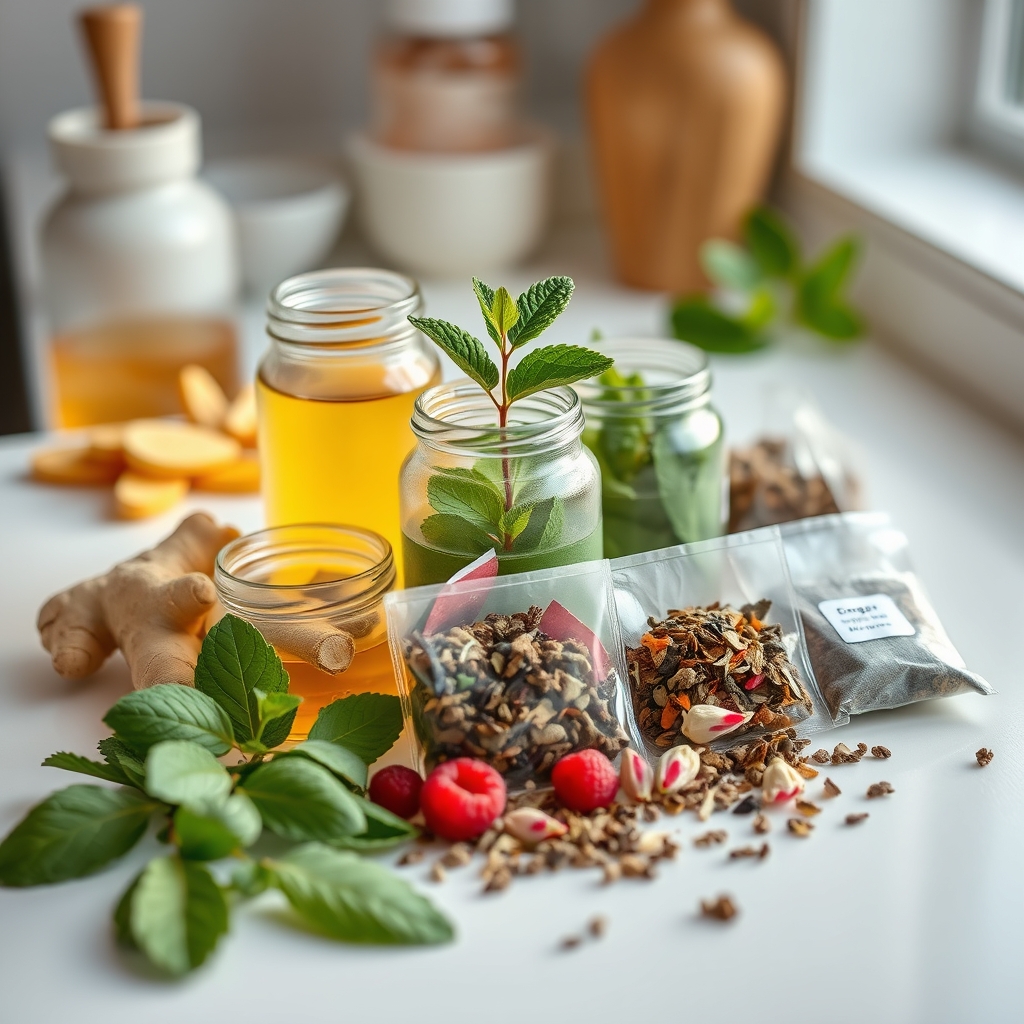
Is dandelion root tea safe during pregnancy? While generally considered low-risk in moderation, consult your doctor. Limited research on its effects means conditional use is advised.
By Shubhra Mishra — a mom of two who turned her own confusion during pregnancy into BumpBites, a global mission to make food choices clear, safe, and stress-free for every expecting mother. 💛
Check whether any food is safe during pregnancy with the BumpBites Food Safety Checker.
Quick verdict: ⚠️ Talk to your doctor first. While dandelion is generally recognized as safe for non-pregnant adults, there is a significant lack of scientific research on the safety of dandelion root tea during human pregnancy. Most obstetricians and herbalists recommend caution and avoiding it unless specifically advised by your healthcare provider.
That moment when you're pregnant, reaching for a comforting cup of tea, and suddenly a wave of panic hits: "Is this safe?" If you've found yourself wondering, "is dandelion root tea safe during pregnancy?", you're not alone. Many expecting parents turn to herbal remedies for common pregnancy discomforts, or simply for their familiar taste and perceived health benefits. However, the world of herbal teas can be a confusing landscape when you're pregnant, especially with so much conflicting information online.
At BumpBites, we understand the late-night Google searches and the anxiety that comes with every decision when you're growing a tiny human. When it comes to dandelion root tea, the short answer is that while it’s generally considered safe for non-pregnant individuals, there’s a lack of robust scientific evidence to confirm its safety for expectant mothers. Because of this, most healthcare providers recommend erring on the side of caution. We'll dive into what the experts say, potential risks, and plenty of safe, soothing alternatives you can enjoy instead.
Trimester/Stage
Verdict
Notes
First Trimester
⚠️ Best Avoided
Period of major organ development (organogenesis); lack of safety data makes caution paramount.
Second Trimester
⚠️ Best Avoided
Continued lack of safety data; potential diuretic effects could impact hydration and electrolyte balance.
Third Trimester
⚠️ Best Avoided
No specific safety data; concerns about diuretic effects and potential drug interactions, especially closer to labor.
Breastfeeding
⚠️ Talk to Your Doctor
Limited human studies on transfer to breast milk and effects on infants. Consult your healthcare provider.
What is Dandelion Root Tea?
Dandelion root tea is an herbal infusion made from the roots of the common dandelion plant (Taraxacum officinale), a resilient weed found in many parts of the world. While often seen as a garden pest, every part of the dandelion plant, from its leaves to its flowers and roots, has been used in traditional medicine for centuries. The roots, in particular, are known for their bitter taste and are often roasted before being steeped into a tea, giving them a flavor reminiscent of coffee.
Historically, dandelion root has been used as a diuretic, a liver tonic, and to support digestion. It's rich in vitamins A, C, K, E, and B vitamins, as well as minerals like iron, calcium, magnesium, and potassium. The root contains compounds like inulin, a type of prebiotic fiber, and taraxasterol, which are believed to contribute to its purported health benefits. People often drink dandelion root tea for "detoxification," to help with fluid retention, or to support liver and gallbladder function. Given these traditional uses, it's understandable why pregnant individuals might consider it for issues like swelling or digestive upset.
Is Dandelion Root Tea Safe During Pregnancy?
When it comes to the question, "is dandelion root tea safe during pregnancy?", the consensus among medical professionals and leading health organizations like the American College of Obstetricians and Gynecologists (ACOG) and the NHS is one of caution due to a significant lack of research. While dandelion is often listed on the FDA's "Generally Recognized as Safe" (GRAS) list for use in food for the general population, this designation does not specifically address its safety during pregnancy at medicinal doses or as a regular beverage.
Most of the research on dandelion's medicinal properties has been conducted in animal studies or in non-pregnant human populations. There are virtually no well-controlled, peer-reviewed studies specifically investigating the effects of dandelion root tea on pregnant women or their developing babies. This absence of evidence means that we simply don't have enough information to definitively say it's safe, which is why healthcare providers typically advise against it or recommend seeking explicit medical guidance before consumption.
The concern isn't necessarily that dandelion root tea is proven harmful, but rather that its potential effects during pregnancy are unknown. Without clear data, it's impossible to rule out risks to the developing fetus or to the pregnant person. For this reason, BumpBites, in alignment with obstetric guidance, recommends that you discuss any herbal remedies, including dandelion root tea, with your doctor or midwife before incorporating them into your pregnancy diet.
Consider discussing any herbal teas, including dandelion root tea, with your healthcare provider during pregnancy.
Is Dandelion Root Tea Safe in Early Pregnancy?
The first trimester is a critical period for fetal development, known as organogenesis, where all of the baby's major organs begin to form. During this vulnerable time, exposure to substances that could potentially interfere with development is of particular concern. Given the severe lack of specific safety studies on dandelion root tea in pregnant humans, especially during early pregnancy, most medical professionals advise against its use.
Even if a substance is generally considered "mild," the effects on a rapidly developing embryo could be different. Without clear evidence to support its safety, the potential for unforeseen interactions or effects on organ formation means that avoiding dandelion root tea during the first trimester is the safest approach. Your healthcare provider can offer personalized advice based on your health history.
Dandelion Root Tea in the Second Trimester
As you move into the second trimester, the risks associated with organogenesis lessen, but the overall lack of safety data for dandelion root tea during pregnancy remains. While some pregnant individuals might experience less nausea and more energy in the second trimester, concerns about the tea's diuretic properties and potential interactions with other medications or pre-existing conditions persist. Maintaining proper hydration and electrolyte balance is crucial throughout pregnancy, and substances with diuretic effects could potentially disrupt this balance.
Dandelion Root Tea in the Third Trimester
In the third trimester, as your body prepares for labor and delivery, new considerations arise. The potential for dandelion root tea to act as a diuretic means it could impact fluid balance, which is particularly important as your body manages increased blood volume and prepares for birth. There's also the ongoing concern about interactions with any medications you might be taking, including those for common third-trimester issues like gestational diabetes or high blood pressure. Again, due to the absence of specific research on dandelion root tea and its effects on labor or fetal well-being in late pregnancy, caution is advised.
Dandelion Root Tea While Breastfeeding
The question of "Can I drink dandelion tea while breastfeeding?" also lacks definitive answers. Just as with pregnancy, there is very little scientific research on the safety of dandelion root tea for lactating parents and its potential transfer to breast milk. While some traditional uses suggest it may help with milk supply or act as a mild diuretic, these claims are not backed by robust clinical evidence in breastfeeding populations.
Because substances consumed by a breastfeeding parent can pass into breast milk and potentially affect the baby, it's vital to exercise caution. The developing systems of newborns and infants are sensitive, and even small amounts of certain compounds could have an impact. Therefore, if you are breastfeeding and considering dandelion root tea, it is essential to consult with your doctor or a lactation consultant first.
How Much Dandelion Root Tea is Safe to Drink While Pregnant?
Since there's no conclusive scientific evidence establishing the safety of dandelion root tea during pregnancy, there is no recommended "safe" dosage or amount. Most healthcare providers advise against consuming it regularly or in medicinal quantities. If you have already consumed a small amount before realizing the potential concerns, try not to panic. A single, isolated cup is unlikely to cause harm, but it's always best to cease further consumption and mention it to your doctor at your next appointment.
For any herbal product, dosage can vary widely depending on the concentration of the tea (e.g., how much root is steeped, for how long) and whether it's a pure root tea, a blend, or an extract. This variability further complicates any attempt to define a "safe" amount. Given the lack of data, the safest approach is to avoid dandelion root tea unless explicitly cleared by your obstetrician, who can weigh potential benefits against unknown risks for your specific situation.
What are the Potential Risks of Dandelion Root Tea During Pregnancy?
Even though there's no direct evidence proving harm to pregnant individuals or fetuses, the potential risks associated with dandelion root tea during pregnancy are primarily theoretical, stemming from its known properties in non-pregnant individuals and the general caution surrounding unstudied herbs. These include:
Allergic Reactions: Dandelion is a member of the daisy family (Asteraceae/Compositae). Individuals with allergies to related plants like ragweed, chrysanthemums, marigolds, or daisies may experience allergic reactions, including skin rashes, hives, or difficulty breathing. Pregnancy can sometimes alter immune responses, making new sensitivities possible.
Diuretic Effects: Dandelion root is traditionally used as a diuretic, meaning it increases urine production. While this might seem appealing for pregnancy-related swelling, excessive diuretic action could potentially lead to dehydration and electrolyte imbalances, which are particularly risky during pregnancy. Maintaining adequate hydration is crucial for amniotic fluid levels and overall maternal health.
Blood Sugar Fluctuations: Some studies suggest dandelion may have an effect on blood sugar levels. For pregnant individuals, especially those with gestational diabetes or at risk for it, any substance that could impact blood glucose control needs to be approached with extreme caution.
Drug Interactions: Dandelion root can potentially interact with certain medications. For example, its diuretic effect could enhance the effects of diuretic drugs, leading to excessive fluid loss. It may also interact with blood thinners, lithium, and medications for diabetes. Given that many pregnant individuals take various medications or supplements, the risk of adverse interactions is a serious concern.
Gastrointestinal Upset: Some people experience stomach upset, heartburn, or diarrhea when consuming dandelion, especially in larger quantities or on an empty stomach. Pregnancy often brings its own digestive challenges, and adding a potentially irritating substance could exacerbate these.
Contamination/Purity: As with many herbal products, there's always a risk of contamination with pesticides, heavy metals, or other unintended substances, especially if the source is not reputable. The purity and standardization of herbal teas can vary significantly.
Are There Safe Alternatives to Dandelion Root Tea During Pregnancy?
Absolutely! If you're looking for comforting, flavorful, or symptom-relieving teas during pregnancy, there are many well-researched and generally safe options. Always choose high-quality, organic brands and consult your doctor if you have any underlying health conditions. Here are some excellent alternatives:
Ginger Tea: Excellent for nausea and morning sickness, ginger tea is widely regarded as safe and effective during pregnancy.
Peppermint Tea: Can help soothe an upset stomach and alleviate nausea, though some find it can worsen heartburn.
Red Raspberry Leaf Tea: Often recommended in the second and third trimesters, traditionally believed to help tone the uterus and prepare for labor (always discuss with your doctor first).
Chamomile Tea: Known for its calming properties, it can help with relaxation and sleep, but some sources advise moderation due to potential uterine stimulating effects in very high doses.
Lemon Water: A simple, refreshing option that can help with hydration and provide a boost of Vitamin C, often easing mild nausea.
Decaffeinated Green Tea: Offers antioxidants without the high caffeine content, providing a milder, earthy flavor.
Fruit-infused Water: A fantastic way to stay hydrated and add natural flavor without any herbal concerns; try slices of cucumber, berries, or citrus.
Related Items — Safety at a Glance
Navigating the world of herbal teas during pregnancy can be overwhelming. Here's a quick look at the safety of other common teas and herbs you might encounter:
Item
Verdict
Notes
Peppermint Tea
✅ Generally Safe
Often helps with nausea and indigestion. May worsen heartburn for some.
Ginger Tea
✅ Generally Safe
Excellent for morning sickness and nausea. Widely recommended by experts.
Chamomile Tea
⚠️ Safe with Limits
Generally considered safe in moderation for relaxation. High doses may be cautioned due to uterine effects.
Red Raspberry Leaf Tea
⚠️ Safe in Later Pregnancy
Often recommended in 2nd/3rd trimesters, believed to tone uterus. Discuss with doctor before use.
Nettle Leaf Tea
⚠️ Talk to Your Doctor
Rich in nutrients, but can have diuretic effects and potential blood-thinning properties. Use with caution.
Echinacea Tea
⚠️ Talk to Your Doctor
Often used for immune support, but limited pregnancy data. Some sources advise caution.
Licorice Root Tea
❌ Best Avoided
Associated with potential risks like increased blood pressure and preterm labor in high doses.
Green Tea
⚠️ Safe with Limits
Generally safe in moderation (1-2 cups/day) due to caffeine content. Choose decaffeinated for more.
Myth vs. Fact
There are many myths circulating about herbal remedies during pregnancy. Let's clear up a few common ones related to dandelion root tea.
Myth: Because dandelion is "natural," it must be safe during pregnancy.
Fact: Natural does not always mean safe, especially during pregnancy. Many natural substances, including certain herbs and essential oils, can have potent physiological effects and may pose risks to a developing fetus or the pregnant person. Always consult a healthcare provider before using any herbal remedy.
Myth: Dandelion root tea is a proven "detox" for the liver, and pregnancy is a good time to detox.
Fact: There is no scientific evidence to support the concept of "detoxing" your body with teas or special diets. Your liver and kidneys naturally detoxify your body very efficiently. During pregnancy, your body is working hard to support your baby, and introducing substances with unknown effects or trying to "detox" can be harmful. Focus on a balanced diet and hydration instead.
Myth: Dandelion root tea can induce labor naturally.
Fact: There is no scientific evidence to suggest that dandelion root tea can induce labor. While some herbs are traditionally associated with uterine toning (like red raspberry leaf in later pregnancy), dandelion root is not among them. Attempting to induce labor with unproven herbal remedies can be dangerous and should never be done without medical supervision.
Does Dandelion Root Tea Help with Swelling in Pregnancy?
The traditional use of dandelion root tea as a diuretic means it's often considered by pregnant people experiencing swelling (edema). While it might theoretically increase urine output, there's no specific evidence from human pregnancy studies to support its safe and effective use for reducing pregnancy-related swelling. In fact, relying on a diuretic herb without medical supervision could potentially lead to dehydration or electrolyte imbalances, which are particularly concerning during pregnancy.
Pregnancy swelling is often a normal physiological response to increased blood volume and pressure on veins. Safer and proven ways to manage swelling include elevating your feet, staying well-hydrated with plain water, wearing comfortable shoes, avoiding prolonged standing, and engaging in light exercise. Always discuss significant or sudden swelling with your doctor, as it can sometimes be a sign of a more serious condition like preeclampsia.
Is Roasted Dandelion Root Tea Safe During Pregnancy?
The process of roasting dandelion root primarily affects its flavor profile, giving it a more robust, coffee-like taste, and may slightly alter the chemical composition. However, roasting does not fundamentally change the root's active compounds or its overall safety profile regarding pregnancy. Therefore, whether the dandelion root tea is roasted or unroasted, the same cautionary advice applies: there is a lack of scientific research on its safety during human pregnancy.
The concerns regarding potential diuretic effects, allergic reactions, drug interactions, and the general absence of specific pregnancy safety data remain consistent for both roasted and unroasted forms of dandelion root tea. If you are pregnant and considering any form of dandelion root tea, it is crucial to consult your healthcare provider first.
Explore a variety of known pregnancy-safe herbal teas as comforting alternatives to dandelion root tea.
What Do Doctors Say About Dandelion Root Tea and Pregnancy?
Most obstetricians, midwives, and leading medical organizations like ACOG and the NHS generally advise caution or avoidance of herbal teas like dandelion root tea during pregnancy due to the lack of sufficient scientific evidence to prove their safety. The standard recommendation is that unless an herb has been thoroughly studied and proven safe for use in pregnancy, it's best to err on the side of caution and avoid it.
Your doctor's primary concern is the well-being of both you and your baby. Without clear data from well-designed human studies, they cannot confidently recommend an herbal remedy. They will typically recommend sticking to well-researched medications and dietary choices that have established safety profiles during pregnancy. If you have a specific condition you're hoping to address with dandelion root tea, your doctor can suggest evidence-based and pregnancy-safe treatments or remedies.
Key Takeaways
There is a lack of scientific research on the safety of dandelion root tea during human pregnancy and breastfeeding.
Due to this lack of data, most medical professionals advise caution or avoidance.
Potential risks include allergic reactions, diuretic effects (leading to dehydration/electrolyte imbalance), blood sugar fluctuations, and drug interactions.
The first trimester is a particularly vulnerable period, making avoidance especially important.
Roasted dandelion root tea carries the same safety concerns as unroasted forms.
Safer alternatives like ginger tea, peppermint tea, and fruit-infused water are widely available.
Always consult your doctor or midwife before consuming any herbal teas or supplements during pregnancy or while breastfeeding.
Frequently Asked Questions
Is dandelion tea good for pregnancy?
Due to a lack of scientific research on its safety during human pregnancy, it's generally advised to avoid dandelion tea while pregnant. While it has traditional uses, its effects on a developing fetus or the pregnant person are not well understood, and safer alternatives are available.
Can I drink dandelion tea while breastfeeding?
Similar to pregnancy, there's limited research on the safety of dandelion tea during breastfeeding and its potential transfer to breast milk. It's best to consult your doctor or a lactation consultant before consuming dandelion tea while breastfeeding to ensure it's safe for your baby.
What teas are safe during pregnancy?
Generally safe teas during pregnancy include ginger tea (for nausea), peppermint tea (for indigestion), and sometimes red raspberry leaf tea (in later pregnancy, with doctor's approval). Fruit-infused water and decaffeinated green tea are also good options. Always choose high-quality brands and discuss with your doctor.
What are the benefits of dandelion tea?
For non-pregnant individuals, dandelion tea is traditionally used as a diuretic, to support liver health, and for digestion due to its rich vitamin and mineral content and compounds like inulin. However, these benefits are not specifically proven or recommended for pregnant individuals.
Can dandelion tea cause miscarriage?
There is no scientific evidence linking dandelion tea directly to miscarriage in humans. However, due to the lack of research on its effects during early pregnancy, and potential for diuretic action or drug interactions, it's generally advised to avoid it to eliminate any unknown risks during this sensitive period.
Is it safe to drink dandelion tea everyday?
For pregnant individuals, it is generally not recommended to drink dandelion tea every day due to the lack of safety data. For non-pregnant adults, moderate daily consumption might be considered, but pregnant individuals should avoid it or seek explicit medical advice before regular use.
What herbs should be avoided during pregnancy?
Many herbs should be avoided during pregnancy due to potential risks, including licorice root, black cohosh, blue cohosh, dong quai, senna, cascara sagrada, and pennyroyal. Always consult your healthcare provider about any herbal supplements or teas you are considering.
Can dandelion root tea help with water retention?
While dandelion root tea has traditional diuretic properties that might help with water retention in non-pregnant adults, there is no scientific evidence to support its safe and effective use for pregnancy-related swelling. Safer methods for managing swelling, such as hydration and elevation, are recommended.
When to Call Your Doctor
While a single accidental cup of dandelion root tea is unlikely to cause serious harm, it's always wise to inform your doctor or midwife about any herbal remedies or supplements you've consumed, especially if you're concerned.
Call your doctor immediately if you experience any of the following after consuming dandelion root tea:
Signs of an allergic reaction: rash, hives, difficulty breathing, swelling of the face, lips, tongue, or throat.
Severe stomach pain, persistent nausea, vomiting, or diarrhea.
Signs of dehydration: extreme thirst, infrequent urination, dizziness, lightheadedness.
Any unusual or concerning symptoms that develop, such as changes in fetal movement, vaginal bleeding, or contractions.
Remember, this information is for educational purposes only and is not a substitute for professional medical advice. Always consult your healthcare provider for any questions or concerns about your health or pregnancy.
References
American College of Obstetricians and Gynecologists (ACOG). ACOG.org.
Not sure about the label on Is Dandelion Root Tea Safe During Pregnancy products?
Snap the ingredients list and SafeFilter checks every ingredient for your stage — only 3 free scans this month, then you're locked until reset. Unlimited from $7/mo or $50/yr.
When Shubhra Mishra was expecting her first child in 2016, she was overwhelmed by conflicting food advice — one site said yes, another said never. By the time her second baby arrived in 2019, she realized millions of mothers face the same confusion.
That sparked a five-year journey through clinical nutrition papers, cultural diets, and expert conversations — all leading to BumpBites: a calm, compassionate space where science meets everyday motherhood.
Her long-term vision is to build a global community ensuring safe, supported, and free deliveriesfor every mother — because no woman should face pregnancy alone or uninformed. 🌿
🌍 Stand with mothers, shape safer guidance
Join a small circle of experts who review BumpBites articles so expecting parents everywhere can decide with confidence.