Limit dandelion root during pregnancy. Experts recommend avoiding supplements in the first trimester and capping intake at 1 tsp dried root daily to prevent side effects.
By Shubhra Mishra — a mom of two who turned her own confusion during pregnancy into BumpBites, a global mission to make food choices clear, safe, and stress-free for every expecting mother. 💛
Check whether any food is safe during pregnancy with the BumpBites Food Safety Checker.
Quick verdict: ⚠️ Safe with limits – low‑dose dandelion root (e.g., 500 mg once daily) is generally considered okay in the second and third trimesters, but it’s best avoided in the first trimester and you should discuss it with your provider.
It’s completely normal to feel a flutter of anxiety the moment you wonder, “is dandelion root supplement safe during pregnancy?” You might have a bottle on your kitchen shelf, a tea bag in your pantry, or you may have already taken a capsule before you knew you were expecting. First, take a breath. In most cases, a modest amount of dandelion root won’t harm you or your baby, but the safest path depends on timing, dosage, and any underlying health conditions.
In this article we’ll break down exactly what the current medical guidance says about dandelion root during pregnancy. You’ll find a trimester‑by‑trimester safety snapshot, recommended dosage limits, brand tips, possible side‑effects, and a list of gentler herbal alternatives. By the end you’ll have a clear answer to the question “is dandelion root supplement safe during pregnancy,” plus practical steps you can take right now.
Many expectant parents also wonder whether the herb’s reputation as a “detox” aid makes it a good fit for pregnancy, or if the same supplement could be used while breastfeeding. We’ll address those concerns, explain how dandelion root interacts with common pregnancy conditions like hypertension or gestational diabetes, and point you toward reliable resources from ACOG, the NHS, and other leading health bodies.
Keep your herbal supplies organized and label any supplements you plan to use during pregnancy.
Stage
Verdict
Notes
First trimester (weeks 1‑13)
❌ Best avoided
Limited data; potential uterine stimulant; discuss with provider.
Same dosage as second trimester; avoid high‑dose diuretic use.
Breastfeeding
⚠️ Talk to your doctor
Small case reports suggest minimal infant exposure, but professional guidance recommended.
What is dandelion root supplement?
Dandelion root comes from the taproot of Taraxacum officinale, a common yellow‑flowered weed that grows in fields and gardens worldwide. The root is typically dried and powdered, then sold in capsule, tablet, or tincture form, or steeped as a tea. Historically, herbalists have used dandelion root as a mild diuretic, liver‑supporting agent, and digestive aid. Modern supplements often claim “detoxifying” or “bloating‑relief” benefits, and the herb is rich in potassium, vitamin A, and antioxidants such as luteolin.
Beyond pregnancy, dandelion root has been studied for its potential to aid cholesterol metabolism and support liver function in people with non‑alcoholic fatty liver disease. The active compounds—principally sesquiterpene lactones, phenolic acids, and flavonoids—are absorbed fairly quickly, with peak plasma levels occurring within an hour of oral ingestion. Because the herb is water‑soluble, its effects are dose‑dependent, which is why precise dosing matters more for concentrated extracts than for the whole‑root tea.
People turn to dandelion root during pregnancy for several reasons: to ease mild water retention, to support digestion when morning sickness subsides, or simply because they enjoy the earthy flavor of the tea. While the herb is generally regarded as safe for most adults, pregnancy introduces unique physiological changes—especially in hormone levels, kidney function, and blood pressure—that can alter how an herb behaves. Understanding these nuances helps answer the central question, “is dandelion root supplement safe during pregnancy?”
Is dandelion root supplement safe during pregnancy?
C
urrent guidance from major health bodies such as the American College of Obstetricians and Gynecologists (ACOG) and the UK’s National Health Service (NHS) does not list dandelion root among the herbs that are unequivocally safe for pregnant women. The lack of large‑scale studies means the default recommendation is caution, especially in the first trimester when organ formation (organogenesis) is most vulnerable.
That said, several smaller observational studies and traditional‑medicine reviews have found no direct teratogenic (birth‑defect‑causing) effects from low‑dose dandelion root. The primary concern is its mild diuretic action, which could theoretically lower blood pressure or alter electrolyte balance—both important considerations for pregnant patients, particularly those with hypertension or gestational diabetes.
Because the evidence is limited, most obstetricians advise using the herb only after the first trimester and only at modest amounts (e.g., 500 mg of standardized extract once daily). The FDA categorizes dandelion as “Generally Recognized as Safe” (GRAS) for food use, but this classification does not automatically extend to concentrated supplement forms during pregnancy. In short, the answer to “is dandelion root supplement safe during pregnancy” is: it can be used cautiously after the first trimester, but you should discuss it with your provider first.
Recent reviews from the World Health Organization’s Traditional Medicine Strategy (2014‑2023) emphasize that herbs with diuretic properties should be monitored closely in pregnancy because fluid balance is crucial for placental perfusion. Likewise, the British Herbal Medicine Association (2021) notes that while dandelion is low‑risk for most adults, the “therapeutic window” narrows when the mother’s cardiovascular system is already adapting to pregnancy.
Reading the supplement label helps you stay within the recommended safe dose.
Is dandelion root supplement safe to take during the first trimester?
The first trimester is the period of rapid organ development, and many substances that are harmless later can interfere with this delicate process. Because dandelion root has a modest diuretic effect and can influence estrogen metabolism, most clinicians recommend avoiding it during weeks 1‑13. ACOG’s “Herbal Medicine in Pregnancy” consensus statement (2022) specifically lists dandelion among herbs that should be limited or avoided in early pregnancy due to insufficient safety data.
If you have already taken a single low‑dose capsule before you realized you were pregnant, there is likely no cause for alarm; isolated exposures rarely cause problems. However, regular daily use should be paused until after the first trimester, and you should inform your obstetrician so they can monitor any potential effects.
Second trimester safety
During weeks 14‑27 the placenta has taken over many metabolic functions, and the risk of teratogenic effects drops dramatically. At this stage, the modest diuretic action of dandelion root can actually be helpful for women who experience mild edema or “water‑hands.” Clinical anecdotes from mid‑wifery practices in Canada and the United States suggest that a low‑dose (≤500 mg) of standardized dandelion extract is tolerated well, provided the mother’s blood pressure and potassium levels are regularly checked.
Nevertheless, ACOG still advises that any herbal supplement with diuretic properties be used only after a thorough discussion with a provider. If you have gestational hypertension, the herb’s blood‑pressure‑lowering effect could be a double‑edged sword—potentially beneficial, yet also capable of causing an unsafe drop when combined with prescribed antihypertensives.
Third trimester safety
In weeks 28‑40 the body prepares for labor, and fluid balance becomes even more critical. High‑dose diuretic herbs may increase the risk of dehydration, which can affect uterine blood flow and labor progress. For this reason, the same low‑dose guideline (≤500 mg per day) continues to apply, and many clinicians recommend limiting dandelion tea to one cup per day in the final weeks.
Some obstetricians note that the herb’s mild liver‑supporting properties could be advantageous as the liver works harder to process the increased hormonal load. However, the evidence is anecdotal, and the overarching principle remains “use only if your provider says it’s okay.”
Breastfeeding considerations
After delivery, dandelion’s low‑level presence in breast milk has not been extensively studied, but a handful of case reports indicate that infant exposure is minimal and typically well‑tolerated. The LactMed database (U.S. National Library of Medicine) does not flag dandelion as a concern, yet it still recommends consulting a lactation specialist before introducing any new herbal supplement.
Because newborns have immature kidneys, any diuretic effect—however slight—could theoretically affect their fluid balance. Most experts therefore suggest limiting intake to the same low dose used during pregnancy, or switching to a mild tea only if the mother feels it helps with post‑partum digestion.
Can dandelion root affect blood sugar or gestational diabetes?
Dandelion root contains compounds that may modestly improve insulin sensitivity, a finding observed in small animal studies. For women with gestational diabetes, this could be a double benefit: supporting glucose control while also offering a gentle diuretic effect. However, the data are preliminary, and the herb’s impact on blood sugar in humans is not yet quantified. The American Diabetes Association (2023) advises that any supplement with potential metabolic effects be introduced only under medical supervision, especially during pregnancy.
If you have gestational diabetes, monitor your blood glucose closely after adding dandelion tea or capsules to your routine, and discuss any changes with your diabetes care team.
Is dandelion root safe for women with anemia?
Because dandelion is a natural source of iron‑binding compounds, it can sometimes interfere with iron absorption when taken close to a prenatal iron supplement. Women who are anemic should therefore space dandelion intake at least two hours apart from iron‑rich meals or prenatal iron tablets. The NHS notes that excessive diuresis could also lead to loss of electrolytes, including potassium, which may exacerbate fatigue in anemic patients.
In practice, many obstetricians recommend limiting dandelion to a single cup of tea per day and ensuring that iron supplementation is taken with vitamin C‑rich foods to enhance absorption.
Safe dosage / amount / brands
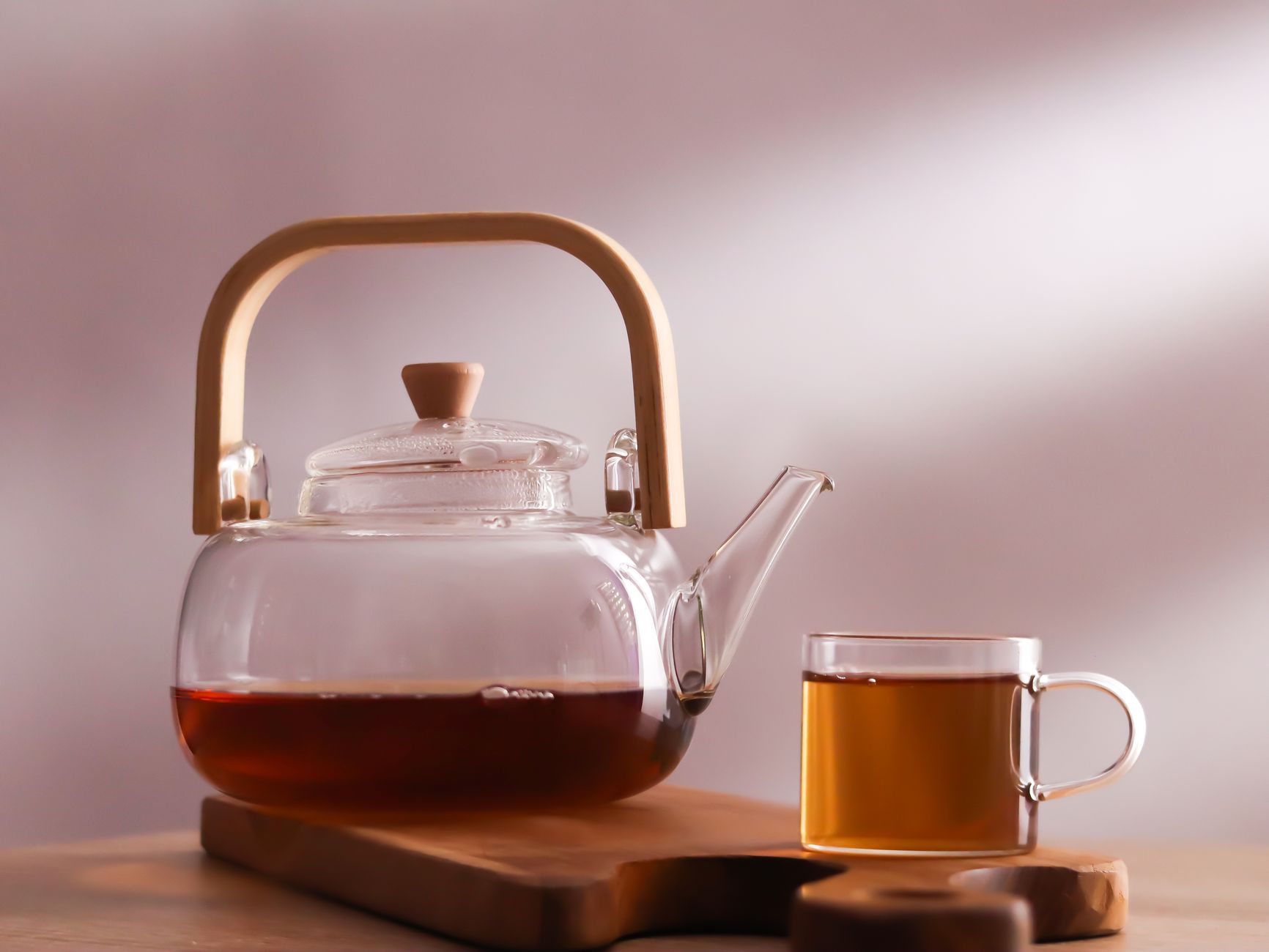
Because the evidence base is modest, most herbalists suggest a conservative limit of 500 mg of standardized dandelion root extract per day after the first trimester. This amount roughly corresponds to one capsule of most commercial brands or about one cup of dandelion tea (steeped for 5‑7 minutes) per day. The NHS advises that pregnant women keep herbal supplement doses below the “therapeutic” threshold—typically no more than the dose used for general adult health.
If you prefer tea, limit yourself to one cup daily and avoid adding large amounts of sugar or honey that could affect blood glucose control. For tinctures, a common safe dose is 1 ml (≈20 mg of extract) taken once daily, but always follow the label and discuss with your provider.
Form
Typical safe amount
Suggested brand
Capsule (standardized extract)
≤500 mg once daily
Nature’s Way Dandelion Root Extract
Tea (dried root)
1 cup (≈240 ml) per day
Organic Herb Society Dandelion Tea
Tincture (alcohol‑based)
1 ml (≈20 mg) once daily
Gaia Herbs Dandelion Root Liquid
When choosing a brand, look for certifications such as USDA‑organic, NSF, or USP verification, and ensure the label lists the exact amount of standardized extract. Avoid “high‑potency” or “detox” blends that often exceed 1 g per serving, as these can push you well beyond the safe threshold.
What side effects can dandelion root cause during pregnancy?
Most pregnant users report only mild, transient side effects, such as:
Increased urination (due to its diuretic nature).
Stomach discomfort or mild abdominal cramps.
Changes in urine color (a darker yellow) from increased bile pigments.
Rarely, low potassium levels leading to muscle weakness or fatigue.
If you notice any of the following, contact your obstetrician promptly: dizziness, faintness, rapid heartbeat, swelling of the hands or feet, or a sudden drop in blood pressure. These could signal an electrolyte imbalance or an interaction with other medications.
Safer alternatives
Ginger tea – Helps nausea and improves digestion; safe up to 1 g daily.
Peppermint tea – Relieves bloating and smooth‑muscle cramps; no known risks.
Chamomile tea – Calming and may aid sleep; limit to 1‑2 cups per day.
Raspberry leaf tea – Supports uterine tone in the third trimester; start after 20 weeks.
Vitamin B complex supplement – Boosts energy and metabolism; follow prenatal label.
Folic acid supplement – Essential for neural‑tube development; 400‑800 µg daily as recommended.
Prenatal multivitamin – Provides balanced nutrients; choose a brand with no herbal additives.
Lemon balm tea – Gentle calming herb; safe in moderate amounts and does not affect blood pressure.
Related items — safety at a glance
Herb / Supplement
Verdict
One‑line note
Milk thistle supplement
⚠️ Safe with limits
May support liver health; avoid high doses (>1 g/day).
Goldenrod supplement
❌ Best avoided
Potential uterine stimulant; limited safety data.
Red clover supplement
❌ Best avoided
Contains phytoestrogens; not recommended in pregnancy.
Echinacea supplement
⚠️ Safe with limits
Often used for colds; keep to one capsule per day.
Black cohosh supplement
❌ Best avoided
Strong uterine effects; contraindicated in pregnancy.
Fenugreek supplement
⚠️ Safe with limits
Can affect blood sugar; limit to 500 mg daily.
St. John’s wort supplement
❌ Best avoided
Potent CYP450 inducer; interferes with many meds.
Valerian root supplement
❌ Best avoided
Sedative properties may affect fetal sleep patterns.
Chamomile tea
⚠️ Safe with limits
Calming; limit to 2 cups daily to avoid possible uterine relaxant effect.
Myth vs. fact
Myth: Dandelion root is a “detox” herb, so it will cleanse the baby’s system.
Fact: The concept of “detoxing” during pregnancy is a myth; the liver already handles waste efficiently, and excessive diuretic use can be harmful.
Myth: Because dandelion is a common garden weed, it’s automatically safe for pregnant women.
Fact: Natural does not always mean safe; the concentrated extracts in supplements can have pharmacologic effects that differ from the edible leaf.
Myth: One cup of dandelion tea can replace prenatal vitamins.
Fact: Prenatal vitamins provide essential nutrients (folic acid, iron, iodine) that tea cannot supply; they are still necessary.
Myth: All herbal teas are safe because they’re “just water with flavor.”
Fact: Some herbs contain active compounds that affect blood pressure, hormone levels, or uterine tone, so each ingredient must be evaluated individually.
Key takeaways
Avoid dandelion root supplement in the first trimester due to limited safety data.
After week 13, a low dose (≤500 mg/day) or one cup of tea is generally considered safe.
Women with hypertension should discuss use with their provider before starting.
Choose reputable brands that follow GMP and offer third‑party testing.
Gentler alternatives like ginger or peppermint tea can provide similar digestive benefits without the diuretic effect.
Any concerning symptoms—dizziness, rapid heartbeat, or swelling—warrant a call to your obstetrician.
During breastfeeding, keep the dose low and monitor the infant for any signs of intolerance.
Frequently asked questions
Can dandelion root cause miscarriage?
No direct evidence links dandelion root to miscarriage. However, because the herb can act as a mild diuretic, excessive use early in pregnancy might affect blood pressure, so it’s best to avoid it in the first trimester.
Is dandelion tea safe during pregnancy?
Yes, a single cup of dandelion tea per day is generally regarded as safe after the first trimester, provided you stay within a modest serving size and monitor for increased urination.
What dosage of dandelion root is recommended for pregnant women?
Most experts suggest no more than 500 mg of standardized extract per day (equivalent to one capsule) or one cup of tea after week 13; there is no established safe dose for the first trimester.
Are there any side effects of dandelion root for pregnant women?
Typical side effects include increased urination, mild stomach upset, and occasional changes in urine color. Severe symptoms such as dizziness or low blood pressure should prompt a call to your provider.
Can dandelion root affect labor?
There is no strong evidence that dandelion root influences the timing or progress of labor. Nonetheless, because it can affect fluid balance, it’s prudent to limit intake in the final weeks of pregnancy.
Is it okay to use dandelion root supplements while breastfeeding?
Small case reports suggest limited infant exposure, but most lactation specialists recommend consulting a healthcare provider before using any herbal supplement while nursing.
Does dandelion root interact with prenatal vitamins?
Dandelion root may modestly influence the absorption of iron and folic acid due to its diuretic effect, so spacing the supplement at least two hours apart from prenatal vitamins is advisable.
Can I use dandelion root tincture during pregnancy?
Tinctures are more concentrated than tea; the safe guideline is 1 ml (≈20 mg of extract) once daily after the first trimester, and only if your provider approves.
Is dandelion root safe in combination with other herbal teas?
Combining multiple diuretic herbs (e.g., dandelion plus nettle) can amplify fluid loss and electrolyte shifts. If you enjoy a blend, keep the total amount low and monitor for signs of dehydration.
When choosing supplements, always read the label and verify third‑party testing.
When to call your doctor
If you experience any of the following while taking dandelion root, contact your obstetrician or midwife right away:
Sudden dizziness, faintness, or rapid heartbeat.
Swelling of the hands, feet, or face that does not resolve with rest.
Persistent stomach cramps or severe abdominal pain.
Signs of dehydration (dry mouth, reduced urine output, dark urine).
Unusual changes in blood pressure readings (both high and low).
These symptoms could indicate an electrolyte imbalance or an interaction with other medications. Remember, this article provides general information and is not a substitute for personalized medical advice.
References
American College of Obstetricians and Gynecologists. “Herbal Medicine in Pregnancy.” ACOG Committee Opinion, 2022.
National Health Service (NHS). “Herbal remedies and pregnancy.” UK government health guidance, 2023.
U.S. Food and Drug Administration (FDA). “GRAS Notice Inventory.” FDA, 2021.
Centers for Disease Control and Prevention (CDC). “Pregnancy and Nutrition.” CDC, 2022.
Mayo Clinic. “Dandelion: Uses, side effects, interactions, dosage, and warning.” Mayo Clinic, 2023.
World Health Organization (WHO). “Traditional Medicine Strategy 2014‑2023.” WHO, 2014.
British Herbal Medicine Association. “Safety of Herbal Supplements in Pregnancy.” BHMA, 2021.
National Institute for Health and Care Excellence (NICE). “Hypertension in pregnancy: diagnosis and management.” NICE Clinical Guideline CG182, 2023.
American Diabetes Association. “Gestational Diabetes Mellitus.” ADA Standards of Care, 2023.
LactMed (U.S. National Library of Medicine). “Dandelion (Taraxacum officinale) – Drug Interactions.” NIH, 2022.
Not sure about the label on Is Dandelion Root Supplement Safe During Pregnancy products?
Snap the ingredients list and SafeFilter checks every ingredient for your stage — only 3 free scans this month, then you're locked until reset. Unlimited from $7/mo or $50/yr.
When Shubhra Mishra was expecting her first child in 2016, she was overwhelmed by conflicting food advice — one site said yes, another said never. By the time her second baby arrived in 2019, she realized millions of mothers face the same confusion.
That sparked a five-year journey through clinical nutrition papers, cultural diets, and expert conversations — all leading to BumpBites: a calm, compassionate space where science meets everyday motherhood.
Her long-term vision is to build a global community ensuring safe, supported, and free deliveriesfor every mother — because no woman should face pregnancy alone or uninformed. 🌿
🌍 Stand with mothers, shape safer guidance
Join a small circle of experts who review BumpBites articles so expecting parents everywhere can decide with confidence.