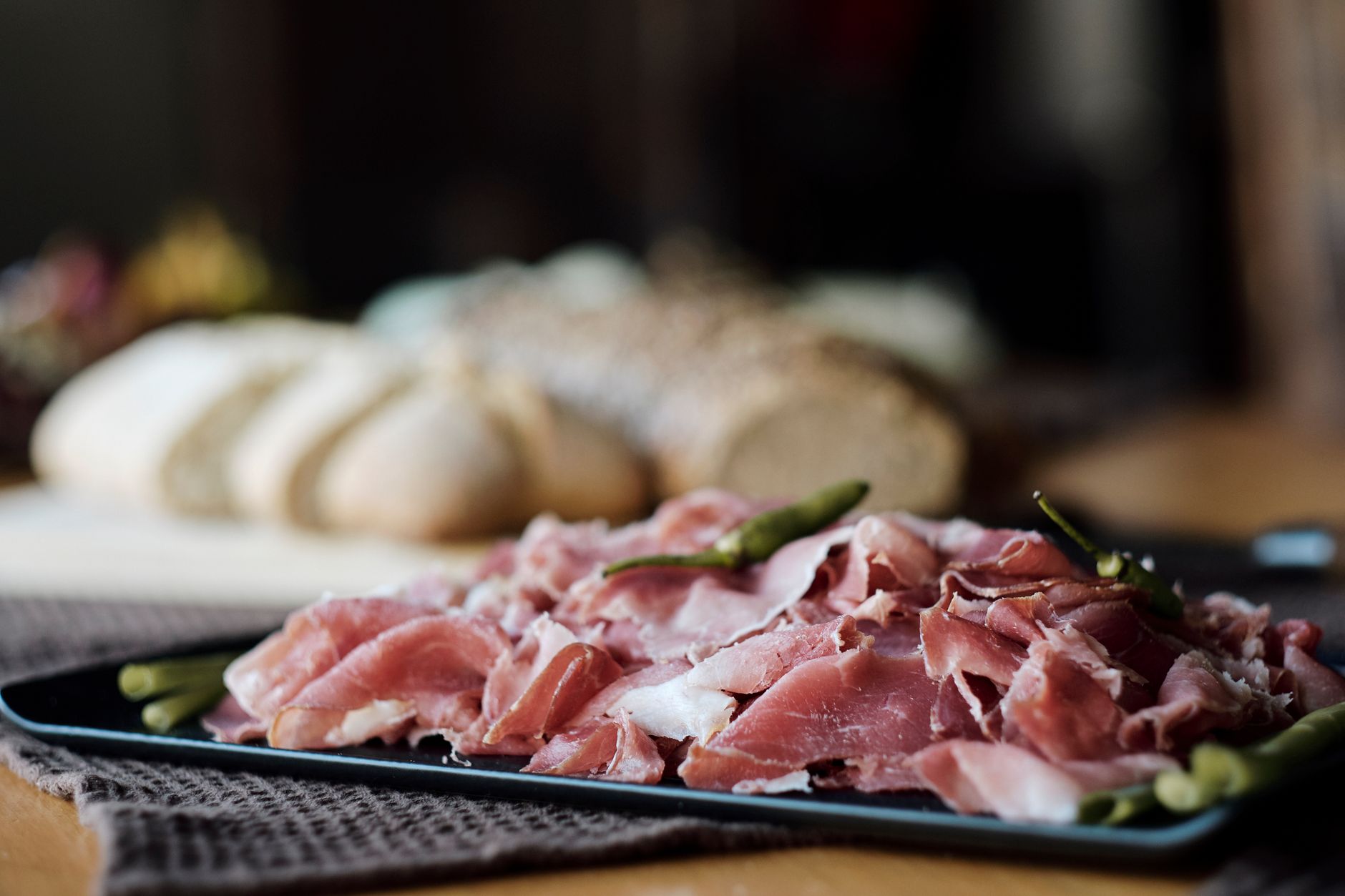
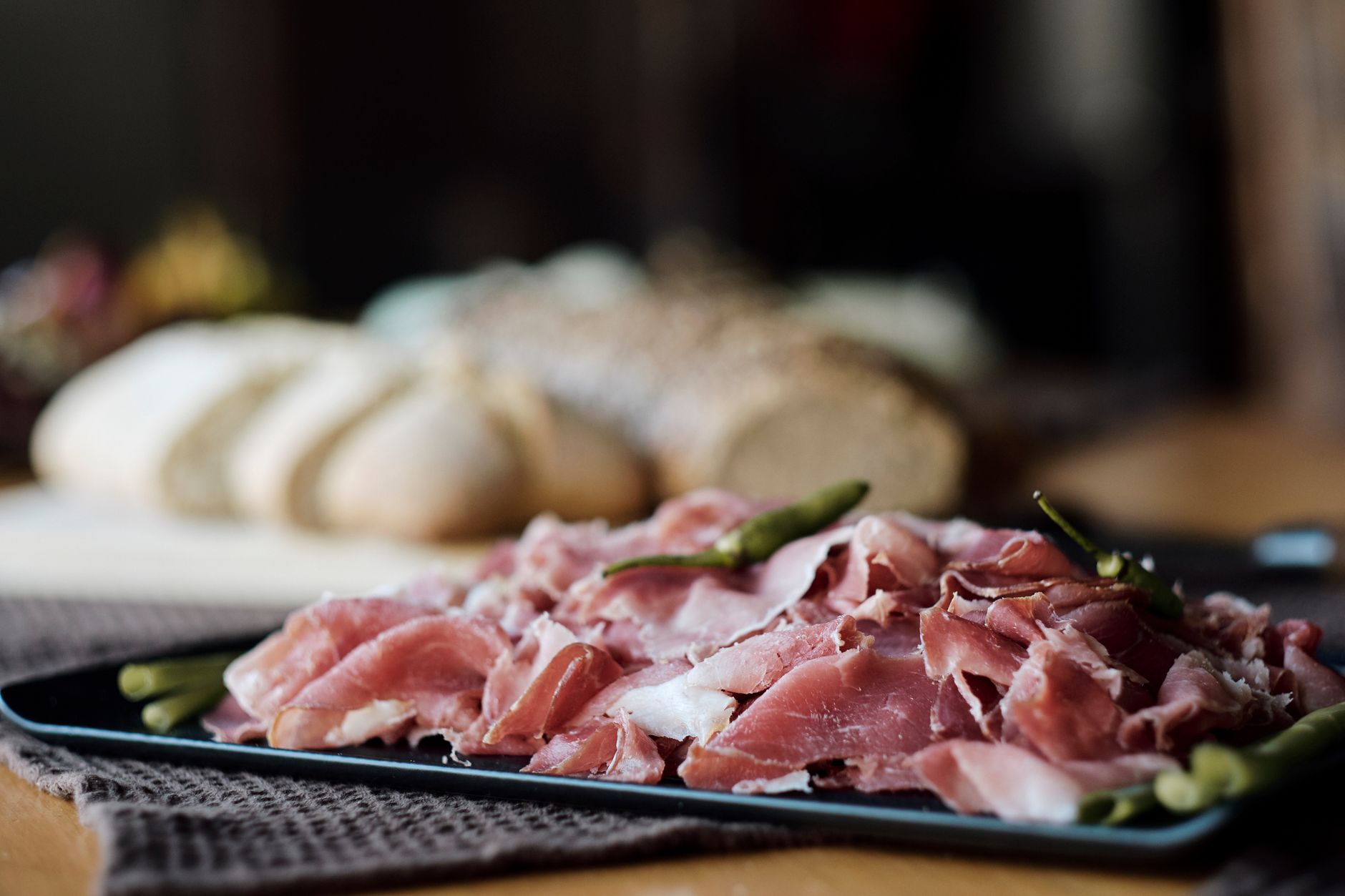
Limit cured meats during pregnancy due to listeria risk. Safe alternatives exist—learn the recommended dosage and which types to avoid in the first trimester.
By Shubhra Mishra — a mom of two who turned her own confusion during pregnancy into BumpBites, a global mission to make food choices clear, safe, and stress-free for every expecting mother. 💛
Check whether any food is safe during pregnancy with the BumpBites Food Safety Checker.
Quick verdict: ⚠️ Safe with limits. Cured meats can be part of a balanced pregnancy diet, but keep portions modest, choose nitrite‑free options, and always handle them properly to reduce the risk of listeria and other food‑borne germs.
It’s 2 a.m., the kitchen light flickers, and you’ve just reached for that thin slice of prosciutto you love. “Is cured meats safe during pregnancy?” you whisper to the empty room, heart racing. You’re not alone—many expecting parents wonder whether their favorite charcuterie board, deli ham, or pepperoni can coexist with a healthy pregnancy.
In short, most cured meats are not outright forbidden, but they should be eaten in moderation, stored correctly, and chosen wisely. Below we break down the science, trimester‑specific guidance, safe portion sizes, and safer alternatives so you can enjoy your meals without needless worry.
We’ll cover everything from the basic definition of cured meats to the specific risks of listeria, gestational diabetes, and high blood pressure. You’ll also find a handy safety‑snapshot table, a comparison of related deli items, and a quick‑reference FAQ for the most common “is cured meats safe during pregnancy” queries.
Pair a modest slice of cured meat with fresh vegetables and a glass of water for a balanced snack.
Trimester / Breastfeeding
Verdict
Notes
1st trimester
⚠️ Limit
Risk of listeria is highest; keep portions ≤ 2 oz per week and ensure meat is heated to 165 °F before eating.
2nd trimester
⚠️ Limit
Moderate intake (≤ 2 oz weekly) is acceptable if meat is from reputable sources and stored properly.
3rd trimester
⚠️ Limit
Same guidelines as earlier trimesters; continue to avoid unheated cured meats.
Breastfeeding
⚠️ Limit
Safe in the same modest amounts; watch for sodium and nitrite intake, which can affect milk composition.
What are cured meats? Cured meats are animal products that have been preserved through the addition of salt, nitrites, nitrates, sugars, spices, or smoking. The curing process slows bacterial growth and gives the meat its characteristic flavor and color. Common examples include prosciutto, salami, pepperoni, ham, bacon, and specialty items like boar’s head. While curing extends shelf life, it also introduces compounds—particularly nitrites—that have sparked debate over long‑term health effects. In pregnancy, the primary concerns are food‑borne pathogens (especially Listeria monocytogenes) and excess sodium or nitrates that could affect blood pressure and glucose metabolism.
Is cured meat safe during pregnancy? The consensus from major health bodies—including the American College of Obstetricians and Gynecologists (ACOG), the U.K.’s National Health Service (NHS), and the U.S. Food and Drug Administration (FDA)—is that cured meats are not forbidden but should be consumed in limited amounts and always handled with care. ACOG advises that pregnant people “avoid deli meats that are not heated to an internal temperature of 165 °F (74 °C) before consumption” because of listeria risk. The NHS echoes this, noting that “ready‑to‑eat meats should be reheated until steaming hot.” The FDA’s Food Safety guidelines similarly stress the importance of refrigeration below 40 °F (4 °C) and proper reheating. No evidence suggests that small, properly prepared servings of cured meats cause birth defects, but the cumulative risks of high sodium, nitrite exposure, and potential listeria infection warrant a cautious approach.
Studies on nitrite consumption during pregnancy are limited, but the World Health Organization (WHO) recommends keeping nitrite intake below 0.07 mg per kilogram of body weight per day. A typical slice of cured ham contains roughly 0.02 mg of nitrite, meaning a few slices per week stay well within the guideline. Regarding listeria, a 2014 CDC analysis found that 44 % of listeriosis cases in pregnant people were linked to ready‑to‑eat deli meats, underscoring the importance of heating before eating.
In short, cured meats are not outright dangerous if you follow safe‑handling practices, limit intake, and choose low‑nitrite or nitrite‑free brands when possible.
Is cured meat safe during first trimester
The first trimester is the most critical window for organ formation, so many expectant parents ask about “is cured meat safe during first trimester.” Because the placenta is still developing, the fetus is particularly vulnerable to infections that can cross the placental barrier, such as Listeria. The CDC reports that listeriosis in the first trimester can lead to miscarriage or stillbirth. Therefore, ACOG recommends heating any ready‑to‑eat cured meat until it reaches 165 °F before consumption during this period.
If you love the salty tang of prosciutto, consider lightly pan‑searing a slice for a minute on each side, or microwaving for 30 seconds—just enough to reach the safe temperature without over‑cooking the delicate texture.
Can i eat prosciutto while pregnant
Prosciutto is a thinly sliced, dry‑cured Italian ham. Its low moisture content makes it delicious, but also a potential host for Listeria if not handled correctly. The short answer: you can eat prosciutto while pregnant, but only after it’s been heated to steaming hot (165 °F). If you prefer it cold, choose a brand that advertises “nitrite‑free” and ensure it’s been stored below 40 °F and consumed within a week of opening.
Many grocery stores now label “ready‑to‑eat” prosciutto that has been vacuum‑sealed and pasteurized, which reduces the listeria risk. Still, reheating remains the safest bet, especially in the first and second trimesters.
How much cured meat can i eat while pregnant
Guidelines from ACOG and the NHS converge on a modest portion: no more than 2 ounces (about 56 grams) of cured meat per week. This roughly translates to two thin slices of ham or one small serving of salami. Keeping intake within this limit helps control sodium and nitrite exposure while still allowing you to enjoy the flavor.
For context, a typical deli ham slice contains 300–400 mg of sodium; the American Heart Association recommends no more than 2,300 mg of sodium per day for pregnant people, with an ideal target of 1,500 mg. By staying within the 2‑ounce weekly limit, you’ll stay comfortably under the sodium ceiling.
Alternatives to cured meats during pregnancy
Fresh turkey breast – low in sodium and naturally protein‑rich.
Grilled chicken – easy to season and safe without any heating concerns.
Roast beef – provides iron and B12, and can be sliced thin for sandwiches.
Salmon (cooked) – high in DHA, essential for fetal brain development.
Fresh vegetables – add crunch, fiber, and vitamins without any infection risk.
Is boar's head cured meat safe during pregnancy
Boar’s head cured meat is a specialty charcuterie item made from pork head meat that’s salted, spiced, and air‑dried. Like other cured products, it carries the same listeria and nitrite considerations. The safest approach is to heat it thoroughly before eating, or to limit consumption to a few slices per month. Because it’s less common, you may have less information about specific brand processing standards, so err on the side of caution.
Cured meat and pregnancy risk of listeria
Listeria monocytogenes thrives in low‑temperature, high‑moisture environments—exactly the niche for ready‑to‑eat cured meats. In pregnancy, listeriosis can lead to severe outcomes, including preterm labor, stillbirth, or neonatal infection. The CDC estimates a 20‑fold increased risk of listeriosis in pregnant people compared with the general population.
Key preventive steps:
Store cured meats at ≤ 40 °F (4 °C) and use within the “use‑by” date.
Reheat to 165 °F before consumption, especially in the first trimester.
Avoid cross‑contamination by using separate cutting boards for raw meats and ready‑to‑eat items.
Cured meats and gestational diabetes
Gestational diabetes (GDM) is influenced by carbohydrate and sugar intake, but processed meats can also affect glucose metabolism through high sodium and saturated fat content. A 2021 systematic review in Diabetes Care found that higher consumption of processed meats was associated with a modest increase in GDM risk. Limiting cured meats to the recommended 2 ounce weekly amount helps keep saturated fat and sodium in check, supporting better blood‑glucose control.
If you have GDM, focus on lean protein sources like grilled chicken, turkey, or fish, and reserve cured meats for occasional, well‑heated treats.
Are cured meats safe during third trimester
In the third trimester, the placenta is fully formed, and the fetus is less vulnerable to infections that cross the placental barrier. However, the risk of listeria still exists, and the same ACOG recommendation to heat cured meats to 165 °F applies. Additionally, excess sodium from cured meats can contribute to swelling and high blood pressure, which are more common later in pregnancy. Maintaining the 2‑ounce weekly limit remains prudent.
Cured meat and pregnancy high blood pressure
High blood pressure (gestational hypertension or preeclampsia) can be aggravated by excess sodium. Cured meats often contain 300‑500 mg of sodium per slice. Regularly exceeding the recommended weekly limit can push daily sodium intake over the 2,300 mg threshold, increasing the risk of hypertension. Choosing low‑sodium or nitrite‑free brands, and pairing cured meat with potassium‑rich vegetables, can help balance electrolytes.
Safe dosage / amount / brands
For most cured meats, a safe serving is no more than 2 ounces (≈56 g) per week. This typically equals:
2 thin slices of ham or prosciutto
1 small (≈1 inch) piece of salami
1 – 2 oz of pepperoni used as a topping
When selecting brands, look for:
Low‑sodium or reduced‑sodium options (often labeled “no‑salt added”).
Nitrite‑free or “no‑nitrite added” products, which reduce exposure to potential carcinogens.
Reputable manufacturers that follow strict USDA inspection standards, such as Applegate, Boar’s Head (when heated), and Hormel Natural Choice.
Always check the “use‑by” date, keep the product refrigerated, and reheat to steaming hot before eating.
Reheat cured meats until they reach 165 °F to kill any lurking listeria.
Side effects and risks
Most side effects from cured meats are related to their high sodium, saturated fat, and nitrite content:
Excess sodium – can cause swelling, headaches, and raise blood pressure.
Saturated fat – may contribute to elevated cholesterol, which is a concern for gestational diabetes.
Nitrites – in large amounts have been linked to potential carcinogenic effects, though occasional consumption stays well within safety limits.
Listeria infection – the most serious risk; symptoms include fever, muscle aches, and gastrointestinal upset. If you develop these after eating cured meat, contact your provider immediately.
Most of these issues are manageable with moderation and proper preparation. If you notice persistent nausea, unexplained fever, or unusual swelling, call your obstetrician.
Safer alternatives
Fresh turkey breast – low in sodium, high in lean protein.
Grilled chicken – easy to flavor and safe without reheating.
Roast beef – provides iron and vitamin B12; slice thin for sandwiches.
Tuna (cooked) – omega‑3s for fetal brain development; choose light tuna for lower mercury.
Salmon (cooked) – rich in DHA, supports vision and cognition.
Fresh vegetables – fiber, vitamins, and minerals without any infection risk.
Related items — safety at a glance
Item
Verdict
One‑line note
Hot dogs
⚠️ Limit
Heat to 165 °F; high sodium and nitrite content.
Sausages
⚠️ Limit
Reheat thoroughly; watch for added preservatives.
Bacon
⚠️ Limit
High saturated fat; best when cooked until crisp.
Ham
⚠️ Limit
Choose low‑sodium, nitrite‑free; heat before eating.
Pepperoni
⚠️ Limit
Often used as pizza topping; heat thoroughly.
Salami
⚠️ Limit
Reheat or limit to small portions; watch sodium.
Myth vs. fact
Myth: All cured meats are unsafe throughout pregnancy.
Fact: When stored properly and reheated to 165 °F, most cured meats can be enjoyed in modest amounts.
Myth: Nitrites in cured meats cause birth defects.
Fact: Current evidence shows nitrite exposure at typical dietary levels is far below harmful thresholds; the main concern is bacterial contamination.
Myth: You must completely avoid cured meats if you have gestational diabetes.
Fact: Limiting intake to ≤ 2 oz per week and pairing with low‑glycemic foods helps keep blood sugar stable.
Key takeaways
✅ Cured meats are not banned, but keep portions ≤ 2 oz per week.
🔥 Always reheat to 165 °F (74 °C) before eating to kill Listeria.
💧 Store cured meats below 40 °F and consume within the “use‑by” date.
🥗 Pair with fresh vegetables and lean proteins for a balanced pregnancy diet.
Frequently asked questions
can i eat cured meats while breastfeeding
Yes, you can eat cured meats while breastfeeding, but continue to limit intake to about 2 ounces per week and always heat them to 165 °F to avoid listeria exposure.
what are the risks of eating cured meats during pregnancy
The main risks are listeria infection, excessive sodium leading to hypertension, and high nitrite or saturated‑fat intake, which can affect blood pressure and glucose control.
how to avoid listeria from cured meats
Store cured meats below 40 °F, reheat them until steaming hot (165 °F), and discard any product past its “use‑by” date or that shows off‑odors or slime.
are all cured meats created equal during pregnancy
No. Some brands use nitrite‑free recipes and lower sodium, making them safer options; others contain higher levels of preservatives and should be limited even more.
can i have cured meats in moderation during pregnancy
Yes—moderation means no more than 2 ounces (≈56 g) per week, with each serving reheated to 165 °F and chosen from low‑sodium, nitrite‑free options.
what are the benefits of avoiding cured meats during pregnancy
Avoiding cured meats reduces exposure to listeria, lowers sodium intake (helping prevent hypertension), and limits saturated fat and nitrite consumption, supporting overall maternal‑fetal health.
can i eat cured meats if i have gestational diabetes
Yes, but keep portions small (≤ 2 oz weekly), choose low‑sodium options, and balance them with high‑fiber foods to maintain stable blood glucose.
are cured meats safe during early pregnancy
In early pregnancy (first trimester), they are safe only if heated to 165 °F and consumed within the modest weekly limit; the heightened risk of listeria makes reheating especially important.
When to call your doctor
If you experience any of the following after eating cured meat, contact your obstetric provider promptly:
Fever ≥ 100.4 °F (38 °C) with chills or muscle aches.
Severe gastrointestinal symptoms (persistent vomiting, diarrhea, or abdominal pain).
New or worsening swelling, headaches, or visual changes (possible signs of hypertension).
Unexplained rapid weight gain or sudden drops in blood glucose readings (if you have gestational diabetes).
These symptoms could indicate listeriosis, infection, or a pregnancy‑related complication that warrants medical evaluation. Remember, this article provides general information and is not a substitute for personalized medical advice.
References
American College of Obstetricians and Gynecologists (ACOG). “Food Safety for Pregnant Women.” 2023.
National Health Service (NHS). “Food safety during pregnancy.” Updated 2022.
U.S. Food and Drug Administration (FDA). “Food Safety and the Types of Foodborne Illnesses.” 2021.
Centers for Disease Control and Prevention (CDC). “Listeria (Listeriosis) – Pregnancy.” 2022.
World Health Organization (WHO). “Nitrite and nitrate in food.” 2017.
Diabetes Care. “Processed meat consumption and risk of gestational diabetes.” 2021.
American Heart Association. “Sodium Recommendations for Adults.” 2020.
Not sure about the label on Is Cured Meats Safe During Pregnancy products?
Snap the ingredients list and SafeFilter checks every ingredient for your stage — only 3 free scans this month, then you're locked until reset. Unlimited from $7/mo or $50/yr.
When Shubhra Mishra was expecting her first child in 2016, she was overwhelmed by conflicting food advice — one site said yes, another said never. By the time her second baby arrived in 2019, she realized millions of mothers face the same confusion.
That sparked a five-year journey through clinical nutrition papers, cultural diets, and expert conversations — all leading to BumpBites: a calm, compassionate space where science meets everyday motherhood.
Her long-term vision is to build a global community ensuring safe, supported, and free deliveriesfor every mother — because no woman should face pregnancy alone or uninformed. 🌿
🌍 Stand with mothers, shape safer guidance
Join a small circle of experts who review BumpBites articles so expecting parents everywhere can decide with confidence.