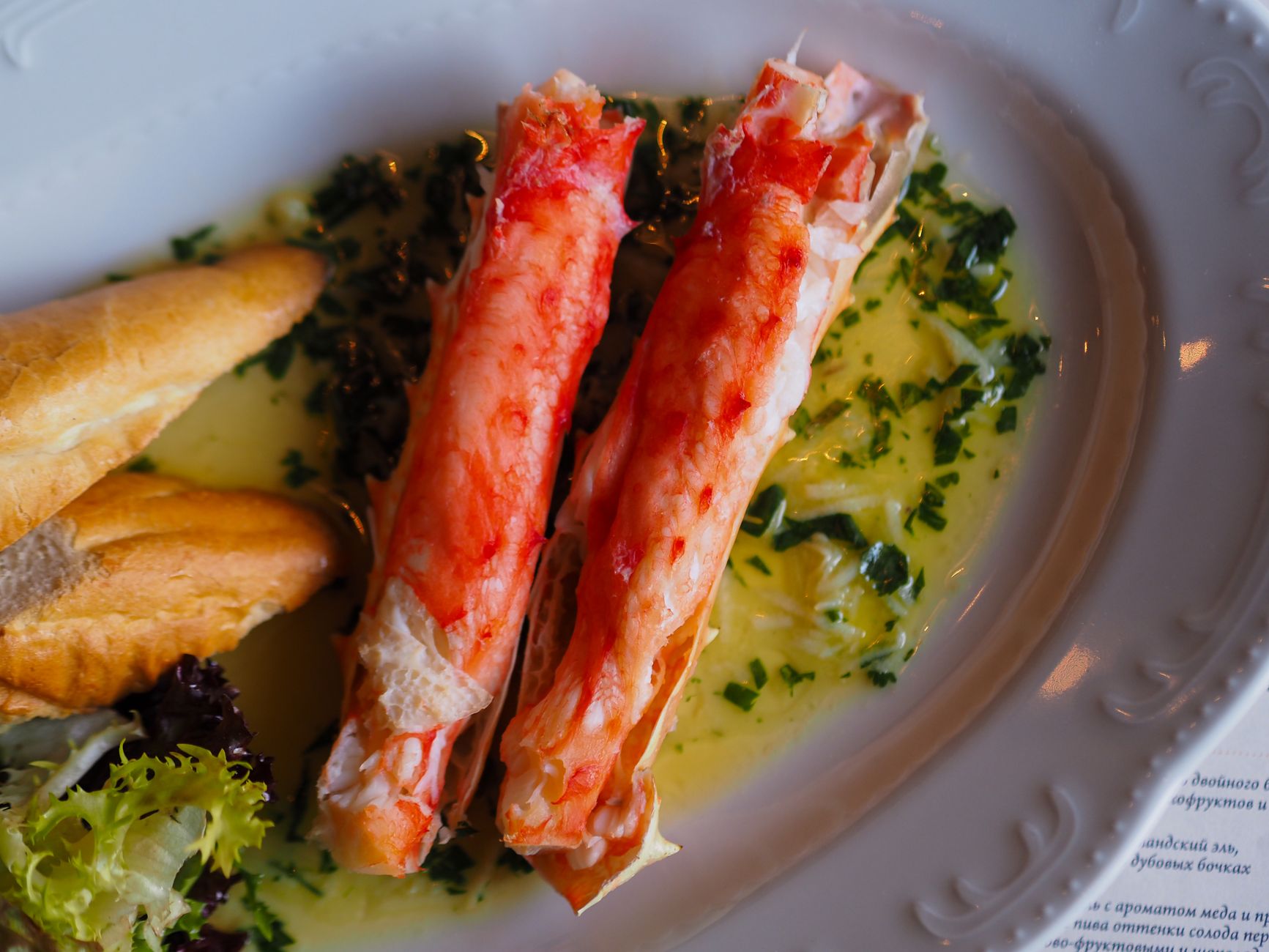
Limit: Crab legs are generally safe during pregnancy if fully cooked, but limit to 2‑3 ounces per week and avoid raw or undercooked shellfish.
By Shubhra Mishra — a mom of two who turned her own confusion during pregnancy into BumpBites, a global mission to make food choices clear, safe, and stress-free for every expecting mother. 💛
Check whether any food is safe during pregnancy with the BumpBites Food Safety Checker.
Quick verdict: ⚠️ Talk to your doctor first. Crab legs can be part of a healthy pregnancy diet when cooked thoroughly and eaten in moderation, but you should confirm safety based on your personal health history and any shellfish allergy.
It’s 3 a.m., you’re scrolling through a late‑night food forum, and the headline reads, “Is crab legs safe during pregnancy?” Your heart races – you love the sweet, tender meat, but you’ve also heard stories about seafood, mercury, and allergic reactions. You’re not alone: many expecting parents wonder the same thing. The short answer to is crab legs safe during pregnancy is that it can be safe if it’s fully cooked, sourced from reputable suppliers, and eaten in reasonable portions, but you should always check with your obstetrician, especially if you have a shellfish allergy or other health concerns.
In this guide we’ll break down everything you need to know: the trimester‑by‑trimester safety snapshot, how much you can comfortably enjoy, the difference between fresh and frozen crab legs, mercury considerations, and what to do if you’ve already indulged. We’ll also give you safer seafood alternatives, a quick‑look comparison to related shellfish, and clear answers to the most common follow‑up questions. By the end you’ll have a calm, evidence‑based plan for enjoying crab legs – or choosing another tasty option – without needless worry.
Even a 3 a.m. search can turn into a safe, delicious dinner plan when you know the right guidelines.
Stage
Verdict
Notes
First trimester
⚠️ Caution
Only fully cooked crab legs; limit to 3‑4 oz per week; avoid raw or undercooked shellfish.
Second trimester
✅ Generally safe
Fully cooked crab legs are fine in moderate portions (up to 6 oz/week); ensure no cross‑contamination.
Third trimester
✅ Generally safe
Same guidelines as second trimester; watch for heartburn or reflux.
Breastfeeding
✅ Generally safe
Continue moderate portions; be mindful of mercury intake for infant.
What are crab legs?
Crab legs are the large, jointed appendages of marine crabs, most commonly the king crab (Alaska) or snow crab (Pacific). The meat inside the shells is a lean source of protein, with modest amounts of omega‑3 fatty acids, vitamin B12, zinc, and selenium. Because the legs are mostly shell, the edible portion is a small percentage of the total weight, which is why portion sizes are usually measured in ounces of meat rather than the whole leg.
People enjoy crab legs for their sweet, delicate flavor and the ritual of cracking the shells. In many cultures they appear at celebrations, from holidays to family gatherings, making them a popular choice for pregnant women who want a special treat. The nutritional profile is generally favorable: a 3‑ounce serving (about 85 g) provides roughly 90 calories, 20 g of protein, and less than 1 g of saturated fat. In addition to protein, the omega‑3s in crab support fetal brain development, while zinc and selenium help with immune function.
How the crab legs are prepared dramatically changes their health impact. Steaming or boiling retains most of the nutrients, whereas deep‑frying adds extra calories, unhealthy fats, and sodium. Likewise, pre‑seasoned crab legs often contain butter, salt, or sugar, which can push sodium and cholesterol intake higher than the raw meat alone.
Is crab legs safe during pregnancy?
Current guidance from the American College of Obstetricians and Gynecologists (ACOG) and the UK’s National Health Service (NHS) says that fully cooked shellfish, including crab legs, is safe for most pregnant people when eaten in moderation. The key safety concerns are bacterial contamination, parasites, and mercury content. Cooking crab legs to an internal temperature of at least 145 °F (63 °C) destroys harmful bacteria such as Vibrio and Listeria, which can cause serious infection in pregnancy.
Mercury is another focus of public health agencies. According to the U.S. Food and Drug Administration (FDA), crab species are considered “low‑mercury” seafood, meaning they contribute only a small fraction of the weekly mercury limit (0.1 µg/kg body weight). The World Health Organization (WHO) also classifies crab as low risk for mercury exposure, especially when compared with larger predatory fish like shark or swordfish.
Allergies are the third consideration. Shellfish allergy is one of the most common food allergies, and an allergic reaction during pregnancy can be severe for both mother and baby. If you have a known shellfish allergy, avoid crab legs entirely. If you’re uncertain, a skin‑prick test or consultation with an allergist before trying crab legs is prudent.
Overall, the consensus among ACOG, NHS, and FDA is that crab legs are permissible when cooked fully and consumed in sensible amounts. If you have specific health conditions—such as high cholesterol, hypertension, or gestational diabetes—your provider may suggest limiting intake or choosing lower‑fat seafood alternatives.
Crab legs nutrition during pregnancy
Beyond protein, crab legs supply important micronutrients that support a growing baby. A 3‑ounce serving provides about 25 % of the Recommended Dietary Allowance (RDA) for vitamin B12, a vitamin essential for red‑blood‑cell formation and nervous‑system development. Selenium, present at roughly 40 % of the RDA, acts as an antioxidant that protects cells from oxidative stress, which is heightened during pregnancy. The omega‑3 fatty acids EPA and DHA, though modest in crab, still contribute to fetal brain and eye development when combined with other seafood sources.
Because crab meat is low in calories and saturated fat, it can fit well into a balanced pregnancy meal plan, especially when paired with fiber‑rich vegetables and whole grains. However, keep an eye on added sauces or butter, which can quickly raise sodium and saturated‑fat content.
Is crab legs safe during first trimester?
The first trimester is the period of organogenesis, when the fetus’s major organs form. Because this window is most vulnerable to teratogens, many clinicians advise extra caution with foods that might carry bacterial or parasitic risks. Fully cooked crab legs meet the safety threshold, but raw or undercooked crab (e.g., sushi‑style) should be avoided. If you’re craving crab legs early in pregnancy, make sure they are boiled, steamed, or baked until the shells turn bright red and the meat reaches the recommended temperature.
Portion size matters too. The NHS recommends limiting low‑mercury seafood to two servings per week, with a serving defined as about 140 g (5 oz) of cooked fish or shellfish. For crab legs, a conservative approach is 3‑4 oz (85‑115 g) per week in the first trimester, especially if you’re also eating other seafood.
Pregnant people often wonder whether the first trimester’s heightened sensitivity extends to nutrients like iodine. Crab is a natural source of iodine, which supports thyroid function for both mother and baby. A modest serving can help meet the increased iodine requirement without exceeding safe mercury limits.
Can you eat crab legs while pregnant and breastfeeding?
Yes, you can enjoy crab legs while pregnant and continue to do so while breastfeeding, provided they are fully cooked and you keep intake within the low‑mercury guidelines. The FDA’s “Eat Right” advice for nursing mothers mirrors that for pregnant individuals: up to 12 oz (340 g) of low‑mercury seafood per week is acceptable. This amount comfortably accommodates a modest portion of crab legs, as the edible meat is only a fraction of the whole leg’s weight.
Breastfeeding mothers should also be mindful of any potential allergens that could pass into breast milk. While most allergens do not affect the infant through breast milk, a severe maternal reaction could indirectly impact feeding. If you have a known shellfish allergy, it’s safest to avoid crab legs altogether.
Because lactation increases caloric needs, the protein in crab legs can be a valuable addition to a mother’s diet, supporting both her recovery and milk production. Pairing crab with a source of healthy fats (like a drizzle of olive oil) and fiber‑rich vegetables can create a balanced postpartum meal.
How much crab legs can you eat when pregnant?
Moderation is the guiding principle. The FDA’s weekly mercury limit translates to roughly 12 oz (340 g) of low‑mercury seafood for a 150‑lb (68‑kg) adult. Because crab legs are low in mercury, you can safely consume up to 6 oz (170 g) of cooked crab meat per week, which is about two average‑sized crab legs. This fits within the broader recommendation of two servings of low‑mercury seafood per week.
Portion control also helps manage sodium and cholesterol. Many pre‑cooked crab leg packages are seasoned with salt or butter, which can quickly add up. Aim for plain, steamed crab legs and add your own herbs or a squeeze of lemon to keep sodium low.
If you’re also eating other low‑mercury seafood, count those servings toward your weekly total. For example, a serving of shrimp or salmon should be subtracted from the crab leg allowance to stay under the mercury threshold.
Are frozen crab legs safe during pregnancy?
Frozen crab legs are a convenient option and are generally safe when stored and prepared correctly. The freezing process halts bacterial growth, but it does not eliminate any existing contaminants. Therefore, you must still cook frozen crab legs thoroughly before eating. Follow the package instructions, ensuring the internal temperature reaches at least 145 °F (63 °C). If the legs were previously cooked and then frozen, a quick reheating to steaming hot is sufficient.
Check the label for “no added preservatives” and “wild‑caught” or “sustainably sourced” claims, which often indicate higher quality. Avoid products that list “raw” or “uncooked” on the label, as these are not appropriate for pregnancy.
When thawing frozen crab legs, do so in the refrigerator or under cold running water—never at room temperature—to prevent bacterial proliferation. Once thawed, cook them within 24 hours for best safety and flavor.
Crab legs alternatives during pregnancy
Shrimp: Low‑mercury, quick‑cooking shellfish that can be boiled or grilled.
Lobster: Similar texture to crab, also low in mercury; ensure it’s fully cooked.
Cod: Mild‑flavored white fish, low in mercury and high in protein.
Tilapia: Affordable, low‑fat fish that cooks quickly; watch for farmed‑fish contaminants.
Salmon: Rich in omega‑3 fatty acids; safe when baked, grilled, or poached.
Pollock: Often used in fish sticks; low mercury and a good source of vitamin B12.
Risks of eating crab legs while pregnant
When properly prepared, the risks are low, but they do exist. The primary concerns are:
Bacterial infection: Undercooked crab can harbor Listeria or Vibrio, which cause food‑borne illness and increase miscarriage or preterm‑birth risk.
Mercury exposure: While crab is low‑mercury, excessive consumption could contribute to cumulative exposure, potentially affecting fetal neurodevelopment.
Allergic reaction: Shellfish allergies can trigger anaphylaxis, a life‑threatening emergency.
High cholesterol/sodium: Many commercially prepared crab legs are pre‑seasoned, which may elevate cholesterol or blood pressure.
Most of these risks are mitigated by thorough cooking, portion control, and choosing reputable sources. Pregnant people with pre‑existing conditions such as hypertension or hyperlipidemia should discuss seafood choices with their provider to tailor intake safely.
How to store crab legs safely
Proper storage reduces the chance of bacterial growth. Fresh crab legs should be kept on ice or in the coldest part of the refrigerator (34‑38 °F or 1‑3 °C) and used within 24 hours. Frozen crab legs belong in the freezer at 0 °F (‑18 °C) and can be stored for up to three months for optimal quality. Once thawed, treat them like fresh seafood—cook within a day and never refreeze.
If you purchase pre‑cooked crab legs from a grocery store, check the “use‑by” date. Discard any packages that show signs of swelling, off‑odors, or a slimy texture, as these can indicate spoilage.
Crab leg allergies and pregnancy
Shellfish allergy affects roughly 2 % of the population and can be more severe during pregnancy because the immune system undergoes subtle shifts. Symptoms range from mild itching to full‑blown anaphylaxis. If you’ve never experienced a shellfish allergy before, a supervised oral food challenge under an allergist’s care is the safest way to determine tolerance before pregnancy. During pregnancy, if you suspect an allergic reaction after eating crab legs, treat it as a medical emergency and seek immediate care.
Crab legs and mercury levels during pregnancy
Mercury is a heavy metal that can cross the placenta and affect fetal brain development. The FDA and EPA maintain a “Mercury and Fish” chart that categorizes crab as a “low‑mercury” seafood, alongside shrimp, clams, and mussels. For a 150‑lb pregnant person, the safe weekly mercury limit is 0.1 µg per kilogram of body weight, translating to about 10 µg of mercury per week. A typical 3‑ounce serving of crab contains less than 0.02 µg of mercury—far below the threshold.
Therefore, eating crab legs within the recommended serving size does not pose a mercury risk. However, if you regularly consume larger quantities of higher‑mercury fish (e.g., tuna, swordfish), you should reduce or avoid crab legs to stay within the overall limit.
Pregnant people with known mercury concerns, such as those with previous high‑mercury seafood exposure, may benefit from a personalized plan from a dietitian to balance nutrient intake without exceeding safety thresholds.
Can pregnant women eat crab legs with high cholesterol?
Crab meat itself is relatively low in saturated fat and cholesterol compared with red meat. A 3‑ounce serving contains roughly 70 mg of cholesterol and 1 g of saturated fat. For most pregnant people, this amount fits comfortably within the American Heart Association’s recommendation of under 300 mg of cholesterol per day. If you have hypercholesterolemia, discuss your seafood choices with your provider, but crab legs are generally a better option than high‑fat meats.
Be mindful of preparation methods. Butter‑based sauces and cheese‑filled dips can quickly increase saturated fat and cholesterol intake. Opt for a simple drizzle of olive oil, fresh herbs, or a squeeze of lemon to keep the dish heart‑healthy.
Safe dosage / amount / brands
Portion size: Aim for 3‑6 oz (85‑170 g) of cooked crab meat per week, which usually equals 2‑4 average crab legs. If you’re buying pre‑cooked frozen legs, check the package weight and adjust accordingly.
Brand tips: Look for reputable seafood brands that state “wild‑caught,” “sustainably sourced,” and “no added preservatives.” In the U.S., brands such as Alaska Gold and Red’s Crab have good safety records. In the U.K., Seafood Direct and John West provide clear labeling about cooking instructions.
Brands to avoid: Any product marketed as “raw” or “sashimi‑grade” crab legs, or those with vague origin statements like “unknown source.” Also steer clear of crab legs that have been sitting unrefrigerated for more than two hours, as bacterial growth can occur.
When buying fresh crab legs at a fish market, ask the vendor about the catch date and whether the crabs were harvested from clean waters. Choosing crab from certified sustainable fisheries reduces the risk of contaminants.
Steam the crab legs until the shells turn bright red and the meat reaches 145 °F for safe consumption.
Side effects and risks
Common, non‑dangerous effects: Some people experience mild heartburn or indigestion after eating rich seafood, especially if they’re prone to reflux in later pregnancy. This is usually managed with smaller portions and upright positioning after meals.
Serious red‑flag symptoms: If you develop fever, vomiting, diarrhea, or severe abdominal cramps within 24 hours of eating crab legs, you may have a food‑borne illness and should contact your provider promptly. Signs of an allergic reaction—such as hives, swelling of the lips or tongue, or difficulty breathing—require immediate medical attention.
Overall, the risks are low when you follow proper cooking and portion guidelines, but staying alert to these warning signs can keep you and your baby safe.
Safer alternatives
Shrimp – Quick‑cooking, low‑mercury, and easy to steam.
Lobster – Similar texture to crab, also low in mercury when fully cooked.
Cod – Mild‑flavored white fish, excellent source of lean protein.
Tilapia – Affordable, low‑fat, and low‑mercury; best when baked or grilled.
Salmon – Rich in omega‑3s, supports fetal brain development; bake or poach.
Pollock – Often used in fish sticks; low mercury and easy to season.
Related items — safety at a glance
Item
Verdict
Note
Crab meat (canned)
✅ Generally safe
Fully cooked; watch sodium content.
Caviar
⚠️ Caution
Often raw; limit to small amounts if pasteurized.
Oysters
❌ Best avoided
Raw oysters carry high Listeria risk.
Mussels
⚠️ Caution
Cook thoroughly; low mercury.
Clams
⚠️ Caution
Prefer cooked; avoid raw preparations.
Scallops
⚠️ Caution
Must be fully cooked; low mercury.
These low‑mercury options can be swapped in for crab legs whenever you crave a seafood fix.
Myth vs. fact
Myth: All shellfish are high in mercury and should be avoided during pregnancy. Fact: Crab legs are classified as low‑mercury seafood, so moderate consumption is safe according to FDA guidelines.
Myth: Cooking crab legs removes all cholesterol, making them a heart‑healthy choice. Fact: Cooking does not change the cholesterol content; crab legs are low in cholesterol but still contain it, so portion control matters for those monitoring blood lipids.
Myth: If you’ve already eaten raw crab, you’ve doomed your pregnancy. Fact: A single exposure to undercooked crab is unlikely to cause harm, but you should monitor for symptoms and discuss any concerns with your provider.
Myth: Frozen crab legs are automatically unsafe because they’re “processed.” Fact: Properly frozen crab legs retain safety; the key is to cook them thoroughly after thawing.
Key takeaways
Fully cooked crab legs are generally safe in pregnancy when eaten in moderation.
Limit intake to 3‑6 oz per week and avoid raw or undercooked preparations.
Crab is low in mercury, making it a better seafood choice than high‑mercury fish.
If you have a shellfish allergy, high cholesterol, or hypertension, discuss crab leg consumption with your doctor.
Safer alternatives include shrimp, lobster, cod, tilapia, salmon, and pollock.
Watch for red‑flag symptoms such as fever, vomiting, or allergic reactions and seek medical care promptly.
Frequently asked questions
can pregnant women eat crab legs raw
No, raw crab legs are not safe during pregnancy because they may contain harmful bacteria like Listeria. Cook the meat to at least 145 °F (63 °C) to ensure safety.
how to cook crab legs while pregnant
The safest method is to steam or boil crab legs until the shells turn bright red and the meat reaches 145 °F (63 °C). Avoid adding raw sauces and serve with a squeeze of lemon.
are crab legs high in mercury
Crab legs are considered low‑mercury seafood by the FDA and EPA, so they contribute minimally to the weekly mercury limit when eaten in recommended portions.
can you have crab legs during pregnancy if you have high blood pressure
You can, but choose plain, unsalted preparations and keep portions to 3‑4 oz per week to avoid excess sodium that could raise blood pressure.
do crab legs cause miscarriage
There is no evidence that crab legs cause miscarriage when fully cooked. The main concern is food‑borne illness from undercooked shellfish, which can increase miscarriage risk.
are crab legs safe for pregnant women with gestational diabetes
Crab legs are low in carbohydrates and can fit into a balanced diet for gestational diabetes, provided they are not prepared with sugary sauces.
can you eat crab legs during pregnancy if you have a shellfish allergy
If you have a confirmed shellfish allergy, you should avoid crab legs entirely, as exposure can trigger a severe allergic reaction.
what are the signs of a shellfish allergy in pregnancy
Typical signs include itching, hives, swelling of the lips or tongue, wheezing, or difficulty breathing within minutes to a few hours after eating. Any of these symptoms require immediate medical attention.
is it okay to eat crab legs from a restaurant while pregnant
Yes, as long as the restaurant cooks the crab legs thoroughly (bright red shells and 145 °F internal temperature) and you avoid any sauces that are high in sodium or raw ingredients.
When to call your doctor
Contact your obstetric provider if you experience any of the following after eating crab legs: fever above 100.4 °F (38 °C), vomiting or diarrhea lasting more than 24 hours, severe abdominal cramps, or signs of an allergic reaction such as hives, swelling, or difficulty breathing. Also reach out if you have any uncertainty about portion sizes, cooking methods, or if you develop new health concerns like high blood pressure or cholesterol spikes.
This article provides general information and is not a substitute for personalized medical advice. Always consult your healthcare provider with specific concerns.
References
American College of Obstetricians and Gynecologists (ACOG). “Nutrition During Pregnancy.” ACOG Committee Opinion, 2022.
U.S. Food and Drug Administration (FDA). “Fish Consumption and Pregnancy.” FDA Consumer Health Information, 2023.
National Health Service (NHS). “Eating fish while pregnant.” NHS UK, updated 2023.
Centers for Disease Control and Prevention (CDC). “Listeria and Pregnancy.” CDC Health Topics, 2022.
World Health Organization (WHO). “Mercury in fish and shellfish.” WHO Food Safety Guidelines, 2021.
U.S. Environmental Protection Agency (EPA). “Advice About Eating Fish.” EPA Consumer Guide, 2022.
American Heart Association. “Dietary cholesterol and heart disease.” AHA Guidance, 2021.
National Institute for Health and Care Excellence (NICE). “Nutrition for women during pregnancy.” NICE Clinical Guideline, 2022.
Not sure about the label on Is Crab Legs Safe During Pregnancy products?
Snap the ingredients list and SafeFilter checks every ingredient for your stage — only 3 free scans this month, then you're locked until reset. Unlimited from $7/mo or $50/yr.
When Shubhra Mishra was expecting her first child in 2016, she was overwhelmed by conflicting food advice — one site said yes, another said never. By the time her second baby arrived in 2019, she realized millions of mothers face the same confusion.
That sparked a five-year journey through clinical nutrition papers, cultural diets, and expert conversations — all leading to BumpBites: a calm, compassionate space where science meets everyday motherhood.
Her long-term vision is to build a global community ensuring safe, supported, and free deliveriesfor every mother — because no woman should face pregnancy alone or uninformed. 🌿
🌍 Stand with mothers, shape safer guidance
Join a small circle of experts who review BumpBites articles so expecting parents everywhere can decide with confidence.