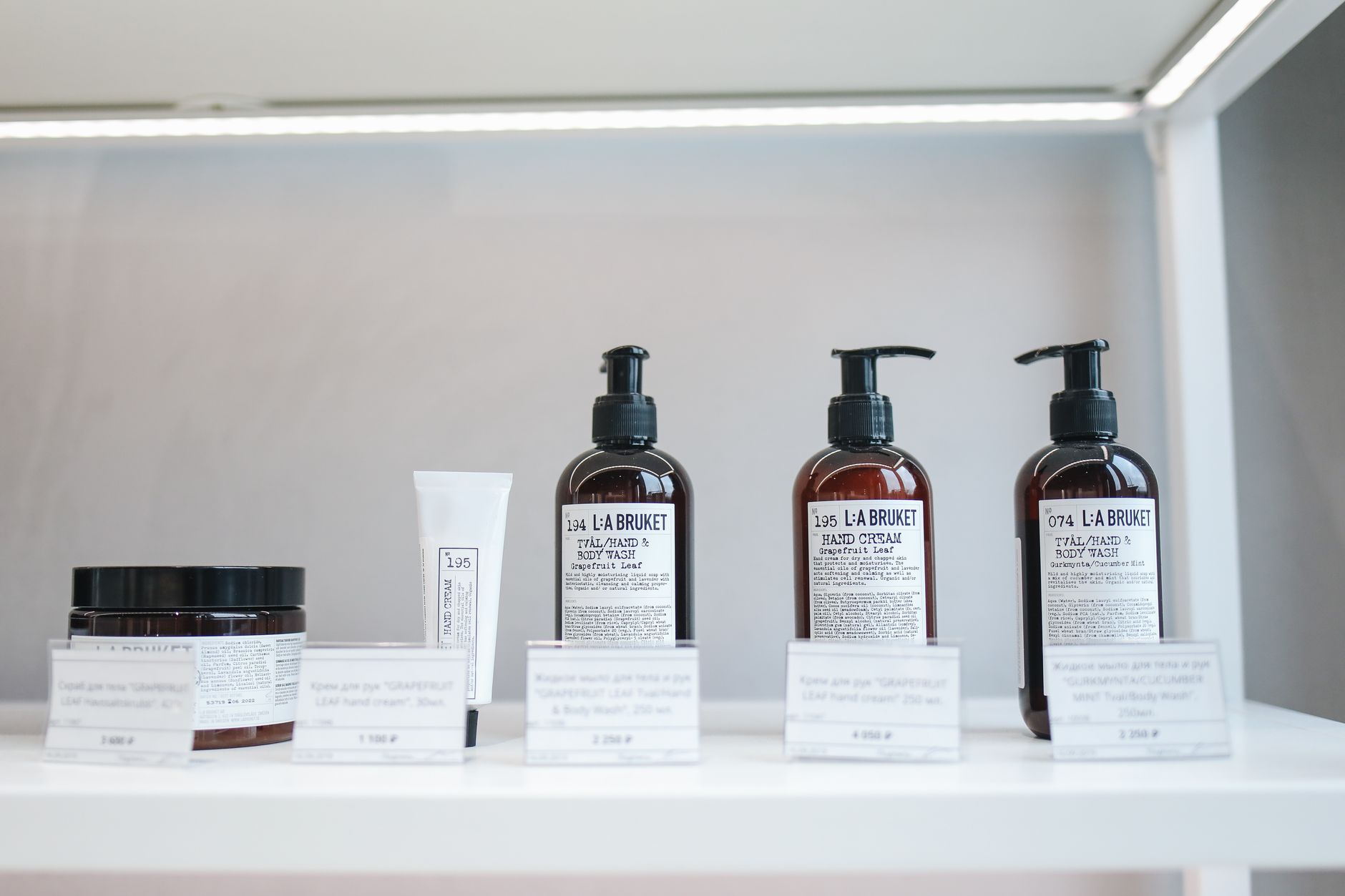
Safe to use Cortizone 10 during pregnancy when applied to small areas only; limit use in the first trimester and avoid large‑area or prolonged applications.
By Shubhra Mishra — a mom of two who turned her own confusion during pregnancy into BumpBites, a global mission to make food choices clear, safe, and stress-free for every expecting mother. 💛
Check whether any food is safe during pregnancy with the BumpBites Food Safety Checker.
Quick verdict: ⚠️ Safe with limits. Cortizone 10 (1% hydrocortisone) is generally considered low‑potency and can be used during pregnancy when applied sparingly and for short periods, but it’s best to follow the recommended amount and talk to your provider if you need long‑term treatment.
It’s 2 a.m., you’re scrolling through a pharmacy aisle, and a tinny bottle of Cortizone 10 catches your eye. You’ve been battling a flare‑up of eczema for weeks, and now you’re pregnant and wondering, “is cortizone 10 safe during pregnancy?” The worry is real, especially when you’ve already applied a thin layer on a rash. Take a breath—most obstetric guidelines say low‑potency topical steroids like Cortizone 10 are okay when used as directed, but there are a few caveats.
In this article we’ll answer the burning question “is cortizone 10 safe during pregnancy” and walk you through trimester‑specific guidance, how much you can safely apply, what the potential risks are, and which gentler skin‑care options you might consider instead. We’ll also compare Cortizone 10 with other over‑the‑counter steroid creams and give you a quick‑reference table of related products.
By the end you’ll have a clear, evidence‑based picture of whether you can keep Cortizone 10 in your bathroom cabinet, how to use it responsibly, and when it’s time to call your healthcare provider. If you’ve already used it, you’ll also learn why a single short‑term application is unlikely to harm your baby and what signs to watch for.
Even late‑night skin concerns can be managed safely with the right information.
Trimester
Verdict
Notes
First trimester
⚠️ Safe with limits
Low‑potency steroid; apply only to small areas; avoid >7 days continuous use.
Second trimester
⚠️ Safe with limits
Same guidance as first trimester; monitor skin for irritation.
Third trimester
⚠️ Safe with limits
Continue limited use; discuss any extensive application with your provider.
Breastfeeding
✅ Generally safe
Minimal systemic absorption; avoid applying directly to the nipple area.
What is Cortizone 10?
Cortizone 10 is an over‑the‑counter (OTC) topical cream that contains 1 % hydrocortisone, a low‑potency corticosteroid. Hydrocortisone works by dampening the body’s inflammatory response, which helps reduce redness, itching, and swelling associated with common skin conditions such as eczema, dermatitis, insect bites, and allergic reactions. Because it is “low‑potency,” it is less likely to cause systemic side effects compared with stronger steroids like betamethasone or clobetasol.
The product is sold in a small tube or pump bottle, making it easy to apply a thin layer to the affected skin. Most manufacturers recommend applying the cream two to three times a day for up to seven days, unless a healthcare professional advises otherwise. The active ingredient, hydrocortisone, is chemically identical to the hormone your adrenal glands naturally produce, but when applied locally the amount that reaches the bloodstream is usually negligible.
Pregnant people often reach for Cortizone 10 because it provides quick relief without a prescription, and the low concentration feels “gentle.” However, the safety question hinges on whether any amount of steroid can cross the placenta or affect fetal development, especially during the critical organ‑forming first trimester. The answer, based on current guidance from the American College of Obstetricians and Gynecologists (ACOG) and the UK’s National Health Service (NHS), is that limited, short‑term use of low‑potency hydrocortisone is permissible, but it should be done with caution.
In addition to the classic tube, many pharmacies now offer a pump‑style version that reduces waste and makes it easier to dispense a consistent pea‑sized amount. These packaging variations do not change the safety profile, but they can help you stay within the recommended dose more reliably.
Is Cortizone 10 safe during pregnancy?
Yes—when used as directed, Cortizone 10 is considered safe for most pregnant people. The ACOG states that “low‑potency topical corticosteroids (e.g., hydrocortisone 1 %) can be used during pregnancy when necessary,” emphasizing that the risk of systemic absorption is minimal. The NHS echoes this, noting that short‑term use of a 1 % hydrocortisone cream “does not appear to increase the risk of birth defects.” The U.S. Food and Drug Administration (FDA) classifies hydrocortisone‑containing OTC creams as Category C for pregnancy, meaning “risk cannot be ruled out, but the benefits may outweigh the risks.”
What matters most is the potency, the surface area treated, and the duration of use. Cortizone 10 is a low‑potency steroid, so even if a small amount is absorbed, it is unlikely to reach levels that could affect fetal development. Studies that have examined topical steroid use in pregnancy predominantly involve higher‑potency agents; those data suggest a possible link with low birth weight when used extensively, but the evidence for low‑potency steroids is far weaker.
Common misconceptions include the belief that any steroid is automatically unsafe, or that “natural” alternatives are always better. In reality, untreated severe eczema can itself cause maternal discomfort, sleep disruption, and secondary infection, which may pose a greater risk to both mother and baby than a brief course of low‑potency hydrocortisone.
Dermatology societies such as the American Academy of Dermatology (AAD) also note that low‑potency topical steroids are first‑line therapy for pregnant patients with inflammatory skin conditions, provided the clinician monitors the treatment duration and area of application. This consensus across obstetric and dermatologic guidelines reinforces the safety of short‑term, limited‑area use.
Is Cortizone 10 safe to use during the first trimester of pregnancy?
The first trimester is the period of organogenesis, when the fetus’s major organs form, and it is often the most cautious phase for medication use. For Cortizone 10, the consensus remains the same: limited, short‑term use is acceptable. ACOG advises that “if a low‑potency topical steroid is needed for a short period (e.g., < 7 days) to control a localized rash, it can be used.” The key is to keep the application area small—no larger than the size of a postage stamp—and avoid using it on broken skin that could increase absorption.
If you find yourself needing the cream more frequently, or if the rash spreads, it’s best to discuss alternative treatments with your obstetrician. Sometimes a prescription‑strength steroid with a different safety profile may be recommended, or a non‑steroidal option such as a moisturising barrier cream may be sufficient.
Can I apply Cortizone 10 cream daily while pregnant?
Applying Cortizone 10 once or twice daily to a small patch of skin is generally regarded as safe. However, daily use that exceeds the manufacturer’s recommendation of a 7‑day course should be approached with caution. Continuous, daily application over weeks can increase systemic absorption, especially if the skin is compromised or the area covered is large.
If you need to use the cream regularly, talk with your provider about a tapering plan or switching to a steroid‑free moisturizer for maintenance. Your doctor may also suggest a short “burst” of steroid use followed by a period without the product to keep exposure low.
What dosage of Cortizone 10 is considered safe during pregnancy?
Because Cortizone 10 is a topical cream, “dosage” refers to the amount applied and the frequency. The standard guidance is:
Apply a thin layer (about the size of a pea) to the affected area.
Limit use to no more than 2‑3 applications per day.
Do not exceed a 7‑day continuous course without medical supervision.
Avoid applying to large skin surfaces, the face, or the genital area.
For most pregnant users, this translates to roughly 0.5 g of cream per application, which is well below the threshold for systemic effects. If you have a larger rash, split the treatment into separate small patches rather than a single big area.
Are there safer hydrocortisone alternatives for pregnant women?
Yes. If you’re looking for a gentler approach, several non‑steroidal options provide relief without any steroid exposure:
Hydrocortisone 0.5 % cream (generic) – an even lower concentration that can be used similarly but with an added safety margin.
Calamine lotion – soothes itching and dries out oozing lesions without steroids.
Aloe vera gel – cools inflammation and promotes skin healing.
CeraVe Moisturizing Cream – restores barrier function and reduces dryness, which can lessen eczema flare‑ups.
Cetaphil Restoraderm – formulated for sensitive skin with ceramides that help calm irritation.
Eucerin Itch Relief Cream – contains pramoxine for itch control without steroids.
Gold Bond Medicated Lotion – combines menthol and zinc for a soothing, non‑steroid relief.
Aveeno Soothing Relief Cream – oatmeal‑based formula that calms itchy skin.
These alternatives are generally recognized as safe (GRAS) and are recommended by both ACOG and the NHS for pregnant patients who want to avoid corticosteroids altogether.
How does Cortizone 10 compare to other OTC steroid creams for pregnant users?
When we line up Cortizone 10 against other over‑the‑counter (OTC) steroid creams, the main differences are potency and potential for systemic absorption. Here’s a quick look:
Product
Potency
Pregnancy safety
Typical use
Cortizone 10 (1 % hydrocortisone)
Low
⚠️ Safe with limits
Localized rash, up to 7 days
Hydrocortisone 0.5 % (generic)
Very low
✅ Generally safe
Mild irritation, can be used longer
Cortizone 5 (0.5 % hydrocortisone)
Very low
✅ Generally safe
Minor itching or dermatitis
Cortizone 20 (2 % hydrocortisone)
Medium
⚠️ Use with caution
More persistent rash; limit duration
Triamcinolone acetonide 0.1 % cream
Medium‑high
❌ Best avoided
Not recommended unless prescribed
Betamethasone dipropionate cream
High
❌ Best avoided
Prescription only; avoid in pregnancy
Clobetasol propionate 0.05 % ointment
Very high
❌ Contraindicated
Only for severe skin disease under specialist care
Fluocinonide cream
High
❌ Best avoided
Prescription strength; not OTC safe
In short, Cortizone 10 sits in the low‑potency range, making it a reasonable first‑line option when a steroid is truly needed. Higher‑potency creams carry a greater risk of systemic absorption and should be avoided unless a dermatologist explicitly prescribes them for a serious condition.
What are the risks of using Cortizone 10 for eczema during pregnancy?
Eczema itself can be uncomfortable and may lead to secondary bacterial infection, which poses a larger health concern than the minimal systemic exposure from a low‑potency steroid. The primary risks associated with Cortizone 10 are skin‑related, such as:
Skin thinning (atrophy) if used over large areas for prolonged periods.
Contact dermatitis or allergic reaction to the cream’s inactive ingredients.
Potential for systemic absorption if applied to damaged skin or large surface area, though this is rare with a 1 % formulation.
Fetal risks are considered low, especially when adhering to the recommended usage guidelines. However, if you notice any unusual symptoms—such as swelling, rapid weight gain, or signs of infection—contact your obstetrician promptly.
Can Cortizone 10 cause birth defects or affect the baby?
Current evidence does not link low‑potency topical hydrocortisone (like Cortizone 10) with birth defects. The placenta acts as a barrier, and the amount of drug that reaches the fetal circulation from a small, localized application is negligible. Large, chronic use of high‑potency steroids has been associated with low birth weight in some studies, but those findings do not apply to the low‑potency, short‑term use of Cortizone 10.
Nonetheless, the safest approach is to use the minimum effective amount for the shortest time possible. If you have a history of preterm labor or other pregnancy complications, discuss any steroid use with your provider to ensure it aligns with your overall care plan.
Is Cortizone 10 safe for treating psoriasis in pregnancy?
Psoriasis can be more challenging because it often involves larger skin areas. For mild to moderate plaques, low‑potency steroids like Cortizone 10 may provide temporary relief, but dermatologists often prefer steroid‑free moisturizers or vitamin D analogues (e.g., calcipotriene) that have a stronger safety record in pregnancy. If your psoriasis is extensive, your provider may prescribe a systemic therapy that has been deemed safe, such as certain biologics, rather than relying solely on topical steroids.
In short, Cortizone 10 can be used for limited psoriatic patches, but it should not replace a comprehensive treatment plan designed for pregnancy.
Choosing a gentle, pregnancy‑friendly skin‑care routine can reduce the need for steroids.
Safe dosage / amount / brands
When it comes to Cortizone 10, the “dose” is measured in the amount of cream you spread on your skin. The manufacturer’s directions and obstetric guidelines both recommend a pea‑sized amount (roughly 0.5 g) applied to the affected area, no more than 2–3 times a day. Avoid covering the area with bandages or occlusive dressings, as this can increase absorption.
Most reputable brands of Cortizone 10 (including the generic “Hydrocortisone 1 %” sold at major pharmacies) meet FDA standards for purity and labeling. If you prefer a specific brand, look for products that list “hydrocortisone 1 %” as the active ingredient and have minimal fragrance or added preservatives, which can sometimes irritate sensitive skin.
For those who want to stay on the cautious side, switching to a 0.5 % hydrocortisone formulation reduces the steroid load by half while still offering some anti‑inflammatory benefit. These lower‑strength creams are widely available under store brands like “Equate Hydrocortisone 0.5 %” or “Generic Hydrocortisone 0.5 %.” Store the tube in a cool, dry place and check the expiration date; an expired cream may lose potency and could irritate the skin.
Side effects and risks
While Cortizone 10 is low‑potency, it is not completely risk‑free. The most common side effects are local and include:
Skin irritation or burning – usually mild and resolves after discontinuation.
Contact dermatitis – an allergic reaction to the cream’s inactive ingredients, presenting as redness, swelling, or rash.
Skin thinning – if used over large areas or for longer than a week, the skin may become fragile.
Systemic side effects (such as elevated blood pressure, blood sugar changes, or adrenal suppression) are exceedingly rare with a 1 % topical preparation, especially when used as directed. However, if you notice any of the following, contact your provider immediately:
Rapid weight gain or swelling of the hands/feet.
Persistent high blood pressure.
Unusual fatigue, dizziness, or fainting.
Signs of infection at the application site (increased redness, pus, warmth).
These symptoms could indicate that more of the steroid is entering your bloodstream than expected, or that an unrelated condition is developing. To manage mild irritation, you can rinse the area with cool water and apply a fragrance‑free moisturizer after the steroid course is finished.
Safer alternatives
Hydrocortisone 0.5 % cream (generic) – half the steroid concentration, suitable for mild itching.
Calamine lotion – provides a cooling effect and reduces itch without any steroid.
Aloe vera gel – natural anti‑inflammatory properties; ideal for minor burns or irritation.
When choosing an alternative, consider the underlying cause of your skin issue. For dry, flaky eczema, a ceramide‑rich moisturizer may be more effective long‑term than a short course of steroid. For insect bites, calamine or aloe can calm itching while the body’s natural healing processes take over.
Related items — safety at a glance
Item
Verdict
One‑line note
Hydrocortisone 1 % cream (generic)
⚠️ Safe with limits
Equivalent to Cortizone 10; follow same usage guidelines.
Hydrocortisone 0.5 % cream (generic)
✅ Generally safe
Lower steroid load; can be used longer if needed.
Cortizone 5 (0.5 % hydrocortisone)
✅ Generally safe
Very low potency; good for mild irritation.
Cortizone 20 (2 % hydrocortisone)
⚠️ Use with caution
Medium potency; limit duration and area.
Hydrocortisone 2.5 % ointment
⚠️ Safe with limits
Higher concentration; apply only to small patches.
Triamcinolone acetonide 0.1 % cream
❌ Best avoided
Medium‑high potency; not recommended without specialist advice.
Betamethasone dipropionate cream
❌ Best avoided
High potency; reserved for severe dermatologic conditions.
Clobetasol propionate 0.05 % ointment
❌ Contraindicated
Very high potency; risk of systemic absorption.
Fluocinonide cream
❌ Best avoided
High potency; prescription only, not OTC safe.
Myth vs. fact
Myth: Any steroid cream can cause birth defects.
Fact: Low‑potency steroids like Cortizone 10 have minimal systemic absorption, and current ACOG and NHS guidance consider them safe for short‑term, limited use during pregnancy.
Myth: “If it’s OTC, it must be safe for my baby.”
Fact: Not all OTC steroids are equal; potency matters. Higher‑potency OTC options (e.g., triamcinolone) are best avoided unless prescribed.
Myth: “I can use the cream on my face and belly without worry.”
Fact: The skin on the face and abdomen can absorb more medication, especially if the skin is broken. Limit application to small, non‑facial areas and avoid the belly unless directed by a provider.
Myth: “A single extra dab won’t hurt anything.”
Fact: While an occasional extra dab is unlikely to cause harm, repeated over‑application can increase systemic exposure and raise the risk of skin thinning or irritation.
Key takeaways
⚠️ Cortizone 10 is low‑potency and generally safe when used sparingly for ≤ 7 days.
Apply only a pea‑sized amount to a small area, 1–2 times daily.
First‑trimester use is permissible, but avoid large‑area or prolonged applications.
Consider non‑steroid alternatives (e.g., calamine, aloe, moisturizers) for long‑term relief.
Contact your obstetrician if you need to use the cream longer than a week or notice unusual symptoms.
Frequently asked questions
Can I use Cortizone 10 while pregnant?
Yes—when applied to a small area no more than 2–3 times a day for up to seven days, Cortizone 10 is considered safe according to ACOG and NHS guidelines.
Is hydrocortisone safe during pregnancy?
Low‑potency hydrocortisone (0.5 %–1 %) is generally regarded as safe for short‑term, limited use in pregnancy; higher‑potency forms should be avoided unless prescribed.
What are the side effects of Cortizone 10 for pregnant women?
Most side effects are local, such as mild skin irritation, burning, or rare contact dermatitis; systemic effects are exceedingly uncommon when used as directed.
How often can I apply Cortizone 10 during pregnancy?
Limit application to 1–2 times daily on a small patch, and do not exceed a continuous 7‑day course without medical supervision.
Are there any risks to the baby from using Cortizone 10?
Current evidence does not link the low‑potency hydrocortisone in Cortizone 10 with birth defects; the risk is considered low when used appropriately.
What are safer skin creams for pregnant women?
Options like hydrocortisone 0.5 % cream, calamine lotion, aloe vera gel, and moisturizers such as CeraVe or Aveeno provide relief without steroid exposure.
Can Cortizone 10 cause birth defects?
No—studies and professional guidelines indicate that low‑potency topical steroids like Cortizone 10 do not increase the risk of birth defects when used correctly.
What should I do if I accidentally apply too much Cortizone 10?
If you think you’ve used more than the recommended amount, gently wash the area with mild soap and water, then monitor for irritation. If redness, swelling, or systemic symptoms develop, contact your healthcare provider promptly.
Can I combine Cortizone 10 with other skin treatments?
It’s generally safe to use a moisturizer after the steroid has been absorbed (about 30 minutes later). However, avoid layering on other topical steroids or strong acids (like glycolic acid) without medical advice, as this can increase irritation.
When to call your doctor
If you notice any of the following while using Cortizone 10, seek medical attention promptly:
Rapid swelling, redness, or pus at the application site.
Unexplained weight gain, swelling of hands or feet, or high blood pressure.
Persistent itching or rash that does not improve after a week of treatment.
Signs of an allergic reaction, such as hives, severe burning, or difficulty breathing.
These symptoms could indicate an infection, an adverse reaction, or a need to adjust your treatment plan. Remember, this article provides general information and is not a substitute for personalized medical advice. Always discuss any concerns with your obstetrician or dermatologist.
References
American College of Obstetricians and Gynecologists. “Medication Use During Pregnancy.” ACOG Committee Opinion No. 738, 2018.
National Health Service (UK). “Topical steroids in pregnancy.” NHS website, updated 2022.
U.S. Food and Drug Administration. “Drug Categories for Pregnancy.” FDA Guidance, 2021.
Mayo Clinic. “Hydrocortisone (topical) – Uses and side effects.” Mayo Clinic, accessed 2024.
World Health Organization. “Guidelines on the use of corticosteroids in pregnancy.” WHO, 2020.
American Academy of Dermatology. “Topical corticosteroids: safe use in pregnancy.” AAD Clinical Guidelines, 2023.
National Institute for Health and Care Excellence (NICE). “Skin conditions in pregnancy: management.” NICE, 2021.
British Association of Dermatologists. “Guidelines for the treatment of eczema in pregnancy.” BAD, 2022.
Not sure about the label on Is Cortizone 10 Safe During Pregnancy products?
Snap the ingredients list and SafeFilter checks every ingredient for your stage — only 3 free scans this month, then you're locked until reset. Unlimited from $7/mo or $50/yr.
When Shubhra Mishra was expecting her first child in 2016, she was overwhelmed by conflicting food advice — one site said yes, another said never. By the time her second baby arrived in 2019, she realized millions of mothers face the same confusion.
That sparked a five-year journey through clinical nutrition papers, cultural diets, and expert conversations — all leading to BumpBites: a calm, compassionate space where science meets everyday motherhood.
Her long-term vision is to build a global community ensuring safe, supported, and free deliveriesfor every mother — because no woman should face pregnancy alone or uninformed. 🌿
🌍 Stand with mothers, shape safer guidance
Join a small circle of experts who review BumpBites articles so expecting parents everywhere can decide with confidence.