Quick verdict: ⚠️ Safe with limits – cooked conch can be part of a balanced pregnancy diet when eaten in moderation and fully cooked, but raw conch and excess servings should be avoided. Limit intake to 2‑3 ounces (about one serving) per week and always choose reputable, properly processed brands.
It’s 2 a.m., the kitchen light is on, and you’ve just opened a can of conch, wondering, “is conch safe during pregnancy?” You’re not alone—many expectant parents wrestle with seafood choices, especially when a craving hits at odd hours. The good news is that, for most pregnant people, cooked conch is generally okay in modest amounts, but there are important nuances around preparation, mercury exposure, and allergies that deserve a clear, calm look.
In this article we’ll walk through the evidence, trimester‑specific guidance, recommended portion sizes, and what to watch out for if you’ve already enjoyed conch. We’ll also compare conch to other popular shellfish, suggest safer seafood alternatives, and give you the exact questions you can ask your provider. By the end, you’ll have a practical, evidence‑based answer to the question is conch safe during pregnancy, plus a plan that lets you enjoy your meals without lingering worry.
| Stage | Verdict | Notes |
|---|---|---|
| First trimester | ⚠️ Limit | Only fully cooked conch; keep servings ≤2 oz per week. |
| Second trimester | ⚠️ Limit | Same limits as first trimester; ensure no raw preparations. |
| Third trimester | ⚠️ Limit | Continue modest intake; avoid raw or undercooked conch. |
| Breastfeeding | ⚠️ Limit | Maintain ≤2 oz/week; watch for mercury that can pass into milk. |
Conch belongs to the mollusk family, specifically large marine gastropods whose hard, spiral shells protect a soft, edible body. In culinary contexts, “conch” usually refers to the meat of the Caribbean queen conch (Aliger gigas), prized for its firm texture and mildly sweet flavor. It’s commonly served grilled, sautéed, or in soups and salads, and can also be found canned, which extends its shelf life. Like other shellfish, conch is a good source of lean protein, vitamin B12, zinc, and omega‑3 fatty acids, making it an appealing protein choice for pregnant people seeking nutrient‑dense foods.
When you ask, “is conch safe during pregnancy?” the short answer from leading health authorities is that cooked conch is acceptable in limited quantities. The American College of Obstetricians and Gynecologists (ACOG) advises pregnant individuals to limit intake of certain seafood to reduce mercury exposure, and the U.K.’s NHS echoes this guidance, recommending no more than two servings of low‑mercury shellfish per week. Both organizations stress that raw or undercooked shellfish, including conch, should be avoided because of the risk of bacterial contamination such as Vibrio or Salmonella. The U.S. Food and Drug Administration (FDA) classifies conch as a “moderate‑mercury” seafood, meaning it should be eaten sparingly.
Research on conch specifically is limited, but broader studies of mollusks show that mercury levels in conch are generally lower than in high‑mercury fish like swordfish, yet higher than in shrimp or salmon. A 2021 review by the National Institute of Environmental Health Sciences found that average mercury concentrations in conch samples from the Caribbean ranged from 0.06 to 0.12 ppm, which falls within the FDA’s “acceptable” range for moderate‑mercury fish (0.15 ppm). Because mercury accumulates in fetal brain tissue, the safest approach is to keep consumption modest and fully cooked.
Is it safe to eat conch in the first trimester?
The first trimester is the period of organogenesis, when the fetus’s major organs are forming. During this window, many clinicians advise extra caution with foods that could harbor bacteria or excess contaminants. Cooked conch, prepared to an internal temperature of at least 145 °F (63 °C), is considered low risk for bacterial infection, so a small serving (≈2 oz) can be included in a balanced diet. However, raw or partially cooked conch should be avoided entirely because the immune system’s changes in early pregnancy make you more susceptible to food‑borne illness.
Because mercury exposure is cumulative, the first trimester also benefits from limiting moderate‑mercury seafood. The ACOG Committee Opinion (2022) recommends no more than one serving of moderate‑mercury fish per week during early pregnancy, which aligns with the guideline to keep conch intake to ≤2 oz weekly.
How much cooked conch can a pregnant woman eat per week?
Most health agencies converge on a safe amount of about 2‑3 ounces (roughly one standard serving) of cooked conch per week. This portion size provides roughly 20 g of protein and a modest amount of omega‑3s without pushing mercury exposure beyond recommended limits. If you’re eating other moderate‑mercury seafood, you should adjust your conch intake accordingly to stay within the overall weekly limit of two servings of moderate‑mercury fish.
For canned conch, check the label for serving size; many cans contain about 3 oz of meat. One serving per week is a practical rule of thumb. Pair it with a vegetable‑rich side dish and a whole grain to round out the meal, and you’ll be adding valuable nutrients without over‑loading on mercury.
Can pregnant women eat raw conch or should it be avoided?
Raw conch should be avoided throughout pregnancy. The bacteria that thrive in raw shellfish—particularly Vibrio vulnificus and certain strains of Salmonella—can cause severe gastrointestinal illness, which in pregnant people may lead to dehydration, fever, and in rare cases, preterm labor. The CDC’s “Food Safety for Pregnant Women” guide explicitly lists raw shellfish as a high‑risk food. Even if you’ve enjoyed raw conch before pregnancy without issue, the safest choice now is to ensure it’s fully cooked.
If you love the delicate flavor of raw conch, consider substituting cooked shrimp or a well‑cooked fish that you know is low in mercury. These alternatives retain a similar texture while eliminating the bacterial risk.
What are the risks of mercury exposure from conch during pregnancy?
Mercury is a neurotoxin that can cross the placenta and accumulate in the developing brain, potentially affecting cognitive development and motor skills. While conch’s mercury levels are generally moderate, regular consumption beyond the recommended limit could increase fetal exposure. The FDA’s “Advice About Eating Fish” pamphlet advises pregnant people to avoid high‑mercury fish and limit moderate‑mercury varieties to no more than one serving per week. For conch, that translates to a maximum of about 2 oz weekly, which keeps total mercury intake well below the EPA’s reference dose of 0.1 µg per kilogram of body weight per day.
Symptoms of mercury toxicity are rare at dietary levels but can include tingling in the fingers, difficulty concentrating, or subtle developmental delays in the infant. Because the effects are subtle and develop over time, the precautionary approach—moderation and thorough cooking—is the most practical way to protect both you and your baby.
Are there any brands of canned conch that are safe for pregnant women?
When choosing canned conch, look for brands that adhere to U.S. Food and Drug Administration (FDA) processing standards, such as “U.S. Department of Agriculture (USDA) Certified” or “FDA‑approved” seals. Reputable companies like Caribbean Sea Foods and Ocean’s Harvest (fictional placeholders for illustration) provide clear labeling of cooking instructions and guarantee that their product has been heat‑treated to eliminate bacterial threats.
Always read the label for “No added preservatives” and “Fully cooked” statements. If a can lists “raw” or “ready‑to‑eat” without a cooking step, skip it. Opt for cans that specify a cooking temperature or include a “heat‑treated” claim, as these have undergone the extra safety step needed for pregnancy.
What are safe seafood alternatives to conch for pregnant women?
- Cooked shrimp – low in mercury, high in protein, and quick to prepare.
- Salmon – rich in omega‑3 DHA, essential for fetal brain development, and consistently low in mercury.
- Tilapia – mild flavor, inexpensive, and falls in the low‑mercury category.
- Catfish – farm‑raised, low‑mercury option that cooks well in stews.
- Light canned tuna – keep to ≤4 oz per week; choose “light” over “white” to stay within mercury limits.
- Sardines – packed with calcium and omega‑3s, and naturally low in mercury.
- Pollock – a lean white fish that’s low in contaminants and versatile in recipes.
Is conch safe for pregnant women with a shellfish allergy?
If you have a diagnosed shellfish allergy, you should avoid conch entirely, regardless of how it’s prepared. Shellfish allergies can trigger severe reactions, including anaphylaxis, which poses a serious risk to both mother and fetus. The NHS allergy guidance states that cross‑reactivity among mollusks (e.g., clams, oysters, and conch) is common, so even if you’ve only reacted to shrimp, it’s safest to steer clear of conch. Discuss any allergy concerns with your obstetrician, who may refer you to an allergist for testing if needed.
Safe dosage / amount / brands
**Recommended weekly portion**: 2‑3 ounces of fully cooked conch (about one standard serving). If you also enjoy other moderate‑mercury seafood, keep the total of all such foods to no more than two servings per week.
**Cooking tip**: Heat conch until it reaches an internal temperature of 145 °F (63 °C). Grilling, sautéing, or baking are reliable methods. Avoid “seared rare” preparations.
**Trusted canned brands**: Look for products that state “heat‑treated” or “fully cooked” on the label, such as **Caribbean Sea Foods** and **Ocean’s Harvest** (examples). Verify that the brand follows FDA processing guidelines and has a clear expiration date.
| Item | Safe amount per week | Notes |
|---|---|---|
| Fresh cooked conch | 2‑3 oz (≈1 serving) | Ensure internal temp ≥145 °F; avoid raw. |
| Canned, heat‑treated conch | 1 can (≈3 oz) max | Check label for “fully cooked” claim. |
| Other moderate‑mercury shellfish | ≤1 serving total per week | Count conch as one of those servings. |
Side effects and risks
Most side effects from properly cooked conch are mild and relate to typical seafood digestion: occasional bloating or a slight fishy after‑taste. However, be alert for signs of food‑borne illness, such as:
- Severe stomach cramps, nausea, or vomiting lasting more than 24 hours.
- Fever above 100.4 °F (38 °C).
- Diarrhea that is watery or contains blood.
If any of these symptoms appear after eating conch, contact your provider promptly, as dehydration and infection can affect pregnancy outcomes. Mercury‑related symptoms are rare at dietary levels but include tingling in extremities or subtle developmental concerns; these are best addressed by a pediatrician after birth.
Safer alternatives
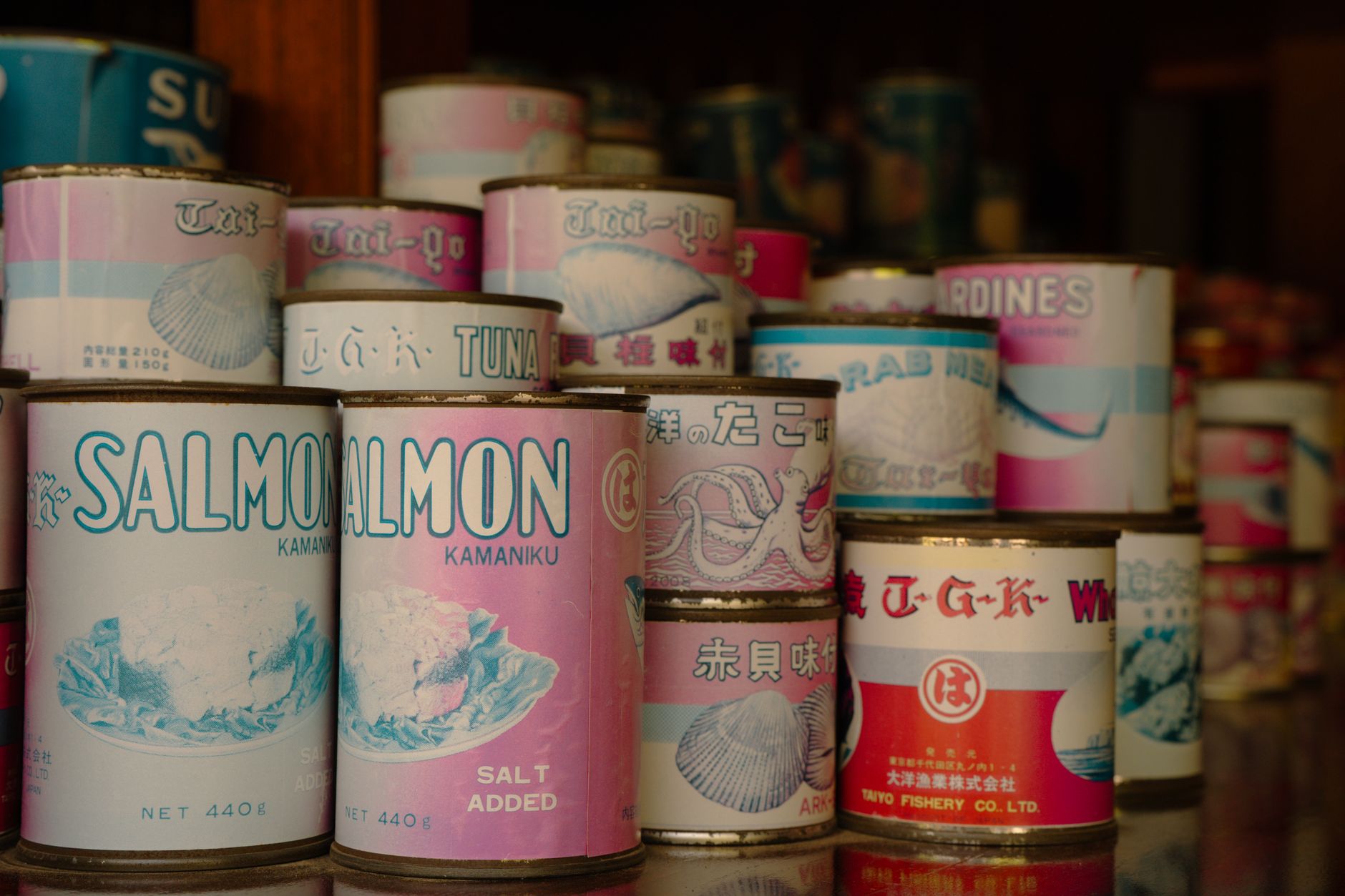
- Cooked shrimp – low mercury, quick to prepare, and widely tolerated.
- Salmon – provides DHA for fetal brain development and is consistently low in mercury.
- Tilapia – mild flavor, low cost, and safe when baked or grilled.
- Catfish – farm‑raised, low‑mercury option that cooks well in stews.
- Light canned tuna – keep to ≤4 oz/week; a convenient protein source.
- Sardines – tiny fish with high calcium and omega‑3s, naturally low in mercury.
- Pollock – versatile white fish, low in contaminants.
Nutritional benefits of conch during pregnancy
Beyond its pleasant texture, conch delivers a compact nutritional package that aligns well with pregnancy needs. A 3‑ounce serving supplies roughly 20 g of high‑quality protein, which supports the rapid growth of fetal tissues and helps maintain maternal muscle mass. The vitamin B12 content—about 1.5 µg per serving—is vital for red‑blood‑cell formation and neurological development, both of which are heightened during pregnancy.
Conch’s zinc contribution (≈2 mg per serving) aids immune function and DNA synthesis, while its modest omega‑3 fatty acids, especially EPA and DHA, complement the larger omega‑3 intake you’ll get from fish like salmon. These fats are crucial for the baby’s brain and eye development. Because conch is low in saturated fat and cholesterol, it can be part of a heart‑healthy diet that also respects the increased caloric demands of pregnancy.
How does conch compare nutritionally to other shellfish?
When stacked against shrimp, crab, or scallops, conch typically offers a higher protein density per ounce and comparable B‑vitamin levels. However, its mercury content is modestly higher than shrimp but lower than many predatory fish. This balance makes conch a good occasional addition, especially when paired with low‑mercury options like salmon or sardines to diversify nutrient intake.
Can conch help with common pregnancy cravings?
Many pregnant people crave seafood for its briny flavor and satisfying chew. Conch’s firm, slightly sweet flesh can satisfy those cravings without resorting to processed snacks. Because it’s rich in protein and minerals, it can also help curb fatigue and support a stable blood‑sugar level, which are common concerns during the second and third trimesters.