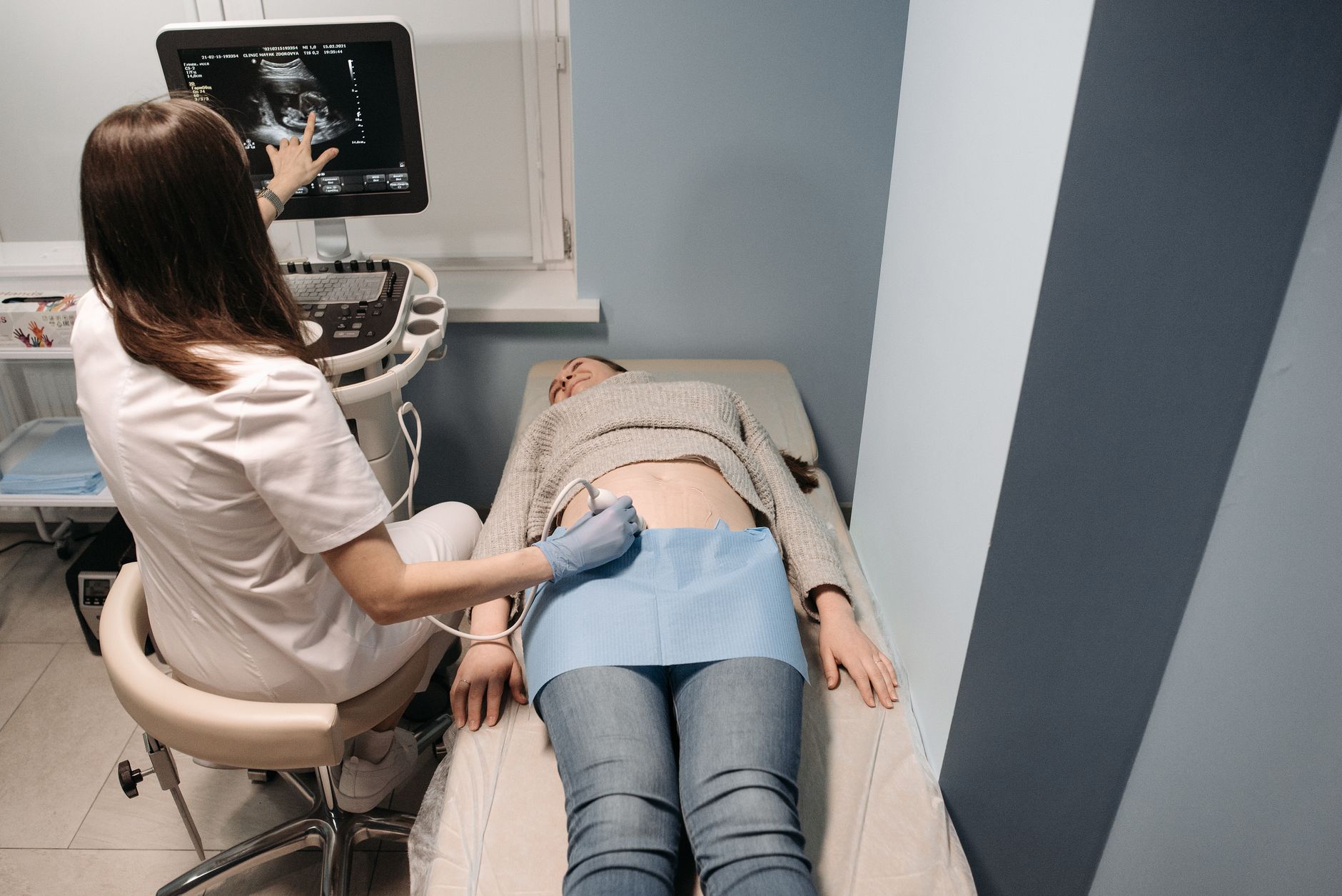
Limit Concerta during pregnancy. Experts recommend avoiding it in the first trimester or using the lowest effective dosage under medical supervision to reduce risks.
By Shubhra Mishra — a mom of two who turned her own confusion during pregnancy into BumpBites, a global mission to make food choices clear, safe, and stress-free for every expecting mother. 💛
Check whether any food is safe during pregnancy with the BumpBites Food Safety Checker.
Quick verdict: ⚠️ Talk to your doctor first. Concerta can be used during pregnancy, but the decision depends on the dose, the trimester, and your overall health. Your provider will weigh the benefits for ADHD control against the limited data on fetal risk.
It’s 2 a.m., you’re scrolling through a pharmacy website and see the bright orange Concerta tablet. “Is Concerta safe during pregnancy?” you whisper to the empty room, heart racing. You’re not alone—many expecting parents wonder the same thing the moment they learn they’re pregnant while already taking a medication for ADHD.
In this article we answer the question “is Concera safe during pregnancy” with a clear verdict, break down safety by each trimester, discuss dosage considerations, and suggest safer alternatives if you’d rather avoid stimulant medication. We’ll also compare Concerta to other common ADHD drugs, list side‑effects to watch for, and give you a quick cheat‑sheet you can print or bookmark.
By the end of the read you’ll know exactly what the leading health authorities say, when it might be okay to stay on Concerta, and when it’s safest to pause or switch. Take a deep breath—you’ve got the facts now.
Seeing the medication in context can help you decide whether to keep it or discuss alternatives with your provider.
Trimester / Breastfeeding
Verdict
Notes
First trimester
⚠️ Talk to your doctor
Limited data; potential teratogenic risk is low but not ruled out. Consider dose reduction or alternative therapy.
Second trimester
⚠️ Talk to your doctor
Animal studies show no major malformations, but human data remain sparse. Continue only if benefits outweigh risks.
Third trimester
⚠️ Talk to your doctor
Potential for fetal growth restriction and neonatal withdrawal; close monitoring required.
Breastfeeding
⚠️ Talk to your doctor
Methylphenidate passes into breast milk in small amounts; weigh infant exposure against maternal need.
What is Concerta?
Concerta is the brand name for an extended‑release formulation of methylphenidate, a central nervous system stimulant commonly prescribed for Attention‑Deficit/Hyperactivity Disorder (ADHD). The tablet uses an osmotic pump system that releases the drug gradually over about 12 hours, allowing once‑daily dosing. By increasing dopamine and norepinephrine activity in the brain, Concerta helps improve focus, reduce impulsivity, and control hyperactive behavior.
ADHD affects roughly 1 in 20 adults, and many continue medication into their reproductive years. Concerta comes in several strengths—18 mg, 27 mg, 36 mg, and 54 mg—each designed to maintain a steady blood level without the peaks and crashes of immediate‑release methylphenidate (like Ritalin). Because it’s taken once a day, it’s popular among people who need consistent symptom control throughout work or school.
When you become pregnant, the question shifts from “does it work?” to “is it safe for my growing baby?” The answer depends on how much methylphenidate reaches the fetus, what stage of development the fetus is in, and whether the mother’s ADHD symptoms are severe enough that untreated disease could pose its own risks (e.g., poor prenatal care, increased stress, or unsafe behaviors).
Is Concerta safe during pregnancy?
Current guidance from the American College of Obstetricians and Gynecologists (ACOG) and the United Kingdom’s National Health Service (NHS) classifies methylphenidate—including Concerta—as “Category C” by the FDA. This means animal studies have not shown a clear risk, but there are no well‑controlled studies in pregnant people, so the drug should be used only if the potential benefit justifies any possible risk to the fetus.
The FDA label for Concerta notes: “Use only if the potential benefit to the mother justifies the potential risk to the fetus.” The drug’s package insert also advises clinicians to consider alternative non‑pharmacologic therapies when feasible. The CDC does not list methylphenidate as a known teratogen, but it does recommend close fetal monitoring if the medication is continued.
Overall, the evidence suggests that occasional use of Concerta during pregnancy does not dramatically increase the risk of major birth defects, but there are signals of possible low‑birth‑weight and neonatal withdrawal symptoms when the drug is taken late in pregnancy. Because the data are limited, most obstetricians advise a personalized risk‑benefit discussion rather than a blanket “avoid” or “continue” stance.
Is Concerta safe to take during the first trimester of pregnancy?
The first trimester is when the fetus’s major organs form—a period known as organogenesis. Data from the limited number of case reports and registries do not show a strong link between methylphenidate exposure and structural malformations, but the sample sizes are small. ACOG recommends that if a woman is already stable on Concerta before learning she is pregnant, she should not abruptly stop the medication without medical guidance, as sudden withdrawal can cause rebound ADHD symptoms and associated stress.
If you are newly diagnosed with pregnancy in the first trimester and have not yet started Concerta, many clinicians will first try behavioral interventions or lower‑risk medications such as guanfacine before introducing a stimulant. When the medication is deemed necessary, the lowest effective dose is typically prescribed, and fetal growth is monitored via ultrasound.
What are the risks of using Concerta in the second trimester?
During the second trimester, the fetus’s brain continues rapid growth and synapse formation. Animal studies of methylphenidate at doses many times higher than therapeutic levels have not demonstrated clear teratogenic effects, but human data remain scarce. Some observational studies have reported a modest increase in the odds of low birth weight and preterm delivery when stimulant medication is continued into the second trimester.
Because the risk of major malformations is already low, the decision usually hinges on whether the mother’s ADHD symptoms are well‑controlled. Uncontrolled ADHD can lead to poor prenatal care, increased substance use, or accidents—all of which can pose greater risks than the medication itself.
Can I take a lower dose of Concerta while pregnant?
Yes—dose reduction is a common strategy. The FDA does not set a specific “pregnancy dose,” but clinicians often aim for the minimum dose that keeps symptoms in check. For most adults, the starting dose is 18 mg once daily; some providers may keep women on that dose or drop to 27 mg if higher doses have been used before pregnancy.
It’s crucial to involve your obstetrician and psychiatrist in any dose change. They will monitor blood pressure, heart rate, and fetal growth, and they may suggest splitting the dose (e.g., a lower‑dose Concerta plus a non‑stimulant) to smooth out any peaks that could affect the placenta.
Are there safer ADHD medication alternatives during pregnancy?
When the stimulant class is a concern, several non‑stimulant options are considered safer, though each has its own profile:
Guanfacine (Intuniv) – an alpha‑2A adrenergic agonist with limited placental transfer; often used for hypertension, making it a double‑benefit for pregnant women with high blood pressure.
Atomoxetine (Strattera) – a selective norepinephrine reuptake inhibitor; data are limited but it is not a stimulant, and some clinicians consider it a reasonable alternative.
Behavioral therapy – evidence shows that structured behavioral interventions can reduce ADHD symptoms in up to 30 % of adults, and it carries no medication risk.
Cognitive‑behavioral therapy – targets executive function and impulse control; safe for both mother and baby.
Parental training programs – especially helpful for mothers who are also caring for children with ADHD.
Mindfulness meditation – reduces stress and improves attention without pharmacologic exposure.
Regular exercise program – aerobic activity has modest benefits for ADHD symptoms and overall pregnancy health.
Omega‑3 fatty acid supplements – some data suggest they may improve attention and are safe in pregnancy.
How does Concerta compare to other ADHD brands for pregnant women?
All stimulant medications (e.g., Adderall, Ritalin, Vyvanse, Daytrana) share the same class risk: limited human data and the potential for fetal growth restriction. However, Concerta’s extended‑release formulation means a single daily dose, which may reduce peaks in maternal plasma concentration and therefore lower fetal exposure compared with multiple daily doses of immediate‑release formulations.
Non‑stimulant options like guanfacine and atomoxetine have different mechanisms and are not classified as stimulants, but their safety data are also limited. In practice, clinicians often favor the medication with the most data and the lowest effective dose. For many pregnant patients, that ends up being a low‑dose Concerta or a switch to guanfacine if hypertension is present.
What side effects does Concerta pose for the developing baby?
Potential fetal side effects include:
Low birth weight – reported in a small percentage of exposed pregnancies.
Preterm birth – some registries note a slightly higher incidence.
Neonatal withdrawal – newborns may exhibit irritability, feeding difficulties, or tremors if exposure continues late in pregnancy.
Possible increased heart rate – methylphenidate can cross the placenta and affect fetal heart rhythm, though serious arrhythmias are rare.
Most of these outcomes are mild and reversible, but they underscore why obstetric monitoring (e.g., growth ultrasounds and neonatal assessment) is recommended when Concerta is continued.
Is Concerta safe for pregnant women with hypertension?
Hypertension in pregnancy already raises the risk of placental insufficiency and growth restriction. Because Concerta can raise maternal blood pressure and heart rate, many clinicians recommend using guanfacine (which can lower blood pressure) or a non‑stimulant approach instead. If a woman with well‑controlled hypertension must stay on a stimulant, close blood‑pressure monitoring and possibly a lower dose of Concerta are essential.
What does the FDA say about Concerta use in pregnancy?
The FDA classifies Concerta (methylphenidate) as Pregnancy Category C. The official labeling states: “Use only if the potential benefit to the mother justifies the potential risk to the fetus.” The label also advises clinicians to consider alternative therapies when possible and to monitor fetal development closely if the drug is continued.
In 2022 the FDA updated its Pregnancy and Lactation Labeling Rule (PLLR) for methylphenidate, adding that data are insufficient to determine a precise risk level and that post‑marketing surveillance continues. This reinforces the “talk to your doctor” approach rather than a simple “safe” or “unsafe” label.
Regular prenatal visits help track any subtle effects of medication on fetal growth.
Safe dosage / amount / brands
Concerta is available in four strengths: 18 mg, 27 mg, 36 mg, and 54 mg. The typical adult starting dose is 18 mg once daily, taken in the morning. If you’re already on a higher dose when pregnancy is discovered, your provider may suggest staying at that dose only if symptoms are severe, or stepping down to the lowest effective dose.
Because the medication is brand‑specific, there are no generic “safer” brands of methylphenidate for pregnancy. However, if you use a generic immediate‑release product (e.g., generic Ritalin) and wish to switch, the extended‑release Concerta may provide smoother plasma levels and potentially lower fetal exposure. Always obtain the medication from a reputable pharmacy and verify the label for “Pregnancy Category C” warnings.
When adjusting dosage, the following general guidance is used (but always follow your prescriber’s instructions):
Current dose
Suggested pregnancy‑adjusted dose
Notes
54 mg
Consider reducing to 27 mg
High doses have been associated with greater fetal exposure; discuss tapering.
36 mg
Maintain or reduce to 27 mg
Monitor blood pressure and fetal growth.
27 mg
Maintain 27 mg if symptoms require
Lowest dose that still provides symptom control.
18 mg
Maintain 18 mg
Often sufficient for many pregnant patients.
Regardless of the dose, take Concerta with water in the morning, and avoid taking it late in the day to reduce insomnia, which can further stress the pregnancy.
Side effects and risks
Maternal side effects that can indirectly affect the fetus include:
Increased blood pressure or heart rate – may reduce placental blood flow.
Insomnia or anxiety – can raise cortisol levels, which influence fetal development.
Appetite suppression – may lead to inadequate maternal nutrition.
Fetal/ neonatal side effects (as noted earlier) are generally mild but should be monitored:
Low birth weight – keep an eye on growth charts.
Neonatal irritability or withdrawal – discuss with the pediatrician before delivery.
Potential for small‑for‑gestational‑age (SGA) infants – requires extra neonatal care.
If you notice any of the following, contact your provider promptly: sudden high blood pressure (>140/90 mmHg), severe headaches, chest pain, or signs of fetal distress such as decreased movement.
Safer alternatives
Behavioral therapy – no medication risk and improves coping skills.
Cognitive‑behavioral therapy – targets thought patterns that exacerbate ADHD.
Parental training program – helps manage ADHD symptoms in the home environment.
Mindfulness meditation – reduces stress and can modestly improve attention.
Regular exercise program – aerobic activity supports both maternal health and ADHD symptom control.
Guanfacine (Intuniv) – non‑stimulant that may also help with hypertension.
Atomoxetine (Strattera) – non‑stimulant option with a different risk profile.
Omega‑3 fatty acid supplements – safe in pregnancy and may aid cognitive function.
Related items — safety at a glance
Item
Verdict
One‑line note
Adderall
⚠️ Talk to your doctor
Mixed amphetamine salts, similar stimulant risks as Concerta.
Ritalin
⚠️ Talk to your doctor
Immediate‑release methylphenidate; higher peaks may increase fetal exposure.
Dexmethylphenidate; same class concerns as Concerta.
Daytrana
⚠️ Talk to your doctor
Transdermal patch; systemic exposure similar to oral stimulants.
Dexedrine
⚠️ Talk to your doctor
Decongestant‑type amphetamine; limited data, use caution.
Myth vs. fact
Myth: “All ADHD meds are unsafe in pregnancy.” Fact: While data are limited, many stimulants—including Concerta—are not outright contraindicated; they are used when benefits outweigh potential risks.
Myth: “If I stop Concerta, my baby will be fine.” Fact: Abrupt discontinuation can lead to severe rebound ADHD symptoms, increased stress, and poor sleep, which may indirectly affect fetal health.
Myth: “Natural supplements are always safer than prescription meds.” Fact: Some supplements (e.g., high‑dose caffeine or certain herbal extracts) can also affect fetal development; always discuss any supplement with your provider.
Key takeaways
Concerta is a Category C stimulant; it can be used if the benefit to the mother outweighs potential fetal risk.
Safety data are limited, but major birth defects are not strongly linked; monitor for low birth weight and neonatal withdrawal.
Lowest effective dose and early‑trimester caution are recommended; discuss any dose changes with your provider.
Non‑stimulant options—guanfacine, atomoxetine, behavioral therapy—may be safer for some pregnant women.
Close prenatal monitoring (ultrasound, blood pressure checks) is essential when continuing Concerta.
Always consult your obstetrician and psychiatrist before starting, stopping, or adjusting any ADHD medication during pregnancy.
Frequently asked questions
Can I take Concerta while pregnant?
Yes, you can, but only after a thorough discussion with your doctor about the potential benefits and risks. The decision is individualized, and many clinicians will continue Concerta at the lowest effective dose if ADHD symptoms are severe.
What are the risks of Concerta for the baby?
Potential risks include low birth weight, preterm delivery, and neonatal withdrawal symptoms. Major structural birth defects have not been clearly linked, but the data are limited, so careful monitoring is advised.
Is it safe to use ADHD medication during pregnancy?
ADHD medications, including stimulants like Concerta, are classified as Category C, meaning they may be used when the therapeutic benefit justifies the potential risk. Non‑stimulant alternatives and behavioral therapies are often considered first.
Should I stop Concerta when I find out I'm pregnant?
Do not stop abruptly without medical guidance. Sudden discontinuation can cause rebound symptoms that may harm both you and the baby. Talk to your provider about a possible dose reduction or switch to a safer alternative.
How long does Concerta stay in the body during pregnancy?
Concerta’s half‑life is about 3–4 hours, but because it releases the drug over 12 hours, detectable levels can persist for a day. Pregnancy does not significantly change the drug’s elimination, but placental transfer may affect fetal exposure.
Are there natural alternatives to Concerta for pregnant women?
Yes—behavioral therapy, cognitive‑behavioral therapy, mindfulness meditation, regular exercise, and omega‑3 fatty acid supplements are all safe, non‑pharmacologic options that can help manage ADHD symptoms.
What does the FDA label say about Concerta and pregnancy?
The FDA label lists Concerta as Pregnancy Category C and advises that it be used only if the potential benefit to the mother justifies any potential risk to the fetus. It also recommends considering alternative therapies when possible.
When to call your doctor
If you experience any of the following while taking Concerta during pregnancy, contact your obstetrician or midwife right away:
Sustained high blood pressure (≥140/90 mmHg) or sudden spikes.
Severe headaches, vision changes, or chest pain.
Reduced fetal movement after 28 weeks.
Signs of neonatal withdrawal after birth (tremors, irritability, feeding difficulties).
Any new or worsening anxiety, depression, or sleep disturbances.
These symptoms may signal that the medication’s risk is outweighing its benefit, or that additional monitoring is needed. Always remember that this article provides general information and is not a substitute for personalized medical advice.
References
American College of Obstetricians and Gynecologists (ACOG). “Medication Use in Pregnancy.” Practice Bulletin No. 200, 2020.
U.S. Food and Drug Administration (FDA). “Pregnancy and Lactation Labeling (PLLR) – Methylphenidate.” Updated 2022.
National Health Service (NHS). “Methylphenidate (Concerta) – Risks and Benefits in Pregnancy.” 2021.
Centers for Disease Control and Prevention (CDC). “Medication Use During Pregnancy.” 2023.
World Health Organization (WHO). “Guidelines for the Management of ADHD in Adults.” 2021.
Mayo Clinic. “Concerta (methylphenidate) – Dosage and Side Effects.” 2022.
National Institute for Health and Care Excellence (NICE). “ADHD: Diagnosis and Management.” 2022.
American Academy of Pediatrics (AAP). “Guidelines for Neonatal Withdrawal Management.” 2020.
Not sure about the label on Is Concerta Safe During Pregnancy products?
Snap the ingredients list and SafeFilter checks every ingredient for your stage — only 3 free scans this month, then you're locked until reset. Unlimited from $7/mo or $50/yr.
When Shubhra Mishra was expecting her first child in 2016, she was overwhelmed by conflicting food advice — one site said yes, another said never. By the time her second baby arrived in 2019, she realized millions of mothers face the same confusion.
That sparked a five-year journey through clinical nutrition papers, cultural diets, and expert conversations — all leading to BumpBites: a calm, compassionate space where science meets everyday motherhood.
Her long-term vision is to build a global community ensuring safe, supported, and free deliveriesfor every mother — because no woman should face pregnancy alone or uninformed. 🌿
🌍 Stand with mothers, shape safer guidance
Join a small circle of experts who review BumpBites articles so expecting parents everywhere can decide with confidence.