Safe: Cold smoked fish can be eaten during pregnancy if limited to 2 servings (≈150 g) per week, ideally after the first trimester, and kept refrigerated.
By Shubhra Mishra — a mom of two who turned her own confusion during pregnancy into BumpBites, a global mission to make food choices clear, safe, and stress-free for every expecting mother. 💛
Check whether any food is safe during pregnancy with the BumpBites Food Safety Checker.
Quick verdict: ❌ Best avoided. Cold smoked fish is not considered safe for pregnant people because of the risk of Listeria and other bacterial contamination. If you’ve already eaten a small amount, stay calm and monitor for symptoms, but aim to skip it for the rest of pregnancy.
It’s 2 a.m., you’re scrolling through recipe ideas, and a glossy bag of cold smoked salmon catches your eye. You wonder, “is cold smoked fish safe during pregnancy?” The question is common, especially once you discover you’re expecting. The short answer is that most health authorities, including ACOG and the NHS, advise pregnant people to avoid cold smoked fish altogether because of the potential for Listeria monocytogenes, a bacteria that can cross the placenta and harm the developing baby.
In this article we’ll break down exactly why cold smoked fish is risky, how the risk changes (or doesn’t) across each trimester, what amount—if any—is considered low‑risk, how to spot reputable brands, and what cooking methods might mitigate danger. We’ll also give you a list of safer fish options, compare similar smoked‑fish products, debunk a few myths, and answer the most common follow‑up questions you might have after reading.
By the end of this guide you’ll know whether to keep the smoked fish on the grocery list, which alternatives can give you similar omega‑3 benefits, and when it’s time to call your provider.
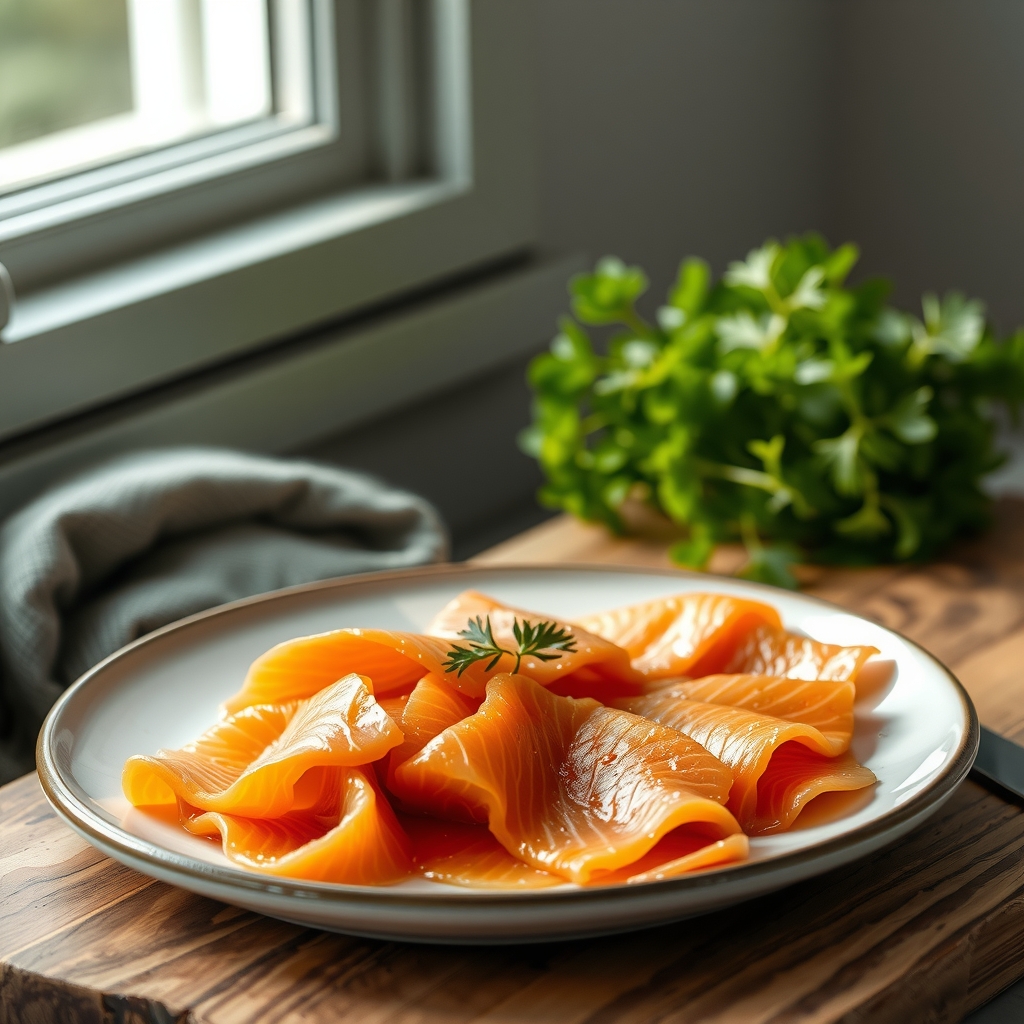
Cold smoked salmon looks tempting, but its preparation leaves it vulnerable to bacterial contamination.
Pregnancy stage
Verdict
Notes
First trimester
❌ Best avoided
Highest risk period for fetal organ development; Listeria can cause miscarriage.
Second trimester
❌ Best avoided
Risk of severe infection remains; no safe amount established.
Third trimester
❌ Best avoided
Late‑pregnancy Listeria can trigger preterm labor and neonatal infection.
Breastfeeding
⚠️ Talk to your doctor
Listeria can be passed through breast milk; caution still advised.
What is cold smoked fish?
Cold smoked fish is prepared by curing the flesh in a salty brine or dry rub, then exposing it to smoke at temperatures typically below 30 °C (86 °F). The low heat preserves the fish’s delicate texture and pink color, creating a “raw‑like” product that can be sliced thinly and served without cooking. Common varieties include salmon, trout, mackerel, herring, whitefish, and sturgeon. Because the fish never reaches a temperature that kills most bacteria, any pathogens present on the surface can survive the smoking process.
Cold smoking is different from hot smoking, where the fish is cooked at 70–100 °C (158–212 °F), effectively killing bacteria and parasites. The result is a firmer, fully cooked product that is generally considered safe for pregnant people when prepared from reputable sources. Cold smoked fish, however, retains the same microbial risk as raw fish, which is why it falls under the same advisories as sushi and raw shellfish for those who are pregnant.
Is cold smoked fish safe during pregnancy?
C
urrent guidance from the American College of Obstetricians and Gynecologists (ACOG) and the United Kingdom’s National Health Service (NHS) advises pregnant people to avoid cold smoked fish entirely. The primary concern is Listeria monocytogenes, a bacterium that thrives in low‑temperature, high‑salt environments—exactly the conditions used in cold smoking. Listeria can cross the placenta, leading to miscarriage, stillbirth, premature delivery, or severe infection in the newborn.
Evidence from the Centers for Disease Control and Prevention (CDC) shows that pregnant women are 10‑20 times more likely to develop listeriosis than the general adult population. Outbreaks linked to smoked fish, especially cold smoked salmon, have repeatedly highlighted the vulnerability of pregnant consumers.
While some manufacturers claim “tested for Listeria” or “certified safe,” no processing method for cold smoked fish guarantees the elimination of the pathogen without a cooking step. Therefore, the safest approach is to avoid the product altogether. If you love the flavor, consider cooking the fish thoroughly or switching to hot‑smoked alternatives, which have been shown to be low‑risk.
Is cold smoked salmon safe to eat in the first trimester?
The first trimester is the period of organogenesis, when the baby’s major organs form. During this window, any infection that reaches the fetus can cause structural defects or loss of pregnancy. Because Listeria can cross the placenta and cause miscarriage, ACOG specifically recommends avoiding cold smoked salmon in the first trimester (and throughout pregnancy). Even a single serving carries a non‑zero risk, and the potential consequences outweigh any nutritional benefit.
How many slices of cold smoked fish can a pregnant woman safely eat?
There is no established “safe amount” for cold smoked fish during pregnancy. Health agencies do not set a numeric limit because the risk of Listeria is not dose‑dependent in the same way as mercury exposure; even a tiny portion can contain enough bacteria to cause infection. Consequently, the safest recommendation is to abstain from cold smoked fish entirely. If you cannot avoid it, limit consumption to the absolute minimum—one thin slice—and consult your provider immediately.
Can I eat cold smoked trout during pregnancy if it's from a reputable brand?
Even reputable brands cannot guarantee that cold smoked trout is free of Listeria. While quality control and testing reduce the likelihood of contamination, the low‑temperature process does not eradicate the bacteria. The NHS advises that “any cold smoked fish, regardless of brand, should be avoided during pregnancy.” If a brand offers a “heat‑treated” version, that product is effectively hot smoked and would be considered safe, but standard cold smoked trout remains risky.
What are the risks of Listeria from cold smoked fish for pregnant women?
Listeria infection (listeriosis) in pregnancy can present with flu‑like symptoms—fever, muscle aches, and sometimes gastrointestinal upset. However, many cases are mild or asymptomatic in the mother while the fetus suffers severe outcomes. Potential complications include:
Miscarriage or stillbirth.
Preterm labor leading to a baby born early.
Neonatal sepsis, meningitis, or long‑term neurological problems.
The CDC estimates a mortality rate of up to 30 % for newborns infected with Listeria, underscoring why avoidance is the most prudent strategy.
Are there any safe alternatives to cold smoked fish for pregnant women?
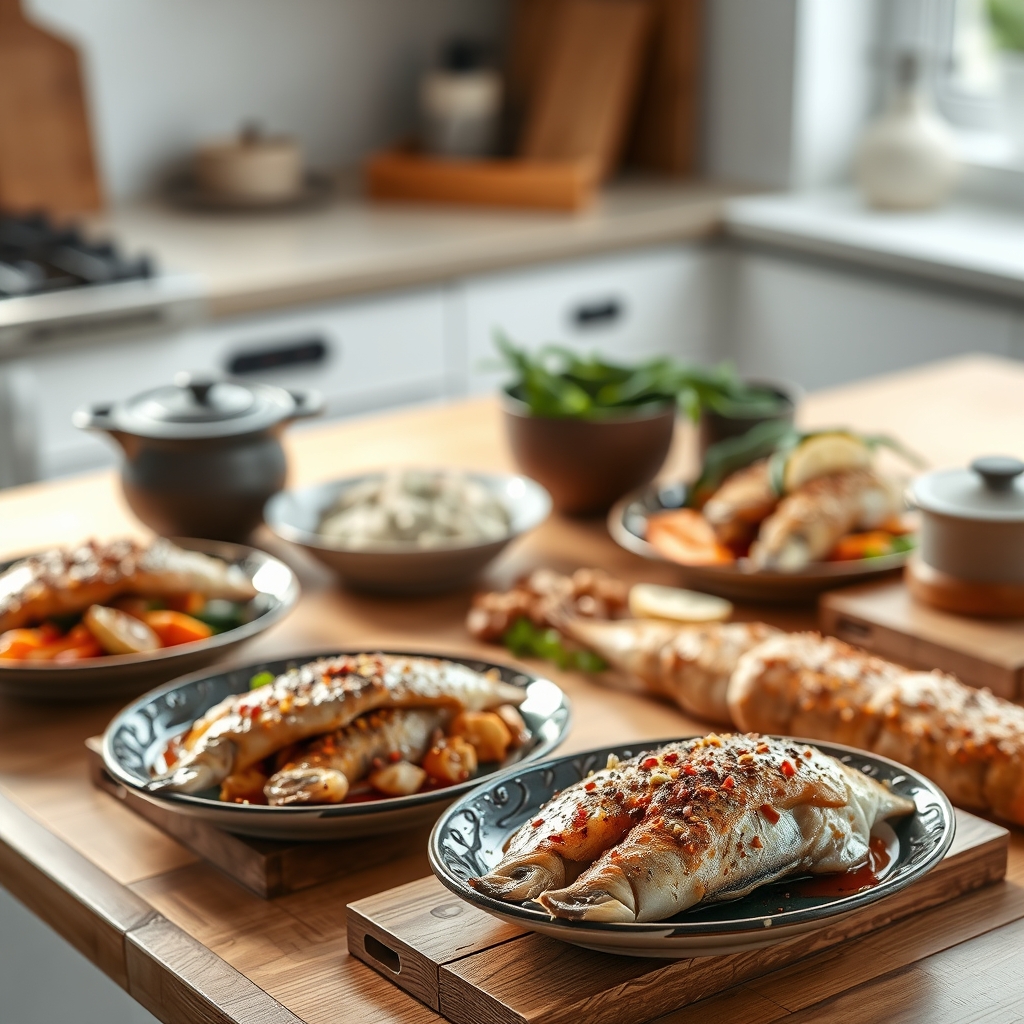
Yes. You can enjoy the same omega‑3 fatty acids and protein from fully cooked fish options that have been cleared by ACOG and the NHS. Below is a list of alternatives that retain nutritional benefits while eliminating the Listeria risk:
Cooked salmon – baked, grilled, or poached.
Grilled trout – cooked to an internal temperature of 63 °C (145 °F).
Baked cod – a mild‑flavored white fish rich in protein.
Steamed herring – retains omega‑3s while being fully cooked.
Hot‑smoked salmon – the smoking process reaches temperatures that kill Listeria.
Poached white fish – gentle cooking that preserves tenderness.
Is cold smoked fish safe for pregnant women with a weakened immune system?
Pregnant people with compromised immunity—due to conditions like HIV, organ transplantation, or immunosuppressive medication—are even more vulnerable to Listeria. The CDC stresses that immunocompromised individuals should avoid all high‑risk foods, including cold smoked fish, because their bodies may struggle to clear the infection. The recommendation to avoid cold smoked fish applies universally, but the consequences of infection are more severe for those with weakened immunity.
Does cooking cold smoked fish make it safe during pregnancy?
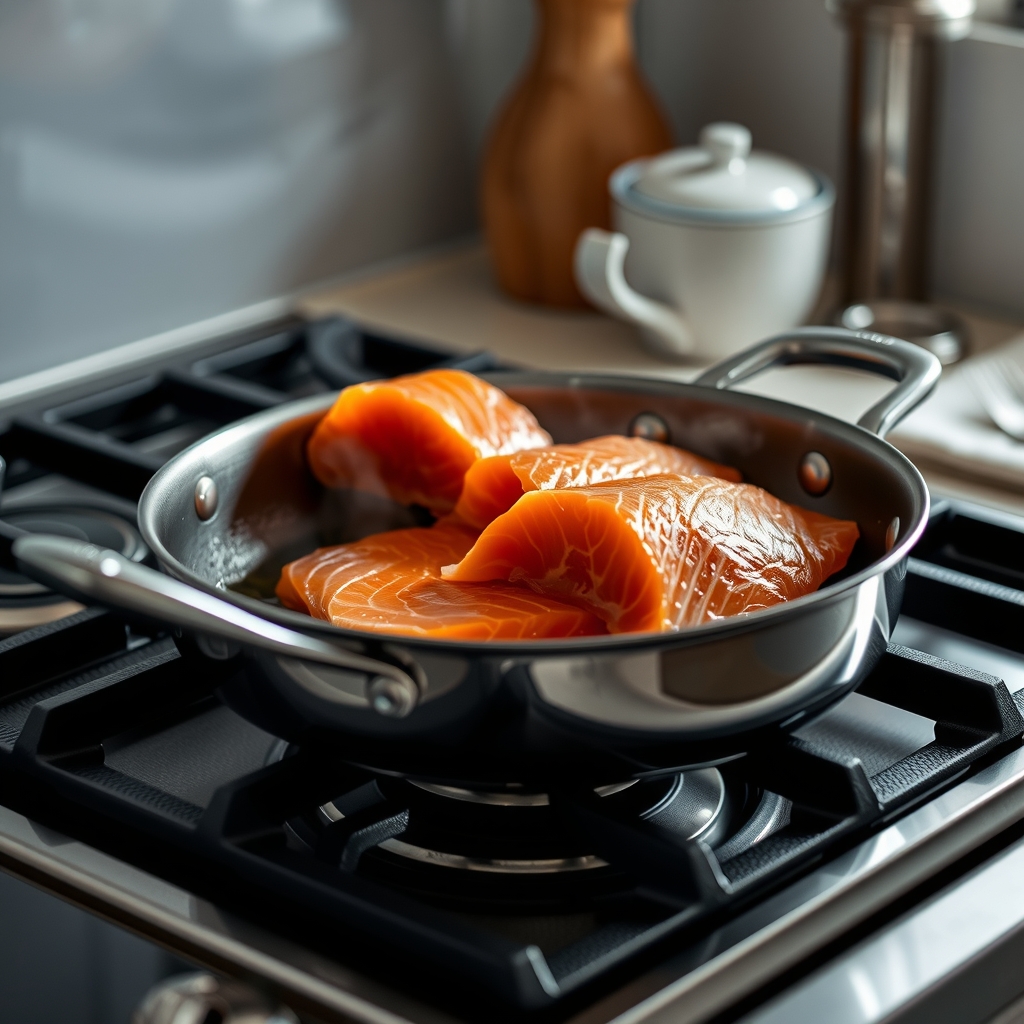
Cooking cold smoked fish to an internal temperature of at least 63 °C (145 °F) will effectively kill Listeria and other bacteria, turning the product into a safe, fully cooked fish. However, the moment you heat the fish, it ceases to be “cold smoked” and becomes a hot‑cooked fish. If you have cold smoked fish on hand, you can safely reheat it in the oven or pan until it’s steaming hot throughout, but many prefer to avoid the extra step and choose a product that’s already cooked.
Re‑heating cold smoked fish to 63 °C (145 °F) can eliminate bacterial risk.
Safe dosage / amount / brands
Because no safe threshold has been established, the consensus among ACOG, NHS, and the FDA is to avoid cold smoked fish entirely. If you are determined to include it, keep the following in mind:
Portion size: No more than 2 oz (about 55 g) per week, and only after thorough cooking.
Brand considerations: Look for labels that state “heat‑treated” or “hot smoked.” Certifications such as the British Retail Consortium (BRC) or the U.S. Food Safety Modernization Act (FSMA) compliance can indicate stricter testing, but they do not replace cooking.
Storage: Keep refrigerated at 4 °C (39 °F) or below and consume within 3 days of opening.
When in doubt: If you cannot verify that the fish has been heated, discard it.
Side effects and risks
Most healthy pregnant people who consume cold smoked fish will not notice immediate symptoms, because Listeria can incubate for several days. When infection occurs, typical signs include:
Fever (often above 38.5 °C/101.3 °F).
Chills, muscle aches, and headache.
Gastrointestinal upset such as nausea, vomiting, or diarrhea.
In severe cases, neurological symptoms like stiff neck or confusion.
These symptoms are not exclusive to listeriosis, but if you experience them within a week of eating cold smoked fish, contact your provider promptly. For most people, the risk is “potentially serious but low‑probability,” which is why avoidance is the simplest preventive measure.
Safer alternatives
Cooked salmon – retains omega‑3s and is low in mercury.
Grilled trout – provides similar flavor with a firm texture.
Baked cod – mild taste, easy to season.
Steamed herring – preserves nutrients while eliminating bacteria.
Light canned tuna (low‑mercury) – convenient and shelf‑stable.
Hot‑smoked salmon – smoked at higher temperatures that kill Listeria.
Poached white fish – gentle cooking keeps the flesh tender.
Related items — safety at a glance
Item
Verdict
Note
Cold smoked salmon
❌ Best avoided
High Listeria risk; no safe amount.
Cold smoked trout
❌ Best avoided
Same low‑temperature process as salmon.
Cold smoked mackerel
❌ Best avoided
Cold smoked; Listeria risk persists.
Cold smoked herring
❌ Best avoided
Low‑temp smoking does not kill bacteria.
Cold smoked whitefish
❌ Best avoided
Same safety concerns as other cold smoked varieties.
Cold smoked sturgeon
❌ Best avoided
Rare but still prepared cold; risk unchanged.
Myth vs. fact
Myth: “If the fish is labeled ‘smoked,’ it’s automatically safe.”
Fact: Only hot‑smoked fish reaches temperatures that reliably kill Listeria; cold‑smoked fish remains a raw‑like product and should be avoided during pregnancy.
Myth: “A small slice won’t cause any harm.”
Fact: Listeria can cause infection from a single contaminated bite; there is no safe minimum portion.
Myth: “Reputable brands test for bacteria, so it’s safe.”
Fact: Even rigorous testing cannot guarantee absence of Listeria in cold smoked fish; cooking remains the only reliable method to eliminate risk.
Key takeaways
❌ Cold smoked fish (salmon, trout, mackerel, herring, whitefish, sturgeon) should be avoided throughout pregnancy.
Listeria monocytogenes is the primary concern; infection can lead to miscarriage, preterm labor, or severe newborn illness.
No safe amount has been established—risk exists even with one slice.
If you must eat it, heat to an internal temperature of 63 °C (145 °F) before consuming.
Choose fully cooked or hot‑smoked fish alternatives for omega‑3 benefits without the bacterial risk.
Contact your provider if you develop fever, muscle aches, or gastrointestinal symptoms after eating cold smoked fish.
Frequently asked questions
Can pregnant women eat cold smoked fish?
No. Leading health organizations such as ACOG and the NHS advise pregnant people to avoid cold smoked fish because of the potential for Listeria contamination.
What are the dangers of cold smoked fish during pregnancy?
The main danger is infection with Listeria monocytogenes, which can cause miscarriage, stillbirth, preterm labor, or serious illness in the newborn.
Is it safe to eat cold smoked salmon while pregnant?
It is not considered safe; cold smoked salmon carries the same Listeria risk as other cold smoked fish and should be avoided throughout pregnancy.
How does Listeria affect pregnant women?
Listeria can cause mild flu‑like symptoms in the mother but may cross the placenta, leading to severe outcomes for the fetus, including miscarriage or neonatal infection.
Can cooking cold smoked fish kill bacteria?
Yes—heating the fish to an internal temperature of at least 63 °C (145 °F) will kill Listeria, effectively converting it into a safe, cooked product.
Which fish are safe to eat during pregnancy?
Fully cooked fish such as baked salmon, grilled trout, baked cod, steamed herring, low‑mercury canned tuna, hot‑smoked salmon, and poached white fish are all considered safe options.
What are the best fish alternatives for pregnant women?
Cooked salmon, grilled trout, baked cod, steamed herring, low‑mercury canned tuna, hot‑smoked salmon, and poached white fish provide similar nutrients without the Listeria risk.
Do all smoked fish pose the same risk in pregnancy?
No. Hot‑smoked fish is cooked at higher temperatures and is generally safe, whereas cold‑smoked fish is not because the low‑temperature process does not eliminate bacteria.
Choosing cooked fish alternatives keeps you and your baby safe.
When to call your doctor
If you experience any of the following after eating cold smoked fish, seek medical attention promptly:
Fever of 38.5 °C (101.3 °F) or higher.
Severe headache, stiff neck, or confusion.
Persistent vomiting or diarrhea lasting more than 24 hours.
Unexplained abdominal pain or signs of preterm labor (regular contractions before 37 weeks).
These symptoms could indicate listeriosis or another infection that requires immediate treatment. Remember, this article provides general information and is not a substitute for personalized medical advice. Always discuss your diet and any concerns with your obstetric provider.
References
American College of Obstetricians and Gynecologists. “Nutrition During Pregnancy.” ACOG Committee Opinion, 2022.
National Health Service (UK). “Food safety for pregnant women.” NHS, 2023.
Centers for Disease Control and Prevention. “Listeria (Listeriosis) and Pregnancy.” CDC, 2023.
U.S. Food and Drug Administration. “Food Safety and the Types of Smoked Fish.” FDA, 2022.
World Health Organization. “Listeriosis.” WHO Fact Sheet, 2021.
National Institute for Health and Care Excellence (NICE). “Food safety for pregnant women.” NICE Guideline NG123, 2022.
Not sure about the label on Is Cold Smoked Fish Safe During Pregnancy products?
Snap the ingredients list and SafeFilter checks every ingredient for your stage — only 3 free scans this month, then you're locked until reset. Unlimited from $7/mo or $50/yr.
When Shubhra Mishra was expecting her first child in 2016, she was overwhelmed by conflicting food advice — one site said yes, another said never. By the time her second baby arrived in 2019, she realized millions of mothers face the same confusion.
That sparked a five-year journey through clinical nutrition papers, cultural diets, and expert conversations — all leading to BumpBites: a calm, compassionate space where science meets everyday motherhood.
Her long-term vision is to build a global community ensuring safe, supported, and free deliveriesfor every mother — because no woman should face pregnancy alone or uninformed. 🌿
🌍 Stand with mothers, shape safer guidance
Join a small circle of experts who review BumpBites articles so expecting parents everywhere can decide with confidence.