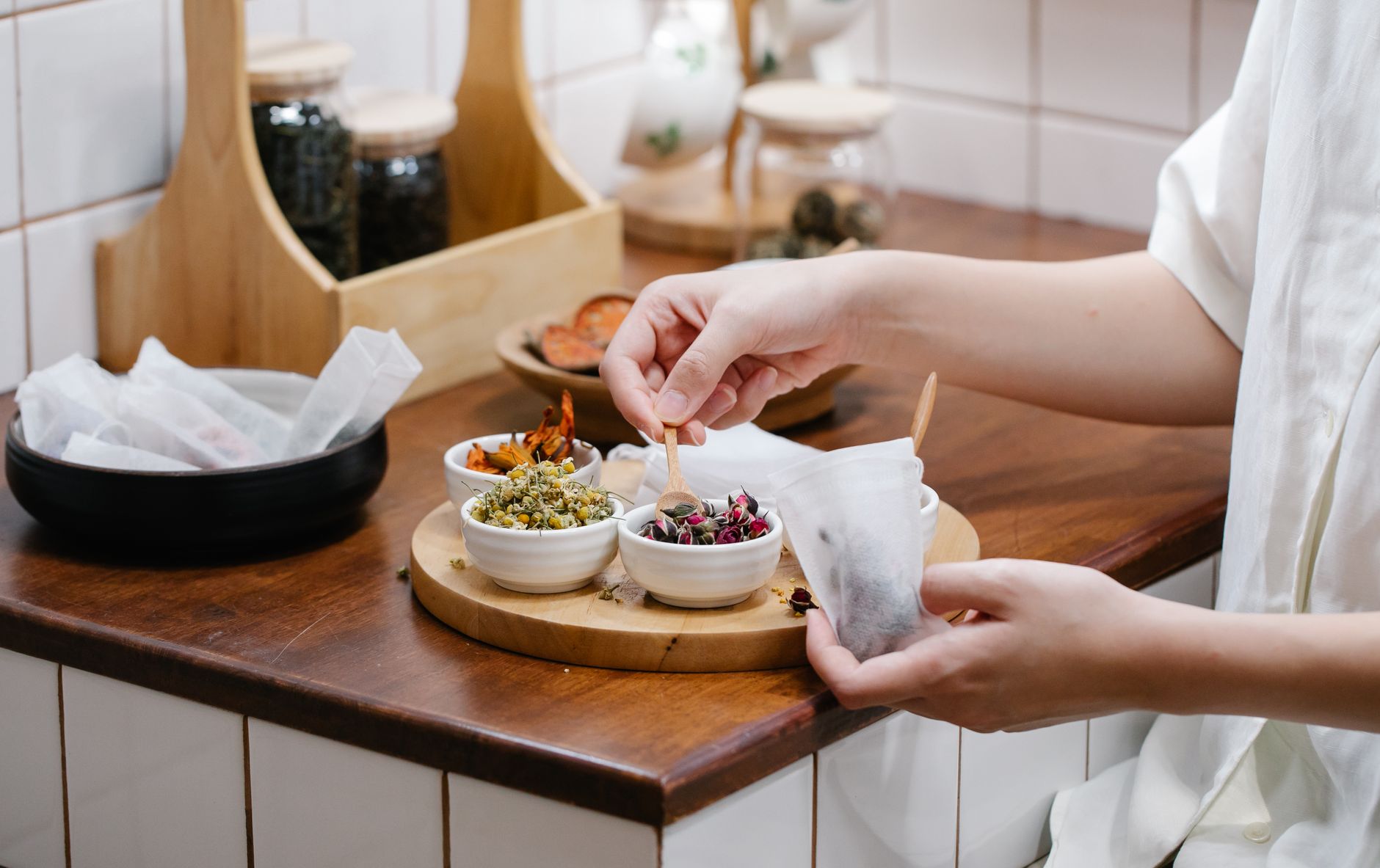
Limit Cold Care Tea during pregnancy, especially in the first trimester. Experts recommend no more than 1 cup daily due to herbal ingredients like licorice root.
By Shubhra Mishra — a mom of two who turned her own confusion during pregnancy into BumpBites, a global mission to make food choices clear, safe, and stress-free for every expecting mother. 💛
Check whether any food is safe during pregnancy with the BumpBites Food Safety Checker.
Quick verdict: ⚠️ Safe with limits – occasional cold care tea (1‑2 cups a day) is generally considered okay for most pregnant people, but you should watch ingredients, avoid excess caffeine, and consult your provider if you have high blood pressure, gestational diabetes, or are taking other medications.
It’s 2 a.m., the house is quiet, and a sudden scratchy throat has you reaching for the familiar tin of Cold Care Tea. You’re pregnant, and the “is cold care tea safe during pregnancy?” question spikes a wave of worry. You’re not alone—many expectant parents wonder whether a soothing herbal brew could jeopardize their baby’s health.
In short, most cold care teas are low‑risk when consumed in moderation, but the safety can vary by trimester, caffeine content, and any underlying health conditions. Below we break down the evidence, give you clear dosage guidelines, list safer alternatives, and point out red‑flag symptoms that warrant a call to your doctor.
We’ll also compare Cold Care Tea to other over‑the‑counter cold remedies, so you can make an informed choice the next time a cold sneaks up on you.
Stage
Verdict
Notes
First trimester
⚠️ Safe with limits
Limit to 1 cup/day; watch for caffeine or herbs that may stimulate uterine activity.
Second trimester
✅ Generally safe
Up to 2 cups/day acceptable; ensure no high‑dose menthol or eucalyptus.
Third trimester
✅ Generally safe
Same limits as second trimester; avoid excessive warm liquids if you have reflux.
Breastfeeding
✅ Generally safe
Moderate intake (1‑2 cups) is fine; monitor infant for any irritability.
Enjoy a warm cup of tea, but keep the serving size modest for peace of mind.
What is Cold Care Tea?
Cold Care Tea is a blend of herbs traditionally used to soothe sore throats, ease congestion, and calm coughs. Common ingredients include peppermint leaf, licorice root, ginger, honey, and sometimes a touch of caffeine from black tea or green tea. The exact formulation can vary by brand; Traditional Medicinals, for example, markets a “Cold Care” blend that contains peppermint, ginger, and licorice, while other boutique blends may add eucalyptus or lemon balm.
These herbs work through a few mechanisms: menthol from peppermint opens nasal passages, ginger’s gingerols have mild anti‑inflammatory effects, and licorice root can coat the throat. Honey adds a soothing layer and may have mild antimicrobial properties. The tea is typically brewed hot and sipped throughout the day when a cold or flu is brewing.
Because the ingredients are natural, many assume they’re automatically safe for pregnancy. However, the safety profile depends on the specific herb, its concentration, and the mother’s health status. For instance, high doses of licorice can affect blood pressure, and excessive caffeine can cross the placenta.
Is cold care tea safe during pregnancy?
C
urrent guidance from the American College of Obstetricians and Gynecologists (ACOG) and the UK’s National Health Service (NHS) indicates that most herbal teas are safe in moderation, provided they do not contain high‑risk herbs like sage, rosemary, or large amounts of licorice. The FDA does not regulate herbal teas as drugs, so they are considered “generally recognized as safe” (GRAS) only when used as food.
Studies specifically evaluating cold care tea are limited, but the individual herbs it contains have been examined. Peppermint and ginger are repeatedly shown to be low‑risk for pregnant people when limited to 1‑2 cups per day (Mayo Clinic). Licorice root, however, can raise blood pressure if consumed in large quantities (CDC). Therefore, a modest intake of a standard Cold Care Tea blend is considered acceptable for most pregnant people.
It’s also worth noting that many pregnancy‑related myths stem from outdated beliefs about “herbal” being automatically harmful. Modern research, as summarized by the World Health Organization (WHO), suggests that moderate consumption of well‑studied herbs is unlikely to cause fetal harm.
First trimester
The first trimester is the period of organogenesis, when the baby’s major organs form. Because this window is most sensitive to teratogens, ACOG advises extra caution with any new supplement or herb. For Cold Care Tea, keep the intake to no more than one cup per day, and avoid blends that contain high‑dose licorice or caffeine.
Second trimester
In the second trimester, the baby’s organs are already formed, and the risk of structural anomalies drops. Most experts, including NHS, consider 1‑2 cups per day of a standard Cold Care Tea safe, as long as you stay within the recommended herb limits.
Third trimester
During the third trimester, some women experience increased reflux and heartburn. Warm liquids can sometimes exacerbate these symptoms, so you may wish to limit the tea to cooler temperatures or sip slowly. Otherwise, the same 1‑2 cup limit remains acceptable.
Breastfeeding
Ingredients in Cold Care Tea are largely transferred to breastmilk in tiny amounts. The AAP (American Academy of Pediatrics) notes that moderate herbal tea consumption is generally compatible with breastfeeding, though you should watch the infant for any unusual fussiness.
Measuring out a single tea bag helps keep consumption within safe limits.
Is cold care tea safe during first trimester?
Yes, but only in limited amounts. The first trimester’s heightened sensitivity means you should restrict Cold Care Tea to one cup per day and avoid any brand that adds high‑dose licorice or caffeine. If your tea contains more than 30 mg of caffeine (roughly the amount in a small cup of black tea), consider switching to a caffeine‑free version.
Cold care tea dosage during pregnancy
Most manufacturers recommend steeping one tea bag in 8 oz of hot water for 3‑5 minutes. For safety, aim for no more than two servings (16 oz total) per day. If you’re using a loose‑leaf blend, a typical serving is 1 tsp (≈2 g) of the herb mixture per cup.
Below is a quick reference for dosage:
Trimester
Maximum cups per day
Key ingredient limits
First
1
≤ 30 mg caffeine; ≤ 0.5 g licorice
Second
2
≤ 60 mg caffeine; ≤ 1 g licorice
Third
2
Same as second trimester
Breastfeeding
2
Same as second trimester
When choosing a brand, look for reputable manufacturers that list full ingredient amounts on the label. Traditional Medicinals, Yogi, and Celestial Seasonings provide transparent labeling. Avoid “herbal blends” that do not disclose the exact amounts of each herb.
Alternatives to cold care tea when pregnant
If you prefer to avoid any herbal tea during pregnancy, or if you have a condition that makes certain ingredients risky, consider these pregnancy‑approved options:
Peppermint Tea – Pure peppermint leaves provide menthol without caffeine; soothing for nausea and congestion.
Ginger Tea – Fresh ginger steeped in hot water eases sore throats and reduces nausea, and is endorsed by ACOG for morning sickness.
Echinacea Tea – A mild immune‑support herb; limited to 1 cup/day as per NHS guidance.
Slippery Elm Tea – Coats the throat without stimulating uterine activity; safe in moderate amounts.
Honey and Lemon Tea – Warm water with honey and lemon offers soothing relief and is safe for most pregnant people.
Is traditional medicinals cold care tea safe during pregnancy?
Traditional Medicinals’ Cold Care blend contains peppermint, ginger, licorice, and a small amount of black tea for flavor. The FDA does not specifically approve herbal teas, but the company follows Good Manufacturing Practices (GMP). For pregnant users, the same limits apply: no more than one cup in the first trimester and up to two cups thereafter. If you have high blood pressure, you may want to choose a caffeine‑free version or a brand without licorice.
Risks of drinking cold care tea while pregnant
The primary risks stem from two ingredients:
Licorice root – Contains glycyrrhizin, which can raise blood pressure and cause fluid retention. High intake (> 2 g/day) has been linked to pre‑eclampsia‑like symptoms (CDC).
Caffeine – Excess caffeine (> 200 mg/day) is associated with lower birth weight and increased miscarriage risk (ACOG). A typical cup of black‑tea‑based Cold Care Tea contains around 20‑30 mg, well below the threshold, but multiple cups can add up.
Other mild side effects include heartburn, especially in the third trimester, and occasional allergic reactions to peppermint or ginger. These are usually not dangerous but can be uncomfortable.
Cold care tea and pregnancy high blood pressure
If you have gestational hypertension, it’s best to limit or avoid licorice‑containing blends. Peppermint and ginger are generally safe, but the glycyrrhizin in licorice can exacerbate blood pressure spikes. Discuss any herbal tea use with your obstetrician, who may recommend a licorice‑free alternative such as pure peppermint tea.
Can i drink cold care tea with gestational diabetes?
Cold Care Tea itself is low‑glycemic, but many blends are sweetened with honey or added sugars. For gestational diabetes, choose an unsweetened version or limit the amount of honey you add. The carbohydrates from a teaspoon of honey (≈ 5 g) are modest, but you should count them toward your daily sugar allowance as advised by your dietitian.
Cold care tea and breastfeeding safety
Most components of Cold Care Tea are excreted into breastmilk in trace amounts that are unlikely to affect the infant. However, the menthol in peppermint can sometimes cause a mild, temporary flavor change in milk, which may make some babies fussy. If you notice increased fussiness, try reducing the tea intake or switching to a milder herb like slippery elm.
What are the side effects of cold care tea during pregnancy?
Common, non‑serious side effects include:
Heartburn or acid reflux, especially after large servings.
Mild allergic reactions such as itching or a rash if you’re sensitive to peppermint or ginger.
Increased urination due to the diuretic effect of peppermint.
Serious red‑flag symptoms that require immediate medical attention include sudden swelling of the hands or face, severe headache, or a rapid rise in blood pressure—potential signs of a licorice‑induced hypertensive response.
Related items — safety at a glance
Item
Verdict
Note
Theraflu
❌ Best avoided
Contains phenylephrine, a decongestant not recommended in pregnancy.
DayQuil
⚠️ Talk to your doctor
Acetaminophen is safe, but the decongestant (phenylephrine) is not.
NyQuil
❌ Best avoided
Contains doxylamine, which can cause drowsiness and may affect fetal development.
Robitussin
⚠️ Talk to your doctor
Guaifenesin is generally okay, but cough suppressants should be used cautiously.
Mucinex
⚠️ Talk to your doctor
Guaifenesin is low risk; avoid formulations with pseudoephedrine.
Zicam
⚠️ Talk to your doctor
Topical zinc may be safe, but oral zinc lozenges exceed recommended prenatal amounts.
Echinacea Supplements
⚠️ Talk to your doctor
Limited data; some clinicians advise avoiding high‑dose extracts.
Zinc Lozenges
✅ Generally safe
Stay under 15 mg/day, the prenatal recommended upper limit.
Myth vs. fact
Myth: All herbal teas are completely safe because they’re “natural.”
Fact: Some herbs, like licorice and certain high‑caffeine blends, can affect blood pressure or fetal growth. Always check the ingredient list.
Myth: Drinking cold care tea will cure a cold faster.
Fact: The tea may soothe symptoms, but it does not shorten the viral course. Rest, hydration, and proper nutrition remain the most effective strategies.
Myth: Because the tea is caffeine‑free, it’s automatically pregnancy‑safe.
Fact: Even caffeine‑free blends can contain herbs that interact with medications or affect blood pressure; safety depends on the whole formulation.
Key takeaways
Cold Care Tea is generally safe in moderation (1‑2 cups/day) after the first trimester.
Watch for licorice and caffeine content, especially if you have high blood pressure or gestational diabetes.
Choose reputable brands with transparent labeling; limit intake to the amounts shown in the dosage table.
If you experience swelling, severe headache, or sudden blood pressure spikes, contact your provider immediately.
Pregnant‑friendly alternatives include peppermint, ginger, and honey‑lemon teas, which offer similar soothing benefits without the added risks.
Frequently asked questions
can pregnant women drink cold care tea
Yes, most pregnant people can enjoy Cold Care Tea in moderation—typically up to one cup in the first trimester and two cups thereafter—provided the blend doesn’t contain high‑dose licorice or excess caffeine.
what teas are safe to drink during pregnancy
Safe options include peppermint, ginger, rooibos, and decaffeinated green tea; these are low in caffeine and free from herbs that pose known risks. Always check each brand’s ingredient list.
how much cold care tea is safe during pregnancy
The consensus from ACOG and NHS is no more than 1 cup per day in the first trimester and up to 2 cups per day in later trimesters, staying within the caffeine (< 30 mg per cup) and licorice (< 0.5 g per cup) limits.
is cold care tea safe in second trimester
Yes, when limited to two cups per day and without excessive licorice or caffeine, Cold Care Tea is considered safe for most people in the second trimester.
can i take cold care tea with other medications while pregnant
Cold Care Tea is generally compatible with acetaminophen and prenatal vitamins, but it may interact with antihypertensives or blood‑sugar‑lowering drugs; always discuss with your provider.
does cold care tea affect fetal development
Current evidence does not show any direct impact on fetal organ development when the tea is consumed within recommended limits; however, high licorice intake could affect blood pressure, indirectly influencing placental blood flow.
can cold care tea cause miscarriage
There is no strong evidence linking moderate Cold Care Tea consumption to miscarriage. The primary concern is excessive licorice or caffeine, which could increase risk if consumed in large amounts.
is traditional medicinals cold care tea fda approved
Herbal teas are not FDA‑approved as drugs; they are regulated as food products. Traditional Medicinals follows Good Manufacturing Practices, but the product is not formally “FDA approved” in the pharmaceutical sense.
Pair your tea with a balanced snack for extra comfort.
When to call your doctor
If you notice any of the following after drinking Cold Care Tea, contact your obstetrician or midwife right away:
Sudden swelling of the hands, feet, or face.
Severe or persistent headache.
Rapid increase in blood pressure (≥ 140/90 mmHg).
Unexplained abdominal pain or cramping.
Fever that does not subside after 48 hours.
Any signs of allergic reaction such as hives, shortness of breath, or facial swelling.
These symptoms may indicate a reaction to licorice, caffeine, or an underlying infection that needs medical evaluation. This article provides general information and is not a substitute for personalized medical advice.
References
American College of Obstetricians and Gynecologists (ACOG). “Nutrition During Pregnancy.” 2023.
National Health Service (NHS). “Herbal tea safety in pregnancy.” Updated 2022.
U.S. Food and Drug Administration (FDA). “Guidance for Industry: Dietary Supplements.” 2021.
Centers for Disease Control and Prevention (CDC). “Licorice and blood pressure.” 2020.
Mayo Clinic. “Ginger: Uses and benefits.” Accessed 2023.
World Health Organization (WHO). “Traditional medicine and maternal health.” 2022.
American Academy of Pediatrics (AAP). “Breastfeeding and maternal diet.” 2023.
National Institute for Health and Care Excellence (NICE). “Managing common colds in pregnancy.” 2021.
Not sure about the label on Is Cold Care Tea Safe During Pregnancy products?
Snap the ingredients list and SafeFilter checks every ingredient for your stage — only 3 free scans this month, then you're locked until reset. Unlimited from $7/mo or $50/yr.
When Shubhra Mishra was expecting her first child in 2016, she was overwhelmed by conflicting food advice — one site said yes, another said never. By the time her second baby arrived in 2019, she realized millions of mothers face the same confusion.
That sparked a five-year journey through clinical nutrition papers, cultural diets, and expert conversations — all leading to BumpBites: a calm, compassionate space where science meets everyday motherhood.
Her long-term vision is to build a global community ensuring safe, supported, and free deliveriesfor every mother — because no woman should face pregnancy alone or uninformed. 🌿
🌍 Stand with mothers, shape safer guidance
Join a small circle of experts who review BumpBites articles so expecting parents everywhere can decide with confidence.