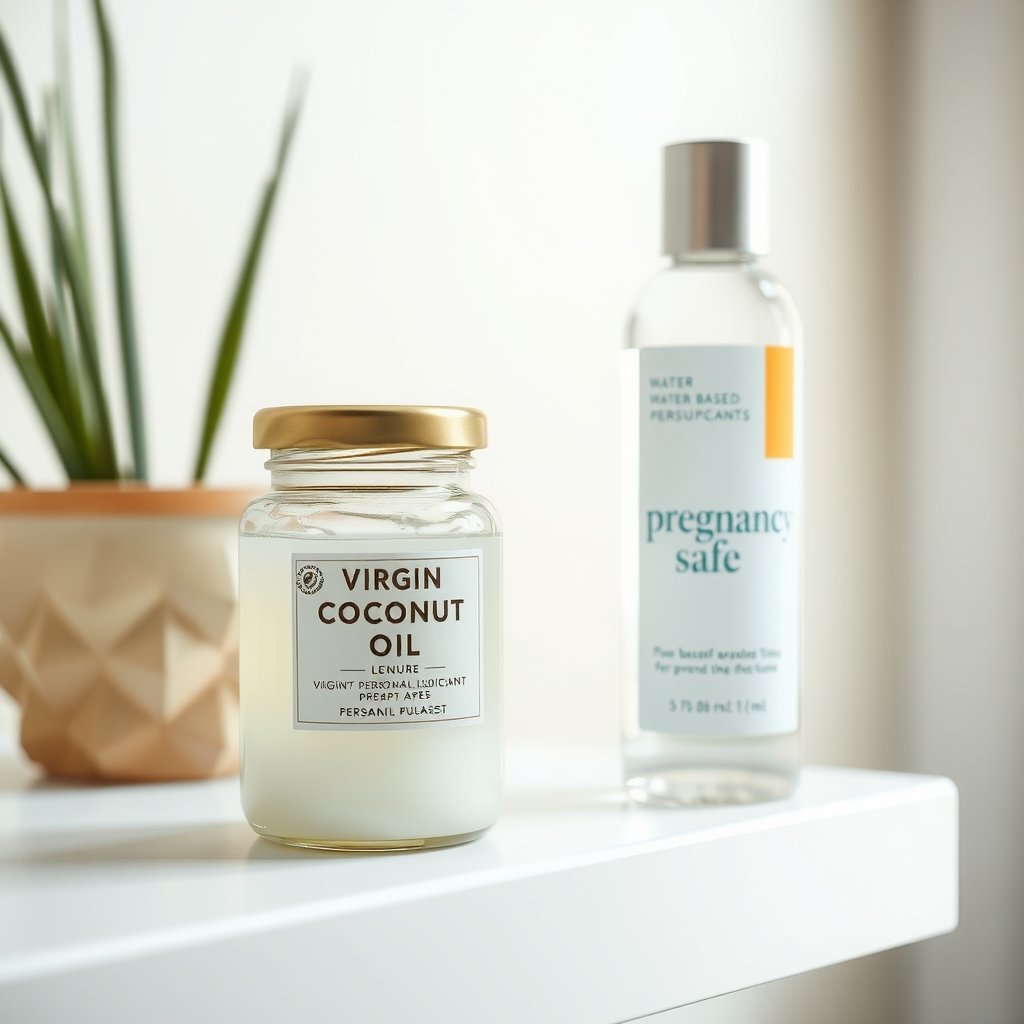
Safe: Is coconut oil as lube safe during pregnancy? Yes, it's generally safe for most, offering natural lubrication. Discuss any concerns with your doctor.
By Shubhra Mishra — a mom of two who turned her own confusion during pregnancy into BumpBites, a global mission to make food choices clear, safe, and stress-free for every expecting mother. 💛
Check whether any food is safe during pregnancy with the BumpBites Food Safety Checker.
Quick verdict: ⚠️ Safe with limits. While some people find coconut oil effective and natural, it can potentially disrupt vaginal pH, increasing the risk of yeast infections or UTIs, and it's not compatible with latex condoms. We recommend discussing its use with your healthcare provider and considering water-based or silicone-based alternatives first.
The late-night Google search "is coconut oil as lube safe during pregnancy?" is a common one for many expecting parents. You might be experiencing increased vaginal dryness, discomfort during intimacy, or simply looking for a natural, readily available option. Perhaps you've already used it and now you're wondering if you've done something wrong. Take a deep breath. We understand the worry that comes with every decision during pregnancy, especially when it involves something as personal as intimate care.
While coconut oil is praised for many health and beauty benefits, its use as a personal lubricant during pregnancy comes with a few considerations. It's not a clear-cut "yes" or "no" answer, and understanding the nuances can help you make an informed choice that feels right for you and your growing baby. At BumpBites, we're here to break down the evidence, potential risks, and safer alternatives so you can navigate this topic with confidence.
In this article, we'll explore what makes coconut oil a popular, yet sometimes problematic, choice for lubrication, how it might affect your vaginal health during pregnancy, and what leading obstetric organizations recommend. We'll also cover safer, pregnancy-friendly options that can help you maintain comfort and intimacy without added worry.
Consider your options carefully when choosing an intimate lubricant during pregnancy.
Safety Snapshot: Coconut Oil as Lube During Pregnancy
Trimester/Stage
Verdict
Notes
First Trimester
⚠️ Use with caution
Potential to disrupt vaginal pH, increasing risk of yeast infections or UTIs. Not recommended with latex condoms.
Second Trimester
⚠️ Use with caution
Same considerations as the first trimester. Vaginal changes may make you more prone to infections.
Third Trimester
⚠️ Use with caution
Same considerations. Increased blood flow to the pelvic area can make you more sensitive.
Breastfeeding
⚠️ Use with caution
Generally considered safe for external use, but internal use still carries risk of pH imbalance and infection.
What is Coconut Oil?
C
oconut oil is an edible oil extracted from the kernel or meat of mature coconuts. It's a popular ingredient in cooking, baking, and a staple in many natural beauty and wellness routines. Rich in saturated fats, particularly lauric acid, it's known for its moisturizing and emollient properties. You'll typically find it in two main forms: virgin (or unrefined) and refined.
Virgin coconut oil is extracted from fresh coconut meat without chemical processing, retaining a distinct coconut aroma and flavor. Refined coconut oil, on the other hand, is made from dried coconut meat (copra) and undergoes processing, including bleaching and deodorizing, which removes much of its scent and flavor. Both types are solid at room temperature and melt into a clear liquid when warmed.
Many people are drawn to coconut oil as a natural alternative to commercial products, using it for everything from skin moisturizer and hair conditioner to oil pulling and, yes, personal lubricant. Its widespread availability and perceived naturalness make it an appealing option for those looking to avoid synthetic ingredients. However, when considering "is coconut oil as lube safe during pregnancy," it's important to look beyond its general popularity and understand its specific interactions with the delicate vaginal environment, especially during a time when your body is undergoing significant changes.
Is Coconut Oil as Lube Safe During Pregnancy?
When asking "is coconut oil as lube safe during pregnancy?", the general consensus among medical professionals is to approach its use with caution. While coconut oil is not considered a teratogen (a substance that can cause birth defects) and won't directly harm your baby, its properties can potentially affect your vaginal health and, in turn, your comfort during pregnancy.
The primary concern stems from coconut oil's pH level. A healthy vaginal environment is naturally acidic, with a pH typically ranging from 3.8 to 4.5. This acidity helps maintain a balance of beneficial bacteria, like lactobacilli, which protect against infections. Coconut oil, however, has a much higher, more alkaline pH, usually between 7 and 8. Introducing an alkaline substance into the vagina can disrupt this delicate acidic balance, potentially altering the natural microbiome. This shift can create a more hospitable environment for harmful bacteria and yeast to flourish, increasing your risk of developing common vaginal infections such as bacterial vaginosis (BV) or yeast infections (candidiasis), both of which can be more prevalent during pregnancy due to hormonal changes.
The American College of Obstetricians and Gynecologists (ACOG) and the NHS generally recommend water-based or silicone-based lubricants as safer options during pregnancy and for overall vaginal health. These types of lubricants are typically formulated to be pH-balanced and isotonic, meaning they have an osmolality similar to vaginal fluids, reducing the risk of irritation or cellular damage. While coconut oil is a natural product, "natural" doesn't always equate to "safe" or "optimal" for every bodily function, especially in the sensitive context of vaginal health during pregnancy.
Another critical consideration, even if not directly related to pregnancy safety for the baby, is its incompatibility with latex condoms. If you're relying on condoms for contraception (e.g., in early pregnancy before you knew, or if you're using them to prevent sexually transmitted infections), coconut oil can degrade latex, rendering condoms ineffective and increasing the risk of both unintended pregnancy and STI transmission. This is an important factor to keep in mind, even if the primary query is "is coconut oil as lube safe during pregnancy" for the baby's health.
Is coconut oil lube safe during the first trimester of pregnancy?
During the first trimester, your body is undergoing immense hormonal shifts, which can already make you more susceptible to vaginal changes and potential infections. While using coconut oil as lube won't directly impact fetal development, the potential for disrupting your vaginal pH and increasing the risk of yeast infections or bacterial vaginosis remains. These infections, while generally treatable, can cause discomfort and, if left untreated, some studies suggest a potential link between certain vaginal infections (like BV) and preterm labor later in pregnancy. Therefore, it's wise to be particularly cautious during this sensitive period.
Many people experience increased vaginal discharge or sensitivity in the first trimester. Adding a substance like coconut oil that can alter your natural balance might exacerbate these issues. If you're experiencing dryness or discomfort, water-based or silicone-based lubricants are generally preferred as they are formulated to be gentler on the vaginal environment and less likely to cause irritation or infection. Always prioritize maintaining a healthy vaginal microbiome, especially when your body is working hard to establish a healthy pregnancy.
Safety by Trimester: Can I use coconut oil as lube in my third trimester?
As you progress into your second and third trimesters, the concerns regarding coconut oil as a lubricant remain largely the same. Hormonal changes continue throughout pregnancy, keeping your vaginal environment in a state that can be more prone to infections. Increased blood flow to the pelvic area during the later stages of pregnancy can also make the vaginal tissues more sensitive.
Using coconut oil in your third trimester still carries the risk of pH imbalance, which can lead to yeast infections or UTIs. While these infections are generally treatable, they can add to your discomfort during a time when you might already be experiencing other physical challenges. Some pregnant individuals also use coconut oil for perineal massage in the third trimester to prepare for labor. While applying it externally for this purpose is generally considered safe, using it internally as a lubricant still poses the same risks to vaginal pH and potential infection.
Is coconut oil as lube safe while breastfeeding?
The concerns about "is coconut oil as lube safe during pregnancy" extend somewhat into the breastfeeding period, though the direct impact on the baby via breast milk is negligible. The primary issue remains the potential for vaginal pH disruption and increased risk of yeast infections or UTIs for the birthing parent. Hormonal fluctuations during breastfeeding, particularly lower estrogen levels, can lead to vaginal dryness and thinning of vaginal tissues, making lubrication even more necessary for comfort during intimacy.
However, this increased dryness can also make the vaginal area more sensitive and potentially more susceptible to irritation or infection if an unsuitable lubricant is used. Therefore, while coconut oil won't harm your breastfeeding baby, it's still advisable to consider pH-balanced, water-based or silicone-based lubricants to protect your own vaginal health and comfort during this time. If you're experiencing persistent dryness or discomfort, discussing it with your healthcare provider can help identify the best solutions.
Safe Dosage / Amount / Brands
When it comes to "is coconut oil as lube safe during pregnancy," there isn't a "safe dosage" in the traditional sense, as it's not a medication. Instead, it's about minimizing risk. If you choose to use it, less is more, and infrequent use is preferable to regular application. There are no specific brands of coconut oil universally recommended as "pregnancy-safe" for intimate use by medical bodies because the core concerns (pH, condom incompatibility, infection risk) apply to coconut oil itself, regardless of brand.
Is refined or unrefined coconut oil safer for lube during pregnancy?
There's no definitive medical consensus stating that one form of coconut oil is significantly "safer" than the other for intimate use during pregnancy. Both refined and unrefined (virgin) coconut oil share the same fundamental properties that raise concerns: their alkaline pH and oil-based nature.
Unrefined (Virgin) Coconut Oil: This is less processed and retains its natural compounds, including antioxidants and a distinct coconut scent. Some argue its "purer" form might be better, but it still carries the same pH and oil-based risks for vaginal health and condom compatibility.
Refined Coconut Oil: This form undergoes more processing, which removes some impurities, scent, and flavor. While it might seem "cleaner" in some respects, it doesn't fundamentally change its pH or oil composition relative to the vaginal environment.
The key issue is the oil's interaction with vaginal pH and latex, not the specific processing. Therefore, if you choose to use coconut oil, the choice between refined and unrefined might come down to personal preference for scent and purity, rather than a significant difference in safety for intimate use during pregnancy.
How often can pregnant women safely use coconut oil as a lubricant?
Given the potential risks of disrupting vaginal pH and increasing the likelihood of infections, there's no recommended frequency for safely using coconut oil as a lubricant during pregnancy. Most obstetricians and gynecologists would advise against regular or frequent use. If you do choose to use it occasionally, it's best to use it sparingly and monitor your body for any signs of irritation, itching, or unusual discharge.
The general principle is that the less frequently you introduce substances that can alter your natural vaginal environment, the better, especially during pregnancy when your body is already more vulnerable to certain infections. For consistent needs, exploring the recommended water-based or silicone-based alternatives is a much safer approach to ensure comfort without compromising vaginal health.
What are the potential risks of using coconut oil as lube during pregnancy?
While coconut oil is often touted as a "natural" solution, its use as a lubricant during pregnancy carries several potential risks that are important to understand:
Vaginal pH Imbalance: This is the primary concern. The healthy vagina has an acidic pH (3.8-4.5) to protect against harmful bacteria and yeast. Coconut oil is alkaline (pH 7-8), and introducing it can disrupt this delicate balance.
Increased Risk of Yeast Infections (Candidiasis): Pregnancy hormones already make you more prone to yeast infections. A disrupted vaginal pH from coconut oil can create an ideal environment for yeast to overgrow, leading to itching, burning, and discharge.
Increased Risk of Bacterial Vaginosis (BV): BV occurs when there's an imbalance of bacteria in the vagina, often triggered by a rise in pH. Symptoms include a "fishy" odor, especially after sex, and unusual discharge. Untreated BV has been linked in some studies to a higher risk of preterm birth and low birth weight, making prevention particularly important during pregnancy.
Condom Degradation: If you're using latex condoms for contraception (e.g., in early pregnancy before you knew you were pregnant) or for STI prevention, coconut oil (like all oil-based lubricants) can degrade latex, making the condom ineffective and increasing the risk of unintended pregnancy or STI transmission.
Vaginal Irritation: For some individuals, coconut oil can cause irritation, itching, or a burning sensation, especially if they are sensitive to certain oils or if the pH imbalance leads to subclinical inflammation.
Difficulty Cleaning: Oil-based lubricants can be harder to wash away completely, potentially leaving a residue that can further trap bacteria or disrupt the natural vaginal environment.
Given these potential risks, particularly the impact on vaginal pH and the increased susceptibility to infections during pregnancy, many healthcare providers recommend avoiding coconut oil for internal lubrication and opting for specially formulated pregnancy-safe alternatives instead. It's not about fearing coconut oil itself, but understanding its specific biochemical interactions within the body during a sensitive time.
Safer alternatives / other safe options
If you're looking for pregnancy-safe lubrication options, you're in luck! There are many excellent choices available that are specifically formulated to be gentle on your sensitive vaginal tissues and maintain a healthy pH balance. These alternatives are generally recommended by obstetricians and gynecologists because they minimize the risks associated with pH disruption and infection. Here are some of the best pregnancy-safe lubricant alternatives to coconut oil:
Astroglide (water-based): A widely available water-based lubricant that is often pH-balanced and gentle, making it safe for use during pregnancy and compatible with latex condoms.
K-Y Jelly (water-based): Another popular and accessible water-based option that is generally considered safe, non-irritating, and condom-compatible.
Sliquid Sassy (water-based): A natural, organic, and vegan water-based lubricant designed to be pH-balanced and free from harsh chemicals, making it a good choice for sensitive individuals.
Good Clean Love Almost Naked Personal Lubricant: An organic, water-based, and pH-balanced lubricant specifically formulated to mimic natural lubrication and support vaginal health, widely considered pregnancy-safe.
Wet Platinum (silicone-based): A silicone-based lubricant known for its long-lasting properties and smooth feel. Silicone lubricants are generally safe during pregnancy and are compatible with latex condoms.
Lelo Personal Moisturizer: A water-based, paraben-free, and glycerin-free lubricant that is pH-balanced and designed for sensitive skin, making it a suitable option during pregnancy.
Sustain Organic Lubricant: An organic, water-based, and pH-balanced lubricant that is free from parabens, glycerin, and petroleum, making it a safe and natural choice for expecting parents.
When choosing a lubricant, always look for options that are water-based or silicone-based, pH-balanced, and free from parabens, glycerin (which can be irritating or contribute to yeast infections for some), and petroleum. These characteristics ensure that the lubricant supports your vaginal health rather than potentially disrupting it, offering peace of mind during your pregnancy.
Related Items – Safety at a Glance
Understanding the safety of various lubricants can be confusing. Here's a quick comparison of coconut oil with other common lubricant types and natural oils you might consider:
Item
Verdict
One-Line Note
Water-based lubricants
✅ Generally safe
Recommended by doctors; pH-balanced, non-irritating, condom-compatible.
Silicone-based lubricants
✅ Generally safe
Long-lasting, non-irritating, condom-compatible, but can be harder to clean.
Olive oil as lube
⚠️ Use with caution
Similar risks to coconut oil regarding pH disruption, infection, and condom degradation.
Almond oil as lube
⚠️ Use with caution
Another natural oil with similar pH and condom compatibility concerns; avoid if nut allergies.
Jojoba oil as lube
⚠️ Use with caution
Often considered a "wax ester" but still an oil; potential for pH imbalance and condom issues.
Vaseline as lube
❌ Best avoided
Petroleum-based; can trap bacteria, increase infection risk, and degrade condoms.
Mineral oil as lube
❌ Best avoided
Petroleum derivative; similar concerns to Vaseline regarding infection risk and condom damage.
Glycerin-based lubricants
⚠️ Use with caution
Can be irritating for some and may contribute to yeast infections due to sugar content.
Myth vs. Fact
There are many misconceptions circulating about natural remedies and pregnancy safety. Let's clear up some common myths about "is coconut oil as lube safe during pregnancy."
Myth: Because coconut oil is "natural," it's automatically safe for everything, including internal lubrication during pregnancy.
Fact: While coconut oil is a natural product, "natural" doesn't always mean it's suitable for every application or completely without risk, especially for sensitive areas like the vagina during pregnancy. Its alkaline pH and oil-based nature can disrupt the natural vaginal environment, potentially leading to infections, which is a key consideration when asking "is coconut oil as lube safe during pregnancy." Many natural substances are not ideal for internal use.
Myth: If you're not prone to yeast infections normally, coconut oil won't cause them during pregnancy.
Fact: Pregnancy itself significantly alters your body's chemistry and immune response, making you more susceptible to yeast infections regardless of your prior history. The hormonal changes, particularly increased estrogen, can promote yeast growth. Introducing an alkaline substance like coconut oil can further disrupt your vaginal pH balance, increasing this risk even if you've never had a yeast infection before. It's an added variable in an already sensitive system.
Myth: Coconut oil provides antimicrobial benefits that protect against vaginal infections.
Fact: While coconut oil contains lauric acid, which has some antimicrobial properties, these properties are generally not effective enough to counteract the negative impact of its alkaline pH on the vaginal microbiome. In fact, by disrupting the natural acidic balance, coconut oil can inadvertently *increase* the risk of infections like BV and yeast infections, rather than preventing them. The antimicrobial effect is not targeted or strong enough to maintain a healthy vaginal environment when its pH is off-balance.
What do doctors say about using coconut oil as lube while pregnant?
Most obstetricians and gynecologists advise caution regarding the use of coconut oil as an internal lubricant during pregnancy. While it's not considered directly harmful to the fetus, the primary concern is its potential to disrupt the delicate vaginal microbiome. As discussed, coconut oil's alkaline pH can increase the risk of vaginal infections like yeast infections and bacterial vaginosis (BV).
Organizations like the American College of Obstetricians and Gynecologists (ACOG) and the UK's National Health Service (NHS) generally recommend water-based or silicone-based lubricants for intimate use, both during and outside of pregnancy. These types of lubricants are typically formulated to be pH-balanced and isotonic, making them less likely to cause irritation or disrupt vaginal health. Doctors prioritize maintaining a healthy vaginal environment during pregnancy to prevent complications and ensure maternal comfort. Therefore, while a doctor might acknowledge its use for external purposes like skin moisturizing or perineal massage, they are unlikely to endorse its use as an internal lubricant due to the potential risks to vaginal pH and infection susceptibility. Always consult your individual provider for personalized advice on "is coconut oil as lube safe during pregnancy" for your specific situation.
Key Takeaways
Coconut oil is generally safe for external use during pregnancy, but its use as an internal lubricant carries risks.
The main concern is its alkaline pH, which can disrupt the natural acidic balance of the vagina, increasing the risk of yeast infections and bacterial vaginosis.
Coconut oil is not compatible with latex condoms, as it can degrade them, compromising their effectiveness for contraception or STI prevention.
There is no difference in safety between refined and unrefined coconut oil for intimate use; both carry the same pH and oil-based risks.
Doctors and major health organizations generally recommend pH-balanced, water-based or silicone-based lubricants as safer alternatives during pregnancy.
Always monitor for any signs of irritation or infection if you choose to use coconut oil, and consult your healthcare provider with any concerns.
Water-based and silicone-based lubricants are generally the top recommendations for pregnancy.
Frequently Asked Questions
Can you use coconut oil as a lubricant while pregnant?
You *can* use coconut oil as a lubricant while pregnant, but it comes with caveats. It's not directly harmful to your baby, but its alkaline pH can disrupt your vaginal microbiome, potentially increasing your risk of yeast infections or bacterial vaginosis. Most healthcare providers recommend opting for pH-balanced, water-based or silicone-based lubricants instead to maintain optimal vaginal health during pregnancy.
What kind of lubricant is safe during pregnancy?
The safest lubricants during pregnancy are typically water-based or silicone-based options. Look for products specifically labeled as pH-balanced, isotonic, and free from parabens, glycerin, and petroleum. Brands like Astroglide, K-Y Jelly, and Good Clean Love offer suitable options that are gentle on vaginal tissues and compatible with latex condoms.
Can coconut oil cause a yeast infection during pregnancy?
Yes, coconut oil can potentially cause a yeast infection during pregnancy. Its alkaline pH (around 7-8) can disrupt the naturally acidic vaginal environment (pH 3.8-4.5). This pH imbalance can create a more favorable condition for yeast (Candida albicans) to overgrow, especially when pregnancy hormones already make you more susceptible to these infections.
Is it safe to use olive oil as lube during pregnancy?
Using olive oil as lube during pregnancy carries similar risks to coconut oil. Like coconut oil, olive oil is an oil-based product with an alkaline pH, which can disrupt the delicate vaginal pH balance and potentially increase the risk of yeast infections or bacterial vaginosis. It also degrades latex condoms, making them ineffective. It's generally not recommended for internal intimate use.
What lubricants should pregnant women avoid?
Pregnant women should generally avoid oil-based lubricants (including coconut oil, olive oil, almond oil, mineral oil, and Vaseline) due to their potential to disrupt vaginal pH, increase infection risk, and degrade latex condoms. Also, be cautious with lubricants containing glycerin, parabens, or strong fragrances, as these can cause irritation or contribute to infections for some individuals.
Is coconut oil safe for vaginal dryness when pregnant?
While coconut oil can provide temporary moisture for vaginal dryness, its alkaline pH and oil-based nature mean it's not the safest long-term or regular solution during pregnancy. It can disrupt your natural vaginal balance, potentially leading to infections. For persistent vaginal dryness, especially during pregnancy, it's better to use pH-balanced, water-based lubricants or consult your doctor for other solutions.
Can I use coconut oil for perineal massage while pregnant?
Yes, using coconut oil for perineal massage in the third trimester is generally considered safe. Perineal massage involves external application to the skin around the vaginal opening, not internal lubrication. The concerns about pH disruption primarily apply to internal use. Many expectant parents find coconut oil to be a good emollient for this purpose, helping to soften the skin.
When to Call Your Doctor
While the question "is coconut oil as lube safe during pregnancy" often focuses on prevention, it's equally important to know when to seek medical advice if you experience any issues. If you have used coconut oil as a lubricant and notice any of the following symptoms, it's time to contact your healthcare provider:
Unusual vaginal discharge (changes in color, consistency, or amount)
A strong, "fishy" odor, especially after sex
Persistent vaginal itching, burning, or irritation
Pain or discomfort during urination
Redness or swelling of the vulva
Any signs of a urinary tract infection (UTI), such as frequent urges to urinate, painful urination, or lower abdominal discomfort.
These symptoms could indicate a yeast infection, bacterial vaginosis, or a UTI, all of which require medical attention, especially during pregnancy. Your doctor can accurately diagnose the issue and prescribe safe, effective treatment. Remember, this information is for educational purposes only and is not a substitute for professional medical advice, diagnosis, or treatment. Always seek the advice of your physician or other qualified health provider with any questions you may have regarding a medical condition.
References
American College of Obstetricians and Gynecologists (ACOG). Vaginitis During Pregnancy. Accessed October 26, 2023.
National Health Service (NHS) UK. Sex in pregnancy. Accessed October 26, 2023.
Owen, L. & Jordan, J. (2014). Vaginal pH: Clinical implications for women's health. The Journal for Nurse Practitioners, 10(4), 263-267.
Vicariotto, F., et al. (2014). Bacterial vaginosis and vaginal flora: current knowledge and future perspectives. Gynecological Endocrinology, 30(2), 125-131.
Not sure about the label on Is Coconut Oil As Lube Safe During Pregnancy products?
Snap the ingredients list and SafeFilter checks every ingredient for your stage — only 3 free scans this month, then you're locked until reset. Unlimited from $7/mo or $50/yr.
When Shubhra Mishra was expecting her first child in 2016, she was overwhelmed by conflicting food advice — one site said yes, another said never. By the time her second baby arrived in 2019, she realized millions of mothers face the same confusion.
That sparked a five-year journey through clinical nutrition papers, cultural diets, and expert conversations — all leading to BumpBites: a calm, compassionate space where science meets everyday motherhood.
Her long-term vision is to build a global community ensuring safe, supported, and free deliveriesfor every mother — because no woman should face pregnancy alone or uninformed. 🌿
🌍 Stand with mothers, shape safer guidance
Join a small circle of experts who review BumpBites articles so expecting parents everywhere can decide with confidence.