Is cling film in microwave safe during pregnancy? Safe in small amounts, but avoid overheating—learn alternatives and first-trimester risks here.
By Shubhra Mishra — a mom of two who turned her own confusion during pregnancy into BumpBites, a global mission to make food choices clear, safe, and stress-free for every expecting mother. 💛
Check whether any food is safe during pregnancy with the BumpBites Food Safety Checker.
Quick verdict: ⚠️ Cling film in the microwave is generally safe during pregnancy if used correctly—meaning microwave-safe brands only, no overloading the microwave, and avoiding overheating. Most brands labeled "microwave-safe" are considered low-risk, but there are safer alternatives to reduce any potential exposure to chemicals.
It’s 11:30 pm, your stomach growls, and you’re staring at a half-eaten bowl of leftovers in the fridge. You reach for the cling film—your go-to for covering food in the microwave—but then you freeze. Is cling film in microwave safe during pregnancy? The last thing you want is to risk anything for your baby, especially when microwaving meals is a lifesaver for exhausted parents. Maybe you’ve already used it once or twice before realizing you’re pregnant, or maybe you’re just trying to figure out what’s safe now. Either way, you’re not alone in this worry. Many expecting parents pause mid-microwave cycle, second-guessing their kitchen habits. The good news? With the right precautions, cling film can be a safe—and convenient—option. But let’s break down exactly what you need to know to use it confidently, trimester by trimester, and explore safer alternatives that might ease your mind even more.
This article covers everything you need to know about using cling film in the microwave during pregnancy, from brand safety to proper usage, safer alternatives, and even what to do if you’ve already used it. We’ll also address common myths and provide clear guidance on when to call your doctor. Because when it comes to pregnancy safety, you deserve answers that are both accurate and reassuring.
Trimester / Situation
Safety Verdict
Notes
1st Trimester
⚠️ Safe with precautions
Use only microwave-safe brands, avoid overheating, and don’t cover food completely to prevent chemical leaching.
2nd Trimester
⚠️ Safe with precautions
Same as first trimester; no additional risks, but continue using safe brands and proper techniques.
3rd Trimester
⚠️ Safe with precautions
Same as above; focus on avoiding overheating and using microwave-safe containers underneath.
Breastfeeding
⚠️ Safe with precautions
Continue using microwave-safe brands; avoid prolonged exposure to heat and ensure proper ventilation.
---
What is cling film?
Cling film—also known as plastic wrap—is a thin, flexible plastic sheet used to cover food, seal containers, or preserve freshness. It’s a kitchen staple for everything from wrapping leftovers to covering bowls before microwaving. Most cling films are made from polyethylene, a type of plastic that’s generally considered safe for food contact when used correctly. The "cling" in cling film refers to its ability to stick to surfaces, making it easy to secure lids or cover dishes without additional tools.
Cling film comes in various brands and types, including regular, heavy-duty, and microwave-safe versions. The microwave-safe varieties are designed to withstand heat without melting or releasing harmful chemicals. However, not all cling films are created equal, and some older or non-microwave-safe brands can pose risks when heated, particularly in the microwave.
Microwaves work by generating electromagnetic waves that excite water molecules in food, creating heat. When cling film is used in a microwave, it can trap steam and heat, which is why it’s important to use it properly. If cling film is not microwave-safe or is overloaded, it can melt, warp, or even release small amounts of chemicals into your food. This is why the FDA and other health organizations emphasize the importance of using microwave-safe products and following proper usage guidelines.
For many pregnant women, cling film is a convenient way to reheat meals without drying them out or losing nutrients. But with concerns about chemical exposure—like phthalates or other additives—it’s natural to wonder if it’s truly safe. The key lies in understanding how cling film interacts with heat and which brands are truly safe for your growing family.
---
Is cling film safe to use in the microwave during pregnancy?
T
he short answer is: it depends. Most brands of cling film labeled as "microwave-safe" are generally considered safe during pregnancy when used correctly. However, the risks aren’t zero, and there are specific precautions you should take to minimize any potential exposure to harmful chemicals. The American College of Obstetricians and Gynecologists (ACOG) and the UK’s NHS both emphasize that while cling film is unlikely to cause harm, it’s important to avoid overheating and use only products certified for microwave use.
The primary concern with cling film in the microwave revolves around the possibility of chemical leaching. When plastic is heated, it can release trace amounts of additives like phthalates or bisphenol A (BPA), which are found in some plastics. While studies on the safety of these chemicals during pregnancy are ongoing, the CDC and other health bodies recommend minimizing exposure where possible. This is why the FDA advises using microwave-safe products and avoiding prolonged or excessive heat.
One common misconception is that all cling films are the same, and therefore equally safe. In reality, many older or non-microwave-safe brands may not meet modern safety standards. For example, some cling films contain polyvinyl chloride (PVC), which can release dioxins when heated—compounds that are linked to potential health risks, including developmental issues. The good news? Most modern microwave-safe cling films are made from polyethylene, which is generally considered safer when used as intended.
Another factor to consider is how cling film is used. Covering food completely in the microwave can trap steam and heat, increasing the risk of chemical leaching. The NHS recommends leaving a small gap between the cling film and the food to allow steam to escape. Additionally, overheating food—such as boiling it in the microwave—can also increase the risk of plastic melting or warping.
If you’ve already used cling film in the microwave before realizing you were pregnant, take a deep breath. The risk of harm is low if you’ve used it occasionally and followed basic safety guidelines. However, if you’ve been using it frequently or overheating food, it’s worth switching to safer alternatives moving forward. The bottom line? Cling film can be safe during pregnancy, but it’s not the only option—and for some, it may not be the safest choice.
---
Safety by trimester
Can I use cling film in the microwave during the first trimester?
The first trimester is a critical period for your baby’s development, as organs and systems are forming. While cling film itself isn’t a known teratogen—a substance that causes birth defects—it’s still important to minimize unnecessary exposure to potential chemicals. During this time, the ACOG recommends being particularly cautious with any product that could introduce unknown risks, even if they’re considered low-risk.
If you choose to use cling film in the first trimester, follow these guidelines:
Use only brands labeled "microwave-safe."
Avoid covering food completely—leave a small gap to allow steam to escape.
Don’t microwave food for extended periods, especially if it’s boiling or steaming.
Use microwave-safe containers underneath the cling film to reduce direct contact with heat.
If you’re still unsure, consider switching to safer alternatives like parchment paper or silicone lids, which are free from plastic additives entirely.
Is cling film safe in the second trimester?
As your pregnancy progresses into the second trimester, the risk associated with cling film remains the same—low but not zero. The second trimester is generally a safer window for exposure to potential chemicals, as the risk of birth defects has passed, and your baby’s systems are more developed. However, the NHS still advises caution with any product that could introduce unnecessary chemicals.
During the second trimester, you can continue using cling film if you’re comfortable with the precautions outlined above. However, if you’re concerned about minimizing exposure, this is also a great time to explore safer alternatives. Many expecting parents find that switching to microwave-safe silicone lids or parchment paper reduces their anxiety while still keeping meals fresh and easy to reheat.
Is cling film safe in the third trimester?
The third trimester brings its own set of challenges, including morning sickness, discomfort, and the need for quick, easy meals. Cling film can still be used safely in the third trimester, provided you follow the same guidelines as earlier trimesters. However, this is also a time when many women opt for even safer alternatives, as they prepare for postpartum life and breastfeeding.
If you’re using cling film in the third trimester, be mindful of:
Overheating food, which can increase the risk of chemical leaching.
Using it for prolonged periods, such as boiling water or steaming vegetables for long durations.
Ensuring the brand is certified microwave-safe.
If you’re breastfeeding, the same precautions apply. While cling film isn’t likely to pose a significant risk, minimizing exposure to potential chemicals is always a good practice.
---
How much cling film should I use in the microwave while pregnant?
The amount of cling film you use in the microwave matters more than you might think. While a small piece is unlikely to cause harm, using excessive amounts—especially if they’re not microwave-safe—can increase the risk of chemical leaching. The key is to use the minimum amount necessary to cover your food while following these guidelines:
Use only microwave-safe brands. Look for labels that explicitly state "microwave-safe" or "food-grade polyethylene." Avoid generic or older cling films that may not meet modern safety standards.
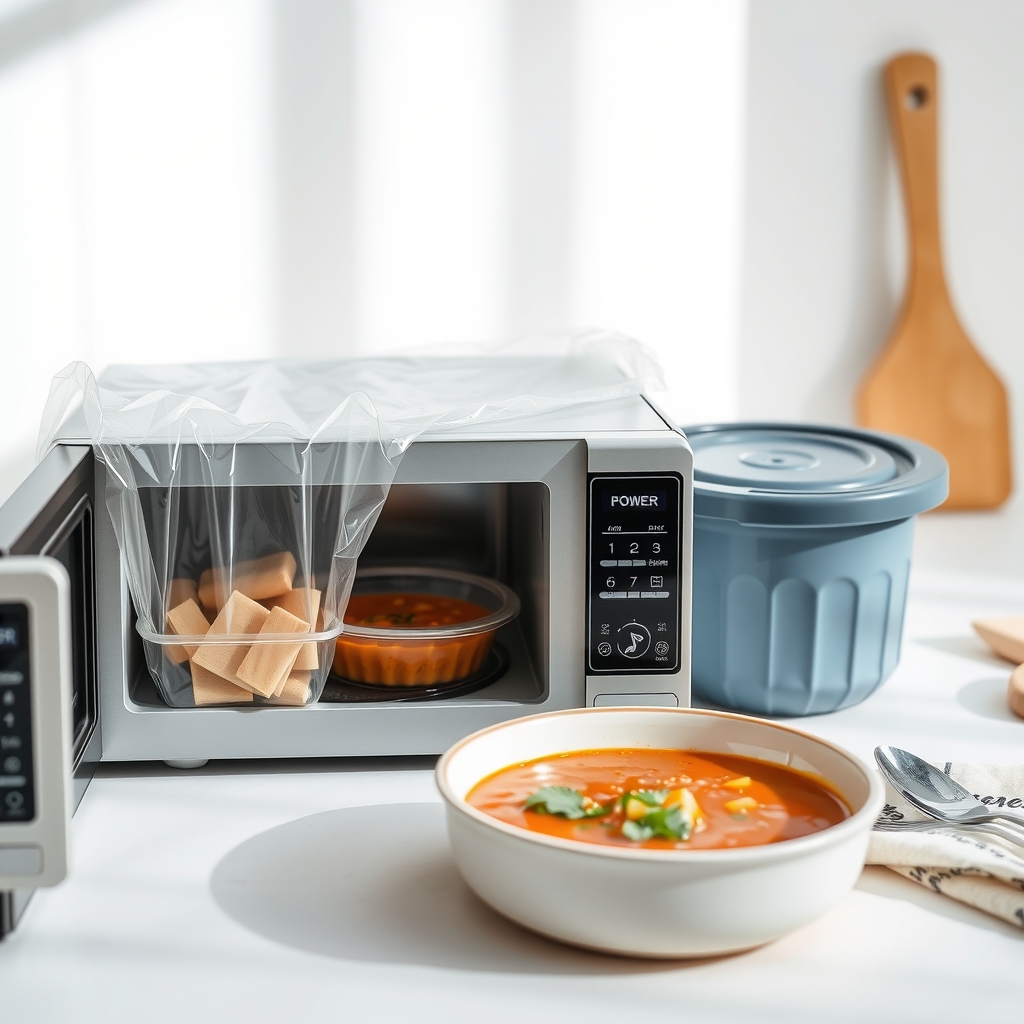
Avoid complete coverage. Leave a small gap—about ½ inch—between the cling film and the food to allow steam to escape. This reduces the risk of overheating and chemical release.
Limit microwave time. Avoid microwaving food for extended periods, especially if it’s boiling or steaming. Stick to short bursts, typically 1-2 minutes, and check the food frequently.
Use microwave-safe containers underneath. Place your food in a microwave-safe dish or container before covering it with cling film. This provides an extra barrier between the heat and the plastic.
Avoid overheating. Never microwave food until it’s boiling or steaming vigorously. Instead, use lower power settings and stir food occasionally to distribute heat evenly.
If you’re reheating leftovers, consider using a microwave-safe glass or ceramic dish instead of cling film. This not only reduces plastic exposure but also helps retain moisture and prevent drying out.
---
Which brands of cling film are safe for pregnant women in the microwave?
Not all cling films are created equal, and some brands are safer than others for microwave use during pregnancy. Here are a few widely available brands that are considered safe when used correctly:
Reynolds Wrap (Microwave-Safe) – One of the most popular brands, Reynolds Wrap offers microwave-safe varieties made from food-grade polyethylene. Always check the label to ensure you’re using the correct type.
Cling Wrap (by Glad) – Glad offers microwave-safe cling film, but be sure to verify the label. Some older or non-microwave-safe varieties should be avoided.
Tupperware Cling Film – Tupperware’s microwave-safe cling film is another reliable option, designed to withstand heat without releasing harmful chemicals.
Boon (by Reynolds) – Boon is a premium brand known for its high-quality, microwave-safe cling film, making it a good choice for cautious parents.
When in doubt, look for these labels on the packaging:
"Microwave-safe"
"Food-grade polyethylene"
"BPA-free"
"Phthalate-free"
If you’re unsure about a specific brand, check the manufacturer’s website or contact their customer service. It’s always better to be cautious and choose a product with clear safety certifications.
If you’re concerned about cling film altogether, many brands also offer microwave-safe alternatives like silicone lids or parchment paper, which we’ll explore in the next section.
---
What risks does cling film pose when microwaved during pregnancy?
While cling film is generally considered safe when used correctly, there are potential risks to be aware of, particularly when it comes to chemical exposure. Here’s what you need to know:
Chemical Leaching
The primary risk associated with cling film in the microwave is the potential for chemical leaching. When plastic is heated, it can release trace amounts of additives like phthalates, bisphenol A (BPA), or other chemicals used to make the plastic flexible or durable. While the amounts are typically very small, the CDC advises minimizing exposure to these chemicals during pregnancy, as their long-term effects are still being studied.
Phthalates, for example, have been linked to potential developmental issues in animal studies, though human evidence is less clear. BPA, another common plastic additive, has been associated with hormonal disruptions, though it’s been phased out of many food-contact products. The key is to use only microwave-safe brands and avoid overheating, which reduces the risk of chemical release.
Melting or Warping
Another risk is that non-microwave-safe cling film can melt, warp, or even stick to food when heated. This not only ruins your meal but can also introduce plastic particles into your food. Always use brands labeled "microwave-safe" to avoid this issue.
Overheating and Steam Buildup
Covering food completely in the microwave can trap steam and cause overheating. This increases the risk of chemical leaching and can also lead to uneven cooking, where some parts of the food become scorched while others remain cold. To avoid this, leave a small gap between the cling film and the food, and use a microwave-safe container underneath.
Long-Term Exposure
While occasional use of cling film in the microwave is unlikely to pose a significant risk, frequent or prolonged exposure—especially if using non-microwave-safe brands—could theoretically increase your exposure to potential chemicals. If you’re concerned, consider switching to safer alternatives like parchment paper or silicone lids, which eliminate the risk of plastic exposure entirely.
---
What are safer alternatives to cling film for microwaving during pregnancy?
If you’re looking for safer alternatives to cling film for microwaving during pregnancy, there are several excellent options that eliminate the risk of chemical exposure entirely. Here are some of the best choices:
Microwave-safe silicone lids (e.g., OXO Good Grips) – Silicone is non-toxic, heat-resistant, and reusable, making it a great alternative to cling film. Brands like OXO offer lids that fit most bowls and containers.
Microwave-safe parchment paper (e.g., Reynolds brand) – Parchment paper is a natural, chemical-free option that’s safe for microwaving. It’s also reusable if you choose high-quality brands.
Microwave-safe glass containers with lids (e.g., Pyrex) – Glass is inert and doesn’t leach chemicals, making it one of the safest options for reheating food. Just ensure the lid is also microwave-safe.
Microwave-safe reusable silicone bags (e.g., Stasher) – Silicone bags are leak-proof, reusable, and safe for microwaving, making them a convenient and eco-friendly choice.
Microwave-safe paper towels – If you’re covering food to absorb moisture, use microwave-safe paper towels instead of cling film. They’re disposable and don’t pose the same risks.
Microwave-safe plastic containers labeled "microwave-safe" (e.g., Tupperware) – Some plastic containers are designed to be microwave-safe and are free from harmful additives. Always check the label to ensure they’re safe for heat.
Switching to these alternatives can give you peace of mind while still allowing you to reheat meals quickly and easily. Many of these options are also more sustainable, as they can be reused for years.
---
Related items — safety at a glance
If you’re researching cling film safety, you might also be curious about other kitchen items used in the microwave. Here’s a quick comparison of related items and their safety during pregnancy:
Item
Safety Verdict
Notes
Plastic wrap
⚠️ Safe with precautions
Use only microwave-safe brands; avoid overheating and complete coverage.
Aluminum foil
⚠️ Safe with precautions
Safe for microwaving, but avoid direct contact with food and don’t cover completely.
Microwave-safe containers
✅ Generally safe
Look for glass, ceramic, or BPA-free plastic labeled "microwave-safe."
Microwave-safe silicone bags
✅ Generally safe
Non-toxic, reusable, and safe for microwaving—ideal for leftovers.
Microwave-safe parchment paper
✅ Generally safe
Chemical-free and safe for reheating; great for covering food.
Microwave-safe glass jars
✅ Generally safe
Inert and non-reactive; perfect for storing and reheating meals.
Microwave-safe plastic containers
⚠️ Safe with precautions
Only use brands labeled "microwave-safe" and avoid overheating.
Microwave-safe silicone lids
✅ Generally safe
Reusable, non-toxic, and safe for all microwave settings.
---
Myth vs. fact
Myth: All cling films are the same, so any brand is safe in the microwave. Fact: Not all cling films are created equal. Only brands labeled "microwave-safe" should be used during pregnancy. Older or non-microwave-safe brands may contain additives like phthalates or PVC, which can release harmful chemicals when heated.
Myth: Cling film is unsafe during pregnancy because it contains plastic. Fact: While cling film is made of plastic, modern microwave-safe brands use food-grade polyethylene, which is considered safe when used correctly. The risk comes from overheating or using non-microwave-safe brands.
Myth: If cling film melts in the microwave, it’s automatically unsafe. Fact: Melting cling film is a sign that it’s not microwave-safe or was overheated. Always use brands labeled for microwave use and avoid boiling or steaming food for long periods.
---
Key takeaways
Cling film can be safe in the microwave during pregnancy if you use microwave-safe brands and follow proper usage guidelines.
Avoid covering food completely—leave a small gap to allow steam to escape.
Never microwave food until it’s boiling or steaming vigorously.
Use microwave-safe containers underneath cling film to reduce direct heat exposure.
If you’re concerned, safer alternatives like parchment paper, silicone lids, or glass containers eliminate plastic exposure entirely.
If you’ve already used cling film in the microwave before realizing you were pregnant, there’s no need to panic—occasional use is unlikely to pose a risk.
Always check labels for "microwave-safe" and "food-grade" certifications.
---
Frequently asked questions
Can I microwave food in plastic wrap?
Yes, you can microwave food in plastic wrap if it’s labeled "microwave-safe." However, plastic wrap is essentially the same as cling film, so the same precautions apply: use only microwave-safe brands, avoid complete coverage, and don’t overheat the food. For added safety, consider using microwave-safe silicone lids or parchment paper instead.
Is plastic wrap safe in the microwave?
Plastic wrap is safe in the microwave only if it’s a microwave-safe brand. Non-microwave-safe plastic wrap can melt, warp, or release harmful chemicals when heated. Always check the label for "microwave-safe" and follow usage guidelines to minimize risks. If you’re unsure, opt for safer alternatives like parchment paper or silicone lids.
What happens if I microwave food in cling film?
If you microwave food in cling film, nothing dramatic will happen if you’re using a microwave-safe brand and following proper usage. However, if the cling film isn’t microwave-safe or you overheat the food, it can melt, warp, or release trace amounts of chemicals into your food. To avoid this, leave a small gap between the cling film and the food, use microwave-safe containers underneath, and avoid boiling or steaming food for long periods.
Are there any risks using cling film in the microwave?
The primary risks of using cling film in the microwave are chemical leaching and overheating. When plastic is heated, it can release small amounts of additives like phthalates or BPA, though these amounts are typically minimal. Overheating can also cause the cling film to melt or warp, potentially introducing plastic particles into your food. To minimize risks, use only microwave-safe brands, avoid complete coverage, and don’t overheat your food.
What are safer options for microwaving food?
If you’re looking for safer alternatives to cling film for microwaving during pregnancy, consider these options:
Microwave-safe silicone lids (e.g., OXO Good Grips)
Microwave-safe parchment paper (e.g., Reynolds brand)
Microwave-safe glass containers with lids (e.g., Pyrex)
These alternatives eliminate the risk of plastic exposure and are just as convenient for reheating meals.
Do different brands of cling film affect safety?
Yes, different brands of cling film can affect safety. Not all cling films are created equal—some are made from food-grade polyethylene and are labeled "microwave-safe," while others may contain additives like phthalates or PVC, which can release harmful chemicals when heated. Always choose brands labeled "microwave-safe" and check for certifications like BPA-free or phthalate-free. If you’re unsure about a specific brand, consult the manufacturer’s website or contact their customer service for guidance.
Can cling film cause cancer when microwaved?
There is no scientific evidence that cling film causes cancer when used correctly in the microwave. However, overheating non-microwave-safe cling film can release trace amounts of chemicals like dioxins (from PVC) or phthalates, which have been linked to potential health risks in high exposures. The risk is extremely low with occasional use of microwave-safe brands, but minimizing exposure is always a good practice. If you’re concerned, opt for safer alternatives like parchment paper or silicone lids.
Is it safe to microwave food in cling film during pregnancy?
Yes, it’s generally safe to microwave food in cling film during pregnancy if you use microwave-safe brands and follow proper usage guidelines. This includes leaving a small gap between the cling film and the food, avoiding complete coverage, and not overheating the food. If you’re still unsure, safer alternatives like parchment paper or silicone lids are excellent choices that eliminate plastic exposure entirely.
---
When to call your doctor
While cling film in the microwave is unlikely to pose a significant risk during pregnancy, there are a few scenarios where you should contact your healthcare provider for guidance:
You’ve been using non-microwave-safe cling film frequently. If you’ve been microwaving food in cling film that isn’t labeled "microwave-safe," especially if you’ve overheated it, your doctor can provide reassurance or additional guidance.
You notice unusual changes in your food or cling film. If cling film melts, warps, or sticks to food in a way that suggests it’s not safe, stop using it immediately and switch to safer alternatives.
You have concerns about chemical exposure. If you’re worried about potential chemical leaching—especially if you’ve overheated food or used cling film for extended periods—your doctor can address your concerns and offer personalized advice.
You experience unusual symptoms after microwaving food. While rare, if you notice symptoms like nausea, dizziness, or digestive issues after reheating food in cling film, it’s worth mentioning to your doctor to rule out other causes.
Remember, this article is for informational purposes only and is not a substitute for professional medical advice. If you have specific concerns about your pregnancy or dietary habits, always consult your healthcare provider.
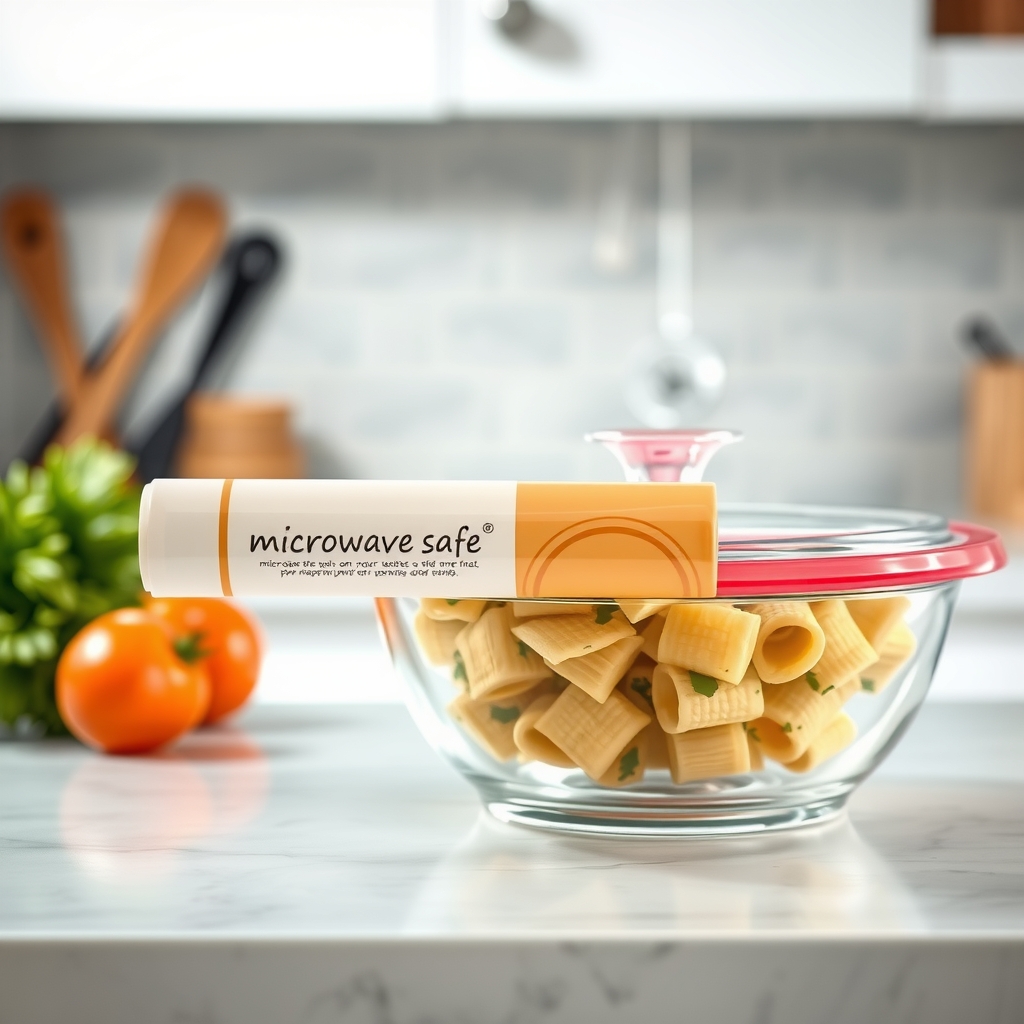
Always check the label for "microwave-safe" to ensure safe use during pregnancy.Explore safer alternatives like parchment paper or silicone lids for peace of mind.Silicone lids are a convenient and safe alternative to cling film.
Not sure about the label on Is Cling Film In Microwave Safe During Pregnancy products?
Snap the ingredients list and SafeFilter checks every ingredient for your stage — only 3 free scans this month, then you're locked until reset. Unlimited from $7/mo or $50/yr.
When Shubhra Mishra was expecting her first child in 2016, she was overwhelmed by conflicting food advice — one site said yes, another said never. By the time her second baby arrived in 2019, she realized millions of mothers face the same confusion.
That sparked a five-year journey through clinical nutrition papers, cultural diets, and expert conversations — all leading to BumpBites: a calm, compassionate space where science meets everyday motherhood.
Her long-term vision is to build a global community ensuring safe, supported, and free deliveriesfor every mother — because no woman should face pregnancy alone or uninformed. 🌿
🌍 Stand with mothers, shape safer guidance
Join a small circle of experts who review BumpBites articles so expecting parents everywhere can decide with confidence.