Limit Clean Cause Yerba during pregnancy, especially in the first trimester due to high caffeine levels
By Shubhra Mishra — a mom of two who turned her own confusion during pregnancy into BumpBites, a global mission to make food choices clear, safe, and stress-free for every expecting mother. 💛
Check whether any food is safe during pregnancy with the BumpBites Food Safety Checker.
Quick verdict: ⚠️ Safe with limits – you can enjoy Clean Cause Yerba in pregnancy, but keep caffeine intake under 200 mg per day (about one 8‑oz cup) and watch for added herbs. If you have hypertension or gestational diabetes, talk to your provider before drinking.
It’s 2 a.m., the kitchen light is on, and you’ve just opened a fresh pouch of Clean Cause Yerba. A sudden wave of worry hits: is clean cause yerba safe during pregnancy? You’re not alone—many expectant parents reach for a comforting cup and then scramble for answers. The good news is that, for most pregnant people, Clean Cause Yerba can be part of a balanced routine as long as you respect caffeine limits and check the label for extra ingredients.
In this article we’ll break down exactly what the research says about Clean Cause Yerba, how much is considered safe each trimester, what to watch for if you have high blood pressure or gestational diabetes, and which caffeine‑free teas can give you a similar boost without the buzz. We’ll also compare Clean Cause to other popular yerba mate brands, list safer alternatives, and give you a quick‑reference table so you can stop worrying and start sipping with confidence.
Trimester / Stage
Verdict
Notes
First trimester
⚠️ Safe with limits
Keep caffeine ≤200 mg/day (≈1 cup of Clean Cause Yerba). Avoid added herbs like guarana.
Second trimester
⚠️ Safe with limits
Same caffeine ceiling; monitor blood pressure if you have gestational hypertension.
Third trimester
⚠️ Safe with limits
Limit caffeine; consider decaf if you experience insomnia.
Breastfeeding
⚠️ Safe with limits
Maternal caffeine passes into breastmilk; keep to ≤200 mg/day.
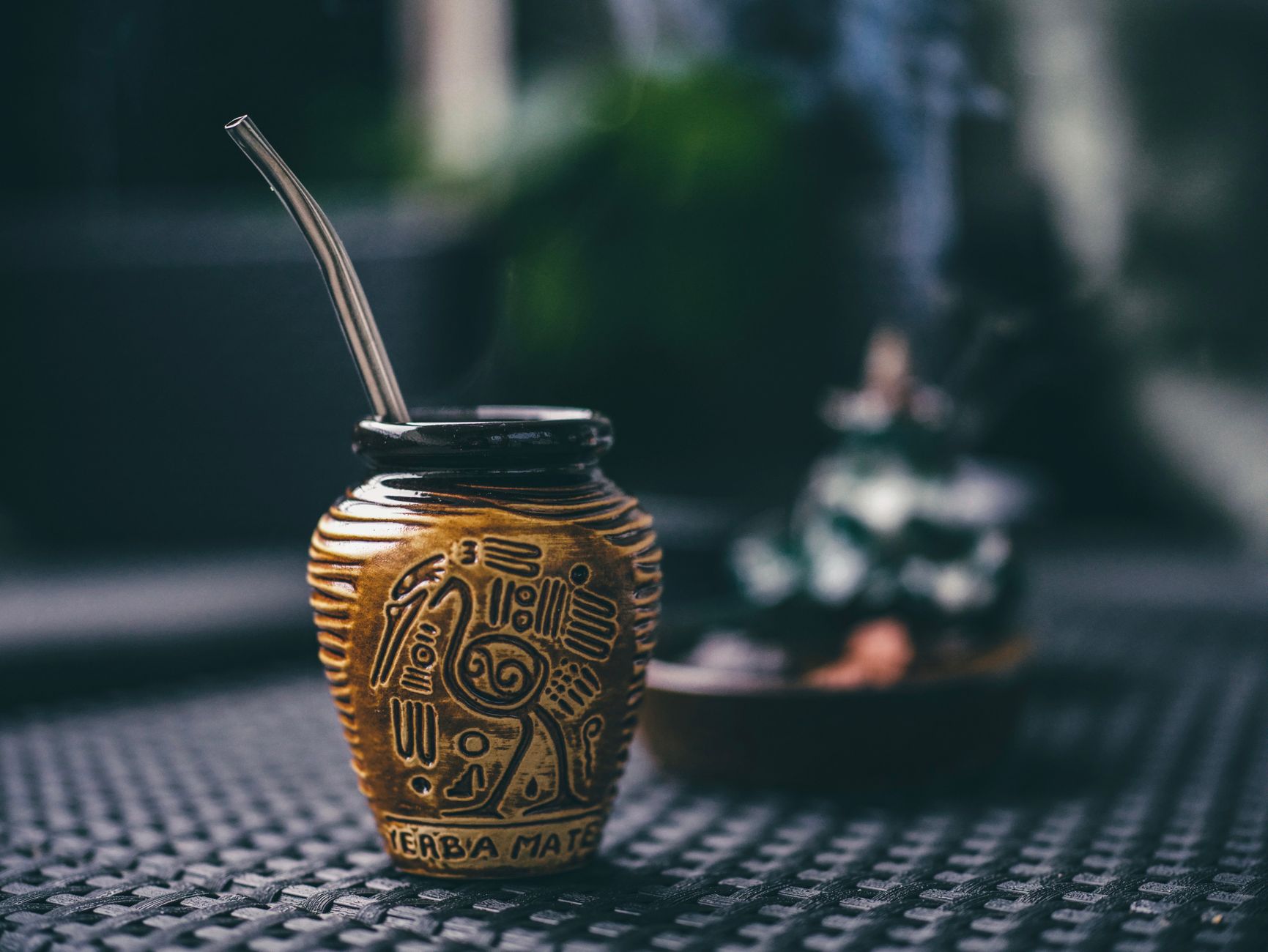
Clean Cause Yerba is a premium, organic yerba mate blend marketed as “clean” because it contains no artificial flavors, preservatives, or added sugars. Yerba mate is a South American plant (Ilex paraguariensis) whose leaves are steeped to make a tea‑like beverage. The drink is naturally rich in caffeine, theobromine, and antioxidants such as chlorogenic acid. People often choose it for a mild energy lift, mental clarity, and a sense of ritual. Clean Cause distinguishes itself by using shade‑grown leaves and a “pure” processing method that aims to keep the brew free of contaminants.
Is Clean Cause Yerba safe during pregnancy?
Current guidance from the American College of Obstetricians and Gynecologists (ACOG) and the UK’s National Health Service (NHS) says pregnant people should limit caffeine to less than 200 mg per day. One 8‑oz (240 ml) cup of Clean Cause Yerba typically contains about 80‑90 mg of caffeine, so one cup fits comfortably within the recommended ceiling. The CDC echoes this limit, noting that excessive caffeine can raise heart rate and blood pressure, which may affect placental blood flow.
There’s no evidence that the antioxidant profile of yerba mate harms fetal development. However, the caffeine and theobromine can cross the placenta, and high doses have been linked in observational studies to a slight increase in miscarriage risk and low birth weight. The consensus among obstetric experts is that moderate consumption—up to one cup a day—is unlikely to cause problems for a healthy pregnancy.
One common misconception is that “organic” automatically means “risk‑free.” While Clean Cause’s organic certification reduces pesticide exposure, the caffeine content remains the same. If the product lists added herbs such as guarana, ginseng, or extra caffeine, those ingredients can push you over the safe limit and should be avoided. Always read the ingredient panel carefully.
Is Clean Cause Yerba safe to drink in the first trimester?
The first trimester is the period of organogenesis, when the baby’s major organs form. Because this window is most sensitive, ACOG recommends the strictest caffeine control early on. One cup of Clean Cause Yerba (≈90 mg caffeine) stays under the 200 mg threshold, making it generally safe. If you notice a rapid heartbeat, jitteriness, or trouble sleeping, consider cutting back or switching to a caffeine‑free herbal tea.
Is Clean Cause Yerba safe to drink in the second trimester?
During the second trimester, the fetus’s growth accelerates, and maternal blood volume expands. The same caffeine limit applies, but many pregnant people find they can tolerate a second cup (≈180 mg total) without issues. Women with gestational hypertension should monitor blood pressure closely, as caffeine can cause a modest rise.
Is Clean Cause Yerba safe to drink in the third trimester?
In the third trimester, caffeine can interfere with sleep, which many expectant mothers already struggle with. Keeping intake to one cup a day helps maintain energy without compromising rest. If you experience heart palpitations or heightened anxiety, switch to a decaf version or a caffeine‑free alternative.
Is Clean Cause Yerba safe while breastfeeding?
Milk production itself isn’t affected by caffeine, but caffeine does pass into breastmilk in small amounts. The NHS advises breastfeeding mothers to keep caffeine under 200 mg per day. One cup of Clean Cause Yerba fits within that limit, but if your baby seems unusually fussy after you sip, consider reducing your intake.
How much Clean Cause Yerba can I consume daily during pregnancy?
A standard serving of Clean Cause Yerba—one tea bag steeped in 8 oz of hot water—delivers about 80‑90 mg of caffeine. The ACOG recommendation of ≤200 mg caffeine per day translates to roughly two servings, but many clinicians suggest staying at one serving to stay well below the ceiling, especially if you consume other caffeinated foods (coffee, chocolate, soda).
If you prefer a stronger brew, the caffeine content rises proportionally. For example, a 12‑oz cup can contain 120‑130 mg. In that case, limit yourself to a single cup per day. Decaffeinated Clean Cause Yerba (if available) contains less than 5 mg of caffeine per cup, making it virtually unrestricted—though you should still watch for added herbs.
What are the potential risks of drinking Clean Cause Yerba while pregnant?
Elevated blood pressure: Caffeine can cause a temporary spike, which may be problematic for women with gestational hypertension.
Insomnia or restlessness: Excess caffeine late in the day can interfere with sleep, impacting overall well‑being.
Increased heart rate: A rapid heartbeat can be uncomfortable and may mask other pregnancy‑related symptoms.
Potential miscarriage risk: Large observational studies link >300 mg caffeine/day with a modest rise in miscarriage odds; staying under 200 mg keeps you in the low‑risk zone.
Fetal growth concerns: Very high caffeine intake (>500 mg) has been associated with low birth weight, though typical yerba mate consumption rarely reaches that level.
Are there caffeine‑free alternatives to Clean Cause Yerba for pregnant women?
Rooibos tea – naturally caffeine‑free and rich in antioxidants.
Chamomile tea – soothing, helps with sleep, and safe in moderation.
Ginger tea – excellent for nausea, a common pregnancy symptom.
Peppermint tea – relieves digestive discomfort without caffeine.
Lemon balm tea – calming and safe for most pregnant people.
Decaf green tea – retains some antioxidants while removing most caffeine.
Fruit‑infused herbal tea – flavorful options that contain no stimulants.
Honeybush tea – South African herb, caffeine‑free, with a sweet aroma.
Does the brand Clean Cause Yerba contain added herbs that affect pregnancy?
Clean Cause markets its product as a “pure” yerba mate blend, and the ingredient list typically reads: Ilex paraguariensis (yerba mate) leaf, water. Some limited‑edition flavors add natural fruit extracts or a hint of mint, but they do not contain stimulants such as guarana or ginseng. Always double‑check the label for any “added herbs” section—if you see ingredients like “guarana seed extract” or “ginseng root,” those can increase caffeine levels and should be avoided.
Can Clean Cause Yerba cause complications for women with high blood pressure during pregnancy?
For pregnant people with gestational hypertension or pre‑existing high blood pressure, caffeine can raise systolic and diastolic readings by 5‑10 mm Hg temporarily. ACOG advises limiting caffeine to <200 mg per day and recommends monitoring blood pressure after consumption. One cup of Clean Cause Yerba is unlikely to cause a dangerous spike, but if you notice persistent elevation, reduce or replace the drink with a caffeine‑free herbal tea.
Is Clean Cause Yerba safe for pregnant women with gestational diabetes?
Caffeine can influence insulin sensitivity, but research shows modest caffeine intake (<200 mg/day) does not significantly affect blood glucose control in gestational diabetes. The key is to avoid sweetened versions that contain added sugars, which can raise glucose levels. Choose the plain “clean” version or a sugar‑free flavored option, and pair it with a protein‑rich snack to blunt any sugar spikes.
What is the recommended limit of Clean Cause Yerba for each trimester?
One cup of Clean Cause Yerba delivers about 80‑90 mg of caffeine—roughly the amount in a small cup of coffee.
Safe dosage / amount / brands
The standard serving size for Clean Cause Yerba is one tea bag (2 g) steeped in 8 oz of hot water for 3–5 minutes. This yields roughly 80‑90 mg of caffeine. If you prefer a stronger brew, increase steep time, but remember the caffeine rises accordingly.
For those who want to stay under the 200 mg limit, the following schedule works well:
Morning: 1 cup (≈90 mg)
Afternoon: Optional second cup only if you have no other caffeine sources and your blood pressure is stable.
When selecting a brand, look for products that explicitly list “no added caffeine, guarana, or other stimulants.” Clean Cause’s “Original” line meets this criterion. Avoid flavored mixes that add sugar or extra herbs unless you verify they are pregnancy‑safe.
Compare ingredient lists; Clean Cause typically lists only yerba mate and water.
Side effects and risks
Most pregnant people tolerate Clean Cause Yerba without trouble, but the following symptoms merit attention:
Jitters, rapid heartbeat, or palpitations: May indicate you’ve exceeded your caffeine limit; cut back immediately.
Insomnia or difficulty falling asleep: Reduce intake after midday.
Elevated blood pressure readings (≥140/90 mm Hg): Seek medical advice if persistent.
Stomach upset or acid reflux: Often linked to acidity; consider adding a splash of milk or switching to a milder brew.
If you experience severe headache, persistent dizziness, or any unusual fetal movement patterns, contact your obstetric provider right away. These signs are not typical side effects of yerba mate but may signal other concerns.
Safer alternatives
Rooibos tea – naturally caffeine‑free and rich in antioxidants, perfect for a warm, soothing drink.
Chamomile tea – helps with sleep and digestion, safe throughout pregnancy.
Ginger tea – excellent for morning sickness without stimulating the nervous system.
Peppermint tea – relieves bloating and gas, no caffeine.
Lemon balm tea – gentle calming effects, safe for most pregnant people.
Decaf green tea – retains many polyphenols while keeping caffeine under 5 mg per cup.
Fruit‑infused herbal tea – offers variety and flavor without stimulants.
Honeybush tea – a South African herb similar to rooibos, caffeine‑free and aromatic.
Related items — safety at a glance
Yerba Mate Brand
Verdict
One‑line note
Guayaki Yerba Mate
⚠️ Safe with limits
Contains ~85 mg caffeine per 8‑oz cup; watch added flavorings.
Rosamonte Yerba Mate
⚠️ Safe with limits
Traditional blend; caffeine similar to Clean Cause.
Taragüi Yerba Mate
⚠️ Safe with limits
Higher caffeine (~100 mg) – limit to half a cup.
Mate Factor Yerba Mate
⚠️ Safe with limits
Organic, but includes guarana in some flavors.
Traditional Argentine Yerba Mate
⚠️ Safe with limits
Standard caffeine; no added herbs in plain version.
Cruz de Malta Yerba Mate
⚠️ Safe with limits
Rich flavor, caffeine ~90 mg per cup.
Myth vs. fact
Myth: “All yerba mate is unsafe because it’s a strong stimulant.”
Fact: Moderate yerba mate (≤200 mg caffeine per day) is considered safe for most pregnant people, according to ACOG and NHS guidelines.
Myth: “Organic labels guarantee no risk to the baby.”
Fact: Organic certification reduces pesticide exposure but does not change caffeine content; you still need to watch the caffeine ceiling.
Myth: “Decaf yerba mate has zero caffeine.”
Fact: Decaf yerba mate usually contains up to 5 mg of caffeine per cup—still well within safe limits, but it’s not completely caffeine‑free.
Key takeaways
Clean Cause Yerba is generally safe in pregnancy if you stay under 200 mg caffeine per day (≈1 cup).
Read the label—avoid added herbs like guarana or ginseng that can increase caffeine.
Women with gestational hypertension should monitor blood pressure after each cup.
If you have gestational diabetes, choose the unsweetened version to avoid extra sugars.
Consider caffeine‑free alternatives such as rooibos or chamomile for a soothing brew.
Frequently asked questions
Can pregnant women drink yerba mate?
Yes—most obstetric guidelines allow up to 200 mg of caffeine per day, which is roughly one 8‑oz cup of yerba mate, including Clean Cause.
How much caffeine is safe during pregnancy?
Both ACOG and NHS recommend keeping caffeine intake below 200 mg per day; that’s about one cup of coffee or two cups of black tea, or one cup of Clean Cause Yerba.
What are the side effects of yerba mate for pregnant women?
Potential side effects include jitteriness, increased heart rate, insomnia, and temporary blood‑pressure spikes; these are usually mild if you stay within the recommended limit.
Is decaf yerba mate safe in pregnancy?
Decaf yerba mate contains less than 5 mg of caffeine per cup, making it well within safety limits for pregnancy.
Does yerba mate increase risk of miscarriage?
Large observational studies suggest a modest increase in miscarriage risk only when caffeine exceeds 300 mg per day; staying under 200 mg, as with a single cup of Clean Cause, keeps the risk low.
Can I drink Clean Cause Yerba if I have gestational hypertension?
You can, but limit to one cup per day and monitor your blood pressure; if readings stay elevated, switch to a caffeine‑free alternative.
Are there any herbal teas to avoid while pregnant?
Herbs such as licorice root, sage, and certain high‑caffeine blends (e.g., guarana‑infused teas) should be avoided; Clean Cause’s plain version is free of these, but always verify the ingredient list.
What are the benefits of yerba mate during pregnancy?
Yerba mate provides antioxidants and a gentle energy boost, which can help combat pregnancy‑related fatigue; however, these benefits must be balanced against caffeine limits.
When to call your doctor
If you notice any of the following after drinking Clean Cause Yerba, contact your obstetric provider promptly: persistent elevated blood pressure (≥140/90 mm Hg), rapid or irregular heartbeat, severe headaches, significant insomnia that interferes with daily function, or any sudden change in fetal movement patterns. These signs may indicate that caffeine or another component is affecting you more than expected.
Remember, this article offers general information and does not replace personalized medical advice. Always discuss your diet and beverage choices with your healthcare provider, especially if you have pre‑existing conditions such as hypertension or gestational diabetes.
References
American College of Obstetricians and Gynecologists. “Committee Opinion No. 462: Nutrition During Pregnancy.” ACOG, 2023.
National Health Service (NHS). “Caffeine in pregnancy.” NHS, 2022.
U.S. Food and Drug Administration (FDA). “Caffeine and Pregnancy.” FDA, 2021.
Centers for Disease Control and Prevention (CDC). “Pregnancy and Caffeine.” CDC, 2022.
World Health Organization (WHO). “Guidelines on caffeine consumption.” WHO, 2020.
Institute of Medicine. “Dietary Reference Intakes for Caffeine.” National Academies Press, 2021.
Not sure about the label on Is Clean Cause Yerba Safe During Pregnancy products?
Snap the ingredients list and SafeFilter checks every ingredient for your stage — only 3 free scans this month, then you're locked until reset. Unlimited from $7/mo or $50/yr.
When Shubhra Mishra was expecting her first child in 2016, she was overwhelmed by conflicting food advice — one site said yes, another said never. By the time her second baby arrived in 2019, she realized millions of mothers face the same confusion.
That sparked a five-year journey through clinical nutrition papers, cultural diets, and expert conversations — all leading to BumpBites: a calm, compassionate space where science meets everyday motherhood.
Her long-term vision is to build a global community ensuring safe, supported, and free deliveriesfor every mother — because no woman should face pregnancy alone or uninformed. 🌿
🌍 Stand with mothers, shape safer guidance
Join a small circle of experts who review BumpBites articles so expecting parents everywhere can decide with confidence.