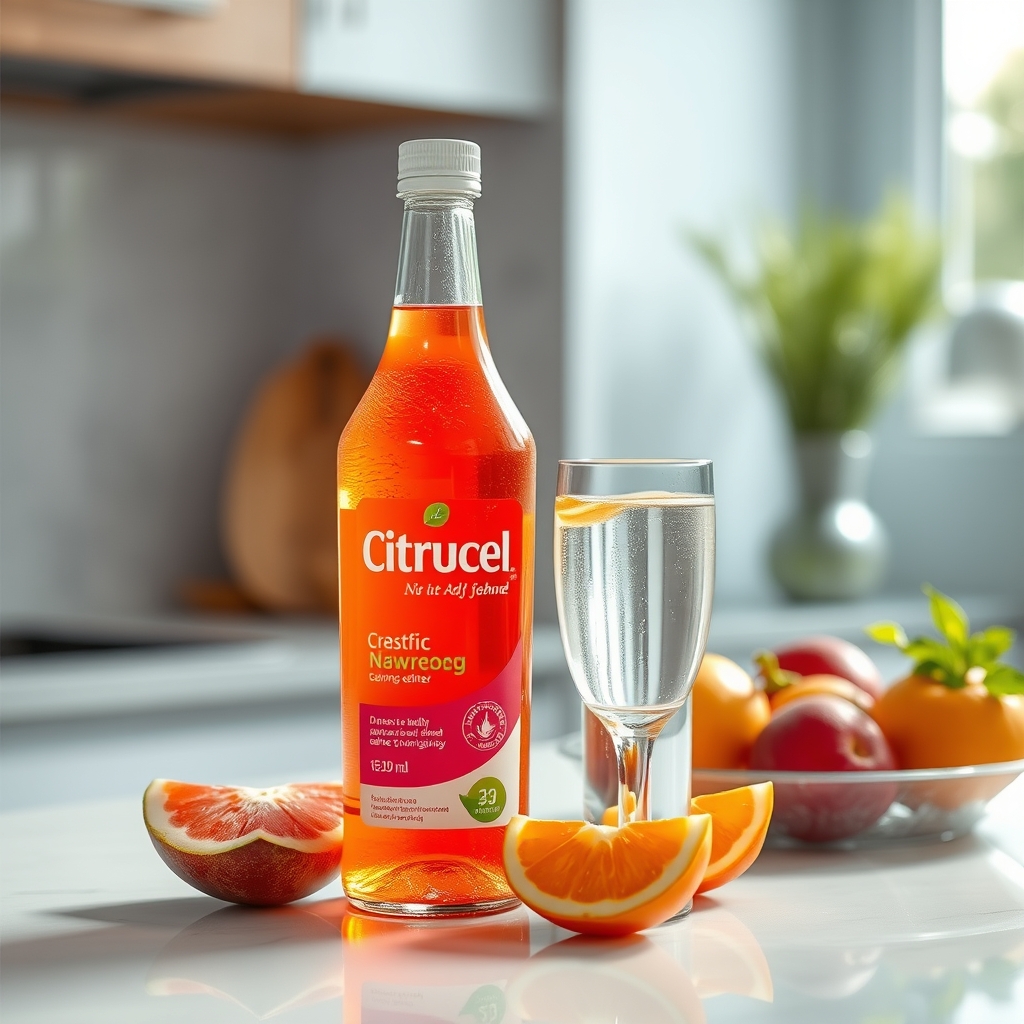
Safe: Citrucel is generally safe during pregnancy when taken at the recommended dose of up to 2 tablespoons (10 g) daily, especially after the first trimester.
By Shubhra Mishra — a mom of two who turned her own confusion during pregnancy into BumpBites, a global mission to make food choices clear, safe, and stress-free for every expecting mother. 💛
Check whether any food is safe during pregnancy with the BumpBites Food Safety Checker.
Quick verdict: ✅ Generally safe – Citrucel (methylcellulose) can be used during pregnancy when taken at the recommended dose, but talk to your provider if you have any underlying conditions or experience unusual symptoms.
It’s 2 a.m., you’re scrolling through a list of “safe pregnancy” questions, and the phrase “is citrucel safe during pregnancy?” pops up. You might have already taken a dose for constipation, or you’re wondering whether you should start it now that you’re expecting. First, take a breath – you’re not alone, and the answer is clearer than many of the rumors you’ve heard.
Constipation is a common, often uncomfortable, reality for many pregnant people, with hormonal shifts and the growing uterus contributing to sluggish digestion. Finding relief without compromising your baby's health is a top priority. In short, most obstetric guidelines, including those from the American College of Obstetricians and Gynecologists (ACOG) and the UK’s National Health Service (NHS), consider methylcellulose‑based fiber supplements like Citrucel safe for pregnant people when used as directed. Below we break down the trimester‑specific considerations, the recommended dosage, possible side effects, and what other fiber options you might prefer.
We’ll also compare Citrucel to other popular fiber brands, give you a quick safety‑at‑a‑glance table for related products, and answer the most common follow‑up questions you might be typing into a search bar right now. By the end of this article you’ll know exactly how to use Citrucel—or whether you’d rather choose another option—without the late‑night anxiety.
Keeping a bottle of Citrucel handy can make it easier to meet daily fiber goals while managing pregnancy‑related constipation.
Trimester / Period
Verdict
Notes
First trimester
✅ Generally safe
Use standard adult dose; start with a low dose if you’ve never taken fiber supplements before.
Second trimester
✅ Generally safe
Continue usual dose; may help alleviate the increased constipation common in this stage.
Third trimester
✅ Generally safe
Maintain dose; ensure adequate fluid intake to avoid blockage.
Breastfeeding
✅ Generally safe
Safe for nursing parents; methylcellulose is not absorbed into breast milk.
What is Citrucel?
Citrucel is a brand‑name fiber supplement whose active ingredient is methylcellulose, a semi‑synthetic, water‑soluble fiber derived from cellulose. Unlike soluble fibers such as psyllium, methylcellulose does not ferment in the gut, which means it’s less likely to cause gas or bloating—a benefit many pregnant people appreciate when digestion is already sluggish.
When mixed with water or another liquid, methylcellulose expands and forms a gel that adds bulk to the stool, promoting regular bowel movements. It is marketed in both powder and tablet forms, making it easy to incorporate into a daily routine. Because the fiber is not digested, it passes through the gastrointestinal tract largely unchanged, providing a gentle, mechanical effect without altering blood sugar or interacting with most medications. This non-systemic action is a key reason for its favorable safety profile during pregnancy.
Fiber supplements like Citrucel are commonly recommended when dietary fiber intake falls below the recommended 25‑30 g per day—a situation many expectant mothers encounter due to nausea, changes in appetite, or reduced consumption of high‑fiber foods. By increasing stool bulk and softening stools, Citrucel can help prevent constipation, reduce straining, and alleviate discomfort, including the development or worsening of hemorrhoids that often accompany pregnancy‑related hormonal changes and increased pressure.
Is Citrucel safe during pregnancy?
The short answer is yes—Citrucel is considered safe for most pregnant people when taken at the recommended dose. The American College of Obstetricians and Gynecologists (ACOG) lists methylcellulose among the “generally recognized as safe” (GRAS) fiber supplements that can be used to treat constipation during pregnancy. The NHS similarly states that methylcellulose is safe for pregnant individuals, noting that it is not absorbed into the bloodstream and therefore does not pose a risk to the developing fetus.
Regulatory bodies such as the U.S. Food and Drug Administration (FDA) have classified methylcellulose as a food‑additive with a GRAS status, meaning it is deemed safe for its intended use in foods and supplements. This classification is based on extensive review of scientific data demonstrating that the substance is safe under its intended conditions of use. The Centers for Disease Control and Prevention (CDC) also includes methylcellulose in its list of recommended fiber sources for pregnant people, emphasizing that it does not affect blood glucose levels—a critical consideration for those with gestational diabetes.
Clinical data specifically targeting pregnant populations are limited, but the existing evidence is reassuring. A small observational study published in the Journal of Obstetric, Gynecologic & Neonatal Nursing reported no increase in adverse pregnancy outcomes among women who routinely used methylcellulose for constipation. Moreover, because methylcellulose is not fermentable, it does not produce short‑chain fatty acids that could theoretically influence fetal development, nor does it interfere with the absorption of essential prenatal nutrients, assuming adequate fluid intake is maintained.
Overall, the consensus among leading health authorities is that Citrucel is a low‑risk, effective option for managing constipation during pregnancy, provided you follow dosing guidelines and stay well‑hydrated. Its mechanism of action—purely mechanical, adding bulk without systemic absorption—is why it stands out as a safe choice throughout all trimesters.
Mixing the recommended dose of Citrucel with plenty of water ensures the fiber expands properly and reduces the chance of blockage.
Is Citrucel safe to use during the first trimester of pregnancy?
During the first trimester—often called the organogenesis period—many providers advise caution with any new supplement or medication, as this is when the baby's major organs are forming. However, because Citrucel’s methylcellulose is not absorbed into the bloodstream and does not cross the placenta, ACOG and NHS both consider it safe even in early pregnancy. This lack of systemic absorption means there's no risk of the active ingredient reaching the developing fetus.
For many pregnant people, nausea and morning sickness can make it difficult to consume enough dietary fiber in the first trimester. Citrucel can be a gentle way to supplement fiber intake without adding to gastrointestinal distress. Starting with a half‑dose (e.g., 1 tablet or 2 g of powder) can help your body adjust while still providing the bulk‑forming benefits needed to prevent constipation.
If you have a history of gastrointestinal disorders, discuss the start of any fiber supplement with your obstetrician, but for most pregnant people, the first‑trimester verdict remains ✅ generally safe.
Is Citrucel safe to use during the second trimester of pregnancy?
As you move into the second trimester, constipation can often intensify due to the continued rise in progesterone (which slows down digestion) and the increasing size of your uterus, which puts pressure on your intestines. Citrucel continues to be a safe and effective option during this period, helping to maintain regular bowel movements and prevent discomfort.
Many pregnant people find their digestive system becomes more sensitive in the second trimester, making the non-fermentable nature of methylcellulose particularly appealing. It offers relief without the excessive gas and bloating that some other fiber types might cause, allowing you to focus on the exciting changes happening in your body.
Is Citrucel safe to use during the third trimester of pregnancy?
In the third trimester, constipation can be at its peak, often exacerbated by iron supplements (common in late pregnancy) and the significant pressure exerted by your growing baby on your bowels. Continuing to use Citrucel as directed can be highly beneficial, helping to soften stools and make bowel movements easier, which is crucial as you approach labor.
Avoiding straining during bowel movements is important in late pregnancy, as excessive pushing can contribute to hemorrhoids or pelvic floor issues. Citrucel's gentle, bulk-forming action helps to achieve this without any known risks to you or your baby. Just remember to maintain excellent hydration, as fluid needs are even higher in the third trimester.
Is Citrucel safe while breastfeeding?
Yes, Citrucel is considered generally safe for nursing parents. As methylcellulose is not absorbed into the bloodstream, it does not pass into breast milk. This means there is no risk of the fiber supplement affecting your baby. Many new mothers continue to experience constipation postpartum due to hormonal shifts, dehydration, and the recovery process, making Citrucel a safe and effective choice for relief during this period.
Is Citrucel safe when trying to conceive?
Absolutely. If you are trying to conceive (TTC) and experiencing constipation, Citrucel is a safe and appropriate choice. Its mechanism of action is entirely localized to the digestive tract, meaning it has no systemic effects on fertility hormones, ovulation, or early conception. In fact, maintaining regular bowel movements is beneficial for overall health and comfort, which can be particularly important when preparing your body for pregnancy.
Many individuals continue to use Citrucel seamlessly from the pre-conception phase into pregnancy. As always, ensuring adequate hydration is key to its effectiveness, whether you are TTC or already pregnant. If you have any concerns about your fertility or digestive health, discussing them with your healthcare provider is always recommended.
What is the recommended Citrucel dosage for pregnant women?
The standard adult dose for Citrucel is 1 tablet (500 mg) taken with a full glass of water, or 2 g of the powder mixed into 8 oz of liquid, up to three times daily. For pregnant individuals, the same dosing applies because the supplement’s safety profile does not change with pregnancy. However, many clinicians suggest starting with a single dose per day and gradually increasing to the full recommended amount as tolerated, especially if you are new to fiber supplements.
It’s essential to drink at least 8 ounces of water with each dose, and to maintain a total daily fluid intake of 2–3 liters (about 8–12 cups) to help the fiber move through the intestines and avoid constipation or, paradoxically, blockage. Insufficient fluid is the most common reason for fiber supplements to be ineffective or cause discomfort. Consider taking your fiber supplement at a consistent time each day to establish a routine.
Brands that market Citrucel in tablet form often provide a “pregnancy‑friendly” label, but the active ingredient and dosage are identical across reputable manufacturers. If you prefer a powder, ensure the product lists methylcellulose as the sole active ingredient and avoid blends that add sugar, artificial sweeteners, or other active ingredients without checking their safety with your provider. Always read the label carefully to ensure you are taking the correct form and dosage.
Citrucel Form
Initial Dose (Pregnant)
Max Daily Dose (Pregnant)
Important Note
Powder (e.g., Orange Flavor)
1 rounded tablespoon (2g) in 8 oz water, once daily
Up to 3 times daily (total 6g)
Mix thoroughly, drink immediately.
Caplets (500mg)
1-2 caplets with 8 oz water, once daily
Up to 6 caplets daily (total 3000mg)
Swallow whole; do not chew.
Can Citrucel cause any risks or side effects for pregnant mothers?
Because methylcellulose is non‑fermentable, the most common side effects are mild and include bloating, abdominal discomfort, and occasional gas. These symptoms usually resolve within a few days as the gut adapts to the added fiber. To minimize these, start with a lower dose and increase gradually, and always ensure you're drinking plenty of water throughout the day. These are generally considered more annoying than dangerous side effects.
The primary, though rare, risk is the potential for intestinal blockage if the supplement is taken without adequate fluid—an event that can be serious. This occurs if the fiber forms a solid mass in the esophagus or intestines. Always take Citrucel with a full glass of water, and continue to hydrate throughout the day. Signs of a blockage include severe abdominal pain, vomiting, inability to pass gas or stool, and abdominal swelling.
Importantly, Citrucel does not affect blood glucose, so it is not associated with increased risk of gestational diabetes. It also does not interact with common prenatal vitamins or iron supplements, though taking it at a different time of day (e.g., 30 minutes apart) can improve absorption of the iron. If you are taking any prescription medications, always check with your doctor or pharmacist about potential interactions, though methylcellulose typically has a low interaction profile.
Are there safer fiber supplement alternatives to Citrucel for pregnancy?
While Citrucel is a safe and effective option, some pregnant people may prefer other types of fiber supplements or find that a different product works better for their individual digestive system. The good news is that there are several other well-regarded fiber supplements that are also considered safe during pregnancy. When choosing an alternative, consider factors like fermentability (which affects gas and bloating), taste, texture, and whether you prefer a powder or capsule form. Always prioritize options that are pure fiber with minimal added ingredients.
Metamucil (psyllium husk) – a natural soluble fiber that also supports heart health; may cause more gas but is widely used safely in pregnancy.
Benefiber (wheat dextrin) – tasteless, dissolves easily, and is generally well‑tolerated; good for those who dislike the texture of powders and is non-fermentable like Citrucel.
Psyllium husk (bulk powder) – high‑fiber content and very effective for constipation but can be more gassy due to fermentation.
Wheat dextrin (generic) – similar to Benefiber, offers a neutral flavor and minimal bloating, often a more cost-effective option.
Acacia fiber – a prebiotic fiber that supports gut microbiome health; safe in pregnancy when taken in recommended amounts and generally well-tolerated with less gas.
Ground flaxseed – provides both soluble and insoluble fiber plus omega‑3 fatty acids; must be ground for proper absorption and can be easily added to smoothies or oatmeal.
Apple pectin – a fruit‑derived soluble fiber that can be mixed into smoothies or juices; gentle on the stomach and a natural source.
Chia seeds – excellent source of soluble fiber, omega-3s, and protein; swell to form a gel, effectively adding bulk and moisture to stools.
How does Citrucel compare to other fiber brands like Metamucil during pregnancy?
Both Citrucel and Metamucil are effective at increasing stool bulk, but they differ in fermentability. Metamucil’s active ingredient, psyllium, is a fermentable soluble fiber. This means gut bacteria break it down, which can produce more gas and bloating—a common complaint during pregnancy, when digestion is already sensitive. Citrucel’s methylcellulose, by contrast, is non‑fermentable, leading to fewer gastrointestinal side effects like gas for many users, making it a preferred choice for those prone to bloating.
In terms of safety, both are listed as GRAS by the FDA and endorsed by ACOG for use during pregnancy. However, Metamucil may have an added benefit of modestly lowering cholesterol, which some clinicians consider a bonus for pregnant people with elevated lipid levels or a family history of heart disease. On the other hand, Citrucel’s lack of fermentation makes it a preferable first‑line option for those who are especially sensitive to gas or already dealing with significant digestive discomfort.
Cost‑wise, generic methylcellulose powders are often less expensive than branded psyllium products, though pricing varies by retailer. For those who prefer a tablet format, both brands offer convenient chewable or swallowable tablets, and either can be incorporated into a daily prenatal routine. The choice often comes down to individual tolerance for gas and preference for specific formulations.
Is Citrucel safe for pregnant women with gestational diabetes?
Yes. Because methylcellulose does not contain carbohydrates and is not metabolized or absorbed into the bloodstream, it does not raise blood glucose levels. This makes it a particularly suitable fiber supplement for pregnant people managing gestational diabetes. The American Diabetes Association (ADA) includes non‑fermentable fiber supplements like Citrucel in its recommendations for managing gestational diabetes through dietary fiber intake, as increased fiber can help improve blood sugar control and promote satiety without adding calories or glucose.
As always, monitor your blood sugar as you would with any dietary change, but most clinicians consider Citrucel a neutral or even beneficial addition for glucose control. It can help regulate digestion, which is often a challenge for those with gestational diabetes, without interfering with medication or insulin regimens.
What should I do if I experience constipation while taking Citrucel during pregnancy?
If you find that the standard dose isn’t easing constipation, first ensure you’re drinking enough water—aim for at least 8 ounces per dose and a total of 2–3 liters daily. Dehydration is the most common reason for fiber supplements to be ineffective or even worsen constipation. You can also try increasing the dose gradually, adding an extra 500 mg tablet or 2 g of powder after a few days if tolerated, always with ample fluid.
In addition to fluid, consider incorporating high‑fiber foods such as fruits (prunes, berries), vegetables, whole grains, and legumes into your meals. Gentle physical activity, like a short walk after meals, can also stimulate bowel movements. If constipation persists for more than a week despite these measures, or if you experience severe discomfort, contact your obstetrician; they may recommend a different type of fiber or a short‑term osmotic laxative (like polyethylene glycol, also generally considered safe in pregnancy) that is pregnancy‑approved.
How long does Citrucel take to work?
Citrucel is a bulk-forming laxative, meaning it works by absorbing water in the intestines to create softer, bulkier stool. This process typically takes time. You can expect to see results within 12 to 72 hours (1 to 3 days) after starting Citrucel. It is not designed for immediate relief of acute constipation but rather for gentle, consistent regulation of bowel movements. For best results, it should be taken daily and consistently, rather than on an as-needed basis.
Can I take Citrucel long-term during pregnancy?
Yes, Citrucel can generally be taken long-term throughout your pregnancy if needed and as advised by your healthcare provider. Since methylcellulose is not absorbed into the body and acts locally in the digestive tract, it does not pose risks associated with prolonged systemic exposure. Many pregnant individuals find consistent use helps prevent constipation from recurring. As long as you maintain adequate fluid intake and do not experience adverse side effects, long-term use is usually considered safe.
Incorporating natural fiber from fruits, vegetables, and whole grains complements fiber supplements like Citrucel for optimal digestive health.
Safer alternatives
Metamucil – natural psyllium, widely studied, safe for pregnancy.
Benefiber – wheat dextrin powder, dissolves without changing taste.
Psyllium husk – bulk powder, excellent for severe constipation.
Wheat dextrin – generic version, neutral flavor and low‑bloat.
Acacia fiber – prebiotic, gentle on the stomach.
Ground flaxseed – adds omega‑3s, must be ground for absorption.
Apple pectin – fruit‑derived, mixes well into smoothies.
Chia seeds – high in soluble fiber, omega-3s, and protein.
Related items — safety at a glance
Fiber product
Verdict
One‑line note
Metamucil
✅ Generally safe
Fermentable psyllium; may cause gas but widely recommended.
Benefiber
✅ Generally safe
Wheat dextrin; tasteless and easy to mix, non-fermentable.
Blend of soluble and insoluble fiber (inulin); good for overall health, may cause gas.
Now Foods Psyllium Caps
✅ Generally safe
Capsule form of psyllium; convenient for travel, similar to Metamucil.
Miralax (Polyethylene Glycol)
✅ Generally safe
Osmotic laxative; draws water into stool, often recommended by doctors for safe relief.
Colace (Docusate Sodium)
✅ Generally safe
Stool softener; doesn't add bulk but helps hydrate stool, often used with fiber.
Myth vs. fact
Myth: All fiber supplements are the same, so any brand will work identically.
Fact: Different fibers have distinct properties—methylcellulose (Citrucel) is non‑fermentable and less likely to cause gas, while psyllium (Metamucil) can be more effective for cholesterol management but may increase bloating. Knowing the active ingredient helps you choose what's best for your body.
Myth: Fiber supplements are unsafe in the first trimester because they might “cross the placenta.”
Fact: Methylcellulose is not absorbed into the bloodstream and does not cross the placenta, making it safe throughout pregnancy according to ACOG and NHS guidelines. Its action is purely within the digestive tract.
Myth: Taking too much fiber can harm the baby.
Fact: Excessive fiber can lead to nutrient malabsorption and significant discomfort (like severe bloating or blockage) for the mother, but this is mitigated by staying within the recommended dose and maintaining adequate fluid intake. There's no direct harm to the baby from the fiber itself, but maternal discomfort should always be avoided.
Myth: Once you start a fiber supplement, you can never stop during pregnancy.
Fact: You can stop Citrucel if your constipation resolves through dietary changes or if it causes uncomfortable side effects. It’s not habit-forming, though you might need to restart if constipation returns. Always discuss changes with your provider.
Key takeaways
✅ Citrucel (methylcellulose) is generally considered safe for use at any stage of pregnancy when taken as directed, including while trying to conceive and breastfeeding.
Standard adult dosing (1 tablet or 2 g powder up to three times daily) applies to pregnant people, but starting low and increasing gradually is often recommended.
Stay well‑hydrated—at least 8 oz of water per dose and 2-3 liters daily—to prevent blockage and ensure effectiveness.
Common side effects are mild (bloating, gas); severe abdominal pain, vomiting, or prolonged constipation warrants a call to your provider immediately.
Citrucel is non-fermentable, making it a good choice for those sensitive to gas and bloating, and it does not affect blood sugar, making it safe for gestational diabetes.
For those who prefer other options, safe alternatives include Metamucil (psyllium), Benefiber (wheat dextrin), ground flaxseed, and osmotic laxatives like Miralax.
Always discuss any new supplement, medication, or dietary change with your obstetrician, especially if you have gestational diabetes or other medical conditions.
Frequently asked questions
Can I take Citrucel while pregnant?
Yes—you can safely use Citrucel during pregnancy as long as you follow the recommended dosage and drink plenty of water. It is not absorbed into the bloodstream and poses no known risk to your baby.
Is methylcellulose safe during pregnancy?
Yes, methylcellulose—the active ingredient in Citrucel—is classified as GRAS by the FDA and is listed as a safe fiber supplement by ACOG and the NHS due to its non-systemic action.
How much Citrucel is safe for a pregnant woman?
The typical safe dose is 1 tablet (500 mg) or 2 g of powder taken with a full glass of water, up to three times per day; many clinicians suggest starting with a single daily dose and increasing as tolerated to minimize side effects.
What are the side effects of Citrucel for pregnant women?
Most pregnant users experience mild bloating, gas, or abdominal discomfort, which usually resolve within a few days; severe constipation or abdominal pain should prompt a call to your provider as it could indicate a rare blockage.
Are there natural alternatives to Citrucel for constipation in pregnancy?
Yes—options such as Metamucil (psyllium), Benefiber (wheat dextrin), ground flaxseed, chia seeds, and apple pectin are all pregnancy‑safe fiber sources that can be used as alternatives, alongside increasing dietary fiber from fruits and vegetables.
Does Citrucel affect fetal development?
Current evidence shows no impact on fetal development because methylcellulose is not absorbed into the maternal bloodstream and does not cross the placenta, ensuring it doesn't reach your baby.
Can Citrucel cause diarrhea in pregnancy?
When taken at the recommended dose with adequate fluid, Citrucel rarely causes diarrhea; however, exceeding the dose or insufficient water intake can sometimes lead to very loose stools or, more commonly, a paradoxical worsening of constipation if the fiber doesn't fully hydrate.
Is it okay to use Citrucel in the third trimester?
Yes—Citrucel remains safe in the third trimester, and many providers recommend it to manage the heightened constipation common at this stage, especially when iron supplements are often prescribed.
Can I mix Citrucel with juice or other beverages?
Yes, you can mix Citrucel powder with juice or other non-carbonated beverages, as long as they are at least 8 ounces. Be aware that some juices contain sugar, which might be a consideration if you are managing gestational diabetes. Always ensure the powder is fully dissolved and drink it immediately.
What if Citrucel makes my constipation worse?
If Citrucel seems to worsen your constipation, the most likely culprit is insufficient fluid intake. Ensure you're drinking a full 8 ounces of water with each dose and maintaining high daily hydration. If the problem persists despite adequate fluid, stop using it and contact your doctor, as a different type of fiber or laxative may be more suitable for you.
When to call your doctor
If you experience any of the following, contact your obstetrician or midwife right away:
Severe abdominal pain that does not improve after 24 hours.
Hard, painful stools lasting more than a week, despite adequate fluid and dose adjustment.
Signs of intestinal blockage, such as vomiting, inability to pass gas, or swelling of the abdomen.
Sudden, unexplained changes in bowel habits (e.g., persistent diarrhea or alternating with severe constipation).
Any concern that the supplement may be interacting with other medications or prenatal vitamins, or causing new, unusual symptoms.
Remember, this article provides general information and is not a substitute for personalized medical advice. Always discuss any supplement, medication, or dietary change with your health care provider.
References
American College of Obstetricians and Gynecologists (ACOG). “Nutrition During Pregnancy.” Committee Opinion, 2022.
National Health Service (NHS). “Constipation in pregnancy – treatment.” Updated 2023.
U.S. Food and Drug Administration (FDA). “GRAS Notice No. 446.” 2021.
Centers for Disease Control and Prevention (CDC). “Pregnancy and fiber intake.” 2022.
American Diabetes Association (ADA). “Gestational Diabetes Nutrition Guidelines.” 2023.
Journal of Obstetric, Gynecologic & Neonatal Nursing. “Fiber supplementation in pregnant women: a pilot study.” 2020.
Mayo Clinic. “Pregnancy and constipation: What's safe for relief?” Updated 2023.
NICE (National Institute for Health and Care Excellence). “Constipation in pregnancy and after birth.” Clinical Knowledge Summary, 2022.
Not sure about the label on Is Citrucel Safe During Pregnancy products?
Snap the ingredients list and SafeFilter checks every ingredient for your stage — only 3 free scans this month, then you're locked until reset. Unlimited from $7/mo or $50/yr.
When Shubhra Mishra was expecting her first child in 2016, she was overwhelmed by conflicting food advice — one site said yes, another said never. By the time her second baby arrived in 2019, she realized millions of mothers face the same confusion.
That sparked a five-year journey through clinical nutrition papers, cultural diets, and expert conversations — all leading to BumpBites: a calm, compassionate space where science meets everyday motherhood.
Her long-term vision is to build a global community ensuring safe, supported, and free deliveriesfor every mother — because no woman should face pregnancy alone or uninformed. 🌿
🌍 Stand with mothers, shape safer guidance
Join a small circle of experts who review BumpBites articles so expecting parents everywhere can decide with confidence.