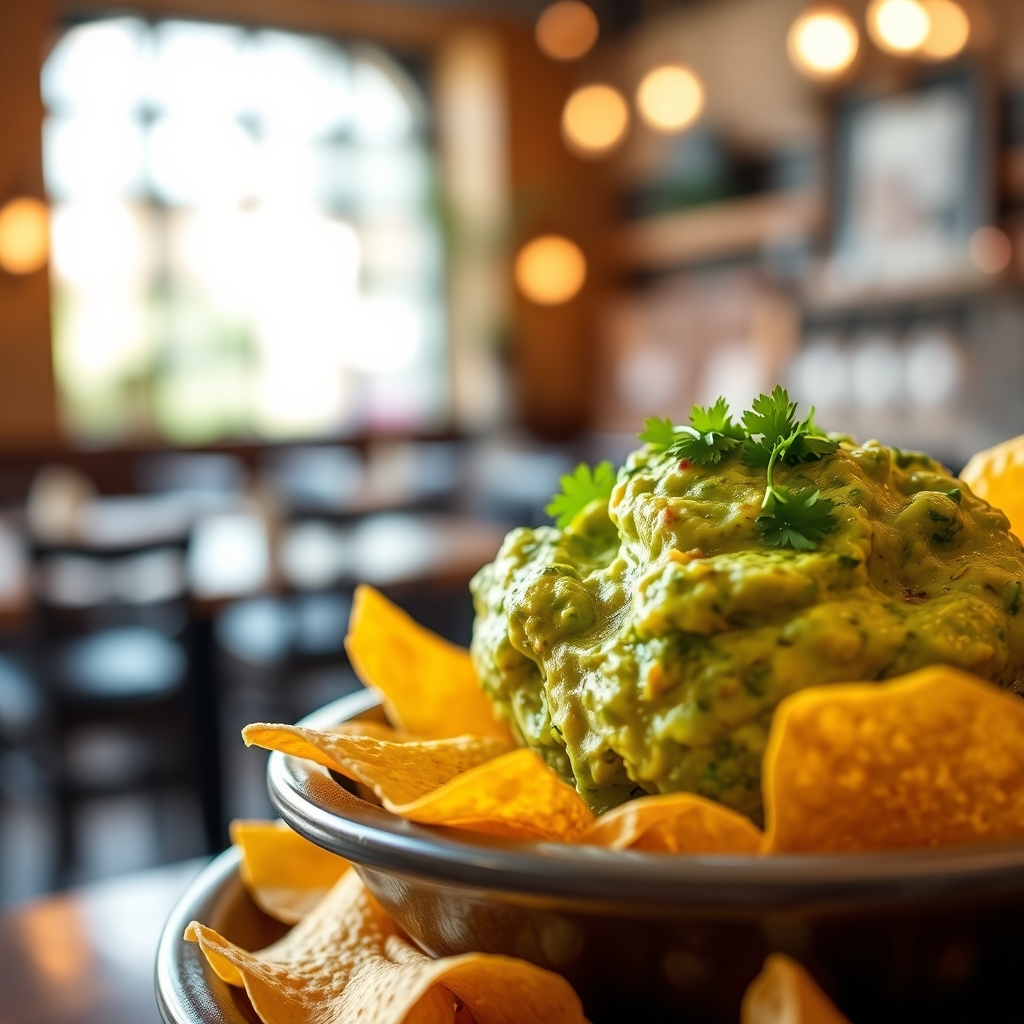
Safe in moderation. Chipotle guacamole is safe during pregnancy if consumed fresh and in small portions (½ cup or less) to avoid excess fat or sodium intake.
By Shubhra Mishra — a mom of two who turned her own confusion during pregnancy into BumpBites, a global mission to make food choices clear, safe, and stress-free for every expecting mother. 💛
Check whether any food is safe during pregnancy with the BumpBites Food Safety Checker.
Quick verdict: ⚠️ Safe with limits. While avocado is highly nutritious for pregnancy, restaurant-prepared guacamole carries a small risk of foodborne illness due to fresh produce handling and potential cross-contamination. Enjoy it occasionally, ensuring the restaurant has good food safety practices, or opt for homemade versions.
That late-night craving hits, or you're out with friends, and suddenly, that vibrant green bowl of guacamole from Chipotle looks incredibly tempting. But then the familiar "is this safe?" anxiety creeps in, especially when you're pregnant and every food choice feels like a major decision. You're not alone; many expecting parents wonder, "is Chipotle guacamole safe during pregnancy?"
The good news is that avocado, the star ingredient in guacamole, is a nutritional powerhouse for you and your baby. However, when it comes to restaurant-prepared fresh items like guacamole, there are a few considerations to keep in mind regarding food safety. We'll dive into the details, covering potential risks, safe consumption guidelines, and reassuring you on how to enjoy your favorite foods responsibly during this special time.
At BumpBites, we understand the worry. We're here to provide clear, evidence-based guidance, reviewed by obstetric doctors, so you can make informed choices without the extra stress. Let's explore what you need to know about enjoying Chipotle guacamole while pregnant.
Chipotle guacamole can be a delicious treat, but understanding its ingredients and preparation is key during pregnancy.
Guacamole Safety Snapshot During Pregnancy
Trimester/Stage
Verdict
Notes
First Trimester
⚠️ Safe with limits
Focus on fresh preparation to minimize foodborne illness risk. Listeria and other pathogens can be particularly dangerous during organogenesis.
Second Trimester
⚠️ Safe with limits
Continue to prioritize freshness. Nutritional benefits of avocado are excellent for baby's development. Watch sodium intake.
Third Trimester
⚠️ Safe with limits
Still a good source of healthy fats. Be mindful of potential heartburn from spicy ingredients. Foodborne illness can lead to preterm labor.
Breastfeeding
✅ Generally safe
Avocado is highly nutritious. No known adverse effects on breast milk or baby. Enjoy in moderation.
What is Chipotle Guacamole?
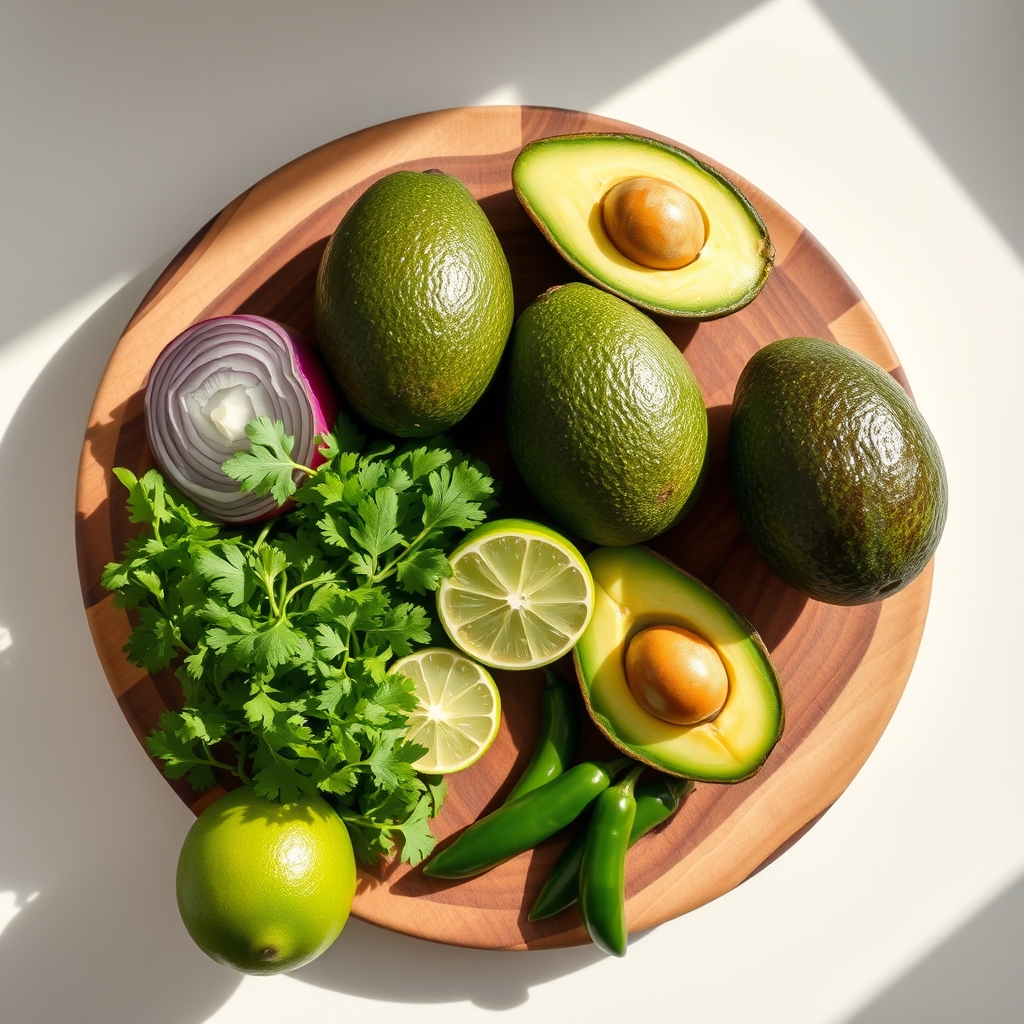
Chipotle guacamole is a fresh, vibrant dip made primarily from ripe Hass avocados. Unlike many pre-packaged or restaurant guacamoles, Chipotle prides itself on making its guacamole fresh throughout the day, often right in front of customers. The core ingredients typically include mashed avocados, red onion, cilantro, fresh lime juice, and jalapeño peppers, seasoned with salt.
This simple, fresh ingredient list is what makes it so appealing and generally healthy. Avocado itself is a fruit packed with healthy monounsaturated fats, fiber, and essential vitamins and minerals. The addition of lime juice not only adds flavor but also helps prevent browning, while cilantro and onion contribute to its distinctive taste profile. Jalapeño provides a mild kick, though the spice level can vary.
Because it's made with fresh, uncooked produce, the primary concern for pregnant individuals isn't the ingredients themselves, but rather the handling and storage practices that ensure those ingredients remain free from harmful bacteria. Chipotle's commitment to fresh preparation can be reassuring, but no restaurant environment is entirely risk-free when it comes to raw ingredients.
Is Chipotle Guacamole Safe During Pregnancy?
Generally speaking, the ingredients in Chipotle guacamole are safe and even beneficial during pregnancy. Avocados are rich in folate, potassium, Vitamin C, Vitamin B6, and healthy fats, all crucial for fetal development and maternal health. Cilantro, lime, onion, and jalapeño are also safe in moderation.
The main consideration when asking "is Chipotle guacamole safe during pregnancy?" isn't the avocado itself, but the potential for foodborne illness from fresh, uncooked produce prepared in a restaurant setting. Organizations like the American College of Obstetricians and Gynecologists (ACOG) and the UK's National Health Service (NHS) emphasize avoiding foods that carry a higher risk of Listeria, Salmonella, or E. coli.
While Chipotle has strict food safety protocols, including frequent preparation and temperature controls, any fresh produce can harbor bacteria if not handled perfectly. Listeria, in particular, is a concern because it can grow at refrigerator temperatures and can lead to serious pregnancy complications, including miscarriage, preterm birth, and severe illness in the newborn. The risk is small, but it's important to be aware of.
Most obstetricians would agree that enjoying Chipotle guacamole occasionally is acceptable, provided you trust the restaurant's hygiene standards and consume it promptly after preparation. If you have concerns about the freshness or cleanliness of a particular Chipotle location, it's always best to err on the side of caution and choose a different option or make your own at home.
The individual ingredients in guacamole are highly nutritious for pregnancy.
Key Ingredients in Chipotle Guacamole: What to Know
Understanding the specific components of Chipotle guacamole can help alleviate concerns and highlight its nutritional value. Here's a quick look:
Avocado: The star, and a nutritional hero for pregnancy. Rich in monounsaturated fats (great for brain development), fiber (combats constipation), folate (prevents neural tube defects), potassium (helps with fluid balance), and vitamins C, E, and K. The FDA and ACOG recommend a diet rich in fruits and vegetables, and avocado fits perfectly.
Red Onion: A good source of Vitamin C and antioxidants. Generally safe and adds a pungent flavor.
Cilantro: Packed with vitamins K and A, and antioxidants. It's safe to consume during pregnancy, and some studies even suggest it has detoxifying properties.
Lime Juice: High in Vitamin C, which is important for immune function and iron absorption. The acidity also helps preserve the guacamole and adds a refreshing tang. Safe for consumption.
Jalapeño: Contains capsaicin, which gives it its heat. While safe, some pregnant individuals might find spicy foods exacerbate heartburn or indigestion, which can be common pregnancy symptoms. Adjust your intake based on your comfort level.
Salt: Essential for flavor, but it's important to be mindful of sodium intake during pregnancy. Excessive sodium can contribute to fluid retention and elevated blood pressure in some individuals. Chipotle's guacamole can be a bit high in sodium, so consider your overall daily intake.
As you can see, each ingredient individually poses no risk and offers benefits. The primary concern remains the collective preparation and handling of these fresh items in a commercial kitchen.
Is Chipotle Guacamole Safe During the First Trimester?
The first trimester is a critical period for fetal development, as major organs (organogenesis) are forming. During this time, the risks associated with foodborne illnesses, particularly Listeria, are especially concerning. A Listeria infection in the first trimester can be severe, potentially leading to miscarriage, premature labor, or serious illness for the developing baby. For this reason, many obstetricians advise extra caution with foods that carry even a small risk of contamination.
While the ingredients in Chipotle guacamole are individually safe, the "fresh produce prepared in a restaurant" factor introduces a very small but present risk. If you choose to have Chipotle guacamole in your first trimester, ensure you are eating at a location with excellent food hygiene standards that you trust. Consume it immediately after purchase, and avoid any guacamole that looks discolored, smells off, or has been sitting out for an extended period. Prioritizing freshly made, rapidly consumed portions can help mitigate the minimal risk.
Can Pregnant Women Have Chipotle Guacamole in the Third Trimester?
By the third trimester, your baby's organs are well-developed, but foodborne illnesses can still pose significant risks. A severe case of Listeria or Salmonella can lead to dehydration, high fever, and potentially trigger preterm labor. Your immune system is still somewhat suppressed, making you more vulnerable to infections.
The nutritional benefits of avocado, such as healthy fats and fiber, remain valuable in the third trimester, helping with satiety and preventing common issues like constipation. So, enjoying Chipotle guacamole can still be a good option. However, continue to be vigilant about freshness and hygiene. Additionally, some pregnant individuals find that spicy foods, like those containing jalapeño, can worsen heartburn or acid reflux, which is often more prevalent in the third trimester as the growing uterus puts pressure on the stomach. Listen to your body and opt for less spicy alternatives if needed.
Chipotle Guacamole While Breastfeeding
During breastfeeding, the concerns about foodborne illness are significantly reduced compared to pregnancy. While you can still get sick from contaminated food, the risk of transmitting pathogens like Listeria to your baby through breast milk is extremely low. The main concern would be how a maternal illness might affect your ability to care for your baby.
Avocado remains an excellent food choice while breastfeeding. Its healthy fats contribute to a nutrient-dense diet, which is important for energy and milk production. The vitamins and minerals it provides are beneficial for your recovery and overall well-being. Some mothers wonder if spicy ingredients like jalapeño can transfer to breast milk and upset the baby; however, research generally shows that while flavors can pass into milk, they rarely cause discomfort for the baby. Most babies tolerate a wide range of flavors in breast milk. You can enjoy Chipotle guacamole without significant concern while breastfeeding.
How Much Chipotle Guacamole is Safe During Pregnancy?
When it comes to "how much Chipotle guacamole is safe for pregnant women to consume?" there isn't a strict, universally defined "safe amount" in terms of quantity, as the primary concern is food safety rather than the inherent properties of the ingredients. However, general nutritional guidelines and common sense apply.
A typical side order of Chipotle guacamole is around 4 ounces (about ½ cup), which contains a significant amount of healthy fats and fiber, but also a notable amount of sodium. While healthy fats are good, avocados are calorie-dense, so moderation is key to maintaining healthy weight gain during pregnancy. Consuming one to two servings (e.g., a side order or a portion on your burrito bowl) occasionally is generally fine.
The bigger concern is frequency and freshness. Eating Chipotle guacamole daily might not be ideal due to the sodium content and the very slight, cumulative risk of foodborne illness. Instead, consider it an occasional treat. Pay attention to how long the guacamole has been sitting out, even at home after purchase. The FDA recommends refrigerating perishable foods within two hours of preparation and consuming them within 3-4 days. For restaurant-prepared fresh items, consuming them within an hour or two of purchase is ideal.
Potential Risks of Eating Chipotle Guacamole While Pregnant
While avocado is incredibly beneficial, the "what are the potential risks of eating Chipotle guacamole while pregnant?" question primarily revolves around food safety, not the ingredients themselves. Here are the main concerns:
Listeria Risk from Fresh Produce: Fresh, raw produce, even when washed, can sometimes carry Listeria monocytogenes bacteria. Listeria is particularly dangerous during pregnancy because it can cross the placenta and lead to serious complications like miscarriage, stillbirth, preterm labor, or severe infection in the newborn (neonatal listeriosis). While Chipotle has robust food safety protocols, the risk is never zero with raw ingredients.
Cross-Contamination Risks in Restaurants: In any busy restaurant kitchen, there's a possibility of cross-contamination. This can occur if raw meat juices come into contact with fresh produce, or if utensils and cutting boards aren't properly sanitized between uses. This can introduce pathogens like Salmonella or E. coli to otherwise safe ingredients.
Other Foodborne Illnesses (Salmonella, E. coli): Besides Listeria, other bacteria like Salmonella (often associated with raw eggs or poultry, but can also contaminate produce) and E. coli (from fecal contamination, often associated with produce or undercooked meat) can cause severe gastrointestinal illness. While typically not as dangerous to the fetus as Listeria, severe maternal illness can lead to dehydration, electrolyte imbalance, and stress, which can impact pregnancy.
Sodium Content: While not a foodborne illness risk, Chipotle guacamole can be relatively high in sodium. Excessive sodium intake during pregnancy can contribute to fluid retention and, for some individuals, may exacerbate conditions like gestational hypertension. It's important to balance your sodium intake from all sources.
Heartburn/Indigestion: For some pregnant individuals, the jalapeño peppers or onions in guacamole can trigger or worsen heartburn or indigestion, common complaints during pregnancy.
The overall risk of these issues from Chipotle guacamole is low, especially given Chipotle's reputation for fresh ingredients and preparation. However, being informed allows you to make cautious choices.
Chipotle Guacamole and Gestational Diabetes
When considering "can pregnant women with gestational diabetes eat Chipotle guacamole?" the answer is generally yes, with some caveats regarding portion size and overall meal composition.
Avocado is an excellent food choice for managing gestational diabetes. It is rich in healthy monounsaturated fats and fiber, both of which help to slow down sugar absorption, stabilize blood glucose levels, and promote satiety. Unlike carbohydrate-heavy foods, avocado has a minimal impact on blood sugar. The other ingredients like onion, cilantro, lime, and jalapeño also have negligible effects on blood sugar.
The main consideration is the portion size. While beneficial, avocados are calorie-dense. A standard side order of guacamole is a good source of healthy fats, but if consumed in very large quantities, the calorie count could be higher than desired for a balanced meal plan for gestational diabetes. Also, be mindful of what you're eating *with* the guacamole. High-carb tortilla chips or sugary drinks would be the primary culprits for blood sugar spikes, not the guacamole itself.
Therefore, pregnant individuals with gestational diabetes can safely enjoy Chipotle guacamole as part of a balanced meal, focusing on appropriate portion sizes and pairing it with low-carb options like a salad or a burrito bowl with extra veggies and protein, rather than large amounts of chips.
Is Store-Bought Guacamole Safe During Pregnancy?
The question "is store-bought guacamole safe for pregnant women to eat?" is common, and the answer depends heavily on the type of store-bought guacamole.
Refrigerated, Pre-packaged Guacamole (e.g., from the deli section): These are generally considered safe, provided they are commercially pasteurized or manufactured under strict hygiene controls. Look for brands that clearly state their food safety processes. Always check the expiration date and ensure the packaging is sealed and intact. Once opened, consume within the recommended timeframe (usually a few days) and store properly in the refrigerator. The risk of Listeria is significantly lower in commercially processed and packaged foods compared to fresh, open-air deli items or restaurant produce that might sit out.
Guacamole from a Salad Bar or Open Deli Counter: This type carries a higher risk, similar to or even greater than restaurant-prepared guacamole. Items on salad bars can sit out for extended periods, be exposed to various temperatures, and be subject to cross-contamination from different utensils or customers. It's generally best to avoid these during pregnancy due to the elevated risk of foodborne illness.
When choosing store-bought guacamole, prioritize sealed, reputable brands from the refrigerated section. Always adhere to "use by" dates and storage instructions. If in doubt, making your own at home from fresh avocados is always the safest option.
Safer Alternatives to Chipotle Guacamole During Pregnancy
If you're feeling a bit cautious about restaurant guacamole or just want more variety, there are plenty of delicious and safe alternatives to enjoy during pregnancy:
Homemade Guacamole: This is the gold standard for safety. You control the freshness of ingredients, the hygiene of preparation, and can adjust salt and spice levels to your liking.
Fresh Avocado Slices: The simplest and safest option. Just slice up a ripe avocado and enjoy it plain, on toast, in a salad, or as a side with your meal. All the nutritional benefits without any preparation concerns.
Hummus: A fantastic source of protein, fiber, and healthy fats (from tahini). Most commercially packaged hummus is pasteurized and very safe. Pair with veggies or whole-wheat pita.
Cooked Salsa: While fresh salsa carries similar risks to fresh guacamole, cooked salsas (like those often found canned or jarred, or served warm in restaurants) have had potential bacteria killed by heat. Ensure it's served hot if at a restaurant.
Bean Dip: Made from cooked beans, this is another safe and nutritious option. Look for canned or commercially prepared bean dips, or make your own at home. Beans are excellent sources of fiber and plant-based protein.
Tzatziki: A creamy Greek dip made from yogurt, cucumber, garlic, and dill. Ensure it's made with pasteurized yogurt, which is standard for most commercial brands. It's refreshing and a good source of probiotics.
Related Restaurant Foods: Safety at a Glance
Navigating restaurant menus during pregnancy can be tricky. Here's a quick guide to some related items you might encounter:
Item
Verdict
Note
Chipotle Burritos/Bowls
✅ Generally safe
Ensure meats are thoroughly cooked and hot. Avoid unpasteurized cheeses or anything that looks like it's been sitting out too long. Fresh veggies are usually okay, but if concerned, opt for cooked ones.
Chipotle Salsa
⚠️ Safe with limits
Similar to guacamole, fresh salsa carries a small risk of foodborne illness from raw produce. Consume promptly and ensure freshness. Cooked salsa is safer.
Chipotle Queso
✅ Generally safe
Commercially prepared queso is made with pasteurized cheese and served hot, significantly reducing foodborne illness risk.
Restaurant Tacos
⚠️ Safe with limits
Ensure meat/fish is fully cooked and hot. Be cautious with fresh toppings (raw onions, cilantro, lettuce) from open bars due to cross-contamination risk.
Ceviche
❌ Best avoided
Raw fish "cooked" in citrus juice is not considered safe during pregnancy due to the risk of parasites and bacteria that aren't killed by acid alone.
Deli Meat Sandwiches
❌ Best avoided
Deli meats (turkey, ham, roast beef) carry a risk of Listeria. If consumed, they should be reheated until steaming hot (165°F/74°C) to kill bacteria.
Sushi (raw fish)
❌ Best avoided
Raw fish carries risks of parasites and bacteria. Cooked sushi (e.g., California rolls with imitation crab, tempura rolls) from reputable establishments is generally safe.
Myth vs. Fact
Let's clear up some common misconceptions about guacamole and pregnancy:
Myth: All restaurant food is dangerous during pregnancy and should be avoided.
Fact: While some restaurant foods carry higher risks, many are perfectly safe. It's about making informed choices, understanding preparation methods, and trusting the establishment's hygiene. Foods served hot and made with pasteurized ingredients are generally safe.
Myth: Avocado is too high in fat and will cause excessive weight gain during pregnancy.
Fact: Avocados are indeed high in fat, but it's primarily healthy monounsaturated fat, which is beneficial for both you and your baby's development. These fats also help you feel full, which can prevent overeating other, less healthy foods. As with any food, moderation is key, but the fat in avocado is a healthy addition to your pregnancy diet.
Myth: Eating spicy foods like jalapeño in guacamole can harm the baby or induce labor.
Fact: There's no scientific evidence that eating spicy foods harms your baby or induces labor. The capsaicin in jalapeños doesn't cross the placenta in a way that would be harmful. However, spicy foods can worsen maternal heartburn or indigestion, which are common pregnancy complaints. Listen to your body and adjust your spice intake accordingly.
Key Takeaways
Chipotle guacamole is generally safe during pregnancy if consumed with caution, prioritizing freshness and trusted establishments.
Avocado is a nutritional powerhouse, providing essential fats, folate, and fiber for both mother and baby.
The main risks are foodborne illnesses (Listeria, Salmonella, E. coli) from fresh produce handling and cross-contamination in restaurant settings.
Always eat restaurant-prepared fresh items promptly and avoid anything that looks or smells off.
Homemade guacamole is the safest option as you control the hygiene and ingredients.
Be mindful of sodium content, and if you have gestational diabetes, enjoy guacamole in moderation as part of a balanced, low-carb meal.
Frequently Asked Questions
Can pregnant women eat avocado?
Yes, absolutely! Avocados are highly recommended during pregnancy. They are packed with healthy monounsaturated fats, fiber, folate, potassium, and vitamins C, E, and B6, all of which are crucial for fetal development and maintaining maternal health. Enjoy them sliced, mashed, or in homemade guacamole.
Is it safe to eat restaurant food while pregnant?
Many restaurant foods are safe during pregnancy. The key is to choose establishments with good hygiene, ensure meats are thoroughly cooked, and be cautious with raw or undercooked items, unpasteurized dairy, and foods that have been sitting out at room temperature. When in doubt, ask about preparation methods.
What foods should pregnant women avoid at Mexican restaurants?
At Mexican restaurants, pregnant women should generally avoid ceviche (raw seafood), unpasteurized cheeses (like some authentic fresh queso fresco), and potentially large quantities of fresh salsa or guacamole that may have been sitting out. Ensure meats are fully cooked and opt for cooked vegetables.
Can I eat cilantro while pregnant?
Yes, cilantro is perfectly safe to eat during pregnancy. It's a nutritious herb rich in vitamins K and A, and antioxidants. It adds a delicious flavor to many dishes and poses no known risks to pregnant individuals or their babies. Enjoy it in moderation as part of your meals.
Is lime juice safe during pregnancy?
Lime juice is safe during pregnancy. It's an excellent source of Vitamin C, which supports your immune system and aids in iron absorption. Its acidity also helps preserve foods and adds a refreshing taste. There are no known risks associated with consuming lime juice in typical food amounts.
What are the benefits of avocado during pregnancy?
Avocado offers numerous benefits during pregnancy. Its healthy fats support brain and eye development in the baby. Folate is crucial for preventing neural tube defects. Fiber helps prevent constipation, a common pregnancy complaint. Potassium aids in fluid balance, and vitamins C, E, and B6 contribute to overall maternal and fetal health.
When to Call Your Doctor
While the risk of foodborne illness from Chipotle guacamole is low, it's crucial to be aware of the signs and symptoms that warrant immediate medical attention, especially during pregnancy. If you experience any of the following after eating, contact your healthcare provider right away:
High fever (above 100.4°F or 38°C)
Severe headache or stiff neck
Muscle aches or chills
Severe diarrhea (especially if bloody or prolonged)
Abdominal pain or cramping
Signs of dehydration (decreased urination, dry mouth, dizziness)
Any signs of preterm labor (contractions, fluid leakage, pelvic pressure)
These symptoms could indicate a serious foodborne illness like Listeria, which requires prompt diagnosis and treatment during pregnancy. Always err on the side of caution and consult your healthcare provider with any concerns. This information is for educational purposes only and is not a substitute for professional medical advice, diagnosis, or treatment.
References
American College of Obstetricians and Gynecologists (ACOG). (2020). Nutrition During Pregnancy.
Centers for Disease Control and Prevention (CDC). (2022). Listeria (Listeriosis).
U.S. Food and Drug Administration (FDA). (2023). Food Safety for Pregnant Women.
National Health Service (NHS) UK. (2023). Foods to Avoid in Pregnancy.
Mayo Clinic. (2023). Pregnancy diet: Focus on these essential nutrients.
Not sure about the label on Is Chipotle Guacamole Safe During Pregnancy products?
Snap the ingredients list and SafeFilter checks every ingredient for your stage — only 3 free scans this month, then you're locked until reset. Unlimited from $7/mo or $50/yr.
When Shubhra Mishra was expecting her first child in 2016, she was overwhelmed by conflicting food advice — one site said yes, another said never. By the time her second baby arrived in 2019, she realized millions of mothers face the same confusion.
That sparked a five-year journey through clinical nutrition papers, cultural diets, and expert conversations — all leading to BumpBites: a calm, compassionate space where science meets everyday motherhood.
Her long-term vision is to build a global community ensuring safe, supported, and free deliveriesfor every mother — because no woman should face pregnancy alone or uninformed. 🌿
🌍 Stand with mothers, shape safer guidance
Join a small circle of experts who review BumpBites articles so expecting parents everywhere can decide with confidence.