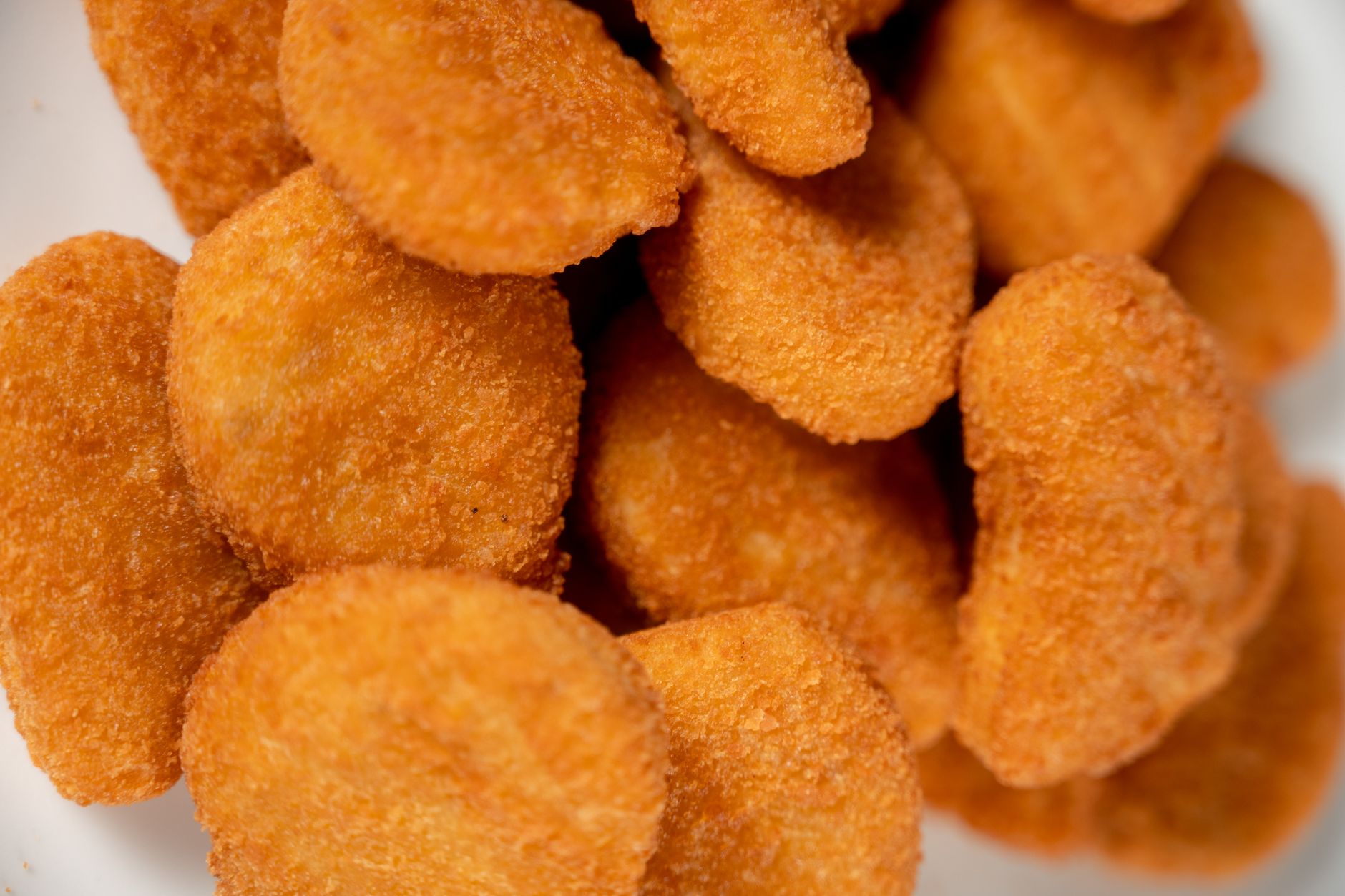
Safe in moderation. Chick Fil A nuggets are safe during pregnancy if fully cooked, but limit intake due to sodium and processed ingredients, especially in the first trimester.
By Shubhra Mishra — a mom of two who turned her own confusion during pregnancy into BumpBites, a global mission to make food choices clear, safe, and stress-free for every expecting mother. 💛
Check whether any food is safe during pregnancy with the BumpBites Food Safety Checker.
Quick verdict: ⚠️ Safe with limits. Chick‑fil‑A chicken nuggets can be part of a pregnancy diet if you keep portions modest, watch sodium, and ensure they’re fully cooked, but frequent consumption isn’t recommended due to added salt, fats, and the general caution around fast‑food meals.
It’s 2 a.m., the neon sign outside the fast‑food restaurant glows, and you’re wondering whether that order of Chick‑fil‑A chicken nuggets is a harmless snack or a hidden danger for your growing baby. You’re not alone—many expectant parents stare at menus and wonder, “is chick fil a nuggets safe during pregnancy?” The good news is that, in most cases, a few nuggets won’t cause trouble, but there are important nuances to consider.
In this article we’ll answer the most common questions: the overall safety verdict, how many nuggets you can comfortably enjoy each week, the specific risks tied to sodium, fats, and food‑borne bacteria, and what to choose if you’d rather avoid fast‑food chicken altogether. We’ll break down safety by each trimester, discuss gestational diabetes and hypertension, compare Chick‑fil‑A to other popular chicken nuggets, and give you a clear, evidence‑based plan so you can stop worrying and start enjoying your meals with confidence.
We’ve pulled guidance from the American College of Obstetricians and Gynecologists (ACOG), the U.K.’s National Health Service (NHS), the U.S. Food and Drug Administration (FDA), and the Centers for Disease Control and Prevention (CDC). All recommendations are meant to complement, not replace, the personalized advice of your own prenatal provider.
Stage
Verdict
Notes
First trimester
⚠️ Safe with limits
Limit to 4–6 nuggets per week; ensure thorough cooking; watch sodium (≥ 500 mg per serving).
Second trimester
⚠️ Safe with limits
Same portion guidance; consider iron‑rich side dishes to offset potential nutrient gaps.
Third trimester
⚠️ Safe with limits
Maintain portion limits; avoid excess saturated fat which can affect maternal weight gain.
Breastfeeding
⚠️ Safe with limits
Portion limits still apply; monitor infant’s reaction to any excess sodium passed through breastmilk.
Chick‑fil‑A’s chicken nuggets are bite‑size pieces of breast‑meat that have been seasoned, breaded, and pressure‑cooked in a blend of refined oils. Each nugget contains about 45 calories, 1 gram of protein, 2 grams of total fat (including 0.5 gram of saturated fat), and 210 mg of sodium. The standard serving size is six nuggets, which together deliver roughly 270 calories, 12 grams of protein, 12 grams of fat, and 1,260 mg of sodium—about 55 % of the FDA’s daily sodium limit for adults.
The nuggets are prepared using a pressure‑cooking method that reaches an internal temperature of at least 165 °F (74 °C), a temperature the CDC cites as sufficient to kill common food‑borne pathogens such as Salmonella and Campylobacter. However, cross‑contamination can still occur if the equipment isn’t sanitized properly, which is why food‑safety agencies stress the importance of thorough cooking and hot‑holding practices, especially for pregnant women whose immune systems are naturally suppressed.
Because the nuggets are a processed fast‑food item, they contain additives like sodium phosphates, flavor enhancers, and a modest amount of preservatives (e.g., sodium benzoate). While these ingredients are approved for general consumption, the high sodium content and the presence of refined oils can be problematic when eaten frequently during pregnancy.
Limit your serving to a handful of nuggets and pair them with a side of veggies or a fruit for a balanced snack.
Are Chick-fil-A chicken nuggets safe to eat during the first trimester?
The first trimester is the period of organogenesis, when the baby’s major organs form. During this window, obstetric guidelines advise extra caution around foods that could carry a higher risk of bacterial contamination or excessive sodium. The CDC and ACOG both state that fully cooked poultry is safe, provided it reaches the recommended internal temperature. Chick‑fil‑A’s pressure‑cooked nuggets meet that standard, so a single serving (six nuggets) is considered low‑risk for food‑borne illness.
However, the high sodium load—over 1,200 mg per serving—can contribute to fluid retention and elevated blood pressure, both of which are already concerns in early pregnancy. The NHS recommends keeping sodium intake under 2,300 mg per day for pregnant women, so eating more than one serving of nuggets in the first trimester could push you past that ceiling.
Bottom line: a modest portion of Chick‑fil‑A chicken nuggets is generally safe in the first trimester, but keep the frequency to no more than once a week and balance the meal with low‑sodium vegetables or fruit.
How many Chick-fil-A nuggets can a pregnant woman safely consume per week?
Nutritionists and obstetric societies agree that “moderation” is the key word for fast‑food items. The American College of Obstetricians and Gynecologists does not set a strict weekly limit for chicken nuggets, but they do advise limiting processed meats and high‑sodium foods to preserve cardiovascular health and prevent excessive gestational weight gain.
Based on the USDA’s Dietary Guidelines for Americans and the FDA’s sodium recommendations, a safe benchmark for Chick‑fil‑A nuggets is **four to six nuggets (one standard serving) per week**. This amount provides a modest protein boost without overwhelming your daily sodium budget. If you crave nuggets more often, consider swapping half of the serving for a lower‑sodium side like a garden salad or a fruit cup.
What are the risks of eating Chick-fil-A nuggets while pregnant?
The primary risks stem from three sources:
High sodium. Excess sodium can increase blood pressure, contribute to edema, and strain the kidneys—issues that are already more common in pregnancy.
Refined fats. The blend of soybean and canola oils used for frying adds saturated fat, which can affect maternal lipid profiles and fetal development if consumed in large amounts.
Food‑borne pathogens. Although Chick‑fil‑A cooks its nuggets to safe temperatures, any lapse in kitchen hygiene could introduce Salmonella or Campylobacter, both of which are linked to severe complications such as preterm labor or miscarriage.
Most of these risks are dose‑dependent. A single serving once a week is unlikely to cause harm, but regular, high‑frequency consumption could raise the odds of hypertension, gestational diabetes exacerbation, or an infection that would require medical attention.
Are there any chicken nugget alternatives that are safer for pregnancy?
If you’d rather avoid the sodium and additive load of fast‑food nuggets, consider these pregnancy‑friendly alternatives, each vetted for lower sodium, higher protein quality, and minimal preservatives:
Applegate Naturals Chicken Nuggets – made with antibiotic‑free chicken, no artificial preservatives, and less than 300 mg sodium per serving.
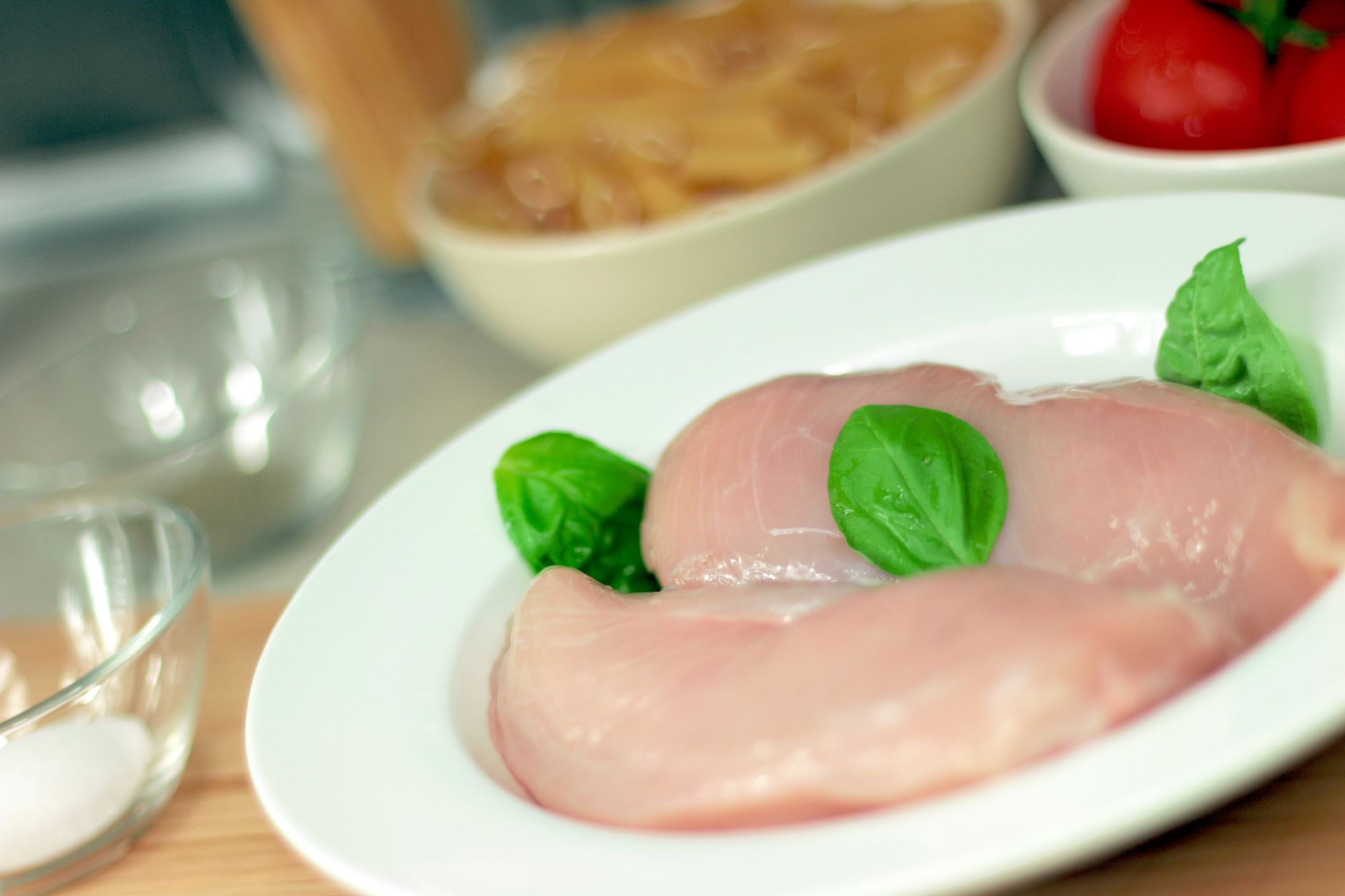
Perdue Fresh Chicken Breast Strips – simply grilled or baked, offering a lean protein source without breading.
MorningStar Farms Veggie Nuggets – plant‑based, low in saturated fat, and typically under 200 mg sodium per serving.
Tyson Grilled Chicken Strips – pre‑cooked, ready‑to‑eat, and contain no added breading or excess sodium.
Bell & Evans Chicken Bites – organic, free‑range chicken, lightly seasoned, and free from synthetic preservatives.
Evol Organic Chicken Nuggets – organic chicken, whole‑grain coating, and a modest sodium profile.
Pair any of these options with a side of steamed vegetables, a whole‑grain roll, or a fresh fruit cup to round out the nutrient profile and keep your overall diet balanced.
Do Chick-fil-A nuggets contain any ingredients harmful to pregnant women?
The ingredient list for Chick‑fil‑A nuggets includes chicken breast meat, water, seasoned salt, wheat flour, and a blend of vegetable oils. The “seasoned salt” component contains sodium phosphate and monosodium glutamate (MSG). Both are generally recognized as safe (GRAS) by the FDA, but some pregnant women experience heightened sensitivity to MSG, which can trigger headaches or a sense of “brain fog.”
Other additives, such as sodium benzoate (a preservative) and potassium sorbate, are permissible in food products but have limited research regarding fetal exposure. Current guidance from the NHS and ACOG does not label these additives as outright teratogens, yet they recommend limiting intake of processed foods that rely on such preservatives.
Overall, no single ingredient in Chick‑fil‑A nuggets is classified as a teratogen, but the cumulative effect of sodium, refined oils, and preservatives makes it a food best enjoyed sparingly.
Is it safe to eat Chick-fil-A nuggets if I have gestational diabetes?
Gestational diabetes (GDM) requires careful monitoring of carbohydrate and sugar intake to maintain stable blood glucose levels. Chick‑fil‑A nuggets contain minimal carbs (≈ 5 g per serving) but a notable amount of fat, which can slow glucose absorption and cause delayed spikes. The key is to pair nuggets with low‑glycemic sides—such as leafy greens, non‑starchy vegetables, or a small portion of whole‑grain bread—to avoid abrupt blood‑sugar changes.
ACOG advises that women with GDM keep total daily carbohydrate intake around 30‑45 g per meal. A single serving of six nuggets fits comfortably within that range, provided the accompanying sides are low‑carb. However, the high sodium and fat content may exacerbate insulin resistance, so frequent consumption (more than once a week) is not recommended.
How does the safety of Chick-fil-A nuggets compare to other fast‑food chicken nuggets during pregnancy?
When comparing fast‑food chicken nuggets, the main variables are sodium, fat, and the presence of additives. Chick‑fil‑A nuggets typically contain about 210 mg sodium per nugget, which is comparable to McDonald’s Chicken McNuggets (≈ 190 mg) but higher than Wendy’s Chicken Nuggets (≈ 150 mg). KFC’s Popcorn Chicken tends to have the highest sodium content (≈ 250 mg per piece) and also includes more saturated fat due to a deeper‑fry method.
Overall, Chick‑fil‑A sits in the middle of the spectrum: it’s not the lowest‑sodium option, but it’s also not the highest. The pressure‑cooking method reduces the need for excessive oil, which can make its fat profile slightly better than deep‑fried counterparts. For pregnant women seeking the “least risky” fast‑food chicken, choosing a brand with lower sodium and opting for grilled or baked varieties (when available) is the safest route.
Can I eat Chick-fil-A nuggets if I am allergic to certain preservatives during pregnancy?
If you have a documented allergy to preservatives such as sodium benzoate, potassium sorbate, or certain food‑grade dyes, you should avoid Chick‑fil‑A nuggets. The company lists sodium benzoate and potassium sorbate in its ingredient disclosures, and even trace amounts can trigger allergic reactions ranging from mild hives to more severe anaphylaxis.
Pregnancy can sometimes heighten allergic sensitivities, so it’s prudent to consult your allergist or obstetrician before consuming any processed food that contains known allergens. If you’re uncertain, request a fresh‑made chicken strip (which omits the breaded coating) or choose a preservative‑free brand like Perdue Fresh Chicken Breast Strips.
Are there specific brands of chicken nuggets that are safer for pregnant women?
Brands that prioritize minimal additives, lower sodium, and antibiotic‑free chicken tend to be safer options. In addition to the alternatives listed earlier, the following brands are frequently highlighted by nutritionists for pregnant consumers:
Applegate Naturals – under 300 mg sodium per serving, no artificial preservatives.
Bell & Evans – organic, free‑range chicken with simple seasoning.
Evol Organic – whole‑grain coating and USDA organic certification.
When choosing any processed chicken product, always read the label for hidden sodium, added sugars, and preservatives. Opt for items that list “no added salt” or “low sodium” as a key feature.
Scanning the nutrition label helps you stay within safe sodium and fat limits.
Safe dosage / amount / brands
Because Chick‑fil‑A nuggets are a prepared food rather than a supplement, “dosage” translates to portion size and frequency. A standard serving (six nuggets) delivers about 1,260 mg of sodium—roughly 55 % of the FDA’s recommended daily limit for pregnant adults. To keep sodium intake within a healthy range, aim for **no more than one serving per week**.
If you’re tracking macronutrients, a single serving provides:
Nutrient
Per 6‑nugget serving
Calories
270 kcal
Protein
12 g
Total Fat
12 g
Saturated Fat
0.5 g
Sodium
1,260 mg
Carbohydrates
5 g
When selecting a brand, look for the following hallmarks of pregnancy‑friendly processing:
Clear “no added preservatives” or “low sodium” claims.
Use of antibiotic‑free, humanely raised chicken.
Cooking methods that avoid deep‑frying (e.g., pressure‑cooking or grilling).
Brands that do not meet these criteria—especially those with high sodium (> 500 mg per nugget) or undisclosed preservatives—should be limited or avoided.
Side effects and risks
Most side effects from eating Chick‑fil‑A nuggets are mild and stem from the high sodium and fat content rather than acute toxicity. Common, non‑dangerous symptoms include:
Increased thirst or mild swelling (edema) due to sodium‑induced water retention.
Digestive discomfort if you’re not used to fried foods.
Transient heartburn, especially in the third trimester when the uterus presses on the stomach.
Red‑flag symptoms that warrant immediate medical attention include:
Severe abdominal cramps, fever, or vomiting—possible signs of food‑borne illness.
Sudden, unexplained swelling of hands, feet, or face, which could indicate pre‑eclampsia.
Rapid heart rate or persistent high blood pressure (> 140/90 mm Hg) after a high‑sodium meal.
If any of these warning signs appear, contact your obstetric provider or seek emergency care promptly. Remember, the occasional nugget isn’t a cause for alarm, but repeated exposure to high sodium or undercooked poultry can elevate risk.
Safer alternatives
Applegate Naturals Chicken Nuggets – lower sodium, no artificial preservatives.
Perdue Fresh Chicken Breast Strips – lean protein, no breading.
Highest sodium and saturated fat among common brands.
Popeyes Chicken Nuggets
⚠️ Safe with limits
Rich flavor but high in sodium and preservatives.
Chick‑fil‑A Chicken Strips
⚠️ Safe with limits
Grilled version offers less fat, similar sodium.
Burger King Chicken Nuggets
⚠️ Safe with limits
Deep‑fried; sodium comparable to Chick‑fil‑A.
Jack in the Box Chicken Nuggets
⚠️ Safe with limits
High sodium; contains additional preservatives.
Myth vs. fact
Myth: “All fast‑food chicken is unsafe because it’s always fried.”
Fact: Not all fast‑food chicken is equally risky; Chick‑fil‑A uses pressure cooking, which reduces the need for deep frying and limits added saturated fat, making occasional consumption acceptable when portion‑controlled.
Myth: “If the nuggets are cooked, they can’t cause food‑borne illness.”
Fact: While proper cooking kills most bacteria, cross‑contamination after cooking can still occur. Always ensure the nuggets are hot throughout (≥ 165 °F) before eating.
Myth: “Pregnant women should avoid all processed foods.”
Fact: Processed foods can be part of a balanced diet if you monitor sodium, added sugars, and portion size; occasional Chick‑fil‑A nuggets fit within a varied, nutrient‑rich eating plan.
Key takeaways
✅ Chick‑fil‑A chicken nuggets are generally safe when limited to ≤ 1 serving per week.
⚖️ Watch sodium (≈ 1,260 mg per serving) and balance with low‑sodium sides.
🛡️ Ensure the nuggets are hot throughout to avoid food‑borne illness.
🤰 For gestational diabetes or hypertension, pair nuggets with low‑carb, low‑salt foods and keep frequency low.
🔄 Consider lower‑sodium, preservative‑free alternatives like Applegate Naturals or Perdue Fresh Chicken Breast Strips.
📞 Contact your provider if you experience severe stomach pain, fever, or sudden swelling after eating fast‑food chicken.
Frequently asked questions
Can pregnant women eat fast food chicken nuggets?
Yes, pregnant women can eat fast‑food chicken nuggets in moderation; a single serving (six nuggets) once a week is generally considered safe, provided the nuggets are fully cooked and you balance the meal with low‑sodium sides.
What are the ingredients in Chick‑fil‑A nuggets?
Chick‑fil‑A chicken nuggets contain chicken breast meat, water, seasoned salt (sodium phosphate, MSG), wheat flour, vegetable oil blend, and a small amount of preservatives such as sodium benzoate and potassium sorbate.
Is the chicken in Chick‑fil‑A nuggets fully cooked?
Yes, the nuggets are pressure‑cooked to an internal temperature of at least 165 °F (74 °C), which meets CDC guidelines for destroying common poultry pathogens.
How much sodium is in a serving of Chick‑fil‑A nuggets?
A standard six‑nugget serving contains about 1,260 mg of sodium, roughly 55 % of the FDA’s recommended daily limit for pregnant adults.
Are there any pregnancy risks associated with eating fried foods?
Frequent consumption of fried foods can increase sodium and saturated fat intake, potentially raising blood pressure and contributing to excess weight gain, but occasional fried foods—like a single serving of Chick‑fil‑A nuggets—are not inherently dangerous when part of an overall balanced diet.
Can I eat Chick‑fil‑A nuggets if I have gestational hypertension?
If you have gestational hypertension, limit high‑sodium foods like Chick‑fil‑A nuggets; occasional consumption (≤ 1 serving per week) is permissible, but you should prioritize low‑sodium meals and monitor blood pressure closely.
Do Chick‑fil‑A nuggets contain any preservatives that are unsafe for pregnancy?
Chick‑fil‑A nuggets contain sodium benzoate and potassium sorbate, both approved for general consumption, but pregnant women with known sensitivities should avoid them or choose preservative‑free alternatives.
What are healthier fast‑food options for pregnant women?
Healthier fast‑food choices include grilled chicken salads, veggie‑based bowls, or baked fish tacos that are lower in sodium and saturated fat, as well as the low‑sodium nugget alternatives listed earlier.
When to call your doctor
If you experience any of the following after eating Chick‑fil‑A nuggets, contact your obstetric provider right away:
Fever, chills, or vomiting that lasts more than 12 hours.
Severe abdominal pain or persistent diarrhea.
Sudden swelling of hands, feet, or face accompanied by a blood pressure reading > 140/90 mm Hg.
Rapid heart rate (> 120 bpm) or shortness of breath that does not resolve with rest.
These symptoms could signal a food‑borne infection or a pregnancy‑related complication that needs prompt evaluation. This article provides general information and is not a substitute for personalized medical advice.
References
American College of Obstetricians and Gynecologists. “Nutrition During Pregnancy.” ACOG Committee Opinion No. 804, 2020.
National Health Service (UK). “Food safety in pregnancy.” NHS website, 2023.
U.S. Food and Drug Administration. “Food Safety: Cooking Temperatures.” FDA.gov, 2022.
Centers for Disease Control and Prevention. “Salmonella and Pregnancy.” CDC, 2021.
U.S. Department of Agriculture. “Dietary Guidelines for Americans, 2020‑2025.” USDA, 2020.
World Health Organization. “Sodium intake for adults and children.” WHO, 2021.
American Diabetes Association. “Gestational Diabetes Management.” ADA Standards of Care, 2023.
National Institute for Health and Care Excellence (NICE). “Hypertension in pregnancy.” NICE Guideline NG136, 2022.
Not sure about the label on Is Chick Fil A Nuggets Safe During Pregnancy products?
Snap the ingredients list and SafeFilter checks every ingredient for your stage — only 3 free scans this month, then you're locked until reset. Unlimited from $7/mo or $50/yr.
When Shubhra Mishra was expecting her first child in 2016, she was overwhelmed by conflicting food advice — one site said yes, another said never. By the time her second baby arrived in 2019, she realized millions of mothers face the same confusion.
That sparked a five-year journey through clinical nutrition papers, cultural diets, and expert conversations — all leading to BumpBites: a calm, compassionate space where science meets everyday motherhood.
Her long-term vision is to build a global community ensuring safe, supported, and free deliveriesfor every mother — because no woman should face pregnancy alone or uninformed. 🌿
🌍 Stand with mothers, shape safer guidance
Join a small circle of experts who review BumpBites articles so expecting parents everywhere can decide with confidence.