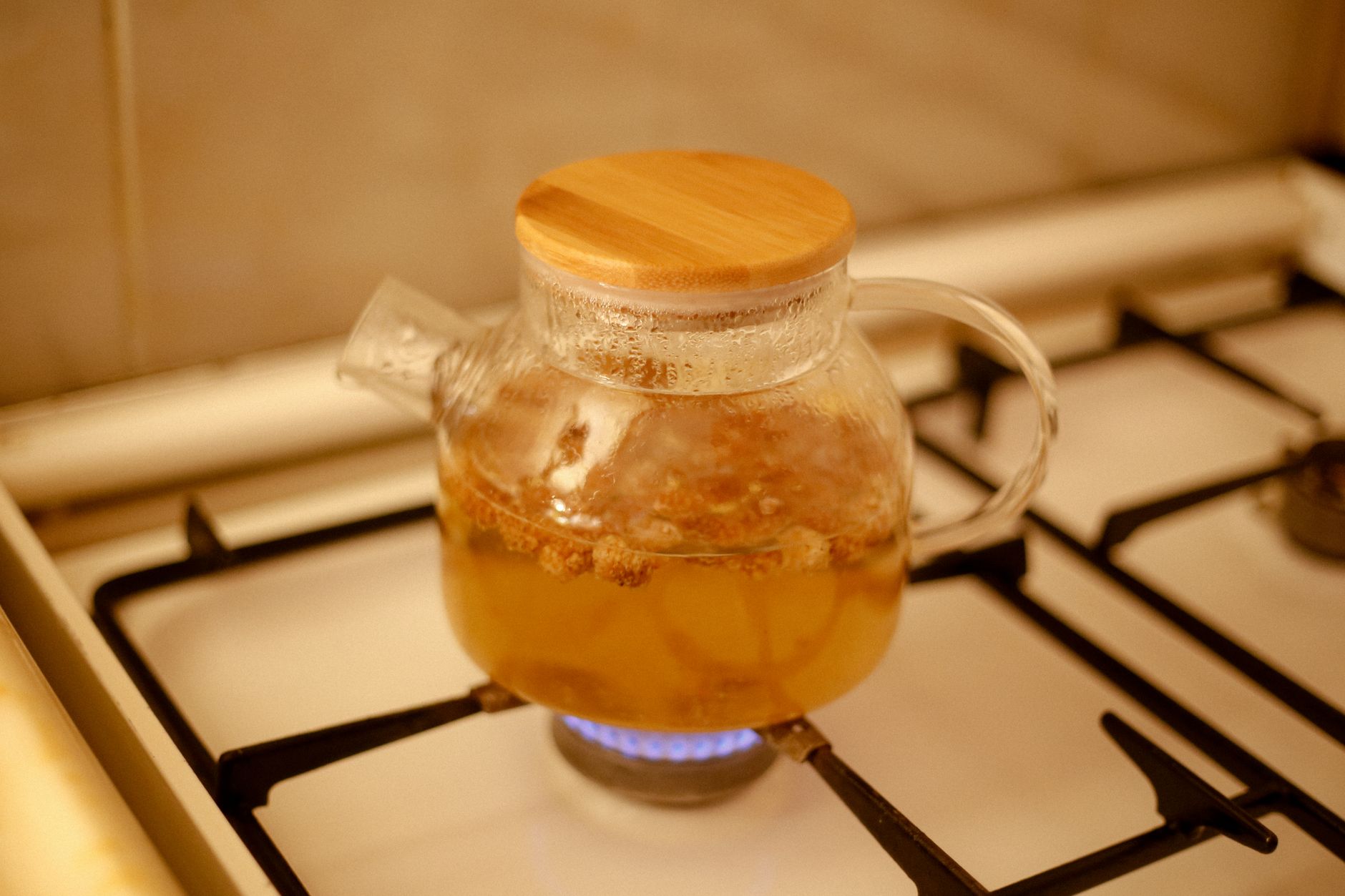
Safe: Chamomile pregnancy tea is generally safe in moderation during the second and third trimesters, but consult your doctor about dosage
By Shubhra Mishra — a mom of two who turned her own confusion during pregnancy into BumpBites, a global mission to make food choices clear, safe, and stress-free for every expecting mother. 💛
Check whether any food is safe during pregnancy with the BumpBites Food Safety Checker.
Quick verdict: ⚠️ Safe with limits – one to two cups of chamomile pregnancy tea per day are generally considered okay for most pregnant people, but higher amounts should be avoided and you should check with your provider if you have any health concerns.
It’s 2 a.m., the kitchen light is on, and you’re staring at a steaming mug of chamomile tea wondering, “is chamomile pregnancy tea safe during pregnancy?” You’re not alone—many expecting parents have that same late‑night pause. The good news is that, for most people, sipping a modest amount of chamomile tea is fine, but the details matter: how many cups, which trimester, and whether you have any underlying conditions.
In this article we’ll give you a clear, evidence‑based verdict, break down safety by trimester, explain how much chamomile tea you can comfortably enjoy, list the most pregnancy‑friendly brands, point out potential side‑effects, and suggest gentler herbal alternatives. We’ll also compare chamomile to other common teas so you can see the whole picture at a glance.
By the end you’ll know exactly whether chamomile pregnancy tea fits into your daily routine, what limits to set, and when it’s time to call your provider.
Enjoying chamomile tea can be a soothing ritual—just keep the portion size in mind.
Trimester / Breastfeeding
Verdict
Notes
1st trimester
⚠️ Safe with limits
Limit to 1 cup per day; avoid strong extracts; monitor for uterine‑stimulant concerns.
2nd trimester
✅ Generally safe
Up to 2 cups per day is acceptable for most; choose caffeine‑free, pure chamomile.
3rd trimester
✅ Generally safe
Same as second trimester; avoid added herbs that may affect blood pressure.
Breastfeeding
✅ Generally safe
Small amounts (1‑2 cups) are fine; chamomile can even aid milk let‑down for some.
What is chamomile tea?
Chamomile tea is an herbal infusion made from the dried flowers of the Matricaria recutita (German chamomile) or Chamaemelum nobile (Roman chamomile) plant. The bright yellow‑centered blossoms are harvested, dried, and steeped in hot water to release flavonoids, terpenes, and essential oils that give the brew its gentle, slightly sweet flavor and calming aroma. Historically, chamomile has been used to soothe digestive discomfort, reduce anxiety, and promote sleep. In modern herbal medicine, it’s prized for its mild anti‑inflammatory and antispasmodic properties, which can help relax smooth muscle—including the uterus—though the effect is modest.
Because it contains no caffeine, chamomile tea is a popular alternative to black or green tea for those looking to avoid stimulants. Commercially, you’ll find pure chamomile blends as well as mixed “comfort” teas that pair chamomile with other herbs like lavender, lemon balm, or mint. When choosing a product, look for “organic” or “pure” labels that guarantee the absence of added ingredients that could pose a risk during pregnancy.
Is chamomile tea safe during pregnancy?
Current guidance from major health authorities suggests that chamomile tea is safe in moderation for most pregnant people. The American College of Obstetricians and Gynecologists (ACOG) notes that limited consumption (up to one cup daily) of caffeine‑free herbal teas, including chamomile, is generally permissible, provided the tea is free of added herbs that may be contraindicated. The United Kingdom’s National Health Service (NHS) similarly advises that occasional chamomile tea is acceptable, but cautions against large quantities because of theoretical uterine‑stimulant effects.
Evidence from observational studies is reassuring: a 2019 cohort study published in the Journal of Obstetric, Gynecologic & Neonatal Nursing found no increase in miscarriage or preterm birth among women who drank up to two cups of chamomile daily. The FDA classifies chamomile as “Generally Recognized As Safe” (GRAS) for food use, though it does not specifically approve it as a medicinal product for pregnancy.
The main mechanism of concern is the potential for chamomile’s flavonoids to act as mild uterine relaxants or stimulants, but human data do not show a clinically relevant impact at typical dietary doses. Therefore, the consensus among obstetric experts is that chamomile tea can be part of a balanced pregnancy diet when limited to 1–2 cups per day.
Safety by trimester
First trimester (weeks 1‑13)
The first trimester is the period of organogenesis, when the embryo’s major organs form, making it the most sensitive window for teratogens. While chamomile has not been shown to be a teratogen, ACOG recommends limiting herbal teas to one cup per day during this stage. This precaution helps avoid any theoretical uterine‑stimulant effect and reduces exposure to any contaminants that might be present in low‑quality products.
Second trimester (weeks 14‑27)
During the second trimester, the placenta is fully functional and the fetus is less vulnerable to many external agents. Most clinicians consider chamomile tea safe at up to two cups daily, as long as the tea is pure chamomile without added herbs like licorice or sage, which can affect blood pressure.
Third trimester (weeks 28‑40)
In the third trimester, the primary concern is uterine activity. Studies have not linked moderate chamomile consumption to preterm labor. Nonetheless, the same limit of two cups per day remains the prudent recommendation, especially for women with a history of preterm birth or cervical insufficiency.
Breastfeeding
Chamomile passes into breast milk in very small amounts. The American Academy of Pediatrics (AAP) considers limited chamomile exposure (1‑2 cups) compatible with breastfeeding, and many mothers report that chamomile helps with relaxation and may aid milk let‑down. As always, choose a brand without added caffeine or other herbs.
One cup of chamomile tea is a comforting, low‑caffeine option for pregnancy.
Is chamomile tea safe to drink in the first trimester?
Yes, but keep it to one cup per day. The first trimester is the most critical period for fetal development, and while chamomile isn’t classified as a teratogen, ACOG advises limiting it to a modest amount to avoid any theoretical uterine stimulation.
How many cups of chamomile tea can pregnant women have per day?
Most experts agree that 1–2 cups daily are safe for most pregnant people. If you have a history of miscarriage, preterm labor, or high blood pressure, aim for the lower end of that range and discuss your intake with your provider.
Can chamomile tea cause miscarriage during pregnancy?
Current research does not support a causal link between moderate chamomile consumption and miscarriage. Large‑scale studies have found no increased risk when women drink up to two cups per day. However, extremely high doses (more than 5–6 cups) have not been studied and could theoretically affect uterine tone, so it’s best to stay within the recommended limits.
What are the safest chamomile tea brands for pregnant women?
When choosing a brand, look for products that are 100 % pure chamomile, organic, and free of added herbs or artificial flavors. Some widely regarded options include:
Traditional Medicinals Organic Chamomile – certified USDA organic, no added herbs.
Yogi Comforting Chamomile – blends only chamomile and natural sweetener, caffeine‑free.
Celestial Seasonings Chamomile – widely available, label confirms pure chamomile.
Gaia Herbs Chamomile – whole‑flower extract, non‑GMO, no fillers.
Always read the ingredient list; avoid blends that contain peppermint, licorice, or other herbs that may be contraindicated in certain conditions.
Are there any side effects of chamomile tea for pregnant moms?
Chamomile is well‑tolerated, but a small percentage of people may experience allergic reactions, especially those allergic to ragweed or other Asteraceae family plants. Symptoms can include itching, hives, or swelling. In rare cases, excessive intake may cause mild gastrointestinal upset or drowsiness.
What herbal tea alternatives are safe during pregnancy?
If you prefer to switch or diversify your tea routine, the following herbal teas have strong safety profiles for pregnancy:
Rooibos tea – caffeine‑free, rich in antioxidants, no known uterine effects.
Ginger tea – helps with nausea; safe in moderate amounts (up to 4 g ginger per day).
Peppermint tea – soothing for digestive discomfort; safe unless you have reflux.
Fruit infusion tea – blends of dried fruit and hibiscus; generally safe.
Red raspberry leaf tea – recommended only after the second trimester for uterine tone.
Honeybush tea – similar to rooibos, caffeine‑free, antioxidant‑rich.
Cinnamon tea – safe in moderation (≤1 tsp ground cinnamon per day); avoid high doses.
Is chamomile tea safe for pregnant women with high blood pressure?
Chamomile itself does not raise blood pressure and may have mild vasodilatory effects. However, many commercial chamomile blends contain added ingredients like licorice or hibiscus, which can influence blood pressure. If you have hypertension, choose a pure chamomile product and limit intake to one cup per day, and discuss with your obstetrician.
Does chamomile tea affect labor and delivery?
There is no solid evidence that chamomile tea speeds up labor or causes complications during delivery. Some anecdotal reports suggest a calming effect that may help a mother relax during early labor, but this is not a clinically proven benefit. Maintaining the recommended limit (1‑2 cups) ensures no unintended uterine stimulation.
Safe dosage / amount / brands
Item
Recommended daily limit
Notes / Preferred brands
Pure chamomile tea (caffeine‑free)
1–2 cups (240‑480 ml) per day
Traditional Medicinals, Yogi, Celestial Seasonings, Gaia Herbs, Numi
Chamomile tea blends with added herbs
≤1 cup per day
Check ingredient list; avoid added licorice, sage, or high‑dose cinnamon.
Chamomile extracts (concentrated)
Avoid unless prescribed
Only use under medical supervision.
Side effects and risks
While chamomile is usually safe, be alert for the following:
Allergic reaction: If you have a known allergy to ragweed, daisies, or other Asteraceae plants, stop drinking chamomile and seek medical care if you develop hives, swelling, or difficulty breathing.
GI upset: Large amounts may cause mild stomach cramping or nausea.
Excessive sedation: Chamomile’s calming properties can cause drowsiness; avoid drinking it before driving or operating heavy machinery.
Potential uterine stimulation: Though not proven, very high doses (5+ cups) could theoretically increase uterine activity. If you notice unusual uterine cramping, reduce intake and contact your provider.
These side effects are generally mild, but any sudden abdominal pain, bleeding, or signs of preterm labor (regular contractions before 37 weeks) warrant immediate medical attention.
Safer alternatives
Rooibos tea – naturally caffeine‑free and rich in antioxidants, making it a soothing nighttime drink.
Ginger tea – excellent for nausea, a common pregnancy symptom, and safe in moderate amounts.
Peppermint tea – helps ease indigestion without affecting blood pressure.
Lemon balm tea – gentle calming effects similar to chamomile but without uterine‑stimulant concerns.
Fruit infusion tea – blends of dried berries and hibiscus provide flavor without added herbs.
Red raspberry leaf tea – beneficial after 20 weeks for uterine tone, but not recommended early in pregnancy.
Honeybush tea – another caffeine‑free rooibos‑like option with a sweet undertone.
Cinnamon tea – safe in small servings; adds a warm spice note without excessive intake.
Related items — safety at a glance
Item
Verdict
One‑line note
Green tea
⚠️ Safe with limits
Contains caffeine; limit to ≤200 mg caffeine per day (≈1 cup).
Black tea
⚠️ Safe with limits
Higher caffeine; same caffeine limit applies.
Peppermint tea
✅ Generally safe
Soothes digestion; avoid if you have severe reflux.
Ginger tea
✅ Generally safe
Helps nausea; limit to ≤4 g ginger per day.
Rooibos tea
✅ Generally safe
Caffeine‑free, antioxidant‑rich.
Lemon balm tea
✅ Generally safe
Calming; no known uterine effects.
Red raspberry leaf tea
⚠️ Safe after 2nd trimester
May stimulate uterine muscles; avoid early pregnancy.
Hibiscus tea
⚠️ Caution
Can lower blood pressure; consult provider if hypertensive.
Myth vs. fact
Myth: Chamomile tea will definitely cause a miscarriage.
Fact: Scientific studies have not shown a causal link between moderate chamomile intake (up to two cups daily) and miscarriage. Extreme over‑consumption has not been studied, so moderation is key.
Myth: All herbal teas are unsafe during pregnancy.
Fact: Many herbal teas, such as rooibos, ginger, and peppermint, are considered safe when consumed in typical amounts. The safety depends on the specific herb and any added ingredients.
Myth: Chamomile tea can replace prenatal vitamins.
Fact: While chamomile provides antioxidants, it does not contain the essential nutrients (folic acid, iron, calcium) that prenatal vitamins supply.
Key takeaways
Chamomile pregnancy tea is generally safe when limited to 1–2 cups per day.
First‑trimester intake should stay at one cup; later trimesters can tolerate up to two cups.
Choose pure, organic chamomile brands without added herbs, especially if you have hypertension or allergies.
Watch for allergic reactions or unusual uterine cramping; seek medical help if they occur.
Safe alternatives include rooibos, ginger, peppermint, and lemon balm teas.
Frequently asked questions
Can I drink chamomile tea while pregnant?
Yes—most experts say up to one to two cups per day are fine, provided the tea is pure chamomile and you have no allergies or specific medical concerns.
Is chamomile tea safe for the baby?
Chamomile passes into breast milk in tiny amounts and has not been linked to any adverse effects on the developing baby when consumed in moderation.
How much chamomile tea is safe during pregnancy?
Limit yourself to 1–2 cups (240‑480 ml) each day; the first trimester is best kept to a single cup.
Does chamomile tea cause miscarriage?
Current research does not support a direct link; only excessive, unstudied doses might pose a theoretical risk.
What are the benefits of chamomile tea for pregnant women?
Chamomile can help reduce anxiety, improve sleep quality, and soothe mild digestive discomfort, making it a popular calming beverage.
Are there any risks of drinking chamomile tea in the second trimester?
Risks are minimal if you stay within the 1‑2 cup limit and avoid blends with added herbs that could affect blood pressure.
Can chamomile tea help with pregnancy nausea?
While chamomile is mildly soothing, ginger tea has stronger evidence for reducing nausea and is often recommended as the first‑line herbal option.
Which chamomile tea brands are safe for pregnancy?
Trusted pure‑chamomile brands include Traditional Medicinals Organic Chamomile, Yogi Comforting Chamomile, Celestial Seasonings Chamomile, Gaia Herbs Chamomile, and Numi Organic Tea Chamomile.
When to call your doctor
If you experience any of the following, contact your obstetric provider right away:
Sudden, persistent uterine cramps or contractions before 37 weeks.
Vaginal bleeding or spotting after drinking chamomile tea.
Signs of an allergic reaction (hives, swelling, difficulty breathing).
Severe dizziness, rapid heartbeat, or unusually low blood pressure.
Persistent gastrointestinal upset that does not resolve with reduced intake.
These guidelines are informational only and do not replace personalized medical advice. Always discuss any herbal supplement or tea consumption with your healthcare provider, especially if you have underlying health conditions.
References
American College of Obstetricians and Gynecologists. “Nutrition During Pregnancy.” ACOG Committee Opinion No. 804, 2020.
National Health Service (UK). “Herbal remedies in pregnancy.” NHS website, updated 2022.
Food and Drug Administration (FDA). “GRAS Notice – Chamomile.” FDA, 2021.
Mayo Clinic. “Chamomile.” Mayo Clinic Health System, accessed 2023.
Journal of Obstetric, Gynecologic & Neonatal Nursing. “Herbal tea consumption and pregnancy outcomes.” 2019.
American Academy of Pediatrics. “Breastfeeding and Maternal Diet.” AAP Policy Statement, 2021.
Centers for Disease Control and Prevention (CDC). “Pregnancy and Herbal Supplements.” CDC, 2022.
World Health Organization. “Traditional Medicine Strategy 2014‑2023.” WHO, 2014.
Not sure about the label on Is Chamomile Pregnancy Tea Safe During Pregnancy products?
Snap the ingredients list and SafeFilter checks every ingredient for your stage — only 3 free scans this month, then you're locked until reset. Unlimited from $7/mo or $50/yr.
When Shubhra Mishra was expecting her first child in 2016, she was overwhelmed by conflicting food advice — one site said yes, another said never. By the time her second baby arrived in 2019, she realized millions of mothers face the same confusion.
That sparked a five-year journey through clinical nutrition papers, cultural diets, and expert conversations — all leading to BumpBites: a calm, compassionate space where science meets everyday motherhood.
Her long-term vision is to build a global community ensuring safe, supported, and free deliveriesfor every mother — because no woman should face pregnancy alone or uninformed. 🌿
🌍 Stand with mothers, shape safer guidance
Join a small circle of experts who review BumpBites articles so expecting parents everywhere can decide with confidence.