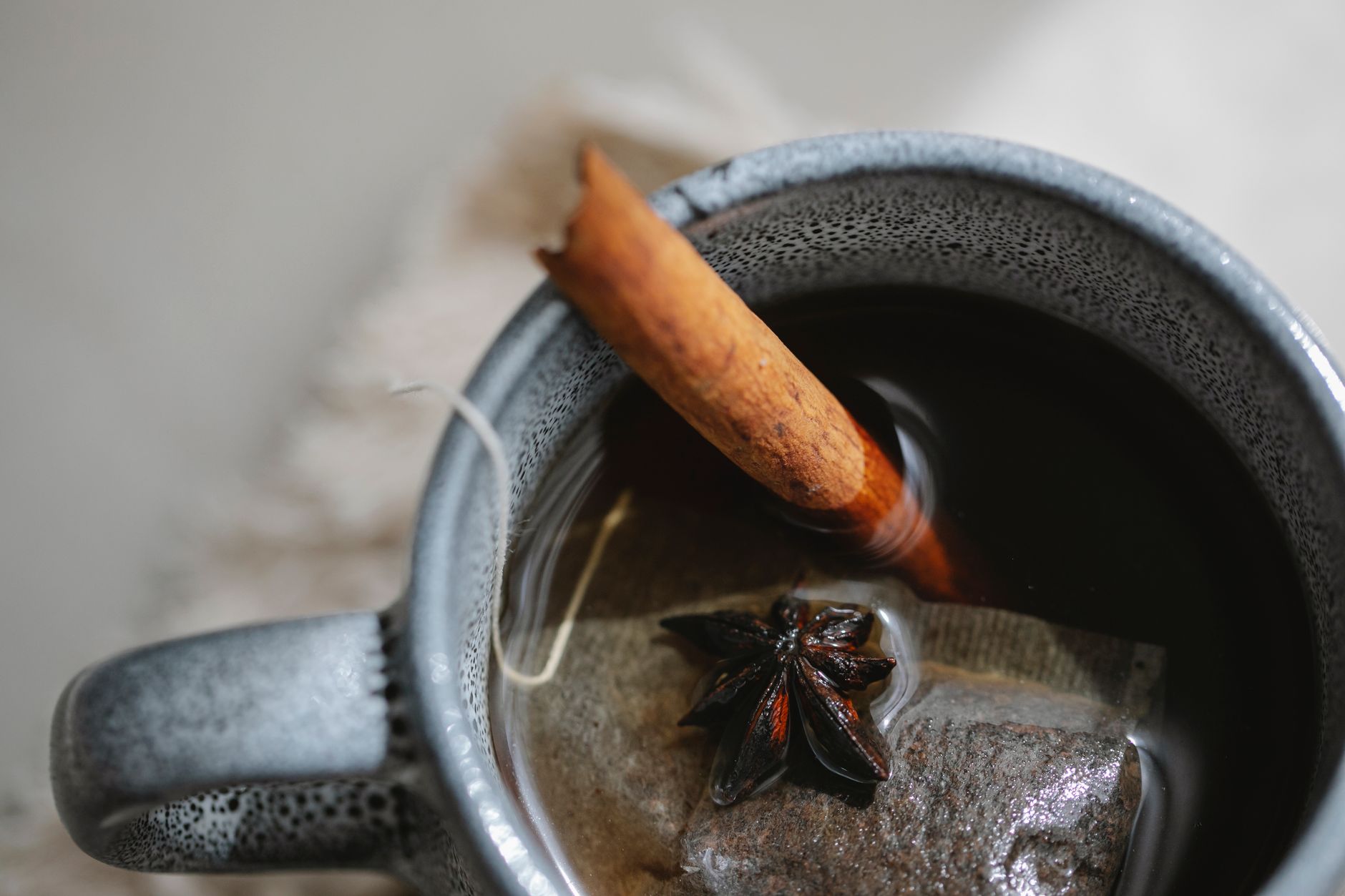
Safe in moderation. Chai tea is generally safe during pregnancy if limited to 1-2 cups daily, but avoid excessive caffeine and certain spices like licorice root in the first trimester.
By Shubhra Mishra — a mom of two who turned her own confusion during pregnancy into BumpBites, a global mission to make food choices clear, safe, and stress-free for every expecting mother. 💛
Check whether any food is safe during pregnancy with the BumpBites Food Safety Checker.
Quick verdict: ⚠️ Safe with limits – most experts say a moderate amount of chai tea (up to 1‑2 cups a day) is fine, but keep caffeine under 200 mg total and watch added sugars.
It’s 2 a.m., the kitchen light is on, and you’ve just poured a steaming cup of chai tea. Suddenly, a wave of worry hits: is chai tea safe during pregnancy? You’re not alone—many expecting parents pause at the spice‑laden aroma and wonder if that comforting brew could harm their baby.
Good news: for most pregnant people, chai tea is generally safe when enjoyed in moderation. The key considerations are caffeine content, added sweeteners, and any herbal additives that might not be pregnancy‑friendly. In this guide we’ll break down exactly how much chai you can sip, what to watch for in each trimester, which brands are the most reliable, and what soothing alternatives you can turn to if you’d rather skip the caffeine.
Read on for a clear verdict, trimester‑by‑trimester safety details, recommended daily limits, safer options, and a quick‑reference table that lets you compare chai tea to other popular beverages.
Enjoy chai tea mindfully—choose low‑sugar blends and keep caffeine within recommended limits.
Trimester
Verdict
Notes
First (0‑13 weeks)
⚠️ Safe with limits
Keep caffeine ≤200 mg total per day; limit to 1 cup (≈30‑70 mg caffeine). Watch for added sugar.
Second (14‑27 weeks)
⚠️ Safe with limits
Same caffeine limit; monitor for heartburn, which can increase later in pregnancy.
Third (28‑40 weeks)
⚠️ Safe with limits
Maintain caffeine ≤200 mg; consider decaf if you experience sleep disturbances.
Breastfeeding
⚠️ Safe with limits
Caffeine passes into breast milk; keep intake ≤200 mg/day to avoid infant irritability.
What is chai tea?
Chai tea, often called “masala chai,” is a spiced black‑tea brew that originated in the Indian subcontinent. The base is typically strong black tea steeped with a blend of warming spices—cinnamon, cardamom, ginger, cloves, and black pepper—and finished with milk and a sweetener. Commercial mixes may also contain additional flavorings, artificial colors, or sugar. Because the beverage combines caffeine from black tea with a variety of herbal spices, it delivers a unique flavor profile and a modest stimulant effect.
People drink chai for its comforting aroma, its perceived health benefits (such as antioxidants from tea and anti‑inflammatory properties from spices), and its cultural tradition. In the United States and other Western markets, chai is often sold as a tea bag, a premixed concentrate, or a ready‑to‑drink latte. Understanding the ingredients helps you gauge what might be safe—or not—while you’re pregnant.
Is chai tea safe during pregnancy?
Current guidance from the American College of Obstetricians and Gynecologists (ACOG) and the UK’s National Health Service (NHS) suggests that caffeine‑containing beverages are safe in pregnancy as long as total daily caffeine stays below 200 mg. A typical 8‑oz cup of chai tea contains roughly 30‑70 mg of caffeine, depending on the strength of the brew and the brand. This means one to two cups a day usually keep you within the recommended limit.
Beyond caffeine, the primary safety concerns involve added sugars and certain herbal additives. High sugar intake can contribute to excessive weight gain and gestational diabetes risk, while some spice blends may include herbs like licorice root or high‑dose ginger, which can affect blood pressure or cause uterine contractions at very high doses. Most commercial chai mixes are free of these high‑risk herbs, but it’s wise to read the ingredient list.
Research specifically on chai tea in pregnancy is limited, but studies on black tea and moderate caffeine intake have not shown a clear link to birth defects or miscarriage when limits are respected. The CDC notes that moderate caffeine consumption does not increase the risk of adverse pregnancy outcomes. Therefore, the consensus among obstetric experts is that chai tea is safe with the caveats of caffeine moderation and sugar control.
Is chai tea safe to drink in the first trimester?
The first trimester is the period of organogenesis, when the fetus’s major organs are forming. Because this is the most sensitive window, many providers advise stricter caffeine monitoring. One cup of chai (≈30‑70 mg caffeine) comfortably fits within the ACOG recommendation of ≤200 mg per day. However, if you’re already consuming other caffeinated drinks—coffee, soda, or energy drinks—subtract those amounts to stay under the limit.
Additionally, the spices in chai are generally considered safe in typical culinary amounts. Ginger, for example, is often recommended for nausea, but doses above 1 gram per day should be discussed with a provider. Most chai blends use less than 0.5 gram per cup, well below the threshold of concern. The biggest first‑trimester red flag is excess sugar, which can spike blood glucose and contribute to early gestational diabetes.
How much chai tea can I have during pregnancy?
Most obstetric guidelines cap caffeine at 200 mg per day. Given that chai tea delivers about 30‑70 mg per cup, the safest range is 1‑2 cups (8 oz each) daily, assuming no other caffeine sources. If you prefer a stronger brew, keep it to one cup and balance the rest of your day with caffeine‑free drinks. For those who love the flavor but want to avoid caffeine altogether, decaf chai or a homemade spice infusion with herbal tea (e.g., rooibos) is a good alternative.
When it comes to sugar, aim for no more than 10 % of your daily calories from added sugars—roughly 25 g for a 2,000‑calorie diet. Many store‑bought chai mixes contain 10‑15 g of sugar per serving, so consider unsweetened versions or add a small amount of honey or a natural sweetener if needed.
Can I drink chai tea if I have morning sickness?
Ginger, a common chai ingredient, is actually one of the most evidence‑based remedies for nausea in pregnancy. Small amounts (up to 1 gram of ginger per day) can help ease morning sickness without harming the baby. A standard chai cup typically contains less than 0.5 gram of ginger, making it a gentle option. However, if your chai is heavily spiced or you’re sensitive to dairy, the richness could exacerbate nausea for some people.
If you find the full‑fat version too heavy, try a lighter version with low‑fat milk or a plant‑based alternative, and keep the sweetener minimal. If nausea persists, discuss with your provider; they may suggest ginger tablets or other dietary adjustments.
Is caffeine in chai tea harmful for pregnant women?
Caffeine itself is not harmful when consumed within the recommended limit of 200 mg per day, according to ACOG and the NHS. Excess caffeine can increase heart rate, cause insomnia, and raise blood pressure—effects that may be more noticeable during pregnancy. For chai tea, the typical caffeine content stays well below the threshold, so it is not inherently dangerous.
That said, individual sensitivity varies. If you notice jitteriness, rapid heartbeat, or trouble sleeping after a cup, you may want to cut back or switch to a decaf version. Remember that caffeine also passes into breast milk, so postpartum nursing mothers should maintain the same limit to avoid infant irritability.
Which chai tea brands are safest for pregnancy?
When selecting a chai tea, look for brands that offer:
Clear ingredient labeling with no added licorice, high‑dose ginger, or artificial colors.
Low‑sugar or unsweetened options.
Organic or non‑GMO certification, which often means fewer pesticide residues.
Reputable choices include Traditional Medicinals (organic, low sugar), Yogi (herb‑focused blends, many caffeine‑free options), Numi (fair‑trade, transparent sourcing), and Celestial Seasonings (widely available, with a “unsweetened” line). Always read the nutrition facts; a single serving should contain ≤5 g of added sugar.
What are the risks of drinking chai tea while pregnant?
The primary risks stem from:
Caffeine overload: Exceeding 200 mg per day may increase miscarriage risk, though evidence is mixed; most guidelines advise caution.
Added sugars: High sugar intake can contribute to gestational diabetes, excessive weight gain, and dental issues.
Herbal additives: Rarely, certain chai blends include herbs like licorice root, which can raise blood pressure, or high doses of ginger, which might affect uterine activity.
Heartburn: The combination of spices and caffeine can relax the lower esophageal sphincter, worsening reflux—a common pregnancy complaint.
Most of these concerns are manageable by choosing low‑caffeine, low‑sugar, and well‑labeled products. If you experience any of the side effects listed below, consider reducing your intake or switching to a caffeine‑free alternative.
What are safe alternatives to chai tea during pregnancy?
Ginger tea – soothing for nausea without the caffeine.
Rooibos tea – naturally caffeine‑free, rich in antioxidants.
Peppermint tea – helps relieve heartburn and digestive discomfort.
Decaf black tea – retains the familiar tea base without caffeine.
Herbal fruit‑infused water – refreshing, hydrating, no caffeine.
Caffeine‑free herbal tea blends – many contain calming herbs like chamomile and lavender.
Is decaf chai tea safe for pregnant women?
Decaf chai eliminates most of the caffeine, bringing the beverage well under the 200 mg daily limit. The remaining safety considerations are the same as for regular chai: watch for added sugars and ensure the spice blend does not contain high‑risk herbs. Decaf versions are an excellent option for those who love the flavor but want to avoid caffeine entirely.
Can I drink chai tea if I have gestational diabetes?
If you have gestational diabetes, the central issue is sugar control. Plain chai tea without added sweeteners is generally safe, but many pre‑made mixes contain 10‑15 g of sugar per serving. Opt for unsweetened or “light‑sweetener” versions, and sweeten yourself with a small amount of a low‑glycemic sweetener (e.g., stevia) if needed. Always monitor your blood glucose after consuming a new beverage and discuss any concerns with your prenatal care provider.
Safe dosage / amount / brands
Item
Safe daily amount
Recommended brands
Notes
Regular chai tea (black tea base)
1‑2 cups (8 oz each)
Traditional Medicinals, Yogi, Numi
Keep total caffeine ≤200 mg; choose low‑sugar blends.
Decaf chai tea
Up to 3 cups
Yogi Decaf Chai, Celestial Seasonings Decaf
Check for added sugars; caffeine negligible.
Homemade chai (loose leaf)
1‑2 cups
Use high‑quality black tea + whole spices
Control sugar; steep 3‑5 min for moderate caffeine.
When to be concerned: persistent rapid heartbeat, dizziness, insomnia, or a blood glucose spike after a sweetened chai. If you notice any of these, reduce intake and discuss with your provider.
Rare but serious concerns include allergic reactions to specific spices (e.g., cinnamon allergy) or severe hypertension from hidden licorice root. In such cases, stop the beverage immediately and seek medical advice.
Safer alternatives
Ginger tea – natural anti‑nausea, caffeine‑free.
Rooibos tea – antioxidant‑rich, no caffeine.
Peppermint tea – soothing for heartburn.
Lemongrass tea – bright flavor, caffeine‑free.
Decaf black tea – familiar taste without caffeine.
Herbal fruit‑infused water – hydrating and flavorful.
Not sure about the label on Is Chai Tea Safe During Pregnancy products?
Snap the ingredients list and SafeFilter checks every ingredient for your stage — only 3 free scans this month, then you're locked until reset. Unlimited from $7/mo or $50/yr.
When Shubhra Mishra was expecting her first child in 2016, she was overwhelmed by conflicting food advice — one site said yes, another said never. By the time her second baby arrived in 2019, she realized millions of mothers face the same confusion.
That sparked a five-year journey through clinical nutrition papers, cultural diets, and expert conversations — all leading to BumpBites: a calm, compassionate space where science meets everyday motherhood.
Her long-term vision is to build a global community ensuring safe, supported, and free deliveriesfor every mother — because no woman should face pregnancy alone or uninformed. 🌿
🌍 Stand with mothers, shape safer guidance
Join a small circle of experts who review BumpBites articles so expecting parents everywhere can decide with confidence.