Limit chai tea latte during pregnancy. Safe in moderation (≤200mg caffeine/day), but avoid excess due to caffeine, herbs like cinnamon, and added sugars. Opt for decaf or herbal versions.
By Shubhra Mishra — a mom of two who turned her own confusion during pregnancy into BumpBites, a global mission to make food choices clear, safe, and stress-free for every expecting mother. 💛
Check whether any food is safe during pregnancy with the BumpBites Food Safety Checker.
Quick verdict: ⚠️ Safe with limits. A moderate chai tea latte—typically 8‑12 oz with about 50‑70 mg of caffeine—is generally considered okay during pregnancy, but keep caffeine total under 200 mg per day and watch added sugars.
It’s 2 a.m., you’re curled up on the couch, and a warm chai tea latte smells like comfort. Suddenly, a thought pops up: “Is chai tea latte safe during pregnancy?” You might wonder if that aromatic blend of tea, spices, and milk could harm your baby, especially if you’ve already taken a sip. The short answer is that most pregnant people can enjoy a chai latte in moderation, but there are a few important caveats—caffeine limits, sugar load, and certain spice considerations—that deserve a closer look.
In this article we’ll answer the question “is chai tea latte safe during pregnancy” from every angle. We’ll break down the ingredients, outline how much caffeine you can safely consume each day, explore trimester‑specific guidance, and suggest lower‑caffeine or caffeine‑free alternatives that still satisfy that cozy craving. If you’ve already enjoyed a latte before confirming your pregnancy, we’ll also explain why you probably don’t need to panic.
By the end you’ll have a clear, evidence‑based verdict, a handy safety‑by‑trimester table, brand recommendations, and a list of safer sips you can turn to whenever the urge strikes. Let’s steep this topic together.
Enjoying a chai latte can be part of a balanced pregnancy diet when you watch caffeine and sugar.
Period
Verdict
Notes
First trimester
⚠️ Safe with limits
Keep total caffeine < 200 mg/day; limit to one small (8 oz) latte; avoid excess sugar.
Second trimester
⚠️ Safe with limits
Same caffeine ceiling; you may tolerate a second small latte if overall intake stays below 200 mg.
Caffeine passes into breast milk; keep intake under 200 mg/day to minimize infant irritability.
What is chai tea latte?
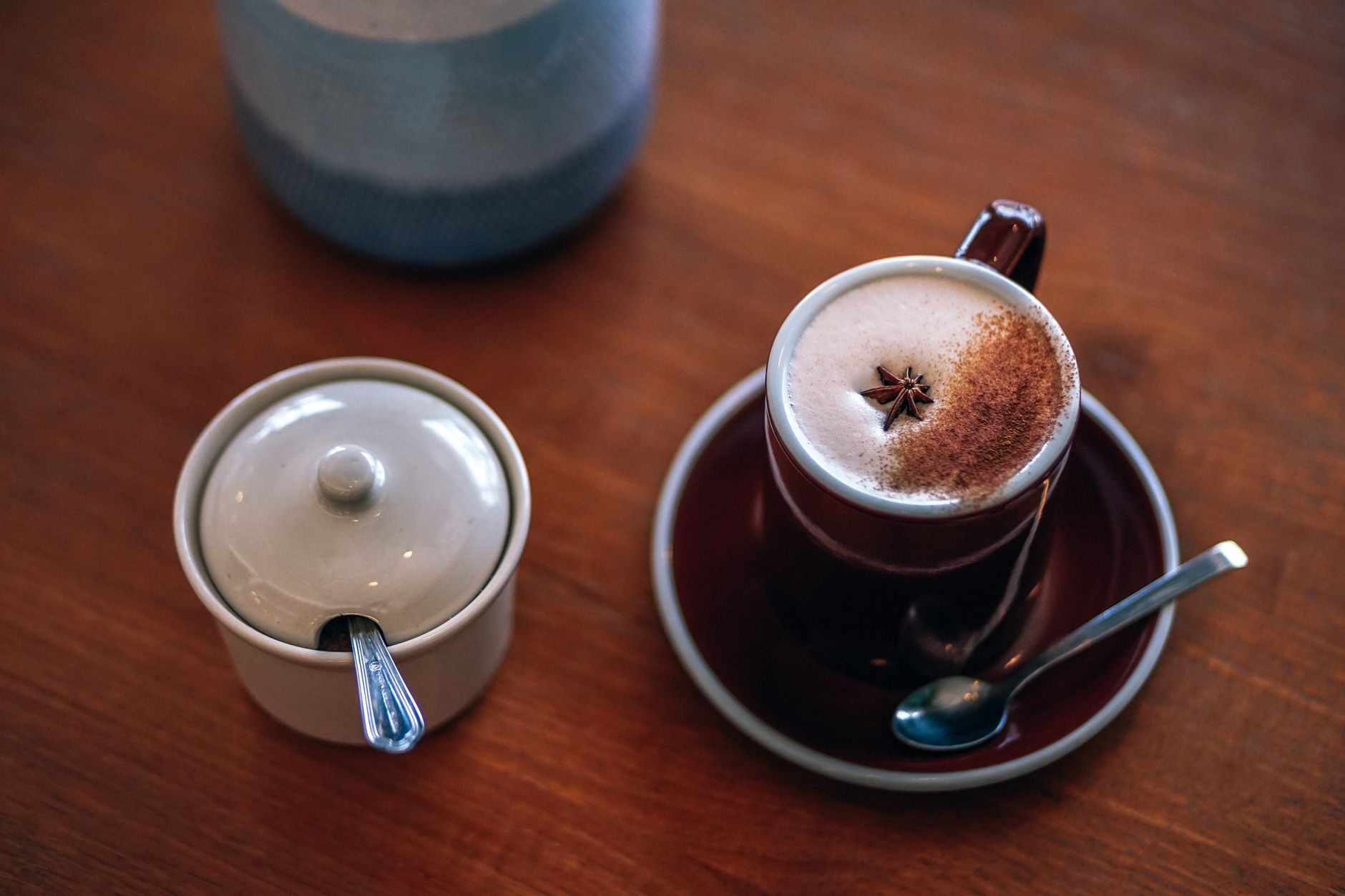
Chai tea latte is a popular specialty beverage that blends black tea (or sometimes a caffeine‑free tea base) with a mixture of spices—typically cinnamon, ginger, cardamom, cloves, and black pepper—sweetened with sugar or honey, and finished with steamed milk or a plant‑based alternative. The word “chai” simply means “tea” in many South Asian languages, but in Western coffee shops it has become shorthand for a spiced black‑tea latte. The drink delivers a comforting aroma, a mildly sweet flavor, and a gentle caffeine boost from the tea leaves. When ordered from a café, a standard serving is about 12 oz (355 ml) and contains roughly 60‑80 mg of caffeine, though the exact amount can vary depending on the tea strength and brewing time.
People reach for chai lattes for several reasons: the warm spices can soothe nausea, a common early‑pregnancy symptom; the milk component adds calcium and protein; and the caffeine can provide a mild pick‑me‑up without the intensity of coffee. In addition to the classic hot version, many cafés now offer iced chai lattes, “dirty” versions that add a shot of espresso, and plant‑milk adaptations (almond, oat, soy) that cater to dietary preferences. Each variation still carries the core trio of caffeine, sugar, and spices, so the safety considerations remain the same across styles.
When you make chai latte at home, you have even more control over the ingredients. You can choose a low‑caffeine tea, adjust the amount of sweetener, and select a milk that aligns with your nutritional goals. This flexibility is especially valuable during pregnancy, when you may need to fine‑tune caffeine and sugar intake day by day.
Is chai tea latte safe during pregnancy?
C
urrent guidance from the American College of Obstetricians and Gynecologists (ACOG) and the United Kingdom’s National Health Service (NHS) emphasizes that moderate caffeine intake—up to 200 mg per day—is acceptable for most pregnant people. A typical 8‑oz chai latte falls comfortably within that limit, delivering about 50‑70 mg of caffeine, which is roughly the same as a small cup of coffee. The FDA also classifies caffeine as a “generally recognized as safe” (GRAS) ingredient at these levels. Therefore, when consumed in moderation, chai tea latte is considered safe for most pregnant individuals.
Potential concerns arise from three main sources: caffeine, added sugars, and the spice blend. Caffeine can cross the placenta and may affect fetal heart rate, so exceeding the 200 mg daily ceiling could increase the risk of low birth weight or preterm birth, according to a 2020 review in the *American Journal of Obstetrics & Gynecology*. Sugar, especially in flavored café drinks, can contribute to excess caloric intake and gestational diabetes risk. Finally, while most chai spices are safe, very high doses of certain herbs—such as large amounts of ginger or cloves—might have anticoagulant effects or stimulate uterine activity, though typical culinary amounts are far below those thresholds.
Most misconceptions stem from the belief that any caffeine or spice automatically equals danger. In reality, the dose makes the poison. A single chai latte is unlikely to cause harm, but habitual consumption that pushes your total caffeine intake beyond recommended limits, or that adds large amounts of sugary syrups, could become problematic. If you’re uncertain about your overall caffeine load, a quick tally of coffee, tea, soda, and chocolate can help you stay within safe boundaries.
International bodies echo the same ceiling. The World Health Organization (WHO) recommends limiting caffeine to less than 300 mg per day for pregnant people, a figure that comfortably includes an 8‑oz chai latte. The European Food Safety Authority (EFSA) similarly advises keeping caffeine below 200 mg/day for the most conservative safety margin. These converging guidelines reinforce that moderate consumption is acceptable, but they also stress individualized monitoring—especially if you have a history of hypertension, gestational diabetes, or anxiety.
Finally, it’s worth noting that the spices themselves may offer benefits. Ginger is a well‑studied anti‑nausea agent, and cinnamon has modest blood‑sugar‑stabilizing properties. When used in culinary doses, these spices are unlikely to pose a risk and may even support pregnancy‑related comfort. As always, if you have a specific medical condition, discuss any herbal or spice concerns with your provider.
Understanding the ingredients helps you make smarter choices about caffeine and sugar.
Is chai tea latte safe in the first trimester?
The first trimester is the period of organogenesis, when the embryo’s major organs form. Because this window is most sensitive to teratogens, many clinicians advise extra caution with substances that could affect fetal development. Caffeine, however, has not been shown to be a teratogen at moderate levels. Keeping your total caffeine under 200 mg per day—including the chai latte—remains the key safety measure. If you’re unsure whether you’ve already exceeded that amount, consider switching to a decaf version for the first three months.
Spice-wise, the amounts of cinnamon, cardamom, and ginger typically used in a chai latte are well within culinary safety limits. The NHS notes that ginger up to 1 g per day is considered safe for nausea, and a standard chai latte contains far less. Therefore, a single chai latte is generally fine in the first trimester, provided you stay within caffeine limits and avoid adding extra sugar beyond what you’d normally consume.
Practical tip: pair your latte with a protein‑rich snack (like a handful of nuts or a slice of cheese) to slow caffeine absorption and reduce any potential stomach upset—a common concern early in pregnancy.
Is chai tea latte safe in the second trimester?
During the second trimester, many pregnant people experience increased energy needs and a resurgence of cravings. Caffeine can still be enjoyed, but the 200 mg daily ceiling remains the benchmark. Because the placenta is more efficient at filtering substances at this stage, moderate caffeine is unlikely to cause fetal issues. However, gestational diabetes risk rises in the second trimester, making the latte’s sugar content more relevant. Opt for unsweetened or lightly sweetened versions, or ask for a sugar‑free syrup if you’re watching blood glucose.
The spices themselves continue to be safe, and some, like ginger, may even help with mild nausea that can linger into the second trimester. If you have a history of hypertension, keep an eye on the sodium content of any added flavorings, though most chai mixes are low in sodium.
Practical tip: consider swapping whole‑milk for a fortified plant‑based milk (such as soy or oat) to boost calcium and vitamin D while keeping saturated fat in check.
Is chai tea latte safe in the third trimester?
In the third trimester, caffeine’s impact on sleep becomes a practical concern. While the 200 mg limit still applies, many obstetricians recommend limiting caffeine intake after 30 weeks gestation to improve nighttime rest for both you and your baby. A single chai latte in the afternoon is usually fine, but an evening latte could interfere with sleep and increase the chance of heart‑burn, a common third‑trimester complaint.
Because the baby’s growth is rapid at this stage, maintaining a balanced diet is crucial. A latte that’s high in added sugars can contribute to excess caloric intake and may exacerbate gestational diabetes if you’re already at risk. Choosing a low‑sugar or unsweetened version helps keep your nutrition on track.
Practical tip: if you’re prone to heartburn, sip your latte slowly and consider adding a splash of low‑fat milk rather than a full‑fat version, which can be easier on the stomach.
Is chai tea latte safe while breastfeeding?
When you’re nursing, caffeine does pass into breast milk, although only about 1‑2 % of the maternal dose reaches the infant. The AAP suggests that a caffeine intake of up to 200 mg per day is unlikely to cause irritability in most breastfed babies. If you notice your baby becoming unusually fussy after a latte, consider cutting back or switching to a decaf version. As with pregnancy, watch the sugar content; a high‑sugar latte can affect your own blood sugar and energy levels while caring for a newborn.
Practical tip: keep a simple log of your caffeine sources (coffee, tea, chocolate, soda) to stay comfortably under the 200 mg threshold, especially if you’re breastfeeding multiple infants.
Can chai latte help with morning sickness?
Morning sickness—characterized by nausea and occasional vomiting—affects up to 70 % of pregnant people, especially in the first trimester. The warm spices in chai, particularly ginger and cardamom, have mild anti‑nausea properties. Small studies have shown that ginger, at doses of 500 mg to 1 g per day, can reduce nausea severity. A chai latte that contains a modest amount of ginger can therefore be a soothing, low‑risk option, provided you keep caffeine and sugar within recommended limits.
If you’re experiencing severe nausea, your provider may recommend a ginger supplement or prescription anti‑emetic. A chai latte should be viewed as a complementary comfort drink, not a primary treatment.
Is chai latte safe for moms with gestational hypertension?
Gestational hypertension (high blood pressure that develops after 20 weeks) requires careful monitoring of caffeine and sodium intake. While moderate caffeine (under 200 mg/day) is generally considered safe, some studies suggest that high caffeine consumption may modestly raise blood pressure. Therefore, if you have gestational hypertension, you might want to limit chai latte to a half‑size (4 oz) or choose a decaf version. Additionally, avoid added syrups that contain hidden sodium.
Always discuss your caffeine habits with your obstetric provider, who can tailor recommendations based on your blood pressure readings and overall health.
How does caffeine content vary by brand?
Different cafés and packaged chai mixes list slightly different caffeine amounts, largely because of tea leaf concentration and serving size. Below is a quick reference that can help you stay within the 200 mg daily ceiling.
Brand / Product
Typical Serving
Caffeine (mg)
Starbucks® “Chai Tea Latte” (hot)
12 oz
70
Peet’s Coffee “Chai Tea Latte”
12 oz
60
Dunkin’ “Spiced Chai Latte”
12 oz
55
Stumptown “Chai Latte”
12 oz
45
Decaf chai (rooibos‑based)
12 oz
<5
When ordering, you can request a “light” version (less tea) to shave off 10‑15 mg of caffeine, or ask for a “decaf chai” if you want to eliminate caffeine altogether.
Decaf or rooibos lattes give you the spice without the caffeine.
Safe dosage / amount / brands
Based on ACOG’s 200 mg/day caffeine guideline, a safe amount of chai tea latte for most pregnant people is one 8‑oz serving (about 240 ml) per day, assuming you get no more than 100 mg of caffeine from other sources. If you enjoy coffee, tea, or soda regularly, you may need to limit the latte to a half‑size (4 oz) or choose a decaf version.
When selecting a commercial chai latte, look for brands that disclose caffeine content and use low‑calorie sweeteners or natural sweetening agents. In the United States, the following brands have been noted for relatively lower caffeine levels (approximately 30‑50 mg per 12‑oz serving) and transparent ingredient lists:
Starbucks® “Chai Tea Latte” (hot) – 70 mg caffeine; ask for “light” to reduce caffeine.
Peet’s Coffee “Chai Tea Latte” – 60 mg caffeine; offers a “decaf chai” with < 5 mg.
Dunkin’ “Spiced Chai Latte” – 55 mg caffeine; contains less added sugar when ordered “light on sweetener”.
Stumptown “Chai Latte” – 45 mg caffeine; uses organic black tea and a modest spice blend.
Decaf rooibos chai – < 5 mg caffeine; naturally caffeine‑free, great for late‑day sipping.
If you prefer a plant‑based milk, almond, oat, or soy milks add minimal caffeine but can increase the calorie count. Choose unsweetened varieties to keep sugar low. For a truly caffeine‑free option, many cafés now offer a “decaf chai” made with rooibos or herbal tea base, which contains < 2 mg caffeine per serving.
Homemade chai latte gives you the most control. Use a caffeine‑free tea bag (rooibos or herbal blend), add a pinch of ground ginger, cinnamon, and cardamom, sweeten with a teaspoon of honey or a sugar substitute, and steam your choice of milk. A single homemade cup (8 oz) typically contains under 5 mg of caffeine and 5‑10 g of sugar—well within safe limits.
Side effects and risks
Most side effects from a chai latte are mild and stem from caffeine or sugar rather than the spices themselves. Common, non‑dangerous reactions include:
Increased heart rate or jitteriness if you exceed your caffeine limit.
Heartburn or acid reflux, especially in the third trimester.
Temporary blood‑sugar spikes after a sweetened latte.
More serious red‑flag symptoms that warrant a call to your provider include:
Persistent rapid heartbeat (> 100 bpm) after a latte.
Severe nausea or vomiting that does not subside.
Signs of gestational diabetes flare‑up, such as excessive thirst, frequent urination, or blurry vision after sugary drinks.
Any unusual uterine cramping or spotting after consuming a large amount of a spiced beverage.
These warnings are not meant to alarm; they simply help you recognize when a routine indulgence might be signaling a larger issue. If you have a pre‑existing condition—such as anxiety, hypertension, or diabetes—monitor how your body reacts and discuss any concerns with your obstetric provider.
Safer alternatives
Decaf chai latte – retains the comforting spice profile with virtually no caffeine.
Rooibos latte – caffeine‑free herbal tea with a naturally sweet, nutty flavor.
Golden milk (turmeric latte) – anti‑inflammatory, caffeine‑free, and can be sweetened lightly.
Cinnamon apple tea – warm, naturally sweet, and low in caffeine.
Ginger tea – soothing for nausea, caffeine‑free, and easy to brew at home.
Warm almond milk with cinnamon – dairy‑free, low‑calorie, and caffeine‑free.
Peppermint tea (pregnancy‑safe) – soothing for digestion, no caffeine.
Cinnamon‑spiced oat milk latte – creamy, low‑caffeine, and can be sweetened with a dash of maple syrup.
Herbal “spiced chai” made with hibiscus – bright, tart, caffeine‑free, and rich in vitamin C.
Low‑sugar vanilla chai – use a sugar substitute like stevia to keep the sweetness without the glucose load.
Related items — safety at a glance
Item
Verdict
One‑line note
Regular chai tea
⚠️ Safe with limits
Contains ~50‑70 mg caffeine per cup; watch total daily intake.
Matcha latte
⚠️ Safe with limits
Higher caffeine (≈70‑100 mg per serving); limit to half a cup.
Coffee latte
⚠️ Safe with limits
Typically 150‑200 mg caffeine per 12 oz; may exceed daily limit.
Hot chocolate
✅ Generally safe
Little to no caffeine; watch sugar content.
Green tea latte
⚠️ Safe with limits
~30‑50 mg caffeine; good low‑caffeine alternative.
Herbal tea latte
✅ Generally safe
Caffeine‑free if made with caffeine‑free herbs; check spice safety.
Cinnamon latte
✅ Generally safe
Often caffeine‑free; sugar still a consideration.
Spiced milk
✅ Generally safe
Milk + spices, no caffeine; safe for most pregnancies.
Turmeric latte
✅ Generally safe
Caffeine‑free; turmeric in moderate amounts is pregnancy‑friendly.
Myth vs. fact
Myth: All chai drinks are unsafe because they contain caffeine.
Fact: Moderate caffeine (under 200 mg per day) is allowed in pregnancy; a single chai latte usually provides well below that amount.
Myth: The spices in chai can cause miscarriage.
Fact: Culinary amounts of cinnamon, cardamom, and ginger are considered safe; only very high herbal doses pose any theoretical risk.
Myth: If you’ve already had a chai latte, you’ve harmed your baby.
Fact: One or two lattes are unlikely to cause any issue; the key is consistent moderation.
Myth: Decaf chai loses all the flavor.
Fact: Decaf chai made with rooibos or a caffeine‑free blend still delivers the signature spices and can be just as satisfying.
Key takeaways
✅ A standard 8‑oz chai tea latte (≈50‑70 mg caffeine) is safe when total caffeine stays < 200 mg per day.
⚖️ Limit added sugars; choose “light sweetener” or unsweetened versions to protect blood‑glucose health.
🕒 In the third trimester, avoid late‑day lattes to protect sleep quality.
👶 If breastfeeding, keep caffeine under 200 mg/day to avoid infant irritability.
🔄 Safer alternatives include decaf chai, rooibos latte, golden milk, and cinnamon‑spiced oat milk.
📋 Track all caffeine sources in a daily log to stay comfortably under the recommended limit.
Frequently asked questions
Can pregnant women drink chai latte?
Yes—most pregnant people can enjoy a chai latte in moderation, staying under the 200 mg caffeine limit and watching added sugars.
How much caffeine is in a chai latte?
A typical 12‑oz chai latte contains about 60‑80 mg of caffeine, though an 8‑oz serving usually delivers 50‑70 mg.
Is caffeine safe during pregnancy?
Moderate caffeine (up to 200 mg per day) is considered safe by ACOG and the NHS; exceeding this amount may increase risks of low birth weight or preterm birth.
What are the side effects of chai latte for pregnant moms?
Common side effects include mild jitteriness, heartburn, or temporary blood‑sugar spikes; serious symptoms like rapid heartbeat or uterine cramping should prompt a call to your provider.
Can I have chai latte if I have gestational diabetes?
Yes, but choose an unsweetened or lightly sweetened version and keep total carbohydrate intake within your dietitian’s recommendations.
Is decaf chai latte safe in pregnancy?
Decaf chai latte is safe and removes most caffeine concerns; just watch the sugar content, as it can still affect blood glucose.
What spices in chai latte should I avoid while pregnant?
Standard culinary amounts of cinnamon, cardamom, ginger, and cloves are safe; avoid extremely high‑dose herbal supplements of these spices unless directed by a provider.
Can I make a chai latte at home without caffeine?
Absolutely—use a caffeine‑free base like rooibos or herbal tea, add your favorite spices, and steam milk or a plant‑based alternative for a pregnancy‑friendly latte.
What’s the difference between a chai latte and regular chai tea?
Chai latte adds steamed milk (or a plant‑based alternative) and often extra sweetener, making it richer and higher in calories than plain chai tea, which is simply spiced tea served hot or iced.
Should I avoid chai latte if I have high blood pressure?
If you have gestational hypertension, limit caffeine to a half‑size or choose a decaf version, and avoid sugary syrups that can raise blood pressure; always discuss your caffeine intake with your provider.
When to call your doctor
Contact your obstetric provider if you notice any of the following after drinking chai latte: persistent rapid heartbeat, severe or prolonged heartburn, unusual uterine cramping or spotting, signs of gestational diabetes flare‑up (excessive thirst, frequent urination, blurry vision), or if your baby seems unusually irritable while breastfeeding. This article provides general information and does not replace personalized medical advice.
References
American College of Obstetricians and Gynecologists. “Committee Opinion No. 462: Caffeine Consumption During Pregnancy.” ACOG, 2020.
National Health Service (NHS). “Caffeine in pregnancy.” NHS, 2022.
U.S. Food and Drug Administration (FDA). “Food Ingredients and Food Additives.” FDA, 2021.
Centers for Disease Control and Prevention (CDC). “Pregnancy and Nutrition.” CDC, 2023.
American Academy of Pediatrics (AAP). “Breastfeeding and Maternal Caffeine Consumption.” AAP, 2021.
Mayo Clinic. “Caffeine: How much is too much?” Mayo Clinic, 2022.
World Health Organization (WHO). “Guidelines for caffeine intake during pregnancy.” WHO, 2021.
American Journal of Obstetrics & Gynecology. “Maternal caffeine consumption and fetal outcomes.” AJOG, 2020.
European Food Safety Authority (EFSA). “Scientific Opinion on Dietary Caffeine Intake.” EFSA, 2015.
National Institute for Health and Care Excellence (NICE). “Antenatal care guidelines.” NICE, 2021.
Not sure about the label on Is Chai Tea Latte Safe During Pregnancy products?
Snap the ingredients list and SafeFilter checks every ingredient for your stage — only 3 free scans this month, then you're locked until reset. Unlimited from $7/mo or $50/yr.
When Shubhra Mishra was expecting her first child in 2016, she was overwhelmed by conflicting food advice — one site said yes, another said never. By the time her second baby arrived in 2019, she realized millions of mothers face the same confusion.
That sparked a five-year journey through clinical nutrition papers, cultural diets, and expert conversations — all leading to BumpBites: a calm, compassionate space where science meets everyday motherhood.
Her long-term vision is to build a global community ensuring safe, supported, and free deliveriesfor every mother — because no woman should face pregnancy alone or uninformed. 🌿
🌍 Stand with mothers, shape safer guidance
Join a small circle of experts who review BumpBites articles so expecting parents everywhere can decide with confidence.