Quick verdict: ❌ Best avoided. Cepacol contains benzocaine, which is not recommended for pregnant women, especially in the first trimester. Limited use may be permissible under a provider’s guidance, but safer alternatives are preferred.
It’s 2 a.m., you’re lying in bed with a scratchy throat, and the sudden urge to grab a Cepacol lozenge feels like a lifesaver. Then you remember you’re about eight weeks pregnant, and the worry spikes: “Is Cepacol safe for pregnancy?” You’re not alone—many expecting parents reach for that familiar minty relief and wonder if it could harm their baby.
In short, the consensus among major health authorities—including the American College of Obstetricians and Gynecologists (ACOG) and the U.S. Food and Drug Administration (FDA)—is that Cepacol is not the safest choice during pregnancy. The active ingredient, benzocaine, has a potential link to methemoglobinemia in newborns and lacks robust safety data for early fetal development. Below we break down the evidence, trimester‑specific guidance, dosage limits, and gentler options you can turn to instead.
We’ll walk you through the safety snapshot, explain what’s inside Cepacol, examine the risks by trimester, and offer a menu of pregnancy‑friendly alternatives. By the end, you’ll know whether to set the lozenge aside, how many you might safely use if your provider says it’s okay, and exactly when to call your doctor for peace of mind.
| Stage | Verdict | Notes |
|---|---|---|
| 1st trimester | ❌ Best avoided | Benzocaine exposure during organ formation is not recommended; risk of methemoglobinemia in the newborn. |
| 2nd trimester | ⚠️ Use with caution | Limited use may be allowed under provider supervision; prefer alternatives. |
| 3rd trimester | ⚠️ Use with caution | Same cautions as second trimester; avoid near labor. |
| Breastfeeding | ⚠️ Use with caution | Benzocaine passes into breast milk in minimal amounts; monitor infant for discoloration. |
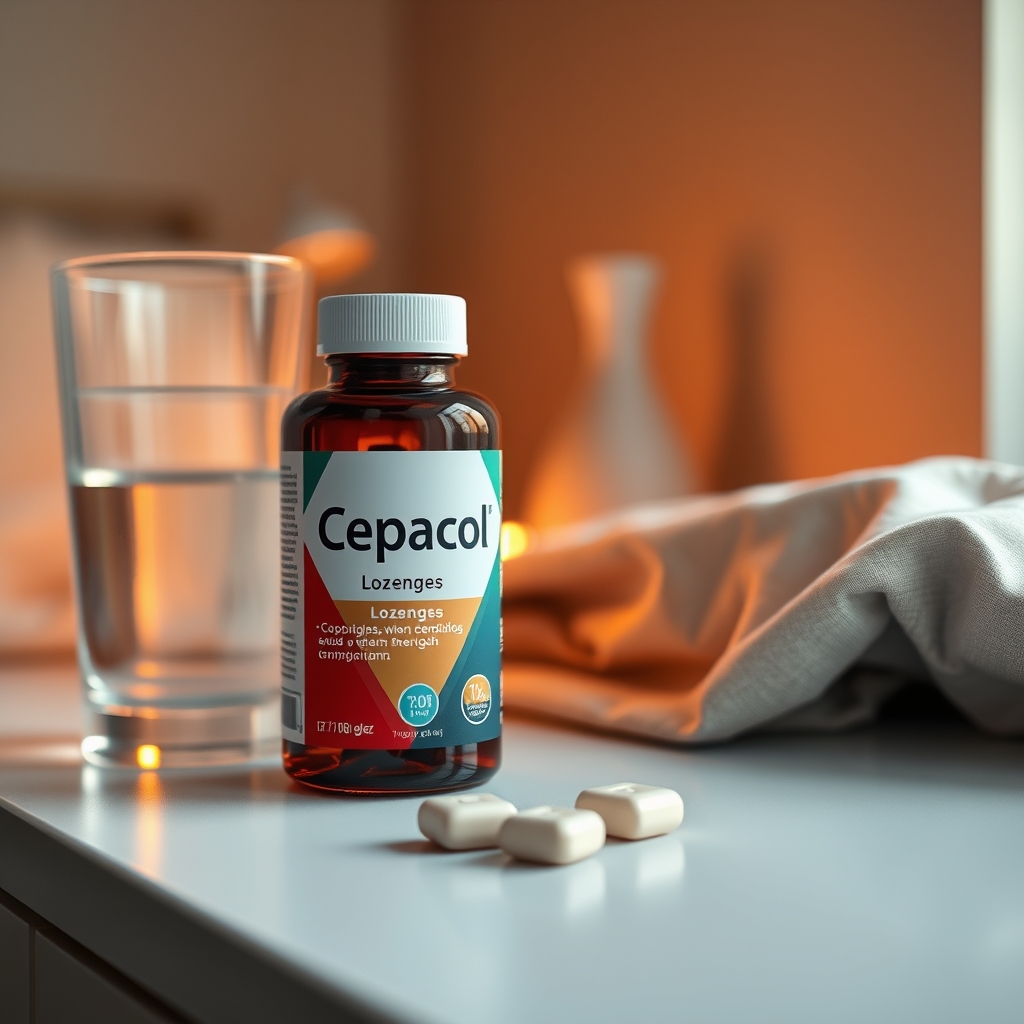
Cepacol is a brand of over‑the‑counter throat lozenges and sprays marketed for temporary relief of sore throat, mouth irritation, and minor oral pain. The most common formulation contains 10 mg of benzocaine per lozenge, a local anesthetic that numbs the mucous membranes, plus menthol for a cooling sensation. Some variants also add a mild antiseptic or flavoring agents. The product is intended for short‑term use—typically no more than a few doses per day for a few days.
Because Cepacol is designed to coat the throat, the active ingredient is absorbed locally, but a small amount can enter the bloodstream. In pregnancy, the key concern revolves around benzocaine’s potential to cause methemoglobinemia, a rare condition where hemoglobin is altered and cannot release oxygen effectively. While the overall risk is low, newborns are especially vulnerable, and ACOG advises avoiding benzocaine during labor for this reason. The FDA classifies benzocaine as a Category C drug for pregnancy, meaning risk cannot be ruled out and it should be used only if the potential benefit justifies the potential risk.
Overall, the current guidance from ACOG, the U.S. FDA, and the NHS suggests that Cepacol is not the first‑line choice for sore‑throat relief during pregnancy. If you need symptom control, the recommendation is to try non‑medicated methods first and reserve Cepacol for situations where other options have failed and a healthcare provider approves limited use.
Is Cepacol safe to use during the first trimester of pregnancy?
The first trimester, covering weeks 1–13, is the period of organogenesis when the baby’s major organs form. During this window, any exposure to substances that could interfere with cellular development is scrutinized. Benzocaine, the active anesthetic in Cepacol, has not been shown to be teratogenic (cause birth defects) in human studies, but the evidence is insufficient to deem it completely safe. ACOG’s Committee Opinion on medication use in pregnancy advises that drugs without clear safety data—especially those that can affect blood oxygen transport—should be avoided in the first trimester.
Because of the theoretical risk of methemoglobinemia and the lack of robust safety studies, most obstetricians recommend steering clear of Cepacol during the first trimester. If a sore throat becomes severe, your provider may suggest a short course of a safer alternative, such as a honey‑based lozenge, rather than a benzocaine product.
Can I use Cepacol mouthwash while pregnant? Recommended dosage
Cepacol also offers a spray mouthwash that delivers the same benzocaine dose—approximately 10 mg per spray. The FDA does not set a specific maximum for benzocaine in pregnancy, but the general recommendation is to limit exposure to the lowest effective amount. For a pregnant adult, using the spray no more than two times per day (totaling 20 mg of benzocaine) is considered the upper boundary of “cautious use,” and only if a provider has approved it.
Even at this modest dosage, the safest approach is to reserve the spray for brief, targeted relief—such as after a dental procedure—rather than routine daily use. If you find yourself needing the spray more frequently, it’s a sign to explore gentler remedies or discuss the underlying cause with your healthcare provider.
What are the risks of using Cepacol during pregnancy?
The primary risk linked to benzocaine, the key ingredient in Cepacol, is methemoglobinemia. This condition can cause reduced oxygen delivery to tissues, leading to symptoms like cyanosis (bluish skin), fatigue, and shortness of breath. In newborns, even a mild elevation in methemoglobin can be clinically significant. While cases are rare, the FDA’s safety communication highlights that benzocaine products used during labor have been associated with neonatal methemoglobinemia.
Other side effects include local irritation, allergic reactions (rash, itching), and a temporary numbness that can affect swallowing. For pregnant users, the concern is not only direct fetal exposure but also the possibility of maternal hypoxia if methemoglobinemia develops. The consensus among health authorities is that these risks outweigh the modest symptomatic relief Cepacol provides, especially when safer options are readily available.
Are there pregnancy‑safe alternatives to Cepacol for sore throat?
- Chloraseptic sore throat spray – Uses a lower concentration of phenol; generally regarded as safe in pregnancy when used sparingly.
- Zinc lozenges – Provide antiviral support and soothing relief without benzocaine.
- Honey – A natural demulcent that coats the throat; safe for adults and, after 12 weeks, for infants when used in moderation.
- Warm salt water gargle – Simple, drug‑free method that reduces inflammation.
- Lemon ginger tea – Soothes irritation and offers mild anti‑inflammatory benefits.
- Xylitol chewing gum – Stimulates saliva production, keeping the throat moist.
Does Cepacol contain ingredients that are unsafe for pregnant women?
Besides benzocaine, Cepacol lozenges often include menthol, which is considered low risk in pregnancy, and sweeteners such as sorbitol or sucralose, both of which are FDA‑approved for use during pregnancy. However, the combination of benzocaine with these excipients does not mitigate the primary concern: benzocaine’s potential to cause methemoglobinemia. Therefore, while most ingredients are individually safe, the benzocaine component drives the overall safety judgment.
How does Cepacol compare to other throat lozenges for pregnant users?
When placed side‑by‑side with other over‑the‑counter throat lozenges, Cepacol stands out for its anesthetic strength. Products like Halls, Ricola, or Luden’s rely on menthol, eucalyptus, or honey for soothing effects and lack benzocaine, making them safer choices for pregnant women. Chloraseptic spray, while also containing a mild anesthetic (phenol), is generally considered a lower‑risk alternative if used infrequently. Overall, the presence of benzocaine puts Cepacol in a higher‑risk category compared with most menthol‑only lozenges.
Can I use Cepacol after the first trimester?
During the second and third trimesters, the fetal organs have already formed, reducing the theoretical risk of teratogenic effects. Nevertheless, the concern about methemoglobinemia remains throughout pregnancy. ACOG advises that benzocaine‑containing products be used only when the benefit clearly outweighs the potential risk, and that they be avoided near the time of delivery. If you reach the later stages of pregnancy and need throat relief, discuss limited, short‑term use with your provider, or opt for the safer alternatives listed above.
Is it safe to use Cepacol for oral pain while pregnant?
For mild oral discomfort—such as a scraped tongue or minor gum irritation—non‑medicated methods (salt water rinses, honey, or a soft toothbrush) are typically sufficient. If the pain is severe and interferes with eating or drinking, a brief, provider‑approved course of Cepacol may be considered, but only after other options have been tried. The key is to keep the exposure as brief and low‑dose as possible.
Safe dosage / amount / brands
Standard adult dosing for Cepacol lozenges is one lozenge every 2–4 hours, not exceeding 6 lozenges in 24 hours. For pregnant users who receive provider approval, a conservative limit of 3 lozenges per day (30 mg total benzocaine) is advisable. The spray version follows a similar rule: no more than two sprays per day (20 mg total). Exceeding these limits increases the chance of systemic absorption and potential methemoglobinemia.
| Form | Maximum safe daily amount (pregnant) | Recommended brands | Brands to avoid |
|---|---|---|---|
| Lozenge | 3 lozenges (30 mg benzocaine) | Cepacol Classic, Cepacol Severe, Cepacol Sugar‑Free | None specific; avoid any benzocaine‑containing lozenges if possible |
| Spray | 2 sprays (20 mg benzocaine) | Cepacol Spray | None specific; limit use |
Always read the label for the exact benzocaine content, as formulations can vary. If you’re uncertain about the dosage, ask your obstetrician or pharmacist for clarification before using the product.