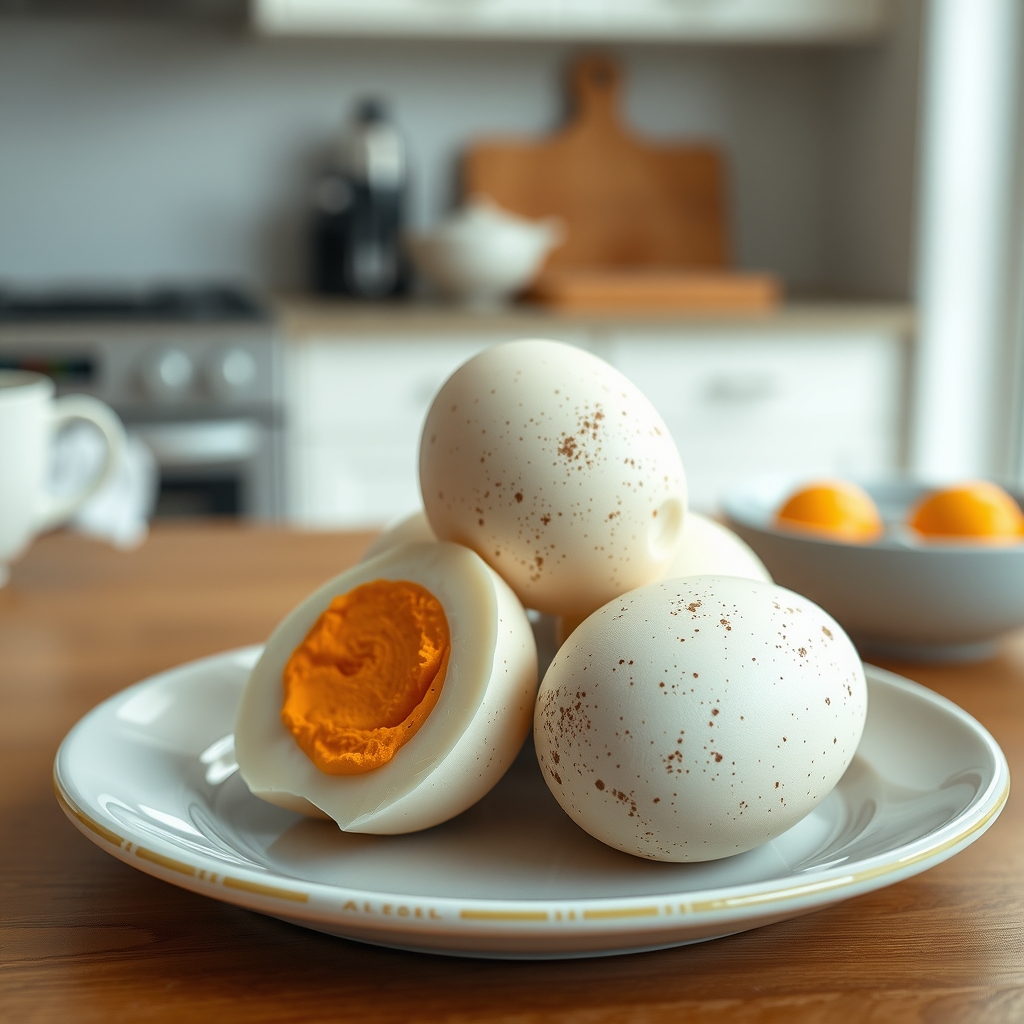
Limit: Century eggs can be eaten during pregnancy, but keep intake low because they are high in sodium and may contain contaminants. Enjoy only occasionally.
By Shubhra Mishra — a mom of two who turned her own confusion during pregnancy into BumpBites, a global mission to make food choices clear, safe, and stress-free for every expecting mother. 💛
Check whether any food is safe during pregnancy with the BumpBites Food Safety Checker.
Quick verdict: ⚠️ Safe with limits – you can enjoy century eggs during pregnancy, but keep intake modest (no more than one small egg per week) and choose low‑sodium brands. High sodium and possible bacterial contamination mean you should watch portion size and handling.
It’s 2 a.m., the kitchen light flickers, and you’ve just sliced open a glossy, black‑speckled century egg that you bought on a whim. “Is century eggs safe during pregnancy?” you whisper to the empty room, heart racing. You’re not alone—many expectant parents wonder whether this traditional Chinese delicacy fits into a healthy pregnancy diet.
In short, the answer to is century eggs safe during pregnancy is yes, but only when you respect a few key limits. The high sodium content, the potential for food‑borne bacteria, and the unique processing method all call for moderation. Below we break down exactly how much is safe, what to watch for in each trimester, which brands to trust, and what safer protein alternatives you might consider.
We’ll also explore the nutritional profile of century eggs, discuss how gestational hypertension or diabetes might affect your choice, and give you a quick‑reference table for related egg products. By the end of this article you’ll have a clear, evidence‑based plan—so you can stop worrying and enjoy your meals with confidence.
Stage
Verdict
Notes
First trimester
⚠️ Safe with limits
Limit to 1 small egg per week; watch sodium (< 300 mg per serving). Choose brands with proven low‑salt processing.
Second trimester
⚠️ Safe with limits
Same weekly limit; ensure egg is fully cooked and stored at ≤ 4 °C after opening.
Third trimester
⚠️ Safe with limits
Maintain weekly limit; excess sodium can worsen edema and blood pressure.
Breastfeeding
⚠️ Safe with limits
Continue modest intake; high sodium may affect milk supply and infant hydration.
What is a century egg?
Century eggs—also called “preserved eggs,” “pidan,” or “thousand‑year‑old eggs”—are duck (sometimes chicken or quail) eggs that have been cured in a blend of alkaline ash, salt, quicklime, and rice hulls for weeks to months. The alkaline environment raises the pH, causing the egg white to become a translucent, dark brown gel and the yolk to turn creamy, gray‑green, and slightly pungent. This transformation is a form of controlled fermentation that intensifies flavor and extends shelf life.
Historically, century eggs were a method of preserving protein before refrigeration. Today they are enjoyed as a snack, a topping for congee, or a component of cold salads. A typical 50‑gram serving contains about 70 kcal, 5 g protein, and 5 g fat, but the sodium can range from 300 mg to over 600 mg depending on the brand’s curing process. They also provide modest amounts of calcium, iron, and vitamin B12, though the nutrient profile is not dramatically different from fresh duck eggs.
Because the curing process relies on high pH and salt, the texture and flavor are distinct from fresh eggs, and the production method can introduce variability in safety—particularly regarding bacterial contamination and salt content. Understanding these nuances helps you make an informed decision about whether century eggs fit into your pregnancy nutrition plan.
In many Chinese households, century eggs are a nostalgic comfort food, often served with sliced ginger or tossed into a simple soy‑vinegar sauce. If you’re exploring new flavors during pregnancy, remembering that a little goes a long way can keep cravings satisfied while safeguarding your health.
Is century egg safe during pregnancy?
Current guidance from major health authorities such as the American College of Obstetricians and Gynecologists (ACOG) and the UK’s National Health Service (NHS) does not list century eggs as a food to avoid outright, but both organizations stress moderation with high‑sodium foods. The FDA’s Food Code notes that cured egg products can harbor Clostridium botulinum if not processed correctly, a risk that is especially relevant for pregnant women whose immune response is altered.
Studies on fermented egg products are limited, but the available data suggest that the primary concerns are excess sodium and potential bacterial contamination—not teratogenic effects. ACOG’s 2022 nutrition guidelines advise pregnant people to keep daily sodium intake below 2,300 mg, and a single century egg can contribute up to 25 % of that limit. Therefore, the safest approach is to treat century eggs as an occasional indulgence rather than a staple.
Common misconceptions include the belief that the high pH “kills” all bacteria, which is not guaranteed. Proper commercial processing typically includes pasteurization steps, but artisanal or home‑cured products may lack these safeguards. For most commercially packaged century eggs sold in reputable Asian supermarkets, the risk of botulism is low, but you should still verify that the product is sealed, unexpired, and stored according to the label.
In summary, is century eggs safe during pregnancy—yes, when you limit intake, choose low‑sodium brands, and ensure proper storage. If you have gestational hypertension, diabetes, or a history of food‑borne illness, talk to your provider before adding them to your diet.
It’s also worth noting that the protein in century eggs can help meet the increased amino‑acid needs of pregnancy, but the same protein can be obtained from lower‑sodium sources if you’re concerned about salt. Balancing enjoyment with nutrition is the key.
Are century eggs safe to eat during the first trimester?
The first trimester is a critical period of organogenesis, when the embryo’s major organs form. During this window, many clinicians advise pregnant people to avoid foods with a high risk of bacterial contamination (e.g., raw or undercooked eggs, unpasteurized cheeses). Century eggs are fully cured and typically considered “cooked” by the time they are sold, but the alkaline curing process does not guarantee the same level of safety as heat‑cooking.
Because the primary concern in early pregnancy is exposure to food‑borne pathogens, you should ensure that any century egg you consume comes from a reputable source that follows strict hygiene standards. If you’re uncertain about the brand’s processing, limit consumption to one small egg per week and monitor for any gastrointestinal symptoms.
For women with gestational hypertension, the sodium load of a century egg can exacerbate fluid retention and blood pressure spikes. In the first trimester, it is prudent to keep sodium intake low, making the modest weekly limit especially important.
Beyond sodium, the first trimester often brings heightened nausea and food aversions. If the strong flavor of a century egg triggers morning sickness, it’s best to skip it until your symptoms settle.
Second trimester
During the second trimester, the fetus’s rapid growth increases nutritional demands, but the risk of teratogenic effects from foods diminishes. However, sodium intake remains a concern because excess salt can contribute to edema and elevate blood pressure, both of which are monitored closely in pregnancy.
If you’re managing gestational hypertension, the same weekly limit (no more than one small century egg) applies. Choose low‑sodium varieties, which are increasingly available from brands that advertise “reduced‑salt” curing. Always refrigerate the eggs after opening and consume them within 3–5 days.
Third trimester
In the third trimester, the baby’s brain and lungs are maturing, and you may experience increased swelling and shortness of breath. High sodium foods can worsen these symptoms. Maintaining the once‑per‑week guideline helps keep total sodium intake within the ACOG‑recommended range.
Additionally, proper handling becomes even more important as your immune system is under extra stress. Discard any century egg that shows off‑color, foul odor, or signs of spoilage.
Breastfeeding
While the infant’s diet is now independent, the mother’s sodium intake still influences milk composition and overall health. Continuing the limited intake (≤ 1 egg per week) is safe while breastfeeding, provided you keep an eye on total daily sodium from all sources.
Century eggs and gestational diabetes
Gestational diabetes calls for careful carbohydrate and sugar monitoring, but sodium also plays a role. Century eggs are low in carbs, making them a protein source that won’t spike blood glucose. However, the high salt can worsen blood‑pressure control, which is already a concern for many with gestational diabetes. The same ≤ 1‑egg‑per‑week rule applies, and pairing the egg with fiber‑rich vegetables can help balance the meal.
Century eggs and food cravings
Pregnancy cravings are real, and some people yearn for the umami punch of a century egg. Satisfying that craving safely means keeping portion size tiny—think a single slice (≈ 15 g) rather than a whole egg. This still delivers the distinctive flavor while keeping sodium well under 150 mg, which is easier to fit into a balanced diet.
How many century eggs can a pregnant woman safely consume per week?
Nutrition experts, including the Academy of Nutrition and Dietetics, suggest that a single serving (≈ 50 g) of a typical commercial century egg provides about 300–600 mg of sodium. To stay within the recommended ≤ 2,300 mg daily sodium limit, the safest approach is to consume no more than one small century egg per week, especially if you also eat other salty foods.
For those who are salt‑sensitive or have gestational hypertension, even this amount may be high. In such cases, aim for one egg every two weeks or substitute with a lower‑sodium protein source.
When choosing a brand, look for labels that state “reduced sodium” or list the exact sodium content per 100 g. Some newer manufacturers use a milder curing solution, cutting sodium by up to 40 % without sacrificing flavor.
Remember that the weekly limit is a guideline, not a hard rule; if you’ve already had two eggs in a week, don’t panic—just adjust the rest of your diet to keep overall sodium in check.
What are the risks of eating century eggs while pregnant?
Excess sodium: Can increase blood pressure, cause edema, and strain kidney function.
Potential bacterial contamination: Though rare in commercially processed eggs, improper curing or storage can allow Clostridium botulinum or Salmonella to survive.
Allergic reactions: Some pregnant people develop new food sensitivities; watch for hives, swelling, or gastrointestinal upset.
Heavy‑metal exposure: Small amounts of lead or cadmium can be present in the curing ash; reputable brands test for contaminants.
Most of these risks are mitigated by limiting intake, choosing reputable low‑sodium brands, and storing the eggs correctly (refrigerated, sealed, and consumed within a few days after opening).
Can I eat brand X century eggs during pregnancy?
Brand safety varies primarily by processing standards and sodium content. For example, “Golden Century” (a widely distributed brand) lists 350 mg sodium per 50‑g egg, while “Pure Pidan” advertises 210 mg per egg and includes a “sterile‑process” seal. If a brand specifies “pasteurized” or “ready‑to‑eat” on the label, it meets FDA recommendations for low‑risk cured products.
Before purchasing, check the ingredient list for additives like “MSG” or “preservatives,” which can add hidden sodium. Also verify that the product bears a clear expiration date and has been stored at ≤ 4 °C throughout distribution.
If you are unsure about a specific brand, contact the manufacturer’s customer service or ask your obstetric provider for guidance. In general, choose brands that are transparent about sodium levels and that have undergone third‑party testing for microbial safety.
Are there safer egg alternatives for pregnant women?
Hard‑boiled eggs: Freshly boiled eggs provide high‑quality protein with minimal sodium.
Poached eggs: Soft‑cooked but still safe; the cooking process destroys potential bacteria.
Scrambled eggs: Easy to digest and can be prepared with low‑salt vegetables.
Egg whites: Low in cholesterol and sodium, ideal for protein‑rich meals.
Cottage cheese: Offers calcium and protein with less sodium than many processed eggs.
Greek yogurt: High in protein, probiotic‑rich, and generally low in sodium.
Silken tofu: Plant‑based protein with a neutral flavor, perfect for soups.
Low‑sodium chicken broth: Provides protein and electrolytes without the high salt load of century eggs.
Safe dosage / amount / brands
Aspect
Recommended limit
Notes
Weekly intake
≤ 1 small (≈ 50 g) egg
Fits within 2,300 mg daily sodium guideline for most diets.
Sodium per egg
300–600 mg
Check label; low‑sodium brands ≈ 210 mg.
Recommended brands
Golden Century (standard), Pure Pidan (reduced‑sodium), Sunflower Pidan (sterile‑process)
Look for “pasteurized” or “sterile‑process” seals.
Brands to avoid
Unbranded market‑stall eggs, home‑cured batches without lab testing
Higher risk of contamination and unknown sodium.
When preparing century eggs, slice them just before eating, keep the cut surface covered, and store any leftovers promptly in the refrigerator. If you’re buying in bulk, divide the package into single‑serve portions and freeze the extras to avoid repeated temperature fluctuations.
Side effects and risks
Most side effects are mild and related to sodium overload: bloating, increased thirst, and occasional headaches. In rare cases, excessive sodium can trigger hypertension spikes, especially in women already diagnosed with gestational hypertension or pre‑eclampsia.
More serious concerns involve bacterial contamination. Symptoms of foodborne botulism include:
Double vision or blurred sight
Difficulty swallowing or speaking
Muscle weakness that spreads from the face downward
Dry mouth and constipation
If any of these appear after eating a century egg, call emergency services immediately. Other less severe reactions—such as mild stomach upset, nausea, or allergic rash—should still be reported to your provider, but they typically resolve with supportive care.
Safer alternatives
Hard‑boiled eggs – low sodium, high protein, easy to prepare.
Concentrated flavor—use sparingly to control sodium.
Enjoying a single century egg as an occasional treat keeps sodium in check.
Myth vs. fact
Myth: Century eggs are “raw” and therefore unsafe for pregnant women.
Fact: The alkaline curing process fully coagulates the egg proteins, so the egg is technically “cooked,” but high sodium and potential contamination still warrant moderation.
Myth: The strong flavor means you need only a tiny bite, so sodium isn’t a concern.
Fact: Even a small 30‑gram portion can deliver 200 mg of sodium, contributing significantly to daily limits.
Myth: All century eggs are the same, so brand choice doesn’t matter.
Fact: Processing standards differ; low‑sodium, pasteurized brands reduce both salt and bacterial risk.
Key takeaways
Century eggs are safe during pregnancy when limited to ≤ 1 small egg per week.
Watch sodium: a single egg can provide 300–600 mg, so adjust other salty foods accordingly.
Choose reputable, low‑sodium, pasteurized brands; avoid unbranded or home‑cured products.
If you have gestational hypertension or diabetes, consider even stricter limits or substitute with low‑sodium alternatives.
Store opened eggs refrigerated and discard any that smell off or show discoloration.
Contact your provider if you experience any signs of foodborne illness or unexpected blood‑pressure spikes.
Consider these lower‑sodium protein choices as everyday staples.
Frequently asked questions
Can pregnant women eat century eggs?
Yes—pregnant women can eat century eggs, but only in moderation (no more than one small egg per week) and when choosing low‑sodium, commercially processed brands.
What are the side effects of eating century eggs during pregnancy?
Side effects are usually related to high sodium, such as swelling, increased thirst, or elevated blood pressure; rare bacterial contamination can cause foodborne illness symptoms like nausea, vomiting, or neurological signs.
Is the high sodium in century eggs harmful to pregnancy?
High sodium can exacerbate gestational hypertension and increase fluid retention, so limiting intake helps keep blood pressure within safe ranges.
How do century eggs affect fetal development?
There is no direct evidence that century eggs harm fetal organ development, but excessive sodium may indirectly affect growth by influencing maternal blood pressure and placental blood flow.
Are there any brands of century eggs that are safer for pregnant women?
Brands that label their product as “pasteurized,” “sterile‑process,” or “reduced‑sodium” (e.g., Pure Pidan, Sunflower Pidan) are considered safer because they undergo additional safety testing and contain less salt.
Can I eat century eggs if I have morning sickness?
Yes—if the strong flavor doesn’t trigger nausea, a small portion can be a protein boost; just ensure the egg is fresh and stored properly to avoid additional gastrointestinal upset.
Do century eggs contain any harmful bacteria for pregnant women?
Commercially processed century eggs are low‑risk, but improper storage or home‑cured eggs can harbor bacteria like Clostridium botulinum or Salmonella, so follow refrigeration guidelines and discard any questionable eggs.
What is the recommended limit for century eggs during pregnancy?
The generally accepted limit is one small (≈ 50 g) century egg per week, which keeps sodium intake within the ACOG‑recommended daily limit and minimizes bacterial exposure.
Can I freeze century eggs for later use?
Freezing is not recommended because the delicate gelled texture can become crumbly and the curing salts may concentrate, potentially altering flavor and sodium levels. It’s best to consume them fresh and store leftovers in the refrigerator.
Is it okay to eat century eggs with other high‑sodium foods?
Pairing a century egg with other salty items (e.g., soy sauce, salted nuts) can quickly push you over the daily sodium limit. If you choose to combine them, reduce or eliminate other salty foods that day.
Store opened century eggs in the refrigerator and consume within a few days.
When to call your doctor
If you experience any of the following after eating a century egg, contact your obstetric provider right away:
Severe headache, vision changes, or swelling that doesn’t resolve.
Sudden rise in blood pressure (≥ 140/90 mm Hg) or signs of pre‑eclampsia.
Gastrointestinal symptoms lasting more than 24 hours (persistent nausea, vomiting, diarrhea).
Neurological signs such as double vision, difficulty swallowing, or muscle weakness.
Fever, chills, or a foul odor coming from the egg.
These symptoms may indicate foodborne illness or a blood‑pressure issue that requires medical evaluation. Remember, this article provides general information and is not a substitute for personalized medical advice.
References
American College of Obstetricians and Gynecologists. “Nutrition During Pregnancy.” ACOG Committee Opinion, 2022.
National Health Service (NHS). “Food safety for pregnant women.” Updated 2023.
U.S. Food and Drug Administration. “Food Code 2022: Guidance on cured egg products.”
Centers for Disease Control and Prevention. “Botulism – Foodborne Illness.” 2021.
Academy of Nutrition and Dietetics. “Sodium Recommendations for Pregnant Women.” Position Paper, 2021.
World Health Organization. “Guidelines on food safety for vulnerable groups.” 2020.
Not sure about the label on Is Century Eggs Safe During Pregnancy products?
Snap the ingredients list and SafeFilter checks every ingredient for your stage — only 3 free scans this month, then you're locked until reset. Unlimited from $7/mo or $50/yr.
When Shubhra Mishra was expecting her first child in 2016, she was overwhelmed by conflicting food advice — one site said yes, another said never. By the time her second baby arrived in 2019, she realized millions of mothers face the same confusion.
That sparked a five-year journey through clinical nutrition papers, cultural diets, and expert conversations — all leading to BumpBites: a calm, compassionate space where science meets everyday motherhood.
Her long-term vision is to build a global community ensuring safe, supported, and free deliveriesfor every mother — because no woman should face pregnancy alone or uninformed. 🌿
🌍 Stand with mothers, shape safer guidance
Join a small circle of experts who review BumpBites articles so expecting parents everywhere can decide with confidence.