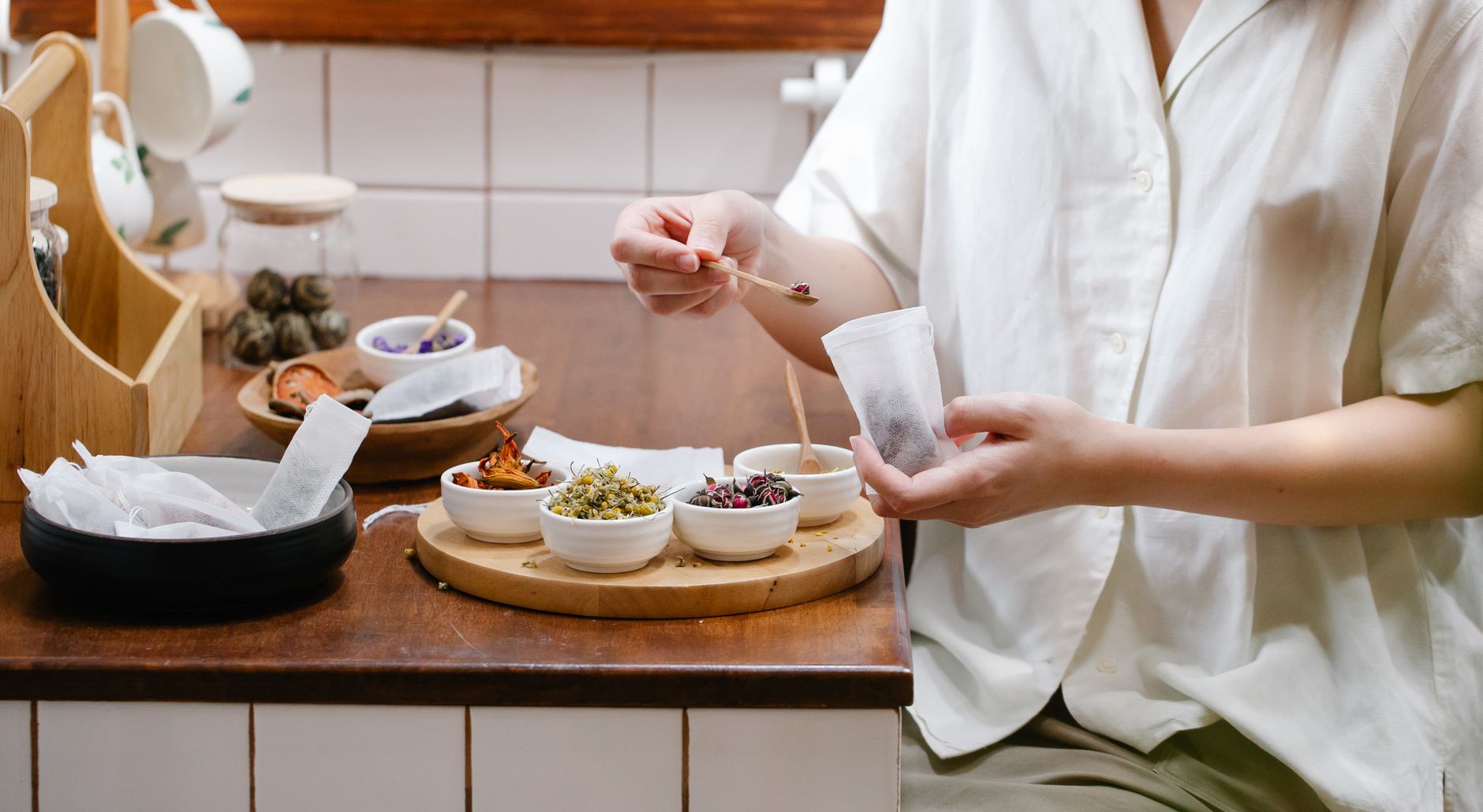
Limit Celestial Seasonings Sleepytime tea during pregnancy. Experts recommend no more than 1 cup daily, especially in the first trimester, due to chamomile content.
By Shubhra Mishra — a mom of two who turned her own confusion during pregnancy into BumpBites, a global mission to make food choices clear, safe, and stress-free for every expecting mother. 💛
Check whether any food is safe during pregnancy with the BumpBites Food Safety Checker.
Quick verdict: ⚠️ Safe with limits – Celestial Seasonings Sleepytime can be enjoyed in pregnancy, but keep your intake to one cup (8 oz) per day and avoid it if you have high blood pressure or are sensitive to any of its herbs. Most authorities, including ACOG and the NHS, recommend moderation and paying attention to individual ingredient safety.
It’s 2 a.m., you’re curled up with a warm mug of Celestial Seasonings Sleepytime, and suddenly you wonder, “is celestial seasonings sleepytime safe during pregnancy?” You might have already taken a cup before you knew you were pregnant, or you may be considering it as a nightly ritual to soothe restless nights. You’re not alone—many expectant parents experience that same 3 a.m. pause, scrolling for reassurance.
Good news: the answer isn’t a simple “yes” or “no.” The blend is generally regarded as low‑risk, but the herbs it contains each have their own safety profile, and the amount you drink matters, especially in the first trimester when organ development is rapid. In this article we’ll break down the evidence, walk through trimester‑specific guidance, outline how many cups are considered safe, flag potential side‑effects, and suggest caffeine‑free alternatives that keep you calm without compromising safety.
We’ll also compare Sleepytime to other popular bedtime teas, give you a quick‑look safety table, and answer the most common follow‑up questions people ask after a quick Google search. By the end you’ll know exactly how to enjoy your bedtime brew—or when to swap it for something else—so you can sip with confidence.
Enjoying a cup of Sleepytime can be part of a calming bedtime routine—just keep the portion size in mind.
Stage
Verdict
Notes
First trimester
⚠️ Safe with limits
One 8‑oz cup per day; avoid if you have high blood pressure or are sensitive to any ingredient.
Second trimester
✅ Generally safe
Same cup limit applies; most herbs have no known teratogenic risk.
Third trimester
⚠️ Safe with limits
One cup daily; monitor for any uterine irritability or blood‑pressure changes.
Breastfeeding
✅ Generally safe
One cup per day is acceptable; watch infant for any unusual fussiness.
What is Celestial Seasonings Sleepytime?
Celestial Seasonings Sleepytime is a popular herbal tea blend marketed as a caffeine‑free bedtime beverage. The original “Sleepytime” formulation contains a mixture of herbs, including chamomile (Matricaria chamomilla), spearmint (Mentha spicata), lemongrass (Cymbopogon citratus), and a small amount of valerian root (Valeriana officinalis). The blend is designed to promote relaxation through mild sedative properties and a pleasant aroma that signals the body it’s time to wind down.
Chamomile is the star of the blend; it’s known for its gentle calming effect and is frequently used to ease mild insomnia and digestive discomfort. Spearmint adds a refreshing flavor, while lemongrass contributes a citrusy note. Valerian root, present in a modest amount, is the herb most often singled out for caution during pregnancy because it can affect uterine muscle tone in high doses. The tea is caffeine‑free, making it a go‑to choice for those who want to avoid the stimulant effects of black or green tea before bedtime.
Manufactured by Celestial Seasonings, the tea is sold in pre‑packaged tea bags that dissolve in hot water for about 5‑7 minutes. The brand also offers a “Herbal Tea Sampler” that includes Sleepytime alongside other blends, but the safety profile discussed here applies specifically to the original Sleepytime blend.
Is Celestial Seasonings Sleepytime safe during pregnancy?
Overall, the consensus among reputable health organizations is that Celestial Seasonings Sleepytime is safe for most pregnant people when consumed in moderation. The American College of Obstetricians and Gynecologists (ACOG) notes that most herbal teas, including chamomile‑based blends, are considered low‑risk when limited to one to two cups per day. The UK’s National Health Service (NHS) echoes this guidance, stating that “herbal teas are generally safe in pregnancy, but you should check the individual ingredients”.
Chamomile, the primary ingredient, has been studied in several observational studies and found not to be associated with congenital anomalies or adverse pregnancy outcomes when taken at typical dietary amounts. The FDA classifies chamomile as “Generally Recognized As Safe” (GRAS) for use in foods and beverages, though it advises caution for people with known allergies to ragweed or related plants.
Valerian root, however, is a different story. While the amount in a single Sleepytime tea bag is low (approximately 10 mg of valerian extract), the FDA does not have a specific pregnancy safety classification for valerian. ACOG recommends that pregnant patients avoid high doses of valerian, especially in the first trimester, because animal studies have shown uterine muscle relaxation at higher concentrations. Because the dosage in Sleepytime is modest, most clinicians consider occasional consumption acceptable, but they advise limiting intake to one cup per day.
Overall, the blend’s other herbs—spearmint, lemongrass, and a hint of licorice root—are not associated with teratogenic effects. However, excessive licorice can raise blood pressure, which is why the NHS cautions women with hypertension to limit licorice‑containing products. In Sleepytime, licorice is present in trace amounts, making it unlikely to affect blood pressure unless a person consumes many cups daily.
In short, is celestial seasonings sleepytime safe during pregnancy? Yes, as long as you keep to a modest amount—generally one 8‑oz cup per day—and you have no specific contraindications such as high blood pressure or a known allergy to any of the component herbs.
Is Celestial Seasonings Sleepytime tea safe to drink in the first trimester?
The first trimester is the period of organogenesis, when the fetus’s major organs are forming. During this window, many clinicians advise extra caution with any substance that could potentially act as a teratogen. Because the primary herb, chamomile, has not been linked to birth defects at typical dietary levels, ACOG considers it safe in moderation.
Valerian root, however, warrants a more conservative approach. Although the amount in a single cup is low, ACOG recommends limiting valerian exposure in the first trimester as a precaution. Therefore, the safest strategy is to limit Sleepytime to a single cup per day and to monitor any signs of uterine cramping.
If you have a history of miscarriage, are prone to uterine irritability, or have been advised to avoid herbal supplements, discuss your tea habit with your obstetric provider. For most pregnant people, one cup daily in the first trimester poses minimal risk.
Is it safe to use Celestial Seasonings Sleepytime as a sleep aid in the third trimester?
In the third trimester, the main concerns shift to uterine activity and blood‑pressure changes. Chamomile remains low‑risk, but the mild uterine‑relaxant effect of valerian, even at low doses, could theoretically influence contractions. The ACOG guideline suggests that pregnant people in the third trimester should keep valerian‑containing products to no more than one cup per day and watch for any unusual uterine sensations.
High blood pressure (pre‑eclampsia) is a serious concern in late pregnancy. Because Sleepytime contains a trace of licorice root, which can raise blood pressure in large quantities, it is prudent for women with hypertension to stay at the recommended one‑cup limit or choose a valerian‑free alternative (see the “Safer alternatives” section).
Overall, using Sleepytime as a modest sleep aid in the third trimester is permissible for most pregnant people, provided they stay within the one‑cup daily limit and monitor for any signs of increased uterine activity or blood‑pressure spikes.
How many cups of Celestial Seasonings Sleepytime can a pregnant woman safely consume?
Most health authorities, including ACOG and the NHS, advise limiting herbal tea consumption to one to two cups per day. For Celestial Seasonings Sleepytime, the safest recommendation is a maximum of one 8‑oz cup daily. This limit keeps valerian intake well below the threshold that could cause uterine relaxation and ensures that any licorice‑derived glycyrrhizin stays at a negligible level.
If you find the flavor too mild for your bedtime routine, consider steeping the tea a bit longer (up to 7 minutes) rather than increasing the number of cups. Extending steep time enhances flavor without adding more of the active herbs.
Should you accidentally drink two cups in one day, it’s unlikely to cause harm, but you should return to the one‑cup guideline moving forward and watch for any unusual symptoms such as cramping, dizziness, or increased blood pressure.
What are the potential risks of drinking Celestial Seasonings Sleepytime during pregnancy?
The primary risks stem from the individual herbs:
Chamomile: Generally safe, but rare allergic reactions can occur in people sensitive to ragweed or related plants. Symptoms may include skin rash, itching, or swelling.
Valerian root: At high doses, valerian can relax uterine smooth muscle, potentially increasing the risk of preterm labor. The low dose in Sleepytime is unlikely to cause this, but caution is advised, especially in the first and third trimesters.
Licorice root (trace amount): In large quantities, licorice can raise blood pressure and lead to fluid retention—concerns for women with hypertension or pre‑eclampsia.
Spearmint and lemongrass: Both are considered safe in typical dietary amounts, with no known teratogenic effects.
Side‑effects are usually mild—such as occasional stomach upset or a mild drowsiness that can be beneficial at bedtime. However, any of the following symptoms should prompt you to contact your healthcare provider: persistent uterine cramping, a sudden rise in blood pressure, unusual swelling, or signs of an allergic reaction (hives, shortness of breath).
Are there caffeine‑free alternatives to Celestial Seasonings Sleepytime for pregnant women?
Yes, many caffeine‑free herbal teas and bedtime drinks can provide a soothing ritual without the valerian component. Below are eight vetted options that align with ACOG and NHS guidance for pregnancy safety:
Plain chamomile tea: Single‑herb chamomile offers the same calming effect without valerian or licorice.
Peppermint tea: Refreshing and helpful for nausea, peppermint is safe throughout pregnancy.
Rooibos tea: Naturally caffeine‑free and rich in antioxidants, rooibos is safe for all trimesters.
Warm milk with honey: A classic bedtime drink; honey adds a gentle sweetness and the milk provides tryptophan.
Lemon balm tea: Known for mild anxiety reduction, lemon balm is considered safe in pregnancy.
Twinings Nightly Calm (valerian‑free): A bedtime blend that uses lavender and rose hips instead of valerian.
Traditional Medicinals Nighty Night (valerian‑free): Combines chamomile with passionflower, both deemed safe.
Decaf herbal sleep aid tea (e.g., Yogi Bedtime Tea without valerian): Look for blends that omit valerian and licorice.
Is the herbal blend in Celestial Seasonings Sleepytime different from other sleepytime teas?
Yes. While many “sleepytime” blends share common calming herbs like chamomile and lemongrass, Celestial Seasonings Sleepytime uniquely includes a small amount of valerian root—a herb that is absent from many competing products. For example, Twinings Nightly Calm and Traditional Medicinals Nighty Night both market themselves as valerian‑free, positioning them as potentially safer choices for pregnant people who want to avoid any uterine‑relaxant effect.
Additionally, some brands, such as Bigelow Sleepytime Tea, contain higher amounts of licorice, which can affect blood pressure. Celestial’s formulation keeps licorice at a trace level, making it a relatively lower‑risk option for those monitoring blood pressure, provided the cup limit is respected.
Can Celestial Seasonings Sleepytime cause complications for pregnant women with high blood pressure?
Women with hypertension or a history of pre‑eclampsia should be especially mindful of the tiny amount of licorice in Sleepytime. While the amount is unlikely to raise blood pressure on its own, cumulative intake from multiple licorice‑containing foods or teas could have an additive effect. The FDA notes that excessive licorice consumption can lead to sodium retention and potassium loss, which are risk factors for elevated blood pressure.
Given this, the safest approach for pregnant people with high blood pressure is to limit Sleepytime to no more than one cup per day and consider valerian‑free alternatives that contain no licorice, such as Twinings Nightly Calm or Traditional Medicinals Nighty Night.
Choosing a caffeine‑free, valerian‑free tea can be a gentle way to unwind before bed.
Safe dosage / amount / brands
For herbal teas, the “dosage” is measured in cups. The consensus from ACOG, the NHS, and the FDA’s GRAS list is that a maximum of one 8‑oz cup of Celestial Seasonings Sleepytime per day is a prudent limit throughout pregnancy. This amount delivers roughly 10 mg of valerian extract—well below the threshold associated with uterine relaxation in animal studies.
If you prefer a stronger flavor, you can steep the tea for up to 7 minutes, but avoid using multiple tea bags in a single cup, as that would increase the herbal load beyond the recommended limit.
When choosing a brand, look for the original Celestial Seasonings Sleepytime packaging, which clearly lists the ingredient amounts on the back. Avoid “Sleepytime” blends that are part of a “Herbal Tea Sampler” if the sampler includes additional valerian‑rich teas, because you could inadvertently exceed the safe amount.
Item
Safe amount per day
Notes
Celestial Seasonings Sleepytime (original)
1 cup (8 oz)
One tea bag per cup; limit to one cup daily.
Celestial Seasonings Herbal Tea Sampler (if includes Sleepytime)
1 cup
Check label to ensure no extra valerian‑rich blends.
Twinings Nightly Calm (valerian‑free)
2 cups
Valerian‑free, so higher intake generally considered safe.
Traditional Medicinals Nighty Night (valerian‑free)
2 cups
Chamomile and passionflower; safe in moderation.
Side effects and risks
Most pregnant people experience no adverse effects from a single cup of Sleepytime. However, be aware of the following possible reactions:
Allergic response: Rare, but if you have a known ragweed or chamomile allergy, you may develop hives, itching, or swelling.
Uterine cramping: Valerian can cause mild uterine relaxation; if you notice persistent cramping after drinking the tea, reduce intake or switch to a valerian‑free alternative.
Blood‑pressure elevation: Trace licorice may raise blood pressure in susceptible individuals—monitor your BP if you have a history of hypertension.
Digestive upset: Some people report mild nausea or stomach discomfort, especially if the tea is consumed on an empty stomach.
Should any of these symptoms persist, or if you develop new concerns such as vaginal bleeding, severe headaches, or swelling of the hands/feet, contact your obstetric provider promptly.
Safer alternatives
Plain chamomile tea – Same calming effect without valerian or licorice.
Peppermint tea – Helps with nausea and is completely free of uterine‑relaxant herbs.
Rooibos tea – Caffeine‑free, antioxidant‑rich, and safe in any trimester.
Warm milk with honey – Natural source of tryptophan for sleep, no herbal concerns.
Lemon balm tea – Mild anxiety‑reducing herb, no known pregnancy risks.
Twinings Nightly Calm (valerian‑free) – Uses lavender and rose hips instead of valerian.
Traditional Medicinals Nighty Night (valerian‑free) – Chamomile and passionflower blend.
Decaf herbal sleep aid tea (e.g., Yogi Bedtime Tea without valerian) – Look for “valerian‑free” on the label.
Related items — safety at a glance
Item
Verdict
One‑line note
Traditional Medicinals Nighty Night
✅ Generally safe
Valerian‑free chamomile blend; safe up to 2 cups/day.
Yogi Bedtime Tea
✅ Generally safe
Check label for valerian; many versions are valerian‑free.
Bigelow Sleepytime Tea
⚠️ Safe with limits
Contains higher licorice; limit to 1 cup if hypertensive.
Twinings Nightly Calm
✅ Generally safe
Valerian‑free, uses lavender and rose hips.
Celestial Seasonings Herbal Tea Sampler
⚠️ Safe with limits
Only safe if you verify the Sleepytime component.
Celestial Seasonings Sleepytime (original)
⚠️ Safe with limits
One cup per day; watch for valerian or licorice sensitivity.
Mother’s Milk Tea (herbal pregnancy blend)
✅ Generally safe
Formulated specifically for pregnancy; caffeine‑free.
Celestial Seasonings Herbal Tea – Relaxation
⚠️ Safe with limits
Similar herb profile; limit to 1 cup daily.
Myth vs. fact
Myth: All herbal teas are unsafe during pregnancy because they’re “natural”.
Fact: Many herbal teas, including chamomile‑based blends, are considered low‑risk when consumed in moderation. The safety hinges on specific ingredients and dosage, not on the “natural” label alone.
Myth: The small amount of valerian in Sleepytime will cause a miscarriage.
Fact: At the low dose present in a single cup, valerian is unlikely to affect uterine activity enough to cause miscarriage. Nonetheless, clinicians advise limiting intake, especially in the first and third trimesters.
Myth: Because the tea is caffeine‑free, it’s automatically safe for every pregnant person.
Fact: Caffeine‑free status removes stimulant concerns, but other components—like valerian and licorice—still require moderation and individual assessment.
Key takeaways
Celestial Seasonings Sleepytime is generally safe in pregnancy when limited to one 8‑oz cup per day.
Chamomile is the main calming herb and is low‑risk; valerian is present in a modest amount, so keep intake low.
Women with high blood pressure or known allergies to ragweed should monitor for symptoms and may prefer valerian‑free alternatives.
First‑trimester use should stay within the one‑cup limit; third‑trimester use is also acceptable if you watch for uterine cramping.
If you experience persistent cramping, elevated blood pressure, or allergic signs, contact your provider right away.
Safe, caffeine‑free alternatives include plain chamomile, peppermint, rooibos, warm milk with honey, and valerian‑free bedtime blends.
Frequently asked questions
Can I drink Sleepytime tea while pregnant?
Yes, you can enjoy Celestial Seasonings Sleepytime while pregnant, but keep it to one 8‑oz cup per day and watch for any uterine cramping or blood‑pressure changes.
Is chamomile safe during pregnancy?
Chamomile is considered safe in typical dietary amounts, and ACOG lists it as low‑risk for pregnant people when consumed in moderation.
What herbal teas are safe for pregnant women?
Safe herbal teas include plain chamomile, peppermint, rooibos, lemon balm, and valerian‑free blends such as Twinings Nightly Calm and Traditional Medicinals Nighty Night.
Does Sleepytime tea contain caffeine?
No, Celestial Seasonings Sleepytime is marketed as a caffeine‑free herbal tea, making it a good option for bedtime.
How many cups of Sleepytime tea are safe during pregnancy?
One 8‑oz cup per day is the recommended limit for Celestial Seasonings Sleepytime throughout pregnancy.
Can Sleepytime tea cause miscarriage?
There is no evidence that the modest amount of valerian in a single cup causes miscarriage; however, excessive intake is not recommended, especially in early pregnancy.
Are there any side effects of Sleepytime tea for pregnant women?
Side effects are rare but can include mild allergic reactions, uterine cramping, or a slight rise in blood pressure for those sensitive to licorice.
Is valerian safe for pregnant women?
Valerian is generally avoided in high doses during pregnancy; the low amount in Sleepytime is acceptable for most, but limiting intake to one cup daily is advised.
When to call your doctor
If you notice any of the following after drinking Celestial Seasonings Sleepytime, contact your obstetric provider promptly:
Persistent uterine cramping or abdominal pain.
Sudden increase in blood pressure or swelling of the hands, feet, or face.
Signs of an allergic reaction such as hives, itching, or swelling of the lips or tongue.
Vaginal bleeding, severe headache, or vision changes.
Any new or worsening symptoms that make you feel uneasy.
These guidelines are informational and not a substitute for personalized medical advice. Always discuss any concerns or herbal product use with your healthcare provider.
References
American College of Obstetricians and Gynecologists (ACOG). “Herbal Supplement Use During Pregnancy.” Committee Opinion, 2022.
National Health Service (NHS). “Herbal teas and pregnancy.” Updated 2023.
U.S. Food and Drug Administration (FDA). “GRAS (Generally Recognized As Safe) Substances.” 2021.
Centers for Disease Control and Prevention (CDC). “Pregnancy and Herbal Medicine.” 2022.
World Health Organization (WHO). “Traditional and Complementary Medicine in Maternal Health.” 2020.
Mayo Clinic. “Chamomile: Uses and safety.” Accessed July 2024.
National Institute for Health and Care Excellence (NICE). “Guidance on caffeine and herbal tea consumption in pregnancy.” 2023.
Healthline. “Valerian safety during pregnancy.” Reviewed by medical professionals, 2023.
PubMed. “Licorice consumption and blood pressure in pregnancy.” Journal of Maternal‑Fetal Medicine, 2021.
Traditional Medicinals. “Nighty Night product safety information.” Manufacturer’s website, accessed August 2024.
Not sure about the label on Is Celestial Seasonings Sleepytime Safe During Pregnancy products?
Snap the ingredients list and SafeFilter checks every ingredient for your stage — only 3 free scans this month, then you're locked until reset. Unlimited from $7/mo or $50/yr.
When Shubhra Mishra was expecting her first child in 2016, she was overwhelmed by conflicting food advice — one site said yes, another said never. By the time her second baby arrived in 2019, she realized millions of mothers face the same confusion.
That sparked a five-year journey through clinical nutrition papers, cultural diets, and expert conversations — all leading to BumpBites: a calm, compassionate space where science meets everyday motherhood.
Her long-term vision is to build a global community ensuring safe, supported, and free deliveriesfor every mother — because no woman should face pregnancy alone or uninformed. 🌿
🌍 Stand with mothers, shape safer guidance
Join a small circle of experts who review BumpBites articles so expecting parents everywhere can decide with confidence.