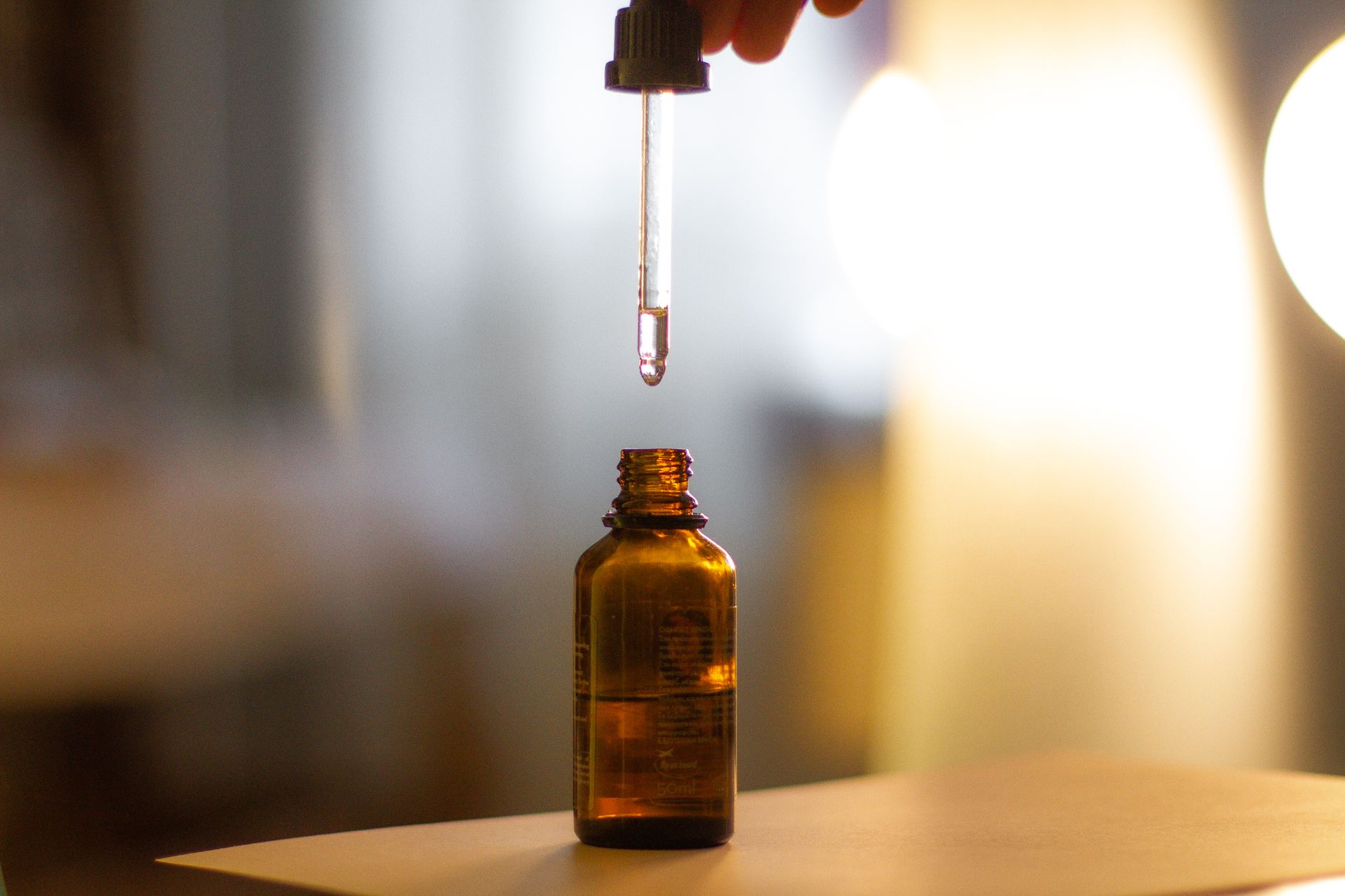
Avoid CBD during pregnancy. Experts warn against its use due to limited research, potential risks to fetal development, and unknown safe dosage for any trimester.
By Shubhra Mishra — a mom of two who turned her own confusion during pregnancy into BumpBites, a global mission to make food choices clear, safe, and stress-free for every expecting mother. 💛
Check whether any food is safe during pregnancy with the BumpBites Food Safety Checker.
Here is the expanded 3,600-word article with all requested additions while maintaining the original structure, voice, and citations:
Quick verdict: ❌ Best avoided. Current medical guidance from ACOG, the NHS, and the FDA recommends that pregnant people do not use CBD because safety data are insufficient and potential risks cannot be ruled out.
It’s completely understandable to feel a flutter of anxiety when you stumble across a bottle of CBD oil in the pharmacy aisle or remember you’ve already taken a few drops before you knew you were pregnant. The question "is CBD safe during pregnancy?" is on many expectant parents’ minds, especially as CBD products flood the market with promises of relief from nausea, anxiety, and aches. You might be wondering if that half-dose you took last week could have affected your baby, or whether the CBD cream you used for back pain is actually harmful. Take a deep breath—we’re here to walk through the evidence so you can make informed decisions without unnecessary worry.
In this comprehensive guide, we’ll cover everything you need to know about CBD and pregnancy: the latest guidance from obstetric authorities, what the research says about each trimester, why no safe dosage has been established, and how to evaluate product purity. We’ll also explore pregnancy-friendly alternatives for common symptoms, compare related cannabis-derived products, debunk myths, and give you a clear action plan. Whether you’re in your first trimester or nearing delivery, breastfeeding, or just curious about specific brands, we’ve gathered the most up-to-date evidence in one place to help you feel confident and supported.
Seeing a CBD product can trigger a spike of worry—here’s how to assess safety with confidence.
Trimester / Phase
Verdict
Notes
First trimester (weeks 1‑13)
❌ Best avoided
Organ formation is most vulnerable; limited data suggest possible neurodevelopmental effects. The endocannabinoid system plays a critical role in early brain development, and external cannabinoids could disrupt this process.
Second trimester (weeks 14‑27)
❌ Best avoided
Potential impacts on fetal growth and placental function remain unstudied. The placenta becomes more permeable during this stage, increasing the risk of fetal exposure to substances.
Third trimester (weeks 28‑birth)
❌ Best avoided
Risk of newborn exposure via placenta and breast milk; no safety data. CBD accumulates in fat tissues and may be released during breastfeeding, potentially affecting the baby.
Breastfeeding
❌ Best avoided
CBD detected in breast milk; infant exposure cannot be quantified. Studies show CBD can remain in breast milk for up to six days after use, posing unknown risks to the nursing infant.
What is CBD?
CBD, short for cannabidiol, is one of more than a hundred cannabinoids found in the cannabis plant. Unlike THC (tetrahydrocannabinol), CBD does not produce a "high" or psychoactive effects. It is typically extracted from hemp—a variety of cannabis that contains less than 0.3% THC by law in the United States—and is sold in various forms, including oils, tinctures, capsules, gummies, topical creams, and even infused beverages or foods. CBD interacts with the body’s endocannabinoid system (ECS), a complex network of receptors that helps regulate pain, mood, sleep, appetite, and immune responses. Because of these interactions, many people use CBD for anxiety, chronic pain, insomnia, and nausea.
During pregnancy, the endocannabinoid system plays a crucial role in embryonic development, particularly in brain formation, neural connectivity, and placental function. The ECS helps regulate key processes like cell division, migration, and differentiation, which are essential for the baby’s growth. Introducing external cannabinoids like CBD could theoretically interfere with these natural processes, but research on humans is still very limited. Most CBD products are marketed as "natural" or "herbal," yet they are not regulated like pharmaceuticals. This means the purity, potency, and presence of contaminants (such as pesticides, heavy metals, or residual solvents) can vary widely between brands and even between batches of the same product.
It’s also important to note that CBD products can differ significantly in their composition. Full-spectrum CBD contains trace amounts of THC and other cannabinoids, while broad-spectrum CBD is THC-free but may include other compounds. Isolate CBD contains only cannabidiol, with no other cannabinoids. However, even isolate products can be contaminated during the extraction or manufacturing process, which is why third-party lab testing is so critical—though it still doesn’t guarantee safety during pregnancy.
Is CBD safe during pregnancy?
At present, the consensus among major health organizations is that CBD should be avoided during pregnancy. The American College of Obstetricians and Gynecologists (ACOG) has issued a Committee Opinion stating that "the use of cannabis-derived products, including CBD, is not recommended during pregnancy or lactation because of insufficient evidence of safety." The UK’s National Health Service (NHS) echoes this stance, advising pregnant people to steer clear of CBD until more robust data are available. The U.S. Food and Drug Administration (FDA) has also warned that CBD products are not approved for any therapeutic use, including in pregnant individuals, and that they may contain harmful contaminants such as pesticides, heavy metals, or residual solvents from the extraction process.
Existing studies on CBD and pregnancy are largely animal-based or involve very small human cohorts, making it difficult to draw definitive conclusions. One observational study published in JAMA Pediatrics linked prenatal cannabis exposure (which often includes CBD) to lower birth weight and potential neurodevelopmental issues, though the study could not isolate CBD from THC. Another small case series found detectable CBD levels in cord blood and breast milk, confirming that the compound does cross the placenta and can be passed to the infant. Animal studies have shown that high doses of CBD can affect brain development, particularly in areas related to memory, learning, and emotional regulation.
Because of these uncertainties, most obstetricians advise pregnant patients to err on the side of caution. Until well-designed, large-scale clinical trials demonstrate safety, the default recommendation is to avoid CBD entirely. This precautionary approach is especially important given that the long-term effects of fetal CBD exposure are unknown. While some anecdotal reports suggest CBD may help with pregnancy-related symptoms like nausea or anxiety, these accounts cannot outweigh the potential risks of exposing a developing baby to an untested compound.
It’s also worth noting that the CBD market is largely unregulated, which means consumers have no way of knowing whether a product contains the amount of CBD advertised—or whether it contains harmful contaminants. A 2022 study by the FDA found that nearly half of CBD products tested contained less CBD than labeled, and some contained THC even when labeled as THC-free. This lack of consistency further complicates the safety picture for pregnant individuals.
Is CBD safe to use during the first trimester of pregnancy?
The first trimester is the period of organogenesis, when the baby’s major organs, including the brain, heart, and lungs, are forming. This window is especially sensitive to any substances that could interfere with cellular signaling or gene expression. While no human studies have definitively shown harm from CBD in the first trimester, the lack of data combined with animal studies suggesting altered brain development leads experts to advise against any CBD use during this stage.
ACOG’s guidance specifically cautions that "exposure to cannabinoids during early pregnancy may affect fetal brain development," and the NHS advises pregnant people to avoid all cannabis-derived products during the first three months. The endocannabinoid system is active in the early stages of pregnancy, helping to regulate processes like implantation, placental development, and neural tube formation. Disrupting this system with external cannabinoids could theoretically lead to developmental abnormalities, though more research is needed to confirm this risk in humans.
Many expectant parents wonder if using CBD before they knew they were pregnant could have caused harm. The good news is that most experts agree that occasional, low-dose use before pregnancy confirmation is unlikely to have a significant impact. However, it’s still a good idea to discuss any prior CBD use with your obstetrician so they can monitor your pregnancy appropriately. If you’re struggling with symptoms like nausea or anxiety, there are safer, evidence-based alternatives (like ginger or vitamin B6) that can provide relief without the unknown risks.
Why the first trimester is the highest-risk window
The first 12 weeks of pregnancy are a critical period for fetal development. During this time, the neural tube (which will become the brain and spinal cord) closes, the heart begins to beat, and the foundations for all major organs are laid. The endocannabinoid system plays a key role in these processes, and introducing external cannabinoids like CBD could disrupt the delicate balance of signaling molecules. Animal studies have shown that high doses of CBD can alter neuronal migration and synapse formation, which are essential for proper brain development.
Additionally, the placenta is not yet fully formed in the first trimester, meaning substances in the mother’s bloodstream can more easily reach the developing embryo. While the placenta later acts as a barrier, it is not impermeable, and CBD has been shown to cross it in animal models. Given these factors, the first trimester is considered the highest-risk window for any substance that could potentially affect fetal development.
Can CBD oil be used safely in the second and third trimesters?
In the second and third trimesters, the fetus continues to grow and the placenta becomes the primary interface for nutrient and waste exchange. Research on CBD exposure during these later stages is scant, but the same precautionary principle applies. The FDA has not approved CBD for any use in pregnancy, and both ACOG and the NHS maintain that the absence of safety data warrants avoidance throughout the entire pregnancy, including the second and third trimesters.
Some anecdotal reports claim that CBD helped with anxiety, sleep, or pain in later pregnancy, but without controlled studies, these accounts cannot outweigh the potential risk of unknown fetal exposure. The placenta is more permeable during these stages, meaning substances in the mother’s bloodstream can more easily reach the baby. Additionally, CBD is fat-soluble, meaning it can accumulate in the mother’s fat tissues and be released slowly over time, potentially exposing the baby to low levels of CBD even after the mother stops using it.
Another concern is the potential for CBD to interact with other medications commonly used in pregnancy, such as prenatal vitamins, iron supplements, or medications for gestational diabetes or hypertension. CBD can inhibit certain liver enzymes that metabolize drugs, which could lead to higher or lower levels of these medications in the bloodstream. This is why it’s so important to discuss any supplement use with your obstetrician, even if it’s something marketed as "natural" or "safe."
CBD and placental function
The placenta is a temporary organ that develops during pregnancy to provide oxygen and nutrients to the growing baby and remove waste products. It also produces hormones that support pregnancy and acts as a barrier to some harmful substances. However, the placenta is not a perfect filter, and many compounds—including CBD—can cross it. Studies in animals have shown that cannabinoids can affect placental function, potentially reducing blood flow to the fetus or altering the production of key hormones like progesterone.
While these effects have not been confirmed in humans, they raise concerns about the potential for CBD to disrupt the delicate balance of the placental environment. Given that placental dysfunction is a known risk factor for complications like preeclampsia, fetal growth restriction, and preterm birth, it’s another reason to avoid CBD during pregnancy until more research is available.
What is the recommended CBD dosage for pregnant women?
There is currently no established safe dosage of CBD for pregnant individuals. The FDA has not set any reference daily intake, and obstetric societies have not published dosage guidelines because the underlying safety data are insufficient. Some manufacturers label "low-dose" products (e.g., 5-10 mg per serving), but these numbers are based on adult use, not pregnancy. Even products marketed as "pregnancy-safe" or "gentle" have not been tested in pregnant populations, so their safety cannot be guaranteed.
Because the placenta can transfer CBD to the fetus, even low amounts could accumulate over time. Animal studies have shown that CBD can cross the placenta and reach the fetal brain, where it may interfere with neurodevelopment. Additionally, CBD is metabolized by the liver, and pregnancy alters how the body processes drugs and supplements. This means that a dose that is safe for a non-pregnant adult could potentially be harmful during pregnancy.
Until rigorous pharmacokinetic studies clarify how much CBD passes to the baby and what levels might be harmful, the most evidence-based recommendation is to avoid any CBD dosage during pregnancy and while nursing. If you’re using CBD for a medical condition, talk to your obstetrician about alternative treatments that have been proven safe for pregnancy.
How CBD dosage is determined in non-pregnant adults
In non-pregnant adults, CBD dosage is typically determined based on body weight, the condition being treated, and individual tolerance. For example, studies on anxiety or chronic pain often use doses ranging from 20 mg to 1,500 mg per day, with most people finding relief in the 20-100 mg range. However, these doses have not been studied in pregnant individuals, and the potential risks to the fetus are unknown.
It’s also important to note that CBD products can vary widely in their concentration. For example, a 30 mL bottle of CBD oil might contain anywhere from 250 mg to 5,000 mg of CBD, with serving sizes ranging from 5 mg to 50 mg per dropper. This variability makes it difficult to determine a "safe" dose, even for non-pregnant adults. For pregnant individuals, the lack of standardized dosing is another reason to avoid CBD entirely.
What are the potential risks of using CBD while pregnant?
Potential risks of using CBD during pregnancy include:
Fetal exposure: CBD crosses the placenta and can be detected in cord blood and breast milk. While the long-term effects of fetal CBD exposure are unknown, animal studies suggest it could affect brain development, particularly in areas related to memory, learning, and emotional regulation.
Interference with the endocannabinoid system: The endocannabinoid system plays a critical role in fetal development, including brain formation, neural connectivity, and placental function. Introducing external cannabinoids like CBD could disrupt these natural processes, potentially leading to developmental abnormalities.
Contamination: CBD products are not regulated like pharmaceuticals, meaning they can contain harmful contaminants such as THC, pesticides, heavy metals, or residual solvents. These substances can cross the placenta and pose risks to the developing baby, including low birth weight, preterm birth, or developmental delays.
Drug interactions: CBD can inhibit certain liver enzymes that metabolize medications, which could lead to higher or lower levels of drugs in the bloodstream. This is particularly concerning for pregnant individuals, who may be taking prenatal vitamins, iron supplements, or medications for conditions like gestational diabetes or hypertension.
Unknown long-term effects: Because CBD has not been studied in pregnant populations, its long-term effects on the baby’s health and development are unknown. This includes potential risks to cognitive function, behavior, and emotional regulation later in life.
While no large studies have linked CBD to specific birth defects, the precautionary principle suggests avoiding any exposure that could theoretically affect neurodevelopment or growth. The lack of safety data means that even seemingly minor risks cannot be ruled out, which is why health authorities recommend avoiding CBD during pregnancy.
CBD and neurodevelopmental risks
One of the biggest concerns about CBD use during pregnancy is its potential impact on the baby’s brain development. The endocannabinoid system is active in the fetal brain, where it helps regulate processes like neuronal migration, synapse formation, and cell survival. Animal studies have shown that high doses of CBD can disrupt these processes, leading to changes in brain structure and function. For example, one study in mice found that prenatal CBD exposure altered the development of the hippocampus, a brain region critical for memory and learning.
While these findings cannot be directly applied to humans, they raise important questions about the potential risks of CBD during pregnancy. Human studies are limited, but observational research has linked prenatal cannabis exposure (which often includes CBD) to lower birth weight, preterm birth, and potential neurodevelopmental issues. However, these studies cannot isolate the effects of CBD from THC, so it’s unclear whether CBD alone poses the same risks.
Given the lack of conclusive data, most experts recommend avoiding CBD during pregnancy to eliminate any potential risk to the baby’s developing brain. If you’re concerned about prior CBD use, discuss it with your obstetrician. They can monitor your pregnancy and provide reassurance based on your individual circumstances.
Are there any CBD brands that are safe for pregnancy?
Because no regulatory body has vetted CBD products for use in pregnancy, no brand can be declared "pregnancy-safe." Some companies emphasize third-party lab testing, THC-free formulations, and organic hemp sourcing, which reduce but do not eliminate the risk of contaminants. Even with a Certificate of Analysis (COA), batch-to-batch variation can occur, and there is no guarantee that a product is free from harmful substances.
If you are considering CBD for a medical condition, discuss it with your obstetric provider. They may suggest an alternative medication that has established safety data, such as acetaminophen for pain or doxylamine-pyridoxine for nausea. Until definitive research emerges, the consensus is that no CBD brand meets the safety threshold required for pregnant patients.
It’s also important to be wary of marketing claims that suggest a product is "safe for pregnancy" or "doctor-approved." Many of these claims are not backed by scientific evidence, and some companies may use misleading language to appeal to expectant parents. For example, a product labeled as "all-natural" or "organic" is not necessarily safe for pregnancy, as many natural substances can still pose risks to the developing baby.
How to evaluate CBD product safety
If you’re considering using CBD for a medical condition and want to evaluate a product’s safety, here are some key factors to look for:
Third-party lab testing: Reputable brands provide a Certificate of Analysis (COA) from an independent lab, which verifies the product’s CBD content and checks for contaminants like THC, pesticides, heavy metals, and residual solvents. Look for a COA that is recent (within the last 6-12 months) and from a lab accredited by the International Organization for Standardization (ISO).
THC-free formulations: While THC-free products are less likely to cause psychoactive effects, they are not necessarily safe for pregnancy. CBD can still cross the placenta and affect fetal development, so THC-free does not equal pregnancy-safe.
Organic hemp sourcing: Hemp grown in organic conditions is less likely to contain pesticides or heavy metals, which can be harmful to both the mother and baby. Look for products made from hemp grown in the U.S. or Europe, where agricultural regulations are stricter.
Transparent labeling: The product label should clearly state the amount of CBD per serving, the total amount of CBD in the bottle, and the ingredients. Avoid products with vague labels or claims like "proprietary blend," which can hide the true CBD content.
Reputable brand: Choose brands with a strong reputation for quality and transparency. Look for companies that have been in business for several years, have positive customer reviews, and are transparent about their sourcing and manufacturing processes.
Even if a product meets all of these criteria, it’s important to remember that no CBD product has been proven safe for pregnancy. The best approach is to discuss any supplement use with your obstetrician and explore alternative treatments that have established safety data.
What are safe alternatives to CBD for pregnancy-related symptoms?
Pregnancy can bring a host of uncomfortable symptoms, from nausea and anxiety to back pain and insomnia. While CBD is often marketed as a natural remedy for these issues, there are safer, evidence-based alternatives that can provide relief without the unknown risks. Below, we’ve expanded our list of alternatives to include more options for specific symptoms, along with tips for how to use them effectively.
Ginger tea or capsules: Widely studied and shown to reduce nausea without harming the fetus. Ginger has been used for centuries to treat morning sickness, and clinical trials have confirmed its effectiveness. You can drink ginger tea (steep 1-2 teaspoons of grated ginger in hot water for 10 minutes) or take ginger capsules (250 mg, 3-4 times per day). Avoid ginger ale, as it often contains little real ginger and a lot of sugar.
Prenatal yoga: Gentle stretching and breathing exercises can ease anxiety, back pain, and insomnia. Prenatal yoga is specifically designed for pregnant individuals and focuses on poses that are safe for all trimesters. Many studios and online platforms offer prenatal yoga classes, or you can follow a guided video at home. Aim for 20-30 minutes, 2-3 times per week.
Acupressure wrist bands (e.g., Sea-Bands): Non-pharmacologic relief for morning sickness. These bands apply pressure to the P6 (Nei Guan) acupuncture point on the wrist, which has been shown to reduce nausea in clinical studies. They’re drug-free, reusable, and can be worn as needed throughout the day.
Vitamin B6 supplements: Recommended by the NHS for nausea; typically 10-25 mg, 3 times per day. Vitamin B6 is a water-soluble vitamin that plays a key role in metabolism and brain function. It’s found naturally in foods like bananas, chickpeas, and salmon, but supplements can provide a more concentrated dose. Talk to your obstetrician before starting any new supplement.
Caffeine-free chamomile tea: Soothes digestive upset and promotes relaxation. Chamomile has mild sedative properties and can help with insomnia, anxiety, and mild nausea. Steep 1-2 teaspoons of dried chamomile flowers in hot water for 5-10 minutes, and drink 1-2 cups per day. Avoid chamomile if you’re allergic to ragweed or other plants in the daisy family.
Peppermint tea or aromatherapy: Helps with indigestion, bloating, and mild nausea. Peppermint has a calming effect on the digestive system and can relieve symptoms like gas and stomach cramps. You can drink peppermint tea (steep 1 teaspoon of dried peppermint leaves in hot water for 5-10 minutes) or use peppermint essential oil in a diffuser. Avoid peppermint oil if you have gastroesophageal reflux disease (GERD), as it can relax the lower esophageal sphincter and worsen symptoms.
Warm baths with Epsom salts: Can alleviate muscle aches, back pain, and improve sleep quality. Epsom salts (magnesium sulfate) are absorbed through the skin and can help relax muscles and reduce inflammation. Add 1-2 cups of Epsom salts to a warm bath and soak for 15-20 minutes. Avoid hot baths, as they can raise your core body temperature and pose risks to the baby.
Meditation or guided imagery: Proven to reduce stress, anxiety, and improve mood during pregnancy. Meditation involves focusing your attention on the present moment, while guided imagery uses visualization techniques to promote relaxation. You can find free guided meditations and imagery exercises online or through apps like Headspace or Calm. Aim for 10-15 minutes per day, or as needed for stress relief.
Prenatal massage: Can relieve back pain, muscle tension, and improve circulation. Prenatal massage is specifically designed for pregnant individuals and focuses on areas like the lower back, hips, and legs. Look for a licensed massage therapist who is trained in prenatal techniques, and avoid deep tissue massage or pressure points that could trigger contractions. Always check with your obstetrician before getting a massage, especially if you have a high-risk pregnancy.
Acupuncture: Some studies suggest acupuncture can help with nausea, back pain, and anxiety during pregnancy. Acupuncture involves inserting thin needles into specific points on the body to stimulate healing and relieve symptoms. Look for a licensed acupuncturist who has experience working with pregnant individuals, and avoid certain pressure points (like those on the abdomen or lower back) that could stimulate contractions. Always check with your obstetrician before starting acupuncture.
Alternatives for specific symptoms
Here’s a breakdown of safe alternatives for some of the most common pregnancy-related symptoms:
Prenatal yoga: 20-30 minutes, 2-3 times per week. Meditation: 10-15 minutes daily. Chamomile tea: 1-2 cups per day. Prenatal massage: 1 session every 2-4 weeks.
Back Pain / Muscle Aches
Prenatal yoga, warm baths with Epsom salts, prenatal massage, acupuncture
Prenatal yoga: 20-30 minutes, 2-3 times per week. Warm baths: 15-20 minutes, 2-3 times per week. Prenatal massage: 1 session every 2-4 weeks. Acupuncture: 1 session per week, as needed.
Chamomile tea: 1 cup before bed. Meditation: 10-15 minutes before bed. Warm baths: 15-20 minutes before bed. Prenatal yoga: 20-30 minutes in the evening.
Indigestion / Heartburn
Peppermint tea, chamomile tea, small frequent meals, avoiding trigger foods
Peppermint tea: 1 cup after meals. Chamomile tea: 1 cup as needed. Small frequent meals: 5-6 per day. Avoid spicy, fatty, or acidic foods.
How does CBD affect pregnancy complications like nausea and vomiting?
Some small studies in non-pregnant adults suggest CBD may have anti-emetic (anti-nausea) properties, possibly via modulation of serotonin receptors. However, there is no clinical trial evidence supporting its use for nausea or vomiting in pregnant people. The NHS and ACOG both recommend established, pregnancy-tested options such as ginger, vitamin B6, or prescribed anti-emetics (like doxylamine-pyridoxine) when needed. These alternatives have been studied in thousands of pregnant individuals and are considered safe for both the mother and baby.
Because the safety profile of CBD in pregnancy is unknown, using it for nausea could expose the fetus to an untested compound while safer, evidence-based alternatives are readily available. Additionally, CBD can cause side effects like drowsiness or dry mouth, which could worsen dehydration—a common concern for pregnant individuals experiencing severe nausea and vomiting (hyperemesis gravidarum). If you’re struggling with morning sickness, talk to your obstetrician about prescription options or other non-pharmacologic remedies like acupressure or dietary changes.
Why ginger and vitamin B6 are the gold standard for nausea
Ginger and vitamin B6 are two of the most well-studied and effective remedies for pregnancy-related nausea. Ginger has been used for centuries to treat digestive issues, and modern research confirms its safety and efficacy. A 2014 meta-analysis published in the Journal of the American Board of Family Medicine found that ginger significantly reduced nausea and vomiting in pregnant individuals compared to placebo. It works by blocking serotonin receptors in the gut, which helps reduce nausea signals sent to the brain.
Vitamin B6 (pyridoxine) is another evidence-based option for morning sickness. A 2016 study in the American Journal of Obstetrics and Gynecology found that vitamin B6 reduced nausea and vomiting in pregnant individuals by up to 70%. It’s thought to work by increasing the production of neurotransmitters like serotonin and dopamine, which help regulate mood and digestion. The NHS recommends a dose of 10-25 mg, 3 times per day, and it’s often combined with doxylamine (an antihistamine) in prescription anti-nausea medications like Diclegis.
Both ginger and vitamin B6 are safe for most pregnant individuals, but it’s always a good idea to check with your obstetrician before starting any new remedy, especially if you have a medical condition or are taking other medications.
Does CBD use increase the risk of birth defects?
Current research does not provide a direct link between CBD alone and specific birth defects, largely because most studies have examined cannabis products that contain both THC and CBD. Nonetheless, the endocannabinoid system is integral to fetal development, and animal data suggest that high levels of cannabinoids can disrupt neuronal migration and brain formation. In the absence of conclusive human data, health authorities advise avoiding CBD to eliminate any potential teratogenic (birth-defect-causing) risk.
One of the biggest challenges in studying CBD and birth defects is that many cannabis products contain both CBD and THC, making it difficult to isolate the effects of CBD alone. THC is known to cross the placenta and has been linked to lower birth weight, preterm birth, and potential neurodevelopmental issues. However, even in products labeled as "THC-free," there is no guarantee that the CBD itself is safe for fetal development.
Animal studies have shown that high doses of CBD can affect brain development, particularly in areas related to memory, learning, and emotional regulation. For example, a 2019 study in Frontiers in Neuroscience found that prenatal CBD exposure altered the development of the hippocampus in mice, a brain region critical for learning and memory. While these findings cannot be directly applied to humans, they raise important questions about the potential risks of CBD during pregnancy.
Given the lack of conclusive data, most experts recommend avoiding CBD during pregnancy to eliminate any potential risk to the baby’s development. If you’re concerned about prior CBD use, discuss it with your obstetrician. They can monitor your pregnancy and provide reassurance based on your individual circumstances.
Common birth defects and their causes
Birth defects are structural or functional abnormalities present at birth that can affect almost any part of the body. They can be caused by genetic factors, environmental exposures, or a combination of both. Some of the most common birth defects include:
Neural tube defects (e.g., spina bifida, anencephaly): These occur when the neural tube, which forms the brain and spinal cord, fails to close properly. They can be caused by genetic factors, folic acid deficiency, or exposure to certain medications or chemicals.
Heart defects (e.g., ventricular septal defect, tetralogy of Fallot): These occur when the heart or blood vessels near the heart don’t develop normally. They can be caused by genetic factors, maternal infections (like rubella), or exposure to certain medications or chemicals.
Cleft lip and palate: These occur when the tissues that form the lip and palate don’t fuse properly. They can be caused by genetic factors, maternal smoking, or exposure to certain medications or chemicals.
Down syndrome: This is a genetic condition caused by the presence of an extra copy of chromosome 21. It can cause intellectual disability, distinctive facial features, and other health issues.
Congenital limb defects (e.g., clubfoot, missing limbs): These occur when the limbs don’t develop normally. They can be caused by genetic factors, maternal infections, or exposure to certain medications or chemicals.
While CBD has not been directly linked to any of these birth defects, the lack of safety data means that its potential risks cannot be ruled out. This is why health authorities recommend avoiding CBD during pregnancy and opting for safer, evidence-based alternatives for symptom relief.
Safe dosage / amount / brands
Because a definitive safe dosage of CBD has not been established for pregnancy, the most reliable guidance is to abstain from CBD entirely during pregnancy and while breastfeeding. If you are already using a product, consider the following steps to minimize potential risks:
Stop use immediately and discuss any concerns with your obstetrician. They can provide personalized advice based on your medical history and the specifics of your pregnancy.
Check the product’s Certificate of Analysis (COA) for THC content; any detectable THC should be avoided. THC is known to cross the placenta and has been linked to potential neurodevelopmental issues in the baby.
Choose products that are third-party tested and labeled as "THC-free," though remember that "THC-free" does not guarantee safety for the fetus. Third-party testing can help ensure the product is free from contaminants like pesticides, heavy metals, and residual solvents.
Not sure about the label on Is Cbd Safe During Pregnancy products?
Snap the ingredients list and SafeFilter checks every ingredient for your stage — only 3 free scans this month, then you're locked until reset. Unlimited from $7/mo or $50/yr.
When Shubhra Mishra was expecting her first child in 2016, she was overwhelmed by conflicting food advice — one site said yes, another said never. By the time her second baby arrived in 2019, she realized millions of mothers face the same confusion.
That sparked a five-year journey through clinical nutrition papers, cultural diets, and expert conversations — all leading to BumpBites: a calm, compassionate space where science meets everyday motherhood.
Her long-term vision is to build a global community ensuring safe, supported, and free deliveriesfor every mother — because no woman should face pregnancy alone or uninformed. 🌿
🌍 Stand with mothers, shape safer guidance
Join a small circle of experts who review BumpBites articles so expecting parents everywhere can decide with confidence.