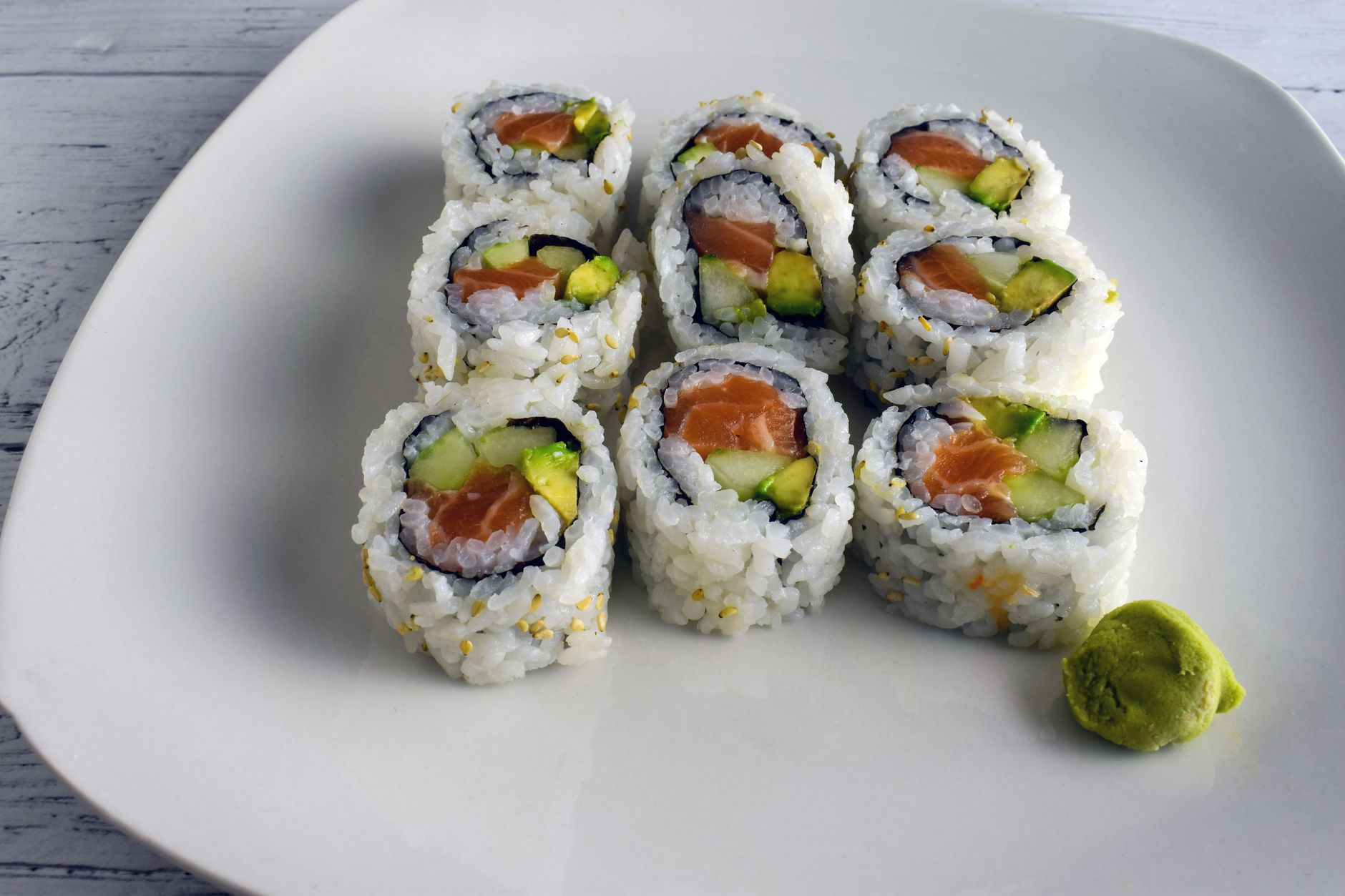
Safe in moderation. California rolls are generally safe during pregnancy if fully cooked, but limit to 2-3 servings weekly to avoid mercury or bacteria risks in raw fish.
By Shubhra Mishra — a mom of two who turned her own confusion during pregnancy into BumpBites, a global mission to make food choices clear, safe, and stress-free for every expecting mother. 💛
Check whether any food is safe during pregnancy with the BumpBites Food Safety Checker.
Quick verdict: ⚠️ Safe with limits. A California roll can be enjoyed in pregnancy if you choose cooked ingredients, limit portion size, and buy from reputable sources, but raw fish and certain toppings carry enough risk that many obstetric guidelines advise caution.
Stick to 1–2 rolls per week, avoid raw salmon, and watch for any signs of foodborne illness.
It’s 2 a.m., you’re scrolling through sushi menus, and the question pops up: is california roll safe during pregnancy? You might have already ordered one for a late‑night snack or be wondering whether to include it in your weekly meal plan. First, take a breath—you’re not alone, and the answer isn’t a simple yes or no. Below we break down the evidence, trimester‑specific guidance, safe serving sizes, brand considerations, and lower‑risk alternatives so you can enjoy sushi without unnecessary worry.
In this article we’ll answer the most common queries—like whether raw salmon is okay, how many rolls you can safely eat, and what to do if you have gestational diabetes. We’ll also compare the California roll to other popular sushi items, list safer alternatives, and give you clear red‑flag signs that warrant a call to your provider. By the end you’ll have a balanced, evidence‑based view of enjoying sushi safely while pregnant.
Trimester / Breastfeeding
Verdict
Notes
First trimester
⚠️ Caution
Raw fish (especially salmon) carries higher risk of listeria and parasites during organogenesis.
Second trimester
⚠️ Caution
Cooked ingredients are fine; raw fish still discouraged by most guidelines.
Third trimester
⚠️ Caution
Same as second trimester; ensure refrigeration and freshness.
Breastfeeding
✅ Generally safe
Cooked sushi is safe; raw fish still poses a small infection risk.
What is a California roll?
A California roll is a type of inside‑out maki sushi that typically includes imitation crab (or real crab meat), avocado, cucumber, and a sheet of nori wrapped around sushi‑rice. The roll is often seasoned with a dash of sesame oil or soy sauce and may be topped with toasted sesame seeds or tobiko (fish roe). It was invented in the United States in the 1960s to introduce sushi to Western palates, offering a milder flavor profile than raw‑fish rolls. The key ingredients—crab (or imitation crab), avocado, and cucumber—are all low‑risk foods for most pregnant people, but the safety of the roll hinges on the type of crab used (real vs. imitation) and whether any raw fish, such as salmon, is added.
Is California roll safe during pregnancy?
C
urrent guidance from the American College of Obstetricians and Gynecologists (ACOG) and the UK’s National Health Service (NHS) says that pregnant people should avoid raw fish and shellfish because of the potential for listeria, parasites, and mercury exposure. The California roll often contains cooked or imitation crab, which is generally safe, but many restaurants add raw salmon or tuna for extra flavor. When the roll contains only cooked or fully heated ingredients, the ACOG consensus is that it can be eaten in moderation.
Food‑borne illness is the primary concern. The CDC notes that listeria can grow in refrigerated, ready‑to‑eat seafood, and pregnant people are 10–20 times more likely to develop severe listeriosis. However, the risk is dramatically lower when the roll is prepared fresh, kept at proper temperatures, and does not contain raw fish. The FDA also recommends that pregnant consumers choose sushi from establishments that follow strict hygiene standards and avoid products that have been sitting out for extended periods.
In short, is california roll safe during pregnancy depends on the specific roll you order. If it’s made with only cooked crab (or imitation crab), avocado, cucumber, and no raw fish, most obstetric guidelines consider it safe in limited amounts. If raw salmon or tuna is present, the safer route is to skip that roll or request a fully cooked version.
Is it safe to eat California roll in the first trimester?
The first trimester is when the fetus’s organs are forming, making it the most vulnerable period to teratogens and infections. Because raw fish can harbor listeria, parasites like Anisakis, and higher levels of mercury, ACOG and NHS advise pregnant people to avoid any sushi containing raw fish during this stage. A California roll that contains only cooked crab or imitation crab is permissible, but you should still limit consumption to 1–2 rolls per week and ensure the roll is from a reputable source that practices proper food safety.
If you’ve already eaten a California roll with raw salmon in the first trimester, stay calm. Most cases of mild foodborne exposure resolve without complications, but monitor for fever, chills, or gastrointestinal symptoms and contact your provider if they appear.
How many California rolls can a pregnant woman safely eat?
Most health authorities suggest treating sushi like any other seafood: aim for no more than 2–3 servings per week, with each serving roughly equivalent to 1–2 California rolls (about 6–8 pieces). This limit balances the nutritional benefits of omega‑3 fatty acids and protein with the need to keep mercury and bacterial exposure low. For gestational diabetes, portion control becomes even more important—choose rolls with lower carbohydrate content (e.g., fewer rice portions) and pair them with a protein‑rich side like edamame.
In practice, a safe frequency might look like one California roll (6 pieces) on a weekend dinner, followed by a week of non‑seafood meals. If you crave sushi more often, rotate to cooked‑only rolls or vegetable‑based options to keep overall intake within recommended limits.
Can I eat California roll with raw salmon during pregnancy?
Raw salmon poses a higher risk than cooked seafood because it can contain listeria, parasites, and varying levels of mercury. The FDA advises pregnant people to avoid raw fish altogether. If a California roll includes raw salmon, the safest choice is to ask the chef to prepare the salmon fully cooked or to select a different roll that uses only cooked ingredients. Some restaurants offer “seared” salmon, which is briefly heated on the outside; while this reduces surface bacteria, the interior may remain undercooked, so it’s still best to avoid.
For those who love the flavor of salmon, consider a cooked salmon roll or a smoked salmon option—smoked salmon is cured and generally considered safe when purchased from a reputable source, though it still should be eaten in moderation.
Are there any California roll brands that are safer for pregnant women?
When purchasing pre‑packaged California rolls from grocery stores, look for brands that certify “ready‑to‑eat” and have a clear “use by” date. In the United States, brands such as Bumble Bee, Safe Sea, and Trader Joe’s have been praised for strict temperature controls and use of pasteurized crab meat. In the UK, supermarkets like Waitrose and Tesco label their sushi as “sushi prepared on‑site” and provide clear storage instructions. Always verify that the packaging states “no raw fish” or “fully cooked” if you’re seeking a low‑risk option.
Even with reputable brands, keep the rolls refrigerated at ≤ 4 °C (40 °F) and consume them within the “use by” window. If the roll has been left out at room temperature for more than two hours, discard it to avoid bacterial growth.
What are the risks of eating California roll while pregnant?
The primary risks stem from raw fish, but other ingredients can also contribute:
Listeria monocytogenes: Can cause miscarriage, stillbirth, or severe neonatal infection. The risk is highest in refrigerated, ready‑to‑eat seafood.
Parasites (Anisakis): Raw fish may harbor roundworms that cause abdominal pain, nausea, and vomiting.
Mercury exposure: Larger predatory fish (e.g., tuna, swordfish) contain higher mercury; salmon is moderate, but raw salmon still adds to total mercury load.
Food‑borne bacteria (Salmonella, Vibrio): Improper handling can lead to bacterial contamination.
High sodium and carbs: Imitation crab and sushi‑rice can raise blood pressure and glucose levels, a concern for gestational diabetes.
Overall, the risk is low when the roll is made with cooked ingredients and sourced from a reputable establishment, but it’s not negligible—especially in the first trimester.
What are safe alternatives to California roll for pregnant cravings?
Vegetable sushi roll – uses only fresh veggies and rice, eliminating fish‑related risks.
Cooked shrimp sushi roll – shrimp is cooked, lowering bacterial risk while providing protein.
Avocado roll – avocado offers healthy fats and fiber with no seafood concerns.
Cucumber roll – low‑calorie, hydrating, and completely fish‑free.
Egg (tamago) sushi roll – sweetened egg provides protein without fish.
Cooked eel (unagi) roll – eel is grilled and served with a sweet glaze, safe when fully cooked.
Tempura roll (cooked) – the tempura coating is fried, removing raw‑fish risk.
Fruit sushi roll – creative dessert option using fresh fruit and rice.
Is California roll safe for pregnant women with gestational diabetes?
Gestational diabetes requires careful carbohydrate monitoring. A typical California roll contains about 30–40 grams of carbs from the rice, plus additional sugars from sauces. For women managing blood glucose, it’s wise to limit rolls to one serving (6 pieces) and pair them with a protein‑rich side like edamame or a small salad to blunt the glycemic impact. Choosing a “low‑carb” sushi option—where the rice is reduced or replaced with cauliflower rice—can also help keep glucose levels stable.
Overall, the roll isn’t contraindicated, but portion control and carbohydrate counting are essential. Discuss your meal plan with a dietitian or your obstetric provider to tailor sushi intake to your glucose targets.
Does eating California roll increase the risk of listeria in pregnancy?
Listeria thrives in refrigerated, ready‑to‑eat seafood, especially when the product is not heated before consumption. The CDC estimates that pregnant people account for roughly 20 % of listeriosis cases, with a mortality rate of up to 30 % for the fetus. While the risk from a single California roll is low, repeated consumption of raw‑fish rolls can increase exposure. Choosing fully cooked rolls, ensuring proper refrigeration, and consuming the roll within the “use by” date dramatically reduces this risk.
Safety by trimester
First trimester
The first 12 weeks are critical for organ formation. ACOG advises avoiding raw fish because any listeria or parasite can cross the placenta and affect the developing embryo. If you crave sushi, stick to rolls that contain only cooked crab, avocado, and cucumber. Keep the portion size modest—no more than one roll per week—to limit any accidental exposure.
Second trimester
From weeks 13–27, the fetus’s organ systems are maturing, and the risk of congenital infections diminishes slightly, but listeria remains a concern. The same precautionary approach applies: choose cooked‑only California rolls or those made with imitation crab. You may increase frequency to 1–2 rolls per week as long as you maintain strict food‑safety standards.
Third trimester
In the final stretch, the baby’s immune system is still developing, and the mother’s digestive motility slows, making food‑borne illness more likely to cause severe symptoms. Continue to avoid raw fish, ensure rolls are kept cold, and consider limiting intake to 1 roll per week. If you experience any gastrointestinal upset after eating sushi, contact your provider promptly.
Breastfeeding
After delivery, most health authorities, including the CDC, consider cooked sushi safe while nursing. However, raw fish still poses a listeria risk that could be transmitted via breast milk. Stick with cooked or vegetarian rolls, and maintain the same portion guidelines you used during pregnancy.
Tip: Choose rolls with cooked ingredients and keep them refrigerated until serving.
Safe dosage / amount / brands
When it comes to sushi, “dosage” translates to portion size and frequency. A single California roll (usually 6–8 pieces) contains about 200–250 kcal, 30–40 g of carbs, and 10–15 g of protein. For most pregnant people, this fits within a balanced diet when eaten no more than twice a week.
Here’s a quick guide:
Serving
Safe frequency
Notes
1 roll (6 pieces)
1–2 times per week
Only if made with cooked crab or imitation crab; avoid raw fish.
2 rolls (12 pieces)
Occasional (once a month)
Higher carb load; consider low‑carb rice or pair with veg.
Pre‑packaged brand
Check label for “no raw fish”
Brands like Bumble Bee, Safe Sea, and Trader Joe’s meet FDA safety standards.
When selecting a brand or a restaurant, prioritize those that:
Maintain a cold‑chain temperature ≤ 4 °C (40 °F) from prep to service.
Offer a “no‑raw‑fish” option or clearly label rolls as “cooked.”
Source crab meat from reputable, pasteurized suppliers.
Provide a visible “use by” or “sell by” date on pre‑packaged rolls.
Side effects and risks
Most side effects from a properly prepared California roll are mild, such as bloating or a brief after‑taste of soy sauce. However, the following warrant closer attention:
Mild food‑borne symptoms: Nausea, mild stomach cramping, or low‑grade fever—usually resolve within 24‑48 hours.
Severe listeriosis signs: High fever (≥ 38.5 °C), severe headache, stiff neck, or muscle aches—call your provider immediately.
Allergic reactions: If you’re allergic to shellfish or soy, watch for hives, swelling, or breathing difficulty.
Blood‑sugar spikes: For gestational diabetes, a large roll can raise glucose; monitor your levels after eating.
These risks are rare when you follow the safety guidelines outlined above, but staying vigilant helps you act quickly if something does go awry.
Safer alternatives
Vegetable sushi roll – completely fish‑free, reducing infection risk.
Cooked shrimp sushi roll – shrimp is boiled, providing protein without raw‑fish hazards.
Avocado roll – offers healthy monounsaturated fats and no seafood.
Cucumber roll – low‑calorie, hydrating, and safe for all trimesters.
Egg (tamago) sushi roll – protein‑rich and fully cooked.
Cooked eel (unagi) roll – eel is grilled, eliminating raw‑fish concerns.
Tempura roll (cooked) – the tempura coating is fried, removing bacterial risk.
Fruit sushi roll – a sweet dessert option using fresh fruit and rice.
Related items — safety at a glance
Item
Verdict
One‑line note
Spicy tuna roll
⚠️ Avoid raw tuna
Contains raw tuna; risk of listeria and mercury.
Philadelphia roll
⚠️ Caution
Often includes raw salmon and cream cheese; raw fish is a concern.
Dragon roll
⚠️ Avoid raw fish
Typically has eel (cooked) but may include raw avocado; safe if eel is fully cooked.
Rainbow roll
⚠️ Avoid raw fish
Layered with multiple raw fish slices; not recommended.
Salmon nigiri
⚠️ Avoid raw salmon
Raw salmon poses listeria risk.
Sashimi
❌ Best avoided
Pure raw fish; highest infection risk.
Maki roll
⚠️ Depends on filling
Safe if only cooked ingredients; unsafe if raw fish is used.
Temaki (hand roll)
⚠️ Depends on filling
Same rule as maki—raw fish makes it risky.
Pregnancy‑friendly sushi options that avoid raw fish.
Myth vs. fact
Myth: All sushi is unsafe during pregnancy.
Fact: Only sushi that contains raw fish or shellfish carries significant risk; cooked rolls like a California roll made with cooked crab are generally permissible in moderation.
Myth: Imitation crab is a “fake” ingredient and therefore unsafe.
Fact: Imitation crab is made from fish protein that is cooked and pasteurized, making it safe for pregnant people when the product is fresh and properly stored.
Myth: One bite of raw fish won’t hurt a pregnant person.
Fact: Even a small amount of contaminated raw fish can introduce listeria or parasites, which may lead to serious complications for the fetus.
Key takeaways
✅ Cooked ingredients (imitation crab, avocado, cucumber) are safe; raw fish is not.
⚠️ Limit intake to 1–2 California rolls per week, and only from reputable sources.
🩺 If you experience fever, severe GI symptoms, or any allergic reaction, contact your provider promptly.
📊 For gestational diabetes, watch carbohydrate content and pair rolls with protein or fiber.
🥑 Consider safer alternatives like vegetable, avocado, or cooked shrimp rolls.
Frequently asked questions
Can pregnant women eat sushi?
Yes, pregnant people can enjoy sushi that is fully cooked or contains only cooked ingredients; raw fish should be avoided due to listeria and parasite risks.
Is raw fish safe during pregnancy?
No, raw fish is not considered safe because it can harbor listeria, parasites, and higher mercury levels, all of which may harm the developing fetus.
What sushi is safe to eat while pregnant?
Sushi made with cooked seafood (e.g., cooked shrimp, eel), vegetable fillings, or imitation crab is generally safe; always verify that the roll contains no raw fish.
How many sushi rolls can I eat when pregnant?
Aim for no more than 1–2 rolls per week, each containing about 30–40 g of carbs; this keeps mercury, sodium, and calorie intake within recommended limits.
Does California roll contain raw fish?
Traditional California rolls use cooked or imitation crab, not raw fish, but many restaurants add raw salmon or tuna for flavor—always ask to confirm the preparation.
Is imitation crab safe for pregnant women?
Yes, imitation crab is made from cooked fish protein and is considered safe when fresh and properly stored.
Can I eat sushi with avocado during pregnancy?
Avocado sushi rolls are safe and provide healthy fats; just ensure the roll contains no raw fish or unpasteurized dairy sauces.
When to call your doctor
If you develop any of the following after eating a California roll, contact your obstetric provider right away:
Fever ≥ 38.5 °C (101.3 °F) lasting more than 24 hours.
Severe abdominal pain, persistent vomiting, or diarrhea.
Muscle aches, stiff neck, or headache that are new or worsening.
Signs of an allergic reaction such as hives, swelling, or difficulty breathing.
Unexpected spikes in blood glucose for those with gestational diabetes.
These symptoms could indicate listeriosis, a foodborne infection, or another complication that needs prompt medical evaluation. This article provides general information and is not a substitute for personalized medical advice.
References
American College of Obstetricians and Gynecologists. “Nutrition During Pregnancy.” ACOG Practice Bulletin No. 202, 2022.
National Health Service (NHS). “Food safety for pregnant women.” NHS.uk, updated 2023.
U.S. Food and Drug Administration (FDA). “Food Safety and the Types of Food to Avoid During Pregnancy.” FDA.gov, 2023.
Centers for Disease Control and Prevention (CDC). “Listeria (Listeriosis) and Pregnancy.” CDC.gov, 2022.
U.S. Department of Agriculture (USDA). “Seafood Choices for a Healthy Pregnancy.” USDA.gov, 2023.
World Health Organization (WHO). “Guidelines on food safety for pregnant women.” WHO.int, 2022.
American Diabetes Association. “Gestational Diabetes Management.” Diabetes.org, 2023.
Not sure about the label on Is California Roll Safe During Pregnancy products?
Snap the ingredients list and SafeFilter checks every ingredient for your stage — only 3 free scans this month, then you're locked until reset. Unlimited from $7/mo or $50/yr.
When Shubhra Mishra was expecting her first child in 2016, she was overwhelmed by conflicting food advice — one site said yes, another said never. By the time her second baby arrived in 2019, she realized millions of mothers face the same confusion.
That sparked a five-year journey through clinical nutrition papers, cultural diets, and expert conversations — all leading to BumpBites: a calm, compassionate space where science meets everyday motherhood.
Her long-term vision is to build a global community ensuring safe, supported, and free deliveriesfor every mother — because no woman should face pregnancy alone or uninformed. 🌿
🌍 Stand with mothers, shape safer guidance
Join a small circle of experts who review BumpBites articles so expecting parents everywhere can decide with confidence.