
Is Cake Batter Safe During Pregnancy? What You Need to Know

Is Cake Batter Safe During Pregnancy? What You Need to Know
On this page

Avoid cake batter during pregnancy due to raw eggs and potential salmonella risk. Learn safe alternatives, dosage tips, and trimester-specific advice for baked treats.

Shubhra Mishra

By Shubhra Mishra — a mom of two who turned her own confusion during pregnancy into BumpBites, a global mission to make food choices clear, safe, and stress-free for every expecting mother. 💛

Are you a qualified maternal-health or nutrition expert? Join our reviewer circle.

Wondering about another food?

Check whether any food is safe during pregnancy with the BumpBites Food Safety Checker.

Quick verdict: ❌ Best avoided. Raw cake batter can contain raw eggs and unbaked flour, both of which may harbor salmonella or other foodborne pathogens that pose a higher risk to a developing baby.

It’s 2 a.m., the kitchen light is on, and you’ve just scooped a spoonful of raw cake batter straight from the mixing bowl. Your heart skips a beat as you wonder, “is cake batter safe during pregnancy?” You’re not alone—many expectant parents experience that sudden panic when a craving meets an uncertain safety profile. The good news is that the answer is clear: raw cake batter is not considered safe for pregnant people, and the risk isn’t worth the fleeting pleasure.

In this article we’ll walk you through exactly why raw cake batter is best avoided, break down the risk by trimester, explain how much (if any) might be tolerable, and point you toward safer alternatives that still satisfy that sweet tooth. We’ll also cover brand options that use pasteurized eggs, symptoms of foodborne illness, and when you should call your health‑care provider. By the end, you’ll have a calm, evidence‑based plan for enjoying cake without compromising your baby’s health.

First‑trimester worries are especially common because any infection that spikes a mother’s temperature can affect organ formation. Later in pregnancy the stakes shift toward preterm‑labor triggers, but the underlying bacterial threat remains the same. Whether you’re already mid‑bake or just dreaming of a chocolate swirl, we’ll give you the facts you need to make a safe choice—no more guessing, no more sleepless nights.

Stage of pregnancy Verdict Notes
First trimester ❌ Avoid Highest risk period for fetal organ development; raw eggs and flour can carry salmonella.
Second trimester ❌ Avoid Risks persist; no safe amount identified.
Third trimester ❌ Avoid Foodborne illness can trigger premature labor.
Breastfeeding ❌ Avoid Maternal infection can affect milk quality and infant health.

Raw cake batter is the uncooked mixture of flour, sugar, butter, eggs, and leavening agents that you whisk together before baking. The batter is designed to become a fluffy, sweet cake once it’s exposed to heat, which kills any bacteria that might be present. When the batter is eaten raw, however, the eggs and flour remain uncooked, leaving a potential doorway for harmful microbes like Salmonella (often found in raw eggs) and Enterobacteriaceae (sometimes present in untreated flour). People love the creamy texture and chocolatey flavor, but the microbiological risk outweighs the sensory reward, especially for pregnant people whose immune systems are naturally dampened.

So, is cake batter safe during pregnancy? The consensus among leading health authorities—including the American College of Obstetricians and Gynecologists (ACOG), the U.K.’s National Health Service (NHS), and the U.S. Centers for Disease Control and Prevention (CDC)—is that raw batter should be avoided. ACOG’s practice bulletin on food safety in pregnancy specifically lists raw eggs and unbaked flour as foods that can cause foodborne illness, which is linked to complications such as miscarriage, preterm labor, and severe maternal infection. The CDC estimates that Salmonella causes roughly 1,000 hospitalizations among pregnant people each year in the United States. The risk isn’t theoretical; documented outbreaks have traced illnesses back to raw batter consumed at home or in bakery settings.

Some common misconceptions add to the confusion. A popular myth is that “cooking the batter in the microwave for a few seconds makes it safe.” In reality, the temperature must reach at least 165 °F (74 °C) throughout the mixture to reliably kill salmonella, and partial heating often leaves cold spots where bacteria survive. Another myth suggests that “small bites are harmless.” Even a single bite can introduce enough bacteria to cause illness, especially in a pregnant body where the immune response is altered.

Is raw cake batter safe to eat during the first trimester?

The first trimester is a critical window for organ formation (organogenesis). During this period, the fetus is especially vulnerable to teratogenic agents and infections. Raw eggs can harbor Salmonella, which can lead to fever, dehydration, and severe gastrointestinal distress. According to NHS guidelines, any foodborne infection in early pregnancy can increase the risk of miscarriage. Therefore, the recommendation is unequivocal: avoid raw cake batter entirely in the first trimester.

Can I have a small spoonful of cake batter while pregnant?

Even a “small spoonful” does not guarantee safety. The bacterial load in a single raw egg can be as high as 105 colony‑forming units, enough to cause illness. ACOG advises that there is no safe portion size for raw batter because the risk is not dose‑dependent; any amount can trigger infection. If you’re craving the flavor, opt for a fully baked slice or a pasteurized‑egg version instead.

What are the risks of eating raw cake batter for pregnant women?

Consuming raw cake batter can lead to:

  • Salmonella infection – causing fever, abdominal cramps, diarrhea, and vomiting.
  • Listeria risk – although less common in batter, any contamination can be dangerous.
  • Preterm labor – maternal fever and dehydration are known triggers.
  • Severe dehydration – leading to reduced uteroplacental blood flow.

These complications can affect both mother and baby, and in severe cases, hospitalization may be required.

Are there any cake batter brands that are safe for pregnant women?

Yes—some manufacturers use pasteurized eggs or egg‑free formulations, which dramatically reduce the bacterial risk. Brands to look for include:

  • Betty Crocker Ready‑to‑Bake Cake Mix (uses pasteurized eggs).
  • Pillsbury Microwaveable Cake in a Mug (fully cooked before sale).
  • King Arthur Flour Pasteurized Egg Batter (explicitly labeled).
  • Whole Foods Egg‑Free Cake Batter (no eggs at all).

Always check the packaging for “pasteurized” or “egg‑free” labels before purchasing.

How many bites of raw cake batter are considered safe in pregnancy?

Current guidance from ACOG and the FDA does not define a “safe” number of bites because the risk is not reliably dose‑dependent. The safest approach is to avoid raw batter altogether. If you accidentally consume a bite, monitor for symptoms and contact your provider if any develop.

What safe alternatives can satisfy cake batter cravings during pregnancy?

Here are eight alternatives that give you the same sweet, creamy experience without the raw‑egg hazard:

  • Betty Crocker Ready‑to‑Bake Cake Mix (pasteurized eggs) – safe and easy.
  • Pillsbury Microwaveable Cake in a Mug (cooked) – quick single‑serve.
  • Whole Foods Egg‑Free Cake Batter – ideal for egg allergies.
  • King Arthur Flour Pasteurized Egg Batter – premium quality.
  • Ghirardelli Pre‑Baked Brownie Bites – ready to eat.
  • Sara Lee Ready‑to‑Eat Cake Slices – store‑bought and fully baked.
  • Frozen Mini Cheesecakes – no raw ingredients.
  • Baked Mini Cupcakes from a bakery – freshly baked, no raw batter.

Does having a food allergy change the safety of raw cake batter in pregnancy?

A food allergy adds another layer of concern. If you’re allergic to eggs, raw batter can trigger an allergic reaction in addition to bacterial infection. Symptoms such as hives, swelling, or anaphylaxis require immediate medical attention. Even if you’re not allergic, the baseline bacterial risk remains, so the recommendation to avoid raw batter does not change.

Is baked cake batter safer than raw cake batter for pregnant women?

Absolutely. Baking the batter to an internal temperature of at least 165 °F (74 °C) eliminates the pathogens that make raw batter dangerous. A fully baked cake is considered safe for pregnant people to eat, provided it’s stored properly and not contaminated after baking.

A wooden spoon hovering over a bowl of raw chocolate cake batter on a kitchen counter, soft lighting highlights the glossy texture, emphasizing the temptation and potential risk for a pregnant person
Raw batter may look delicious, but the hidden microbes are a real concern for pregnant people.

Is raw cake batter safe during pregnancy?

Short answer: no. The primary safety concerns stem from raw eggs and untreated flour, both of which can carry Salmonella or other bacteria. ACOG’s Food Safety in Pregnancy bulletin (2023) lists raw eggs as a high‑risk food, and the CDC’s “Food Safety for Pregnant Women” page reinforces that unbaked batter should be avoided. The FDA’s Food Code also advises that any food containing raw eggs must be pasteurized before being served to vulnerable populations, including pregnant people.

Why does the risk matter? Pregnancy causes a slight immunosuppression, meaning your body’s ability to fight off infections is reduced. A mild salmonella infection that might cause a brief bout of diarrhea in a non‑pregnant adult can become severe enough to cause dehydration, fever, and hospitalization in a pregnant person. Such systemic stress can lead to uterine contractions or reduced placental blood flow, potentially triggering preterm labor.

Evidence from outbreak investigations shows that raw batter is a common source of foodborne illness. For example, a 2015 CDC outbreak linked to a popular cake mix resulted in 30 reported cases of salmonella, three of which were pregnant women. All required hospitalization, and one pregnancy ended in preterm delivery. While such outbreaks are rare, the potential severity justifies a precautionary stance.

Safety by trimester

First trimester

During the first 13 weeks, the embryo’s organ systems are forming. Any infection that raises maternal temperature above 100.4 °F (38 °C) can increase the risk of neural tube defects and miscarriage. Raw cake batter, with its potential for salmonella, can cause fever and dehydration, making it especially hazardous. The safest choice is to avoid raw batter entirely and stick to fully cooked cake or pasteurized‑egg products.

Second trimester

The second trimester (weeks 14‑27) sees rapid fetal growth and a more stable immune environment, but the risk of infection‑induced preterm labor remains. Studies published in the Journal of Obstetric & Gynecologic Research indicate that salmonella infection in the second trimester is associated with a 1.5‑fold increase in preterm birth. Therefore, the recommendation to avoid raw batter continues unchanged.

Third trimester

In the final months, the fetus is nearing term, yet the uterus is highly sensitive to inflammatory triggers. Fever or severe gastrointestinal upset can stimulate uterine activity, potentially leading to early labor. The CDC’s “Pregnancy and Foodborne Illness” guidance specifically warns that any foodborne infection in the third trimester should be taken seriously. Raw cake batter remains off‑limits.

Breastfeeding

Even after delivery, a mother’s diet can affect the infant via breast milk. While salmonella does not typically transmit through milk, maternal fever and dehydration can reduce milk supply and alter its composition. The American Academy of Pediatrics (AAP) advises lactating mothers to avoid foods that could cause gastrointestinal illness, including raw batter.
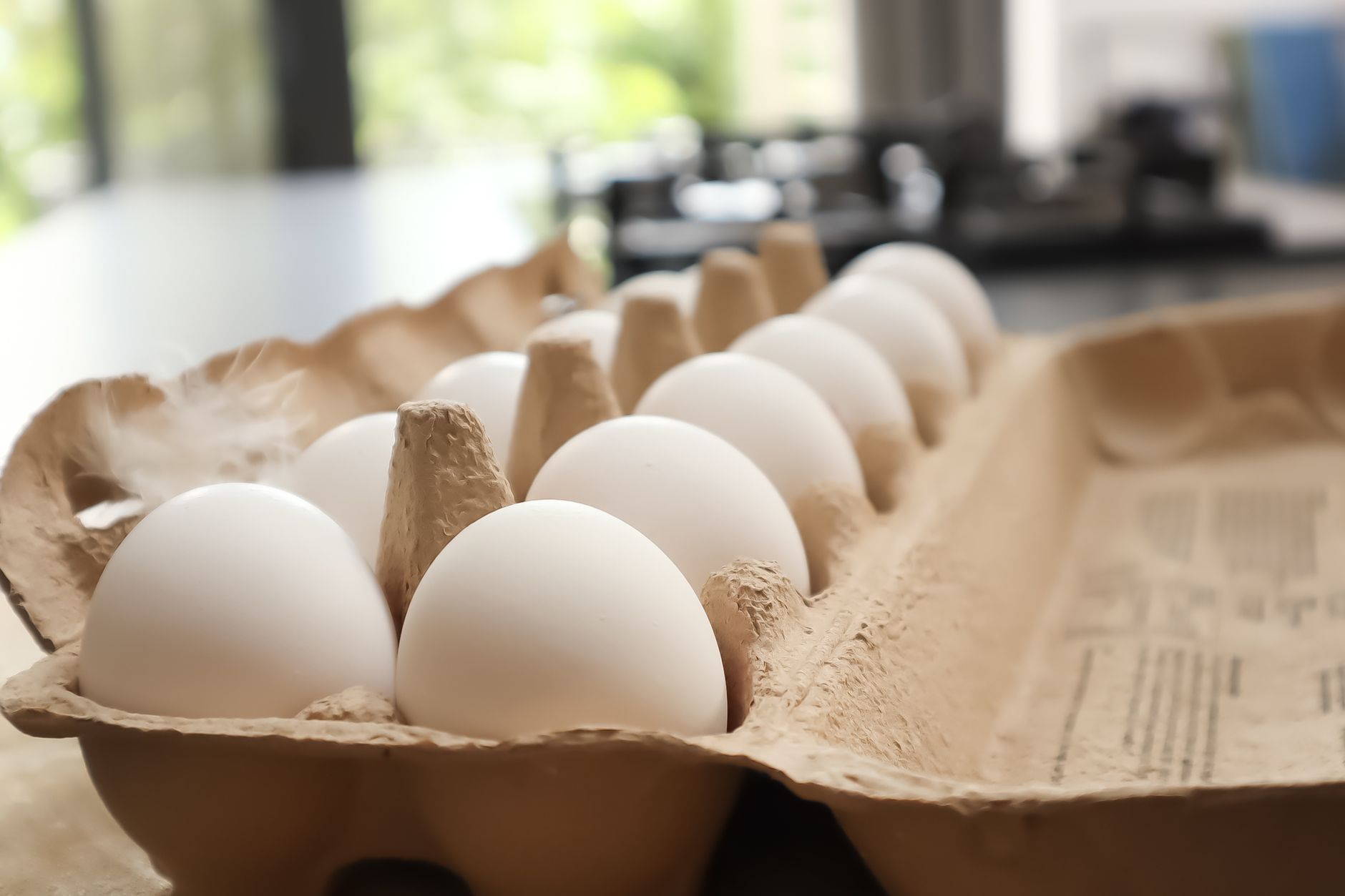
A close‑up of a pasteurized egg carton next to a bag of Betty Crocker cake mix, bright kitchen lighting emphasizes safety labels for pregnant consumers, showing the clear packaging and ingredient list
Choosing pasteurized‑egg cake mixes eliminates the bacterial risk while still satisfying cravings.

Safe dosage / amount / brands

B

ecause raw batter carries a bacterial risk that is not reliably reduced by limiting portion size, the safest “dosage” is zero. If you accidentally consume a small amount, monitor for symptoms and consider contacting your provider.

When you want the cake experience without raw ingredients, look for these brands. Most of them are widely available in grocery stores and online, and they all carry clear labeling that indicates pasteurization or egg‑free status.

Brand / Product Safety Verdict Key Feature
Betty Crocker Ready‑to‑Bake Cake Mix ✅ Safe Uses pasteurized eggs; fully cooked before sale.
Pillsbury Microwaveable Cake in a Mug ✅ Safe Pre‑cooked, ready‑to‑eat.
Whole Foods Egg‑Free Cake Batter ✅ Safe No eggs, eliminating salmonella risk.
King Arthur Flour Pasteurized Egg Batter ✅ Safe Explicitly labeled as pasteurized.
Ghirardelli Pre‑Baked Brownie Bites ✅ Safe Fully baked, no raw ingredients.
Sara Lee Ready‑to‑Eat Cake Slices ✅ Safe Commercially baked, sealed packaging.
Frozen Mini Cheesecakes ✅ Safe Cooked and frozen, no raw batter.
Baked Mini Cupcakes from a Bakery ✅ Safe Freshly baked, no raw batter exposure.

In addition to choosing the right product, handling any batter—cooked or not—properly reduces risk. Store opened mixes in a cool, dry place, keep them sealed, and discard any that show signs of spoilage (off‑odor, discoloration, or mold). If you ever need to thaw frozen items, do so in the refrigerator rather than at room temperature to prevent bacterial growth.

Side effects and risks

While many people think of foodborne illness as a simple stomach upset, the stakes are higher during pregnancy. The most common symptoms of salmonella infection include:

  • Fever (often above 101 °F/38.3 °C)
  • Severe abdominal cramps
  • Diarrhea, sometimes bloody
  • Nausea and vomiting

If you experience any of these after eating raw batter, especially with a fever, contact your obstetrician promptly. Dehydration can lead to reduced amniotic fluid and, in rare cases, trigger preterm labor. Listeria, though less common in batter, can cause similar flu‑like symptoms but may also lead to meningitis in the newborn if transmitted.

Safer alternatives

  • Betty Crocker Ready‑to‑Bake Cake Mix – pasteurized eggs remove salmonella risk.
  • Pillsbury Microwaveable Cake in a Mug – fully cooked, single‑serve convenience.
  • Whole Foods Egg‑Free Cake Batter – ideal for egg‑allergic or vegan cravings.
  • King Arthur Flour Pasteurized Egg Batter – premium quality with safety label.
  • Ghirardelli Pre‑Baked Brownie Bites – ready to eat, no raw ingredients.
  • Sara Lee Ready‑to‑Eat Cake Slices – store‑bought and fully baked.
  • Frozen Mini Cheesecakes – creamy, safe, and convenient.
  • Baked Mini Cupcakes from a bakery – fresh and free of raw batter.
  • Homemade baked cake using pasteurized eggs – a DIY option that lets you control flavor while staying safe.
  • Fruit‑based desserts like baked apples or poached pears – naturally sweet, nutrient‑rich, and completely free of raw batter.
Item Verdict Note
Raw cookie dough ❌ Avoid Contains raw eggs and flour; same risks as cake batter.
Raw brownie batter ❌ Avoid Uncooked eggs and flour present.
Raw pancake batter ❌ Avoid Raw eggs and flour risk.
Raw protein shake with raw eggs ❌ Avoid Eggs not pasteurized.
Raw sushi with raw fish ❌ Avoid Risk of Listeria and parasites.
Unpasteurized milk ❌ Avoid Can carry Listeria, E. coli, and salmonella.
Soft cheeses made from raw milk ❌ Avoid Higher Listeria risk.
Undercooked chicken ❌ Avoid Risk of salmonella and Campylobacter.

Myth vs. fact

Myth: “A tiny lick of batter won’t hurt.”

Fact: Even a small amount can contain enough bacteria to cause infection, and pregnancy reduces the body’s ability to fight it.

Myth: “Microwaving batter for a few seconds makes it safe.”

Fact: The batter must reach 165 °F (74 °C) throughout; quick microwaving often leaves cold spots where bacteria survive.

Myth: “If I’m healthy, I don’t need to worry about foodborne illness.”

Fact: Pregnancy itself is a state of altered immunity; what’s mild for most adults can be severe for a pregnant person.

Myth: “Pasteurized‑egg cake mixes are still risky because the flour isn’t treated.”

Fact: Most commercial flour is low‑risk, and the primary threat comes from raw eggs; pasteurized‑egg mixes dramatically lower overall bacterial load.

Key takeaways

  • Raw cake batter is not safe at any stage of pregnancy; the risk of salmonella outweighs the craving.
  • No amount is considered safe—avoid it entirely.
  • Choose pasteurized‑egg or egg‑free mixes for a safe cake experience.
  • If you experience fever, vomiting, or diarrhea after consuming raw batter, contact your provider immediately.
  • Store all batter and baked goods at proper temperatures to prevent bacterial growth.
  • When in doubt, swap raw batter for a fully baked slice or a ready‑to‑eat, pasteurized product.

Frequently asked questions

Can pregnant women eat raw cake batter?

No. Health authorities such as ACOG and the CDC advise pregnant people to avoid raw cake batter because of the risk of salmonella from raw eggs and untreated flour.

Is raw cake batter dangerous for the baby?

Yes. Foodborne illness in the mother can lead to fever, dehydration, and preterm labor, all of which can harm the developing baby.

How can I make cake batter safe to eat while pregnant?

The safest way is to use batter that contains pasteurized eggs or is completely egg‑free; alternatively, bake the batter to an internal temperature of at least 165 °F (74 °C) before consuming.

What are the symptoms of salmonella from raw cake batter?

Typical signs include fever, abdominal cramps, diarrhea (sometimes bloody), nausea, and vomiting. If you notice these, especially with a fever, seek medical care promptly.

Are pasteurized eggs safe for pregnant women?

Yes. Pasteurized eggs have been heat‑treated to eliminate salmonella while retaining the same nutritional profile, making them safe for inclusion in recipes.

Can I eat a spoonful of cake batter in the second trimester?

Even in the second trimester, raw batter is not considered safe. The risk of infection and its complications remains unchanged throughout pregnancy.

Does cooking cake batter eliminate all risks for pregnant women?

Cooking removes bacterial risks only when the batter reaches 165 °F (74 °C) throughout. Undercooked or partially heated batter can still harbor pathogens.

What are the alternatives to raw cake batter for cravings during pregnancy?

Try pasteurized‑egg mixes like Betty Crocker Ready‑to‑Bake, egg‑free options from Whole Foods, or ready‑to‑eat baked treats such as Ghirardelli Brownie Bites or Sara Lee cake slices.

What should I do if I accidentally ate raw cake batter?

Monitor yourself for fever, abdominal cramps, diarrhea, or vomiting. If any symptoms develop, especially a temperature above 100.4 °F (38 °C), call your obstetrician right away. Early treatment can prevent complications.

Can I eat cake batter made with pasteurized eggs raw?

Even with pasteurized eggs, raw flour still poses a low‑level risk, so most experts still recommend cooking the batter. The safest approach is to bake it or choose a fully prepared, ready‑to‑eat product.

When to call your doctor

If you develop any of the following after eating raw cake batter, contact your obstetrician or go to the nearest emergency department:

  • Fever of 100.4 °F (38 °C) or higher
  • Severe abdominal cramps or persistent diarrhea
  • Vomiting that leads to inability to keep fluids down
  • Signs of dehydration (dry mouth, dizziness, reduced urine output)
  • Any sudden uterine contractions or bleeding

These symptoms may indicate a foodborne infection that could affect both you and your baby. This article provides general information and is not a substitute for personalized medical advice.

References

  1. American College of Obstetricians and Gynecologists. “Food Safety for Pregnant Women.” Practice Bulletin No. 200, 2023.
  2. Centers for Disease Control and Prevention. “Food Safety for Pregnant Women.” Updated 2022.
  3. U.S. Food and Drug Administration. “Food Code: Guidance for the Retail Food Industry.” 2022 edition.
  4. National Health Service (NHS). “Food safety in pregnancy.” 2023.
  5. American Academy of Pediatrics. “Nutrition and Feeding of the Breastfed Infant.” 2021.
  6. Journal of Obstetric & Gynecologic Research. “Salmonella Infection and Preterm Birth Risk.” 2020.
  7. World Health Organization. “Foodborne Disease Burden Epidemiology Reference Group.” 2021.

Editor's pick for this topic

Not sure about the label on Is Cake Batter Safe During Pregnancy products?

Snap the ingredients list and SafeFilter checks every ingredient for your stage — only 3 free scans this month, then you're locked until reset. Unlimited from $7/mo or $50/yr.

Informational only — not medical advice.

Shubhra Mishra

About the Author

When Shubhra Mishra was expecting her first child in 2016, she was overwhelmed by conflicting food advice — one site said yes, another said never. By the time her second baby arrived in 2019, she realized millions of mothers face the same confusion.

That sparked a five-year journey through clinical nutrition papers, cultural diets, and expert conversations — all leading to BumpBites: a calm, compassionate space where science meets everyday motherhood.

Her long-term vision is to build a global community ensuring safe, supported, and free deliveriesfor every mother — because no woman should face pregnancy alone or uninformed. 🌿

🌍 Stand with mothers, shape safer guidance

Join a small circle of experts who review BumpBites articles so expecting parents everywhere can decide with confidence.

⚠️ Always consult your doctor for medical advice. This content is informational only.

Recommended picks

Ritual Ritual Essential Prenatal

Prenatal pick

RitualRitual Essential Prenatal

Choline + DHA + folate from methylfolate (not synthetic).

$39Check prenatal →
Nordic Naturals Nordic Naturals Prenatal DHA (Strawberry Softgels)

Prenatal pick

Nordic NaturalsNordic Naturals Prenatal DHA (Strawberry Softgels)

Premium fish-oil DHA in strawberry softgels — gentle on the stomach.

$55Check prenatal →