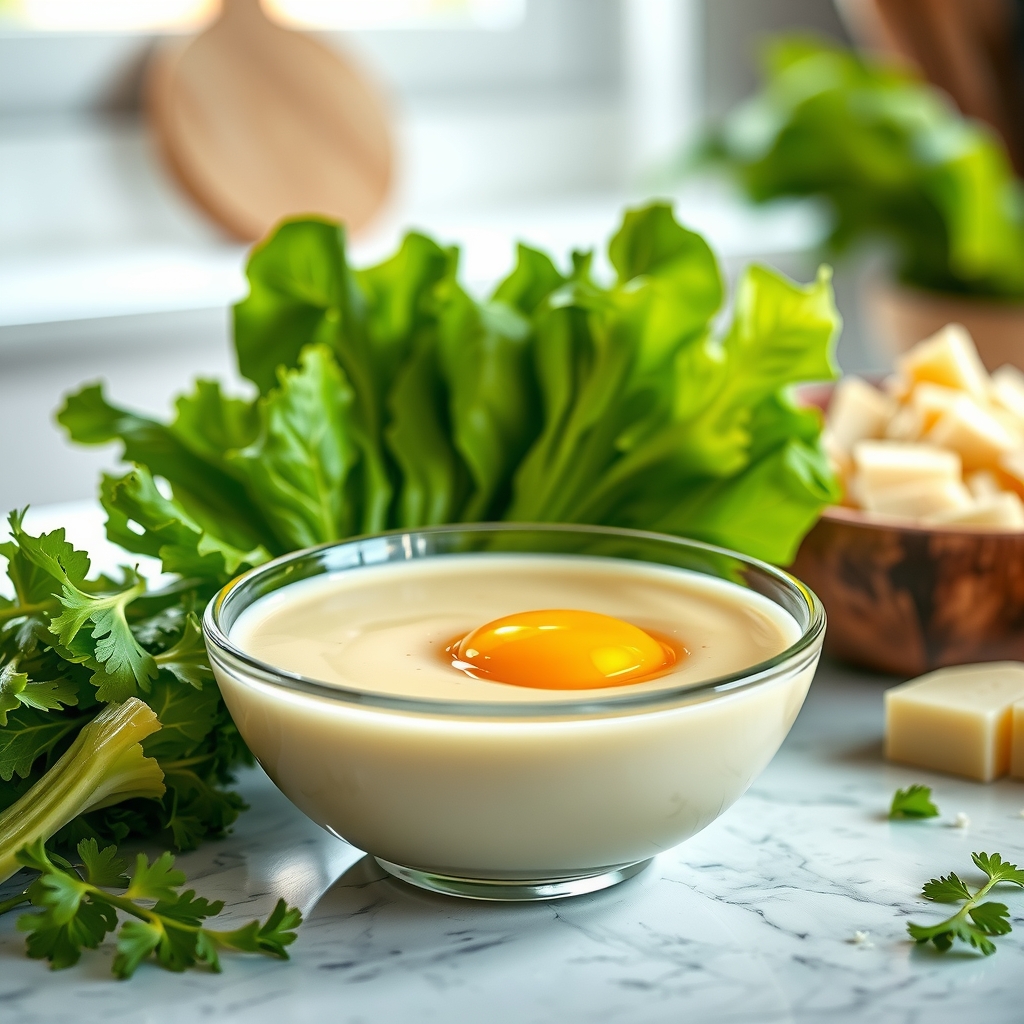
Safe in moderation. Caesar dressing with pasteurized egg yolk is generally safe during pregnancy, but limit to 1-2 servings weekly to avoid excess raw egg risks or high sodium intake.
By Shubhra Mishra — a mom of two who turned her own confusion during pregnancy into BumpBites, a global mission to make food choices clear, safe, and stress-free for every expecting mother. 💛
Check whether any food is safe during pregnancy with the BumpBites Food Safety Checker.
Quick verdict: ⚠️ Safe with limits – raw egg yolk in Caesar dressing can be eaten during pregnancy if the egg is pasteurized or the dressing is fully cooked, but it’s best to keep intake modest and choose pasteurized options whenever possible.
It’s 2 a.m., the kitchen light hums, and you’ve just drizzled a generous spoonful of Caesar dressing over a fresh salad. Then a sudden thought: is caesar dressing egg yolk safe during pregnancy? You’re not alone—many expectant parents wrestle with the same question, especially after discovering that classic Caesar dressing traditionally contains raw egg yolk. In this article we’ll walk you through the science, trimester‑specific guidance, serving‑size recommendations, and safer swaps so you can enjoy your favorite flavor without unnecessary worry.
Overall, the verdict is cautious optimism: Caesar dressing made with pasteurized egg yolk—or cooked enough to eliminate bacteria—is generally considered safe, while versions that contain raw, unpasteurized egg carry a modest risk of salmonella. We’ll break down what that means for each trimester, how many eggs you can safely include, and which store‑bought brands have already taken the extra step to pasteurize their eggs. By the end, you’ll have a clear plan, a list of alternatives, and peace of mind that your salad topping won’t jeopardize your baby’s health.
We know the “what‑if” spiral can be exhausting—especially when you’ve already taken a bite. Take a deep breath; the information below is designed to separate myth from fact, so you can make confident, evidence‑based choices for yourself and your growing baby.
Stage of pregnancy
Verdict
Notes
First trimester
⚠️ Safe with limits
Use pasteurized egg yolk or fully cooked dressing; limit to ≤1 egg yolk per serving.
Second trimester
⚠️ Safe with limits
Same guidelines as first trimester; risk of food‑borne illness remains.
Third trimester
⚠️ Safe with limits
Continue using pasteurized or cooked egg; watch for excess calories.
Breastfeeding
✅ Generally safe
Pasteurized egg yolk poses no added risk; raw egg still discouraged.
Caesar dressing is a creamy, tangy sauce traditionally made from garlic, anchovies, lemon juice, olive oil, Parmesan cheese, and raw egg yolk, which acts as an emulsifier. The egg yolk binds the oil and acidic components, creating that signature silky texture. In many restaurants and home recipes, the egg is added raw, relying on the freshness of the eggs and the acidity of lemon juice to reduce bacterial growth. However, raw eggs can harbor Salmonella, a bacterium that can cause serious gastrointestinal illness, and pregnant people are especially vulnerable because their immune system is modulated.
When you see a bottle labeled “Caesar dressing,” the ingredient list may simply say “egg yolk.” Some manufacturers use pasteurized egg yolk, which has been heat‑treated to kill bacteria without cooking the egg, preserving the smooth texture while eliminating the salmonella risk. Pasteurization is the same process used for liquid eggs sold in cartons. If the label doesn’t specify “pasteurized,” assume the egg is raw and treat the dressing accordingly.
Is Caesar dressing with raw egg yolk safe in the first trimester?
The first trimester is the period of organogenesis, when the baby’s major organs form. During this window, any infection that causes high fever or severe gastrointestinal distress can theoretically increase the risk of miscarriage or congenital anomalies, according to the American College of Obstetricians and Gynecologists (ACOG). Because raw egg yolk can contain Salmonella, ACOG advises pregnant people to avoid foods that might harbor the bacterium, including homemade dressings that use unpasteurized eggs. The UK’s NHS echoes this guidance, stating that raw or undercooked eggs should be avoided throughout pregnancy.
That said, the absolute risk of salmonellosis from a single serving of raw‑egg Caesar dressing is low—estimates suggest less than 1 case per 10,000 servings. Nonetheless, the safest approach in the first trimester is to either use pasteurized egg yolk or substitute a cooked alternative (e.g., a light‑cooked mayonnaise‑based dressing). If you already consumed a small amount of raw‑egg dressing, stay hydrated, monitor for fever, nausea, or diarrhea, and contact your provider if symptoms develop.
Recent guidance from the CDC emphasizes that pregnant people who develop any fever above 38 °C (100.4 °F) after eating potentially risky foods should seek medical evaluation promptly, as fever itself can be a trigger for preterm labor. The risk is not zero, but it is manageable with vigilant monitoring.
How many eggs can I use in Caesar dressing during pregnancy?
When making Caesar dressing at home, the egg yolk contributes both flavor and texture. For a standard batch that serves four, most recipes call for one large egg yolk (≈ 17 grams). Because pasteurized egg yolk eliminates bacterial risk, you can safely use the full amount in a single serving, provided you keep overall caloric intake in check. If you’re using raw egg yolk, limit yourself to half a yolk per serving (≈ 8 grams) and ensure the rest of your diet is low‑risk for food‑borne illness.
Nutrition‑wise, one egg yolk provides about 55 mg of cholesterol and 2 g of protein. The American Heart Association recommends pregnant people limit dietary cholesterol to 300 mg per day, so a single yolk fits comfortably within that range. If you have elevated cholesterol or a history of gestational hypertension, you might prefer a lighter version that halves the oil or swaps part of the oil for avocado puree.
For those tracking micronutrients, egg yolk is a modest source of vitamin D, choline, and lutein—nutrients that support fetal brain development. However, the amounts are small compared with other food sources, so there’s no need to increase yolk consumption solely for these benefits.
Can I eat store‑bought Caesar dressing that contains egg yolk while pregnant?
Most commercial Caesar dressings list “egg yolk” in the ingredients, but many also state “pasteurized” or “heat‑treated.” Brands that explicitly label “pasteurized egg yolk” meet FDA food safety standards and are considered safe for pregnant consumers. The FDA’s Food Code requires that egg products sold in retail settings be pasteurized if they are not cooked before consumption.
If a label does not mention pasteurization, assume the egg is raw. In that case, it’s best to avoid the product or opt for a version that uses alternative emulsifiers (e.g., soy‑based or dairy‑based). Always check the packaging for a “no raw eggs” claim, and store the dressing in the refrigerator, discarding it after the “use‑by” date to minimize any bacterial growth.
Because refrigerated dressings can develop off‑flavors over time, we recommend using opened jars within five days. If you notice any separation, off‑odor, or cloudiness, discard the dressing—even if it’s within the printed date.
Is homemade Caesar dressing with pasteurized egg yolk safe for pregnant women?
Yes. Pasteurized egg yolk has been heated to a temperature that kills Salmonella while preserving the yolk’s functional properties. The CDC confirms that pasteurization removes the risk of food‑borne illness from eggs, making them safe for vulnerable groups, including pregnant people. When you use pasteurized egg yolk, the dressing behaves just like a traditional recipe—smooth, rich, and free from the bacterial concerns that accompany raw eggs.
To ensure safety, keep the dressing refrigerated (≤ 40 °F/4 °C) and consume it within a week. If you’re preparing large batches, consider storing portions in airtight containers to limit exposure to air and potential contaminants. Adding fresh lemon juice and garlic not only boosts flavor but also adds natural antimicrobial properties, further enhancing safety.
When cooking at home, you can also gently warm the yolk to 71 °C (160 °F) before blending. A quick stovetop whisk for 30 seconds reaches this temperature without fully scrambling the yolk, preserving the desired silky texture while guaranteeing safety.
Does Caesar dressing egg yolk increase the risk of salmonella for pregnant people?
Raw egg yolk is a known carrier of Salmonella, a bacterium that can cause fever, abdominal cramps, and diarrhea. Pregnant people are about 20 times more likely than the general population to develop severe salmonellosis, according to the CDC. While the risk from a single serving of raw‑egg Caesar dressing is low, the potential consequences—especially in the first two trimesters—are enough for most obstetric guidelines to recommend avoidance of raw eggs.
Pasteurized egg yolk eliminates this risk entirely. If you’re unsure whether a dressing contains pasteurized eggs, look for the word “pasteurized” on the label or contact the manufacturer. When in doubt, choose a cooked alternative or a commercial product that guarantees pasteurization.
Outbreak data from 2018‑2022 show that most salmonella cases linked to eggs involved raw‑egg dishes such as homemade sauces, mayonnaise, and Caesar dressing. Prompt recognition and treatment reduce complications, but prevention is far simpler than cure.
What are safe alternatives to Caesar dressing for pregnant women?
Greek yogurt Caesar dressing – Thick, tangy, and protein‑rich, it mimics the creaminess without any egg.
Avocado lime dressing – Pureed avocado provides healthy fats and a silky texture.
Tahini lemon dressing – Sesame paste offers a nutty flavor and natural emulsification.
Hummus‑based dressing – Chickpea hummus blended with lemon and herbs creates a safe, savory sauce.
Store‑bought Caesar dressing made with pasteurized egg yolk – Look for “pasteurized” on the label.
Olive oil vinaigrette – Simple, heart‑healthy, and egg‑free.
Ranch dressing (pregnancy‑safe) – Commercial ranch is typically egg‑free and widely available.
Creamy dill dressing – Yogurt or kefir base with fresh dill offers a cooling alternative.
Lemon herb dressing – Lemon juice, olive oil, and herbs create a bright, safe sauce.
Buttermilk dressing – Uses cultured dairy instead of egg for a velvety finish.
Each alternative preserves the luxurious mouthfeel you love in Caesar dressing while removing the raw‑egg risk. Many of these options also bring added nutrients—like the omega‑3s in avocado or the probiotics in yogurt—that can benefit both you and your baby.
Can I eat Caesar dressing if I have gestational diabetes?
Gestational diabetes requires careful monitoring of carbohydrate and sugar intake. Classic Caesar dressing is low in carbs but can be high in fat and calories, especially if made with generous amounts of oil and cheese. For a pregnant person with gestational diabetes, the key is portion control: limit dressing to 1–2 tablespoons per meal and pair it with plenty of non‑starchy vegetables.
Choosing a reduced‑fat or light version—preferably one made with pasteurized egg yolk—helps keep saturated fat intake in check. Alternatively, the Greek yogurt Caesar alternative mentioned above reduces calories while adding protein, which can aid blood‑glucose stability.
If you’re counting carbs, remember that a typical 2‑tablespoon serving of Caesar dressing contains fewer than 2 grams of carbohydrates, making it a safe choice when paired with a balanced plate.
Which brands of Caesar dressing use pasteurized egg yolk for pregnancy safety?
Several major brands have responded to consumer demand for safer egg products. In the United States, Ken’s Steakhouse and Newman’s Own both label their Caesar dressings as containing “pasteurized egg yolk.” In Canada, Bolthouse Farms offers a “Premium Caesar” variant with pasteurized eggs. In the United Kingdom, Tesco Finest and Sainsbury’s list “pasteurized egg” on the packaging of their Caesar dressings.
When shopping, look for the specific wording “pasteurized egg yolk” or “heat‑treated egg” on the ingredient list. If the label is ambiguous, you can often verify on the manufacturer’s website or call their customer service line.
Choosing a pasteurized version keeps the classic flavor while eliminating bacterial risk.
Safety by trimester
First trimester
During weeks 1–13, the baby’s organs are forming. Any infection that causes high fever can increase the risk of miscarriage, so ACOG recommends avoiding raw eggs. If you prefer the traditional taste, opt for a dressing made with pasteurized egg yolk or a cooked substitute. Keep servings modest—no more than 2 tablespoons per meal—to stay within safe cholesterol limits.
Pairing your Caesar dressing with fiber‑rich vegetables like romaine lettuce and cherry tomatoes can help buffer any potential gastrointestinal upset and provide essential vitamins such as folate and vitamin C.
Second trimester
From weeks 14–27, the placenta is fully functional, and the risk of infection‑related miscarriage declines. Nevertheless, the CDC still advises pregnant people to avoid raw eggs because salmonellosis can cause dehydration and preterm labor. Pasteurized egg yolk remains the safest choice, and you can continue enjoying Caesar dressing in moderate amounts.
At this stage, many expectant parents experience increased appetite. Using a light‑style Caesar dressing (reduced‑fat or yogurt‑based) lets you satisfy cravings without overloading on saturated fat.
Third trimester
In weeks 28–40, the baby’s growth accelerates, and maternal nutrition becomes crucial. While the infection risk remains, the larger concern is excess calories and saturated fat, which can contribute to gestational hypertension. Use a light‑style dressing, limit to 1–2 tablespoons, and prioritize pasteurized egg yolk if you want the authentic texture.
Combining Caesar dressing with a protein source such as grilled chicken or tofu can help maintain steady blood‑sugar levels and support the baby’s rapid brain development.
Breastfeeding
Post‑delivery, the infant’s immune system is still developing, but the risk of food‑borne illness from the mother’s diet is lower. Pasteurized egg yolk poses no additional risk to the nursing infant, so you can safely enjoy Caesar dressing made with pasteurized eggs. Raw egg should still be avoided to prevent maternal illness that could affect milk supply.
Because breastfeeding increases caloric needs, a modest 2‑tablespoon serving fits well into a balanced diet that supports both milk production and maternal recovery.
How to store Caesar dressing safely during pregnancy
Even pasteurized products can become unsafe if mishandled. Keep your Caesar dressing refrigerated at or below 4 °C (40 °F) and seal the container tightly after each use. If the dressing has been left out at room temperature for more than two hours, discard it to prevent bacterial growth.
When you open a new jar, label the lid with the date you opened it. Most manufacturers recommend consuming the product within five days of opening, but for extra caution you can aim for three days during pregnancy.
Can I make a low‑fat Caesar dressing that’s pregnancy‑safe?
Absolutely. Swap half of the olive oil for plain Greek yogurt, reduce the Parmesan to a tablespoon, and use a tablespoon of Dijon mustard as an emulsifier. The result is a creamy, tangy dressing that contains only 5 g of fat per 2‑tablespoon serving, well within the American Heart Association’s recommendations for pregnant people.
Adding a splash of low‑sodium chicken broth can thin the mixture without sacrificing flavor, and the final product remains safe as long as you use pasteurized egg yolk or omit the egg entirely.
Side effects and risks
When a pregnant person consumes raw‑egg Caesar dressing contaminated with Salmonella, symptoms typically appear 6–72 hours later and include fever, abdominal cramps, nausea, and watery diarrhea. While most healthy adults recover without complications, pregnant people are at higher risk for dehydration, which can trigger preterm labor. If you develop any of these signs, especially a fever above 38.3 °C (101 °F), contact your obstetric provider promptly.
Beyond bacterial infection, the high cholesterol and saturated‑fat content of traditional Caesar dressing can contribute to elevated blood lipids, a concern for gestational hypertension. Monitoring portion size and choosing reduced‑fat or yogurt‑based alternatives helps mitigate this risk.
Rarely, individuals may experience an allergic reaction to anchovies, Parmesan, or other ingredients in Caesar dressing. Symptoms such as hives, swelling, or difficulty breathing require immediate medical attention.
Safer alternatives
Greek yogurt Caesar dressing – provides creaminess without egg and adds protein.
Avocado lime dressing – natural fats from avocado replace the need for egg.
Hummus‑based dressing – chickpeas bind ingredients, creating a smooth texture.
Store‑bought Caesar dressing made with pasteurized egg yolk – retains classic flavor safely.
Olive oil vinaigrette – simple, heart‑healthy, and egg‑free.
Ranch dressing (pregnancy‑safe) – widely available and egg‑free.
Creamy dill dressing – yogurt base with fresh dill offers a cooling option.
Lemon herb dressing – bright acidity without any egg.
Buttermilk dressing – cultured dairy replaces egg for a tangy finish.
Related items — safety at a glance
Item
Verdict
One‑line note
Mayonnaise
⚠️ Safe with limits
Use pasteurized egg or commercial mayo; raw‑egg mayo carries salmonella risk.
Aioli
⚠️ Safe with limits
Often contains raw egg; choose pasteurized versions.
Hollandaise sauce
⚠️ Safe with limits
Eggs are gently cooked, reducing bacterial risk.
Tartar sauce
⚠️ Safe with limits
Typically includes raw egg; look for pasteurized formulations.
Ranch dressing
✅ Generally safe
Usually egg‑free; check label for dairy allergens.
Blue cheese dressing
✅ Generally safe
Egg‑free but high in saturated fat; moderate intake.
Thousand Island dressing
✅ Generally safe
Egg‑free; watch for added sugars.
Pesto sauce
✅ Generally safe
Egg‑free; contains nuts—check for allergies.
Balsamic vinaigrette
✅ Generally safe
Egg‑free, low‑fat option.
Egg‑based sauces
⚠️ Safe with limits
Only safe if eggs are pasteurized or fully cooked.
Myth vs. fact
Myth: The acidity of lemon juice in Caesar dressing kills any bacteria in raw egg.
Fact: While acid can slow bacterial growth, it does not reliably eliminate Salmonella. Pasteurization or cooking is required for safety.
Myth: All store‑bought Caesar dressings are safe because they’re processed.
Fact: Many commercial brands still use raw egg yolk unless they specifically label “pasteurized.” Always read the ingredient list.
Myth: A small spoonful of raw‑egg dressing won’t harm a pregnant person.
Fact: Even a tiny amount can cause illness; the risk is proportional to exposure, and guidelines advise complete avoidance of raw egg during pregnancy.
Key takeaways
Raw egg yolk in Caesar dressing poses a modest salmonella risk; choose pasteurized eggs or fully cooked versions.
During all trimesters, limit dressing to 2 tablespoons per meal and keep cholesterol intake < 300 mg/day.
Store‑bought brands that list “pasteurized egg yolk” (e.g., Ken’s Steakhouse, Newman’s Own) are safe choices.
If you have gestational diabetes, watch portion size and consider low‑fat or yogurt‑based alternatives.
Red‑flag symptoms—fever, severe diarrhea, or vomiting—warrant a prompt call to your provider.
Safer alternatives like Greek yogurt Caesar or avocado lime dressing provide similar flavor without egg‑related risk.
Proper storage (refrigerate ≤ 4 °C, discard after three days once opened) further reduces any chance of contamination.
Frequently asked questions
Can pregnant women eat Caesar dressing?
Yes, but only if the dressing is made with pasteurized egg yolk or fully cooked eggs; raw‑egg versions should be avoided.
Is raw egg yolk in Caesar dressing safe during pregnancy?
No, raw egg yolk can harbor Salmonella, which poses a higher infection risk for pregnant people; use pasteurized eggs instead.
What is the safest Caesar dressing for pregnant women?
The safest option is a commercially produced Caesar dressing that explicitly states “pasteurized egg yolk” on the label, such as Ken’s Steakhouse or Newman’s Own.
How can I make Caesar dressing safe for pregnancy?
Use pasteurized egg yolk, heat the yolk to at least 71 °C before mixing, or substitute a yogurt‑based or avocado‑based dressing that mimics the creamy texture.
Does Caesar dressing contain salmonella risk for pregnant women?
Yes, if it contains raw, unpasteurized egg yolk; pasteurized versions eliminate that risk.
Can I eat Caesar dressing if I'm pregnant and have a food allergy?
If you’re allergic to eggs, dairy, or anchovies, choose an egg‑free alternative like Greek yogurt or avocado lime dressing to avoid allergic reactions.
Is there a pasteurized version of Caesar dressing?
Many brands now offer Caesar dressings labeled “pasteurized egg yolk,” including Ken’s Steakhouse, Newman’s Own, Bolthouse Farms, Tesco Finest, and Sainsbury’s.
How much Caesar dressing can I eat while pregnant?
Limit intake to about 2 tablespoons (≈ 30 ml) per meal, which typically contains one pasteurized egg yolk and stays within recommended cholesterol limits.
What should I do if I already ate raw‑egg Caesar dressing before knowing I was pregnant?
Take a breath—most exposures don’t lead to illness. Monitor for fever, stomach cramps, or diarrhea over the next 72 hours; if any symptoms appear, contact your provider for guidance.
Are there any nutrients in egg yolk that benefit pregnancy?
Egg yolk provides modest amounts of vitamin D, choline, and lutein, which support bone health and brain development, but you can obtain these nutrients from many other safe foods without the salmonella risk.
Greek yogurt Caesar dressing offers the same creaminess without any egg.
When to call your doctor
If after consuming Caesar dressing you develop any of the following, seek medical attention promptly:
Fever ≥ 38.3 °C (101 °F) lasting more than 24 hours.
Severe or persistent diarrhea (more than three watery stools in 24 hours).
Vomiting that prevents you from staying hydrated.
Abdominal cramps accompanied by a fever.
Any signs of an allergic reaction (hives, swelling, difficulty breathing).
These symptoms could indicate salmonellosis or an allergic response, both of which require professional evaluation. This article provides general information and is not a substitute for personalized medical advice.
References
American College of Obstetricians and Gynecologists (ACOG). “Food Safety for Pregnant Women.” 2023.
National Health Service (NHS). “Eggs and pregnancy.” Updated 2022.
U.S. Food and Drug Administration (FDA). “Egg Products: Safe Handling and Preparation.” 2021.
Centers for Disease Control and Prevention (CDC). “Salmonella and Pregnancy.” 2022.
Mayo Clinic. “Pregnancy nutrition: How to eat healthy.” 2023.
World Health Organization (WHO). “Food safety: guidelines for pregnant women.” 2022.
Newman’s Own Foods. Product label and ingredient information, accessed August 2026.
Ken’s Steakhouse. Ingredient list for Caesar dressing, accessed August 2026.
Bolthouse Farms. “Premium Caesar Dressing” product details, accessed August 2026.
Tesco Finest. “Caesar Dressing” packaging information, accessed August 2026.
Not sure about the label on Is Caesar Dressing Egg Yolk Safe During Pregnancy products?
Snap the ingredients list and SafeFilter checks every ingredient for your stage — only 3 free scans this month, then you're locked until reset. Unlimited from $7/mo or $50/yr.
When Shubhra Mishra was expecting her first child in 2016, she was overwhelmed by conflicting food advice — one site said yes, another said never. By the time her second baby arrived in 2019, she realized millions of mothers face the same confusion.
That sparked a five-year journey through clinical nutrition papers, cultural diets, and expert conversations — all leading to BumpBites: a calm, compassionate space where science meets everyday motherhood.
Her long-term vision is to build a global community ensuring safe, supported, and free deliveriesfor every mother — because no woman should face pregnancy alone or uninformed. 🌿
🌍 Stand with mothers, shape safer guidance
Join a small circle of experts who review BumpBites articles so expecting parents everywhere can decide with confidence.