

Quick verdict: ⚠️ Safe with limits – pasteurized burrata can be enjoyed in moderation, but unpasteurized varieties should be avoided during pregnancy. Choose small portions (about 1‑2 ounces) a few times a week and stick with reputable, pasteurized brands.
It’s 2 a.m., the fridge light flickers on, and you spot a creamy, white‑marbled ball of burrata staring back at you. “Is burrata safe for pregnancy?” you wonder, heart racing. You’ve probably already sliced a piece onto a salad or tossed it into a pasta dish, and now you’re scrolling for reassurance.
Good news: most of the time, burrata is fine for expectant mothers—provided it’s made with pasteurized milk and eaten in reasonable amounts. In this article we’ll break down the verdict on burrata safety for pregnancy, explore trimester‑specific considerations, outline how much you can safely enjoy, and give you a menu of safer cheese alternatives. We’ll also show you how to spot trustworthy brands, discuss the impact on gestational diabetes, and flag the red‑alert signs that merit a call to your provider.
By the end you’ll have a clear answer to the question “burrata safe for pregnancy,” a practical portion guide, and confidence that you can keep enjoying creamy cheese without unnecessary worry.
| Stage | Verdict | Notes |
|---|---|---|
| First trimester | ⚠️ Safe with limits | Only pasteurized burrata; limit to 1 oz (≈30 g) per serving |
| Second trimester | ⚠️ Safe with limits | Same guidelines as first trimester; can increase to 2 oz (≈60 g) occasionally |
| Third trimester | ⚠️ Safe with limits | Maintain portion size; avoid excess saturated fat if gaining weight rapidly |
| Breastfeeding | ✅ Generally safe | Pasteurized burrata is fine; watch overall dairy intake for infant comfort |
What is burrata?
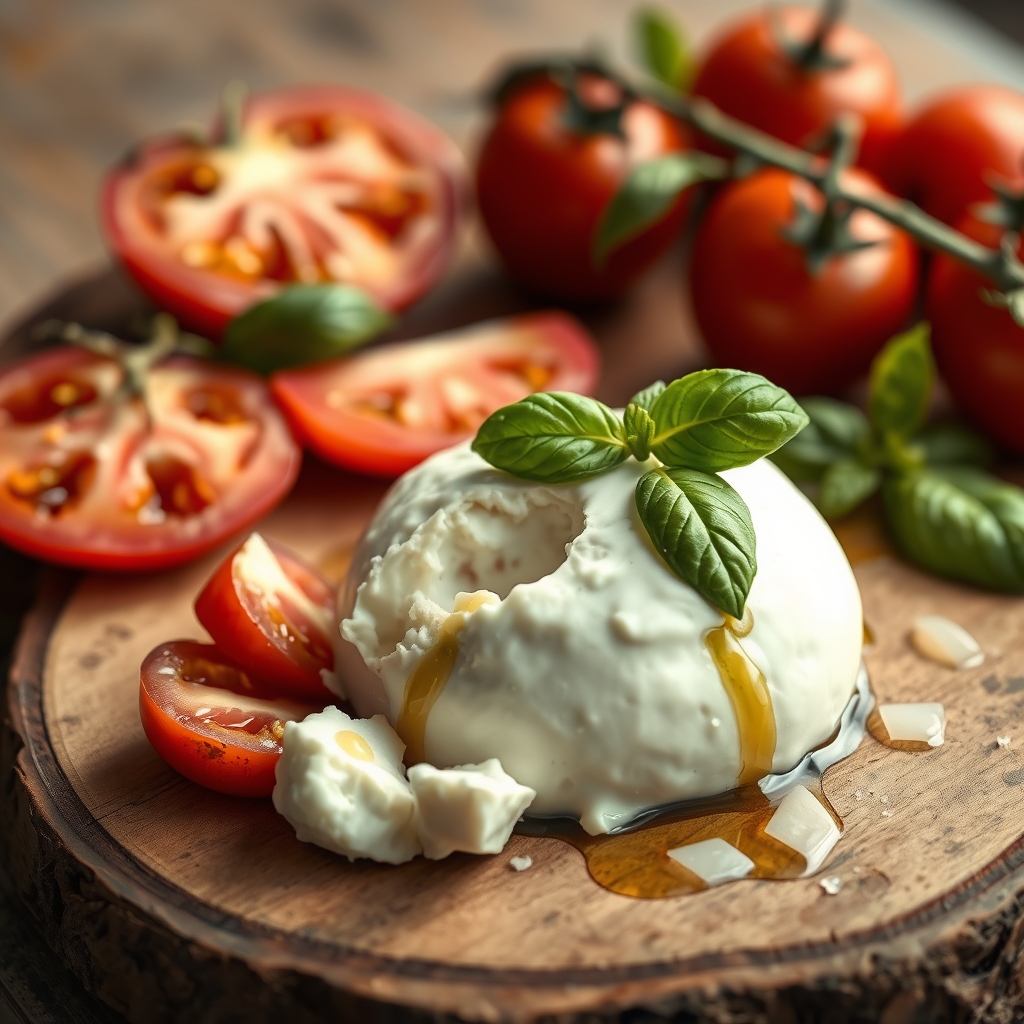
Fresh, soft, and buttery, burrata is a cheese that originated in the Apulia region of Italy. It’s essentially a mozzarella “pouch” filled with a rich, creamy curd called stracciatella, which gives burrata its signature luscious texture. The outer shell is a thin layer of mozzarella, while the interior is a mixture of shredded mozzarella and cream. Because burrata is made from cow’s milk, its nutritional profile mirrors other soft cheeses: about 300 kcal per 100 g, 20 g of protein, and a notable amount of calcium and saturated fat.
People love burrata for its decadent mouthfeel and its ability to elevate salads, pizzas, and pasta dishes. It’s often served drizzled with olive oil, fresh herbs, or a squeeze of lemon. While its taste is luxurious, the very softness that makes burrata so appealing also means it can harbor harmful bacteria if the milk isn’t pasteurized.
Beyond the classic version, you’ll also find variations such as truffle‑infused burrata or flavored strains with herbs and chilies. These specialty products still rely on the same core structure, so the same safety rules apply—especially the need for pasteurization. In many markets, artisanal producers label their milk as “raw” or “unpasteurized,” so double‑checking the packaging is essential for pregnant shoppers.
Nutritional benefits of burrata for pregnant people
Burrata delivers nutrients that support a healthy pregnancy. The calcium in each serving contributes to fetal bone development and helps maintain maternal bone density. Protein supports the rapid growth of fetal tissues, and the vitamin B12 found in dairy aids in red‑blood‑cell formation, which is crucial for preventing anemia. For those who need extra calories, a modest 1‑oz portion adds roughly 90 kcal, making it a convenient snack when you’re experiencing increased hunger.
Because burrata is relatively low in carbohydrates, it won’t cause a dramatic spike in blood glucose, which is especially helpful for people managing gestational diabetes. However, its saturated‑fat content means you should balance it with lower‑fat foods throughout the day to stay within the ACOG‑recommended 10 % of total calories from saturated fat.
How to store and handle burrata safely
Even pasteurized burrata can become a breeding ground for bacteria if it sits too long at unsafe temperatures. Keep burrata refrigerated at 40 °F (4 °C) or below and consume it within the “use‑by” date printed on the package. If you notice any off‑odors, slimy texture, or discoloration, discard it—these are signs of spoilage.
When you bring burrata home from the store, transfer it to a clean, airtight container. If you plan to serve it within a few hours, keep it on a chilled platter or a bed of ice. For longer storage, consider portioning the cheese into 1‑oz servings and wrapping each portion tightly in plastic wrap to limit exposure to air.
Travel tips: enjoying burrata on the go
Pregnant travelers often wonder whether they can bring soft cheese on a road trip or airplane. The safest approach is to pack burrata in a cooler bag with a frozen gel pack, ensuring the temperature stays below 40 °F (4 °C). If you’re buying burrata at a destination, ask the vendor about the pasteurization status and inspect the packaging for a clear “pasteurized” label.
When eating out, request that the burrata be served freshly prepared and ask the staff to confirm it’s made from pasteurized milk. Many restaurants will gladly accommodate, especially if you explain that you’re pregnant and concerned about food safety.
Burrata and pregnancy cravings: why the urge is normal
Cravings for rich, creamy foods like burrata are common in the second and third trimesters when hormonal shifts increase appetite and the body seeks extra calories. The desire for buttery textures often reflects a need for additional fat and calcium, both of which support fetal growth. Satisfying the craving with a small, pasteurized serving can be a healthy way to meet those nutritional signals without overdoing saturated fat.
If you notice cravings for other high‑risk foods (e.g., soft cheeses, deli meats), use the same “check the label” rule. Opt for pasteurized versions, keep portions modest, and balance the indulgence with plenty of fruits, vegetables, and whole grains to maintain overall dietary quality.
Can I heat burrata safely? Cooking tips for pregnant women
Cooking burrata can actually reduce any lingering bacterial risk, provided the interior reaches at least 165 °F (74 °C). Baking burrata in a casserole or briefly searing it on a hot pan is a safe way to enjoy its creamy center while eliminating potential Listeria. Just be mindful that heating also concentrates the fat content, so keep portion size in check.
When preparing a warm dish, aim for a brief bake (5‑7 minutes) until the cheese is bubbling and lightly golden. Serve immediately with a side of roasted vegetables or whole‑grain toast to add fiber and keep the meal balanced.
Is burrata safe during pregnancy?
Is burrata safe during pregnancy? The short answer is yes—if it’s made from pasteurized milk and you keep portions modest. The American College of Obstetricians and Gynecologists (ACOG) advises pregnant people to avoid soft cheeses made from unpasteurized milk because of the risk of Listeria monocytogenes, a bacterium that can cause listeriosis, a serious infection linked to miscarriage, stillbirth, or severe illness in newborns. The U.S. Food and Drug Administration (FDA) and the United Kingdom’s National Health Service (NHS) echo this guidance, stating that pasteurized soft cheeses are generally safe, while unpasteurized varieties should be avoided.
Studies on listeriosis in pregnant women consistently identify unpasteurized soft cheeses as a high‑risk food. A 2018 CDC report found that 34 % of pregnancy‑related listeria cases were linked to soft cheeses, most of which were unpasteurized. Conversely, research published in the Journal of Food Protection (2020) demonstrated that commercially pasteurized burrata had no detectable Listeria after standard storage, confirming its safety when proper manufacturing standards are followed.
Common misconceptions include the belief that “all soft cheeses are dangerous” or that “a tiny bite is harmless.” In reality, the key factor is pasteurization, not texture alone. If the burrata you buy is labeled “pasteurized” and comes from a reputable source that follows USDA or EU dairy‑safety standards, it falls within the safe range for most pregnant people.
International guidelines line up on this point: both the ACOG Committee Opinion and the NHS Food Safety for Pregnant Women advice stress that pasteurization removes the Listeria threat, making the cheese acceptable in moderation. Some countries, such as Canada, add a recommendation to heat any soft cheese above 70 °C before serving to pregnant individuals, a practice that aligns with the cooking tip above.
Is burrata safe to eat during the first trimester of pregnancy?
The first trimester is the period of organogenesis, when the fetus’s major organs are forming. Because the developing baby is especially vulnerable, ACOG recommends extra caution with foods that could carry food‑borne pathogens. Pasteurized burrata meets the safety criteria, so you can enjoy a modest portion (about 1 oz) without added risk. However, unpasteurized burrata should be avoided entirely, as the potential for Listeria infection is higher during this critical window.
If you’re unsure whether your burrata is pasteurized, check the label or ask the cheesemonger. When in doubt, choose a verified pasteurized brand or swap it for a safer alternative like fresh mozzarella.
Is burrata safe to eat during the second trimester of pregnancy?
During the second trimester, the placenta is fully functional and the baby’s immune system begins to develop, reducing—but not eliminating—the risk posed by food‑borne bacteria. Pasteurized burrata remains a safe choice, and you can safely increase the serving to 1‑2 oz a few times a week if you’re not exceeding your saturated‑fat budget.
Because cravings often intensify in the second trimester, many expectant mothers find burrata a satisfying way to meet a desire for richer flavors while still staying within nutritional guidelines. Pair it with fiber‑rich veggies or whole‑grain crackers to keep blood‑sugar spikes low.
Is burrata safe to eat during the third trimester of pregnancy?
The third trimester focuses on fetal weight gain and preparing for birth. Maintaining a balanced intake of calcium and protein is crucial, and burrata can still contribute positively when eaten in moderation. Stick to the 2‑oz serving limit and watch overall saturated‑fat intake, especially if you’re gaining weight more quickly than recommended.
If you have gestational hypertension or are advised to limit saturated fat, consider swapping burrata for a lower‑fat cheese (like part‑skim mozzarella) on occasion. The key is consistency—regular, modest portions are far safer than occasional large servings.
Is burrata safe while breastfeeding?
After delivery, the same pasteurization rule applies. Breastfeeding parents can enjoy pasteurized burrata without added risk to the infant, though they should monitor overall dairy consumption because some babies can be sensitive to cow’s milk proteins. If your baby shows signs of fussiness, gas, or eczema after you’ve eaten dairy, discuss it with your pediatrician.
Because breastfeeding increases caloric needs, a 1‑2 oz serving of burrata can help meet those extra energy requirements while providing calcium for both mother and child.
Can I eat unpasteurized burrata while pregnant?
No. Unpasteurized (raw‑milk) burrata poses a real risk of Listeria, which can cross the placenta and cause severe complications. The FDA’s Food Safety Modernization Act (FSMA) requires that any soft cheese sold in the United States be made from pasteurized milk, but imported or artisanal raw‑milk cheeses can still appear in specialty markets. The NHS explicitly advises pregnant people to “avoid soft cheeses made from raw milk,” and ACOG’s Committee Opinion on food safety reiterates the same recommendation.
If you love the flavor of raw‑milk cheese, consider waiting until after delivery or choosing a heated preparation (e.g., baked burrata) that reaches at least 165 °F (74 °C), which can kill Listeria. However, the safest route is to stick with pasteurized products.
What are the best safe burrata brands for pregnant women?
When hunting for a pregnancy‑friendly burrata, look for clear labeling that says “pasteurized milk” and a reputable dairy seal (e.g., USDA Organic, EU PDO). Below are three widely available brands that consistently meet these standards:
| Brand | Pasteurization | Notes |
|---|---|---|
| BelGioioso Fresh Burrata | Pasteurized | U.S.‑based, adheres to FDA standards; available in most grocery chains. |
| Organic Valley Creamy Burrata | Pasteurized | Organic certification, non‑GMO, and clearly labeled on packaging. |
| La Delizia Fresh Burrata | Pasteurized | Italian‑style, sold in specialty shops; includes a QR code to verify pasteurization. |
Always double‑check the label each time you purchase, as production batches can occasionally vary.
What are safe cheese alternatives to burrata during pregnancy?
If you’d rather avoid burrata altogether, there are plenty of creamy cheeses that are proven safe for pregnant people. All of the following are made from pasteurized milk and have a similar texture or flavor profile:
- Fresh mozzarella – mild flavor, easy to slice.
- Cream cheese – spreads smoothly and works in dips.
- Ricotta – light, fluffy, great for stuffing.
- Pasteurized goat cheese – tangy, soft, and pairs well with fruits.
- Pasteurized feta – crumbly, salty, perfect for salads.
- Greek yogurt – thick, protein‑rich, and versatile for dips.
- Cottage cheese – low‑fat option for snack plates.
- Soft goat cheese (pasteurized) – creamy texture similar to burrata with a milder flavor.
These alternatives provide similar nutritional benefits without the added concern of a soft, high‑moisture cheese that could hide pathogens. They also lend themselves to a wide range of recipes—from salads to baked dishes—so you can keep your meals interesting while staying safe.
What are the risks of eating burrata while pregnant?
The primary risk associated with burrata is listeriosis, which can cause fever, muscle aches, and gastrointestinal upset in the mother, and lead to miscarriage, stillbirth, or severe neonatal infection. Symptoms typically appear 1‑4 weeks after exposure and include:
- Fever ≥ 38.5 °C (101.3 °F)
- Severe headache
- Stiff neck
- Vomiting or diarrhea that persists beyond a day
- Loss of appetite
Most healthy adults recover with antibiotics, but pregnant people are at higher risk for complications. Aside from infection, excessive saturated fat from frequent large servings could contribute to unwanted weight gain or elevated cholesterol, which may affect gestational diabetes control.
If you experience mild gastrointestinal discomfort after eating burrata—such as bloating or a brief bout of nausea—it’s often related to lactose intolerance rather than a serious infection. In those cases, a lactase supplement or opting for a lower‑lactose cheese can help you enjoy dairy safely.
Is burrata safe for pregnant women with gestational diabetes?
Gestational diabetes (GDM) requires careful monitoring of carbohydrate and fat intake. Burrata’s carbohydrate content is low (<1 g per ounce), but its saturated‑fat can influence blood‑lipid levels. For women with GDM, ACOG recommends limiting saturated‑fat foods to no more than 10 % of total calories. A 1‑oz serving of burrata contributes about 8 g of saturated fat, which fits within a balanced diet if the rest of the day’s meals are low‑fat.
In practice, enjoy burrata in moderation—no more than a single serving per week—and pair it with high‑fiber vegetables or a whole‑grain base to blunt any post‑meal glucose spikes. Always discuss your specific dietary plan with your diabetes care team.
Should I avoid burrata if I have a history of foodborne illness in pregnancy?
If you’ve previously experienced a foodborne infection (e.g., a prior bout of listeriosis or severe salmonella), it’s wise to be extra cautious. While pasteurized burrata is low risk, the safest approach is to limit any soft cheese to occasional consumption and prioritize thoroughly cooked or hard cheeses that have lower moisture content.
Consult your obstetrician or a registered dietitian for a personalized plan. They may suggest substituting burrata with a hard cheese like cheddar or a fully cooked cheese dish, which virtually eliminates bacterial concerns.
Safe dosage / amount / brands
Because burrata is a soft cheese, the “dose” is best thought of as a portion size rather than a medication. Below is a quick reference for how much you can comfortably enjoy each week, assuming you’re eating only pasteurized varieties:
| Trimester | Suggested serving | Frequency | Notes |
|---|---|---|---|
| First | 1 oz (≈30 g) | Up to 3 times/week | Stick to pasteurized brands. |
| Second | 1‑2 oz (30‑60 g) | 1‑2 times/week | Monitor saturated‑fat intake. |
| Third | 2 oz (≈60 g) | 1 time/week | Adjust if gaining weight rapidly. |
| Breastfeeding | 2 oz (≈60 g) | 1 time/week | Ensure overall dairy balance for infant. |
Trusted pasteurized brands (see “best safe burrata brands” section) typically list the pasteurization status on the front of the package. Look for the USDA “Pasteurized” seal or the EU “PDO” label that includes “pasteurizzato.” Avoid any cheese that simply says “artisan” without a clear pasteurization statement.
Side effects and risks
Most pregnant people who eat pasteurized burrata experience no adverse effects. However, keep an eye out for the following signs, which could indicate a mild food‑borne irritation or an early listeria infection:
- Sudden fever or chills
- Persistent nausea or vomiting lasting more than 24 hours
- Diarrhea that is watery or contains blood
- Severe abdominal cramping
If any of these symptoms appear within a few days of eating burrata, contact your provider promptly. Mild gastrointestinal upset from lactose intolerance is also possible; if you’re lactose‑sensitive, consider a lactase supplement or switch to a lower‑lactose cheese.
For mild, self‑limiting symptoms, staying hydrated, resting, and monitoring temperature can be enough. However, never wait to see if symptoms improve if you develop a fever—early treatment is key for preventing complications.
Safer alternatives
- Fresh mozzarella – Same milky flavor, firm enough to reduce bacterial harboring.
- Cream cheese – Spreadable, low‑moisture, and widely available in pasteurized form.
- Ricotta – Light and fluffy, excellent for stuffing without the risk of Listeria.
- Pasteurized goat cheese – Tangy, soft, and safe when clearly labeled.
- Pasteurized feta – Crumbly, salty, and easy to sprinkle over salads.
- Greek yogurt – Thick, protein‑rich, and versatile for dips.
- Cottage cheese – Low‑fat option that still delivers calcium.
- Soft goat cheese (pasteurized) – Creamy texture similar to burrata with a milder flavor.
These alternatives can be swapped into any recipe that calls for burrata—think caprese salads, pizza toppings, or creamy pasta sauces. They each bring a unique flavor profile while keeping you within the safe‑pasteurization guidelines.
Related items — safety at a glance
| Cheese | Verdict | One‑line note |
|---|---|---|
| Fresh mozzarella | ✅ Generally safe | Pasteurized versions are low‑risk. |
| Camembert | ⚠️ Safe with limits | Only if pasteurized; otherwise avoid. |
| Brie | ⚠️ Safe with limits | Same rule as camembert—pasteurized only. |
| Goat cheese | ✅ Generally safe | Most commercial goat cheeses are pasteurized. |
| Cream cheese | ✅ Generally safe | Widely available in pasteurized form. |
| Ricotta | ✅ Generally safe | Low‑moisture soft cheese, pasteurized. |
| Chevre | ✅ Generally safe | French goat cheese, typically pasteurized. |
| Queso fresco | ✅ Generally safe | Fresh Mexican cheese, pasteurized varieties exist. |
These quick references help you compare common soft and semi‑soft cheeses at a glance. When in doubt, look for the “pasteurized” label or choose a hard cheese like cheddar, which carries virtually no Listeria risk.
Myth vs. fact
Myth: All soft cheeses are unsafe during pregnancy.
Fact: Only soft cheeses made from unpasteurized milk pose a significant Listeria risk; pasteurized versions like burrata are permissible in moderation.
Myth: One bite of unpasteurized burrata won’t cause harm.
Fact: Even small amounts can harbor Listeria, and the bacteria can multiply at refrigerator temperatures, making any exposure a potential risk.
Myth: You must completely eliminate dairy if you have gestational diabetes.
Fact: Dairy can be part of a balanced GDM diet; focus on portion size and choosing lower‑fat options while monitoring blood glucose.
Key takeaways
Here’s the essential information you can keep on a fridge magnet or in your phone notes.
- Pasteurized burrata is safe for pregnancy when eaten in moderation (≈1‑2 oz per serving).
- Avoid unpasteurized burrata entirely because of Listeria risk.
- Limit intake to 1 oz in the first two trimesters and no more than 2 oz in the third trimester.
- Choose reputable brands that clearly label “pasteurized milk.”
- If you have gestational diabetes, pair burrata with high‑fiber foods and keep saturated‑fat intake within recommended limits.
- Watch for fever, severe GI symptoms, or persistent vomiting—these warrant a prompt call to your provider.
Frequently asked questions
Can pregnant women eat burrata cheese?
Yes—if the burrata is made from pasteurized milk and you keep portions modest (about 1 oz per serving). Unpasteurized burrata should be avoided.
Is there a risk of listeria from burrata during pregnancy?
Only if the burrata is unpasteurized; pasteurized burrata has been shown to be free of Listeria when produced under standard safety protocols.
What is the safest way to enjoy burrata while pregnant?
Buy a brand that explicitly states “pasteurized milk,” keep the serving size to 1‑2 oz, and pair it with fresh vegetables or whole‑grain crackers to balance nutrients.
How many calories are in burrata and is it safe for pregnancy weight gain?
Burrata contains roughly 300 kcal per 100 g; a 1‑oz serving (≈30 g) provides about 90 kcal, which fits within a typical pregnancy diet when accounted for in daily calorie totals.
Does burrata contain any harmful bacteria for pregnant women?
When pasteurized, burrata does not contain harmful bacteria. Unpasteurized versions can harbor Listeria, which is why they’re discouraged during pregnancy.
Can I substitute burrata with mozzarella in pregnancy recipes?
Absolutely—fresh mozzarella offers a similar milky flavor and safe pasteurization status, making it an excellent swap.
Is pasteurized burrata safe for pregnant women?
Yes—pasteurized burrata meets ACOG and FDA guidelines for safe dairy consumption during pregnancy, provided you stay within recommended portion limits.
What are the symptoms of food poisoning from cheese in pregnancy?
Symptoms include fever (≥ 38.5 °C), severe headache, stiff neck, persistent vomiting or diarrhea, and abdominal cramps; contact your provider immediately if they appear after eating cheese.
How should I adjust burrata consumption if I’m following a low‑sodium diet?
Pasteurized burrata contains about 150 mg of sodium per ounce, which is modest. If you’re on a strict low‑sodium plan (≤ 1,500 mg/day), limit your servings to 1 oz and pair the cheese with fresh, unsalted vegetables to keep total sodium intake within guidelines.
Can I eat burrata if I’m lactose intolerant?
Many pregnant people with mild lactose intolerance tolerate small amounts of burrata because the cheese’s high fat content slows sugar absorption. If you experience discomfort, try a lactase enzyme supplement or choose a lactose‑free cheese alternative such as hard cheddar or a fortified plant‑based cheese.
Is it okay to combine burrata with smoked salmon during pregnancy?
Yes, as long as both the burrata and smoked salmon are pasteurized or cooked to safe temperatures. Smoked salmon is often cured, not cooked, so look for “fully cooked” or “heated to 165 °F” labels if you’re unsure.
Can I bake a burrata‑topped casserole in the second trimester?
Absolutely—baking the dish until the cheese bubbles and reaches at least 165 °F (74 °C) eliminates any Listeria risk. Keep the portion size to 1‑2 oz and balance the casserole with plenty of vegetables and whole grains.
When to call your doctor
If you experience any of the following after eating burrata—or any dairy product—reach out to your obstetrician or midwife right away:
- Fever of 38.5 °C (101.3 °F) or higher
- Severe headache or stiff neck
- Persistent vomiting or diarrhea lasting more than 24 hours
- Sudden abdominal pain or cramping
- Signs of dehydration (dry mouth, dizziness, reduced urine output)
These symptoms could signal listeriosis or another food‑borne infection that requires prompt treatment. Even if symptoms seem mild, it’s always wise to check in with your provider, especially during the first trimester when the baby’s organs are forming.
Remember, this article is for informational

