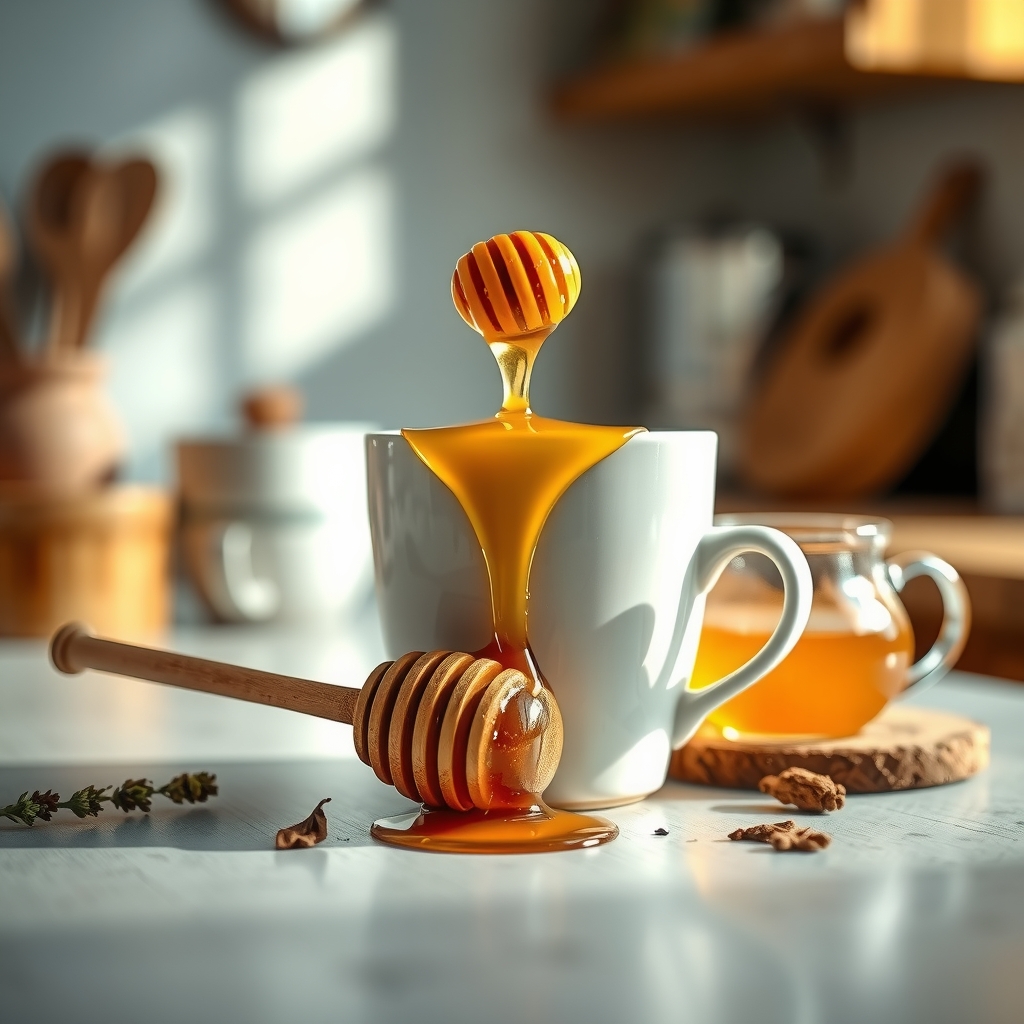
Honey is safe during pregnancy, and botulism honey is not a concern for pregnant women. The risk of botulism from honey is only for infants under one year old.
By Shubhra Mishra — a mom of two who turned her own confusion during pregnancy into BumpBites, a global mission to make food choices clear, safe, and stress-free for every expecting mother. 💛
Check whether any food is safe during pregnancy with the BumpBites Food Safety Checker.
Quick verdict: ✅ Generally safe. Honey is generally considered safe for pregnant adults to consume, as their mature digestive systems can safely neutralize any *Clostridium botulinum* spores that might be present. The risk of botulism from honey for a healthy pregnant person is extremely low.
The late-night worry of "is botulism honey safe during pregnancy?" is a common one, especially when you've heard strict warnings about giving honey to infants. Perhaps you just stirred a spoonful into your tea for a sore throat, or perhaps you're craving something sweet, and a jar of honey is calling your name. It's natural to feel a pang of anxiety, wondering if something so seemingly innocent could pose a risk to your developing baby. We understand that feeling of wanting to do everything right, and we're here to reassure you and provide clear, evidence-based answers.
The good news is that for most healthy pregnant adults, honey is considered safe. Unlike an infant's developing digestive system, an adult's gut is robust enough to prevent the *Clostridium botulinum* spores found in honey from germinating and producing toxins. This means that while honey is unsafe for babies under one year old, the concerns surrounding infant botulism do not typically apply to you during pregnancy. In this article, we'll dive into why honey is generally safe, what the actual risks are (and aren't), how much is okay to consume, and what safer sweetener alternatives you might consider.
Many pregnant people use honey as a natural sweetener or a soothing remedy during pregnancy.
Safety Snapshot: Honey During Pregnancy
Trimester/Period
Verdict
Notes
First Trimester
✅ Generally Safe
Adult digestive systems can neutralize *Clostridium botulinum* spores.
Second Trimester
✅ Generally Safe
No known increased risks. Continue to consume in moderation.
Third Trimester
✅ Generally Safe
The botulism spores do not cross the placental barrier.
Breastfeeding
✅ Generally Safe
Spores do not pass into breast milk; safe for nursing parents.
What is Honey?
Honey is a sweet, viscous food substance made by honey bees and some other insects. Bees produce honey from the sugary secretions of plants (floral nectar) or from the secretions of other insects (honeydew) through regurgitation, enzymatic activity, and water evaporation. It's stored in wax structures called honeycombs. Honey is primarily composed of fructose and glucose, along with small amounts of other sugars, enzymes, amino acids, vitamins, minerals, and pollen. Its unique composition gives it distinct flavor, color, and texture profiles, which vary depending on the floral source.
Beyond its role as a natural sweetener, honey has been used for centuries in traditional medicine for its potential antibacterial, anti-inflammatory, and antioxidant properties. Many people use it to soothe sore throats, calm coughs, or as a topical treatment for minor wounds. When considering if botulism honey is safe during pregnancy, it's this natural, unprocessed aspect that often raises questions for expectant parents, especially given the public health warnings for infants.
Is Honey Safe to Eat During Pregnancy?
Yes,
for most healthy pregnant people, honey is safe to eat during pregnancy. The primary concern with honey, particularly for infants, is the presence of *Clostridium botulinum* spores, which can cause botulism. However, the key distinction lies in the maturity of the digestive system.
An adult's digestive tract, including that of a pregnant person, is well-equipped to handle these spores. The acidic environment of the stomach and the presence of beneficial gut bacteria in the intestines typically prevent *Clostridium botulinum* spores from germinating and producing the neurotoxins that cause botulism. The American College of Obstetricians and Gynecologists (ACOG) and other major health organizations do not list honey as a food to avoid during pregnancy for healthy adults. The NHS in the UK also confirms that honey is safe for pregnant women.
The risk of adult botulism from honey is exceedingly rare, virtually non-existent, in healthy individuals. Cases of foodborne botulism in adults are typically linked to improperly canned or preserved foods where the *Clostridium botulinum* bacteria have had an anaerobic (oxygen-free) environment to grow and produce toxins *before* consumption, rather than from spores germinating in the gut from honey. Therefore, when asking, "is botulism honey safe during pregnancy?", the answer is a resounding yes, because your body's natural defenses are robust enough to protect you.
What are the Risks of Botulism from Honey for Pregnant Women?
The risk of botulism from honey for pregnant women is extremely low, virtually negligible. The primary concern with *Clostridium botulinum* spores in honey relates to infant botulism, which affects babies under one year of age. Infants have an immature digestive system with less stomach acid and a less developed gut microbiome, which allows the spores to germinate and produce toxins in their intestines.
For pregnant adults, this risk does not apply. As mentioned, your mature digestive system, with its strong stomach acid and established gut flora, effectively destroys or inactivates *Clostridium botulinum* spores before they can germinate and produce toxins. The spores do not cross the placental barrier, meaning they cannot directly affect your unborn baby even if you ingest them. Therefore, the specific risk of botulism *from honey* for a healthy pregnant woman is not a significant concern.
It's important to differentiate this from generalized foodborne botulism, which can affect adults but is almost always associated with improperly prepared or stored foods, such as home-canned vegetables or fermented fish, where the toxin has already been produced outside the body. These instances are unrelated to the spores found in honey. So, when considering if botulism honey is safe during pregnancy, rest assured that your body's natural defenses are highly effective.
Can Botulism from Honey Harm My Unborn Baby?
No, botulism from honey is not considered a risk to your unborn baby. This is a crucial point that often causes anxiety for expecting parents. The *Clostridium botulinum* spores that can be present in honey cannot cross the placental barrier. This means that even if you were to ingest these spores (which you likely do regularly from various environmental sources), they would remain contained within your digestive system and would not reach your fetus.
As established, your mature digestive system prevents the spores from germinating and producing toxins in your gut. Because the toxins are not produced, there's nothing that could then enter your bloodstream and potentially affect your baby. The concern for infant botulism is specific to infants under 12 months due to their undeveloped digestive systems, which are unable to neutralize the spores. This physiological difference means that the safety guidelines for infants regarding honey do not apply to pregnant individuals. Therefore, you can have peace of mind that consuming honey during pregnancy does not pose a risk of botulism to your unborn baby.
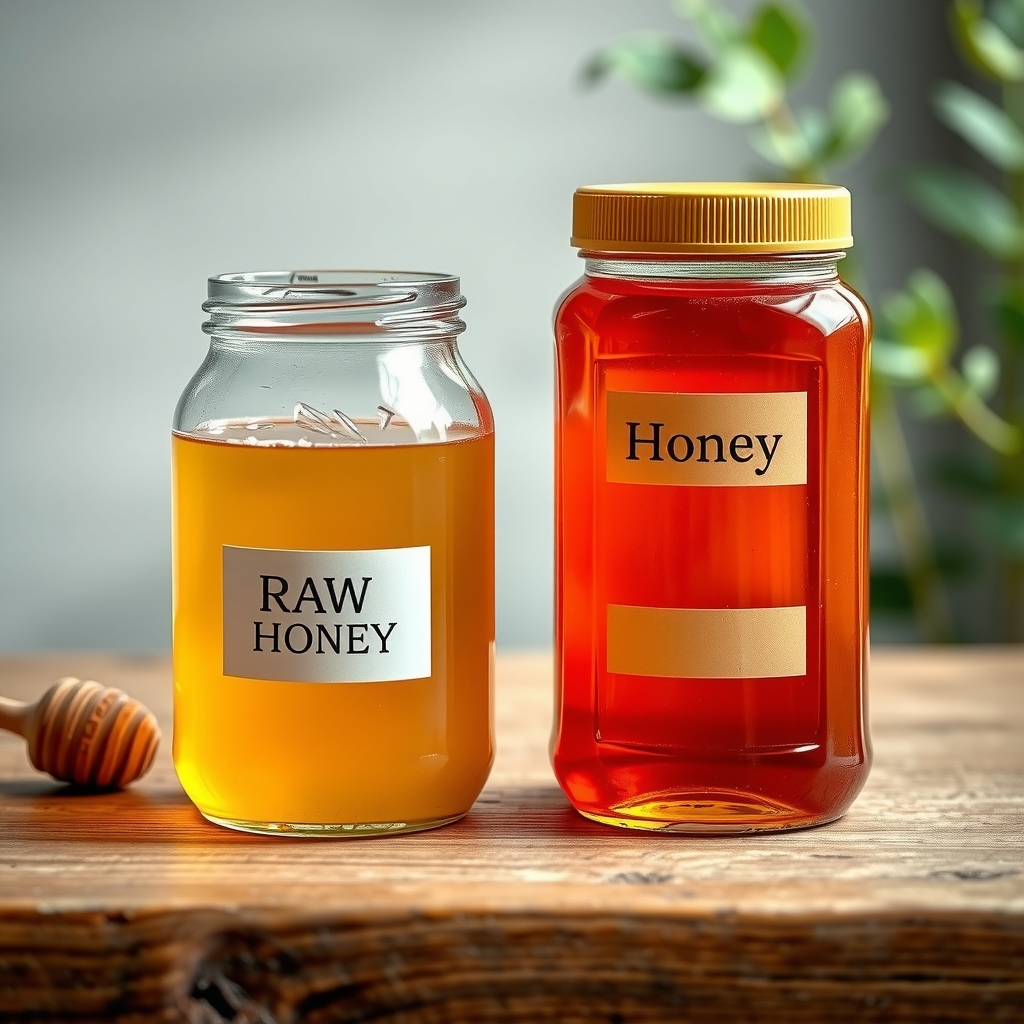
Both raw and pasteurized honey are generally considered safe for pregnant adults.
Is Raw Honey Safe to Consume While Pregnant?
Yes, raw honey is generally considered safe to consume while pregnant for the same reasons as pasteurized honey. The distinction between raw and pasteurized honey primarily relates to processing. Raw honey is typically unfiltered and unpasteurized, meaning it hasn't been heated to high temperatures. This allows it to retain more of its natural enzymes, pollen, and antioxidants, which some people believe offer additional health benefits. Pasteurized honey, on the other hand, has been heated to destroy yeast and improve shelf life, often making it smoother and clearer.
Regarding the risk of *Clostridium botulinum* spores, both raw and pasteurized honey can contain them. Pasteurization does not reliably destroy these spores because they are highly heat-resistant. However, as previously explained, the presence of these spores is not a concern for healthy adults, including those who are pregnant, because their mature digestive systems can effectively neutralize them. Therefore, whether you prefer raw honey for its perceived health benefits or pasteurized honey for its convenience, both options are generally safe during pregnancy. When considering if botulism honey is safe during pregnancy, the raw vs. pasteurized debate is largely irrelevant to adult botulism risk.
Does Pasteurized Honey Prevent Botulism in Pregnancy?
Pasteurization is a heat treatment process designed to kill harmful bacteria and yeasts, thereby extending the shelf life of food products and making them safer for consumption. While pasteurization is effective against many pathogens, it does not reliably destroy *Clostridium botulinum* spores. These spores are remarkably heat-resistant and can survive temperatures that would kill most other bacteria.
Therefore, pasteurized honey, just like raw honey, can still contain *Clostridium botulinum* spores. However, this fact doesn't change the safety verdict for pregnant adults. As we've discussed, the safety of honey for pregnant individuals isn't dependent on whether the spores are present, but rather on the adult digestive system's ability to neutralize them. Your stomach acid and gut flora are the primary defense mechanisms, not the pasteurization process of the honey itself. So, while pasteurized honey offers benefits in terms of stability and clarity, it doesn't specifically prevent the (already negligible) risk of botulism for a pregnant person. The question of "is botulism honey safe during pregnancy" remains answered by your body's natural defenses, not the honey's processing.
How Much Honey is Safe for a Pregnant Woman to Eat?
There isn't a specific "safe amount" or dosage of honey related to botulism risk for pregnant women, as the risk is negligible due to the adult digestive system's capabilities. The amount of honey that is safe for a pregnant woman to eat falls under general dietary guidelines for sugar intake.
Honey is primarily composed of sugars, so while it offers some minor nutritional benefits (like antioxidants), it should be consumed in moderation as part of a balanced diet. Excessive sugar intake during pregnancy can contribute to:
Unhealthy weight gain.
Increased risk of gestational diabetes.
Dental cavities.
The American Heart Association (AHA) recommends that women limit added sugars to no more than 6 teaspoons (about 25 grams or 100 calories) per day. While this guideline isn't specific to pregnancy, it provides a good general benchmark. A tablespoon of honey contains about 17 grams of sugar. So, enjoying a tablespoon or two of honey in your tea, on toast, or as part of a recipe occasionally is generally fine. Focus on overall dietary balance and listen to your body. If you have gestational diabetes or are at risk, discuss specific sugar intake limits with your healthcare provider.
Is Honey Safe in the First Trimester of Pregnancy?
Yes, honey is considered safe during the first trimester of pregnancy. The first trimester is a critical period for fetal development, as major organs are forming (organogenesis). This is why many pregnant people are particularly cautious about what they consume during these initial weeks. However, the safety of honey for pregnant adults is consistent across all trimesters.
The mechanism by which *Clostridium botulinum* spores are rendered harmless in the adult digestive system is constant throughout pregnancy. Your stomach acid and gut microbiome are just as effective at neutralizing these spores in the first trimester as they are in the second or third. The spores do not pose a teratogenic risk (a substance that can cause birth defects) and do not cross the placenta to reach the developing embryo. Therefore, if you've been enjoying honey in your first trimester, there's no need to worry. This reassurance is vital for those who are early in their pregnancy and may be particularly sensitive to "is botulism honey safe during pregnancy?" concerns.
Honey Safety in the Second Trimester
As with the first trimester, honey remains safe to consume during the second trimester of pregnancy. By this point, your body's digestive system continues to effectively manage any *Clostridium botulinum* spores present in honey, preventing them from causing harm. There are no specific concerns or recommendations to avoid honey during the middle stage of pregnancy. You can continue to enjoy honey in moderation, keeping in mind general healthy eating guidelines regarding sugar intake.
Honey Safety in the Third Trimester
Honey is also safe for consumption in the third trimester of pregnancy. As you approach your due date, your digestive system's ability to neutralize *Clostridium botulinum* spores remains unchanged. There are no known risks associated with honey consumption for either the pregnant parent or the baby during the final weeks of pregnancy. You can confidently use honey as a natural sweetener or a soothing remedy for common third-trimester discomforts like coughs or sore throats, always remembering to enjoy it in moderation as part of a balanced diet.
Honey Safety While Breastfeeding
Honey is perfectly safe to consume while breastfeeding. The *Clostridium botulinum* spores, even if ingested, do not enter your bloodstream and therefore cannot be passed into your breast milk. This means there is no risk of transmitting botulism to your nursing infant through breast milk, even though giving honey directly to an infant under one year old is unsafe. Feel free to enjoy honey as part of your diet while breastfeeding, knowing it poses no threat to your baby.
What are the Symptoms of Botulism in Pregnant Adults?
While the risk of botulism from honey in healthy pregnant adults is negligible, it's helpful to be aware of the general symptoms of adult botulism, which can arise from other, more common sources like improperly canned foods. If, by an extremely rare chance, an adult were to develop botulism, the symptoms are primarily neurological and can include:
Double vision or blurred vision: Difficulty focusing or seeing clearly.
Drooping eyelids: Ptosis, or a weakening of the muscles that lift the eyelids.
Slurred speech: Difficulty articulating words.
Difficulty swallowing: Dysphagia, which can be severe.
Dry mouth: Due to reduced saliva production.
Muscle weakness: Often starting in the face and spreading downwards to the arms and legs.
Difficulty breathing: As the paralysis progresses to respiratory muscles, this can be life-threatening.
These symptoms typically appear 12 to 36 hours after consuming contaminated food, but can range from 6 hours to 10 days. It's crucial to remember that these symptoms would be severe and progress rapidly. If you experience any of these symptoms, regardless of whether you've consumed honey, you should seek immediate medical attention. However, to reiterate, these symptoms are not expected from honey consumption in a healthy pregnant adult.
Side Effects and Risks
While honey is generally safe for pregnant individuals, it's important to be aware of potential side effects and risks that are *not* related to botulism:
High Sugar Content: The primary concern with honey is its high sugar content. Consuming large amounts can contribute to excessive weight gain, increase the risk of gestational diabetes, and negatively impact dental health by promoting cavities. Moderation is key.
Allergies: Though rare, some individuals may have an allergic reaction to honey, particularly if they are allergic to pollen or bee venom. Symptoms can include hives, swelling, itching, or, in severe cases, anaphylaxis. If you have known pollen allergies, consult your doctor.
Digestive Upset: In some sensitive individuals, large quantities of honey might lead to mild digestive upset, such as bloating or diarrhea, due to its sugar composition.
Interaction with Medications: While uncommon, honey can potentially interact with certain medications, such as blood thinners, due to its natural compounds. If you are on specific medications, it's always wise to discuss your diet with your healthcare provider.
These potential issues are generally related to the amount consumed or individual sensitivities, rather than a direct safety concern about honey itself during pregnancy. They are distinct from the botulism risk, which, as we've thoroughly covered, is negligible for healthy pregnant adults.
Safer Sweetener Alternatives During Pregnancy
If you're looking to reduce your overall sugar intake or simply want a variety of options, there are several safe sweetener alternatives you can consider during pregnancy. Always aim for moderation with any sweetener, natural or artificial.
Maple Syrup: A natural sweetener derived from maple tree sap, it's safe in moderation and offers some minerals.
Agave Nectar: Sweeter than sugar with a lower glycemic index, but still high in fructose; safe in moderation.
Stevia: A natural, calorie-free sweetener derived from the stevia plant; generally recognized as safe (GRAS) by the FDA.
Date Syrup: Made from dates, it's a natural, less processed sweetener with some fiber and nutrients; safe in moderation.
Molasses: A byproduct of sugar refining, it's safe in moderation and contains some iron and calcium.
Erythritol: A sugar alcohol, it's low in calories and generally well-tolerated; safe for pregnancy.
Xylitol: Another sugar alcohol, often found in sugar-free gum; safe for human consumption but toxic to dogs.
Fruit Purees: Natural sweetness from blended fruits like applesauce or mashed bananas, offering fiber and vitamins.
Sucralose (Splenda): An artificial sweetener, generally considered safe during pregnancy by regulatory bodies like the FDA.
Aspartame (NutraSweet, Equal): Another artificial sweetener, also deemed safe for pregnancy by most health authorities, unless you have phenylketonuria (PKU).
When choosing alternatives, consider your dietary needs and preferences, and discuss any concerns with your healthcare provider, especially if you have gestational diabetes or other health conditions.
Related Items — Safety at a Glance
Understanding the safety of various foods and ingredients during pregnancy can be overwhelming. Here's a quick guide to some common items, including other sweeteners and foods that sometimes cause concern for pregnant individuals:
Item
Verdict
Note
Maple Syrup
✅ Generally Safe
Safe in moderation as a natural sweetener.
Artificial Sweeteners
✅ Generally Safe
Aspartame, sucralose, and acesulfame potassium are generally considered safe in moderation (FDA, ACOG).
Raw Milk
❌ Best Avoided
Risk of harmful bacteria (Listeria, Salmonella, E. coli) that can cause severe illness. Always choose pasteurized.
Soft Cheeses
⚠️ Safe with Limits
Only safe if made with pasteurized milk (e.g., feta, brie, blue cheese). Check labels carefully.
Deli Meats
⚠️ Safe with Limits
Safe if heated to steaming hot (165°F/74°C) to kill Listeria. Otherwise, best avoided.
Sushi
⚠️ Safe with Limits
Raw fish is generally discouraged due to parasites/bacteria. Cooked sushi rolls or vegetarian options are safe.
Herbal Teas
⚠️ Talk to your doctor first
Many are not well-studied in pregnancy. Stick to common, well-researched options like ginger or peppermint, and check with your provider.
Unpasteurized Juices
❌ Best Avoided
Risk of harmful bacteria like E. coli. Always choose pasteurized juices.
Sprouts
❌ Best Avoided
Raw sprouts (alfalfa, clover, radish, mung bean) can harbor bacteria. Cook thoroughly if consumed.
Caffeine
⚠️ Safe with Limits
Limit intake to 200 mg per day (about one 12-ounce cup of coffee) from all sources.
Myth vs. Fact
Navigating pregnancy advice can be tricky, especially with so much information (and misinformation) circulating. Let's clear up some common myths about honey and pregnancy:
Myth: Eating honey while pregnant puts you at risk of developing botulism.
Fact: This is a common misconception that stems from the warnings about infant botulism. For healthy pregnant adults, the risk of botulism from honey is virtually non-existent. Your mature digestive system, with its strong stomach acid and established gut bacteria, is capable of neutralizing *Clostridium botulinum* spores, preventing them from germinating and producing toxins. The Centers for Disease Control and Prevention (CDC) confirms that adult botulism is extremely rare and typically linked to improperly preserved foods, not honey.
Myth: Raw honey is more dangerous than pasteurized honey for pregnant women due to botulism spores.
Fact: While raw honey is indeed unpasteurized and may contain *Clostridium botulinum* spores, pasteurization does not reliably destroy these heat-resistant spores. Therefore, both raw and pasteurized honey can contain them. The critical factor for safety is the adult digestive system, which can handle these spores regardless of whether the honey is raw or pasteurized. Neither type of honey poses a significant botulism risk for pregnant adults.
Myth: If a pregnant woman consumes honey, the botulism spores could cross the placenta and harm the baby.
Fact: This is incorrect. The *Clostridium botulinum* spores found in honey do not cross the placental barrier. Even if you ingest the spores, they remain confined to your digestive tract and are neutralized there. The toxins that cause botulism are not produced in your gut, and therefore, there is nothing that could enter your bloodstream and reach your unborn baby. Your baby is safe from botulism from honey consumed by you.
Key Takeaways
Honey is generally considered safe for pregnant adults to consume.
Your mature digestive system effectively neutralizes *Clostridium botulinum* spores, preventing botulism.
The risk of botulism from honey for a healthy pregnant person is negligible.
Both raw and pasteurized honey are safe, as pasteurization doesn't destroy the spores, but your body handles them.
Consume honey in moderation due to its high sugar content, to avoid excessive weight gain or gestational diabetes risks.
Botulism spores do not cross the placenta or pass into breast milk, so your baby is not at risk from your honey consumption.
Frequently Asked Questions
Can pregnant women eat honey?
Yes, pregnant women can safely eat honey. The mature digestive system of an adult, including a pregnant person, is fully capable of neutralizing *Clostridium botulinum* spores, which are the primary concern in honey for infants. Major health organizations like ACOG and the NHS confirm that honey does not pose a botulism risk for healthy adults during pregnancy.
Can honey cause botulism in adults?
It is extremely rare for honey to cause botulism in healthy adults. While honey can contain *Clostridium botulinum* spores, an adult's stomach acid and gut bacteria prevent these spores from germinating and producing toxins. Adult botulism cases are almost always linked to improperly processed foods where the toxin has already formed.
Is raw honey safe during pregnancy?
Yes, raw honey is safe during pregnancy. While raw honey is unpasteurized and may contain *Clostridium botulinum* spores, your mature digestive system can handle these spores just as effectively as those in pasteurized honey. The processing (or lack thereof) of honey does not change its safety for pregnant adults regarding botulism.
What are the risks of eating honey while pregnant?
The risks of eating honey while pregnant are generally related to its high sugar content, not botulism. Excessive consumption can contribute to gestational diabetes, unhealthy weight gain, and dental issues. Very rarely, individuals with specific pollen allergies might react to honey. Always consume honey in moderation as part of a balanced diet.
Can I have honey in my first trimester?
Yes, you can safely have honey in your first trimester. The safety of honey for pregnant adults is consistent across all trimesters. Your digestive system is equipped to neutralize any *Clostridium botulinum* spores from the very beginning of pregnancy, posing no risk to your developing baby or to you.
What are the symptoms of botulism in pregnancy?
The symptoms of botulism in adults (which are not typically caused by honey) include double or blurred vision, drooping eyelids, slurred speech, difficulty swallowing, dry mouth, and progressive muscle weakness. These symptoms are severe and require immediate medical attention. Remember, botulism from honey is not a concern for healthy pregnant adults.
Is pasteurized honey safe during pregnancy?
Yes, pasteurized honey is safe during pregnancy. Although pasteurization doesn't reliably destroy *Clostridium botulinum* spores, this doesn't affect its safety for pregnant adults. Your body's natural defenses, such as stomach acid and gut flora, are what protect you from the spores, not the pasteurization process itself.
Can honey harm my unborn baby?
No, honey cannot harm your unborn baby. The *Clostridium botulinum* spores in honey do not cross the placental barrier, meaning they cannot reach your fetus. Since your adult digestive system prevents the spores from producing toxins, there is no toxin to pass to your baby.
When to Call Your Doctor
While honey is generally safe during pregnancy, it's always important to be vigilant about your health. You should contact your doctor immediately if you experience any severe or unusual symptoms, especially those that could indicate a serious foodborne illness or other medical emergency. These symptoms are not typically associated with honey consumption in healthy adults, but warrant prompt medical evaluation:
Severe abdominal pain or cramping.
Persistent vomiting or diarrhea.
High fever (above 100.4°F or 38°C).
Any neurological symptoms such as double vision, blurred vision, difficulty speaking or swallowing, or muscle weakness.
Signs of a severe allergic reaction, such as difficulty breathing, widespread hives, or swelling of the face or throat.
Always trust your instincts. If something doesn't feel right, or you have any concerns about your health or your baby's, don't hesitate to reach out to your healthcare provider. This information is for educational purposes only and is not a substitute for professional medical advice, diagnosis, or treatment.
Not sure about the label on Is Botulism Honey Safe During Pregnancy products?
Snap the ingredients list and SafeFilter checks every ingredient for your stage — only 3 free scans this month, then you're locked until reset. Unlimited from $7/mo or $50/yr.
When Shubhra Mishra was expecting her first child in 2016, she was overwhelmed by conflicting food advice — one site said yes, another said never. By the time her second baby arrived in 2019, she realized millions of mothers face the same confusion.
That sparked a five-year journey through clinical nutrition papers, cultural diets, and expert conversations — all leading to BumpBites: a calm, compassionate space where science meets everyday motherhood.
Her long-term vision is to build a global community ensuring safe, supported, and free deliveriesfor every mother — because no woman should face pregnancy alone or uninformed. 🌿
🌍 Stand with mothers, shape safer guidance
Join a small circle of experts who review BumpBites articles so expecting parents everywhere can decide with confidence.