Is Blue Cheese Safe for Pregnancy? What Expecting Moms Need to Know

Is Blue Cheese Safe for Pregnancy? What Expecting Moms Need to Know
On this page

Limit blue cheese during pregnancy. Unpasteurized blue cheese poses a Listeria risk, but pasteurized versions are generally safe. Learn about safe consumption, dosage, and alternatives for expecting mothers.

Shubhra Mishra

By Shubhra Mishra — a mom of two who turned her own confusion during pregnancy into BumpBites, a global mission to make food choices clear, safe, and stress-free for every expecting mother. 💛

Are you a qualified maternal-health or nutrition expert? Join our reviewer circle.

Wondering about another food?

Check whether any food is safe during pregnancy with the BumpBites Food Safety Checker.

Download the Complete Pregnancy Food Guide (10,000 Foods) 📘

Instant PDF download • No spam • Trusted by thousands of moms

💡 Your email is 100% safe — no spam ever.

Quick verdict: ❌ Best avoided. Blue cheese, like other soft, mold-ripened cheeses, carries a risk of *Listeria* infection, which can be dangerous during pregnancy. The only exception is if it's thoroughly cooked until steaming hot, which kills harmful bacteria.
The late-night craving hits, or you're at a gathering, and there it is: a beautiful platter featuring creamy, tangy blue cheese. Your mind races: *Is blue cheese safe for pregnancy?* It’s a common moment of worry for many expecting parents, wondering if that delicious bite could pose a risk to their baby. We understand that anxiety – navigating food safety during pregnancy can feel like walking through a minefield of conflicting advice. At BumpBites, we're here to cut through the confusion and give you clear, evidence-based answers. When it comes to blue cheese safe for pregnancy, the general recommendation from health authorities like the American College of Obstetricians and Gynecologists (ACOG) and the NHS is to err on the side of caution. The primary concern isn't the cheese itself, but a specific type of bacteria called *Listeria monocytogenes* that can thrive in soft, mold-ripened cheeses, even those made with pasteurized milk. This article will break down why blue cheese can be risky, when it might be safe, what to watch for, and plenty of delicious, safer alternatives.
Trimester/Stage Verdict Notes
First Trimester ❌ Avoid (unless cooked) Highest risk period for *Listeria* complications like miscarriage; raw blue cheese is not recommended.
Second Trimester ❌ Avoid (unless cooked) *Listeria* infection still poses significant risks, including preterm labor and severe infection.
Third Trimester ❌ Avoid (unless cooked) Risk of *Listeria* causing preterm birth, stillbirth, or severe illness in the newborn is present.
Breastfeeding ✅ Generally Safe *Listeria* is not typically transmitted through breast milk; consumption is generally fine for breastfeeding parents.

What is blue cheese?

Blue cheese is a distinctive category of cheese characterized by its unique blue or green mold veins, which are created by cultures of *Penicillium* mold. These molds are intentionally introduced during the cheesemaking process, giving blue cheese its pungent aroma, sharp flavor, and crumbly or creamy texture. Popular varieties include Roquefort, Gorgonzola, Stilton, and Danish Blue. The production process for blue cheese often involves a higher moisture content and lower acidity compared to hard cheeses, which creates an environment conducive to mold growth. While this mold is what gives blue cheese its signature taste, it also makes it a potential breeding ground for other bacteria, including *Listeria monocytogenes*. Many blue cheeses, even those made with pasteurized milk, retain a soft or semi-soft texture and a higher pH level on their surface, making them vulnerable to *Listeria* contamination during aging or storage. This inherent characteristic is why concerns arise when considering if blue cheese is safe for pregnancy.
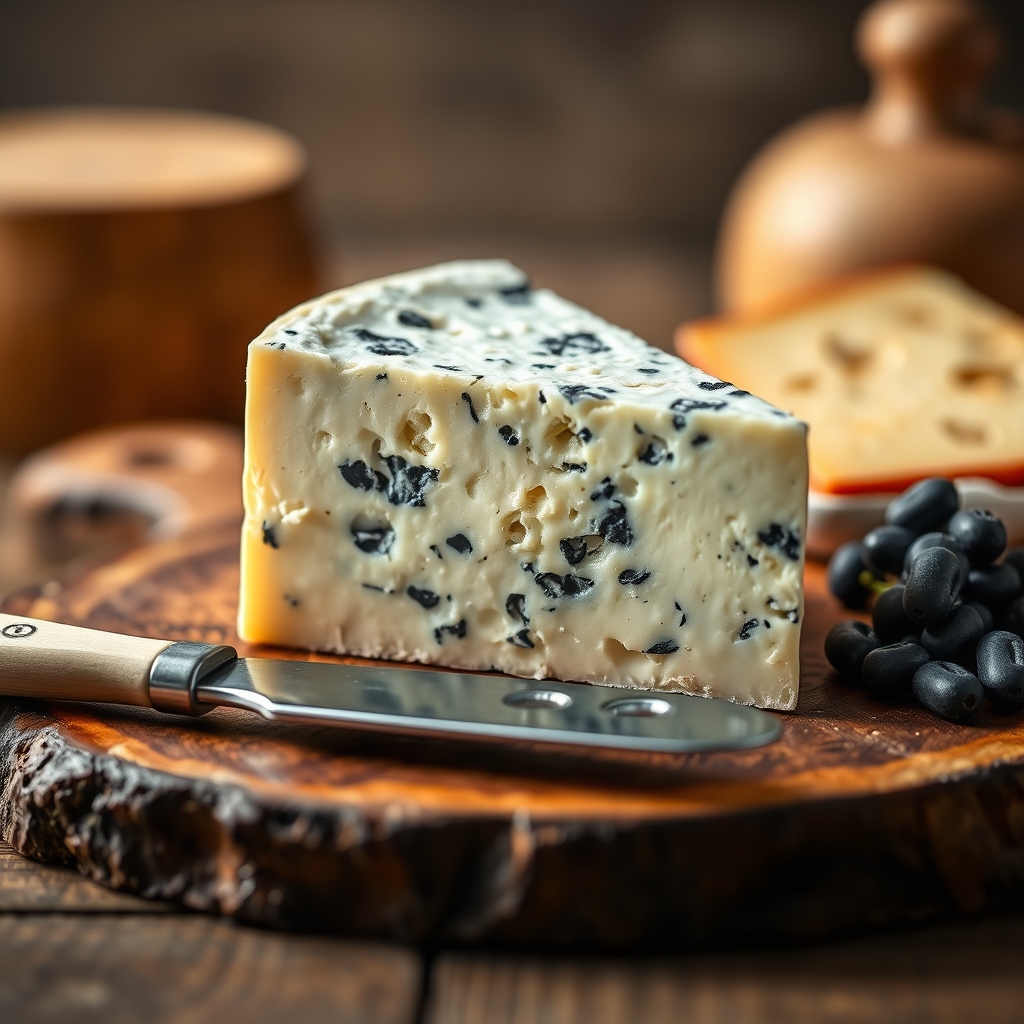
A wedge of blue cheese with its distinctive blue veins, next to a small knife on a rustic wooden board.
The distinctive mold in blue cheese gives it its unique flavor but also makes it a potential concern during pregnancy.

Is blue cheese safe to eat during pregnancy?

The
short answer is: **raw or uncooked blue cheese is generally not considered safe for pregnancy.** The main concern is the risk of *Listeria* infection (listeriosis), a foodborne illness that can be particularly dangerous for pregnant individuals and their developing babies. This guidance is consistent across major health organizations. The American College of Obstetricians and Gynecologists (ACOG) and the Centers for Disease Control and Prevention (CDC) recommend that pregnant people avoid soft cheeses unless they are thoroughly cooked. Similarly, the UK's National Health Service (NHS) advises against all mold-ripened soft cheeses, including blue cheeses, unless they are cooked until steaming hot. Why the concern? *Listeria monocytogenes* bacteria can contaminate various foods, but soft, mold-ripened cheeses provide an ideal environment for it to grow, even if the milk used to make the cheese was pasteurized. Pasteurization kills bacteria present in the milk, but contamination can occur after pasteurization during the cheesemaking, aging, or packaging process. Unlike many other bacteria, *Listeria* can grow at refrigerator temperatures, meaning it can multiply on cheese stored in your fridge. For most healthy adults, listeriosis might cause mild, flu-like symptoms, or no symptoms at all. However, during pregnancy, the immune system is naturally suppressed, making expecting parents about 10 to 20 times more likely to get listeriosis. The implications of listeriosis in pregnancy can be severe. It can lead to miscarriage, stillbirth, preterm labor, or life-threatening infections in the newborn. Given these serious potential risks, health professionals advise caution and recommend avoiding uncooked blue cheese for pregnancy safety.

Blue cheese safety by trimester: First, second, and third

The risk of *Listeria* infection from blue cheese is present throughout your entire pregnancy, from conception to delivery. Your immune system is altered during pregnancy, making you more susceptible to this particular type of bacterial infection at any stage. Therefore, the recommendation to avoid uncooked blue cheese applies consistently across all trimesters.

First Trimester

During the first trimester, which is a critical period for fetal development and organ formation, a *Listeria* infection can be particularly devastating. Early listeriosis can potentially lead to miscarriage or severe developmental issues. Because the baby's immune system is still developing, it's highly vulnerable to infections transmitted from the mother. Avoiding uncooked blue cheese during this time is crucial to minimize these risks.

Second Trimester

As you move into the second trimester, the risks associated with *Listeria* infection remain significant. While the immediate risk of miscarriage might decrease slightly compared to the first trimester, listeriosis can still cause serious complications such as preterm labor, premature rupture of membranes, and severe infection in the fetus. The bacteria can cross the placenta, leading to systemic infection in the developing baby.

Third Trimester

In the third trimester, listeriosis can lead to preterm birth, stillbirth, or severe, life-threatening infections in the newborn. Babies born with listeriosis often suffer from conditions like sepsis, meningitis, or pneumonia, requiring intensive medical care. Given that your baby is growing rapidly and preparing for birth, avoiding any potential risks is paramount. The CDC specifically highlights pregnant women in their third trimester as being at the highest risk for severe outcomes from listeriosis.

Blue cheese and breastfeeding

For breastfeeding parents, the good news is that *Listeria* is generally not transmitted through breast milk. If you've had a *Listeria* infection, the bacteria are not typically passed to your baby via breastfeeding. Therefore, once your baby is born, consuming blue cheese (cooked or uncooked) is generally considered safe while breastfeeding. However, if you are experiencing symptoms of listeriosis, it's always best to consult your healthcare provider for personalized advice regarding your health and breastfeeding.

How much blue cheese is safe for pregnant women?

When it comes to uncooked blue cheese, there is no "safe" amount for pregnant women. Even a small portion carries the risk of *Listeria* contamination. Since *Listeria* can be present unevenly in a product, a single bite could theoretically contain enough bacteria to cause an infection. This is why health authorities recommend complete avoidance of raw blue cheese during pregnancy. The only scenario where blue cheese is considered safe for pregnancy is when it has been **thoroughly cooked until steaming hot**. This means heating the cheese to a temperature that kills *Listeria* bacteria, typically above 165°F (74°C). This applies to blue cheese used in sauces, casseroles, pizzas, or any dish where it is fully incorporated and heated through. Simply melting the cheese on a warm dish or serving it slightly warm is not enough; it needs to be bubbling and steaming throughout. If you're unsure if a dish containing blue cheese has been heated sufficiently, it's safest to avoid it.

What are the risks of eating blue cheese while pregnant?

The primary and most serious risk of eating uncooked blue cheese during pregnancy is **listeriosis**, an infection caused by the bacterium *Listeria monocytogenes*. As mentioned, pregnant individuals are particularly vulnerable to this infection due to changes in their immune system. The risks associated with listeriosis in pregnancy include:
  • Miscarriage: In the early stages of pregnancy, listeriosis can lead to the loss of the pregnancy.
  • Stillbirth: Later in pregnancy, the infection can tragically result in the baby being born deceased.
  • Preterm Birth: *Listeria* infection can trigger premature labor, leading to the baby being born too early, which carries its own set of health challenges for the newborn.
  • Severe Illness in the Newborn: If the baby contracts *Listeria* from the mother during pregnancy or birth, they can develop serious conditions such as sepsis (blood infection), meningitis (inflammation of the membranes surrounding the brain and spinal cord), or pneumonia. These conditions can be life-threatening and require intensive medical care.
  • Flu-like Symptoms in the Mother: While the fetal risks are paramount, the pregnant person may also experience symptoms that can range from mild to severe, including fever, muscle aches, headache, nausea, and diarrhea. In some cases, the mother may have very mild symptoms or no symptoms at all, making diagnosis challenging, even as the infection progresses in the fetus.
These risks are why healthcare providers emphasize strict adherence to food safety guidelines, including avoiding uncooked soft, mold-ripened cheeses like blue cheese, to protect both the pregnant parent and the baby.

Can cooked blue cheese be eaten during pregnancy?

Yes, thoroughly cooked blue cheese can be eaten during pregnancy. The key word here is "thoroughly cooked." Heating blue cheese to a high temperature, ensuring it is steaming hot and bubbling throughout (typically 165°F or 74°C), effectively kills the *Listeria monocytogenes* bacteria that pose a risk. This means you can enjoy dishes like:
  • Blue cheese sauce: If it's been heated to a rolling boil and served hot.
  • Baked dishes: Casseroles, gratins, or pizzas where blue cheese is melted and baked until very hot and bubbly.
  • Grilled sandwiches: As long as the cheese inside is fully melted and hot.
The important distinction is that simply warming the cheese or having it slightly melted on a warm dish is not enough. The heat must penetrate completely and consistently throughout the cheese to neutralize any potential bacteria. If you are ordering a dish with blue cheese at a restaurant, it's wise to ask about the preparation method and ensure it will be served steaming hot. If there's any doubt about how thoroughly it's been cooked, it's best to choose a safer alternative.

Are all types of blue cheese unsafe during pregnancy?

Yes, generally all types of blue cheese are considered unsafe during pregnancy if eaten uncooked. This includes popular varieties like:
  • Gorgonzola: A soft, creamy Italian blue cheese.
  • Roquefort: A pungent French blue cheese made from sheep's milk.
  • Stilton: A firm, crumbly English blue cheese.
  • Danish Blue: A semi-soft, creamy blue cheese from Denmark.
  • Bleu d'Auvergne: Another French blue cheese, semi-soft.
The common factor among these cheeses is their soft or semi-soft texture and the presence of internal mold cultures, which create an environment where *Listeria* can thrive, even if the milk used was pasteurized. The mold-ripening process and higher moisture content are the primary reasons for concern, not necessarily the specific type of blue cheese. It's a common misconception that if a cheese is made with pasteurized milk, it's automatically safe. While pasteurization kills bacteria in the milk itself, soft cheeses, including blue cheeses, can still become contaminated with *Listeria* after pasteurization during the cheesemaking, aging, or packaging process. The bacteria can then multiply at refrigeration temperatures. Therefore, regardless of whether a blue cheese is labeled "pasteurized," it should still be avoided unless thoroughly cooked until steaming hot.
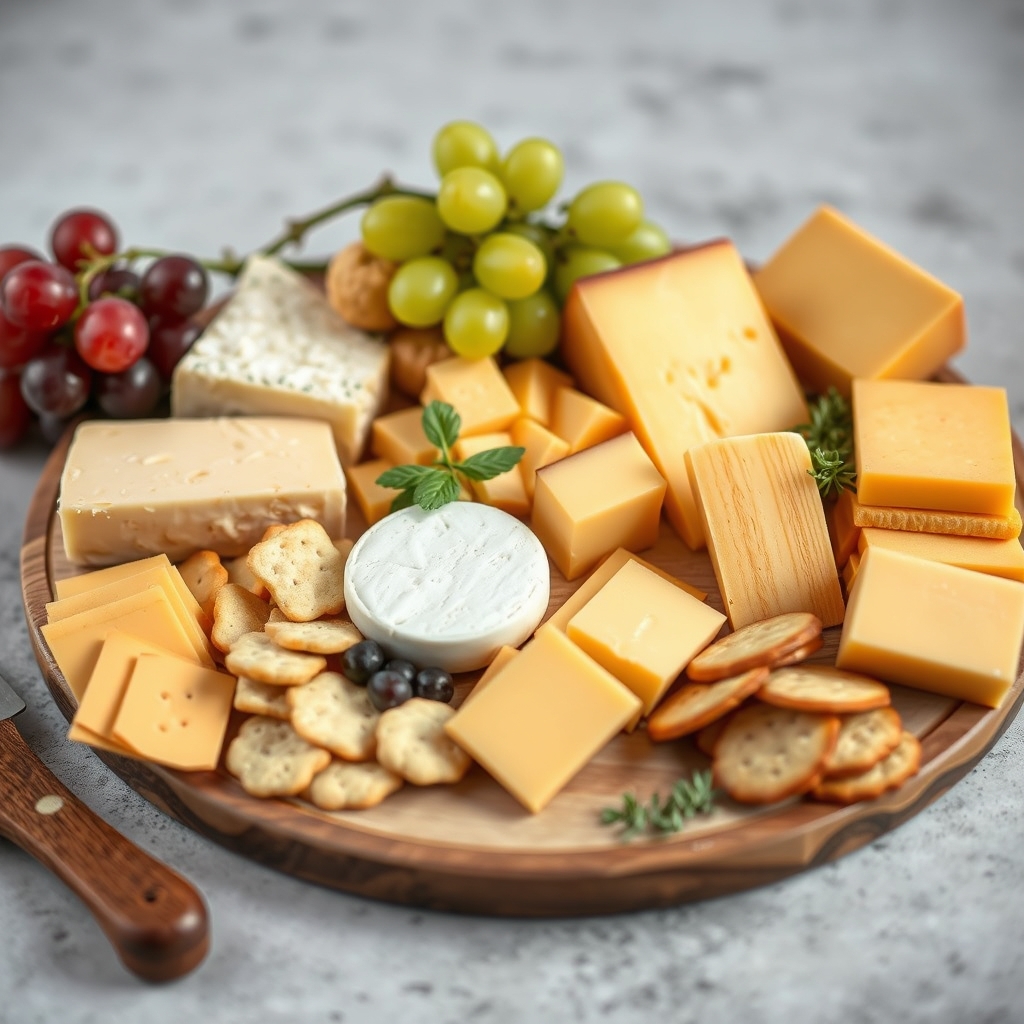
A selection of different cheeses on a wooden board, including some hard cheeses and clearly labeled pasteurized options.
While uncooked blue cheese is best avoided, many other delicious pasteurized cheeses are safe options for pregnancy.

What are the symptoms of listeria from blue cheese during pregnancy?

Recognizing the symptoms of listeriosis is crucial during pregnancy, especially if you've accidentally consumed uncooked blue cheese or any other high-risk food. The challenge is that symptoms can be mild and mimic common pregnancy discomforts or a regular flu. Symptoms of listeriosis can appear anywhere from a few days to several weeks (even up to 70 days) after exposure. They typically include:
  • Fever: Often the first and most prominent symptom.
  • Muscle aches: Similar to those experienced with the flu.
  • Headache: Can range from mild to severe.
  • Nausea and vomiting: Digestive upset.
  • Diarrhea: Another common digestive symptom.
  • Chills: Feeling cold and shivery.
  • Stiff neck: In more severe cases, listeriosis can lead to meningitis, causing a stiff neck and confusion.
It's important to remember that some pregnant individuals may experience very mild symptoms or no symptoms at all, even if the infection is present and affecting the baby. If you suspect you might have listeriosis, or if you've eaten uncooked blue cheese and develop any of these symptoms, **it is crucial to contact your healthcare provider immediately.** They can perform tests to diagnose listeriosis and, if necessary, prescribe antibiotics that can treat the infection and potentially prevent or reduce harm to your baby. Early diagnosis and treatment are key to improving outcomes.

Safer alternatives to blue cheese during pregnancy

If you're missing the rich, tangy flavors of blue cheese, don't worry! There are plenty of delicious and safe alternatives that can satisfy your cheese cravings during pregnancy. The key is to choose cheeses that are either hard, made with pasteurized milk, or thoroughly cooked. Here are some excellent pregnancy-safe cheese alternatives:
  • Pasteurized Cheddar Cheese: A versatile and widely available hard cheese, safe in all forms (block, shredded, sliced).
  • Pasteurized Mozzarella Cheese: Great for melting on pizzas or in cooked dishes; ensure it's pasteurized.
  • Pasteurized Swiss Cheese: Known for its distinctive holes and nutty flavor, it's a safe hard cheese option.
  • Pasteurized Cream Cheese: Perfect for bagels, dips, or cheesecakes, cream cheese is generally safe as it's typically made from pasteurized milk and isn't mold-ripened.
  • Pasteurized Cottage Cheese: A fresh, soft cheese that's safe for pregnancy and a good source of protein.
  • Pasteurized Hard Goat Cheese: While soft goat cheese is generally advised against, hard, aged goat cheese made with pasteurized milk is a safe choice.
  • Pasteurized Ricotta Cheese: Often used in lasagna or other baked dishes, ricotta is safe when pasteurized and cooked or served fresh.
  • Pasteurized Feta Cheese: While traditionally a soft cheese, most feta sold in the US and UK is made from pasteurized milk and is safe to eat. Always check the label to confirm pasteurization.
Always check the label to ensure any cheese you choose is made from pasteurized milk. For soft cheeses like feta or fresh mozzarella, even if pasteurized, some experts recommend consuming them promptly after opening and ensuring good refrigeration to minimize any minimal risk of post-processing contamination. Understanding the general guidelines for cheese safety can help you make informed choices beyond just blue cheese. Here’s a quick look at the safety of other related food items during pregnancy:
Item Verdict Note
Brie cheese ❌ Best avoided (unless cooked) Soft, mold-ripened cheese; high *Listeria* risk even if pasteurized, unless thoroughly cooked.
Camembert cheese ❌ Best avoided (unless cooked) Similar to Brie, a soft, mold-ripened cheese that poses a *Listeria* risk if uncooked.
Roquefort cheese ❌ Best avoided (unless cooked) A type of blue cheese, falls under the same "avoid unless cooked" category due to *Listeria* risk.
Gorgonzola cheese ❌ Best avoided (unless cooked) Another blue cheese variety, unsafe if uncooked for the same reasons as other blue cheeses.
Stilton cheese ❌ Best avoided (unless cooked) A firm blue cheese, but still mold-ripened; avoid raw, cook until steaming hot.
Unpasteurized soft goat cheese ❌ Best avoided Unpasteurized dairy and soft texture combine for a very high *Listeria* risk.
Unpasteurized milk ❌ Best avoided Can contain *Listeria*, *E. coli*, and other harmful bacteria; always choose pasteurized milk.
Deli meats ⚠️ Safe with limits High *Listeria* risk if eaten cold; generally safe if reheated until steaming hot (165°F/74°C).
Smoked salmon ⚠️ Safe with limits Can carry *Listeria*; generally safe if cooked thoroughly (e.g., in a casserole), otherwise avoid.

Myth vs. fact

Navigating pregnancy food safety can be confusing, and many myths circulate. Let's clear up some common misconceptions about blue cheese and pregnancy. Myth: Blue cheese is safe if it's made with pasteurized milk. Fact: While pasteurization kills bacteria in the milk itself, soft, mold-ripened cheeses like blue cheese can still become contaminated with *Listeria* after pasteurization during the aging or packaging process. The environment within these cheeses (high moisture, low acidity) allows *Listeria* to grow, even in refrigerated conditions. Therefore, even pasteurized blue cheese is generally advised against unless thoroughly cooked. Myth: A small taste of blue cheese won't hurt. Fact: Unfortunately, there's no known "safe" amount of *Listeria* during pregnancy. Even a small amount of contaminated food can lead to infection. Given the severe potential consequences, most health organizations recommend complete avoidance of uncooked blue cheese to eliminate any risk. Myth: If blue cheese is firm, it's safe. Fact: While very hard cheeses (like Parmesan or aged Cheddar) are generally considered safe due to their low moisture content and high acidity, blue cheeses, even those that are described as "firm" (like Stilton), still fall into the mold-ripened category. Their internal mold growth and specific aging processes mean they still pose a *Listeria* risk if not cooked. The key is the mold-ripening and soft/semi-soft nature, not just the firmness.
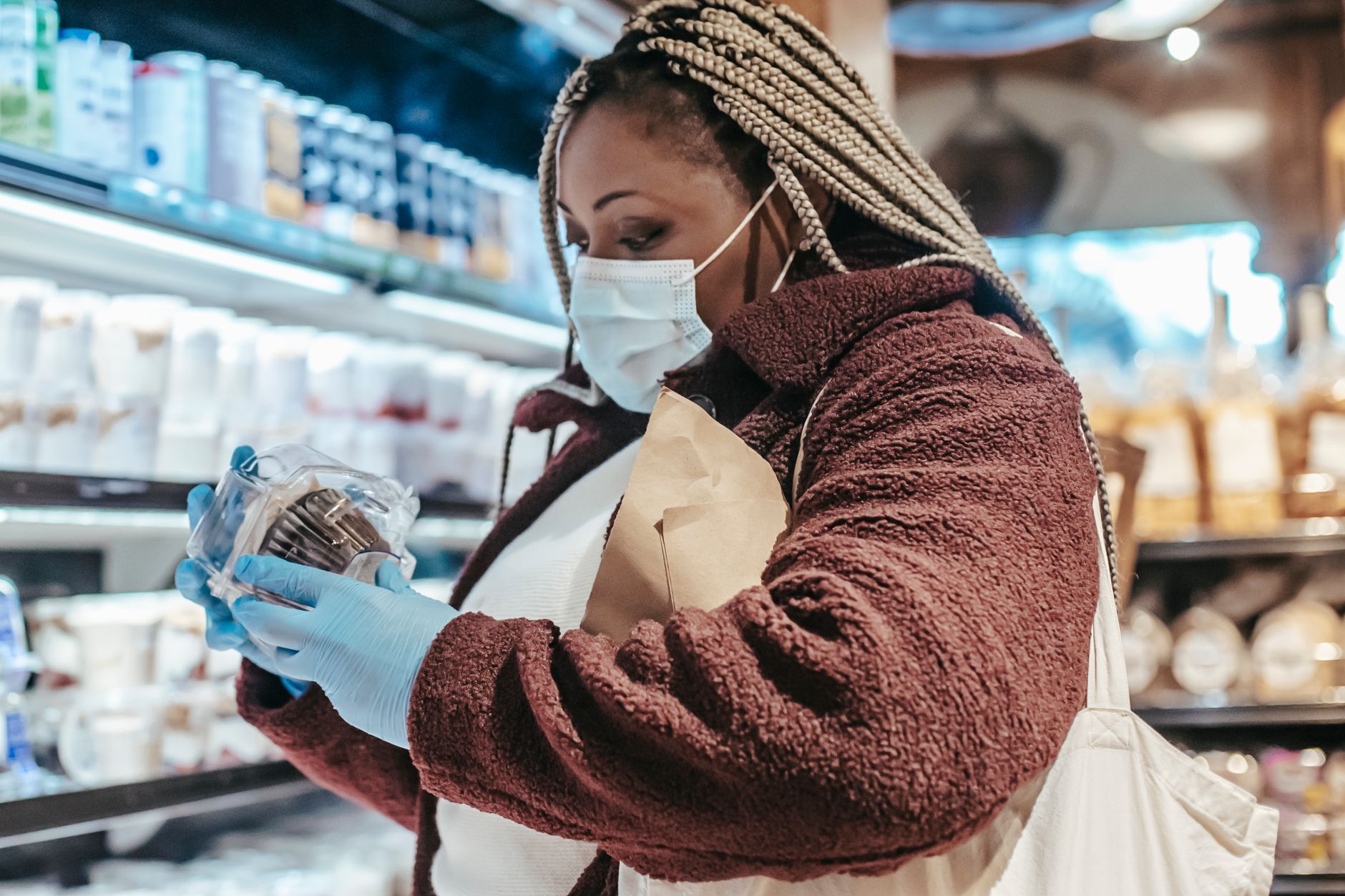
A pregnant woman looking thoughtfully at a food label in a grocery store aisle, focusing on ingredients.
Always read food labels carefully to check for pasteurization and other ingredients during pregnancy.

Key takeaways

  • Uncooked blue cheese is generally **not safe** during pregnancy due to the risk of *Listeria* infection.
  • This risk applies to all types of blue cheese, including Gorgonzola, Roquefort, and Stilton, even if made with pasteurized milk.
  • *Listeria* can cause serious complications like miscarriage, stillbirth, preterm birth, and severe illness in newborns.
  • Blue cheese is only safe if it's **thoroughly cooked until steaming hot** (165°F/74°C), ensuring any bacteria are killed.
  • Symptoms of listeriosis can be flu-like; contact your doctor immediately if you suspect infection.
  • Many pasteurized hard and semi-hard cheeses (Cheddar, Swiss, mozzarella, pasteurized feta) are safe and delicious alternatives.

Frequently asked questions

Can you eat blue cheese dressing when pregnant?

Generally, blue cheese dressing is not recommended during pregnancy unless you can confirm it has been made with thoroughly cooked blue cheese or is entirely blue cheese-free. Many commercial dressings contain uncooked blue cheese crumbles or use a base derived from uncooked blue cheese, posing the same *Listeria* risk as the cheese itself. If you're unsure, it's safest to avoid it or opt for a different type of dressing.

What happens if I accidentally eat blue cheese while pregnant?

First, don't panic. Many people consume risky foods without incident. The risk of *Listeria* infection from a single exposure is still relatively low, though serious. Monitor yourself for symptoms of listeriosis, such as fever, muscle aches, headache, nausea, or diarrhea, for up to 70 days. If you develop any concerning symptoms, contact your healthcare provider immediately for advice and potential testing.

Is pasteurized blue cheese safe during pregnancy?

Despite being made from pasteurized milk, pasteurized blue cheese is generally *not* considered safe for pregnancy if eaten uncooked. Pasteurization kills bacteria in the milk, but *Listeria* can contaminate the cheese after this process, during aging or packaging. The soft, mold-ripened environment of blue cheese allows *Listeria* to grow, even in the refrigerator. Therefore, the same cooking precautions apply to pasteurized blue cheese.

What cheeses are not safe during pregnancy?

Cheeses generally considered unsafe during pregnancy include all soft, mold-ripened cheeses (like Brie, Camembert, Roquefort, Gorgonzola, Stilton), soft unpasteurized cheeses (such as unpasteurized feta, goat cheese, or queso fresco), and any cheese made from unpasteurized milk. These types of cheeses have a higher risk of containing *Listeria monocytogenes* bacteria.

Can pregnant women eat blue cheese sauce?

Yes, pregnant women can safely eat blue cheese sauce, but only if it has been thoroughly cooked until it is steaming hot and bubbling. The heat must be sufficient to kill any potential *Listeria* bacteria. Simply warm or lukewarm sauce is not enough. If you're making it at home, ensure it reaches a high temperature. If ordering out, confirm the sauce is served piping hot.

Is crumbled blue cheese safe when pregnant?

No, crumbled blue cheese is not safe during pregnancy if eaten uncooked. Whether the blue cheese is in a wedge, crumbles, or incorporated into a cold dish, the risk of *Listeria* contamination remains the same. The form of the cheese does not change its inherent risk profile. It must be thoroughly cooked until steaming hot to be considered safe.

What soft cheeses are safe during pregnancy?

Many soft cheeses are safe if they are made from pasteurized milk and are not mold-ripened. Safe pasteurized soft cheeses include cream cheese, cottage cheese, ricotta, mozzarella, and most types of feta (check the label for "pasteurized"). These cheeses do not provide the same environment for *Listeria* to thrive as mold-ripened soft cheeses. Always confirm "pasteurized" on the label.

When to call your doctor

While we aim to provide comprehensive, evidence-based information, it's crucial to remember that this article is for informational purposes only and not a substitute for professional medical advice. Always consult your healthcare provider for any health concerns during pregnancy. You should call your doctor or midwife immediately if you:
  • Have eaten uncooked blue cheese or another high-risk food and develop flu-like symptoms, such as fever (especially 100.4°F/38°C or higher), chills, muscle aches, headache, or gastrointestinal issues (nausea, vomiting, diarrhea).
  • Experience a stiff neck, confusion, or loss of balance, which could indicate a more severe *Listeria* infection like meningitis.
  • Have any concerns about your health or your baby's health after consuming potentially contaminated food, even if you don't have severe symptoms.
Early diagnosis and treatment of listeriosis with antibiotics can significantly improve outcomes for both you and your baby. Do not hesitate to seek medical attention if you are worried.

References

  1. American College of Obstetricians and Gynecologists (ACOG). (Accessed 2023). *Nutrition During Pregnancy*.
  2. Centers for Disease Control and Prevention (CDC). (Accessed 2023). *Listeriosis (Listeria) and Pregnancy*.
  3. Food and Drug Administration (FDA). (Accessed 2023). *Listeria (Listeriosis)*.
  4. National Health Service (NHS) UK. (Accessed 2023). *Foods to avoid in pregnancy*.
  5. Mayo Clinic. (Accessed 2023). *Pregnancy diet: Focus on these essential nutrients*.

Editor's pick for this topic

Not sure about the label on Is Blue Cheese Safe During Pregnancy products?

Snap the ingredients list (or paste it, or scan the barcode) and SafeFilter checks every ingredient against your stage of pregnancy — flagging what to avoid, what needs care, and what's fine.

Scan a label free

Informational only — not medical advice.

Shubhra Mishra

About the Author

When Shubhra Mishra was expecting her first child in 2016, she was overwhelmed by conflicting food advice — one site said yes, another said never. By the time her second baby arrived in 2019, she realized millions of mothers face the same confusion.

That sparked a five-year journey through clinical nutrition papers, cultural diets, and expert conversations — all leading to BumpBites: a calm, compassionate space where science meets everyday motherhood.

Her long-term vision is to build a global community ensuring safe, supported, and free deliveriesfor every mother — because no woman should face pregnancy alone or uninformed. 🌿

🌍 Stand with mothers, shape safer guidance

Join a small circle of experts who review BumpBites articles so expecting parents everywhere can decide with confidence.

⚠️ Always consult your doctor for medical advice. This content is informational only.