Yes, provolone cheese is safe for pregnancy when made from pasteurized milk. Enjoy this mild cheese in moderation throughout all trimesters without worry. Learn more about safe consumption and alternatives.
By Shubhra Mishra — a mom of two who turned her own confusion during pregnancy into BumpBites, a global mission to make food choices clear, safe, and stress-free for every expecting mother. 💛
Check whether any food is safe during pregnancy with the BumpBites Food Safety Checker.
Quick verdict: ⚠️ Safe with limits – pasteurized provolone cheese can be part of a healthy pregnancy diet, but you should keep portions moderate and avoid unpasteurized varieties.
It’s 2 a.m., you’re scrolling through a late‑night search for “provolone cheese safe for pregnancy,” and a wave of worry hits you. Did you just add a slice to your midnight snack? Is that creamy, orange‑golden wedge a hidden danger? You’re not alone—many expecting parents pause at the cheese counter and wonder the same thing. The sheer volume of information (and misinformation) about pregnancy nutrition can be overwhelming, leading to anxiety over seemingly simple choices like a slice of cheese.
The good news is that for most pregnant people, provolone cheese can indeed be enjoyed safely. The key lies in understanding a few crucial details: primarily, whether the cheese has been pasteurized. This heat treatment is your best defense against foodborne illnesses like listeriosis, which, while rare, can be particularly serious during pregnancy. We also need to consider how much you eat, as even safe foods can become problematic in excess, and understand the general guidelines across different trimesters.
In this comprehensive guide, we'll dive deep into the evidence-based recommendations from leading health organizations like the American College of Obstetricians and Gynecologists (ACOG) and the UK’s National Health Service (NHS). We’ll give you clear serving‑size guidelines, explore various types of provolone, discuss safer cheese alternatives, and equip you with the knowledge to make informed decisions without the sleepless‑night anxiety. Our goal is to provide calm, clear, and actionable advice so you can confidently navigate your pregnancy diet.
Trimester / Breastfeeding
Verdict
Notes
First trimester
⚠️ Safe with limits
Only pasteurized provolone; limit to 1‑2 ounces (30-60g) per day. Critical period for fetal development.
Second trimester
⚠️ Safe with limits
Same guidance; can be included in balanced meals to support growing calcium needs.
Third trimester
⚠️ Safe with limits
Maintain moderate portion size; be mindful of saturated fat and sodium intake.
Breastfeeding
✅ Generally safe
Pasteurized provolone is fine; continue moderate portions as part of a varied diet.
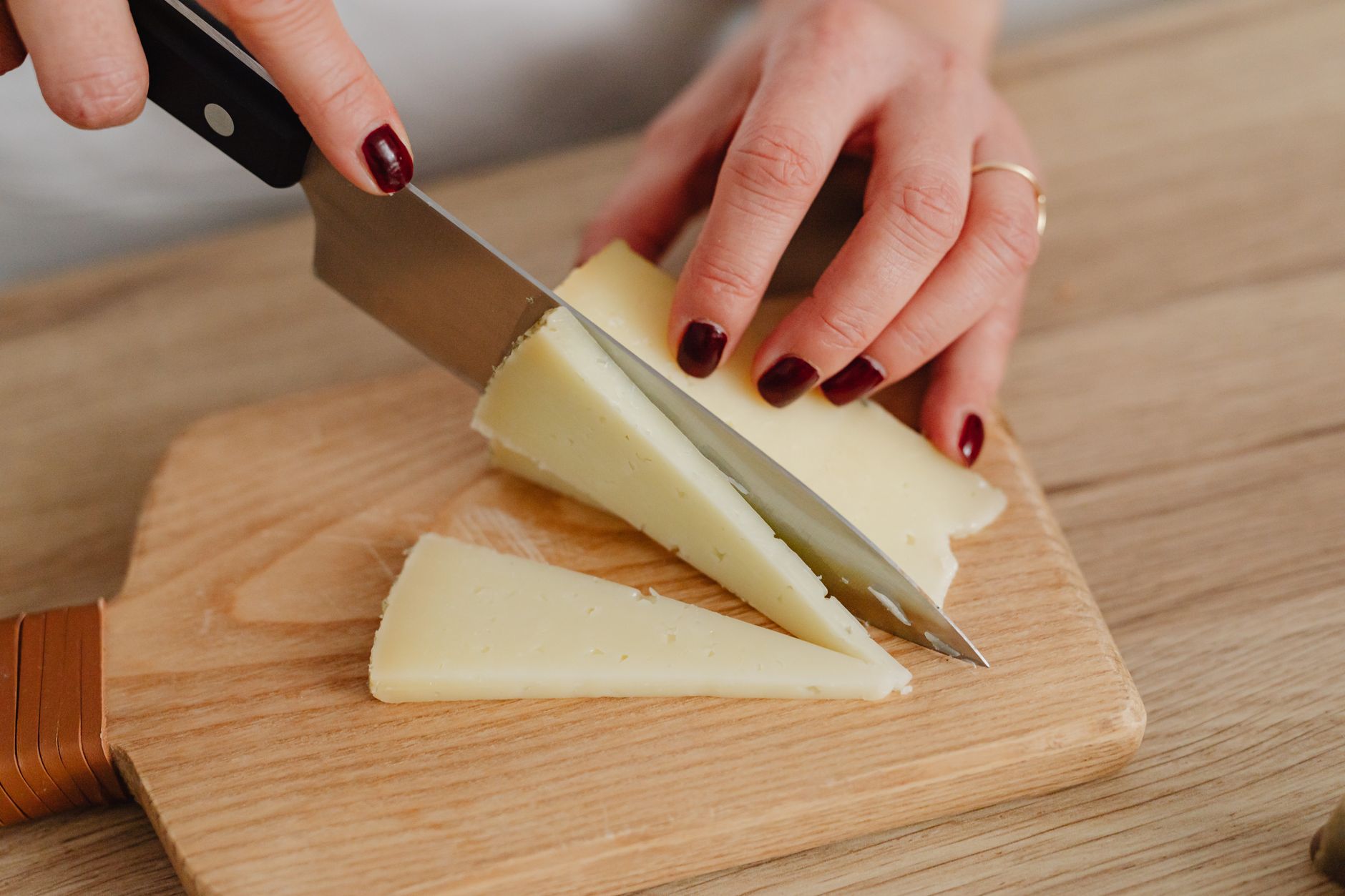
Keep an eye on portion size—one ounce of provolone is about the size of a pair of dice or two standard slices.
What is provolone cheese?
Provolone is a semi-hard Italian cheese that originated in Southern Italy. Its name comes from the Neapolitan words prova or provola, meaning "ball-shaped." It belongs to the "pasta filata" or "spun paste" family of cheeses, which includes mozzarella. This means the curd is stretched and kneaded in hot water, giving provolone its distinct smooth, pliable texture.
There are generally two main types of provolone: Provolone Dolce (sweet provolone), which is aged for 2-3 months and has a milder, sweeter flavor, and Provolone Piccante (sharp provolone), aged for 6 months to a year or more, resulting in a stronger, sharper taste. Both types are typically pale yellow to white in color and are often found in various shapes, from large sausages to smaller pears. Its versatility makes it a popular choice for sandwiches, pizzas, and cheese boards.
Is provolone cheese safe to eat during pregnancy?
Yes—when the provolone is made from pasteurized milk, it is generally considered safe for pregnant people. This guidance is consistent across major health authorities. The American College of Obstetricians and Gynecologists (ACOG) advises that any cheese made from pasteurized milk poses minimal risk of food‑borne infection. The primary concern with cheese during pregnancy is Listeria monocytogenes, a bacterium that can cause listeriosis. Listeria thrives in unpasteurized dairy products, certain soft cheeses, and improperly handled foods. Pasteurization is a heat treatment process that effectively kills this and other harmful pathogens, making provolone safe when consumed in reasonable amounts.
The vast majority of commercial provolone sold in the United States, Canada, the United Kingdom, and Australia is pasteurized. However, it is always crucial to double-check the label. Look for clear indications like “made with pasteurized milk” or simply “pasteurized” on the packaging. If you are purchasing provolone from a specialty cheese shop, a farmer’s market, or from a deli where the cheese is cut to order, don't hesitate to ask the staff about its pasteurization status. If there's any uncertainty, it's always best to err on the side of caution and choose a clearly labeled pasteurized option.
Beyond pasteurization, the texture of provolone also contributes to its safety profile. Provolone is classified as a semi‑hard cheese, which means it has a lower moisture content and a higher acidity compared to soft, unripened cheeses like Brie, Camembert, or certain fresh goat cheeses. These characteristics create an environment less hospitable for bacteria like listeria to grow and multiply. This inherent quality, combined with pasteurization, significantly reduces the risk, allowing you to enjoy provolone as part of a balanced pregnancy diet.
Understanding Pasteurization: Your Best Defense
Pasteurization is a heat treatment process that involves heating milk to a specific temperature for a set period, then rapidly cooling it. This process effectively kills harmful bacteria, including Listeria monocytogenes, Salmonella, E. coli, and Campylobacter, without significantly altering the nutritional value or flavor of the milk. For pregnant individuals, choosing pasteurized dairy products is one of the most important dietary precautions to prevent foodborne illnesses.
While unpasteurized, or "raw," milk and cheeses are celebrated by some for their unique flavors and purported health benefits, the risks during pregnancy far outweigh any potential advantages. The Centers for Disease Control and Prevention (CDC) and the FDA strongly advise against consuming unpasteurized dairy during pregnancy due to the severe health consequences that listeriosis can have on both the pregnant person and the developing fetus, including miscarriage, stillbirth, preterm labor, and life-threatening infections in the newborn.
Can pregnant women eat provolone cheese in the first trimester?
The first trimester, typically weeks 1-12 of pregnancy, is a critical period for fetal development, known as organogenesis, where the baby’s major organs and systems are rapidly forming. During this sensitive window, ACOG and the UK’s National Health Service (NHS) both emphasize the paramount importance of avoiding unpasteurized dairy and other high-risk foods to minimize the chance of infection. However, pasteurized provolone remains a permissible and safe option, provided it’s consumed in moderation.
If you find yourself craving provolone during your first trimester, be diligent about checking for the “pasteurized” label. Limit your intake to about 1‑2 ounces (approximately 30‑60 g) per day. This amount provides beneficial calcium and protein, which are vital for early fetal development, without contributing excessive saturated fat or sodium. Pairing your provolone with nutrient‑dense foods—such as whole‑grain crackers, fresh fruit, or a vibrant leafy green salad—helps create a balanced snack or meal that supports both your health and your baby’s growth. Remember, variety is key to ensuring you receive a broad spectrum of essential vitamins and minerals.
Provolone in the Second Trimester
As you enter the second trimester (weeks 13-27), often referred to as the "golden trimester," many of the early pregnancy symptoms like morning sickness may subside, and your energy levels might increase. The baby's growth accelerates significantly during this period, and your body's demand for key nutrients, particularly calcium, rises. Provolone can be a beneficial addition to your diet during this time, helping you meet those increased calcium needs for the development of your baby's bones and teeth, as well as maintaining your own bone health.
Continue to adhere to the same guidelines: ensure the provolone is pasteurized and maintain moderate portion sizes of 1-2 ounces. Integrating it into varied meals, such as melted on a whole-wheat sandwich or added to a vegetable frittata, can make it an enjoyable and nutritious component of your diet. Just be mindful of overall caloric intake and balance it with other healthy foods.
Provolone in the Third Trimester
The third trimester (weeks 28-40) brings rapid weight gain for the baby and continued development of vital systems. Calcium remains crucial, especially for the final stages of bone mineralization. You can confidently continue enjoying pasteurized provolone, but it’s a good time to be particularly mindful of your overall dietary intake. Watch for excessive saturated fat and sodium, which can become more of a concern as your body prepares for labor and delivery.
If you're managing gestational diabetes, it's important to monitor the carbohydrate content of any foods you pair with provolone, such as bread or crackers, to keep blood sugar levels stable. Provolone itself is low in carbohydrates, making it a good protein and fat source, but the accompaniments can impact your glucose readings. As always, discuss any dietary concerns or specific conditions with your healthcare provider.
Breastfeeding
After delivery, during the breastfeeding period, the same pasteurization rule applies. Breastfeeding parents can safely eat pasteurized provolone in the same moderate serving sizes—1-2 ounces a few times a week. The nutrients, particularly calcium and protein, can contribute to your own recovery and help meet the increased nutritional demands of milk production. There is no evidence that cheese consumption in moderation affects breast milk or causes issues for the baby. Continue to focus on a balanced, varied diet to support both your health and your baby's nutrition.
How much provolone cheese is safe for a pregnant woman?
Moderation is indeed the guiding principle when it comes to consuming provolone cheese during pregnancy. While the FDA does not set a specific limit for provolone itself, general dietary recommendations for dairy intake during pregnancy suggest aiming for about 3 cups (approximately 720 ml) of milk or dairy equivalents per day. One ounce (about 30 grams) of provolone cheese is roughly equivalent to ½ cup of dairy, meaning 1-2 ounces fits comfortably within that daily guideline.
For most pregnant people, enjoying a serving of pasteurized provolone—which is roughly the size of a pair of dice or two standard slices—once a day or a few times a week is perfectly safe and can contribute valuable nutrients. However, if you're already meeting your daily dairy quota through other sources like milk, yogurt, or other cheeses, you might consider reducing your provolone intake to a few times per week. This helps manage your total saturated fat intake, which ideally should remain under 10% of your daily calories, as recommended by dietary guidelines for overall health.
It's also important to remember that cheese, including provolone, is a source of sodium. A typical slice of provolone can contain anywhere from 150-200 mg of sodium. For those monitoring blood pressure or at risk of gestational hypertension, being mindful of high-sodium foods is crucial. Balancing provolone with lower-sodium options and ensuring adequate hydration can help mitigate this concern. Always consider your overall diet and consult your healthcare provider or a registered dietitian if you have specific dietary needs or concerns.
Nutritional Benefits of Provolone During Pregnancy
Beyond its delicious taste, provolone cheese offers several nutritional benefits that can be valuable during pregnancy. It is an excellent source of calcium, which is fundamental for the development of your baby’s bones, teeth, heart, nerves, and muscles. Adequate calcium intake also helps prevent bone density loss in the pregnant person, as the baby draws heavily on maternal calcium stores. Just one ounce of provolone can provide about 20% of the daily recommended intake of calcium for pregnant individuals.
Provolone also provides high-quality protein, essential for the growth and repair of tissues in both the pregnant person and the baby. Protein is crucial for the development of the baby's organs, blood supply, and muscles. Additionally, it contains phosphorus, another mineral vital for bone health, and vitamin B12, which plays a key role in red blood cell formation and neurological function. When chosen wisely (pasteurized and in moderation), provolone can be a convenient and tasty way to boost your intake of these important nutrients.
What are safe cheese alternatives for pregnant women?
If provolone isn't your preference, or you're looking to diversify your cheese intake, there are many other excellent pasteurized cheese options available that are perfectly safe for pregnant people. These alternatives offer a range of flavors and textures, ensuring you don't miss out on the nutritional benefits or culinary enjoyment that cheese can bring.
Cheddar cheese (pasteurized) – A firm, classic cheese, cheddar is widely available in pasteurized versions, rich in calcium, and versatile for snacking or cooking. Its lower moisture content makes it inherently safer.
Mozzarella cheese (pasteurized) – Especially fresh mozzarella (look for "pasteurized" on the label), this soft-white cheese is lower in sodium and fat, making it a great addition to salads, pizzas, or caprese skewers.
Swiss cheese (pasteurized) – Known for its distinctive holes and nutty flavor, Swiss cheese is naturally low in lactose and is almost always made from pasteurized milk, making it a safe and popular choice for sandwiches.
Parmesan cheese (pasteurized) – This hard, aged cheese is typically safe even if made from unpasteurized milk due to its low moisture and high salt content, but pasteurized varieties are readily available. It's perfect for grating over pasta or salads.
Cream cheese (pasteurized) – A soft, spreadable cheese, cream cheese is almost universally pasteurized in commercial varieties, making it a safe choice for bagels, dips, or desserts. Low-fat options are also widely available.
Ricotta cheese (pasteurized) – This soft, mild, and granular cheese is excellent for pasta fillings, lasagna, or even as a base for sweet dishes with fruit. Always choose pasteurized ricotta.
Cottage cheese (pasteurized) – High in protein and often low in fat, cottage cheese is a versatile and nutritious option for snack bowls, salads, or mixed with fruit. Ensure it's pasteurized.
Hard goat cheese (pasteurized) – While soft goat cheeses often need caution, hard, aged goat cheese, especially when labeled pasteurized, can offer a tangy, crumbly alternative to cow's milk cheeses. Always confirm pasteurization.
Colby cheese (pasteurized) – A semi-hard American cheese, similar to cheddar but milder and moister. It’s almost always pasteurized and safe for pregnancy.
Monterey Jack cheese (pasteurized) – Another semi-hard cheese, Monterey Jack is mild and melts well, making it ideal for cooking. Ensure it's pasteurized.
Is Boar's Head provolone cheese safe during pregnancy?
Boar’s Head is a widely recognized and reputable brand known for its high-quality deli meats and cheeses. Crucially, Boar’s Head products, including their provolone cheese, are clearly labeled as “pasteurized” on the packaging. According to the company’s official website and the ingredient lists provided for their various provolone offerings (such as their Gold Label Provolone or Smoked Provolone), all are made from pasteurized cow’s milk. This explicit labeling makes Boar’s Head provolone a safe choice for pregnant people when consumed in moderation.
When purchasing Boar's Head provolone from a deli counter, it's important to ensure proper handling and storage. Always store deli cheese at or below 40 °F (4 °C) and consume it within the "use‑by" date. If you're buying pre-packaged slices, check the expiration date and ensure the packaging is intact. If you notice any unusual odor, slimy texture, or visible mold on the cheese, it's best to discard it immediately. These are signs of spoilage that, while not necessarily indicative of listeria, warrant caution and mean the cheese is no longer safe to eat.
What are the risks of eating provolone cheese while pregnant?
The primary and most significant risk associated with consuming cheese during pregnancy is listeria infection, or listeriosis, which arises from eating unpasteurized dairy products. If contracted, listeriosis can manifest with flu‑like symptoms, fever, muscle aches, and gastrointestinal issues. In severe cases, particularly for pregnant individuals, listeriosis can lead to very serious complications, including miscarriage, stillbirth, premature delivery, or life-threatening infections in the newborn. However, it's crucial to reiterate that this risk is extremely low for provolone cheese that has been pasteurized, as the heat-treatment process effectively eliminates L. monocytogenes and other harmful bacteria.
Beyond the listeria concern, there are other, less severe nutritional considerations associated with provolone, especially if consumed in large quantities. Provolone, like many cheeses, can be high in saturated fat and sodium. Excessive intake of saturated fat can contribute to unhealthy weight gain during pregnancy and may potentially raise LDL ("bad") cholesterol levels. High sodium intake can contribute to water retention and, for some individuals, may be a factor in elevated blood pressure or gestational hypertension. Additionally, provolone contains tyramine, a naturally occurring compound found in aged cheeses that can trigger migraines in individuals who are susceptible, though this is generally unrelated to pregnancy safety for the baby.
Overall, when you prioritize pasteurized provolone and adhere to moderate portion sizes, the nutritional benefits—such as high-quality protein, essential calcium, and vital vitamin B12—far outweigh these minimal risks. The key is mindful consumption and awareness of your overall dietary balance.
Recognizing Listeria Symptoms: What to Watch For
While the risk of listeriosis from pasteurized provolone is very low, it's important for pregnant individuals to be aware of the symptoms of listeria infection, especially if there's any uncertainty about the pasteurization status of a food consumed. Symptoms can appear anywhere from a few days to several weeks (typically 1-4 weeks, but sometimes up to 70 days) after eating contaminated food. Common symptoms often resemble the flu and can include:
Fever (often 100.4°F / 38°C or higher)
Muscle aches
Fatigue
Nausea
Vomiting
Diarrhea
In more severe cases, particularly if the infection spreads to the nervous system, symptoms can include headache, stiff neck, confusion, loss of balance, or convulsions. If you experience any of these symptoms, especially fever, after consuming cheese or any other food you suspect might be contaminated, contact your healthcare provider immediately. Early diagnosis and treatment with antibiotics can significantly reduce the risk of serious complications for both you and your baby.
Is smoked provolone cheese safe for pregnant women?
Yes, smoked provolone cheese is safe for pregnant women, provided it is made from pasteurized milk. The smoking process itself is a flavoring and preservation technique that does not alter the pasteurization status of the cheese. Whether provolone is smoked or unsmoked, the critical factor for safety during pregnancy remains the origin of the milk used in its production.
As with any provolone, always check the label for confirmation of pasteurization. Some specialty or artisanal smoked cheeses, particularly those found in smaller shops or farmer's markets, might be made from unpasteurized milk. Therefore, it's essential to verify the label or directly ask the retailer. If you're purchasing pre-sliced smoked provolone from a deli, ensure the staff can confirm it's from a pasteurized source. Because smoked provolone can sometimes have a higher sodium content due to the smoking and curing process, it's wise to limit your intake to the recommended 1‑2 ounces per serving and balance it with other lower‑sodium foods in your diet.
Can provolone cheese cause listeria during pregnancy?
Only unpasteurized provolone cheese carries the risk of causing listeria infection during pregnancy. The pasteurization process is specifically designed to eliminate harmful bacteria, including Listeria monocytogenes, from milk before it is made into cheese. Therefore, if you consume provolone that is clearly labeled "pasteurized," the risk of listeriosis is considered negligible.
However, if you accidentally consume provolone made from unpasteurized milk, the potential for listeria infection exists. It's important to remember that even if you consume unpasteurized cheese, the chance of developing listeriosis is still relatively low, as not all unpasteurized products are contaminated. Nevertheless, due to the severe potential consequences of listeriosis during pregnancy, vigilance is key. If you realize you've consumed unpasteurized provolone, monitor yourself closely for symptoms such as fever, muscle aches, nausea, or diarrhea. Should any of these symptoms appear within two weeks (or up to 70 days) of eating the cheese, contact your healthcare provider promptly. Early diagnosis and treatment with antibiotics can be crucial in preventing serious complications for both you and your baby.
Choosing pasteurized varieties helps you enjoy cheese and other dairy products without worry.
Safety by trimester
First trimester
During the first 12 weeks, the fetus’s major organs are rapidly forming, making this a period of heightened sensitivity to potential infections and environmental factors. For this reason, health authorities like ACOG and the NHS place a strong emphasis on avoiding any foods that carry a significant risk of foodborne illness. Pasteurized provolone, however, is permissible. It can be a good source of calcium and protein, both essential for early cellular development. Continue to scrutinize labels for "pasteurized" and limit servings to 1‑2 ounces per day. It’s especially important to avoid any provolone from artisanal markets or unknown sources where pasteurization status might be ambiguous.
Second trimester
From weeks 13‑27, as your baby’s growth accelerates, your body’s demand for nutrients, particularly calcium, significantly increases to support bone development. Provolone can effectively help meet these elevated needs, provided you consistently adhere to the moderate‑portion guideline of 1-2 ounces. To maximize nutrient absorption, consider pairing provolone with vitamin‑rich foods such as leafy greens, which provide vitamin K, or fortified orange juice, which offers vitamin D. This trimester is often when pregnant individuals feel their best, making it an ideal time to explore varied and nutritious meals incorporating safe dairy options.
Third trimester
In the final three months of pregnancy, calcium remains critically important for the completion of your baby’s bone mineralization and for maintaining your own bone health. You can continue to enjoy pasteurized provolone within the recommended moderate limits. However, as you approach your due date, it's wise to be particularly mindful of your overall saturated‑fat and sodium intake, especially if you have any risk factors for gestational hypertension or excessive weight gain. If you are monitoring for gestational diabetes, remember that provolone itself is low in carbohydrates, but be cautious of the carbohydrate content of any bread or crackers you pair with it to manage blood sugar levels effectively.
Breastfeeding
After delivery, during the breastfeeding journey, the same fundamental rule regarding pasteurization applies. Breastfeeding parents can safely eat pasteurized provolone in the same serving sizes—1‑2 ounces a few times a week. The calcium, protein, and other nutrients found in provolone can contribute to your postpartum recovery and help support the increased nutritional demands of producing breast milk. There is no evidence to suggest that moderate consumption of pasteurized cheese negatively impacts breast milk quality or causes issues for the nursing infant. A balanced and varied diet remains paramount for both your health and your baby's development during this period.
Safe dosage / amount / brands
When incorporating provolone cheese into your pregnancy diet, understanding safe amounts and reliable brands is key. While there's no single "magic number" for daily intake, general guidelines focus on moderation and ensuring you're getting a balance of nutrients without excessive fat or sodium. Always prioritize products that explicitly state "pasteurized" on the label. Here's a breakdown of safe amounts and brands to consider:
Boar’s Head: Consistently labeled pasteurized; widely available and a reliable choice for deli slices.
2 oz (≈ 60 g) shredded provolone (approx. ½ cup loosely packed)
2‑3 servings (≈ 4‑6 oz) total
Organic Valley: Offers pasteurized organic provolone; good if you prefer organic options, but may be higher priced.
1 oz smoked provolone (approx. 2 thin slices)
2‑3 servings per week
Applegate: Clearly states “Pasteurized, smoked” on their provolone products; often has lower-sodium varieties available.
1 oz provolone from a block
3-4 servings (≈ 3-4 oz) total
Sargento: Offers pre-sliced and shredded pasteurized provolone; convenient for portion control and widely available.
Remember that these are general guidelines. Your individual dietary needs may vary, especially if you have specific health conditions or dietary restrictions. Always consult with your healthcare provider or a registered dietitian for personalized advice on portion sizes and brand recommendations that best suit your pregnancy journey.
Side effects and risks
While pasteurized provolone cheese is generally safe during pregnancy, it's important to be aware of potential side effects and risks, primarily related to overconsumption or, in rare cases, contamination from unpasteurized varieties. Understanding these can help you make informed choices and recognize when to seek medical advice.
High saturated fat intake – Provolone, like many cheeses, contains saturated fat. While some fat is necessary for energy and nutrient absorption, excessive intake can contribute to unhealthy weight gain during pregnancy and may negatively impact cholesterol levels, particularly LDL ("bad") cholesterol. This is more of a concern with regular, large portions.
Increased sodium – Cheese can be a significant source of sodium in the diet. High sodium intake can contribute to water retention and, for some pregnant individuals, may be associated with elevated blood pressure or gestational hypertension. Monitoring your overall sodium intake from all food sources is important.
Digestive discomfort – Individuals with lactose intolerance may experience symptoms like bloating, gas, or diarrhea after consuming provolone, as it contains lactose. While provolone is a semi-hard cheese and generally has less lactose than softer cheeses, it's not lactose-free.
Tyramine-induced migraines – Provolone, being an aged cheese, contains tyramine, a naturally occurring amino acid. In susceptible individuals, tyramine can trigger migraines. While not a risk to the pregnancy itself, it can cause significant discomfort for the pregnant person.
The most serious concern, albeit rare with pasteurized cheese, is listeria infection (listeriosis). As discussed, this typically results from consuming unpasteurized dairy. Symptoms often mimic the flu but can escalate to severe complications. If you experience any of the symptoms detailed in the "Recognizing Listeria Symptoms" section after consuming cheese, contact your provider immediately. Remember, the risk is negligible for pasteurized cheese, so focus on proper selection and moderation.
Safer alternatives
For those times when you want a different flavor, need to avoid provolone for dietary reasons, or simply want more variety, here are several pasteurized cheese alternatives that are safe and delicious during pregnancy:
Cheddar cheese (pasteurized) – A firm, classic cheese, cheddar is widely available in pasteurized versions and is an excellent source of calcium and protein. Its robust flavor makes it great for snacking, sandwiches, or cooking.
Mozzarella cheese (pasteurized) – Especially fresh mozzarella (ensure it's pasteurized), this soft-white cheese is lower in sodium and fat compared to many other cheeses. It's perfect for salads, pizzas, or as a light snack.
Swiss cheese (pasteurized) – Known for its distinctive holes and nutty, mild flavor, Swiss cheese is almost always made from pasteurized milk. It's also naturally low in lactose, making it a good option for those with mild sensitivities.
Parmesan cheese (pasteurized) – This hard, aged cheese is renowned for its strong, savory flavor. Due to its low moisture and high salt content, it's considered safe even if traditionally made with raw milk, but pasteurized versions are common. Use sparingly for intense flavor.
Cream cheese (pasteurized) – A soft, spreadable cheese, commercially produced cream cheese is almost universally pasteurized, making it a safe and versatile choice for bagels, dips, or as an ingredient in baking.
Ricotta cheese (pasteurized) – This soft, mild, and granular cheese is a fantastic source of protein and calcium. Always choose pasteurized ricotta for use in lasagna, stuffed pasta shells, or even as a base for sweet dishes with fruit.
Cottage cheese (pasteurized) – High in protein and often low in fat, cottage cheese is a versatile and healthy option. It's great for snack bowls, added to salads, or blended into smoothies for an extra protein boost. Ensure it's pasteurized.
Hard goat cheese (pasteurized) – While soft goat cheeses often require caution, hard, aged goat cheese, when clearly labeled pasteurized, can offer a tangy, crumbly alternative to cow's milk cheeses.
Colby cheese (pasteurized) – A semi-hard American cheese with a mild flavor and creamy texture, similar to cheddar but slightly softer and moister. It is almost always pasteurized and safe for pregnancy.
Monterey Jack cheese (pasteurized) – Another semi-hard cheese, Monterey Jack is mild, buttery, and melts exceptionally well, making it ideal for quesadillas, casseroles, or grilled sandwiches.
Related items — safety at a glance
Navigating the world of cheese during pregnancy can be tricky, as safety varies greatly depending on the type and how it's made. Here's a quick reference for the safety of several common cheeses, offering a broader perspective beyond just provolone:
Cheese
Verdict
One‑line note
Brie cheese
❌ Best avoided
Soft, mold‑ripened cheese; often unpasteurized with high listeria risk.
Feta cheese
❌ Best avoided
Often made from raw milk or is a soft, crumbly cheese; check for pasteurization, or avoid.
Blue cheese
❌ Best avoided
Soft, mold-ripened cheese like Roquefort or Gorgonzola are prone to listeria.
Cheddar cheese
✅ Generally safe
Hard, pasteurized varieties are low risk and excellent sources of calcium.
Mozzarella cheese
✅ Generally safe
Pasteurized fresh mozzarella is safe; avoid soft, unpasteurized varieties.
Goat cheese
⚠️ Safe with limits
Only pasteurized goat cheese; soft, fresh varieties need extra caution or avoidance.
Parmesan cheese
✅ Generally safe
Hard, aged cheese; pasteurization status less critical due to low moisture and high salt.
Swiss cheese
✅ Generally safe
Hard cheese, almost universally pasteurized and low in lactose.
Ricotta cheese
✅ Generally safe
Pasteurized versions are fine; check label for "pasteurized milk."
Cream cheese
✅ Generally safe
Widely pasteurized; low‑fat options available and safe for spreading.
Halloumi cheese
✅ Generally safe
Semi-hard, brined cheese, typically pasteurized. Often served cooked.
Cottage cheese
✅ Generally safe
High protein, low fat, widely pasteurized and versatile.
Myth vs. fact
There's a lot of information circulating about food safety during pregnancy, and cheese, in particular, is often shrouded in misconceptions. Let's clear up some common myths about provolone and other cheeses:
Myth: All provolone cheese is risky because it’s soft.
Fact: Provolone is actually classified as a semi‑hard cheese, not a soft cheese. Its lower moisture content makes it inherently safer than truly soft cheeses like Brie. The real risk factor is whether it's pasteurized, not its relative softness.
Myth: Smoked provolone is automatically unsafe due to the smoking process.
Fact: The smoking process itself does not affect the pasteurization status of the cheese. Smoked provolone is safe if it’s made from pasteurized milk. Always check the label for "pasteurized" regardless of whether the cheese is smoked or not.
Myth: You must avoid all cheese in the first trimester.
Fact: This is a common overgeneralization. While avoiding unpasteurized and soft cheeses is crucial in the first trimester, pasteurized cheeses, including provolone, cheddar, and mozzarella, are perfectly permissible and can contribute valuable nutrients throughout pregnancy when eaten in moderation.
Myth: Heating cheese (like on a pizza) makes any cheese safe, even if it's unpasteurized.
Fact: While thorough cooking to a high temperature (above 165°F or 74°C) can kill bacteria like listeria, relying on cooking to make an unpasteurized cheese safe is risky. It's difficult to ensure uniform heating throughout a dish, and cross-contamination can occur. The safest approach is always to start with pasteurized cheese, even if you plan to cook it.
Key takeaways
Navigating pregnancy nutrition can feel like a minefield, but when it comes to provolone cheese, the rules are clear and reassuring. Here are the essential points to remember:
Pasteurized provolone cheese is safe for pregnant people when limited to about 1‑2 oz (30-60g) per serving, a few times a week.
Always verify the “pasteurized” label on provolone and any other cheese you purchase; unpasteurized versions carry a significant listeria risk.
Moderate your saturated‑fat and sodium intake from provolone by balancing it with plenty of fruits, vegetables, and whole grains in your diet.
Smoked provolone follows the same safety rules as regular provolone—pasteurization is the key factor, not the smoking process.
Provolone is a good source of calcium, protein, and vitamin B12, contributing to both your health and your baby's development.
If you develop flu-like symptoms, fever, muscle aches, or gastrointestinal issues after eating cheese, seek medical care promptly, especially if you suspect it was unpasteurized.
Frequently asked questions
Is provolone cheese pasteurized?
Most commercial provolone sold in grocery stores in the US and UK is pasteurized. However, it is always crucial to look for the "pasteurized" label on the packaging or ask the deli counter staff to be certain, especially for artisanal or specialty varieties.
What cheeses should pregnant women avoid?
Pregnant people should generally avoid soft, unpasteurized cheeses such as Brie, Camembert, blue cheeses (like Roquefort or Gorgonzola), and certain fresh goat cheeses, along with any other cheese explicitly labeled "unpasteurized" or "made with raw milk," due to a higher risk of listeria.
Can I eat cooked provolone cheese when pregnant?
Yes, you can eat cooked provolone cheese when pregnant, provided the cheese itself was made from pasteurized milk. Cooking does not negate the need for pasteurization as the initial safety measure. If your provolone is pasteurized, cooking it on a pizza or in a sandwich is perfectly fine.
Is all provolone cheese safe during pregnancy?
No—only provolone made from pasteurized milk is considered safe during pregnancy. Unpasteurized versions, though less common commercially, carry a listeria risk and should be avoided entirely by pregnant individuals.
What are the signs of listeria from cheese?
Symptoms of listeria infection often resemble the flu and can include fever, muscle aches, fatigue, nausea, vomiting, or diarrhea. In severe cases, it can lead to headache, stiff neck, or confusion. If you notice these symptoms after eating cheese, contact your provider right away.
Can I eat provolone on a sandwich while pregnant?
Yes, you can safely eat pasteurized provolone on a sandwich while pregnant. Just ensure the provolone is clearly labeled pasteurized and keep your portion to about 1‑2 ounces per sandwich to manage sodium and saturated fat intake.
Is provolone a soft or hard cheese?
Provolone is categorized as a semi‑hard cheese. This means it has a lower moisture content and a firmer texture than soft cheeses, which contributes to its reduced risk of listeria growth when it has also been pasteurized.
What kind of deli cheese is safe for pregnancy?
Deli cheeses that are clearly labeled “pasteurized”—such as sliced provolone, cheddar, Swiss, and pasteurized mozzarella—are generally safe for pregnancy. Always check the packaging or inquire at the deli counter about the pasteurization status.
What if I accidentally ate unpasteurized provolone before I knew I was pregnant?
Take a breath and try not to panic. The risk of listeria infection from a single instance, even with unpasteurized cheese, is still relatively low. However, it's wise to monitor yourself for any flu-like symptoms (fever, muscle aches, digestive upset) for up to 70 days. If you experience any concerning symptoms, contact your doctor and inform them of your exposure, as early treatment is beneficial.
Are cheese spreads or processed provolone cheese safe?
Yes, commercially produced cheese spreads, processed cheese slices, and individually wrapped portions that contain provolone are almost always made from pasteurized milk and are generally safe to consume during pregnancy. These products undergo extensive processing that eliminates harmful bacteria. Always check the ingredient list for "pasteurized milk."
When to call your doctor
While enjoying pasteurized provolone cheese is generally safe, it's crucial to know when certain symptoms warrant immediate medical attention. Always err on the side of caution and contact your healthcare provider if you experience any of the following, especially if you have consumed unpasteurized cheese or are otherwise concerned:
Fever of ≥ 100.4 °F (38 °C) that lasts more than 24 hours, or is accompanied by chills.
Severe headache, stiff neck, confusion, or loss of balance.
Persistent nausea, vomiting, or diarrhea lasting more than a couple of days, or if it leads to signs of dehydration.
Intense muscle aches or joint pain that don’t improve.
Any signs of preterm labor (e.g., regular contractions, pelvic pressure, backache) or miscarriage (e.g., vaginal bleeding, severe cramping).
Any other symptoms that are unusual, severe, or cause you significant concern.
These symptoms could potentially indicate listeriosis or another infection that needs prompt diagnosis and treatment. Always discuss any concerns with your obstetric provider, as they can offer guidance tailored to your individual health needs and pregnancy circumstances.
This article provides general information and is not a substitute for personalized medical advice. Please consult your healthcare professional for guidance tailored to your individual health needs.
References
American College of Obstetricians and Gynecologists. “Nutrition During Pregnancy.” ACOG Committee Opinion No. 807, 2023.
National Health Service (NHS). “Food safety for pregnant women.” Updated 2022.
U.S. Food and Drug Administration (FDA). “Food Safety: Listeria and Pregnancy.” Accessed July 2026.
Centers for Disease Control and Prevention (CDC). “Listeria (Listeriosis).” 2023.
World Health Organization (WHO). “Food safety and pregnant women.” Technical Report Series, 2021.
Boar’s Head Brand. “Product Ingredients & Nutritional Information.” 2024.
Not sure about the label on Is Provolone Cheese Safe During Pregnancy products?
Snap the ingredients list and SafeFilter checks every ingredient for your stage — only 3 free scans this month, then you're locked until reset. Unlimited from $7/mo or $50/yr.
When Shubhra Mishra was expecting her first child in 2016, she was overwhelmed by conflicting food advice — one site said yes, another said never. By the time her second baby arrived in 2019, she realized millions of mothers face the same confusion.
That sparked a five-year journey through clinical nutrition papers, cultural diets, and expert conversations — all leading to BumpBites: a calm, compassionate space where science meets everyday motherhood.
Her long-term vision is to build a global community ensuring safe, supported, and free deliveriesfor every mother — because no woman should face pregnancy alone or uninformed. 🌿
🌍 Stand with mothers, shape safer guidance
Join a small circle of experts who review BumpBites articles so expecting parents everywhere can decide with confidence.