Limit gruyere cheese safe for pregnancy: enjoy up to 1 oz per week after the second trimester to lower Listeria risk while still getting calcium and flavor.
By Shubhra Mishra — a mom of two who turned her own confusion during pregnancy into BumpBites, a global mission to make food choices clear, safe, and stress-free for every expecting mother. 💛
Check whether any food is safe during pregnancy with the BumpBites Food Safety Checker.
Quick verdict: ✅ Gruyère cheese is generally safe for pregnancy when it’s made from pasteurized milk and eaten in moderation. Unpasteurized or improperly stored Gruyère carries a listeria risk, so choose reputable, pasteurized brands and keep portions reasonable.
It’s 2 a.m., you’re scrolling through recipes, and a steaming slice of melted Gruyère catches your eye. Suddenly, a wave of worry hits: “Is Gruyère cheese safe for pregnancy?” You’re not alone—many expecting parents pause at the cheese counter, wondering if that creamy, nutty bite could harm their baby. The short answer is reassuring: Gruyère cheese is safe for pregnancy when it’s pasteurized and consumed within recommended limits.
In this article we’ll break down exactly what “safe” means for Gruyère cheese, how much you can enjoy each day, and what changes (if any) you should make in each trimester. We’ll also explore the risks of unpasteurized Gruyère, point you toward trustworthy brands, and suggest gentler cheese alternatives that still satisfy your cravings. By the end, you’ll have a clear, evidence‑based roadmap so you can savor your favorite cheese without lingering anxiety.
Beyond the basics, we’ll dive into how cheese fits into a pregnancy‑friendly diet, explain why pasteurization matters, and give practical tips for reading labels, storing cheese, and pairing it with other nutrient‑dense foods. Whether you’re already a cheese lover or just curious about a one‑off snack, the information below will help you make confident, healthy choices.
Stage of pregnancy
Verdict
Notes
1st trimester
✅ Generally safe
Choose pasteurized Gruyère; limit to 1‑2 oz (≈30‑60 g) per day.
2nd trimester
✅ Generally safe
Same portion guidance; ensure proper storage (refrigerated ≤ 4 °C).
3rd trimester
✅ Generally safe
Maintain portion limits; watch for heartburn or lactose intolerance.
Gruyère is a hard, Swiss‑origin cheese made from cow’s milk that’s aged for at least five months. The aging process develops its signature nutty, slightly sweet flavor and a firm, slightly granular texture. Traditionally, Gruyère is produced in the Alpine region of Switzerland, but many countries now make their own versions using similar techniques. The cheese can be sliced, melted, or grated, making it a favorite in fondue, quiches, and on cheese boards.
Because Gruyère is a hard cheese, it’s less likely to harbor harmful bacteria than soft, unpasteurized varieties. However, the safety of any dairy product during pregnancy hinges on whether the milk was pasteurized—a heat‑treatment step that kills pathogens like Listeria monocytogenes. The American College of Obstetricians and Gynecologists (ACOG) and the UK’s NHS both advise pregnant people to avoid unpasteurized dairy, citing a higher risk of listeriosis, a serious infection that can lead to miscarriage, stillbirth, or severe illness in newborns.
The cheese’s nutritional profile also matters. A one‑ounce serving of Gruyère delivers roughly 110 calories, 8 g of protein, 8 g of calcium, and a modest amount of vitamin B12. It also contains saturated fat, so moderation is key, especially for those monitoring cholesterol or gestational diabetes. Understanding both the microbiological safety and the nutrient contribution helps you make an informed decision about how often to include Gruyère in your meals.
Beyond its classic uses, Gruyère can be incorporated into pregnancy‑friendly snacks—think a thin slice on whole‑grain crackers with a smear of avocado, or a handful of grated cheese tossed into a warm vegetable soup. Its robust flavor means you often need less of it to achieve a satisfying taste, which can be helpful when you’re watching portion sizes.
Is Gruyère cheese safe during pregnancy?
Across all three trimesters, pasteurized Gruyère is considered safe when eaten in moderation. The first trimester is the period of organ formation (organogenesis), which is when the fetus is most vulnerable to teratogens and infections. Even then, the hard texture and low moisture content of pasteurized Gruyère mean the likelihood of bacterial growth is minimal, provided the cheese is stored correctly.
In the second and third trimesters, the same safety principles apply. The main considerations shift toward comfort—heartburn, indigestion, and lactose intolerance can become more pronounced as the uterus presses on the stomach. Keeping portions modest (1‑2 oz) helps avoid these discomforts while still delivering calcium, protein, and vitamin B12, nutrients that support fetal bone development.
For breastfeeding mothers, the guidance mirrors pregnancy recommendations. Pasteurized Gruyère contributes valuable calcium and protein to maternal milk, and no evidence suggests it harms the infant when consumed in typical dietary amounts. The CDC notes that proper refrigeration of hard cheeses dramatically reduces Listeria growth, reinforcing that pasteurized Gruyère remains a low‑risk option for nursing parents.
It’s worth noting that “moderation” does not mean you have to give up the cheese you love. The key is to choose products that clearly state “pasteurized milk” on the label and to store them at or below 4 °C. If you ever feel uncertain, a quick phone call to your prenatal care provider can give you peace of mind.
Recent studies from the European Food Safety Authority (EFSA) have confirmed that hard cheeses made from pasteurized milk rarely contain viable Listeria after the typical shelf‑life, further supporting the safety of Gruyère when handled properly. Nonetheless, always trust your senses—if the cheese smells sour or shows any unusual discoloration, it’s better to discard it.
Safety by trimester
First trimester: organogenesis and infection risk
The first 12 weeks are a critical window when the baby’s major organs are forming. During this time, infections such as listeriosis are of particular concern because they can cross the placenta and affect fetal development. Hard cheeses like pasteurized Gruyère pose a low risk because the combination of pasteurization and low water activity limits bacterial survival. Still, ACOG recommends double‑checking labels and avoiding any cheese that does not explicitly state it’s made from pasteurized milk.
If you’ve already eaten a small portion of pasteurized Gruyère early in pregnancy, there is little reason for alarm. Most cases of listeriosis are linked to soft, unpasteurized cheeses or ready‑to‑eat deli meats. However, if you notice a fever, flu‑like symptoms, or gastrointestinal upset within a few days, contact your provider promptly.
During the first trimester, many pregnant people also experience heightened sense of smell and taste changes. If the strong aroma of Gruyère triggers nausea, consider pairing it with milder foods or limiting intake until your senses settle.
Second trimester: growing nutrient needs
During weeks 13‑27, the baby’s bones are rapidly mineralizing, and calcium becomes a priority. One ounce of Gruyère supplies about 10 % of the daily calcium recommendation for pregnant people. Pairing the cheese with vitamin‑C‑rich fruits such as grapes or strawberries can enhance calcium absorption. The second trimester also brings increased blood volume, so staying well‑hydrated helps your kidneys process the extra sodium found in aged cheeses.
Because the uterus is expanding, many pregnant people report heartburn after rich, fatty meals. If you notice that melted Gruyère in a hot sandwich triggers reflux, consider enjoying it in smaller portions or pairing it with whole‑grain bread and a side of steamed vegetables.
For those tracking weight gain, a single ounce of Gruyère adds roughly 110 calories—an amount that can be comfortably incorporated into a balanced meal plan without exceeding daily energy goals.
Third trimester: preparation for birth
In the final stretch, the baby’s brain and lungs are maturing, and iron absorption ramps up. Gruyère contributes modest amounts of iron and vitamin B12, which support red‑blood‑cell production. Maintaining the 1‑2 oz daily limit helps you avoid excess saturated fat while still reaping the nutritional benefits.
Some expectant mothers experience increased constipation as the baby drops lower in the pelvis. Including a fiber‑rich side—such as a leafy salad or whole‑grain crackers—alongside your cheese can help keep digestion moving smoothly.
As labor approaches, many women focus on foods that are easy to digest. Warm, melted Gruyère over a vegetable medley can be a comforting, nutrient‑dense option that doesn’t feel heavy.
Breastfeeding: continuing safe habits
After delivery, the same pasteurization rule applies. Breast milk already contains calcium, but additional dietary sources can support your own bone health, especially if you’re nursing twins or have a high calcium turnover. A single ounce of Gruyère contributes a small but meaningful boost to your daily calcium intake.
If your infant shows signs of fussiness, rash, or unusual stool patterns after you’ve consumed cheese, consider a brief elimination trial under your pediatrician’s guidance. While rare, some babies can be sensitive to the proteins in cow’s milk.
For nursing parents who are also managing postpartum weight loss, Gruyère’s high protein content can help maintain satiety between meals, making it a useful component of a balanced, calorie‑controlled diet.
Safe dosage / amount / brands
Nutrition experts, including the USDA’s Dietary Guidelines for Americans, count cheese as a dairy serving. One ounce (≈30 g) of hard cheese like Gruyère counts as one serving. The general recommendation for pregnant people is 2‑3 servings of dairy per day, which can include milk, yogurt, or cheese. Therefore, 1‑2 oz of Gruyère per day fits comfortably within that range.
Consuming more than this amount isn’t “dangerous,” but excessive cheese can lead to high saturated‑fat intake and potential heartburn—both common concerns in pregnancy. If you have a history of high cholesterol or gestational diabetes, you may wish to stay closer to the lower end of the range.
For those who prefer to track portions, a typical slice of Gruyère on a sandwich or a quarter‑cup grated portion in a recipe equals roughly one ounce. Pair it with fresh fruit or whole‑grain crackers to balance the meal and keep the overall calcium contribution steady.
Below is a quick reference for safe daily amounts and brand suggestions:
Brand
Safe daily amount
Notes
Emmi Gruyère
1‑2 oz
Swiss‑origin, clearly labeled pasteurized.
President Gruyère
1‑2 oz
U.S.‑distributed, pasteurized, widely available.
Alpine Swiss Gruyère
1‑2 oz
Often found in specialty stores; look for the pasteurization seal.
Organic Valley Gruyère
1‑2 oz
Organic line using pasteurized milk; good for those seeking organic options.
If you’re shopping at a farmer’s market, ask the vendor directly about the milk source and pasteurization process. When in doubt, choose a brand that explicitly states “made from pasteurized milk” on the packaging.
How to read cheese labels for pregnancy safety
Label literacy is a simple but powerful tool. Look for the words “pasteurized,” “UHT,” or “heat‑treated” on the front of the package. In the United States, the FDA requires that any cheese made from raw milk carry a clear “raw milk” disclaimer, which should be avoided during pregnancy. In the UK, the “best before” date and storage instructions also give clues about how the cheese has been handled.
Some brands use a small milk‑drop icon to indicate pasteurization; if you’re unsure, a quick phone call to the manufacturer’s consumer line can confirm the milk source. Remember that even “aged” cheeses can be made from raw milk, so the presence of a “pasteurized” statement is the most reliable indicator.
Nutrient profile breakdown
Nutrient
Per ounce (≈30 g)
Pregnancy relevance
Calories
110 kcal
Provides energy for growing fetal tissues.
Protein
8 g
Essential for fetal tissue and organ development.
Calcium
8 mg
Supports fetal bone and teeth formation.
Vitamin B12
0.4 µg
Important for red‑blood‑cell production and nervous‑system health.
Saturated fat
5 g
Limit to stay within recommended daily fat intake.
Sodium
180 mg
Watch if you’re on a low‑sodium diet or have hypertension.
These numbers illustrate why a modest serving can fit neatly into a balanced pregnancy meal plan, especially when paired with fiber‑rich vegetables or whole grains that help mitigate the sodium load.
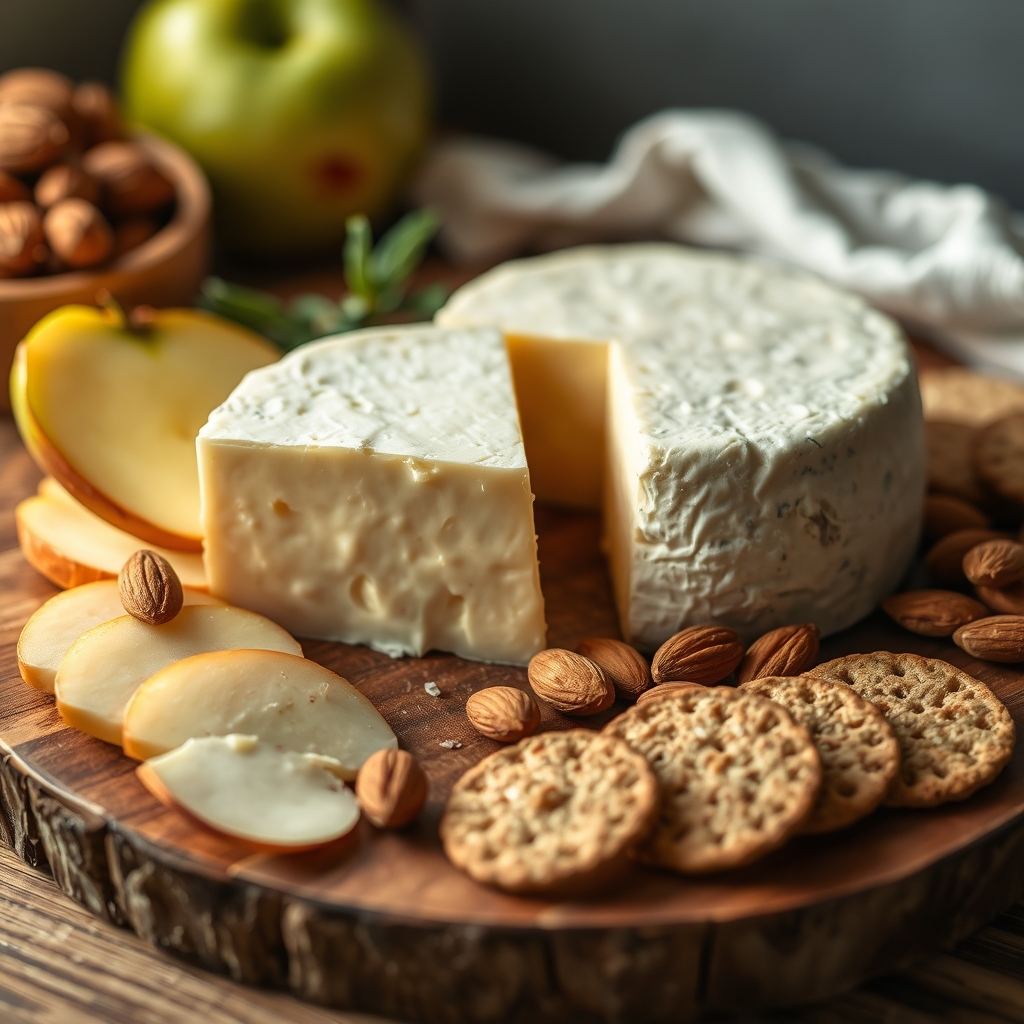
Pair Gruyère with fruit or whole‑grain crackers for a nutrient‑dense snack.
Understanding listeria and why pasteurization matters
Listeria monocytogenes is a bacterium that can survive refrigeration and grow slowly in certain foods. While most healthy adults experience only mild flu‑like symptoms, pregnant people are up to 20 times more likely to develop severe listeriosis because their immune systems are naturally suppressed. The infection can cross the placenta, leading to miscarriage, stillbirth, or serious neonatal illness.
Pasteurization—heating milk to at least 161 °F (72 °C) for 15 seconds—effectively eliminates Listeria and other pathogens. The process also reduces the overall bacterial load, making hard cheeses such as Gruyère far less likely to harbor live bacteria. The CDC and WHO both cite pasteurization as the cornerstone of food safety for pregnant individuals.
Even after pasteurization, proper storage is essential. Hard cheeses should be kept at ≤ 4 °C and consumed before their “use‑by” date. If a hard cheese develops visible mold that isn’t part of its natural rind, it should be discarded. By following these simple steps, you can enjoy Gruyère with confidence.
Pregnancy nutrition: how cheese fits into a balanced diet
Cheese supplies calcium, protein, vitamin B12, and phosphorus—all nutrients that support fetal skeletal growth, brain development, and maternal health. The American Pregnancy Association recommends that pregnant people aim for at least 1,000 mg of calcium daily; a single ounce of Gruyère contributes roughly 8 % of that goal.
Because cheese is also a source of saturated fat, it’s wise to balance it with heart‑healthy foods like leafy greens, nuts, and fish. Combining Gruyère with fiber‑rich sides (e.g., whole‑grain crackers or a quinoa salad) can help moderate the glycemic impact and keep you fuller longer—useful for managing gestational diabetes or excessive weight gain.
Many pregnant people experience cravings for “comfort” foods. Including a small portion of a favorite cheese can satisfy those cravings without resorting to less nutritious options. The key is moderation, variety, and paying attention to how your body responds after eating.
A balanced cheese board can be a nutritious snack during pregnancy.
Side effects and risks
In general, Gruyère does not cause pregnancy complications when consumed safely. However, some pregnant individuals experience:
Heartburn or acid reflux, especially when eating rich, fatty foods.
Lactose intolerance symptoms—bloating, gas, or diarrhea—if you have reduced lactase activity.
Allergic reactions, though rare, if you’re sensitive to cow’s milk proteins.
These issues are nutritional or comfort‑related rather than teratogenic. If you notice persistent discomfort, consider swapping to lower‑fat cheeses or using lactase‑enzyme supplements after consulting your provider.
The most serious risk remains listeriosis from unpasteurized Gruyère. Symptoms of listeriosis can include fever, muscle aches, and gastrointestinal distress. Because these signs overlap with common pregnancy ailments, it’s essential to inform your obstetrician if you experience fever ≥ 100.4 °F (38 °C) or prolonged vomiting/diarrhea after consuming cheese of uncertain origin.
Safer alternatives
If you’d rather avoid Gruyère altogether or need a milder flavor, the following cheeses are pregnancy‑friendly and provide comparable nutrition:
Swiss cheese — similar nutty flavor, always pasteurized, low‑risk.
These alternatives can be used interchangeably in most recipes—think fondue, quiches, or cheese boards—allowing you to maintain variety without sacrificing safety.
Look for the “pasteurized” label on Gruyère cheese packaging to ensure safety.
Related items — safety at a glance
Cheese
Verdict
One‑line note
Brie cheese
⚠️ Avoid unless pasteurized
Soft cheese; higher listeria risk if raw.
Camembert cheese
⚠️ Avoid unless pasteurized
Similar to Brie, soft texture.
Feta cheese
⚠️ Avoid unless pasteurized
Often sold in soft, brined form.
Blue cheese
⚠️ Avoid
Mold‑riped; risk of Listeria and other pathogens.
Goat cheese
⚠️ Avoid unless pasteurized
Soft to semi‑soft; check label.
Parmesan cheese
✅ Generally safe
Hard, aged; low moisture reduces bacterial risk.
Gouda cheese
✅ Generally safe
Hard or semi‑hard; ensure pasteurization.
Myth vs. fact
Myth: All aged cheeses are unsafe during pregnancy.
Fact: Hard, aged cheeses like Gruyère are safe when made from pasteurized milk because low moisture inhibits bacterial growth.
Myth: A small bite of raw Gruyère won’t cause harm.
Fact: Even a tiny amount of unpasteurized cheese can contain Listeria; the safest choice is to avoid raw milk cheeses entirely.
Myth: You need to stop eating all cheese once you’re pregnant.
Fact: Cheese provides essential calcium and protein; the key is choosing pasteurized varieties and moderating portions.
Myth: Gruyère’s strong flavor means it’s more likely to be unsafe.
Fact: Flavor intensity does not correlate with bacterial risk; pasteurization and moisture content are the determining factors.
Key takeaways
Pasteurized Gruyère is generally safe for pregnancy and breastfeeding.
Limit intake to 1‑2 oz (≈30‑60 g) per day, fitting within the 2‑3 dairy‑serving guideline.
Never eat unpasteurized or “raw milk” Gruyère; the listeria risk outweighs any flavor benefit.
Check labels for “pasteurized milk” and store cheese at ≤ 4 °C.
If you experience heartburn, lactose intolerance, or allergic symptoms, consider milder, lower‑fat alternatives.
Contact your provider if you develop fever, severe gastrointestinal symptoms, or any signs of infection.
Frequently asked questions
Can pregnant women eat Gruyère cheese?
Yes—if the Gruyère is made from pasteurized milk and you keep portions to about one ounce per day, it is considered safe throughout pregnancy.
Is aged Gruyère cheese safe during pregnancy?
Aged Gruyère that starts with pasteurized milk is safe; the aging process actually lowers bacterial risk, but you must still verify pasteurization on the label.
What is the safest amount of cheese to eat while pregnant?
Nutrition guidelines recommend 2‑3 servings of dairy per day, which translates to roughly 1‑2 oz of hard cheese like Gruyère per serving; staying within this range balances calcium intake and saturated‑fat concerns.
Does Gruyère cheese contain listeria?
Pasteurized Gruyère does not contain live Listeria, but unpasteurized (raw milk) versions can harbor the bacterium, especially if not stored properly.
Are there any pregnancy risks associated with soft cheeses?
Soft cheeses such as Brie, Camembert, and some feta can carry higher listeria risk if made from raw milk; the safest approach is to choose pasteurized versions or avoid them altogether.
What cheese alternatives are safe for pregnant women?
Swiss, pasteurized Cheddar, mozzarella, provolone, Havarti, paneer, and cottage cheese are all low‑risk options that provide similar nutritional benefits.
Can I eat raw milk cheese while pregnant?
No—both the FDA and NHS advise against consuming any raw milk cheese during pregnancy due to the potential for Listeria infection.
How does cheese affect pregnancy nutrition?
Cheese supplies calcium, protein, vitamin B12, and phosphorus, all crucial for fetal bone and brain development; choosing pasteurized, low‑fat varieties helps maximize benefits while minimizing saturated‑fat intake.
Can I enjoy Gruyère in a pregnancy‑friendly fondue?
Yes—using pasteurized Gruyère in fondue is safe as long as you keep the portion to 1‑2 oz per serving and serve it with plenty of cooked vegetables or whole‑grain bread for balance.
Is frozen Gruyère safe for pregnant people?
Freezing pasteurized Gruyère does not affect its safety; just thaw it in the refrigerator and check for any off‑odors before eating.
What should I do if I accidentally ate unpasteurized Gruyère?
If you realize you’ve consumed raw‑milk Gruyère, call your obstetric provider right away; they may recommend monitoring for fever or gastrointestinal symptoms and possibly testing for Listeria.
Can I include Gruyère if I’m on a low‑sodium diet?
Gruyère contains about 180 mg of sodium per ounce, so it can fit into a low‑sodium plan if you balance it with other low‑salt foods and stay within your daily sodium target (usually < 2,300 mg).
When to call your doctor
If you experience any of the following after eating Gruyère, contact your obstetric provider promptly:
Fever of 100.4 °F (38 °C) or higher.
Severe gastrointestinal symptoms such as vomiting, diarrhea, or abdominal cramps lasting more than 24 hours.
Signs of a possible allergic reaction (hives, swelling, difficulty breathing).
Persistent heartburn that interferes with eating or sleeping.
These symptoms may indicate listeriosis, a food‑borne infection, or another condition that requires medical evaluation. Remember, this article provides general information and is not a substitute for personalized medical advice.
References
American College of Obstetricians and Gynecologists (ACOG). “Nutrition During Pregnancy.” Updated 2023.
National Health Service (NHS). “Food safety for pregnant women.” Updated 2022.
U.S. Food and Drug Administration (FDA). “Guidance for Industry: Food Safety for Pregnant Women.” 2021.
Centers for Disease Control and Prevention (CDC). “Listeria (listeriosis) – Pregnancy.” Accessed July 2026.
U.S. Department of Agriculture (USDA). “Dietary Guidelines for Americans, 2020‑2025.”
Mayo Clinic. “Food safety for pregnant women.” Updated 2023.
World Health Organization (WHO). “Listeriosis.” Fact sheet, 2022.
Not sure about the label on Is Gruyere Cheese Safe During Pregnancy products?
Snap the ingredients list and SafeFilter checks every ingredient for your stage — only 3 free scans this month, then you're locked until reset. Unlimited from $7/mo or $50/yr.
When Shubhra Mishra was expecting her first child in 2016, she was overwhelmed by conflicting food advice — one site said yes, another said never. By the time her second baby arrived in 2019, she realized millions of mothers face the same confusion.
That sparked a five-year journey through clinical nutrition papers, cultural diets, and expert conversations — all leading to BumpBites: a calm, compassionate space where science meets everyday motherhood.
Her long-term vision is to build a global community ensuring safe, supported, and free deliveriesfor every mother — because no woman should face pregnancy alone or uninformed. 🌿
🌍 Stand with mothers, shape safer guidance
Join a small circle of experts who review BumpBites articles so expecting parents everywhere can decide with confidence.