Safe: Goat cheese is generally safe during pregnancy when eaten in moderation—limit to 2 ounces per day and avoid unpasteurized varieties, especially in the first trimester.
By Shubhra Mishra — a mom of two who turned her own confusion during pregnancy into BumpBites, a global mission to make food choices clear, safe, and stress-free for every expecting mother. 💛
Check whether any food is safe during pregnancy with the BumpBites Food Safety Checker.
Quick verdict: ⚠️ Safe with limits – pasteurized goat cheese is generally considered safe for pregnancy when eaten in moderation, but unpasteurized varieties should be avoided.
It’s 2 a.m., the kitchen light flickers, and you’ve just sliced a creamy piece of goat cheese for a midnight snack. Suddenly, a wave of worry hits: “Is goat cheese safe for pregnancy?” You’re not alone—many expecting parents experience that same midnight panic, especially after discovering they love soft cheeses. The good news is that most goat cheese on grocery‑store shelves is pasteurized and safe to enjoy in reasonable amounts. This article walks you through exactly how much you can eat, which trimesters matter most, what to look for on the label, and which alternatives keep your cravings satisfied without compromising safety.
We’ll break down the official guidance from the American College of Obstetricians and Gynecologists (ACOG), the U.K.’s National Health Service (NHS), and the U.S. Food and Drug Administration (FDA). You’ll learn the differences between pasteurized and unpasteurized goat cheese, understand the real risk of listeria, and discover brand recommendations and tasty substitutes. By the end, you’ll have a clear, evidence‑based answer to the question “goat cheese safe for pregnancy?” and feel confident making dairy choices for you and your baby.
Beyond the basics, we’ll also explore the nutritional benefits goat cheese can bring to a pregnancy diet, safe handling and storage tips, and how to incorporate it into cooked dishes without losing its safety profile. Whether you’ve already enjoyed a bite or you’re planning your next snack, this guide gives you the facts you need to stop worrying and start enjoying.
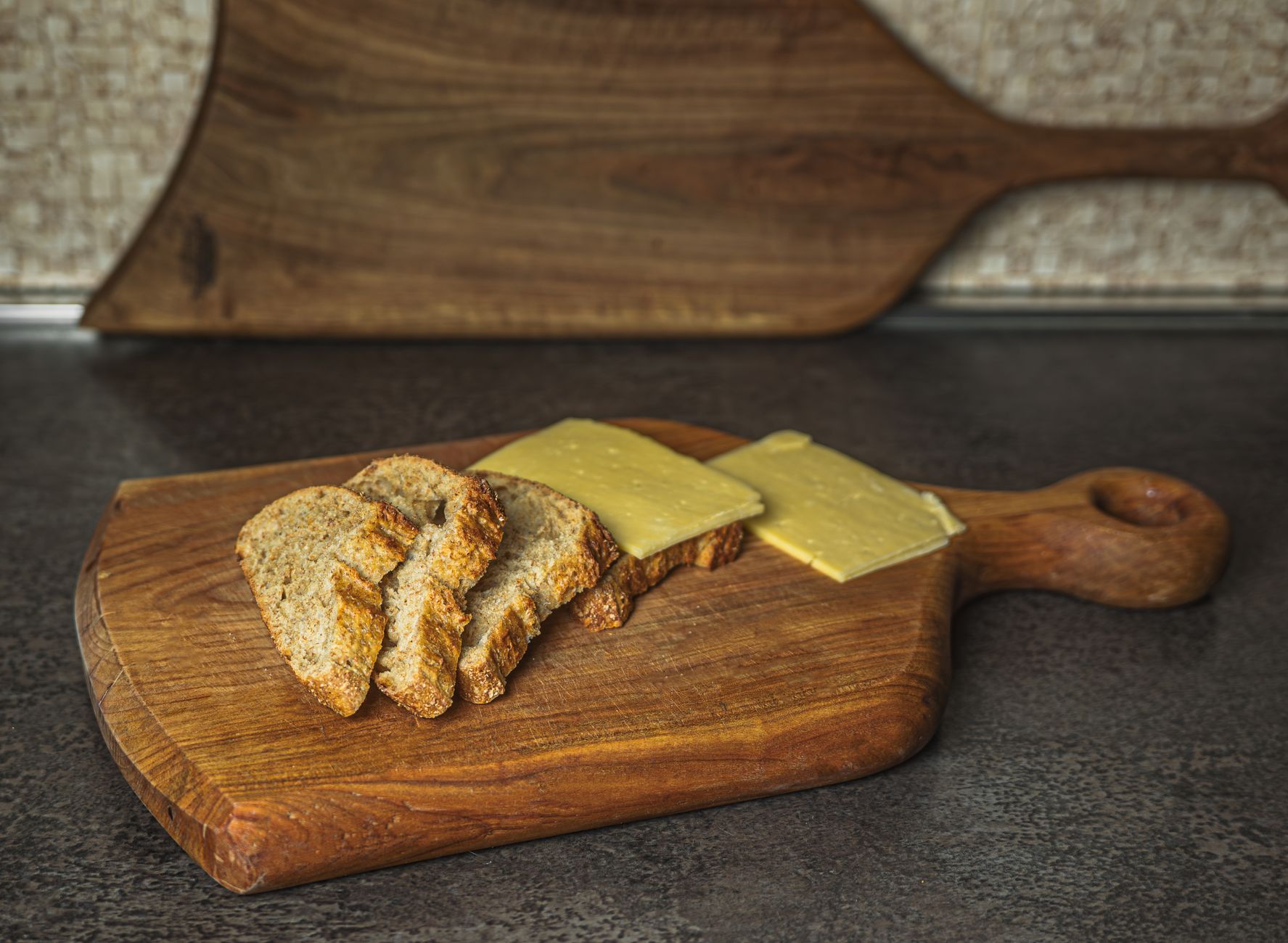
Even a simple snack can be pregnancy‑friendly when you choose pasteurized goat cheese.
Trimester / Breastfeeding
Verdict
Notes
First trimester
⚠️ Safe with limits
Only pasteurized goat cheese; limit to 1–2 ounces per day.
Pasteurized goat cheese is fine; can help with calcium.
What is goat cheese?
Goat cheese, also known as chèvre, is a dairy product made from the milk of goats. It can range from soft, spreadable curds to firmer, crumbly blocks that age for weeks or months. The cheese’s distinctive tang comes from the natural fats and proteins in goat milk, which are easier to digest for some people compared with cow’s milk. Because goats produce less milk than cows, goat cheese often has a higher concentration of calcium, vitamin D, and medium‑chain fatty acids. It’s popular in salads, on crackers, and as a topping for warm dishes.
The production process—curdling the milk, draining the whey, and shaping the curds—can be done with either pasteurized or raw (unpasteurized) milk, and that distinction is crucial for pregnancy safety. Pasteurization heats the milk to a set temperature long enough to kill harmful bacteria, while raw milk retains its natural enzymes and microbes. For most people, the nutritional differences are modest, but the safety implications are far more significant when you’re pregnant.
In addition to the classic white varieties, goat cheese can be flavored with herbs, garlic, or spices, and it can be blended with other milks to create mixed‑milk cheeses. All of these variations follow the same safety rules: the key question is whether the milk was pasteurized before curd formation.
Is goat cheese safe during pregnancy?
When it comes to pregnancy, the short answer is that pasteurized goat cheese is safe for most expectant mothers, while unpasteurized (raw) goat cheese should be avoided. The ACOG and CDC both advise pregnant women to steer clear of soft, unpasteurized cheeses because they can harbor Listeria monocytogenes, a bacterium that can cross the placenta and cause serious illness for the baby. The NHS echoes this guidance, noting that the risk is highest with cheeses that have a high moisture content and are not aged long enough to kill harmful bacteria.
Studies published in the International Journal of Food Microbiology have shown that pasteurization effectively eliminates Listeria, making pasteurized goat cheese a low‑risk option. In contrast, raw goat cheese, especially soft varieties like fresh chèvre, carries a measurable risk of listeriosis, particularly in the first trimester when organ development is most sensitive.
Beyond listeria, goat cheese is a solid source of calcium, protein, and vitamin D—nutrients that support fetal bone development and maternal health. The calcium content can be especially helpful when combined with other fortified foods to meet the recommended 1,000 mg (or 1,300 mg after age 18) daily intake. However, because goat cheese also contains saturated fat, it should be consumed in moderation, particularly for women who are monitoring cholesterol or blood pressure.
Common misconceptions include the belief that all soft cheeses are unsafe and that goat cheese somehow increases the risk of preeclampsia. In reality, the safety of a cheese hinges on whether it’s pasteurized, not its texture, and there is no direct link between moderate goat cheese consumption and pregnancy complications. Most health authorities—including ACOG, the NHS, and the FDA—agree that pasteurized goat cheese can be part of a balanced prenatal diet.
For those who prefer to err on the side of caution, cooking goat cheese until it reaches an internal temperature of 165 °F (74 °C) provides an extra safety net. This means that baked dishes, casseroles, or melted cheese toppings are generally safe, even if the cheese’s pasteurization status is uncertain.
Is goat cheese safe to eat during the first trimester of pregnancy?
The first trimester is the period of organogenesis, when the baby’s major organs are forming. Because the fetus is especially vulnerable, ACOG recommends extra caution with foods that could harbor harmful bacteria. Pasteurized goat cheese poses minimal risk and can be included in a balanced diet, but you should limit portions to 1–2 ounces (about 30–60 grams) per day. Unpasteurized goat cheese, especially soft, fresh varieties, should be avoided entirely during this stage. If you’re unsure whether a cheese is pasteurized, look for “made from pasteurized milk” on the label or contact the manufacturer directly.
How much goat cheese can a pregnant woman safely consume?
Moderation is key. The FDA suggests that most dairy products can be safely consumed in standard serving sizes—roughly 1 ounce (28 grams) of soft cheese or 2 ounces (56 grams) of firmer cheese per day. For goat cheese, sticking to 1–2 ounces of pasteurized cheese daily provides a good source of calcium without exceeding recommended limits. Overconsumption could lead to excess saturated fat intake, which may exacerbate gestational hypertension or preeclampsia, though the evidence linking cheese intake directly to these conditions is limited. If you’re already meeting calcium needs through other foods or supplements, you might opt for the lower end of the range.
Can pasteurized goat cheese be eaten safely while pregnant?
Yes. Pasteurized goat cheese is considered low risk for Listeria and is generally safe for pregnant women across all trimesters. The pasteurization process heats the milk to at least 161 °F (72 °C) for 15 seconds, killing harmful bacteria. Most commercial goat cheeses sold in the United States and the United Kingdom are pasteurized, but it’s still wise to double‑check the label. The CDC’s “Food Safety for Pregnant Women” fact sheet specifically lists pasteurized soft cheeses—including goat cheese—as safe options when eaten in appropriate portions.
What are the risks of eating soft goat cheese during pregnancy?
The primary concern with soft goat cheese is listeria contamination, which can cause flu‑like symptoms, fever, and in severe cases, miscarriage, stillbirth, or severe neonatal infection. Listeria thrives in high‑moisture, low‑acid environments—exactly the conditions found in soft, unpasteurized cheeses. While the overall incidence of listeriosis is low (about 1 case per 1 million pregnant women in the U.S.), the consequences can be serious. Symptoms of listeria infection may appear 1–4 weeks after consumption and include fever, muscle aches, and gastrointestinal upset. If you experience any of these signs after eating soft goat cheese, contact your healthcare provider promptly.
Which brands of goat cheese are safe for pregnant women?
Most major dairy brands in the U.S. and U.K. produce pasteurized goat cheese that meets safety standards. Look for brands that clearly label “pasteurized milk” on the packaging. Some reliable options include:
Brand
Product
Safety note
President
Goat Cheese Log (pasteurized)
Widely available, clearly labeled
Organic Valley
Goat Cheese Crumbled
Organic, pasteurized, low‑sodium
Bellwether
Fresh Goat Cheese
Pasteurized, often sold in specialty stores
Kite Hill
Goat Cheese Spread
Plant‑based alternative; safe for dairy‑free diets
If you’re shopping at a farmer’s market, ask the vendor whether the cheese is made from pasteurized milk. When in doubt, choose a hard, aged goat cheese (aged at least 60 days) because the aging process also reduces bacterial risk.
Are there safe goat cheese alternatives for pregnant women?
Yes. If you prefer to avoid goat cheese altogether or want variety, several dairy and non‑dairy options provide similar texture and nutritional benefits without the listeria concerns. Safe alternatives include pasteurized feta cheese, hard aged goat cheese, cottage cheese, Greek yogurt, pasteurized cream cheese, ricotta, and pasteurized mozzarella. Each offers calcium, protein, and a pleasant tang that can complement salads, crackers, or warm dishes.
Is goat cheese safe for pregnant women with listeria concerns?
For women who are especially cautious about listeria—perhaps due to a previous infection or a compromised immune system—sticking to fully pasteurized goat cheese is the safest route. Hard, aged goat cheese (aged ≥60 days) is another low‑risk choice because the longer aging process further diminishes bacterial survival. Additionally, cooking goat cheese until it reaches an internal temperature of 165 °F (74 °C) kills any lingering Listeria, making heated dishes a safe option.
Does goat cheese affect pregnancy complications like preeclampsia?
Current research does not show a direct link between moderate goat cheese consumption and preeclampsia. However, goat cheese contains saturated fat, and excessive intake of saturated fats can contribute to higher blood pressure in some pregnant women. The ACOG recommends a balanced diet rich in fruits, vegetables, whole grains, and lean proteins while limiting saturated fat to less than 10 % of total daily calories. Using goat cheese as a modest part of a varied diet—especially when paired with calcium‑rich foods—fits within these guidelines.
Can I eat goat cheese if I have a dairy allergy?
If you have a diagnosed dairy allergy, you should avoid all goat‑derived products, including goat cheese, unless your allergist has specifically cleared them. A dairy allergy involves an immune response to milk proteins such as casein, which are present in both cow and goat milk. However, many people who are lactose‑intolerant (a digestive issue, not an allergy) tolerate goat cheese better because it contains less lactose. Always discuss any allergy concerns with your obstetrician or allergist before introducing goat cheese into your diet.
What is the difference between raw and pasteurized goat cheese?
Raw (unpasteurized) goat cheese is made from milk that has not been heat‑treated, preserving its natural enzymes and microbial flora. While some consumers prefer the flavor of raw cheese, the lack of pasteurization means harmful bacteria like Listeria, Salmonella, or E. coli may survive. Pasteurized goat cheese, on the other hand, has been heated to at least 161 °F (72 °C) for a minimum of 15 seconds, a process that kills these pathogens. For pregnant women, the key safety distinction is that pasteurized cheese carries a dramatically lower risk of food‑borne illness.
Nutrition benefits of goat cheese during pregnancy
Beyond safety, goat cheese can be a nutrient‑dense addition to a prenatal menu. One ounce of pasteurized goat cheese provides roughly 120 mg of calcium, 5 g of protein, and 0.5 µg of vitamin D—key nutrients for fetal bone formation and maternal bone health. The medium‑chain fatty acids found in goat milk are more readily metabolized than long‑chain fats, which can be easier on digestion and may help with the common pregnancy symptom of heartburn.
Goat cheese also contains phosphorus, zinc, and vitamin B12, all of which support energy metabolism and immune function. For women who are lactose‑intolerant, goat cheese often causes fewer symptoms because it has lower lactose levels than cow’s milk cheese. Nevertheless, if you have a diagnosed dairy allergy, you should avoid all goat‑derived products unless your allergist says otherwise.
When paired with fiber‑rich foods like whole‑grain crackers or fresh vegetables, goat cheese can help stabilize blood sugar—a useful benefit for women managing gestational diabetes. Its rich flavor also means you can use smaller amounts to achieve a satisfying taste, keeping saturated‑fat intake in check.
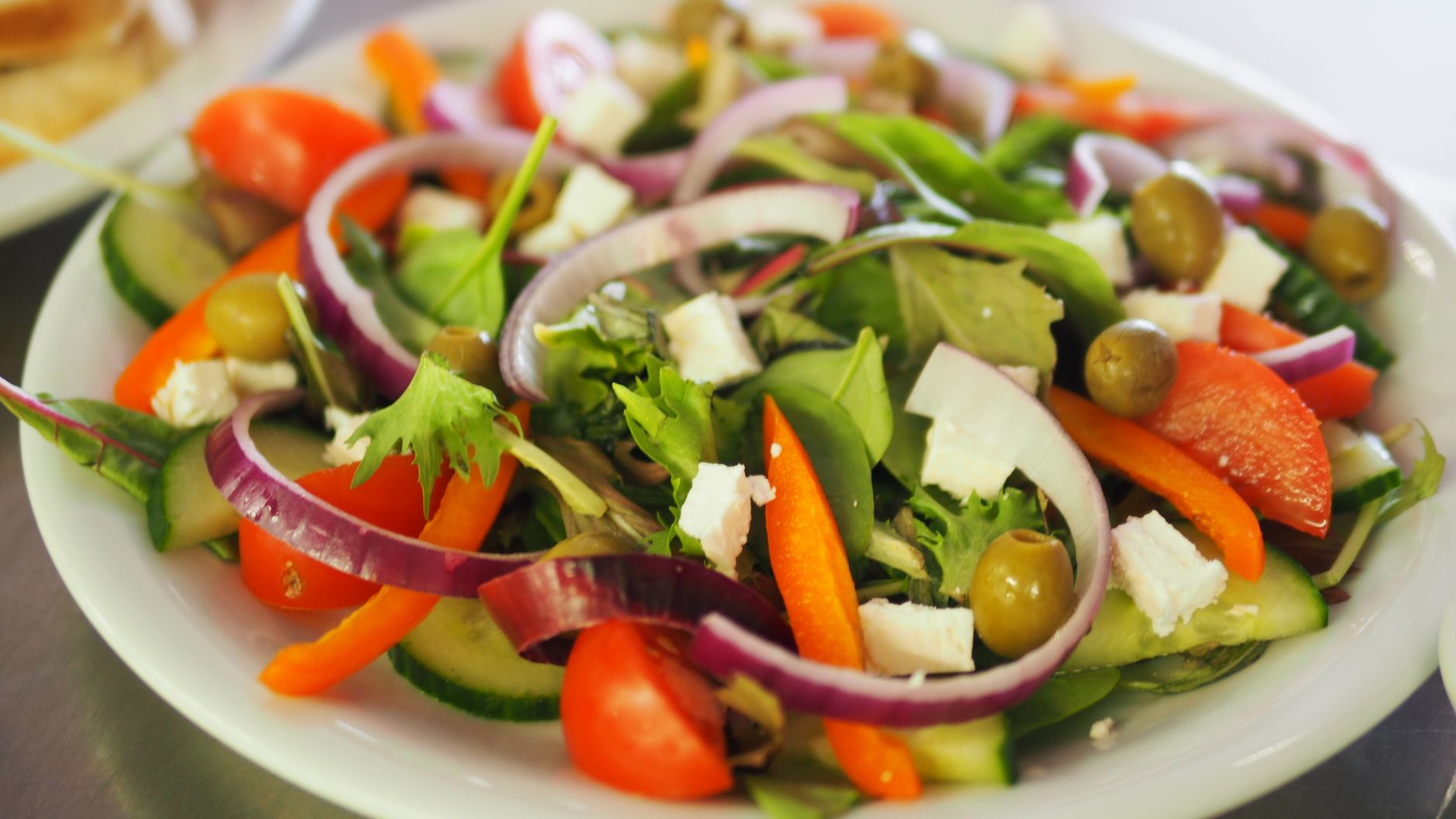
Adding a modest amount of goat cheese boosts calcium and protein in a fresh salad.
How to store and handle goat cheese safely
Proper storage reduces the already low risk of bacterial growth. Keep opened pasteurized goat cheese refrigerated at 34–40 °F (1–4 °C) and tightly wrapped in its original packaging or in an airtight container. Use it within 5–7 days of opening, and always check the “use‑by” or “sell‑by” date before consuming. If the cheese develops an off‑odor, excessive slime, or visible mold (other than the typical white rind on aged varieties), discard it immediately.
When purchasing pre‑packaged goat cheese, verify the “pasteurized” claim on the label. For bulk or counter cheeses, ask the staff to confirm the pasteurization status. If you’re unsure, it’s safest to treat the cheese as unpasteurized and avoid it during pregnancy.
For added safety, consider rinsing the cheese gently with clean water before slicing, especially if you bought it from a farmer’s market where handling practices can vary. This simple step can remove surface contaminants without affecting flavor.
Cooking with goat cheese – safe ways to heat it
Heat can be an ally. Cooking goat cheese to an internal temperature of 165 °F (74 °C) destroys any residual Listeria, making it safe even if the original product were marginally contaminated. This means that dishes like baked goat cheese, goat cheese‑topped casseroles, or melted goat cheese on pizza are generally safe, provided the cheese reaches the proper temperature throughout.
When using goat cheese in recipes that call for brief heating—such as topping a salad or adding it to a cold dip—ensure the cheese is pasteurized beforehand. If you’re preparing a warm dish and want extra peace of mind, consider sautéing the cheese for a few minutes or adding it to sauces that simmer for at least 5 minutes.
Cooking goat cheese until it melts ensures any lingering bacteria are eliminated.
Safe dosage / amount / brands
Serving size
Recommended daily limit
Safe brands (pasteurized)
Soft goat cheese (e.g., chèvre)
1–2 oz (28–56 g) per day
President, Organic Valley, Bellwether
Hard aged goat cheese (e.g., feta‑style)
Up to 3 oz (85 g) per day
Locally aged varieties labeled “pasteurized”
Goat cheese spread
1 oz (28 g) per day
Kite Hill (plant‑based), President
When buying goat cheese, always check the label for “pasteurized milk.” If the package does not specify, assume the cheese is unpasteurized and avoid it during pregnancy. For older, hard goat cheeses that have been aged for more than 60 days, the risk of Listeria drops dramatically, but it’s still advisable to verify pasteurization status.
For those who love the flavor but worry about sodium, many brands now offer reduced‑sodium versions. These are especially helpful for pregnant women monitoring blood pressure, as excessive sodium can contribute to gestational hypertension.
Side effects and risks
The main health risk linked to goat cheese in pregnancy is listeriosis. Listeria can cause fever, chills, muscle aches, and gastrointestinal upset. In severe cases, it can lead to premature labor, miscarriage, or life‑threatening infection in the newborn. Because the incubation period can be up to four weeks, symptoms may appear well after you’ve eaten the cheese. If you develop a fever over 100.4 °F (38 °C) or flu‑like symptoms without another clear cause, contact your obstetrician right away.
Other, less serious side effects include occasional digestive discomfort from the higher fat content in some goat cheeses. If you notice bloating, heartburn, or an upset stomach after eating cheese, consider reducing portion size or pairing it with fiber‑rich foods. These symptoms are not dangerous but can be uncomfortable, especially if you’re already experiencing pregnancy‑related heartburn.
For women with gestational diabetes, the carbohydrate content of goat cheese is low, but the saturated fat should still be monitored. Discuss your individual dietary plan with a registered dietitian or your obstetrician to ensure goat cheese fits within your blood‑sugar management strategy.
Safer alternatives
Pasteurized feta cheese – Similar tangy flavor, widely available, and safe when made from pasteurized milk.
Hard aged goat cheese (aged ≥60 days) – Low moisture, reduced bacterial risk, and can be sliced for salads.
Cottage cheese – Soft texture, high protein, and always pasteurized.
Greek yogurt – Creamy, probiotic‑rich, and safe for pregnancy.
Pasteurized cream cheese – Versatile for spreads and baking, without listeria risk.
Ricotta cheese – Mild flavor, great in lasagna or desserts, and always pasteurized.
Pasteurized mozzarella – Melts well, safe for pizza and caprese salads.
Lactose‑free feta – Offers the same flavor profile for those who are lactose‑intolerant.
Related items — safety at a glance
Item
Verdict
Note
Brie cheese
⚠️ Safe with limits
Only pasteurized brie; limit to 1 oz per day.
Camembert cheese
⚠️ Safe with limits
Pasteurized only; avoid soft unpasteurized forms.
Blue cheese
❌ Best avoided
Soft blue cheeses often unpasteurized and high risk.
Soft cheese (general)
⚠️ Safe with limits
Check for pasteurization; keep servings modest.
Unpasteurized cheese
❌ Best avoided
High listeria risk; not recommended at any stage.
Mozzarella cheese
✅ Generally safe
Most mozzarella sold is pasteurized.
Cheddar cheese
✅ Generally safe
Aged cheddar is low risk; check label for pasteurization.
Feta cheese
✅ Generally safe
Pasteurized varieties are low‑risk; avoid raw feta.
Ricotta cheese
✅ Generally safe
Always pasteurized, making it safe for pregnancy.
Cottage cheese
✅ Generally safe
Low‑moisture and pasteurized; good protein source.
Myth vs. fact
Myth: All soft cheeses are unsafe during pregnancy.
Fact: Soft cheeses made from pasteurized milk, such as pasteurized goat cheese, are considered safe when eaten in moderation.
Myth: Goat cheese causes preeclampsia.
Fact: There is no strong evidence linking moderate goat cheese consumption to preeclampsia; however, excessive saturated fat intake can affect blood pressure.
Myth: If I’ve already eaten unpasteurized goat cheese, my baby is in danger.
Fact: A single exposure carries a low risk, but you should monitor for listeria symptoms and discuss any concerns with your provider.
Key takeaways
Pasteurized goat cheese is generally safe for pregnancy when limited to 1–2 ounces per day.
Avoid all unpasteurized (raw) goat cheese, especially soft, fresh varieties.
Check labels for “pasteurized milk” and choose reputable brands.
If you experience fever, muscle aches, or gastrointestinal symptoms after eating cheese, contact your doctor promptly.
Safe alternatives include pasteurized feta, cottage cheese, Greek yogurt, and aged hard goat cheese.
Cooking goat cheese to 165 °F (74 °C) eliminates any lingering bacteria, offering an extra layer of safety.
Women with dairy allergies should avoid goat cheese unless cleared by an allergist.
For gestational diabetes, goat cheese can fit into a balanced plan when portion sizes are controlled.
Frequently asked questions
Can I eat goat cheese if I'm pregnant?
Yes—if the goat cheese is made from pasteurized milk, you can safely enjoy 1–2 ounces per day throughout pregnancy.
Is pasteurized goat cheese safe during pregnancy?
Absolutely. Pasteurized goat cheese meets safety standards set by the FDA and is considered low risk for listeria, making it safe for pregnant women.
What are the signs of listeria from goat cheese?
Typical signs include fever, chills, muscle aches, and sometimes nausea or diarrhea; symptoms usually appear 1–4 weeks after consumption and warrant immediate medical attention.
How long can pregnant women store goat cheese?
Store opened pasteurized goat cheese in the refrigerator for up to 5–7 days; always check the “use‑by” date and discard if it develops an off smell or mold.
Can I eat goat cheese in the third trimester?
Yes—pasteurized goat cheese remains safe in the third trimester; keep portions to 1–2 ounces daily and continue to monitor your overall saturated fat intake.
What are safe cheese options for pregnancy?
Safe choices include pasteurized goat cheese, feta, cottage cheese, Greek yogurt, pasteurized cream cheese, ricotta, and mozzarella, all of which are low‑risk for listeria.
Does goat cheese cause any pregnancy complications?
There is no direct link between moderate goat cheese consumption and complications like preeclampsia; however, excessive saturated fat intake can affect blood pressure.
Are there any benefits to eating goat cheese while pregnant?
Goat cheese provides calcium, protein, and vitamin D, which support bone development and overall maternal health when consumed as part of a balanced diet.
Can I freeze goat cheese for later use?
Yes—pasteurized goat cheese can be frozen for up to 2 months. Thaw it in the refrigerator and use it in cooked dishes, as the texture may become crumbly after thawing.
Is goat cheese safe for women with lactose intolerance?
Many people with lactose intolerance tolerate goat cheese better than cow’s milk cheese because it contains less lactose, but if you have a severe intolerance, choose a lactose‑free alternative like lactose‑free feta or a plant‑based spread.
Is goat cheese safe for women with gestational diabetes?
Yes—goat cheese is low in carbohydrates and can be included in a gestational‑diabetes meal plan, but keep portions moderate to avoid excess saturated fat.
Can I eat goat cheese while breastfeeding?
Pasteurized goat cheese is generally safe while breastfeeding and can help meet your increased calcium needs, but continue to watch portion sizes and choose low‑sodium options.
When to call your doctor
If you experience any of the following after eating goat cheese, contact your obstetrician or midwife right away:
Fever ≥ 100.4 °F (38 °C) lasting more than 24 hours
Severe headache, stiff neck, or confusion
Persistent vomiting or diarrhea
Sudden abdominal pain or cramping
Unexplained loss of pregnancy symptoms (e.g., spotting)
These symptoms could indicate listeriosis or another infection that needs prompt evaluation. This article is for informational purposes only and does not replace personalized medical advice. Always discuss dietary concerns with your healthcare provider.
References
American College of Obstetricians and Gynecologists. “Nutrition During Pregnancy.” ACOG Committee Opinion No. 804, 2020.
Centers for Disease Control and Prevention. “Listeria (Listeriosis) and Pregnancy.” CDC, 2023.
Food and Drug Administration. “Food Safety: Listeria and Pregnancy.” FDA, 2022.
National Health Service (NHS). “Foods to avoid during pregnancy.” NHS.uk, 2021.
International Journal of Food Microbiology. “Effect of pasteurization on Listeria monocytogenes in soft cheeses,” 2019.
World Health Organization. “Guidelines on Food Safety for Pregnant Women.” WHO, 2020.
Mayo Clinic. “Pregnancy nutrition: Healthy eating for two.” Mayo Clinic, 2023.
National Institute for Health and Care Excellence (NICE). “Dietary recommendations for gestational diabetes.” NICE, 2022.
Not sure about the label on Is Goat Cheese Safe During Pregnancy products?
Snap the ingredients list and SafeFilter checks every ingredient for your stage — only 3 free scans this month, then you're locked until reset. Unlimited from $7/mo or $50/yr.
When Shubhra Mishra was expecting her first child in 2016, she was overwhelmed by conflicting food advice — one site said yes, another said never. By the time her second baby arrived in 2019, she realized millions of mothers face the same confusion.
That sparked a five-year journey through clinical nutrition papers, cultural diets, and expert conversations — all leading to BumpBites: a calm, compassionate space where science meets everyday motherhood.
Her long-term vision is to build a global community ensuring safe, supported, and free deliveriesfor every mother — because no woman should face pregnancy alone or uninformed. 🌿
🌍 Stand with mothers, shape safer guidance
Join a small circle of experts who review BumpBites articles so expecting parents everywhere can decide with confidence.