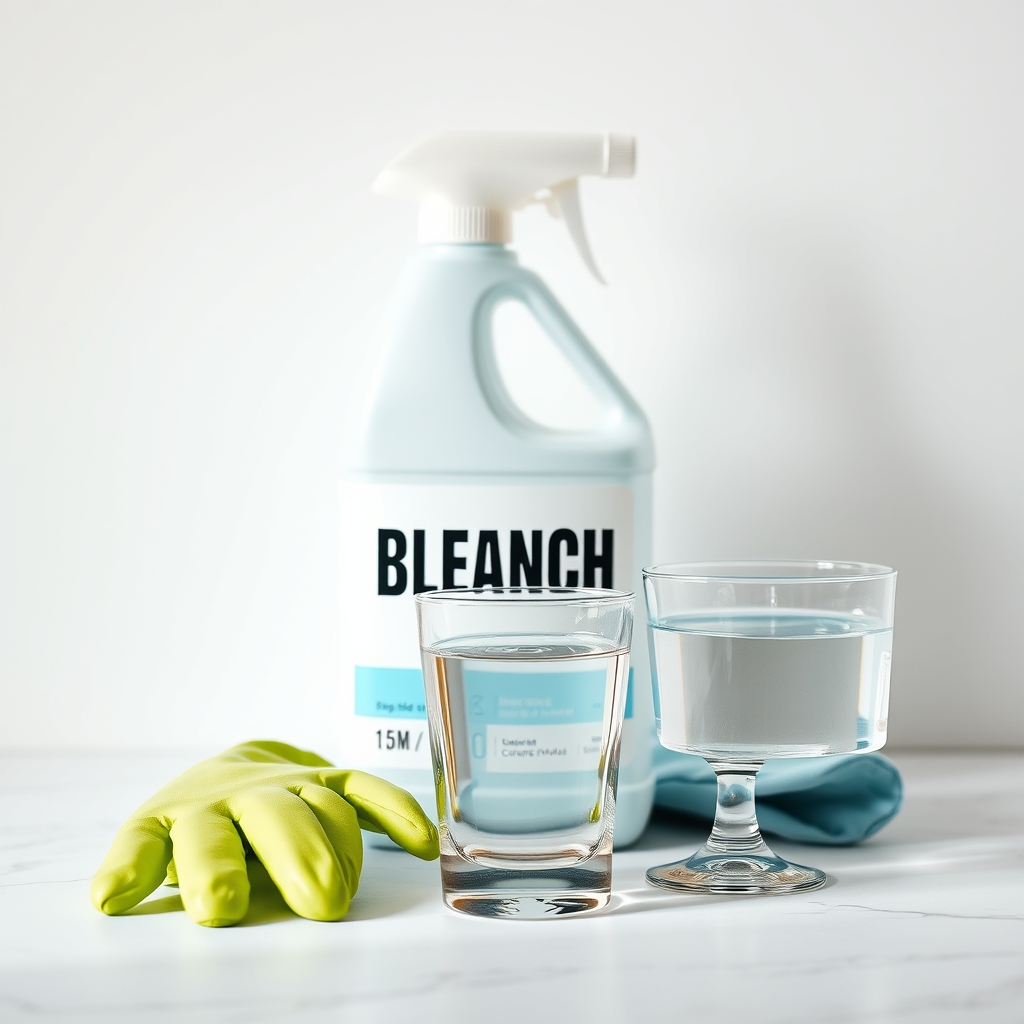
urrent guidance from ACOG and the NHS indicates that bleach should be avoided whenever possible, especially during the first trimester when organogenesis occurs. The CDC’s “Cleaning and Disinfecting” recommendations note that bleach fumes can cause respiratory irritation, and they advise pregnant workers to use less volatile disinfectants when feasible.
Bleach’s primary risk is inhalation of chlorine gas and chloramine by‑products. Studies on occupational exposure (e.g., healthcare workers) have linked high‑level chlorine inhalation to respiratory issues, but data on low‑level household exposure are limited. Nonetheless, the precautionary principle—adopted by both ACOG and the FDA—suggests limiting any exposure that could potentially affect fetal development.
Common misconceptions include the belief that “diluted bleach is harmless.” Even diluted solutions can emit fumes, and the skin can absorb small amounts of sodium hypochlorite, which may cause irritation. The safest approach, endorsed by obstetric professionals, is to use bleach only in well‑ventilated areas, wear gloves, and limit the duration of exposure. If you have asthma, eczema, or other respiratory sensitivities, it’s especially important to avoid bleach altogether.
Recent reviews from the WHO on household chemical exposures reinforce that pregnant people should prioritize agents with low volatility. The agency notes that while occasional, brief exposure to low concentrations of bleach is unlikely to cause fetal harm, the cumulative effect of repeated exposure has not been thoroughly studied, so a conservative approach remains advisable.
Is bleach safe to use during the first trimester of pregnancy?
The first trimester is the most critical period for fetal development, as the baby’s major organs are forming. Because of this heightened vulnerability, ACOG advises pregnant people to avoid any chemicals that could be inhaled or absorbed through the skin, including bleach. Even brief exposure to strong fumes can cause nausea, dizziness, or respiratory irritation, which may indirectly stress the pregnancy.
If you must disinfect a surface, opt for alternatives that do not release volatile chlorine compounds. When bleach use is unavoidable, keep the room open, use a mask, and limit the time you spend near the solution. The risk is not zero, but it can be minimized with strict precautions.
It’s also worth noting that many pregnant people report heightened sensitivity to odors during early pregnancy. This “pregnancy smell” phenomenon can make bleach’s pungent scent feel more overwhelming, increasing the likelihood of reflexive coughing or gagging, which in turn can elevate stress hormones. Reducing exposure therefore helps both comfort and safety.
Can I use bleach in my home cleaning routine while pregnant?
Incorporating bleach into a regular cleaning schedule is generally discouraged for pregnant people. The CDC’s “Guidelines for Environmental Cleaning” suggest using bleach only for high‑risk areas, such as bathrooms or during illness outbreaks, and only when proper ventilation is assured. For everyday cleaning—floors, countertops, and general surfaces—safer products like hydrogen peroxide, white vinegar, or baking soda are equally effective without the respiratory hazards.
If you do decide to use bleach, follow these safety steps:
- Wear nitrile gloves to protect skin.
- Open windows and, if possible, use a fan to disperse fumes.
- Never mix bleach with ammonia or acidic cleaners, as dangerous gases can form.
- Store the bottle out of reach of children and pets.
In addition to the basic steps, consider using a certified N95 respirator if you are cleaning a large area or if you have a pre‑existing respiratory condition. The Mayo Clinic notes that respirators can significantly reduce inhalation of chlorine particles, though they are not a substitute for proper ventilation.
What amount of bleach exposure is considered safe for pregnant women?
There is no universally accepted “safe” concentration for pregnant people because individual sensitivity varies. However, the EPA’s “Maximum Contaminant Level” for chlorine in drinking water is 4 mg/L, which gives a benchmark for low‑level exposure. For household cleaning, the typical dilution—¼ cup (≈60 ml) of bleach per gallon of water—produces a solution that, when used briefly in a ventilated space, is considered low risk.
Key guidelines for minimizing exposure:
- Limit use to no more than 15 minutes per session.
- Avoid prolonged inhalation; step out of the room while the solution works.
- Never exceed the manufacturer’s recommended dilution (usually 5‑6 % sodium hypochlorite diluted 1:10–1:100 for cleaning).
- If you experience coughing, wheezing, or eye irritation, cease use immediately and ventilate the area.
For laundry, the ACOG suggests using a fragrance‑free, low‑suds detergent and adding a cup of bleach only when necessary for disinfection, followed by an extra rinse cycle to remove residual chlorine. This two‑step approach further reduces the chance of skin contact or inhalation of lingering fumes.
Are there bleach alternatives that are safe for pregnant households?
Yes—several non‑chlorine cleaners can disinfect effectively while posing far less risk to pregnant users. Below are eight pregnancy‑friendly alternatives, each with a brief rationale:
- Hydrogen peroxide (3 %) – Breaks down into water and oxygen, killing germs without toxic fumes.
- White vinegar – Acidic solution that dissolves mineral deposits and reduces bacterial growth.
- Baking soda – Mild abrasive that neutralizes odors and lifts stains.
- Castile soap – Plant‑based surfactant that cleans without harsh chemicals.
- Enzyme cleaner – Uses natural enzymes to break down organic stains, safe for skin and lungs.
- Method All‑Purpose Cleaner – Plant‑derived formula, fragrance‑free options available.
- Seventh Generation Disinfecting Cleaner – Thymol‑based disinfectant, EPA‑approved as a safer alternative.
- Mrs. Meyer’s Clean Day Multi‑Surface Cleaner – Uses essential oils and botanical extracts, gentle yet effective.
Beyond these, the NHS highlights that a simple solution of hot water and soap is often sufficient for everyday cleaning tasks, reserving stronger disinfectants for situations where a known pathogen (e.g., norovirus) is present. The emphasis is on minimizing chemical exposure while maintaining a hygienic environment.
Does the brand Clorox bleach have any special safety guidelines for pregnant users?
Clorox, one of the most widely recognized bleach brands, follows the same safety standards as other household bleaches. Their label advises users to wear gloves, keep the area well‑ventilated, and never mix with ammonia or acidic cleaners. There are no additional pregnancy‑specific warnings beyond the general cautions.
Pregnant users should also note that scented versions of Clorox contain added fragrances, which can increase irritation for those with sensitivities. Opt for the unscented “Clorox Regular Bleach” if you must use it, and pair it with a mask and open windows. The FDA’s consumer safety bulletin on bleach products reiterates that the same dilution guidelines apply regardless of brand.
For those who prefer a “green” label, Clorox also markets a “Nature’s Bleach” line that uses hydrogen peroxide instead of sodium hypochlorite. This alternative eliminates chlorine gas entirely, making it a preferable option for pregnant users seeking the disinfecting power of bleach without the associated fumes.
What are the risks of using bleach while pregnant?
Bleach exposure can lead to several acute and chronic risks:
- Respiratory irritation: Inhalation of chlorine fumes can cause coughing, throat soreness, or exacerbation of asthma.
- Skin irritation: Direct contact may result in redness, itching, or chemical burns.
- Eye irritation: Vapors or splashes can cause burning sensations and watery eyes.
- Potential fetal effects: While definitive human data are limited, animal studies suggest high‑level chlorine exposure could affect fetal development.
Most of these effects are reversible if exposure stops quickly, but persistent irritation can lead to chronic respiratory issues, which are especially concerning for pregnant people with pre‑existing asthma or allergies.
In addition, the CDC warns that accidental ingestion of bleach—even in small amounts—can cause gastrointestinal distress, which could lead to dehydration, a condition that should be avoided during pregnancy. Prompt medical evaluation is recommended if ingestion occurs.
How does bleach exposure affect pregnancy complications like preterm labor?
Research linking bleach exposure directly to preterm labor is sparse, but a few epidemiological studies have noted an association between high‑level occupational exposure to strong disinfectants (including chlorine) and increased rates of preterm birth. The proposed mechanism involves inflammatory responses in the mother’s respiratory tract, which could trigger uterine contractions.
Because of this potential link, ACOG recommends minimizing exposure to strong cleaning chemicals, especially for pregnant people with a history of preterm labor or other obstetric complications. Women with a prior preterm birth, cervical insufficiency, or uterine anomalies should consider avoiding bleach entirely and opting for the safer alternatives listed above.
It’s also worth noting that stress—whether from chemical irritation or the anxiety of a cleaning routine—can itself be a factor in preterm labor. By simplifying your cleaning regimen and using low‑risk products, you reduce both chemical and psychological stressors.
Safe dosage / amount / brands
Because bleach is not a medication, “dosage” refers to the concentration and duration of exposure. Below is a practical guide:
When using any bleach product, always:
- Wear nitrile gloves.
- Open windows or use a fan.
- Avoid mixing with ammonia, vinegar, or other cleaners.
- Store out of reach of children.
For pregnant people who are also breastfeeding, the American Academy of Pediatrics (AAP) advises an extra rinse step after using bleach on surfaces that may come into contact with the infant, to reduce any chance of residue transfer.
Side effects and risks
Common, non‑dangerous symptoms include mild eye or throat irritation, a fleeting headache, or temporary skin redness. These usually resolve with fresh air and rinsing.
Warning signs that require medical attention are:
- Persistent coughing or wheezing, especially if you have asthma.
- Severe skin burns or blistering.
- Eye pain, excessive tearing, or vision changes.
- Sudden dizziness, chest tightness, or fainting.
- Any signs of an allergic reaction, such as swelling of the lips or throat.
If any of these occur, leave the area immediately, seek fresh air, and contact your healthcare provider or go to the nearest emergency department. Remember, this article provides general information and is not a substitute for professional medical advice.
Long‑term exposure, even at low levels, can lead to chronic bronchitis or heightened sensitivity to other airborne irritants. For pregnant people who notice a pattern of irritation after cleaning, consider a comprehensive indoor‑air‑quality assessment, as recommended by the EPA’s “Indoor Air Quality” guidelines.
Safer alternatives
- Hydrogen peroxide – kills germs without harmful fumes.
- White vinegar – natural acid that disinfects and deodorizes.
- Baking soda – gentle abrasive for stains and odors.
- Castile soap – plant‑based cleanser safe for skin and lungs.
- Enzyme cleaner – breaks down organic messes safely.
- Method All‑Purpose Cleaner – plant‑derived, fragrance‑free options available.
- Seventh Generation Disinfecting Cleaner – thymol‑based, EPA‑approved as a safer disinfectant.
- Mrs. Meyer’s Clean Day Multi‑Surface Cleaner – botanical extracts, mild scent, and low toxicity.
When selecting an alternative, check the label for “EPA‑registered” or “green‑certified” claims, which indicate that the product has been evaluated for safety and efficacy. The NHS also recommends using microfiber cloths combined with warm water for everyday cleaning, as the physical removal of germs can reduce the need for chemical disinfectants.
Myth vs. fact
Myth: “Diluted bleach is harmless for pregnant people.”
Fact: Even diluted bleach releases chlorine fumes that can irritate the respiratory system; ACOG recommends limiting any exposure during pregnancy.
Myth: “Bleach is the only effective disinfectant for germs.”
Fact: Alternatives like hydrogen peroxide and EPA‑approved thymol cleaners are equally effective without the same inhalation risks.
Myth: “If I wear gloves, bleach is completely safe.”
Fact: Gloves protect the skin but do not prevent inhalation of volatile gases; ventilation remains essential.
Myth: “All bleach products are the same, so brand doesn’t matter.”
Fact: Some brands add fragrances or dyes that can increase irritation; unscented, clear formulations are the safest option for pregnant users.
Key takeaways
- Bleach is best avoided, especially in the first trimester, due to inhalation risks.
- If you must use bleach, keep the area well‑ventilated, wear gloves, and limit exposure to under 15 minutes.
- Clorox follows standard bleach guidelines; no extra pregnancy‑specific instructions are needed beyond the label.
- Safer cleaning alternatives—hydrogen peroxide, vinegar, baking soda, and plant‑based cleaners—offer comparable disinfection without harmful fumes.
- Watch for persistent coughing, skin burns, or breathing difficulty; seek medical care if they occur.
- Always discuss any cleaning‑product concerns with your obstetric provider, especially if you have asthma or a history of preterm labor.
- When possible, choose fragrance‑free or unscented products to reduce respiratory irritation.
Frequently asked questions
Can I be exposed to bleach fumes while pregnant?
Short, occasional exposure to low‑level bleach fumes in a well‑ventilated area is unlikely to cause serious harm, but it is best to keep exposure as brief as possible and ensure good airflow.
Is it safe to use bleach to disinfect baby bottles?
No. The CDC recommends using hot, soapy water and a bottle‑sterilizing device instead of bleach, which can leave residue and emit fumes that are unnecessary for infant equipment.
What are the symptoms of bleach poisoning in pregnancy?
Symptoms include coughing, wheezing, throat irritation, skin burns, eye redness, and dizziness; severe cases may involve shortness of breath or chest tightness, which require immediate medical attention.
How long should I wait after using bleach before entering the room while pregnant?
Allow at least 10–15 minutes of ventilation after applying bleach, and open windows or run a fan to disperse any lingering fumes before re‑entering the space.
Are there any pregnancy‑safe cleaning products recommended by doctors?
Yes. Healthcare providers often suggest hydrogen peroxide, white vinegar, baking soda, castile soap, and EPA‑approved thymol‑based cleaners such as Seventh Generation Disinfecting Cleaner as safer alternatives.
Does bleach affect fetal development?
Direct evidence in humans is limited, but animal studies suggest high‑level chlorine exposure could interfere with fetal growth; thus, the precautionary approach is to limit exposure.
Can I use scented bleach during pregnancy?
Scented bleach adds fragrance chemicals that can increase respiratory irritation; unscented bleach is the safer option if you must use it, but overall avoidance is still recommended.
Is there a safe concentration of bleach for pregnant women?
The recommended household dilution (¼ cup per gallon of water) is considered the lowest practical concentration; however, even this should be used only in a well‑ventilated area and for short periods.
Is bleach safe for cleaning laundry while pregnant?
Using a small amount of bleach (¼ cup per load) in a well‑ventilated laundry area is generally acceptable, but you should rinse clothes thoroughly and avoid direct skin contact.
What protective equipment should I use when handling bleach?
Wear nitrile gloves, consider a mask or respirator if you have asthma, keep windows open, and use a fan to improve airflow; these steps minimize inhalation and skin exposure.
When to call your doctor
If you experience any of the following after using bleach, contact your obstetric provider right away:
- Persistent coughing, wheezing, or shortness of breath.
- Severe skin burns or blisters.
- Eye pain, excessive tearing, or vision changes.
- Sudden dizziness, chest tightness, or fainting.
- Any signs of an allergic reaction, such as swelling of the lips or throat.
These symptoms may indicate significant exposure and require medical evaluation. This article is for informational purposes only and does not replace personalized medical advice.
References
- American College of Obstetricians and Gynecologists (ACOG). “Environmental Health and Pregnancy.” 2023.
- National Health Service (NHS). “Cleaning products and pregnancy.” Updated 2022.
- U.S. Environmental Protection Agency (EPA). “Guidelines for the Use of Household Bleach.” 2021.
- Centers for Disease Control and Prevention (CDC). “Cleaning and Disinfecting Guidance for COVID‑19.” 2020.
- Food and Drug Administration (FDA). “Safety Information for Household Sodium Hypochlorite Products.” 2022.
- World Health Organization (WHO). “Household chemical exposures during pregnancy.” 2020.
- Occupational Safety and Health Administration (OSHA). “Respiratory hazards of chlorine.” 2019.
- Mayo Clinic. “Cleaning and disinfecting chemicals: What’s safe for pregnant people?” 2023.
- American Academy of Pediatrics (AAP). “Guidelines on chemical exposures for breastfeeding mothers.” 2022.
- National Institute for Health and Care Excellence (NICE). “Environmental health guidance for pregnant women.” 2021.