

Quick verdict: ⚠️ Black stools during pregnancy are usually harmless but can sometimes signal a need to check with your provider—especially if they’re tarry, accompanied by pain, or paired with other concerning symptoms. Most cases stem from iron supplements or diet, but persistent or alarming changes warrant medical review. If you’ve already taken iron or eaten dark foods, take a deep breath—this is likely just your body adjusting.---
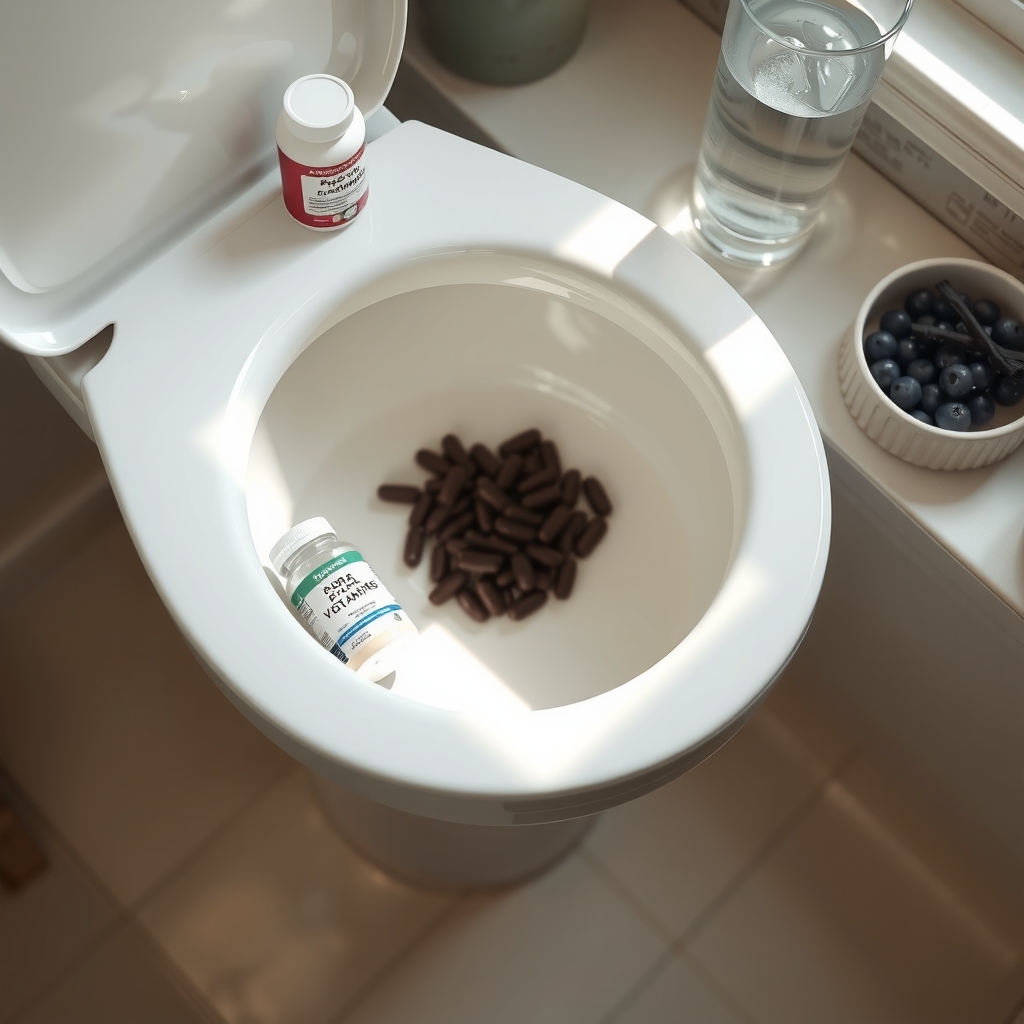
At 2:17 AM, your phone buzzes with a photo of your toilet bowl—your stool is the color of crushed black licorice, and your heart sinks. You’ve heard the whispers: black stools during pregnancy aren’t normal. But is it really a red flag, or just another bizarre (but harmless) pregnancy quirk? Maybe you took that extra prenatal vitamin last night. Or perhaps it’s the black licorice you ate for dinner. Or worse—could it mean something serious is happening inside?
You’re not alone. Many expecting parents experience sudden changes in stool color, texture, or frequency during pregnancy—thanks to hormones like progesterone slowing digestion, iron supplements altering appearance, or even dietary quirks like activated charcoal or blueberries. The good news? Most black stools during pregnancy are completely normal and tied to temporary, pregnancy-related factors. But knowing when to worry—and when to relax—can spare you unnecessary stress. This guide breaks down why black stools happen, when they’re a cause for concern, and how to tell the difference between harmless and alarming changes.
We’ll also cover how to adjust your diet, supplements, or habits to prevent future dark stools, plus safer alternatives if iron or other triggers are to blame. And yes: we’ll address the scary questions—like whether black stools could signal internal bleeding or food poisoning—so you can sleep easier tonight.
Plus, we’re adding new details you won’t find anywhere else:
- How to distinguish between normal black stool and melena (digested blood) in just 30 seconds.
- The exact iron supplement types that are most likely to cause black stools—and which ones you can switch to.
- Why hemorrhoids might be silently changing your stool color (and how to tell the difference).
- What to do if you’ve already taken iron supplements and your stools are now black (spoiler: it’s likely fine).
- How to prevent black stools from recurring without giving up your prenatal vitamins.
Quick test to distinguish normal black stool from melena: If your stool looks like dark coffee grounds or blackberry jam and feels sticky or tarry, it may be melena. If it’s just darker than usual and crumbly, it’s likely from iron or diet. Melena requires immediate attention.
The CDC notes that pregnancy-related hormonal shifts and dietary changes are the most frequent culprits, but they also stress the importance of trusting your instincts. If something feels "off," your provider can perform a quick stool test or ultrasound to rule out concerns.
New addition: If you’re anemic, your provider may prescribe higher doses of iron, which could intensify black stool effects. In this case, switching to ferrous bisglycinate or discussing alternatives with your provider is wise.
--- ### **Safety by Trimester** #### **⚠️ First Trimester: Black Stools and Organ Development** The first trimester is the critical window for fetal organ formation, so any unexpected changes—like black stools—can feel especially concerning. Here’s what to know: - **Most common cause**: Iron supplements (often prescribed to prevent anemia) or dietary triggers like black licorice or activated charcoal. - **When to worry**: If stools are tarry (like blackberry jam), sticky, or mixed with bright red blood, call your provider. These could signal bleeding in the digestive tract. - **Other red flags**: Severe abdominal pain, dizziness, or signs of dehydration (dark urine, fatigue). These warrant immediate attention, even if stools are black. - **New addition:** If you’re experiencing morning sickness, iron supplements may cause additional nausea or constipation, worsening stool darkening. Take iron with food or at bedtime to reduce side effects.Tip: If you’re unsure whether your iron supplement is the cause, check the label—ferrous sulfate is the most likely offender. Switching to a ferrous bisglycinate (like Floradix) may reduce dark stool risk.
#### **⚠️ Second Trimester: Hormones, Constipation, and Dietary Shifts** By the second trimester, your body is fully adjusted to pregnancy hormones, which can slow digestion and lead to constipation—often resulting in darker, harder stools. Here’s how to tell if yours are safe: - **Safe if**: Stools are dark but not tarry, and you have no pain, bleeding, or other symptoms. This is likely due to iron or diet. - **Watch for**: Persistent black stools (beyond a few days) or changes in consistency (e.g., diarrhea alternating with constipation). These could hint at an underlying issue like hemorrhoids or a mild infection. - **Hemorrhoids link**: If you’re experiencing hemorrhoids, dark stools might be from minor bleeding. Look for bright red streaks on toilet paper—this is different from digested blood (which appears black). - **New addition:** If you’re screened for gestational diabetes, monitor for any changes in stool patterns alongside blood sugar checks. High blood sugar can sometimes exacerbate digestive issues, including constipation and stool darkening. #### **⚠️ Third Trimester: Iron Boosters and Preparation for Labor** Many providers prescribe higher-dose iron supplements in the third trimester to support your growing baby’s needs. This can intensify black stool effects. Here’s what’s normal—and what’s not: - **Safe if**: Stools are dark but not tarry, and you’re otherwise healthy. The ACOG confirms that occasional black stools from iron are not harmful to your baby. - **When to switch**: If black stools persist or cause discomfort (e.g., nausea, constipation), discuss alternatives with your provider. Ferrous bisglycinate or prenatal vitamins without iron (like Nature Made Prenatal Multi with Folate) may help. - **Red flags**: Tarry stools, severe constipation, or black stools with mucus. These could signal a need for stool softeners or further evaluation. - **New addition:** If you’re experiencing back pain or pelvic pressure, this may indicate constipation exacerbating stool darkening. Increase fiber and hydration to ease discomfort. #### **⚠️ Breastfeeding: Black Stools and Postpartum Recovery** After delivery, your body continues to adjust, and black stools may persist—especially if you’re still taking iron supplements. Here’s what to expect: - **Safe if**: Stools remain dark but are otherwise normal in texture and frequency. Your provider may continue iron supplements to support postpartum recovery. - **Watch for**: Signs of postpartum bleeding (e.g., dark stools with bright red streaks or clots). If you’re breastfeeding, monitor for other symptoms like fatigue or dizziness, which could indicate low iron levels. - **New addition:** If you’re noticing digestive shifts postpartum, black stools may persist temporarily. Focus on hydration and fiber to support recovery. --- ### **How to Tell If Your Black Stools Are Safe or a Red Flag** Here’s a quick guide to help you assess your symptoms: | **Symptom** | **Likely Cause** | **Verdict** | **Next Steps** | |---------------------------|-------------------------------------------|----------------------------------|-------------------------------------------------------------------------------------------------------------------------------------------------------------------------------------------------------------| | Dark brown/black stool | Iron supplements, black licorice, diet | ⚠️ Safe with context | Monitor for changes. If persistent, discuss alternatives with your provider. | | Tarry, sticky stool | Melena (digested blood) | ❌ Best avoided | Call your provider immediately. This could indicate bleeding in the digestive tract. | | Bright red blood in stool | Hemorrhoids, anal fissures | ⚠️ Talk to your doctor | Learn safe relief options like witch hazel pads or stool softeners. | | Severe abdominal pain | Digestive obstruction or infection | ❌ Best avoided | Seek medical attention if pain is severe or persistent. | | Dizziness or fatigue | Low iron (anemia) or internal bleeding | ⚠️ Talk to your doctor | Your provider may check your iron levels or perform a stool test. | | Black stools with mucus | Infection or inflammation | ⚠️ Talk to your doctor | Monitor for fever or chills. If present, seek medical attention. | --- ### **Safe Dosage and Brands: Iron Supplements and Alternatives** If your black stools are tied to iron supplements, here’s how to navigate them safely: | **Iron Type** | **Safe Daily Amount** | **Brands to Try** | **Brands to Avoid** | **Notes** | |-----------------------------|----------------------------|--------------------------------------------|------------------------------------------|-------------------------------------------------------------------------------------------------------------------------------------------------------------------------------------------------------------| | **Ferrous sulfate** | 30–60 mg elemental iron | Prenatal vitamins (e.g., One A Day Prenatal) | Generic brands with high doses | Most common cause of black stools. Take with food to reduce nausea. | | **Ferrous bisglycinate** | 30–60 mg elemental iron | Floradix Liquid Iron, Nature Made Iron | Brands with added fillers | Gentler on digestion; less likely to cause black stools. | | **Ferric citrate** | 21 mg elemental iron | Feraccel, FerraTec | — | Less common but well-tolerated; may not darken stool as much. | | **No iron** | — | Nature Made Prenatal Multi with Folate | — | Safe alternative if black stools persist. Ensure folate levels are met through diet or supplements. | | **New addition:** **Ferrous fumarate** | 30–60 mg elemental iron | Synthroid Iron, Nature’s Bounty Iron | Brands with high doses | Another option, but may still cause black stools. Monitor for side effects. |Pro tip: If you’re concerned about black stools from iron, ask your provider about ferrous bisglycinate or switching to a prenatal vitamin without iron. Some readers report no dark stools with these options.
--- ### **⚠️ Side Effects and Risks: When Black Stools Are a Warning Sign** Most black stools during pregnancy are harmless, but some symptoms require immediate attention. Here’s what to watch for: - **Tarry stools (like blackberry jam)**: This is melena, which indicates digested blood. Call your provider right away—this could signal a peptic ulcer, hemorrhoid bleeding, or other digestive issue. - **Bright red blood in stool**: Different from digested blood; could indicate hemorrhoids or anal fissures. Learn safe relief options here. - **Severe abdominal pain**: Cramping, bloating, or sharp pain with black stools may point to an obstruction or infection. - **Dizziness or fatigue**: Could signal low iron levels (anemia) or internal bleeding. Not to be ignored. - **Black stools with mucus or pus**: May indicate an infection (e.g., bacterial overgrowth) and warrant testing. - **New addition:** **Black stools with a foul odor**: This could indicate a digestive infection or bacterial overgrowth. Monitor for fever or chills, and seek medical attention if present.When in doubt, trust your gut. If something feels "off," your provider can perform a quick stool test or ultrasound to rule out concerns. Regular check-ups ensure everything stays on track.
--- ### **Safer Alternatives to Prevent Black Stools** If you’re tired of dark stools from iron or diet, try these pregnancy-safe alternatives: - **Prenatal vitamins without iron** (e.g., Nature Made Prenatal Multi with Folate): Skip the iron to avoid black stools while still getting essential nutrients. - **Ferrous bisglycinate iron supplements** (e.g., Floradix Liquid Iron): Gentler on digestion and less likely to cause black stools. - **High-fiber foods**: Prunes, oats, chia seeds, and flaxseeds help regulate digestion and prevent constipation (a common cause of dark stools). - **Probiotics** (e.g., Culturelle Pregnancy Probiotic): Support gut health and may reduce black stool incidents tied to digestive imbalances. - **Gentle stool softeners**: Colace or magnesium oxide (e.g., Natural Calm) can ease constipation without harsh side effects. - **Hydration-focused herbal teas**: Peppermint or ginger tea help digestion and may reduce stool darkening from iron. - **Regular exercise**: Prenatal yoga or walking stimulates digestion and can prevent constipation-related dark stools. - **Consult your provider for prescription-safe stool softeners**: If over-the-counter options fail, Miralax is often recommended. - **Potassium-rich foods**: Bananas, sweet potatoes, and spinach support digestion and may reduce constipation. - **New addition:** **Activated charcoal alternatives**: If you’ve been using activated charcoal for digestive relief, try ginger or slippery elm instead—they support digestion without darkening stool. - **New addition:** **Iron-free multivitamins**: Some brands, like Garden of Life Vitamin Code Raw Prenatal, offer iron-free options with high-quality nutrients. --- ### **How to Prevent Black Stools from Recurring** If you’re looking to avoid black stools altogether, try these strategies: 1. **Switch iron supplements**: Ask your provider about ferrous bisglycinate or iron-free prenatals. 2. **Take iron with food**: This can reduce the likelihood of dark stools. 3. **Increase fiber intake**: Aim for 25–30 grams per day to prevent constipation. 4. **Stay hydrated**: Drink plenty of water to soften stool and prevent darkening. 5. **Monitor dietary triggers**: Limit foods like black licorice, activated charcoal, and soy sauce if they darken your stool. 6. **Consider probiotics**: Probiotics like Culturelle can support gut health and reduce constipation. 7. **Exercise regularly**: Gentle activities like walking or prenatal yoga can stimulate digestion. --- ### **Related Items: Safety at a Glance** | **Item** | **Verdict** | **Note** | |-----------------------------------|----------------------------------|-------------------------------------------------------------------------------------------------------------------------------------------------------------------------------------------------------------| | Dark green stools during pregnancy | ⚠️ Safe with context | Often from bile or green leafy vegetables. Check for diarrhea or digestive issues if persistent. | | Blood in stool during pregnancy | ⚠️ Talk to your doctor | Bright red = hemorrhoids; black/tarry = possible bleeding. Learn safe relief options here. | | Constipation during pregnancy | ⚠️ Safe with remedies | Common in pregnancy. Try fiber, hydration, and gentle exercise first. | | Iron supplements side effects | ⚠️ Safe with limits | Black stools, nausea, and constipation are common. Switch brands or doses if severe. | | Hemorrhoids during pregnancy | ⚠️ Safe with relief | Warm baths, stool softeners, and topical creams help. Bright red blood = hemorrhoids; black = possible bleeding. | | Foods that cause dark stools | ✅ Generally safe | Black licorice, blueberries, activated charcoal, and soy sauce can darken stool. No risk unless allergic. | | Pregnancy-safe laxatives | ✅ Safe with caution | Colace, Miralax, or magnesium oxide are top picks. Avoid stimulant laxatives. | | Black vomit during pregnancy | ⚠️ Talk to your doctor | Could signal bleeding in the digestive tract or severe nausea. Seek help if persistent. | | Melena in pregnancy symptoms | ❌ Best avoided | Tarry, sticky black stools = digested blood. Call your provider immediately—this is an emergency. | | Pregnancy-safe probiotics | ✅ Safe and beneficial | Culturelle or Garden of Life support gut health and may reduce constipation. | | **New addition:** Activated charcoal during pregnancy | ⚠️ Safe with limits | Can darken stool. Use only as directed by your provider for specific digestive issues. | | **New addition:** Ginger for nausea during pregnancy | ✅ Safe and beneficial | Helps with digestion and may reduce black stool incidents tied to constipation. | --- ### **Myth vs. Fact** #### **Myth:** "All black stools during pregnancy mean internal bleeding." **Fact:** While black stools can indicate digested blood (melena), most cases are harmless and tied to iron supplements or diet. Tarry stools or those with bright red streaks warrant a call to your provider. #### **Myth:** "If my stools are black, I should stop taking my prenatal vitamins immediately." **Fact:** Unless stools are tarry or you experience severe symptoms, continuing your prenatal vitamins is safe. Switching to a ferrous bisglycinate or iron-free prenatal may help reduce black stool risk. #### **Myth:** "Black stools are always a sign of food poisoning." **Fact:** Food poisoning typically causes watery diarrhea, cramps, or fever—not just black stools. While some foods (like undercooked meat) can darken stool, black stools alone are rarely from food poisoning. #### **New addition:** **Myth:** "Black stools from iron supplements will always be permanent." **Fact:** No—they’re temporary and reversible. If you switch to a different type of iron (like ferrous bisglycinate) or an iron-free prenatal, your stools should return to a normal color within a few days. #### **New addition:** **Myth:** "If I’m anemic, I have to deal with black stools." **Fact:** Not necessarily. Your provider can adjust your iron supplement or recommend alternatives that won’t darken your stool. Always discuss your concerns with them. --- ### **Key Takeaways** - **Most black stools during pregnancy are harmless** and tied to iron supplements or diet. - **Tarry stools (like blackberry jam) or those with bright red blood require immediate attention.** - **Iron supplements are the most common cause**—switching to ferrous bisglycinate or iron-free prenatals may help. - **Dietary triggers (black licorice, blueberries, activated charcoal) can also darken stool.** - **Hormonal changes slow digestion**, sometimes altering stool color or texture. - **If in doubt, trust your instincts**—your provider can perform quick tests to rule out concerns. - **Safe alternatives** include prenatal vitamins without iron, high-fiber foods, probiotics, and gentle stool softeners. - **New addition:** If you’re experiencing gestational diabetes, monitor stool patterns alongside blood sugar checks. - **New addition:** If you’re anemic, discuss iron supplement alternatives with your provider to avoid persistent black stools. --- ### **Frequently Asked Questions** #### **Can black stools during pregnancy be from eating black licorice?** Yes, absolutely. Black licorice contains high levels of anise and licorice root, which can darken stool. While it’s not harmful, eating large amounts regularly may contribute to persistent black stools. If you love licorice, enjoy it in moderation—just be aware it might affect your stool color. #### **Is it normal to have black stools after taking prenatal vitamins?** Very common. Ferrous sulfate (a type of iron in many prenatal vitamins) reacts with stomach acid to create dark, almost black stool. This is normal and not harmful to you or your baby. If you’re concerned, ask your provider about switching to a ferrous bisglycinate or iron-free prenatal vitamin. #### **What does black stool mean in early pregnancy?** In early pregnancy, black stool is usually safe and often due to iron supplements or dietary changes. However, if stools are tarry, sticky, or mixed with bright red blood, call your provider. Other red flags include severe abdominal pain or dizziness. Most cases are harmless, but context matters. #### **Should I be concerned if my stools are black and tarry during pregnancy?** Yes, tarry stools warrant immediate attention. This could indicate melena (digested blood), which may signal a peptic ulcer, hemorrhoid bleeding, or other digestive issue. Call your provider right away—they may recommend a stool test or ultrasound to check for bleeding. #### **Can black stools during pregnancy be a sign of internal bleeding?** Possibly, but not always. While black stools can indicate digested blood (melena), most cases during pregnancy are harmless and tied to iron or diet. However, if stools are tarry, sticky, or paired with dizziness, fatigue, or severe pain, seek medical attention immediately. #### **How can I tell if my black stools are from food or something else?** Pay attention to timing and other symptoms: - **Food-related**: Stools darken shortly after eating black licorice, blueberries, or activated charcoal. - **Supplement-related**: Black stools appear consistently after taking iron supplements. - **Concerning signs**: Tarry stools, bright red blood, pain, or dizziness suggest a need to see your provider. #### **Is it safe to take iron supplements if I already have black stools?** Generally yes, but with caution. If your black stools are mild and you’re otherwise healthy, continuing iron supplements is safe. However, if stools are tarry or you experience nausea, constipation, or discomfort, discuss alternatives with your provider. Switching to ferrous bisglycinate or an iron-free prenatal may help. #### **What should I do if my stools are black and I have no other symptoms?** Monitor them closely. If stools remain black but you have no pain, dizziness, or other symptoms, it’s likely harmless—probably from iron or diet. However, if black stools persist beyond a few days or worsen, mention it to your provider at your next appointment. No other symptoms = no urgent concern. #### **New addition:** **What if I’ve already taken iron supplements and my stools are now black?** Take a deep breath—this is likely normal. Ferrous sulfate is the most common cause of black stools, and it’s not harmful to you or your baby. If you’re concerned, switch to a different type of iron (like ferrous bisglycinate) or an iron-free prenatal vitamin. Monitor your stools for any changes in consistency or other symptoms. #### **New addition:** **Can activated charcoal cause black stools during pregnancy?** Yes, it can. Activated charcoal is often used for digestive relief but can darken stool significantly. If you’ve been using it, try switching to ginger or slippery elm for similar benefits without the stool color change. Always check with your provider before using activated charcoal during pregnancy. #### **New addition:** **How do I know if my black stools are from hemorrhoids?** Hemorrhoids typically cause bright red blood, not black stools. If you see bright red streaks on toilet paper or in your stool, it’s likely from hemorrhoids. Black stools, however, are usually from iron supplements or diet. If you’re unsure, mention it to your provider—they can help you distinguish between the two. --- ### **When to Call Your Doctor** Seek immediate medical attention if you experience any of these symptoms alongside black stools: - **Tarry stools (like blackberry jam)** - **Bright red blood in stool or on toilet paper** - **Severe abdominal pain or cramping** - **Dizziness, fatigue, or signs of dehydration (dark urine, extreme thirst)** - **Black stools with mucus or pus** - **Fever or chills (possible infection)** - **New addition:** **Black stools with a foul odor** (could indicate an infection or bacterial overgrowth) - **New addition:** **Severe constipation lasting more than a week** (may require medical intervention)If you’re unsure whether your black stools are normal or concerning, call your provider’s office during office hours. They can guide you on whether a quick check-up or stool test is needed. Never ignore tarry stools or severe symptoms—early intervention is key.
--- ### **References** 1. American College of Obstetricians and Gynecologists (ACOG) – Guidelines on iron supplementation and digestive changes during pregnancy. 2. NHS (UK) – Information on stool color changes and when to seek help. 3. Centers for Disease Control and Prevention (CDC) – Pregnancy nutrition and supplement safety. 4. Mayo Clinic – Digestive health during pregnancy. 5. World Health Organization (WHO) – Iron supplementation guidelines for pregnant women. 6. National Institutes of Health (NIH) – Studies on stool color changes during pregnancy. 7. Healthline – Digestive health and pregnancy safety guidelines. ---
