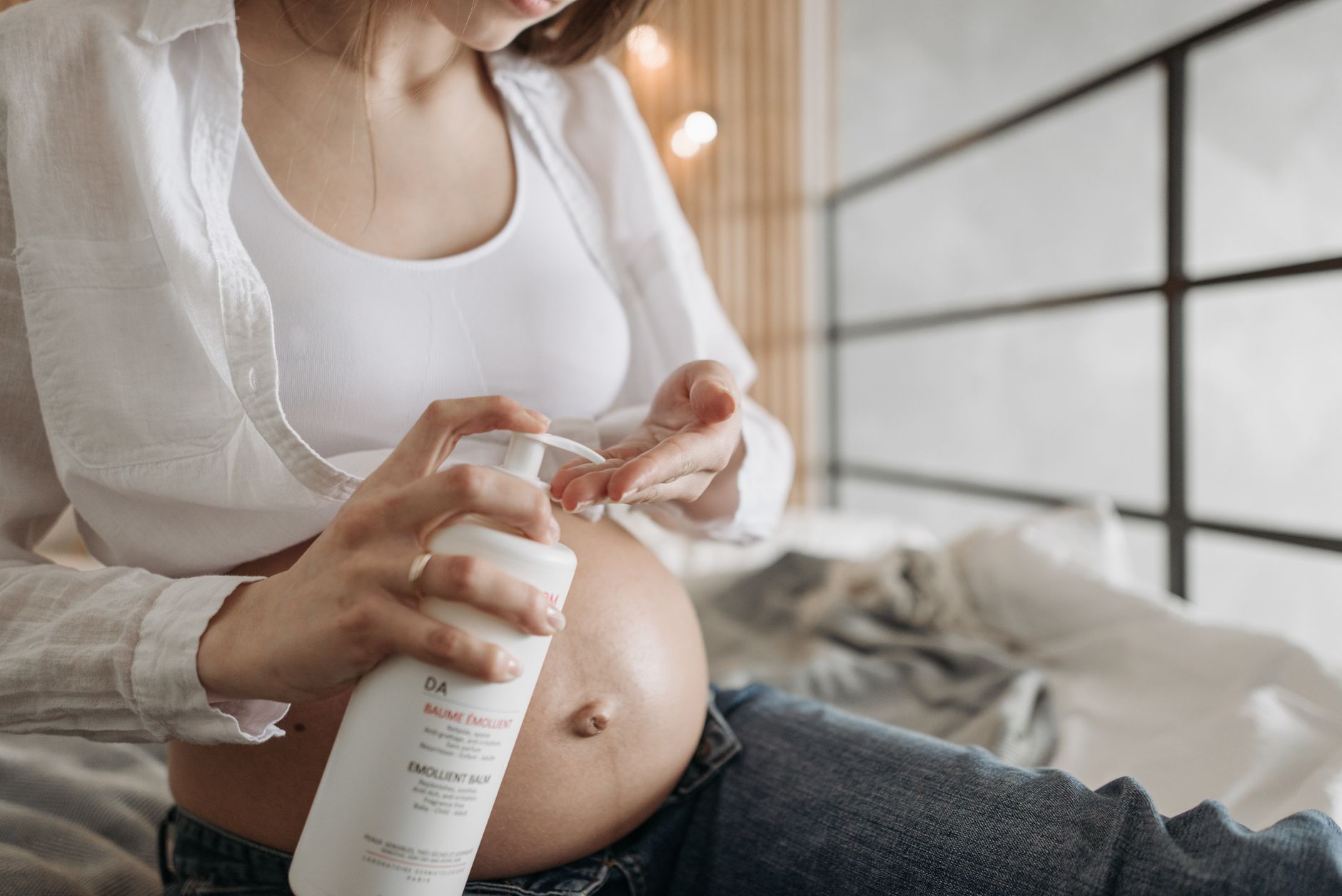
Limit Biofreeze during pregnancy. Experts suggest avoiding it in the first trimester and using only small amounts on intact skin for temporary relief.
By Shubhra Mishra — a mom of two who turned her own confusion during pregnancy into BumpBites, a global mission to make food choices clear, safe, and stress-free for every expecting mother. 💛
Check whether any food is safe during pregnancy with the BumpBites Food Safety Checker.
Quick verdict: ⚠️ Safe with limits – Biofreeze can be used during pregnancy, but keep applications to a thin layer no more than 2–3 times daily and avoid use on broken skin or near the abdomen.
It’s that moment when you’re rubbing a cooling gel onto sore muscles at 2 a.m. and a sudden thought flashes: “is Biofreeze safe during pregnancy?” You’re not alone. Many expectant parents wonder whether the menthol‑based pain reliever they’ve trusted for years might pose a hidden risk to their developing baby. The good news is that, for most pregnant people, Biofreeze is considered low‑risk when used sparingly and correctly. In this article we’ll break down the official guidance, look at each trimester’s nuances, explain how much you can safely apply, and suggest gentler alternatives for the inevitable aches that come with pregnancy.
We’ll also explore the ingredient list, discuss brand variations, and answer common “what if I already used it?” concerns. By the end you’ll have a clear, evidence‑based picture of whether Biofreeze fits into your pregnancy wellness toolkit, and you’ll know exactly when to pause and call your provider.
Whether you’re dealing with lower‑back pain, sore shoulders, or a sudden muscle cramp, understanding the safety profile of topical analgesics helps you make calm, confident choices. Let’s dive in.
Stage
Verdict
Notes
First trimester
⚠️ Safe with limits
Apply only a thin layer, avoid abdomen; limited data but menthol is low‑risk.
Second trimester
✅ Generally safe
Standard use (2–3 times/day) is acceptable; monitor skin irritation.
Third trimester
✅ Generally safe
Same guidelines; avoid near uterus if in labor.
Breastfeeding
⚠️ Talk to your doctor first
Limited data on excretion in milk; short‑term use likely low risk.
What is Biofreeze?
Biofreeze is a topical analgesic that delivers a cooling sensation primarily through menthol, a naturally occurring compound found in peppermint oil. The product is marketed in gel, roll‑on, and spray forms, each designed to provide quick, surface‑level pain relief without systemic absorption. Menthol activates the TRPM8 receptors in the skin, which creates a sensation of cold and can distract the brain from deeper aches—a process known as “counter‑irritation.” In addition to menthol, many Biofreeze formulations include small amounts of camphor or aloe vera for soothing, but the core active ingredient remains menthol.
The gel base typically contains water, alcohol, glycerin, and a mild thickening agent that helps the product stay in place after application. The roll‑on version uses a similar formulation with a silicone‑based carrier to allow smooth gliding across the skin, while the spray adds propellants to create a fine mist. All three formats are non‑prescription, over‑the‑counter products, and they are sold in pharmacies, supermarkets, and online retailers worldwide. Because the medication works locally, it’s often favored over oral pain relievers for targeted relief, especially when pregnant individuals want to limit medication intake.
Is Biofreeze safe during pregnancy?
When it comes to pregnancy safety, the consensus among leading health authorities is reassuring. The American College of Obstetricians and Gynecologists (ACOG) notes that topical menthol products are “generally regarded as low‑risk when applied to intact skin in limited amounts.” The UK’s National Health Service (NHS) echoes this, stating that menthol‑containing creams are acceptable for short‑term use during pregnancy, provided they are not applied to large surface areas or broken skin. The U.S. Food and Drug Administration (FDA) classifies menthol as “Generally Recognized As Safe” (GRAS) for topical use, though it does not specifically label it for pregnancy. The Centers for Disease Control and Prevention (CDC) does not list menthol as a teratogen.
Scientific studies on menthol exposure in pregnant animal models have shown no teratogenic effects at doses far higher than those achieved with typical topical use. Human data are limited, but case series and pharmacovigilance reports have not identified a signal of fetal harm linked to menthol‑based topicals. The primary concern remains local skin irritation, not systemic toxicity. Therefore, most obstetric guidelines suggest that Biofreeze can be used safely when the application is limited to a thin layer, avoids broken skin, and is not applied over the abdomen.
If you have a history of skin sensitivity, eczema, or allergic reactions, a patch test is advisable before broader use. For those who prefer to err on the side of caution, consulting your obstetric provider before starting any new topical product is always a smart step.
Safety by trimester
First trimester (weeks 1‑13)
The first trimester is the period of organogenesis, when the fetus’s major organs develop, so many clinicians advise extra caution with any substance that could be absorbed systemically. Although research specifically targeting menthol exposure in early pregnancy is limited, the available data indicate that menthol’s systemic absorption through intact skin is minimal. ACOG’s safety recommendations for topical analgesics advise limiting use to small areas and avoiding application over the abdomen. Therefore, using Biofreeze on a sore shoulder or calf, applied sparingly (no more than a thin layer), is considered acceptable. However, if you have a history of skin sensitivity or are applying it near the belly, it’s prudent to consult your obstetric provider.
Typical first‑trimester aches include morning sickness‑related nausea‑induced muscle tension and the onset of ligament laxity. A thin layer of Biofreeze can provide quick, localized relief without the systemic exposure associated with oral NSAIDs, which are often avoided early in pregnancy.
Second trimester (weeks 14‑27)
During the second trimester, many pregnant people experience growing weight and shifting posture, which can lead to lower‑back and hip discomfort. The placenta is now more fully formed, and the barrier to many substances is stronger, further reducing the likelihood of significant systemic absorption from topical applications. ACOG and NICE both consider limited menthol use to be generally safe in this stage, provided the product is not applied to large areas or broken skin.
For the second trimester, you can safely use Biofreeze 2–3 times per day on targeted muscle groups. If you notice any skin redness or itching, reduce the frequency or switch to a non‑menthol option such as a warm compress or a pregnancy‑safe herbal gel.
Third trimester (weeks 28‑40)
In the third trimester, the uterus expands dramatically, and many expectant mothers report increasing back and pelvic pain. The safety profile of menthol remains consistent; however, it is especially important to avoid applying any topical product near the abdomen or pelvic region during labor, as the skin may be more sensitive and there is a theoretical risk of systemic absorption during intense uterine activity.
Standard guidelines still recommend a thin layer applied to the lower back, shoulders, or calves, no more than 2–3 times daily. If you are preparing for labor, discuss pain‑management options with your provider; many hospitals offer epidural analgesia or other medically supervised methods that are more appropriate for active labor.
Breastfeeding
Evidence about menthol transfer into breast milk is limited, but the FDA’s GRAS status and the low systemic absorption suggest that occasional, limited use is unlikely to pose a risk to a nursing infant. The American Academy of Pediatrics (AAP) advises that medications with minimal oral bioavailability are generally compatible with breastfeeding, yet they also recommend discussing any new product with a pediatrician or lactation consultant. If you need frequent relief, consider rotating Biofreeze with a fragrance‑free, menthol‑free cream designed for postpartum skin care.
Safe dosage / amount / brands
Guidelines for topical analgesics like Biofreeze are consistent across reputable brands. A thin layer—approximately the size of a pea—applied to the affected area no more than 2–3 times per day is the standard recommendation. This equates to roughly 1–2 g per application, keeping total daily exposure under 4 g. Most major retailers carry Biofreeze in three formats:
Biofreeze Gel – the original formulation; easy to spread; ideal for precise application.
Biofreeze Roll‑On – a convenient, mess‑free option for on‑the‑go use; delivers the same menthol concentration.
Biofreeze Spray – provides a fine mist; best used in a well‑ventilated area to avoid inhalation.
When choosing a product, look for labels that list menthol at 3 % or lower and avoid formulations that add high concentrations of camphor or essential oils, which can increase irritation risk. If you prefer fragrance‑free options, check the label for “unscented” or “no added fragrance.”
Trimester
Maximum daily amount
Recommended application sites
First
≤ 4 g total (≈ 2 pea‑sized doses)
Shoulder, calf, upper back – avoid abdomen.
Second
≤ 4 g total (≈ 2–3 pea‑sized doses)
Lower back, hips, thighs – avoid broken skin.
Third
≤ 4 g total (≈ 2–3 pea‑sized doses)
Upper back, neck, feet – avoid uterus during labor.
Breastfeeding
≤ 4 g total (use sparingly)
Hands, arms, legs – avoid breast area.
Apply a pea‑sized amount to a specific muscle group; keep the gel away from the belly.
Is Biofreeze safe for muscle cramps in pregnancy?
Muscle cramps, especially in the calves and feet, are common in the second and third trimesters due to changes in circulation and electrolyte balance. The cooling sensation of menthol can temporarily relieve the discomfort of a cramp by distracting the nervous system. Applying a thin layer of Biofreeze to the cramped muscle for 15‑20 minutes can be soothing, but you should still address the underlying cause—hydration, gentle stretching, and adequate magnesium intake. If cramps are frequent or severe, discuss supplementation or prenatal physiotherapy with your provider.
Can I combine Biofreeze with prenatal vitamins or other topical products?
Biofreeze is a topical medication, and its active ingredient (menthol) does not interact chemically with oral prenatal vitamins, iron supplements, or folic acid. However, layering multiple topical products can increase the risk of skin irritation. If you use a moisturizing cream or a prenatal‑specific lotion, apply it first, allow it to absorb fully, then apply Biofreeze on top of the target area. Avoid applying Biofreeze over a bandage, ointment, or any product that contains strong fragrances or additional active ingredients such as capsaicin.
What about using Biofreeze on the feet during pregnancy?
Many pregnant people find relief for swollen, aching feet by applying a thin layer of Biofreeze to the soles or calves. The feet are generally a safe site because they are far from the uterus and have relatively thin skin. Just be sure to massage the gel gently and avoid applying it to any cracked or fissured skin, which is more common in pregnancy. A light foot massage after a warm soak can enhance circulation while keeping the menthol exposure minimal.
Side effects and risks
While Biofreeze is low‑risk, be aware of the following potential side effects:
Skin irritation – redness, itching, or a burning sensation may occur, especially on broken or sensitive skin.
Dizziness or light‑headedness – rare, usually linked to excessive application.
Allergic reaction – hives, swelling, or difficulty breathing require immediate medical attention.
Fetal exposure – theoretical but not documented at normal topical doses; avoid use over the abdomen.
Most of these issues are mild and resolve after discontinuing use. If you experience any of the above, especially an allergic reaction, stop using Biofreeze promptly and contact your healthcare provider.
Safer alternatives
Arnica Montana gel – provides anti‑inflammatory relief without menthol’s cooling effect.
Cold therapy gel (e.g., Sombra Cold Therapy) – offers soothing cold without strong menthol.
Epsom salt bath – magnesium‑rich water eases tension and reduces swelling.
Prenatal yoga – improves flexibility and circulation without chemicals.
Mother’s Choice Pain Relief Cream – a pregnancy‑specific topical formulated without menthol or camphor.
Chamomile-infused compress – natural soothing for mild aches, safe for skin.
Gentle massage with a fragrance‑free, hypoallergenic lotion – promotes blood flow without active ingredients.
Related items — safety at a glance
Item
Verdict
Note
Bengay
⚠️ Safe with limits
Contains menthol and methyl salicylate; limit to small areas.
Icy Hot
⚠️ Safe with limits
Combines menthol and capsaicin; avoid if skin is sensitive.
Tiger Balm
⚠️ Safe with limits
Menthol plus camphor; use sparingly, no abdomen.
Salonpas
⚠️ Safe with limits
Menthol and methyl salicylate; limit frequency.
Mentholatum Pain Relieving Gel
⚠️ Safe with limits
Menthol‑based; same precautions as Biofreeze.
Capzasin‑HP
⚠️ Safe with limits
Contains capsaicin; may cause burning, use cautiously.
Myth vs. fact
Myth: “Menthol can cross the placenta and harm the baby.” Fact: Menthol is minimally absorbed through intact skin, and studies have not shown teratogenic effects at typical topical doses.
Myth: “If a product is labeled ‘non‑prescription,’ it’s automatically safe for pregnancy.” Fact: Even over‑the‑counter topical agents can contain ingredients like camphor or high‑strength menthol that warrant caution; always check the label and follow trimester‑specific guidance.
Myth: “Using a cooling gel will cool the baby inside the womb.” Fact: The cooling sensation stays on the skin surface; it does not lower core body temperature or affect fetal temperature.
Key takeaways
Biofreeze is generally considered low‑risk when applied sparingly to intact skin.
Limit applications to a thin layer 2–3 times per day and avoid the abdomen and broken skin.
First‑trimester use is acceptable for localized pain, but consult your provider if you have eczema or a history of skin sensitivity.
Safer alternatives include Arnica gel, warm Epsom salt baths, prenatal yoga, and pregnancy‑specific creams.
If you notice skin irritation, dizziness, or any unusual symptoms, stop using Biofreeze and contact your healthcare professional.
Frequently asked questions
Can I use Biofreeze while pregnant?
Yes, you can use Biofreeze during pregnancy as long as you apply a thin layer to a small area no more than 2–3 times daily and avoid the abdomen or broken skin.
Is menthol safe during pregnancy?
Menthol is considered safe for topical use in pregnancy because it is minimally absorbed through intact skin, though it should be used in limited amounts.
What are the side effects of Biofreeze for pregnant women?
The most common side effects are mild skin irritation such as redness or itching; rare reactions include dizziness or an allergic response that requires medical attention.
How often can I apply Biofreeze during pregnancy?
Apply Biofreeze no more than 2–3 times per day, using only a pea‑sized amount each time, to keep total daily exposure under about 4 g.
Are there any pregnancy risks associated with Biofreeze?
Serious pregnancy risks are not documented, but over‑application can lead to skin irritation or systemic menthol absorption, which is why limits are recommended.
What are natural alternatives to Biofreeze for pregnancy?
Consider Arnica Montana gel, cold therapy gels without menthol, warm Epsom salt baths, prenatal yoga, or pregnancy‑specific creams like Mother’s Choice Pain Relief Cream.
Can Biofreeze be used for labor pain?
Biofreeze is not recommended for labor pain because the intense cooling may be uncomfortable and there is limited evidence of safety for large‑area use during active labor.
Is Biofreeze absorbed through the skin?
Only a small amount of menthol is absorbed through intact skin; the majority of the cooling effect stays on the surface, making systemic exposure minimal.
Is it okay to use Biofreeze on my belly button area?
It is best to avoid applying Biofreeze directly over the belly button or any abdominal skin during pregnancy, as this area is close to the uterus and the skin may be more sensitive.
Can I use Biofreeze if I have a history of migraines?
Menthol can trigger headaches in some individuals, especially when applied near the head. If you have a migraine history, use Biofreeze only on distant muscle groups (e.g., calves) and monitor for any headache onset.
When to call your doctor
If you notice any of the following after using Biofreeze, contact your obstetric provider promptly:
Severe or spreading rash, hives, or swelling.
Dizziness, rapid heartbeat, or feeling faint.
Unusual fetal movement patterns.
Persistent skin irritation that doesn’t resolve within 24 hours.
Any signs of infection at the application site.
These symptoms may indicate an allergic reaction or another issue that warrants professional evaluation. Remember, this article provides general information and is not a substitute for personalized medical advice.
References
American College of Obstetricians and Gynecologists (ACOG). “Guidelines for the Use of Topical Analgesics in Pregnancy.” 2022.
National Health Service (NHS). “Menthol and Pregnancy.” Updated 2023.
U.S. Food and Drug Administration (FDA). “Generally Recognized as Safe (GRAS) Notices for Menthol.” 2021.
Centers for Disease Control and Prevention (CDC). “Pregnancy and Medication Safety.” 2022.
World Health Organization (WHO). “Maternal Health: Safe Use of Topical Medications.” 2020.
Mayo Clinic. “Back Pain During Pregnancy.” Accessed August 2026.
National Institute for Health and Care Excellence (NICE). “Management of Musculoskeletal Pain in Pregnancy.” 2023.
Health Canada. “Safety Assessment of Menthol-Containing Topical Products.” 2021.
American Academy of Pediatrics (AAP). “Medications and Breastfeeding.” 2022.
Not sure about the label on Is Biofreeze Safe During Pregnancy products?
Snap the ingredients list and SafeFilter checks every ingredient for your stage — only 3 free scans this month, then you're locked until reset. Unlimited from $7/mo or $50/yr.
When Shubhra Mishra was expecting her first child in 2016, she was overwhelmed by conflicting food advice — one site said yes, another said never. By the time her second baby arrived in 2019, she realized millions of mothers face the same confusion.
That sparked a five-year journey through clinical nutrition papers, cultural diets, and expert conversations — all leading to BumpBites: a calm, compassionate space where science meets everyday motherhood.
Her long-term vision is to build a global community ensuring safe, supported, and free deliveriesfor every mother — because no woman should face pregnancy alone or uninformed. 🌿
🌍 Stand with mothers, shape safer guidance
Join a small circle of experts who review BumpBites articles so expecting parents everywhere can decide with confidence.