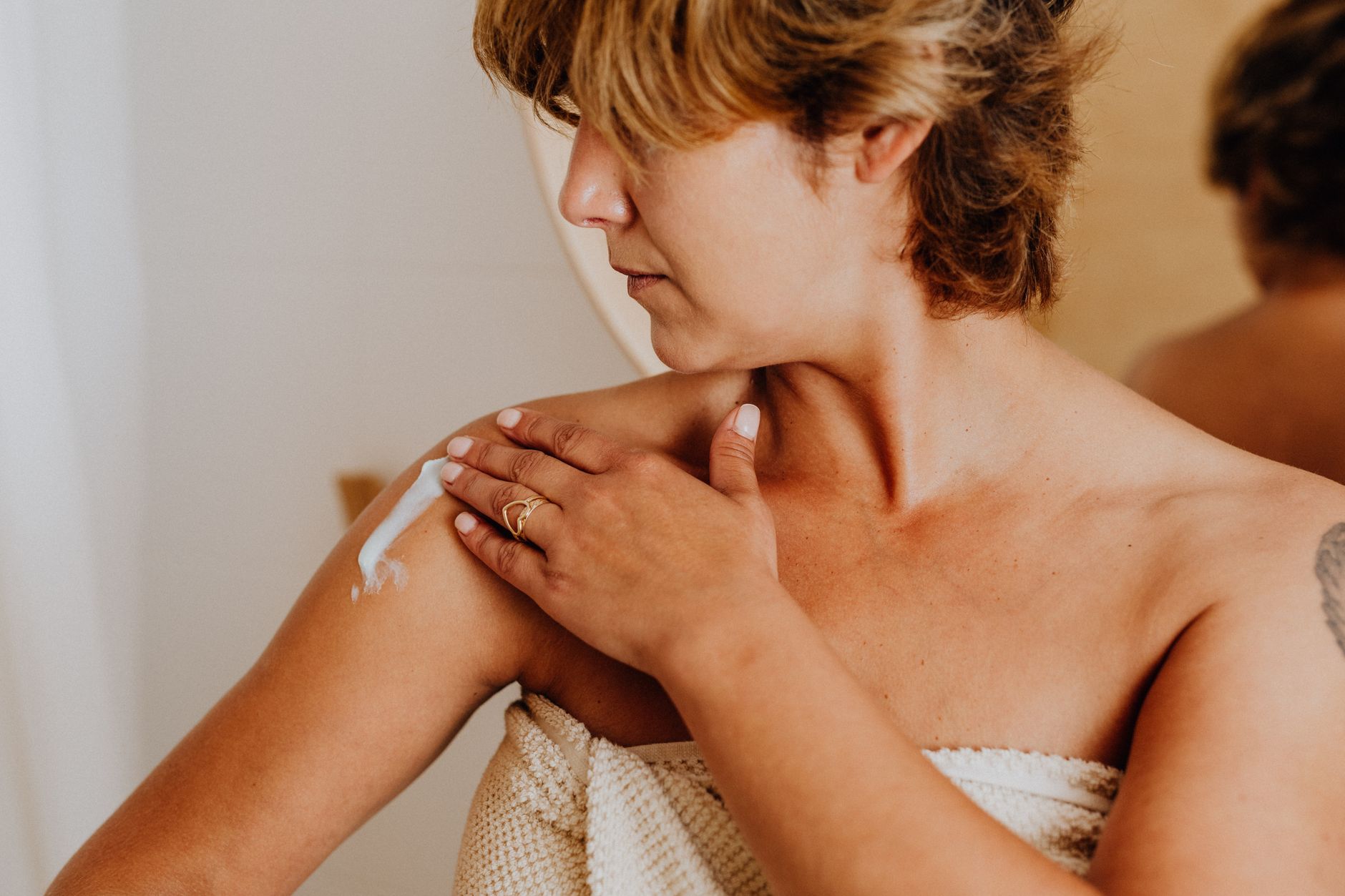
Avoid high amounts of Bengay during pregnancy; it is safe in limited doses, especially after the first trimester, with a maximum of 2‑3 applications per day.
By Shubhra Mishra — a mom of two who turned her own confusion during pregnancy into BumpBites, a global mission to make food choices clear, safe, and stress-free for every expecting mother. 💛
Check whether any food is safe during pregnancy with the BumpBites Food Safety Checker.
Quick verdict: ⚠️ Safe with limits – you can use Bengay during pregnancy, but only sparingly, avoid the abdomen, and stick to the recommended amount.
It’s 2 a.m., the heat from a sore lower back is making you restless, and you wonder, “is bengay safe during pregnancy?” You might already have a tube on the nightstand or be reaching for it in the pharmacy aisle. First, take a breath – you’re not alone, and the answer is clearer than you think.
In short, most obstetric experts say Bengay can be used in pregnancy if you follow a few simple rules: apply a thin layer, limit the number of applications per day, and keep it away from your belly and any broken skin. Below we break down exactly how much is considered safe, what changes (if any) in each trimester, safer alternatives you might prefer, and when to call your provider.
We’ll also compare Bengay to other popular topical analgesics, discuss special concerns like hypertension or skin sensitivity, and give you a quick‑reference table so you can find the answer you need without scrolling. If you’ve already used Bengay before confirming your pregnancy, you’ll find reassurance here, plus concrete steps to keep both you and your baby safe.
Keep Bengay out of reach of children and store it in a cool, dry place.
Trimester / Breastfeeding
Verdict
Notes
First trimester
⚠️ Safe with limits
Apply only to non‑abdominal areas; limit to 2–3 applications per day; avoid broken skin.
Second trimester
⚠️ Safe with limits
Same precautions as first trimester; many clinicians consider it low‑risk.
Third trimester
⚠️ Safe with limits
Continue to avoid abdomen; monitor for skin irritation, especially if you develop edema.
Breastfeeding
⚠️ Safe with limits
Small amounts absorbed systemically are unlikely to affect infant; keep product away from nipples.
What is Bengay?
Bengay is a topical analgesic that has been on pharmacy shelves for more than a century. The product’s active ingredients typically include menthol, methyl salicylate (oil of wintergreen), and camphor – all of which create a cooling or warming sensation that distracts the brain from underlying muscle aches. When you rub it onto sore muscles, the menthol stimulates cold‑sensing receptors, while methyl salicylate and camphor activate heat receptors, creating a “counter‑irritation” effect that can reduce the perception of pain.
People use Bengay for a variety of musculoskeletal complaints: backaches, sore necks, joint stiffness, and minor sprains. It’s an over‑the‑counter (OTC) product, so no prescription is needed, and it’s sold in several formats – cream, gel, and roll‑on. Because it’s applied to the skin, systemic absorption is minimal, which is why many consider it a “gentle” option compared with oral NSAIDs. However, the presence of methyl salicylate means there is a small amount of salicylate that can be absorbed, a factor that obstetric guidelines keep an eye on.
Beyond the three main actives, Bengay also contains carrier oils and fragrance agents that help the product spread evenly. The carrier oils are typically inert, but some people with very sensitive skin may react to added fragrances. The formulation has been refined over decades to balance potency with tolerability, which is why it remains a go‑to option for many adults seeking fast, localized relief.
Apply only a thin, pea‑sized layer to avoid excess absorption.
Is Bengay safe during pregnancy?
The short answer is yes, but only when you respect the limits set by health authorities. The American College of Obstetricians and Gynecologists (ACOG) notes that topical products containing menthol and camphor are generally regarded as low‑risk for the fetus, provided they are not used on broken skin or near the abdomen. The U.K.’s National Health Service (NHS) echoes this, stating that “short‑term, limited use of menthol‑based rubs is acceptable in pregnancy.” The U.S. Food and Drug Administration (FDA) classifies methyl salicylate‑containing products as “generally recognized as safe” (GRAS) for external use, but cautions against excessive application.
Why the caution? Methyl salicylate is chemically related to aspirin, an oral medication that is usually avoided in the third trimester because of a rare risk of premature closure of the fetal ductus arteriosus. However, the amount absorbed through the skin from a typical Bengay application is far below the threshold that would cause systemic effects. Studies measuring blood levels after topical use have found salicylate concentrations well under 1 µg/mL – a level considered negligible.
Common misconceptions include the belief that any “cooling” product is automatically safe or that you can slather it on wherever you like. In reality, the skin on the abdomen becomes more permeable during pregnancy, and the risk of systemic absorption, though still low, is higher there. Therefore, most clinicians advise keeping Bengay away from the belly, especially in the first and third trimesters. For most pregnant people, using Bengay on the back, shoulders, or legs follows the same safety profile as using it before pregnancy.
Both ACOG and the NHS emphasize that the key is moderation. The FDA’s monograph for topical analgesics recommends a maximum of three pea‑sized applications per day, which aligns with the guidance you’ll find in most obstetric handbooks. If you have any pre‑existing skin condition—eczema, psoriasis, or a known allergy to menthol—talk to your provider before using Bengay, as those conditions can increase the chance of irritation.
Is Bengay safe to use during the first trimester of pregnancy?
During the first trimester, the embryo is undergoing organogenesis – the period when the major organs form. Because of this heightened sensitivity, many providers recommend extra caution with any medication, even topical ones. The consensus from ACOG and the NHS is that Bengay can be used sparingly on non‑abdominal areas such as the shoulders, neck, or lower back, but you should limit applications to no more than three times per day.
If you have a history of skin sensitivity or eczema, you may want to do a patch test on a small area of skin (like the forearm) at least 24 hours before broader use. This extra step helps ensure you won’t develop a rash that could become infected, which would be more concerning for both you and your developing baby. In the first trimester, the placenta is still forming, so keeping systemic exposure to any drug—no matter how small—at the lowest reasonable level is a good practice.
For pregnant people who experience chronic low‑back pain, a combination of gentle stretching, a warm compress, and a single, thin application of Bengay can often provide enough relief without needing to reach for oral painkillers. The same principle applies throughout pregnancy: use the least invasive option that effectively manages your symptoms.
How much Bengay can a pregnant woman apply safely?
Manufacturers typically recommend applying a “thin layer” – roughly the size of a pea – to the affected area. For most adults, this translates to about 1 gram per application. The safe limit, according to the FDA’s monograph on topical analgesics, is no more than 3 g per day (approximately three pea‑sized applications). You should not exceed this amount, and you should avoid covering the treated area with heat‑producing wraps, which can increase systemic absorption.
If you weigh less than the average adult (for instance, 55 kg or about 120 lb), you can still follow the same 3 g daily ceiling because the total amount of salicylate absorbed is well below the 5 mg/kg/day threshold that the FDA cites for systemic safety. This threshold is based on oral exposure, and topical absorption is typically 1‑2 % of that amount, making the risk negligible when the dosage limit is respected.
Pregnant women who are also using other salicylate‑containing products (such as certain foot creams or oral pain relievers) should add those amounts together to stay well below the safe systemic threshold. In practice, most pregnant people avoid oral NSAIDs altogether, so the additional salicylate load from Bengay is usually the only source to monitor.
When measuring a pea‑sized amount, imagine the amount of a single grain of rice placed on the back of your hand. If you need to treat two separate areas, use a fresh pea‑sized portion for each location, keeping the total under three peas per day.
Are there any risks of using Bengay while pregnant?
The primary risk is skin irritation. Menthol, camphor, and methyl salicylate can cause redness, itching, or a burning sensation, especially if applied to sensitive or broken skin. In rare cases, an allergic reaction can lead to contact dermatitis, which may become infected if scratched. Systemic risks are minimal when used as directed, but if you apply large amounts or use it on the abdomen, a small amount of salicylate could theoretically reach the bloodstream.
For women with hypertension, the vasodilating effect of menthol can cause a slight drop in blood pressure, though this is generally not clinically significant. Nonetheless, if you have a history of low blood pressure or are on antihypertensive medication, talk to your provider before using Bengay. The same caution applies to anyone with a known allergy to any of the active ingredients, as cross‑reactivity can trigger more severe skin reactions.
Another consideration is the use of heating pads or hot water bottles over the same area where Bengay has been applied. Heat can increase skin permeability, potentially raising systemic absorption of methyl salicylate. If you need additional warmth for muscle relief, wait at least an hour after applying Bengay before using a heat source.
Using Bengay for specific pregnancy‑related aches
Back pain is one of the most common discomforts reported during pregnancy, affecting up to 70 % of expectant mothers. While many turn to oral pain relievers, a targeted application of Bengay on the lumbar region can provide quick, localized relief without exposing the fetus to systemic medication. Apply a thin layer after a gentle warm‑up stretch, and avoid massage over the abdominal area.
Joint stiffness, especially in the hips and knees, often worsens as pregnancy progresses. For these areas, a pea‑sized amount of Bengay applied after a short walk or light prenatal yoga session can reduce the “creaky” feeling. The cooling effect of menthol also helps alleviate the sensation of swelling that many pregnant people experience in the third trimester.
It’s important to remember that Bengay is intended for short‑term use. If you find yourself needing the product daily for weeks on end, discuss alternative pain‑management strategies with your obstetrician, as chronic pain may signal an underlying issue that warrants further evaluation.
Safe dosage / amount / brands
Parameter
Recommendation
Notes
Maximum daily amount
≤ 3 g (≈ three pea‑sized applications)
Avoid overlapping applications; wait at least 4 hours between uses.
Application sites
Back, shoulders, neck, limbs
Do not apply on abdomen, chest, or broken skin.
Preferred brand
Bengay Original Strength Gel
Choose the formulation without added lidocaine if you’re pregnant.
Brands to avoid
Bengay with lidocaine, or any “extra‑strength” version
Lidocaine lacks specific pregnancy safety data.
Side effects and risks
Common, non‑serious effects: mild burning, tingling, or a cooling sensation that can last up to 30 minutes. These sensations are expected and usually not a cause for concern.
Skin irritation: redness, itching, or a rash may develop, especially if the product is used on sensitive skin or in large amounts. If irritation persists for more than 24 hours, wash the area thoroughly and stop using the product.
Allergic reaction: though rare, some individuals develop contact dermatitis, which can become infected. Signs include swelling, blistering, or severe itching. Seek medical care promptly if these occur.
Systemic concerns: high, repeated doses could theoretically raise salicylate levels, but the amounts absorbed from normal use are far below harmful thresholds. Nevertheless, avoid using Bengay together with oral NSAIDs or other salicylate‑containing creams.
Safer alternatives
Prenatal massage oil – specially formulated with gentle essential oils and safe carrier oils, perfect for soothing sore muscles without strong irritants.
Cold compress – a simple ice pack wrapped in a cloth can reduce inflammation without any chemicals.
Epsom salt bath – magnesium sulfate can relax muscles and is widely regarded as safe for pregnant women.
Biofreeze Pregnancy – a menthol‑based topical analgesic that omits methyl salicylate, reducing salicylate exposure.
Warm compress – a warm (not hot) towel can ease tension without medication.
Gentle stretching exercises – prenatal yoga or targeted stretches improve circulation and reduce aches naturally.
Acetaminophen (Tylenol) oral – the first‑line oral analgesic recognized as safe throughout pregnancy by ACOG.
ThermaCare heat therapy patches – provide steady warmth for up to 8 hours, with no active chemicals.
Prenatal yoga classes – guided sessions that focus on safe poses for back and hip relief.
Supportive maternity belts – help reduce lumbar strain by redistributing weight.
Related items — safety at a glance
Item
Verdict
One‑line note
Icy Hot
⚠️ Safe with limits
Same menthol/methyl salicylate combo; avoid lidocaine versions.
Tiger Balm
⚠️ Safe with limits
Contains camphor and menthol; keep off abdomen.
Salonpas
⚠️ Safe with limits
Patch form reduces systemic absorption; still avoid belly.
Biofreeze
✅ Generally safe
Menthol‑only formula without methyl salicylate.
Arnicare
⚠️ Safe with limits
Arnica can cause skin irritation; use sparingly.
Mentholatum Deep Heating Rub
⚠️ Safe with limits
Contains methyl salicylate; follow same dosage rules.
Capzasin‑HP
❌ Best avoided
High‑dose capsaicin is not recommended in pregnancy.
Voltaren Gel
❌ Best avoided
Topical NSAID; systemic absorption can affect fetal circulation.
BenGay Extra Strength
❌ Best avoided
Higher concentration of methyl salicylate increases absorption risk.
Myth vs. fact
Myth: “If it’s a cream, it can’t affect the baby.”
Fact: While topical creams have minimal systemic absorption, ingredients like methyl salicylate can cross the skin barrier, so limits are still advisable.
Myth: “Menthol always feels cool, so it’s harmless.”
Fact: Menthol can cause a mild vasodilatory effect; in rare cases, it may lower blood pressure, which matters for pregnant women with hypertension.
Myth: “You can apply Bengay on your belly to ease stretch‑mark itching.”
Fact: The abdomen becomes more permeable during pregnancy; applying Bengay there can increase systemic exposure and is not recommended.
Myth: “Because it’s OTC, no doctor’s input is needed.”
Fact: Even over‑the‑counter products can interact with pregnancy‑specific physiology; a quick check with your provider ensures you stay within safe limits.
Key takeaways
✅ Bengay is generally safe when used sparingly on non‑abdominal skin.
⚠️ Limit applications to ≤ 3 g per day (about three pea‑sized doses).
Avoid the belly, chest, and any broken or irritated skin.
Consider salicylate‑free alternatives like Biofreeze Pregnancy or a prenatal massage oil.
Contact your provider if you develop a rash, persistent burning, or have hypertension concerns.
Frequently asked questions
Can I use Bengay while pregnant?
Yes, you can use Bengay during pregnancy, but only on non‑abdominal areas, no more than three times a day, and never on broken skin.
What are the side effects of Bengay during pregnancy?
Typical side effects include a temporary burning or cooling sensation; more concerning effects are skin irritation, rash, or allergic contact dermatitis, which should prompt discontinuation and a call to your doctor.
Is it okay to apply Bengay on my belly during pregnancy?
No, applying Bengay on the belly is not recommended because the skin there is more permeable, increasing the chance of systemic absorption of methyl salicylate.
How often can I use Bengay while pregnant?
Limit use to three applications per day, spacing each at least four hours apart, and never exceed a pea‑sized amount per application.
Does Bengay contain ingredients unsafe for pregnancy?
Bengay’s active ingredients—menthol, camphor, and methyl salicylate—are not classified as teratogens, but methyl salicylate is a salicylate, so it should be used within the recommended limits.
What are natural pain relief options for pregnant women?
Safe natural options include prenatal massage oil, cold or warm compresses, Epsom salt baths, gentle stretching, and Biofreeze Pregnancy, a menthol‑only topical analgesic.
What should I do if I accidentally applied Bengay to my abdomen?
If you notice any redness, burning, or unusual sensation after applying Bengay to your belly, wash the area with mild soap and water, monitor for skin changes, and contact your obstetric provider if irritation persists beyond an hour.
Can I use Bengay if I have a latex allergy?
Latex allergy does not directly interact with Bengay’s ingredients, but if the product’s packaging contains latex (rare), check the label; otherwise, it is generally safe, though a patch test is still advisable.
When to call your doctor
If you notice any of the following after using Bengay, contact your obstetric provider promptly:
Severe or worsening skin redness, swelling, or blistering.
Persistent burning or tingling that lasts more than an hour.
Signs of an allergic reaction such as hives, shortness of breath, or swelling of the face.
Unexplained drops in blood pressure (dizziness, faintness), especially if you have hypertension.
Any concern that you may have exceeded the recommended amount.
Remember, this article provides general information and is not a substitute for personalized medical advice. Always discuss any medication or topical product use with your healthcare provider.
References
American College of Obstetricians and Gynecologists. “Medication Use During Pregnancy.” ACOG Committee Opinion No. 742, 2021.
National Health Service (UK). “Topical analgesics and pregnancy.” NHS website, updated 2022.
U.S. Food and Drug Administration. “Topical Analgesics: Final Monograph.” FDA, 2020.
Centers for Disease Control and Prevention. “Pregnancy and Medication Safety.” CDC, 2023.
World Health Organization. “Guidelines for the safe use of medicines in pregnancy.” WHO, 2021.
American Academy of Pediatrics. “Guidelines for topical medication use in infants and pregnant women.” AAP, 2022.
Not sure about the label on Is Bengay Safe During Pregnancy products?
Snap the ingredients list and SafeFilter checks every ingredient for your stage — only 3 free scans this month, then you're locked until reset. Unlimited from $7/mo or $50/yr.
When Shubhra Mishra was expecting her first child in 2016, she was overwhelmed by conflicting food advice — one site said yes, another said never. By the time her second baby arrived in 2019, she realized millions of mothers face the same confusion.
That sparked a five-year journey through clinical nutrition papers, cultural diets, and expert conversations — all leading to BumpBites: a calm, compassionate space where science meets everyday motherhood.
Her long-term vision is to build a global community ensuring safe, supported, and free deliveriesfor every mother — because no woman should face pregnancy alone or uninformed. 🌿
🌍 Stand with mothers, shape safer guidance
Join a small circle of experts who review BumpBites articles so expecting parents everywhere can decide with confidence.