

Quick verdict: ⚠️ Bar Keepers Friend is safe with limits during pregnancy if used correctly. The main concern is inhaling its fine powder or fumes, which may irritate your lungs or airways—especially in the first trimester. Most obstetricians recommend using the liquid version (not the powder) in a well-ventilated area, wearing gloves, and avoiding prolonged skin contact. If you’ve already used it a few times, don’t panic—just take extra precautions moving forward.
You’re standing in the kitchen at 11 pm, scrubbing the stovetop with Bar Keepers Friend, when it hits you: Wait—is this actually safe during pregnancy? Maybe you’ve used it dozens of times before realizing you were expecting, or maybe you’re just trying to decide whether to keep it under the sink. Either way, you’re not alone. Many expecting parents worry about the cleaning products they use, especially when they contain active ingredients like oxalic acid.
So, is Bar Keepers Friend safe during pregnancy? The short answer is: yes, but with precautions. The key is how you use it—avoiding inhalation, limiting skin contact, and opting for the liquid formula when possible. Below, we’ll break down exactly what’s in Bar Keepers Friend, which trimesters matter most, safer ways to use it, and what to do if you’ve already used it. We’ll also cover pregnancy-safe alternatives so you can keep your home clean without the worry.
| Trimester | Verdict | Notes |
|---|---|---|
| First trimester | ⚠️ Safe with caution | Highest risk of inhalation due to fine powder. Avoid prolonged use. Opt for liquid version in well-ventilated areas. |
| Second trimester | ⚠️ Safe with caution | Risk decreases, but still avoid inhaling fumes or powder. Wear gloves and use sparingly. |
| Third trimester | ⚠️ Safe with caution | Similar to second trimester. Focus on ventilation and minimizing skin contact. |
| Breastfeeding | ✅ Generally safe | No evidence of risk to breast milk, but avoid direct skin contact with nipples if using on surfaces. |
What Is Bar Keepers Friend?
Bar Keepers Friend is a popular household cleaner known for its ability to tackle tough stains, rust, and grime on surfaces like stainless steel, porcelain, and tile. It comes in two main forms:
- Powder: A fine, abrasive powder that works well for scrubbing away stubborn stains. The active ingredient is oxalic acid (typically 5-10%), which helps dissolve rust and mineral deposits.
- Liquid: A pre-mixed solution that’s less abrasive but still effective for cleaning. It contains oxalic acid in a lower concentration (usually around 1-2%) and is easier to control during use.
Oxalic acid is a natural compound found in many plants (like spinach and rhubarb), but in concentrated form, it can be irritating to the skin, eyes, and respiratory system. That’s why Bar Keepers Friend—and any cleaner containing oxalic acid—requires careful handling, especially during pregnancy.
Is Bar Keepers Friend Safe During Pregnancy?
Here’s what the research and expert guidelines say:
- ACOG: Recommends avoiding prolonged exposure to strong fumes or fine powders during pregnancy, as they can irritate your airways or trigger nausea (which is already common in the first trimester).
- EPA: Classifies oxalic acid as a mild irritant, not a reproductive toxin. The risk is primarily to your lungs and skin, not your developing baby.
- NHS (UK): Advises pregnant women to avoid inhaling cleaning product fumes, especially in poorly ventilated areas, as it may cause dizziness or respiratory discomfort.
Most obstetricians agree that occasional, careful use of Bar Keepers Friend is fine, but they recommend taking extra precautions to minimize exposure. If you’re using it regularly (e.g., daily or weekly), it’s worth switching to a pregnancy-safe alternative (we’ll cover those later).
Is Bar Keepers Friend Safe to Use During the First Trimester of Pregnancy?
The first trimester is the most critical time for your baby’s development, as this is when their organs, brain, and nervous system are forming. While there’s no evidence that Bar Keepers Friend causes birth defects, the first trimester is when you’re most sensitive to strong smells, fumes, and nausea triggers. Inhaling the fine powder or strong fumes from Bar Keepers Friend could make morning sickness worse or leave you feeling lightheaded.
If you need to use Bar Keepers Friend in your first trimester:
- Avoid the powder version. The liquid formula is safer because it doesn’t create airborne particles that you can inhale.
- Use it in a well-ventilated area. Open windows or turn on a fan to disperse fumes.
- Wear gloves. This protects your skin from irritation and minimizes absorption of oxalic acid.
- Limit use to short bursts. Don’t scrub for more than 5-10 minutes at a time.
- Rinse surfaces thoroughly. This removes any residue that could come into contact with food or skin later.
If you’ve already used Bar Keepers Friend a few times in your first trimester, don’t panic. The risk is very low, but it’s a good idea to switch to a gentler cleaner for the rest of your pregnancy.
Can I Use Bar Keepers Friend in the Second or Third Trimester?
By the second and third trimesters, your baby’s major organs are fully formed, and the risk of birth defects from environmental exposures is much lower. However, your lungs and skin may still be more sensitive than usual, and inhaling cleaning fumes can still cause discomfort, especially as your belly grows and your diaphragm has less room to expand.
In the second and third trimesters, you can use Bar Keepers Friend more safely, but you should still follow these precautions:
- Stick to the liquid version. It’s less likely to create inhalable particles.
- Wear a mask if you’re sensitive to smells. A simple cloth mask can help filter out some of the fumes.
- Avoid using it in small, enclosed spaces. For example, don’t use it in a closed bathroom without ventilation.
- Take breaks. If you’re cleaning for more than 15 minutes, step outside for fresh air.
- Rinse surfaces well. This is especially important if you’re cleaning items your baby will come into contact with (e.g., high chairs, bottles, or toys).
If you’re in your third trimester and experiencing shortness of breath or dizziness, it’s best to avoid Bar Keepers Friend altogether and ask someone else to handle the cleaning.
How Much Bar Keepers Friend Is Safe to Use While Pregnant?
There’s no official "safe dosage" for Bar Keepers Friend during pregnancy because it’s not a product you ingest. Instead, the focus is on minimizing exposure to its active ingredients. Here’s how to use it safely:
| Factor | Safe Practice |
|---|---|
| Frequency | Limit use to once a week or less. If you need to clean more often, switch to a gentler alternative. |
| Duration | Avoid scrubbing for more than 10-15 minutes at a time. Take breaks to breathe fresh air. | Ventilation | Always use in a well-ventilated area. Open windows or use a fan to disperse fumes. |
| Skin Contact | Wear gloves to protect your skin. If you get it on your hands, wash immediately with soap and water. |
| Inhalation | Avoid the powder version. If using the liquid, don’t lean over the bottle or spray it into the air. |
| Surface Residue | Rinse surfaces thoroughly with water after cleaning to remove any leftover residue. |
If you’re using Bar Keepers Friend to clean items that come into direct contact with food (e.g., pots, pans, or cutting boards), make sure to rinse them extra thoroughly. Oxalic acid isn’t toxic in small amounts, but you don’t want to ingest it.
What Are the Risks of Using Bar Keepers Friend During Pregnancy?
The risks of using Bar Keepers Friend during pregnancy are primarily related to irritation and discomfort, not direct harm to your baby. Here’s what to watch out for:
- Inhalation risks:
- The fine powder can irritate your lungs, throat, or nasal passages, leading to coughing, wheezing, or shortness of breath.
- Strong fumes (even from the liquid version) can trigger nausea, dizziness, or headaches—especially in the first trimester.
- Prolonged inhalation of oxalic acid fumes may cause respiratory discomfort, though this is rare with occasional use.
- Skin irritation:
- Oxalic acid can cause redness, itching, or dryness if it comes into contact with your skin.
- If you have sensitive skin or eczema, you may be more prone to irritation.
- Eye irritation:
- If Bar Keepers Friend gets into your eyes, it can cause stinging, redness, or watering. Always wear gloves and avoid touching your face while cleaning.
- Accidental ingestion:
- While rare, ingesting Bar Keepers Friend (e.g., if it’s left on a surface and then touched to your mouth) can cause stomach upset or nausea. Rinse surfaces thoroughly to avoid this.
It’s important to note that there’s no evidence that Bar Keepers Friend causes miscarriage, birth defects, or pregnancy complications. The risks are mostly about your comfort and avoiding irritation. However, if you experience any of the following symptoms after using Bar Keepers Friend, stop using it and contact your healthcare provider:
- Persistent coughing or wheezing
- Severe skin irritation or rash
- Dizziness or difficulty breathing
- Nausea or vomiting that doesn’t subside
Are There Pregnancy-Safe Alternatives to Bar Keepers Friend for Cleaning?
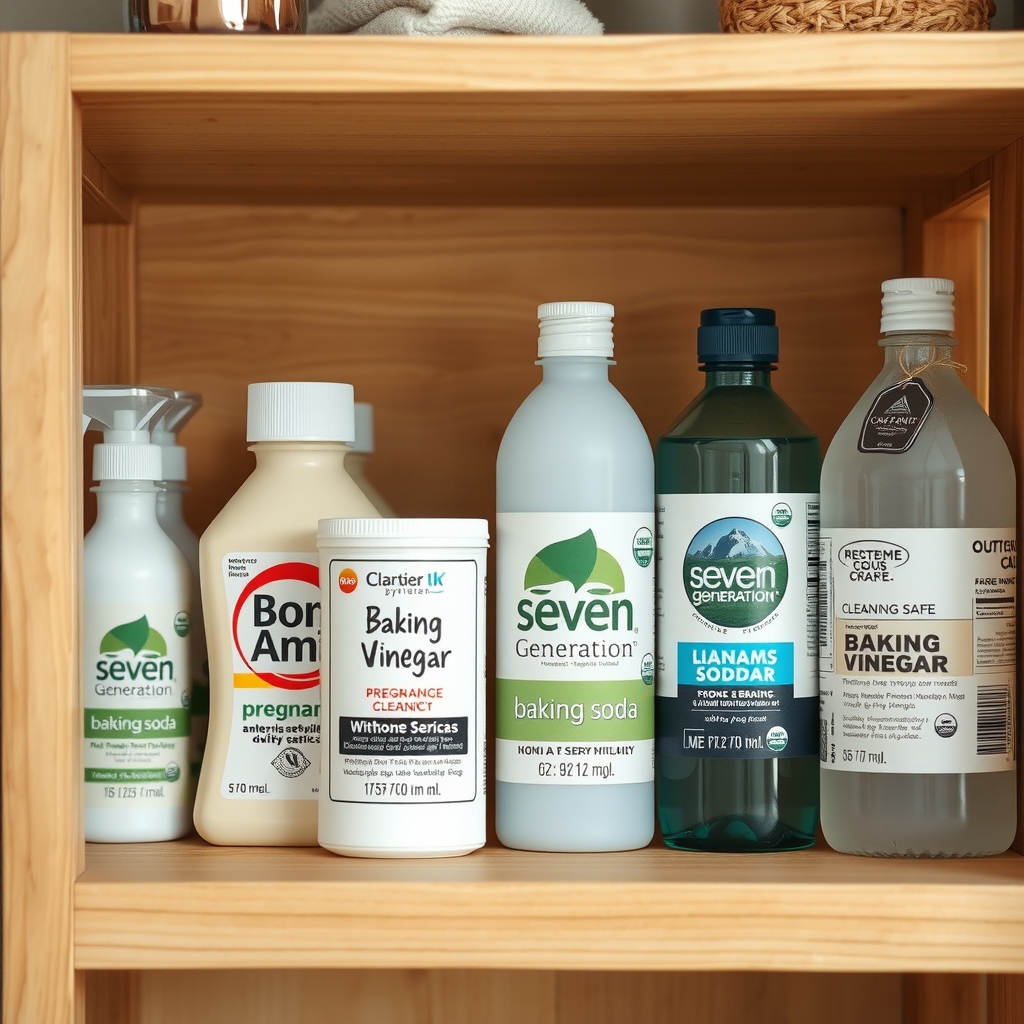
If you’re looking for safer alternatives to Bar Keepers Friend during pregnancy, you’re in luck—there are plenty of effective, non-toxic options. Here are some of the best pregnancy-safe cleaning products and DIY solutions:
- Bon Ami Powder Cleanser:
A gentler, non-toxic alternative to Bar Keepers Friend. It’s free of chlorine, fragrances, and dyes, and uses feldspar (a natural mineral) as its abrasive ingredient. Safe for most surfaces, including stainless steel and porcelain.
- Seventh Generation Disinfecting Multi-Surface Cleaner:
A plant-based cleaner that’s free of harsh chemicals like oxalic acid. It’s effective for everyday cleaning and disinfecting, and it’s safe to use around pregnant women and babies.
- Mrs. Meyer’s Clean Day Multi-Surface Concentrate:
A biodegradable, plant-based cleaner with essential oils. It’s gentle on skin and lungs, and it comes in a variety of pleasant scents (like lavender or lemon verbena).
- Ecover Zero Dish Soap:
While not an abrasive cleaner, Ecover’s dish soap is great for cutting through grease and grime on pots, pans, and stovetops. It’s fragrance-free and safe for sensitive skin.
- Branch Basics Concentrate:
A non-toxic, plant-based cleaner that can be diluted for multiple uses (e.g., all-purpose cleaner, glass cleaner, or bathroom scrub). It’s free of synthetic fragrances and harsh chemicals.
- Dr. Bronner’s Pure-Castile Liquid Soap:
A versatile, biodegradable soap that can be used for cleaning surfaces, dishes, and even hands. It’s made with organic ingredients and is safe for pregnancy when diluted properly.
- Baking Soda:
A natural, non-toxic abrasive that’s great for scrubbing sinks, tubs, and stovetops. Mix it with a little water to form a paste, or sprinkle it directly on surfaces. Safe for all trimesters.
- White Vinegar:
An effective, natural disinfectant that can cut through grease and grime. Mix equal parts vinegar and water in a spray bottle for an all-purpose cleaner. Avoid using it on natural stone (like granite or marble), as it can etch the surface.
- Hydrogen Peroxide (3%):
A safe, non-toxic disinfectant that can kill bacteria and viruses. Use it to clean countertops, sinks, and even cutting boards. Just be sure to rinse surfaces thoroughly after use.
- Method All-Purpose Cleaner:
A plant-based cleaner that’s free of harsh chemicals. It’s effective for everyday cleaning and comes in a variety of scents (or fragrance-free). Safe for use during pregnancy.
If you’re dealing with tough stains or rust, you can also try a paste made from baking soda and hydrogen peroxide. Apply it to the stain, let it sit for 10-15 minutes, then scrub with a soft brush or sponge. This combo is just as effective as Bar Keepers Friend for many jobs but much gentler on your lungs and skin.
Is the Bar Keepers Friend Powder or Liquid Safer During Pregnancy?
If you’re choosing between Bar Keepers Friend powder and liquid during pregnancy, the liquid version is the safer option. Here’s why:
- Less inhalation risk:
The powder version creates fine particles that can become airborne and irritate your lungs or throat. The liquid version doesn’t produce these particles, making it easier to control and less likely to be inhaled.
- Easier to rinse:
The liquid formula rinses away more thoroughly than the powder, reducing the risk of residue left on surfaces (which could come into contact with food or skin).
- Less abrasive:
While the liquid version is still effective for cleaning, it’s gentler on surfaces and your skin. The powder is more abrasive, which can be harsh on sensitive skin during pregnancy.
- No dust:
Pouring or scooping the powder can create a cloud of dust, which is easy to inhale. The liquid version eliminates this risk.
That said, neither version is completely risk-free. Both contain oxalic acid, which can irritate your skin and lungs if not used properly. If you opt for the liquid version, follow these extra precautions:
- Don’t spray it directly onto surfaces (pour it onto a cloth or sponge instead).
- Avoid leaning over the bottle or inhaling the fumes.
- Use it in a well-ventilated area.
- Wear gloves to protect your skin.
If you’re unsure which version to use, the liquid is the better choice for pregnancy. But if you’re looking for the safest option overall, consider switching to one of the pregnancy-safe alternatives listed above.
Can Bar Keepers Friend Cause Birth Defects or Pregnancy Complications?
No, Bar Keepers Friend is not known to cause birth defects or pregnancy complications. The active ingredient, oxalic acid, is not classified as a teratogen (a substance that can harm a developing fetus). According to the U.S. Environmental Protection Agency (EPA) and the American College of Obstetricians and Gynecologists (ACOG), there’s no evidence that occasional use of oxalic acid-based cleaners like Bar Keepers Friend poses a risk to your baby.
However, there are a few indirect risks to be aware of:
- Respiratory irritation:
Inhaling the fine powder or strong fumes from Bar Keepers Friend can irritate your lungs or airways, leading to coughing, wheezing, or shortness of breath. While this won’t harm your baby directly, it can make you uncomfortable—especially if you already have pregnancy-related shortness of breath in the third trimester.
- Nausea and dizziness:
The strong smell of Bar Keepers Friend (or any cleaning product) can trigger nausea or dizziness, which is already common in the first trimester. This is more of a discomfort than a risk to your baby, but it’s still worth avoiding if you’re sensitive to smells.
- Skin irritation:
Oxalic acid can cause redness, itching, or dryness if it comes into contact with your skin. While this won’t affect your baby, it can be uncomfortable, especially if you have sensitive skin or eczema.
If you’re concerned about using Bar Keepers Friend, talk to your healthcare provider. They can help you weigh the risks and benefits based on your specific situation. In most cases, they’ll reassure you that occasional, careful use is fine, but they may recommend switching to a gentler cleaner if you’re using it frequently.
Is It Safe to Inhale Bar Keepers Friend Fumes While Pregnant?
Inhaling Bar Keepers Friend fumes (or any cleaning product fumes) is not ideal during pregnancy, but occasional exposure is unlikely to harm your baby. The main concern is that the fumes can irritate your lungs, throat, or nasal passages, leading to coughing, wheezing, or shortness of breath. In rare cases, prolonged inhalation of strong fumes can cause dizziness or nausea, which can be especially uncomfortable during pregnancy.
Here’s what you need to know about inhaling Bar Keepers Friend fumes:
- The powder version is riskier:
The fine particles in Bar Keepers Friend powder can become airborne and irritate your respiratory system. If you’re using the powder, avoid inhaling it by wearing a mask and working in a well-ventilated area.
- The liquid version is safer:
The liquid formula doesn’t produce airborne particles, but it can still release fumes that may irritate your lungs. Use it in a well-ventilated area and avoid leaning over the bottle.
- First trimester sensitivity:
Your sense of smell is often heightened in the first trimester, and strong fumes can trigger nausea or headaches. If you’re feeling queasy, it’s best to avoid Bar Keepers Friend altogether and ask someone else to handle the cleaning.
- Third trimester discomfort:
As your belly grows, your lungs have less room to expand, making you more sensitive to respiratory irritants. If you’re in your third trimester and experiencing shortness of breath, avoid using Bar Keepers Friend and opt for a gentler cleaner.
If you accidentally inhale Bar Keepers Friend fumes and start coughing or wheezing, step outside for fresh air. If your symptoms don’t improve within a few minutes, contact your healthcare provider. In most cases, the irritation will subside on its own, but it’s always better to err on the side of caution.

Related Cleaning Products: Safety at a Glance
If you’re wondering how Bar Keepers Friend compares to other common cleaning products, here’s a quick pregnancy safety guide for similar items. Use this table to make informed choices about what to keep (or toss) under your sink.
| Product | Verdict | Notes |
|---|---|---|
| Comet Cleanser | ❌ Best avoided | Contains bleach and strong fumes. Opt for a gentler alternative like Bon Ami. |
| Ajax Powder Cleanser | ❌ Best avoided | Similar to Comet; contains bleach and abrasives. Avoid inhaling the powder. |
| Soft Scrub | ⚠️ Safe with limits | Contains bleach but in lower concentrations. Use in well-ventilated areas and wear gloves. |
| Lysol Disinfectant Spray | ⚠️ Safe with limits | Safe for occasional use, but avoid inhaling fumes. Opt for a fragrance-free version if possible. |
| Clorox Clean-Up | ❌ Best avoided | Contains bleach and strong fumes. Avoid during pregnancy, especially in the first trimester. |
| Mr. Clean Multi-Surface Cleaner | ✅ Generally safe | One of the safer conventional cleaners. Avoid the "bleach" or "antibacterial" versions. |
| 409 All-Purpose Cleaner | ✅ Generally safe | Safe for occasional use, but avoid inhaling fumes. Opt for the fragrance-free version. |
| Simple Green All-Purpose Cleaner | ✅ Generally safe | A non-toxic, biodegradable option. Safe for most surfaces and pregnancy. |
| Pine-Sol | ⚠️ Safe with limits | Contains pine oil, which can irritate lungs. Use in well-ventilated areas and avoid prolonged exposure. |
| Bleach (Sodium Hypochlorite) | ❌ Best avoided | Strong fumes can irritate lungs and trigger nausea. Avoid during pregnancy, especially in the first trimester. |
If you’re unsure about a specific product, check the label for warnings or ask your healthcare provider. When in doubt, opt for a pregnancy-safe alternative like those listed earlier in this article.
Myth vs. Fact
There’s a lot of misinformation out there about cleaning products and pregnancy. Let’s set the record straight on a few common myths about Bar Keepers Friend.
Myth: Bar Keepers Friend can cause miscarriage or birth defects.
Fact: There’s no evidence that Bar Keepers Friend causes miscarriage, birth defects, or pregnancy complications. The active ingredient, oxalic acid, is not classified as a teratogen. The main risks are irritation to your lungs, skin, or eyes—not direct harm to your baby.
Myth: You should avoid all cleaning products during pregnancy.
Fact: While it’s smart to be cautious, you don’t need to avoid all cleaning products. Many are safe if used correctly, such as in well-ventilated areas and with gloves. The key is to choose pregnancy-safe alternatives when possible and avoid products with strong fumes or harsh chemicals.
Myth: The liquid version of Bar Keepers Friend is just as risky as the powder.
Fact: The liquid version is actually safer than the powder during pregnancy because it doesn’t create inhalable particles. However, both versions should be used with caution (e.g., in well-ventilated areas and with gloves).
Key Takeaways
- Bar Keepers Friend is safe with limits during pregnancy. Occasional, careful use is unlikely to harm your baby, but you should take precautions to avoid inhaling fumes or powder.
- The liquid version is safer than the powder. It doesn’t create inhalable particles, making it a better choice for pregnancy.
- Use it in a well-ventilated area. Open windows or turn on a fan to disperse fumes and minimize inhalation.
- Wear gloves and avoid skin contact. Oxalic acid can irritate your skin, so protect your hands with gloves and wash them thoroughly after use.
- Rinse surfaces thoroughly. This removes any residue that could come into contact with food or skin later.
- Opt for pregnancy-safe alternatives when possible. Products like Bon Ami, Seventh Generation, or baking soda are gentler and just as effective for most cleaning tasks.
- If you’re unsure, talk to your healthcare provider. They can help you weigh the risks and benefits based on your specific situation.
Frequently Asked Questions
Is it safe to use oxalic acid cleaners like Bar Keepers Friend while pregnant?
Yes, oxalic acid cleaners like Bar Keepers Friend are generally safe during pregnancy if used correctly. The main concern is inhaling the fine powder or strong fumes, which can irritate your lungs or airways. To minimize risk, use the liquid version in a well-ventilated area, wear gloves, and avoid prolonged skin contact. Occasional use is unlikely to harm your baby, but frequent use may warrant switching to a gentler alternative.
What cleaning products should I avoid during pregnancy?
During pregnancy, it’s best to avoid cleaning products with strong fumes, bleach, or harsh chemicals. Here are a few to steer clear of:
- Bleach (sodium hypochlorite): Strong fumes can irritate your lungs and trigger nausea.
- Oven cleaners: Often contain lye or other caustic chemicals that can be harmful if inhaled or absorbed through the skin.
- Ammonia-based cleaners: Strong fumes can irritate your respiratory system.
- Air fresheners with phthalates: Some contain endocrine-disrupting chemicals that may affect fetal development.
- Aerosol sprays: Can release fine particles that are easy to inhale.
When in doubt, opt for pregnancy-safe alternatives like baking soda, vinegar, or plant-based cleaners.
Can Bar Keepers Friend cause miscarriage?
No, there’s no evidence that Bar Keepers Friend causes miscarriage. The active ingredient, oxalic acid, is not classified as a teratogen or a substance that can harm a developing fetus. The main risks are irritation to your lungs, skin, or eyes—not direct harm to your pregnancy. However, if you’re concerned, talk to your healthcare provider for personalized advice.
Is it safe to use abrasive cleaners during pregnancy?
Yes, most abrasive cleaners are safe during pregnancy if used correctly. The key is to avoid inhaling fine particles or fumes, which can irritate your lungs or airways. For example, Bar Keepers Friend powder is abrasive but safe if you use it in a well-ventilated area and wear a mask. However, gentler abrasives like baking soda are a better choice if you’re sensitive to smells or fumes.
What are the safest cleaning products for pregnant women?
The safest cleaning products for pregnant women are those that are non-toxic, fragrance-free, and free of harsh chemicals. Here are some top picks:
- Bon Ami Powder Cleanser: A gentle, non-toxic abrasive that’s safe for most surfaces.
- Seventh Generation Disinfecting Multi-Surface Cleaner: A plant-based cleaner that’s effective and safe for pregnancy.
- Baking Soda: A natural abrasive that’s great for scrubbing sinks, tubs, and stovetops.
- White Vinegar: A natural disinfectant that can cut through grease and grime.
- Hydrogen Peroxide (3%): A safe, non-toxic disinfectant for countertops and cutting boards.
- Method All-Purpose Cleaner: A plant-based cleaner that’s free of harsh chemicals.
These products are effective, affordable, and safe for all trimesters.

